一枚の羽 The Feather


10月末からある疑問、「タイランチョウ科はなぜアメリカ大陸にしか生息しないのか?」の答えを求めて史料を読み漁っていました。答えはまだ見つかっていませんが、その過程で古生物学の先人たちの熱い思いがヒシヒシとつたわってきました。 Since the end of October, I have been reading through historical documents in search of an answer to why Tyrannidae lives only in the New World. I have not yet found the answer, but in the process the passion of our predecessors in paleontology has been vividly conveyed to me.

1860年にドイツで一枚の羽の化石が発見され、その羽が古生物学の歴史を塗り替えることになりました。チャールズ ダーウィンの「種の起源」が1859年に出版され、既成概念に新しい提言を投げたばかりの頃でした。 In 1860, a single fossil feather was discovered in Germany that would rewrite the history of paleontology. Charles Darwin’s “Origin of Species” had just been published in 1859, throwing new suggestions at established ideas.

ナショナルジオグラフィックのウェブサイトからコピーさせていただきました。 Copied from the National Geographic website.

1860年にこの羽の化石が発見され、翌年に学会に発表されると、この羽は瞬く間に古生物学のロゼッタストーンになりました。なぜなら、その羽は1億5000万年前のものであるにもかかわらず、現生の鳥類の羽にそっくりだったからです。恐竜の絶滅は6,600万年前とされています。それよりはるか昔に、本当にこの羽は存在ていたのか? When the fossil of this feather was discovered in 1860 and presented to the scientific community the following year, it quickly became the Rosetta Stone of paleontology. The reason was that, although the feathers were 150 million years old, they looked exactly like those of living birds. The extinction of dinosaurs is believed to have occurred 66 million years ago. Was this feather really in existence much earlier than that?

私が感動したことは、古生物学者たちが既成概念にとらわれず、そんな疑問を真摯に受け止めて発掘調査を始めたことです。その一年後にはついにアーケオプテリクス、始祖鳥の化石が発見され、歴史は大きく変化していきました。羽が生えていた恐竜、始祖鳥の化石は、恐竜と鳥を結びつけ、ダーウィンの進化論の裏付けるものとなりました。また、始祖鳥の化石は、さらに大きな疑問を投げかけて、その疑問にも学者たちは勇敢に立ち向かっていきました。はたして始祖鳥は飛ぶことができたのか? What impressed me was that the paleontologists were not bound by preconceived notions, but took such a question seriously and began excavations. A year later, the fossil of Archaeopteryx, the first ancestral bird, was finally discovered, and history changed dramatically. The fossil of Archaeopteryx, a dinosaur with feathers, linked dinosaurs to birds and supported Darwin’s theory of evolution. And then, the fossils of Archaeopteryx also raised even more questions, which scholars bravely confronted. Could Archaeopteryx have flown?

ワイオミング州にある恐竜センターに展示されている始祖鳥の化石。 The fossil of Archaeopteryx on display at the Dinosaur Center in Wyoming.

その後、1996年、そして2009年に今現在の主流な仮説の元となる化石がそれぞれ中国で発見されました。これらの化石は恐竜の竜脚類にだけではなく鳥盤類にも羽毛があったということを教えてくれました。換言すると、すべての恐竜の祖先は羽毛を付けていたということになります。 Later, in 1996 and 2009, respectively, fossils were discovered in China that are now the basis of the current mainstream hypothesis. These fossils show that not only that dinosaur theropods had feathers, but also ornithopods had feathers. In other words, the ancestors of all dinosaurs had feathers.

これって、すごくないですか? Isn’t this amazing?

私がつい最近まで見ていた恐竜のイラストは爬虫類の様な外観でした。ところが実際は「ティラノサウルスレックスにも羽が生えていた!」と言われても、なかなか納得がいきません。更に、「私たちのまわりにいる鳥たちの祖先は恐竜そのものだ。」という結論にいたっては、驚愕そのものです。 Until recently, the dinosaur illustrations I had seen were reptile-like in appearance. In reality, however, “Tyrannosaurus rex had feathers!” I find it hard to accept this. Furthermore, the conclusion that “the ancestors of birds around us are dinosaurs themselves” is astonishing.

山道で見つけたフクロウの羽を持ち帰りました。 Found an owl feather on a mountain trail and brought it back home.

1億年以上、はるか昔を想像して仮説を立てていく学者の熱い思いは、文献を読んでいるだけの私をも興奮させてくれます。そして、彼らの探究心に敬服します。 The passion of the scholars who imagine and hypothesize about the past 100 million years and much further back in time excites me even as I read the literature only. And I admire their spirit of inquiry.

以下、Palaeos.com のページからチャートをコピーさせていただきました。 Below is a chart copied from the Palaeos.com page.

新しい問い、「羽毛を付けていた恐竜がどうやって空を飛ぶようになったのか?」この問いの答えはまだありません。 A new question, “How did dinosaurs with feathers evolve the ability to fly?” There is no answer to this question yet.

鳥の分類復活 -スズメ目 Back to Aves – Passeriformes


私の鳥の分類作業は、7月23日のブログ、ハヤブサを最後に休業状態に入っていました。 My bird classification work had been on hiatus since my last blog, falcons, on July 23.

でも、また復活します。👏 パチパチ👏 But my bird classification posts will be back. 👏 Clapping👏.

今日からはスズメ目の鳥を分類しますが、実はこれが鳥類の中の最後の目なんですね。 I will start classifying birds of the order Passeriformes from today, and this is actually the last of the orders in Aves.

Screenshot

上の分類表を見ると、スズメ目が99行目から始まって、173行で終わっています。勿論、今後詳しく分類していくと、行数はもっと増えていきます。ここで指摘したいことは、スズメ目は鳥類の中でも約半分の数を占めている巨大な1目だということです。言い換えれば、鳥の分類もようやく半分できたということです。 Looking at the classification table above, Passeriformes starts at row 99 and ends at row 173. Of course, the number of rows will increase as I classify them in more detail in the future. What I want to point out here is that the order Passeriformes is a huge single order, accounting for about half of all classifications in the Aves world. In other words, I am finally halfway through classifying birds.

スズメ目は外見状、スズメに似ていることから付けられた名前です。 Passeriformes is named for the outward appearance and resemblance to a sparrow.

スズメ目の特徴はいくつかありますが、代表格は以下の2点です。 There are several characteristics of Passeriformes, but two representative examples are:

  1. 鳴管(めいかん)の発達により、大きく囀ることができる。 Development of the vocal tract, Syrinx, allows for a loud chirp.
  2. 三前趾足(さんぜんしそく)で木の枝を掴むのに適している。 Anisodactyl, the three front toe feet are suitable for gripping tree branches.
ウタスズメ Song Sparrow

一つ目の鳴管の発達について補足します。 Supplementary information on the development of the first, Syrinx.

私たち、人間には声帯があり、そこを通して声が出てきます。それに対し、鳥類は声帯の代わりに鳴管という器官があります。そして、スズメ目の鳥たちはこの鳴管が特に発達しているので、美しい囀りをする鳥たちが多いと言われています。 We humans have vocal cords through which our voices come out. Birds, on the other hand, have an organ called the Syrinx instead of vocal cords. Birds of the order Passeriformes have a particularly well-developed Syrinx, which is why many of them sing beautifully.

二つ目の三前趾足(さんぜんしそく)について補足します。 Supplementary information on the second, Anisodactyl.

人間の足には5本の足指があり、すべて前方を向いています。それに対し、鳥類は5番目の足指が退化して、4本から2本の足指しかありません。足指の分類の中で、スズメ目は三前趾足(さんぜんしそく)のグループに入ります。一番目の指が後ろに向いていて、残りの3本は前を向いているグループです。 The human foot has five toes, all pointing forward. In contrast, birds have only four to two toes, with the fifth toe degenerating. Within the classification of toes, Passeriformes birds are in the group of Anisodactyl. This is a group in which the first toe points backward and the remaining three point forward.

足指の方向を調べていくと面白いことがたくさん出ていきますが、今日はここまでにしておきます。A lot of interesting things will emerge as we examine the direction of the toes, but that’s all for today.

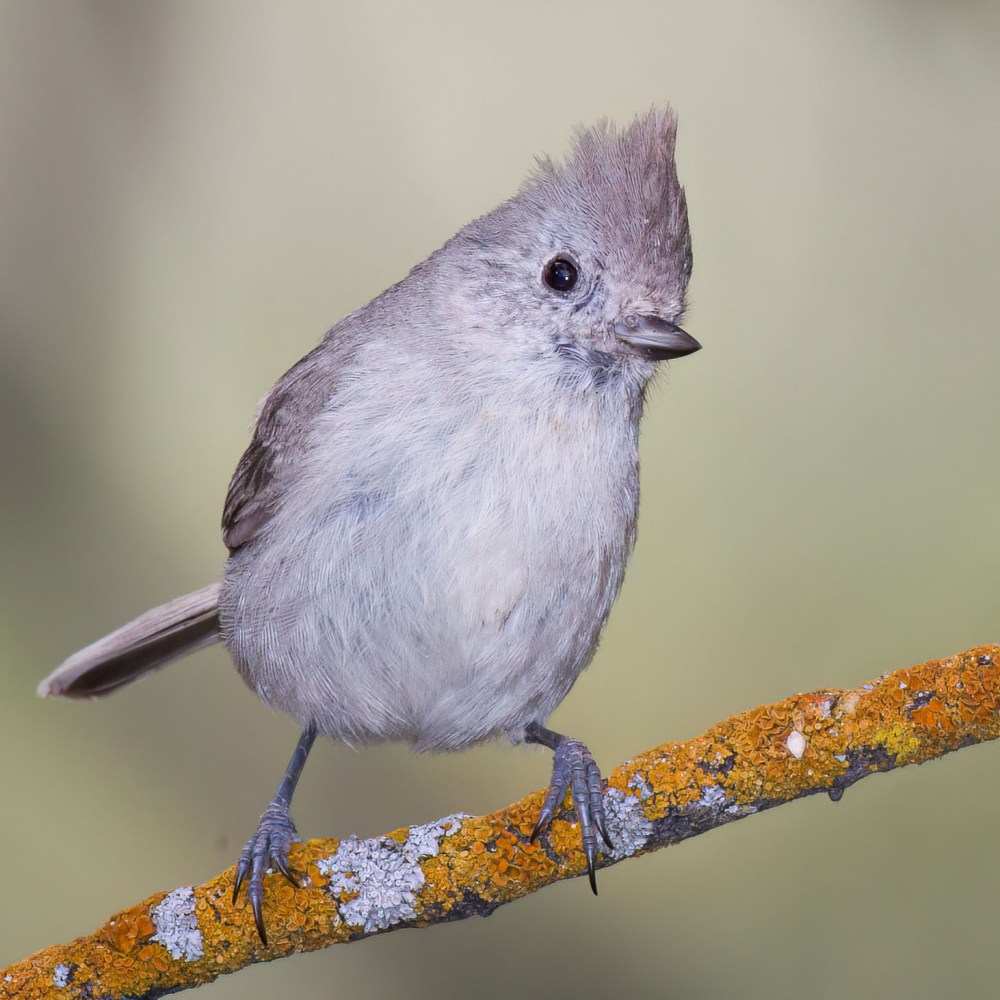
エボシガラ Titmouse

次回から少しずつ6000種類以上のスズメ目の鳥の分類をしていきます。 I will gradually classify the more than 6,000 species of birds of the order Passeriformes starting from the next post.

決断の時 At A Crossroad


ボビーはまだ生まれてから半年しか経っていない子供のボブキャットです。 Bobby is a bobcat cub who is only half a year old.

こんな日は突然くるのでしょうか。この日、彼は決心した様です。 Will such a day come suddenly? On this day, he seems to have made up his mind.

凛々しく立ち上がり、一人で生きていく時が来たことを自覚したかの様でした。 It was as if he had risen to his feet and realized that it was time for him to live alone.

…

この朝、お母さんの姿はなく、2匹の子供たちだけ、裏庭で無邪気に戯れあっていました。きっと、こうして狩猟の技を磨いていくのでしょう。その後、出かける準備をしなければいけないので、彼らの観察はきりあげて、2匹のことは忘れていました。This morning, there was no sign of the mother nearby, only the two cubs, playing innocently in the backyard. I am sure this is how they improve their hunting skills. After that, we had to get ready to go out, so we put our observation aside and forgot about the two of them.

でも、しばらくすると、誰かの鳴き声が聞こえ始めました。鳥かな?いえ、もしかしてボビー?1時間ぐらい泣いていた様です。RINGカメラをみてみたら、やっぱりボビーでした。 But after a while, I started to hear someone crying. Is it a bird? No, maybe Bobby? It was crying for about an hour. When I looked at the RING camera, it was Bobby.

RINGカメラにはお母さんの姿は映っていませんでした。また、2匹だと思っていたのに、たった1匹だけ。取り残されたボビーだけがいつまでも泣いている姿が映っていました。まだこんなに小さいのに! The RING camera did not show the mother. Also, I thought there were two, but there was only one. Only Bobby, who was left behind, was seen crying indefinitely. Even though he’s still so small!

自然は過酷です。 Nature is harsh.

胸が張り裂ける様な気持ちでこのビデオを作りました。 It was heartbreaking to make this video.

ボビー、頑張れ!きっとまた会おうね!!! Go Bobby! We should meet again!!!

ダブルレインボー Double Rainbow


去年の11月、アリゾナ州のナバホ国内にあるアーチを見に行きました。 Last year in November, we went to see the arch in Navajoland in Arizona.

下の写真のアーチの中で太陽が地平線に沈むところを撮るのが目的でした。 Our goal was to capture the sun setting on the horizon in the arch in the photo below.

あいにく、雨。眼前は崖っぷちで、足場は狭く、雨で滑りやすくなっていたので、私はアーチ写真を諦めました。雨は降り止むことはなく、カメラはびっしょり、レンズにも水滴がたくさんついてしまいました。 Unfortunately, it was raining. I gave up on the arch shot because of the cliff face in front of me, the narrow footholds were slippery because they were wet from the rain. It never stopped raining, and my camera was soaked and my lens was covered with water droplets.

上の写真には水滴を通して丸い光が映ってしまいました。 The photo above shows the round light reflections through the water droplets.

そして、ふと後ろを振り向くと、なんと、ダブルレインボーが岩を囲む様に架かっていました。 And when I turned around, to my surprise, a double rainbow was surrounding the rock.

ダブルレインボーの 2重の中と外の虹をよく観察すると、7色の順序が逆になって見えるのをご存知ですか? Do you know that if you look closely at the double rainbow inside and outside the double rainbow, the order of the seven colors appears to be reversed?

上の写真、中の虹では赤が外側で、紫が内側ですよね。でも、外の虹は、紫が外側で赤が内側になってます。なぜ?と思われた方は、こちらのサイト、StackExchange をご覧ください。 In the photo above, in the inside rainbow, red is outside and purple is inside, right? But in the outside rainbow, purple is outside and red is inside. Why? If you are wondering why, visit this site, StackExchange.

光はますます消えていき、あたりはすっかり暗くなっていましたが、後ろの岸壁の光が反射して、アーチはオレンジ色に輝いていました。 The light was fading more and more, and the area was completely dark, but the arch was glowing orange, reflecting the light from the cliff behind it.

明日からバンちゃんの写真のワークショップが始まります。荒野を夜中に歩いていくというのは私には体力的に難しいので、留守番です。彼が絶対素晴らしい写真を撮ってくるのはわかっているので、楽しみです。 Ban-chan’s photography workshop starts from tomorrow. Walking through the wilderness in the middle of the night is physically difficult for me, so I will stay home. I know he will take absolutely amazing photos, so I am looking forward to it.

かくれんぼ Hide And Seek


嵐の後、今朝の日の出は菊の花のようにオレンジ色に燃えていました。 After the storm, the sunrise this morning was burning orange like a chrysanthemum flower.

気温がぐっと下がり、近くの山には初雪が積もったとのことです。 Temperatures have dropped dramatically, and the first snow is reported to have fallen in the nearby mountains.

鳥たちは楽しそう。 The birds seem to be having fun.

隠れん坊をしているのだけど、葉っぱが吹き飛ばされた後の木の中では隠れるのはちょっと難しい。 They are playing hide and seek, but it is a bit difficult to hide in the trees after the leaves have been blown away.

君たちの影がしっかり見えてるよ。 I can see your shadows clearly.

夜の訪問者たち Night Visitors


9月の末の夜明け前、初めてフォックスのカップルが来てくれました。 At the end of September, before dawn, a couple of Foxes came over for the first time.

多分、グレイ フォックスだと思いますが、断定できません。こちらのビデオをご覧ください。 Maybe it’s a Gray Fox, but we can’t be sure. See the video here.

そして、意外なお客様が来ていることもわかりました。(いつものことですが、画像が悪いです。) And we found out that we also had some unexpected guests. (As always, bad picture.)

秋の夜長、4本足の動物たちは忙しそうです。 On a long autumn night, the four-legged animals seem to be busy.

ボビーのお母さん Bobby’s Mom


私たちがこの地に引っ越してきたのは2021年の春でした。その年の夏、初めてボブキャットのボビーに出会いました。 その時のポスト We moved here in the spring of 2021. We met Bobby the Bobcat for the first time that summer. Post at that time.

ボビーという名前は私がつけましたが、子供のボブキャットの総称として使っています。 I gave him the name Bobby, but I use it as a generic term for any Bobcat cub.

その後、ほとんど毎年、夏になるとボブキャット家族がやって来てくれました。今年の夏も期待通り、しかも幾度となく来てくれました。 Almost every summer since then, a Bobcat family has come to visit us. This summer, as expected, they came numerous times.

ボブキャットの子供は1年以内に母親から離れていくので、毎年違うボビーを見ていると考えるのが妥当です。そして、お母さんもきっと違うボブキャットだと勝手に想定していましたが、同じお母さんかもしれないと思うようになりました。 Bobcat cubs leave their mother within a year, so it is reasonable to assume that we see different bobcat cubs every year. And although I had assumed that the mother must be a different Bobcat, I have come to believe that it may be the same mother.

そう考える理由は二つあります。 There are two reasons to believe so.

  1. 明確な縄張りがあること。メスの縄張りは5-10マイルほどで、多くの場合、縄張りの外には出ないと言われています。 A well-defined territory: A female’s territory is about 5-10 square miles, and in most cases she will not venture outside of her territory.
  2. お母さんの左側の牙がないこと。左が4年前で右が今年の写真です。牙が同じ様に抜け落ちています。 The absence of the lower fang on the left side of the mother: The left photo is from 4 years ago and the right is from this year. The left fang is missing in the same way for both images.

以上のことから、おそらく4年前に初めて出会ったお母さんと今年見たお母さんとは同一のボブキャットだと考えてもいいと思います。 Based on the above, it is probably safe to assume that the mother we first met four years ago and the mother we saw this year are the same individual.

そう考えると、お母さんの姿が疲れているように見えました。ウサギを捕まえるのは得意なお母さんですが、2-3匹の子供の世話を毎年、もしくは2年に一度ぐらいのペースでしているとしたら、ホントに疲れちゃいますよね。 When I think about it, the mother looked tired. I know she is good at catching rabbits, but if she has to take care of 2-3 kids every year or two, she must really be tired.

ボビーのお母さん、お疲れ様です。野生のボブキャットの寿命は7年ぐらいだと言われています。そうだとしたら、もう、おばあちゃんです。今回が最後になるかもしれません。 Great job, Bobby’s mom! It is said that the lifespan of a wild bobcat is about 7 years. If so, she is now a grandmother. This may be the last time.

めったにないことですが、日没後、でもまだ明るい時に、裏庭に来てくれました。私たちが家の中から見ている事にも気づいていたようですが、それでもくつろいでいました。携帯で撮った質の悪いビデオですが、ボビーのお母さんに敬意を込めて作りました。ぜひ、ご覧ください。 Although it is rare for them to come to our backyard after sunset during dusk, occasionally they do. This time she was aware that we were watching from inside the house, but she still made herself at home. This is a poor quality video taken with my cell phone, but I made it as a tribute to Bobby’s mother. Please take a look.

ルイスキツツキ Lewis’s Woodpecker


ららら〜 La La La ~

ルイスさーん!Mr. Lewis ~!

ラララ〜 LA LA LA ~

すみません、ルイスさん、ちょっと聞きたい事があるんですが。 Excuse me, Mr. Lewis, I have a quick question.

ん? Hmm?

初めてお目にかかるんですが、この近辺に住んでいらっしゃるんですか? This is the first time I’m meeting you. Do you live in the area?

時々遠いところまで行くけど、たいていはこの辺。 Sometimes I go far away, but most of the time I’m around here.

そうですか。こちらの方は、奥さまですか? I see. Is this person your wife?

ん? ん? Hmm?

こちらの方。 This person.

ああ、それなら私の子供ですよ。 Oh, that’s my child then.

子供は私みたいに美しい羽がまだ生え育ってないんですよ。生え揃うまでにはもう少し時間がかかります。The child hasn’t grown beautiful feathers yet like I have. It will take a little more time for them to grow in.

そうだったんですね。ありがとうございます。 Yes, I see that is the case. Thank you very much.

じゃ、またね〜。 See you later.

あまりデータがないので、今日のインタビューは大切なものとなりました。 There is not much data on Lewis’s Woodpecker, so today’s interview was an important one.

こちらはショートビデオです。 Here is a short video.

コロブ貯水池の北 North Of Kolob Reservoir


標高8,117 ft (2,474m) にあるコロブ貯水池のアスペンの葉は既に黄色く色付いていました。 The aspen leaves at Kolob Reservoir, at an elevation of 8,117 ft (2,474 m), were already turning yellow.

もうずいぶん前から秋になっていたんですね。 It has been autumn for quite some time now.

私たちはルイスキツツキがいると聞いたので、まだ見たこのとない鳥を求めて行って来ました。 We had heard there were Lewis’s woodpeckers, so we went in search of this bird, which we had not yet seen.

とても気持ちが良い秋の日で、しかも、目的のキツツキを見ることができて満足です。ただ、再び膨大な量の写真の山に埋もれてしまうことになったので、ルイスキツツキについては後日書きます。 It was a very pleasant autumn day, and besides, we were happy to see the woodpecker we wanted. However, I will write about the Lewis’s woodpecker at a later date, as I am once again buried under a huge pile of photos.

その代わり、今日は、帰り道に出会った羊について書きます。 Instead, today I write about sheep we met on our way home.

貯水池を北上し、しばらく行くとシーダーブレイクス国定公園が遠くに見えて来ました。そして、草原のあちこちで羊たちが草を食んでいました。 After a short distance north of the reservoir, Cedar Breaks National Monument came into view in the distance. And here and there sheep were grazing in the meadows.

これから冬を超えてますます毛が伸びて丸くなっていくのでしょうね。 I am sure they will grow more and more hairy and round over the winter.

ちょっと触ってみたいと思い、近くに行こうとしましたが、やはり、逃げられてしまいました。 Wishing to touch them, I tried to get close to them, but of course, they ran away from me .

清々しい秋の日に、私たちの心を一新するように、秋風が通り過ぎて行きました。 On a crisp autumn day, an autumn breeze passed by, refreshing our hearts.

ジュニパーの実 Juniper Berries


バーミリオンクリフ国定公園内で見かけました。 I saw them in the Vermilion Cliffs National Monument.

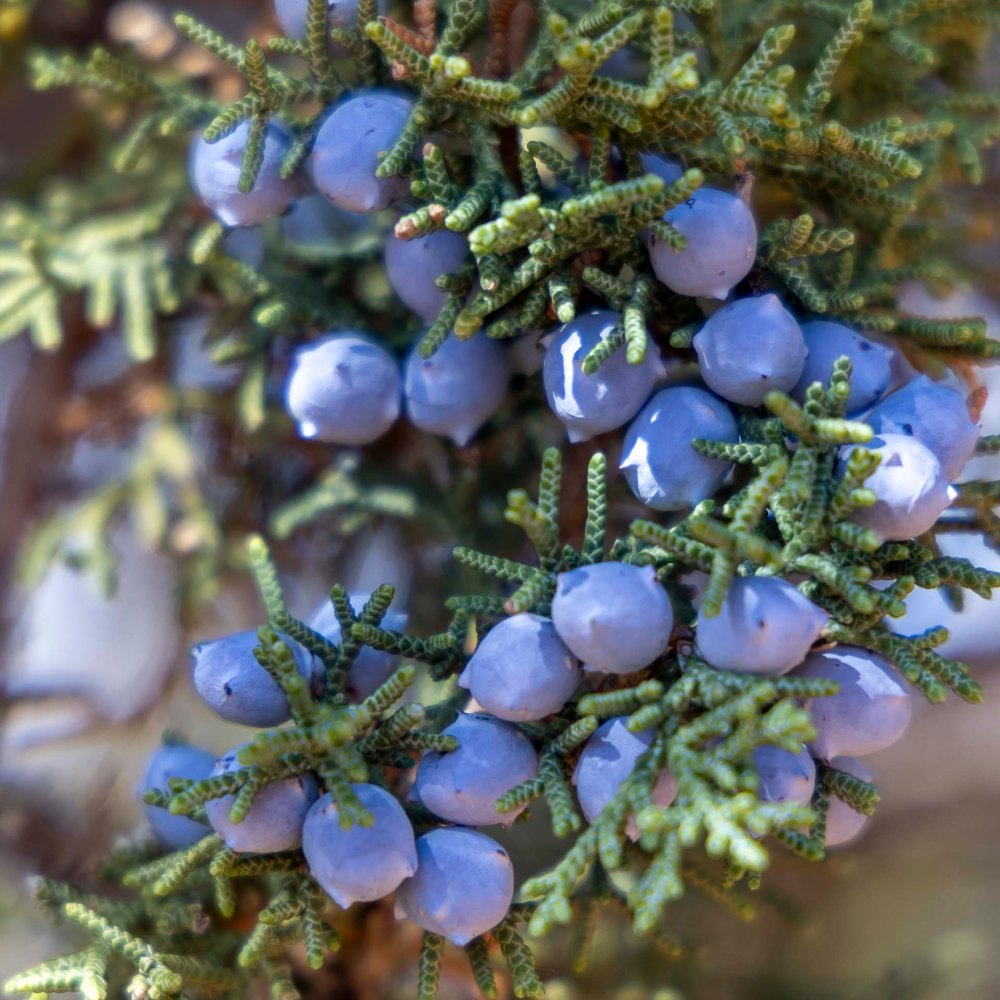
休憩のために立ち寄った名もない場所にジュニパーの木が立っていました。 A juniper tree stood in an unnamed spot where we stopped for a break.

わー、ジュニパーの実がいっぱい! Wow, lots of juniper berries!

鳥たちはここには来ないのかもしれません。 Maybe the birds don’t come here.

鳥たちが食べなかったら、こんなにたくさんの実が勿体無いと思ってしまうのは私だけでしょうか。 Am I the only one who thinks that so many berries would be a waste if the birds do not eat them?

腰を下ろしていた砂岩の上には、さまざまな地衣類が付着していました。長い年月をかけて岩をも侵食してしまうパワーを持っています。 The sandstone on which I was sitting was covered with a variety of lichens. They have the power to erode even the rocks over a long period of time.

地衣類のようにジュニパーの実もそのまま居続けたら、新しいジュニパーの木が生えてくるのかな。それとも、もっと他に隠されたパワーがあるのかな。 I wonder if juniper berries, like lichens, will grow new juniper trees if they stay in place. Or is there some other hidden power in them?

パリア Pharaoh


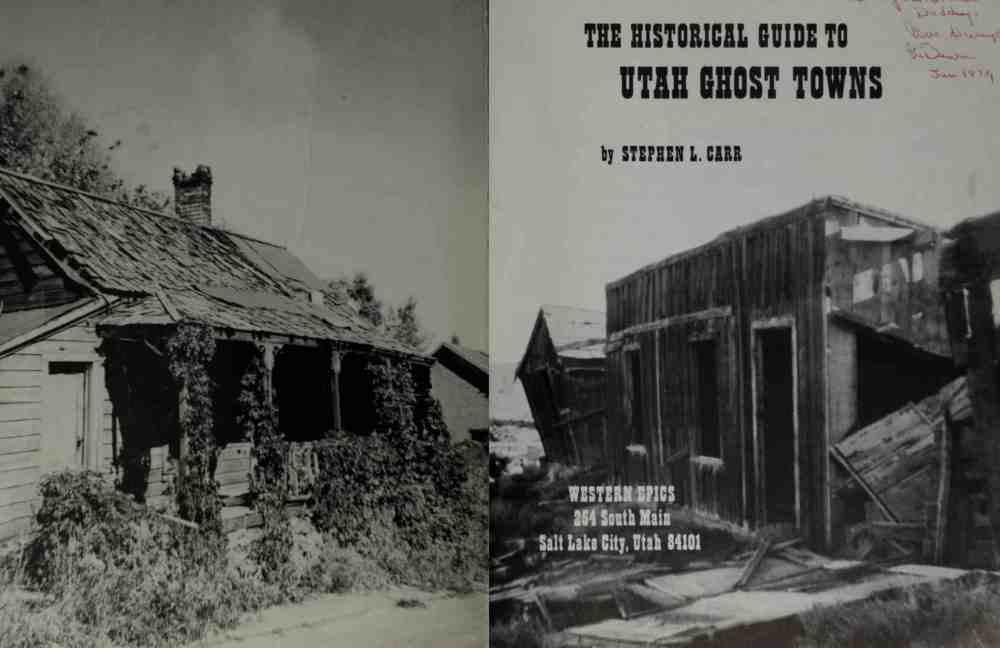
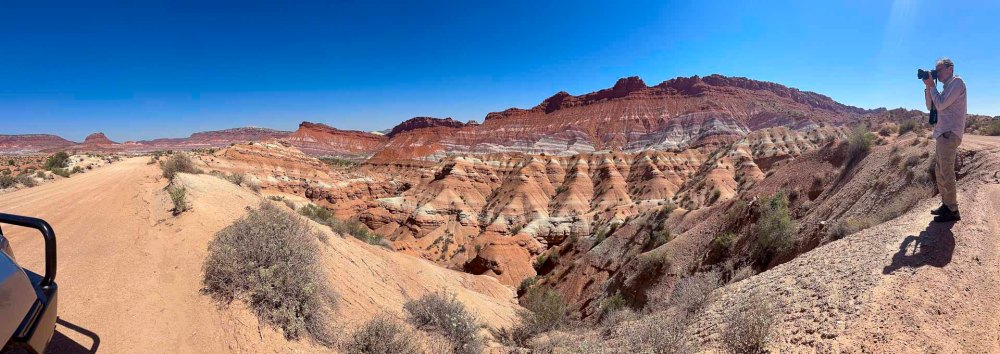
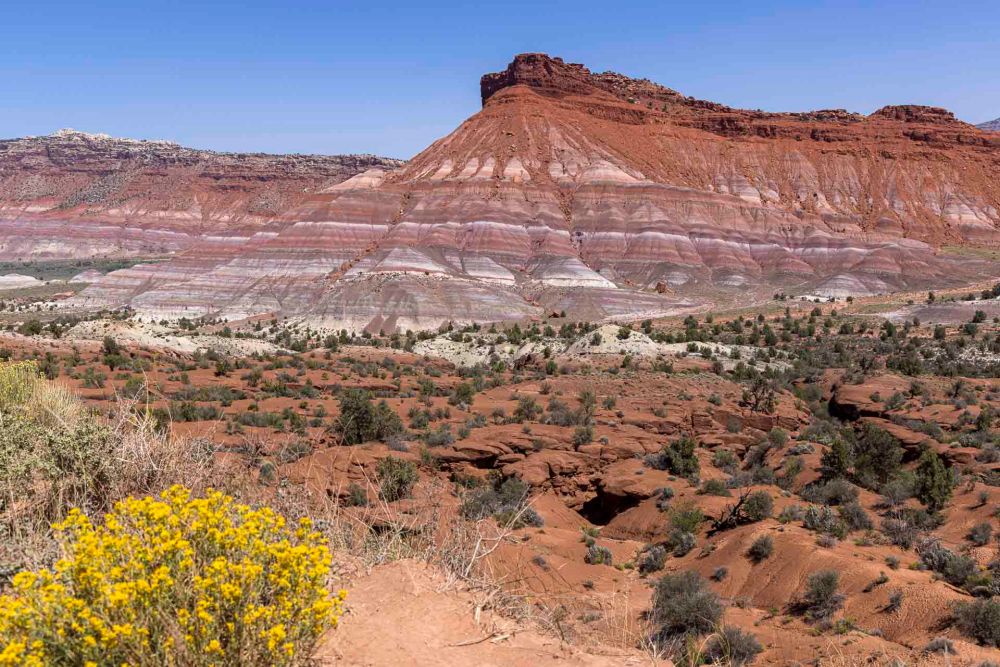
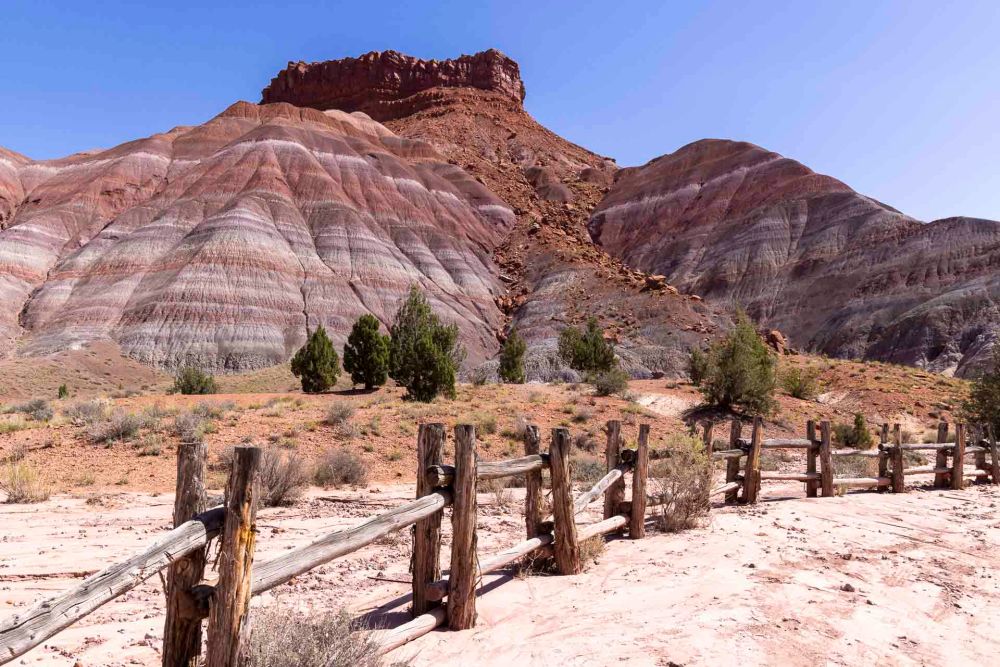
パリアはグランド ステアケース エスカラテ国定公園内にあるゴーストタウンの名前です。 Pahreah, aka Paria, is the name of a ghost town in the Grand Staircase Escalante National Monument.

Screenshot

ユタ州には145ものゴーストタウンがあるそうで、そのリストに載っています。 There are 145 ghost towns in Utah, and this town is on that list.

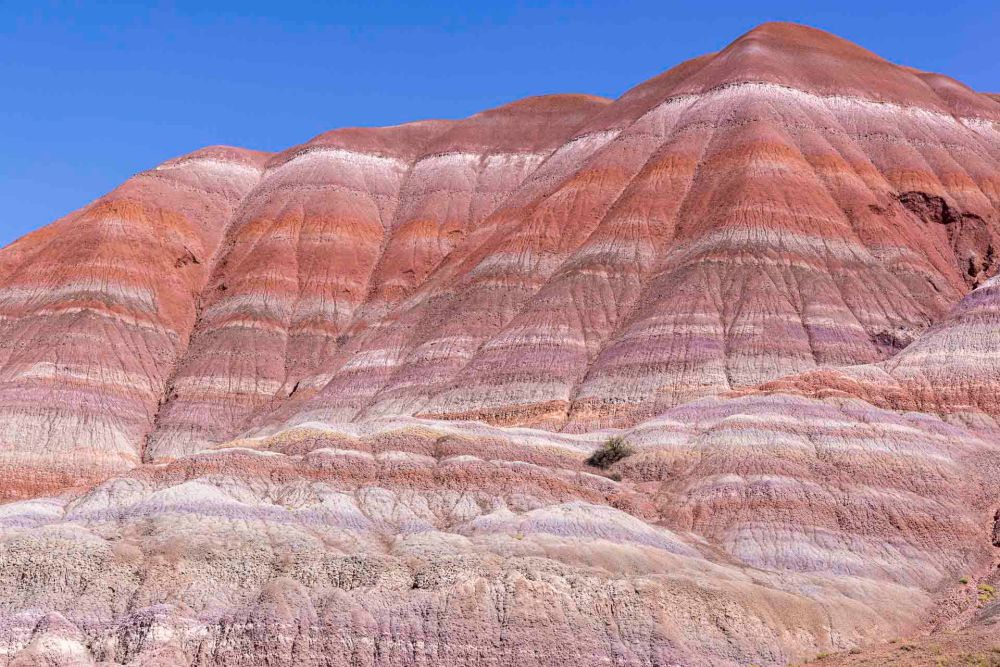
来るつもりはなかったのに立ち寄ってみました。でも、その景観に驚いてしまいました。ちょっと立ち寄るような場所じゃない。 We dropped by even though we weren’t planning to come. But we were surprised by the view. It’s not the kind of place you would stop by for a minute.

オレゴン州にあるジョンデイ化石層国定公園内にあるペインテッドヒルを思い起こさせます。 It reminds me of the Painted Hills in the John Day Fossil Beds National Monument in Oregon.

じっくりと時間をかけて探索し、ゴールデンアワーに写真を撮りたい場所です。This is a place to take your time to explore and take pictures during the golden hour.

「また絶対来るからね。」と言って、後ろ髪を引かれる思いで立ち去りました。” I’ll definitely be back.” we said, and then left with a sigh of relief in our hearts.

陸上の海 The Sea On Land


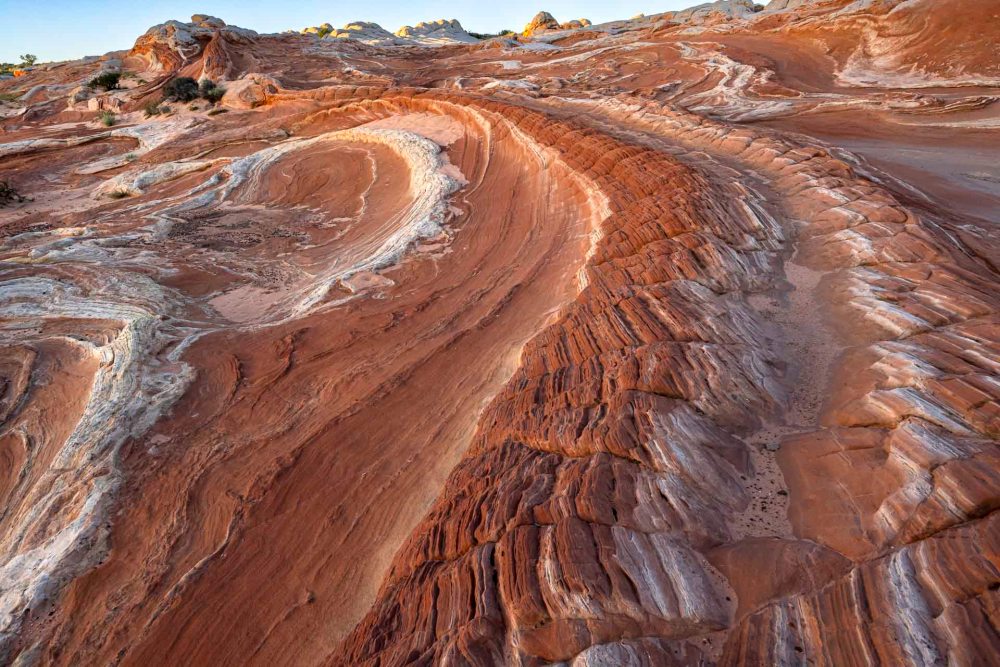
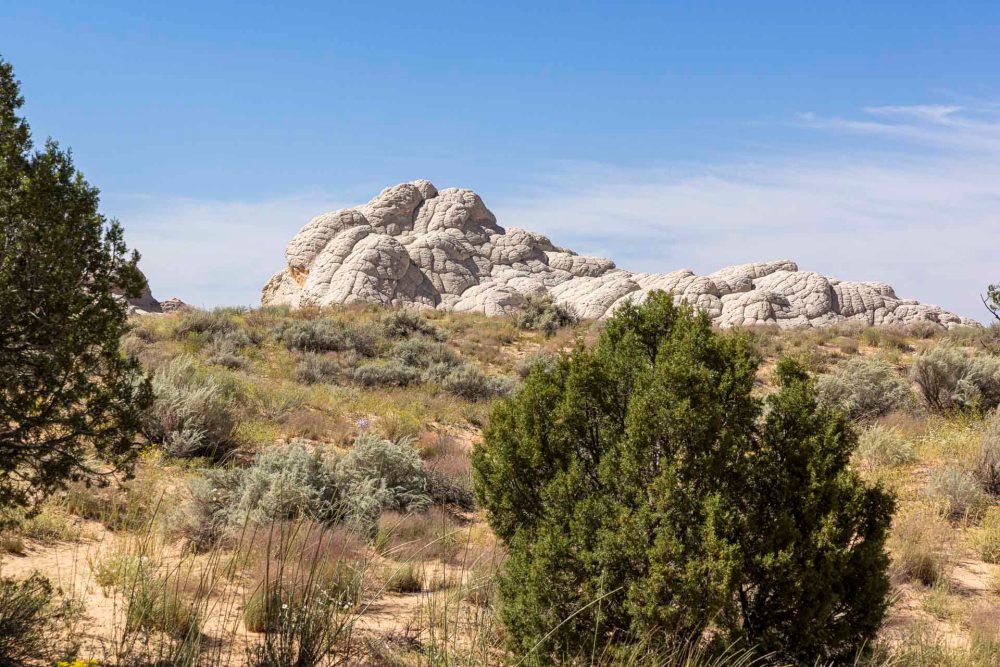
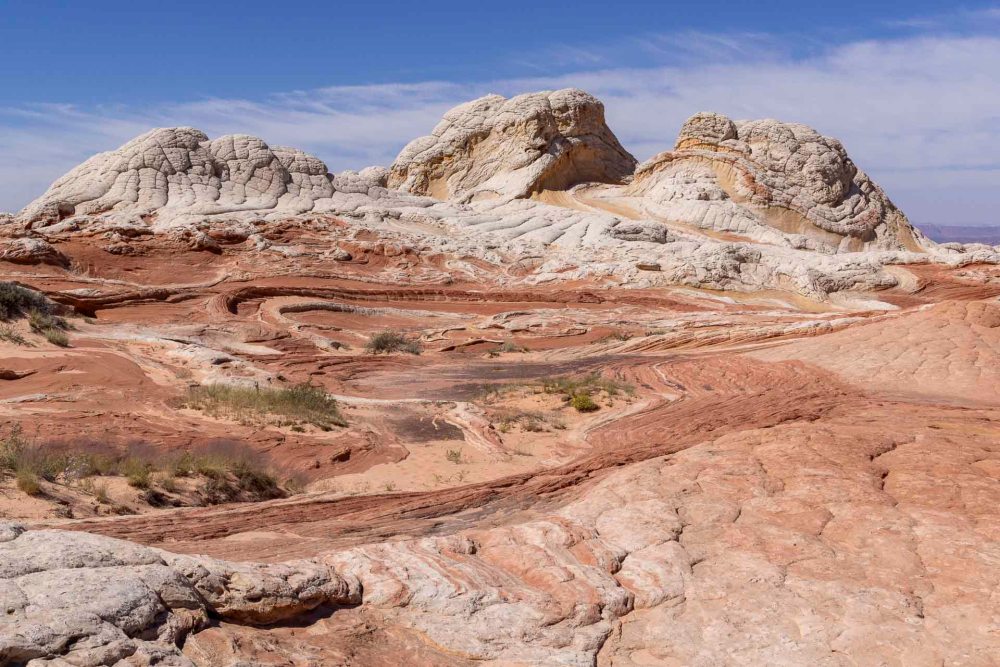
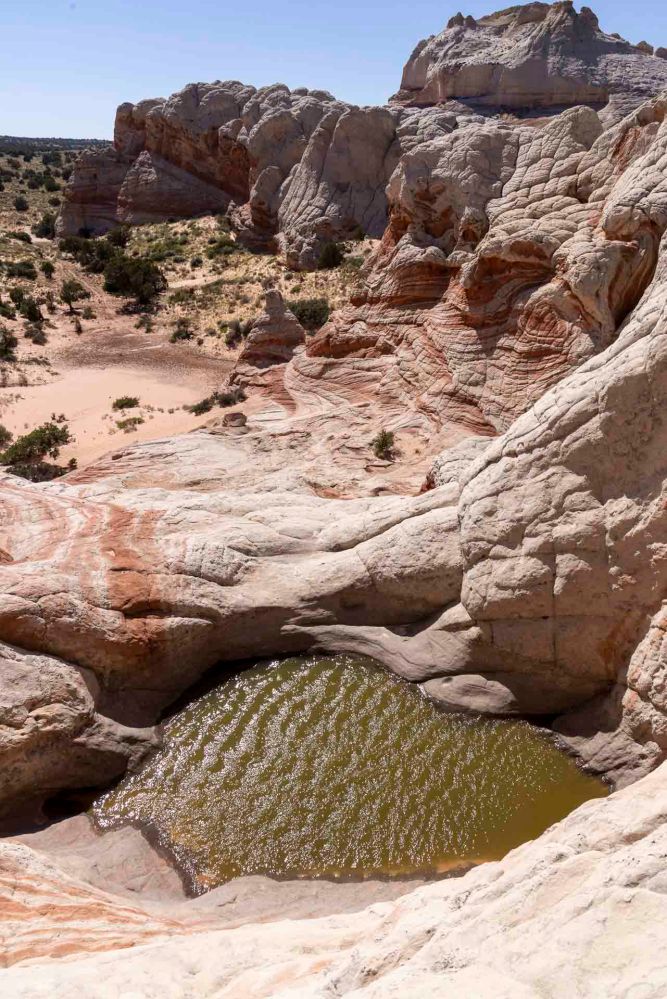
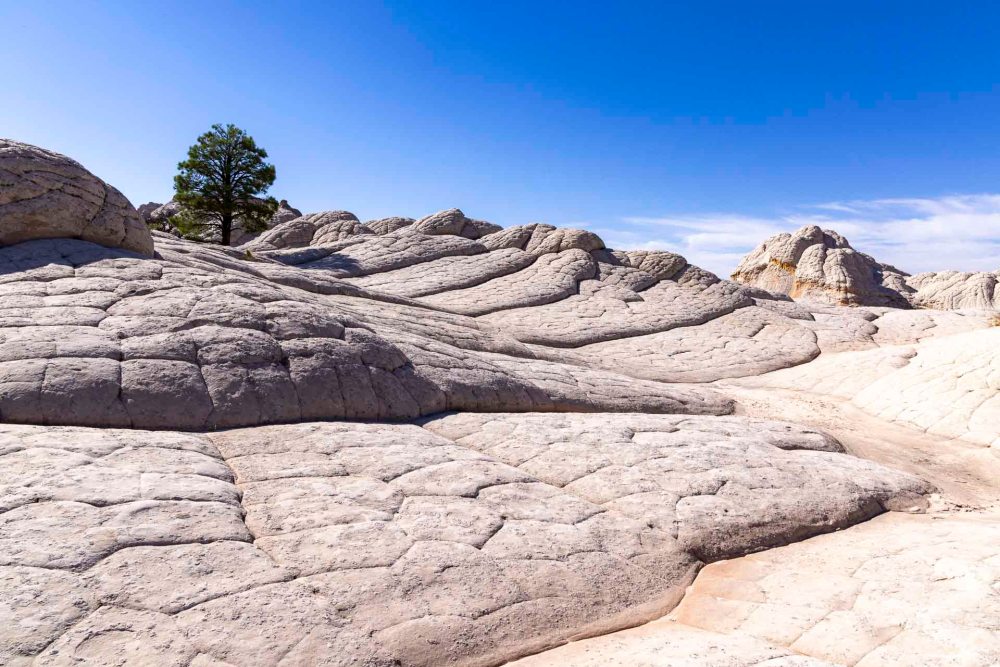
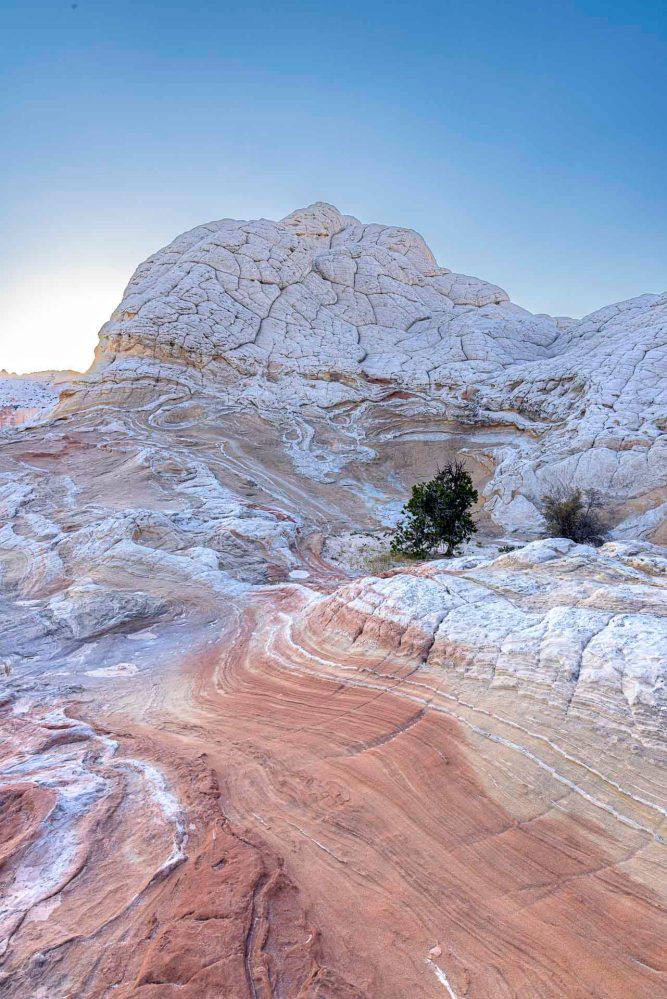
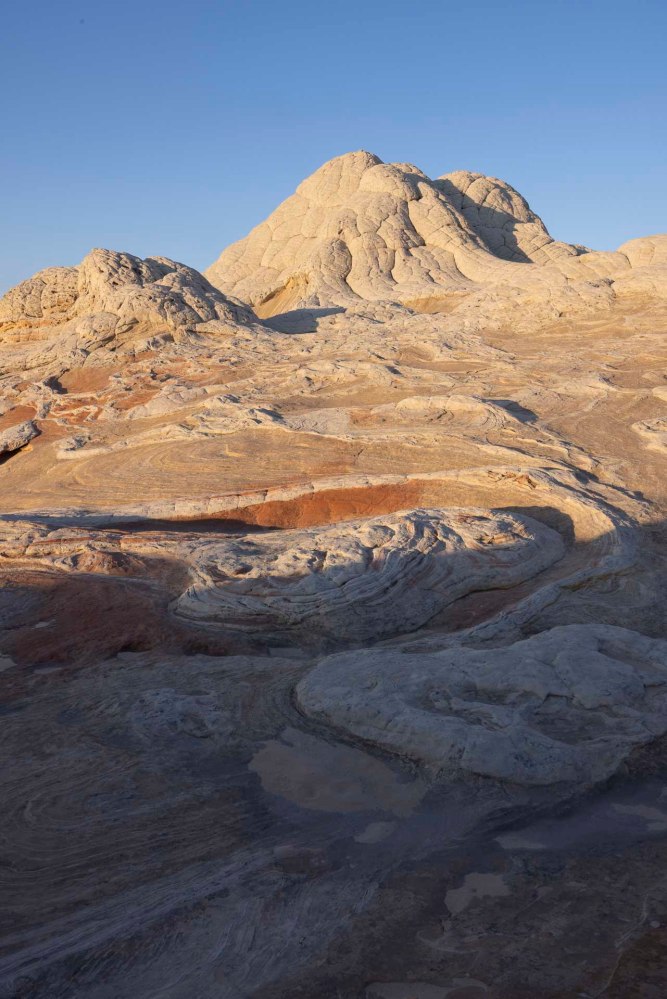
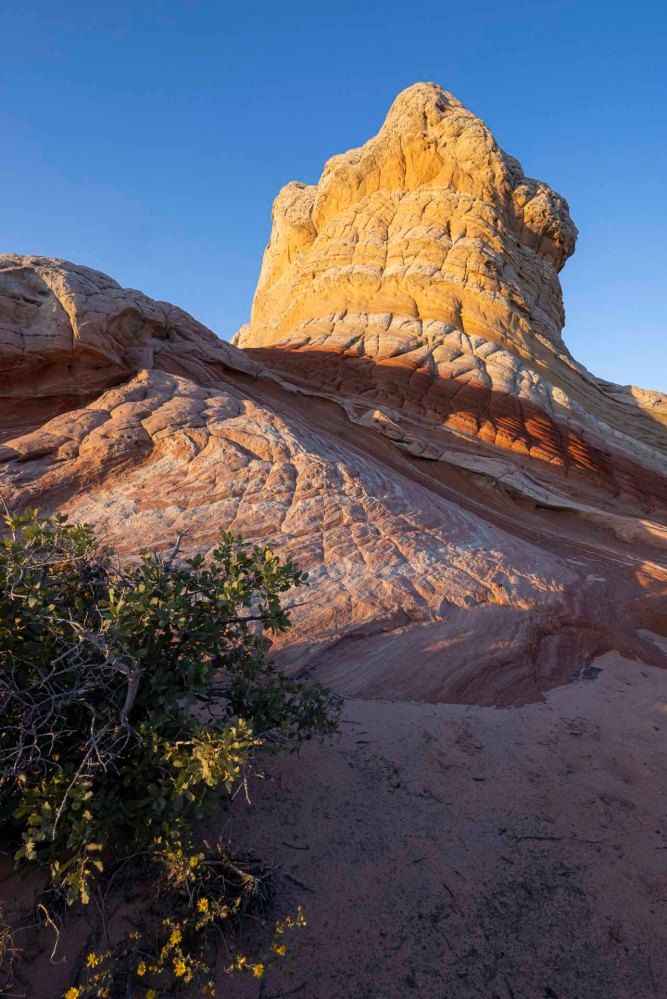
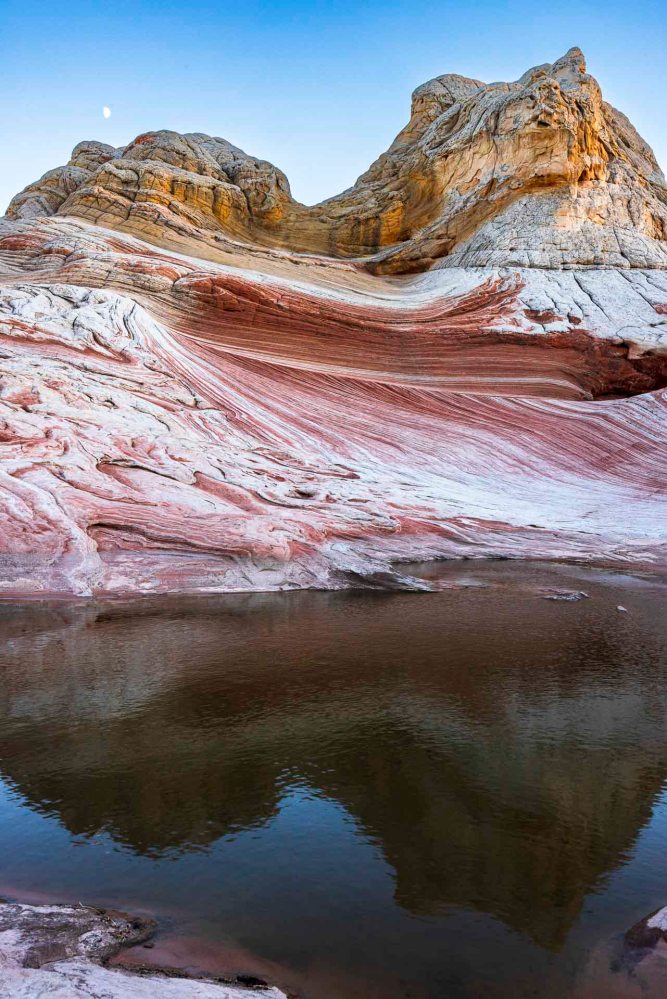
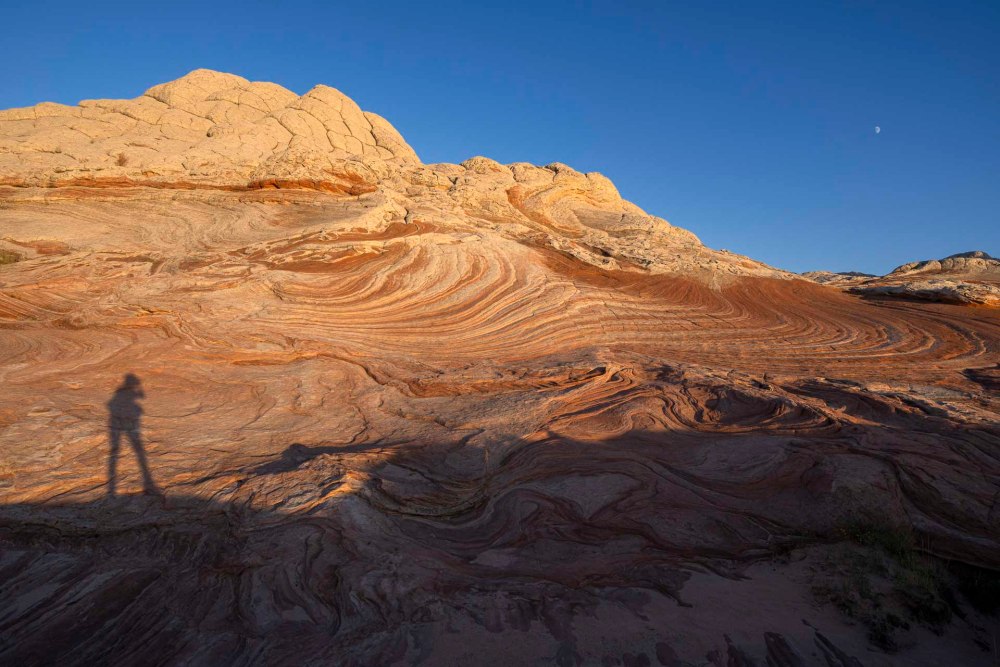
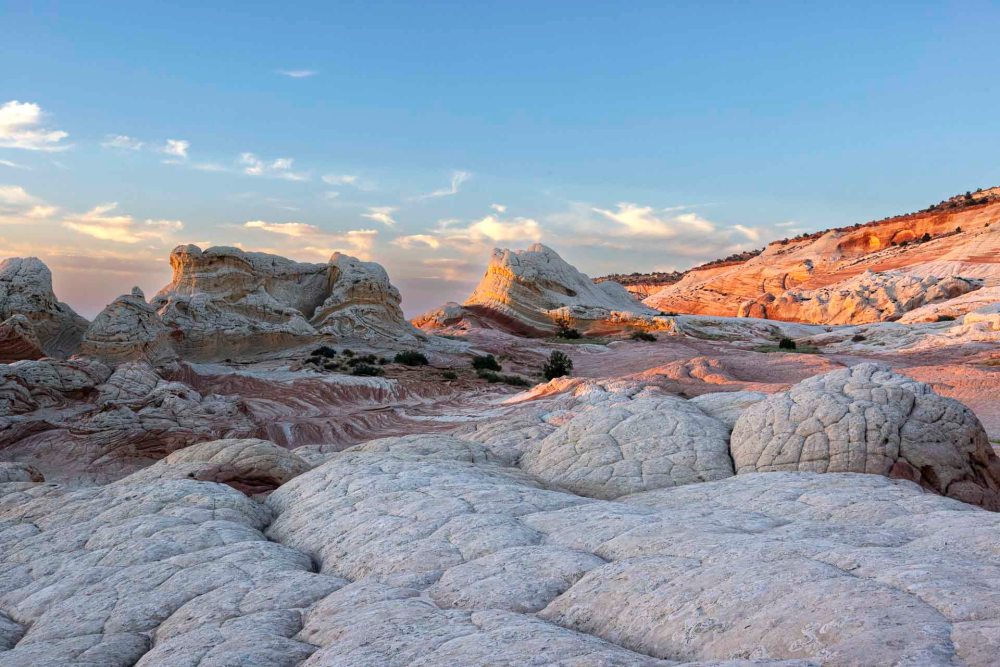
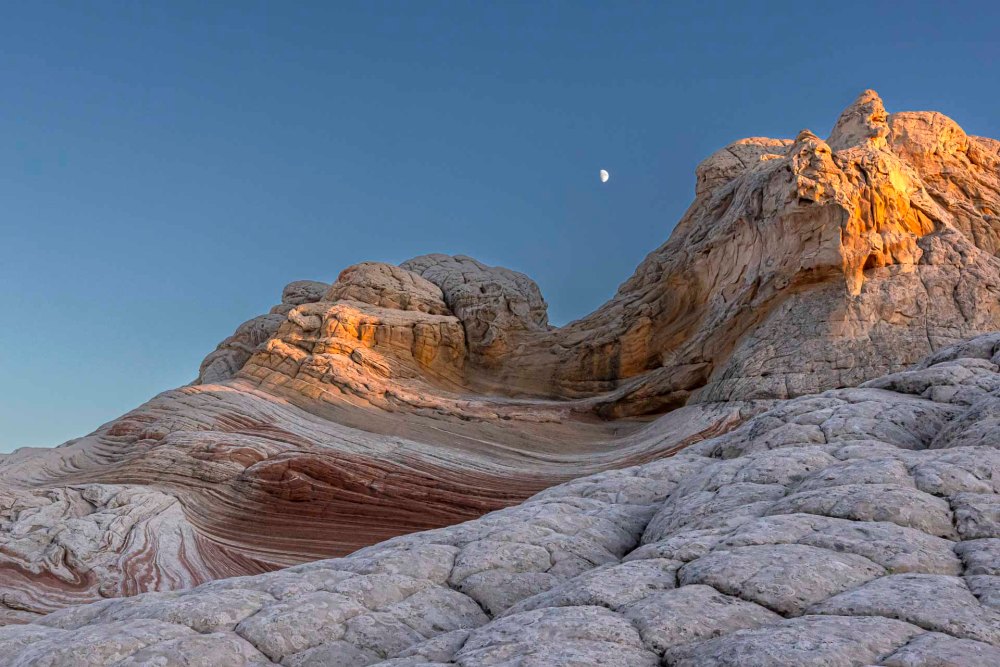
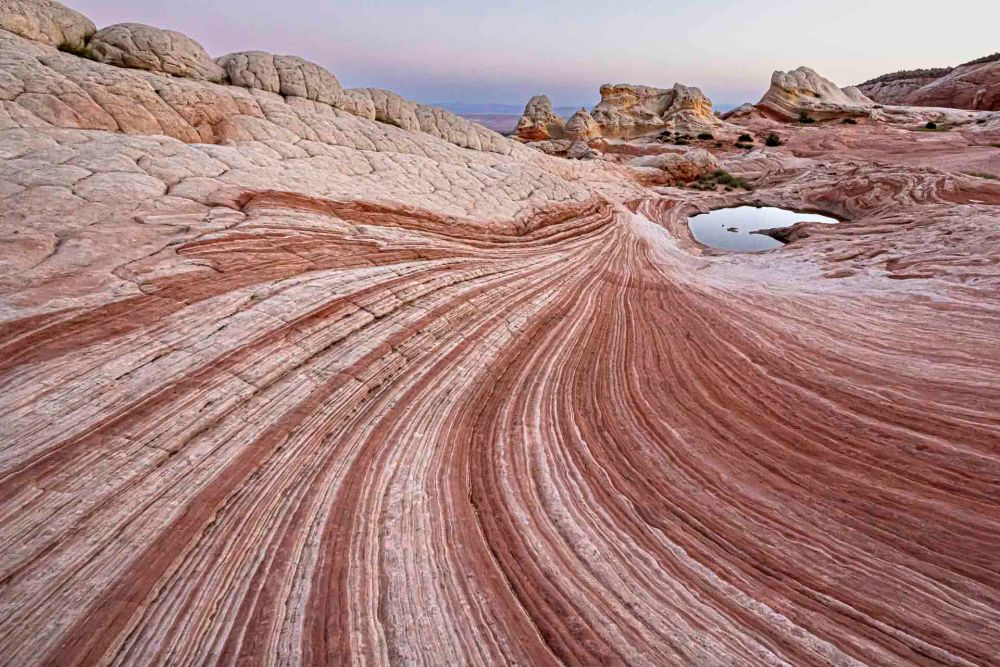
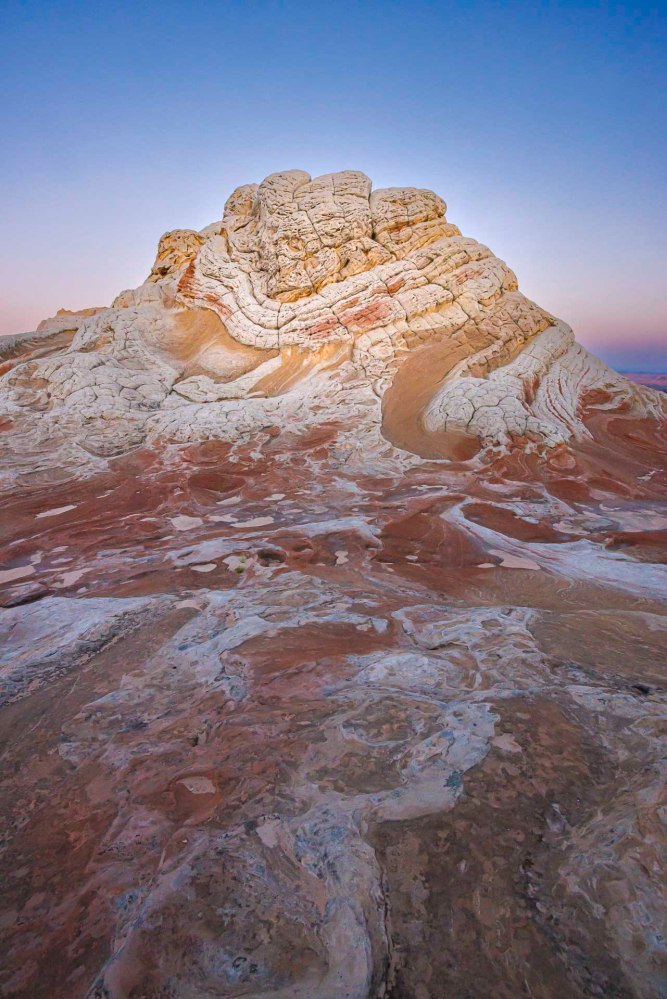
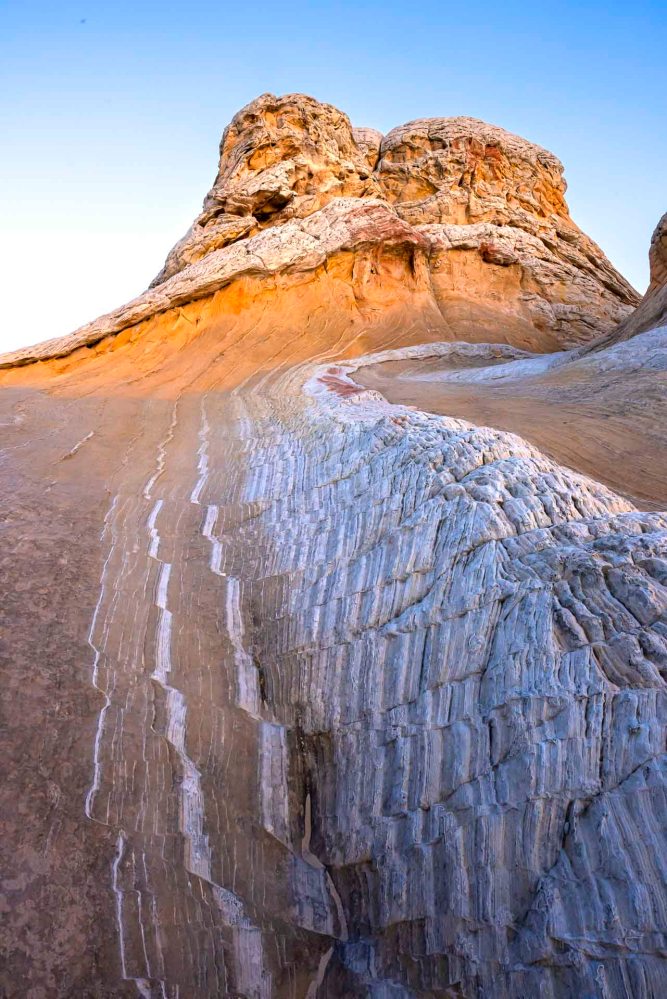
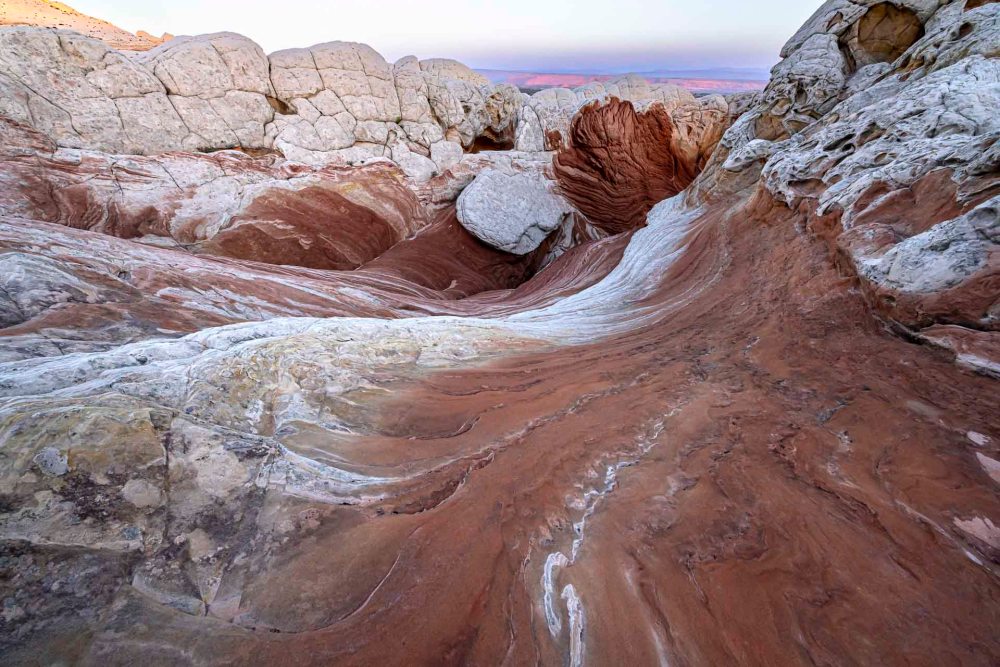
ナバホ砂岩でできているホワイトポケットはまるで大海の荒波でした。 White Pocket, made of Navajo sandstone, has many forms that look like the rough waves of the ocean.

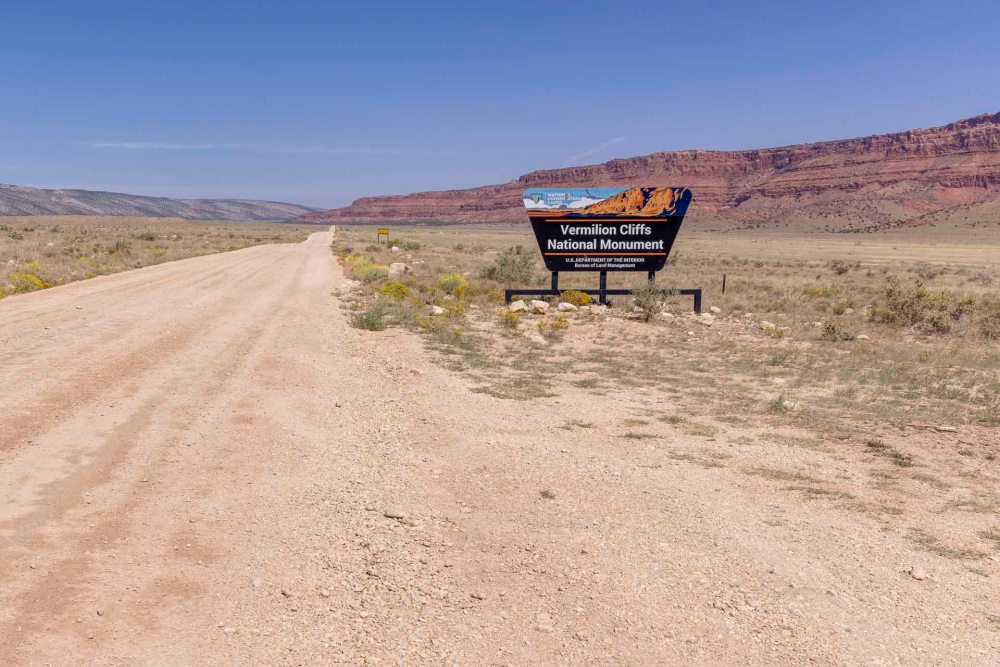
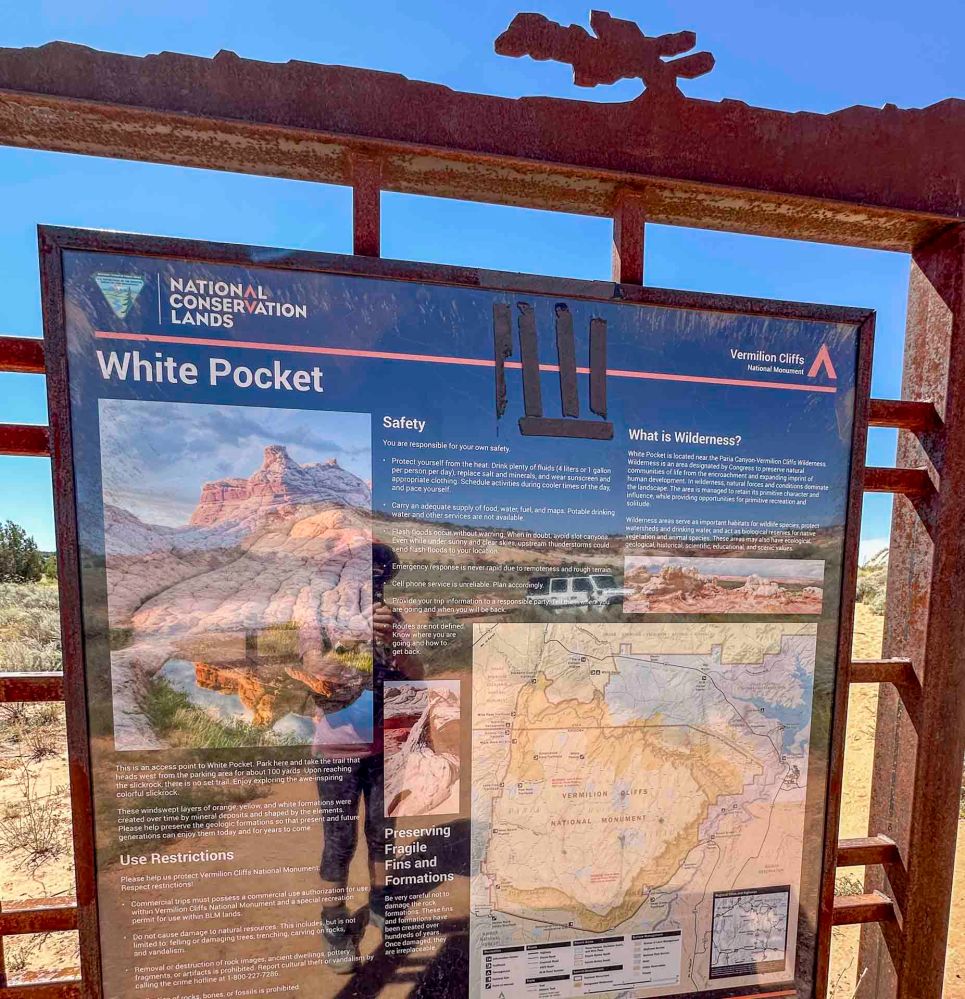
ホワイトポケットはバーミリオンクリフ国定公園内にあります。 White Pocket is located in Vermillion Cliffs National Monument.

ここに行くには、舗装されていない凸凹の道を延々と4輪駆動で行くしかありません。 The only way to get here is by endless high clearance four-wheel drive vehicles on uneven, unpaved roads.

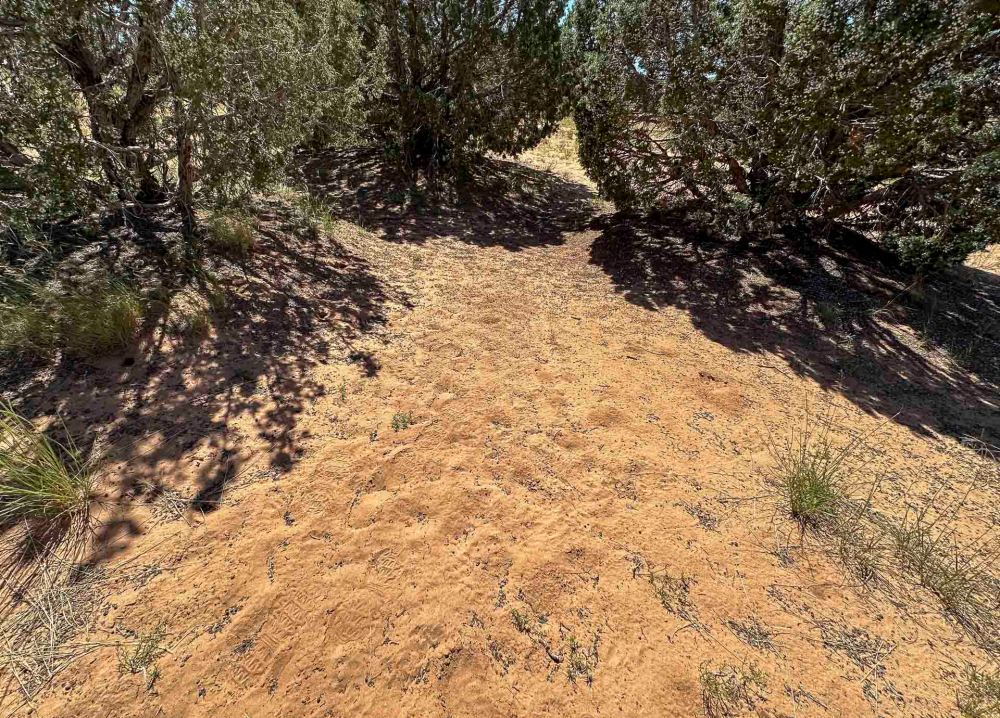
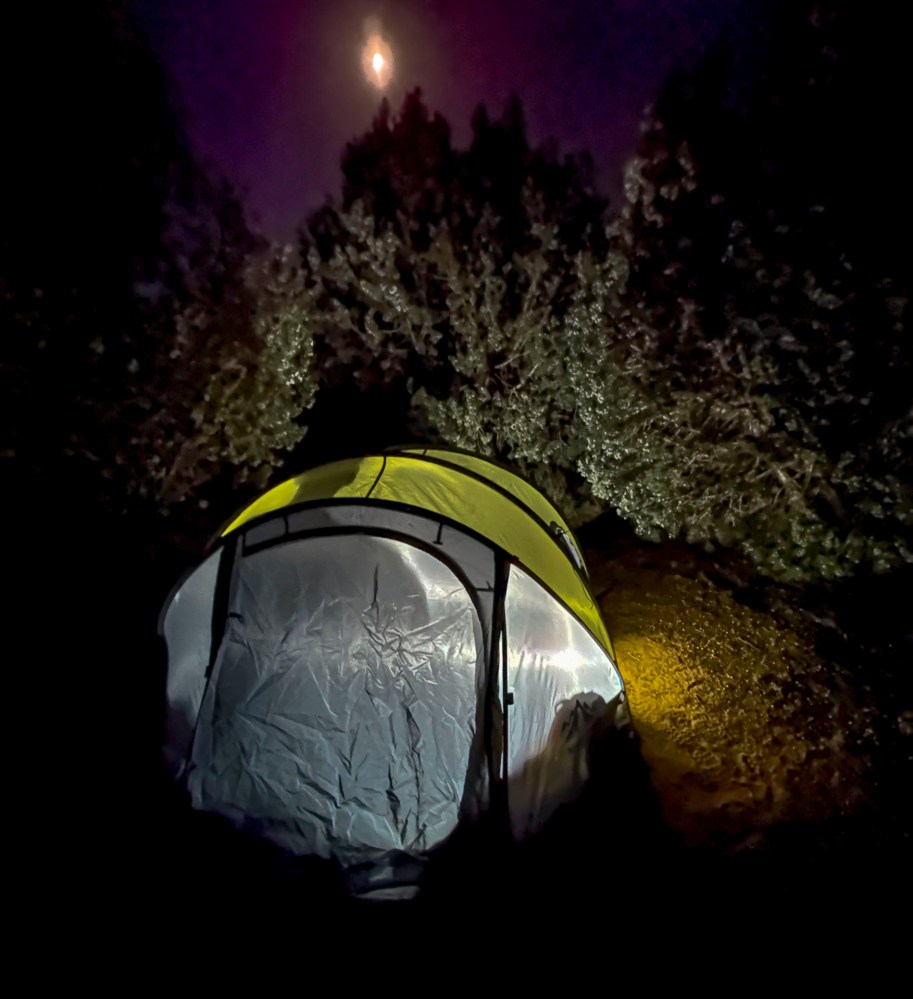
ホワイトポケットが見える場所にテントを張り、キャンプすることになりました。 We decided to pitch our tent and camp where we could see White Pocket.

高校時代の日本でのキャンプ経験を除くと、これで3回目です。でも、テントの中に寝るということ自体は私の最大のチャレンジです。アリや虫の攻撃に遭った経験があるからです。また、日本アルプスの尾根沿いで暴風雨にあい、テント内に停滞していたトラウマもあります。だから、今でもやっぱり好きじゃない。 This is my third camping experience, excluding my high school years in Japan. But sleeping in a tent itself is my biggest challenge. I have experienced attacks by ants and insects. I also had a traumatic experience of being stuck inside a tent after being caught in a storm along a ridge in the Japan Alps. So I still don’t like it.

でも、ホワイトポケットの日の出、日の入り時の写真を撮るためたなら仕方がない。 But I had no choice if I wanted to photograph at sunrise and sunset there.

テントの設置もできたので、早速ホワイトポケットを見に行きました。 We finished setting up the tent and immediately went to see White Pocket.

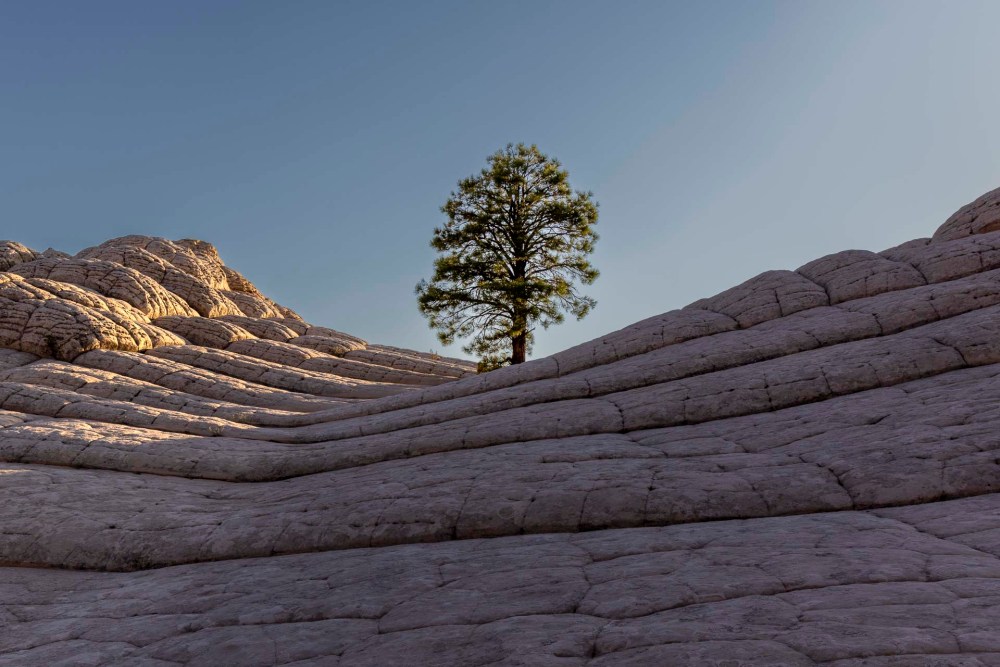
ここには知る人ぞ知る有名なスポットがあります。だからその写真を撮ってみたいと思っていました。バンちゃんは今回で2度目なのでその場所に案内してくれました。 There is a famous spot here that is well known to those in the know. So I wanted to take its picture. Ban-chan guided me to that spot since this was his second time.

見えてきました! Yes, I can see it!

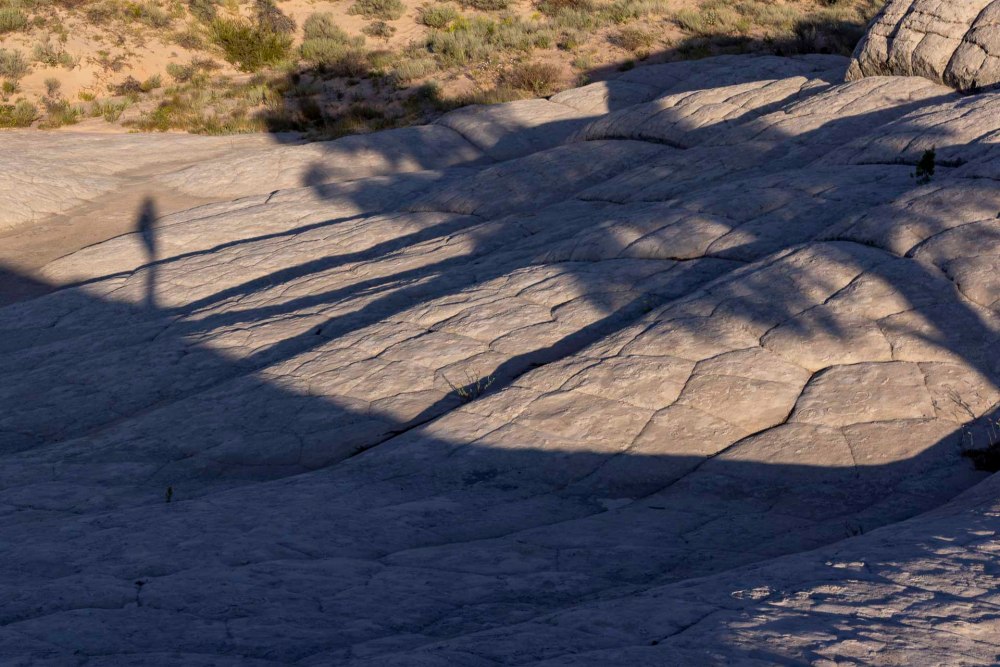
ここでバンちゃんと別れ、一人で夕暮れを待ちました。どのアングルで撮るのが良いのか考えながら、空を見て、鳥の観察もして、影がだんだん長くなっていく様子を観察していました。 Here I parted from Ban-chan and waited for dusk. I watched the sky and observed the birds, thinking about which angle would be best to capture the scene, and observed the shadows getting longer and longer.

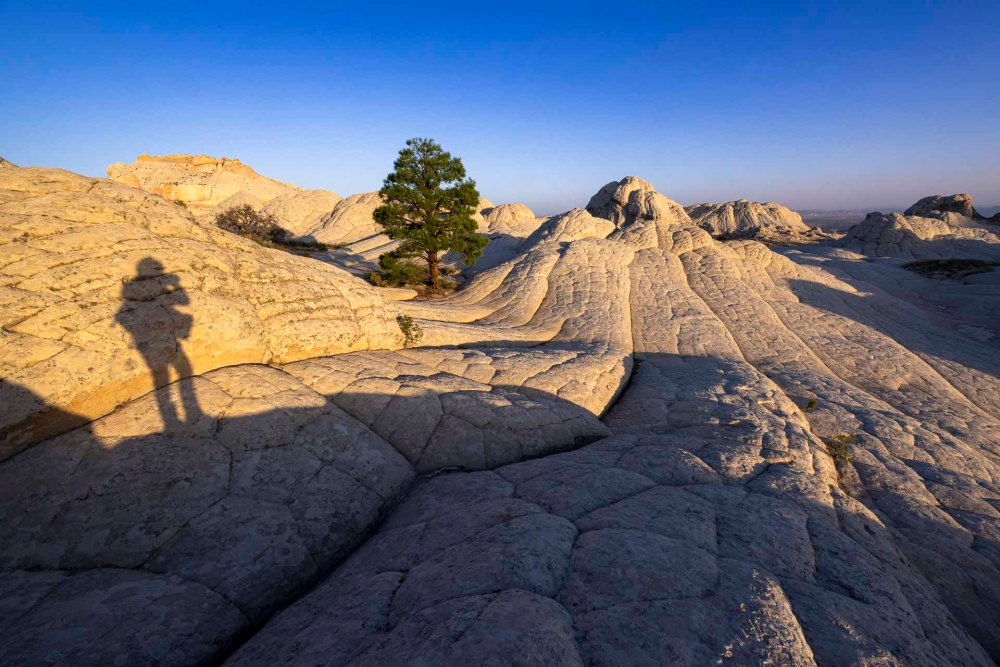
iPadを使っていらっしゃる方なら多分わかる。iPadのデフォルトの壁紙の写真です。比べてみてください。撮影の季節が違うからか光と影が違いますね。でも、まあ、良いかな。 If you’re an iPad user, you probably recognize it: it’s a picture of the iPad’s default wallpaper. Compare them. The light and shadows are different because of the different season when the photo was taken. But, well, it’s okay.

その後は光との競争です。 After that, it’s a race against the light.

すでに日は沈んでしまっていたので、わずかな光を探して走り回っていました。 The sun had already set, so I was running around looking for the slightest glimmer of light.

もうISOを2000以上に引き上げても上手く撮れないほど暗くなってきました。 It was getting so dark that I could no longer get a good shot even if I raised the ISO to 2000 or higher.

翌朝、日の出前にテントを出発して、再びホワイトポケットに行きました。 The next morning, we left our tent before sunrise and went back to White Pocket.

光が差し込んできたころ、自分の立っている場所を眺めてつくづく納得しました。 When the light began to shine, I looked at where I was standing and was truly convinced.

私はまさに陸の上にある荒海の上に立っていた! I was standing on a rough sea above the very land!

もう一度iPadの木に会いに行き、もしかしたらもう2度と会えないかもしれない景色に別れを告げました。 I went to see the iPad tree again and said goodbye to a view I may never see again.

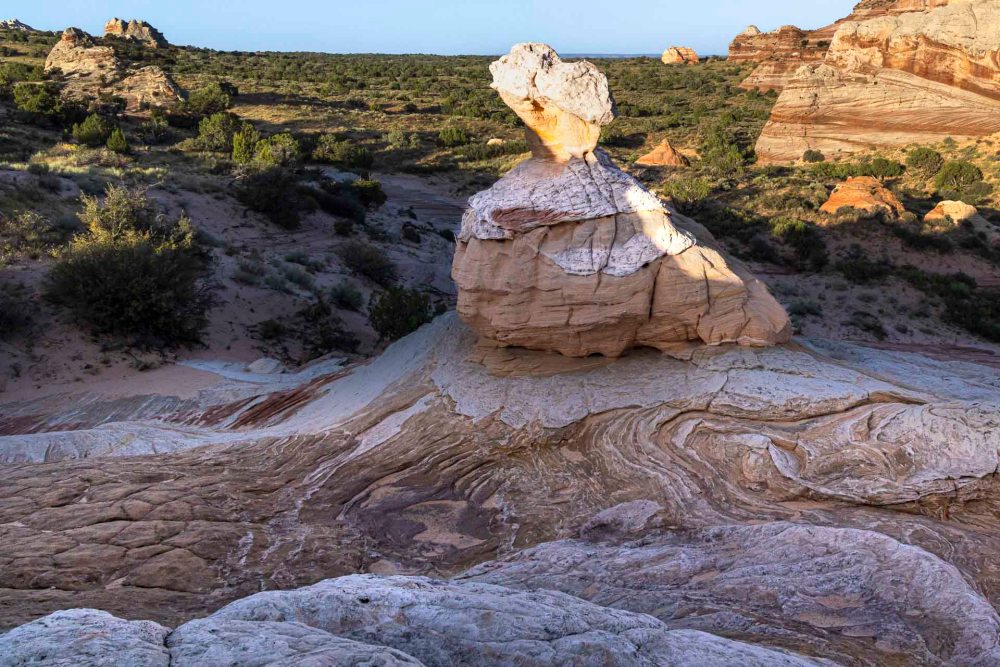
「いつも忙しいアヒルのおばさん」と名付けた石。今日も朝からお出かけですね。 The stone I named “Aunt Duck, always busy.” You are going out in the morning today, too.

私の大好きな場所の一つとなりました。 It became one of my favorite places.

最後に、簡単なホワイトポケットのオーバービュービデオを撮りました。サイズ的には大きくないです。裏側の景色などは入っていないので、多分、このビデオの景色の2-3倍ぐらいの広さと考えて良いと思います。 Finally, I took a quick White Pocket over view video. It is not large in size. It does not include the view of the back side of it, so you can probably consider it to be about 2-3 times larger than the view in this video.