Category Archives: Nature

グレース Grace


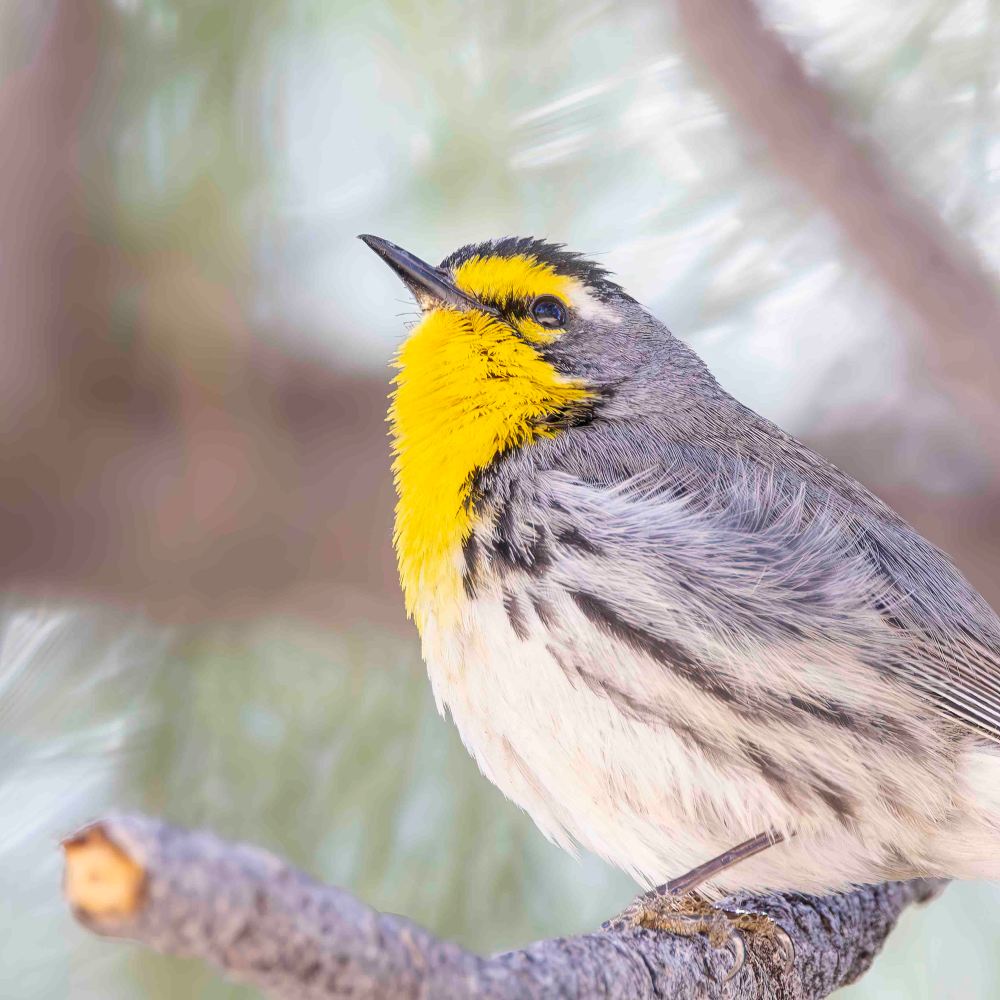
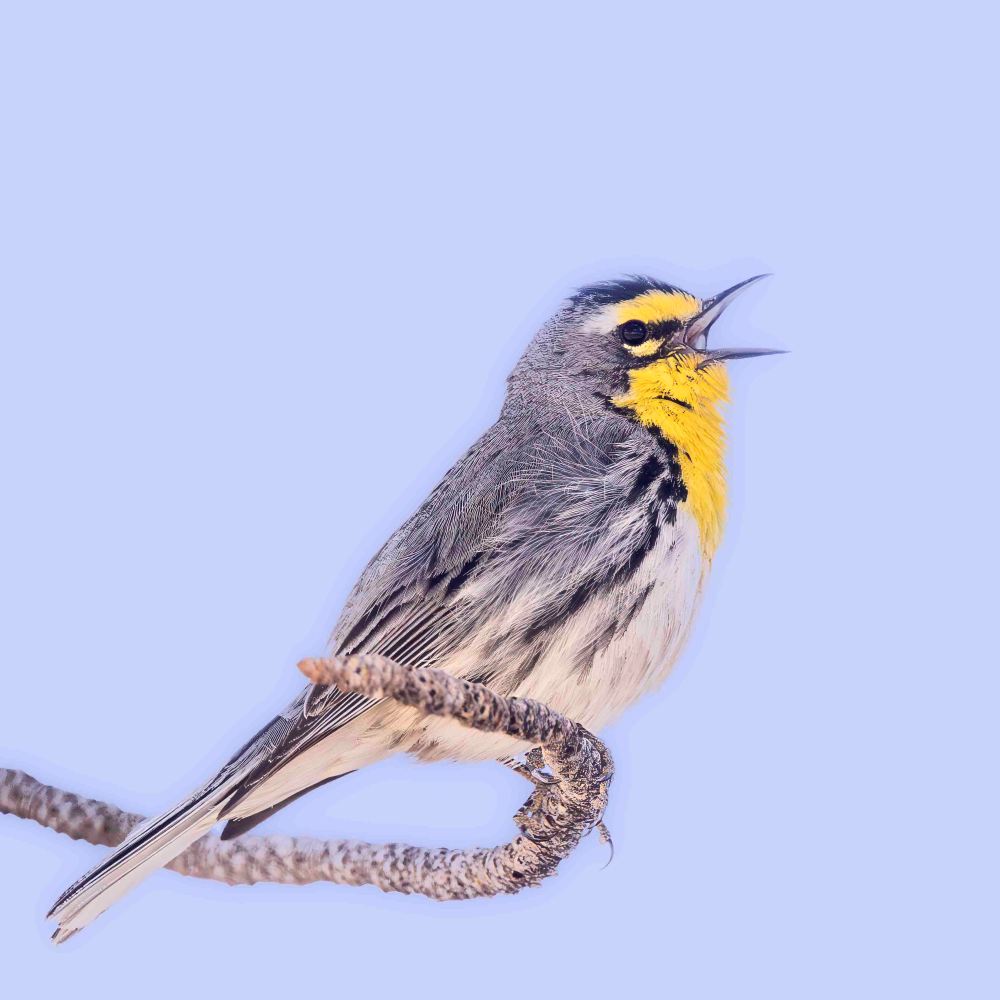
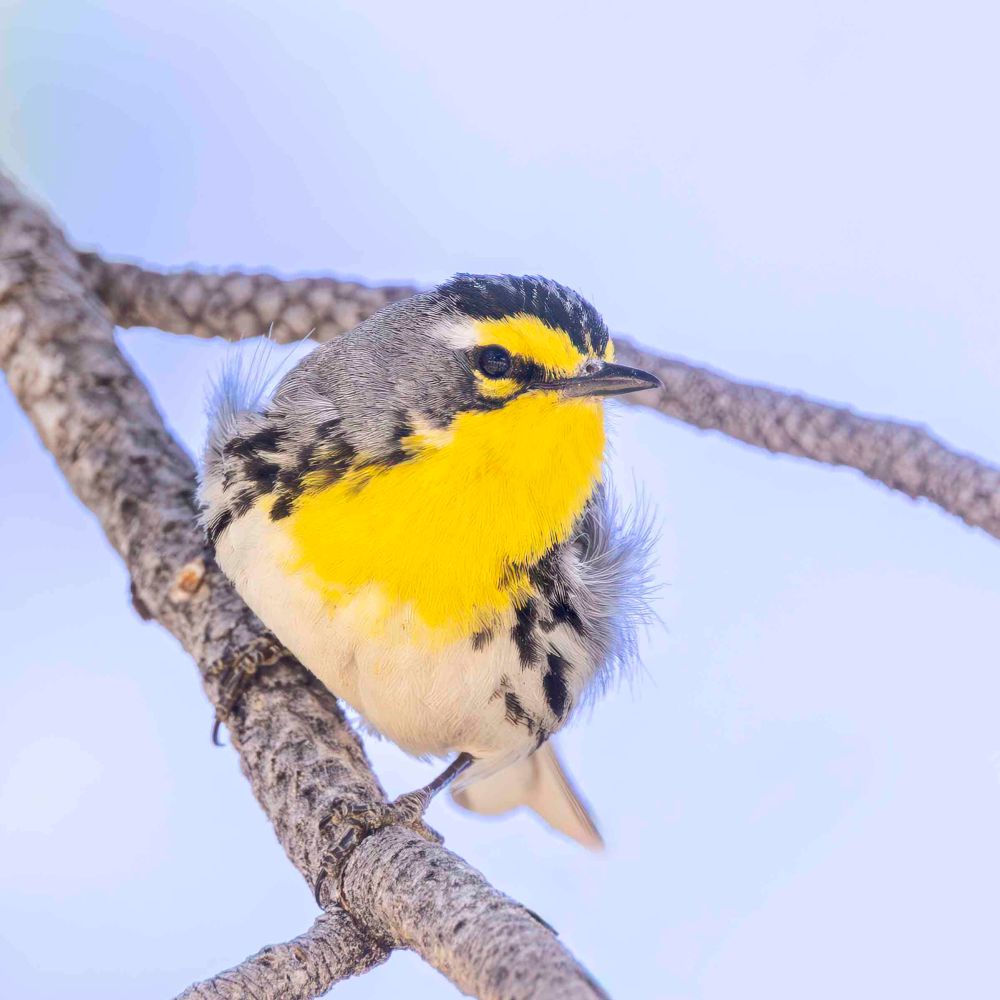
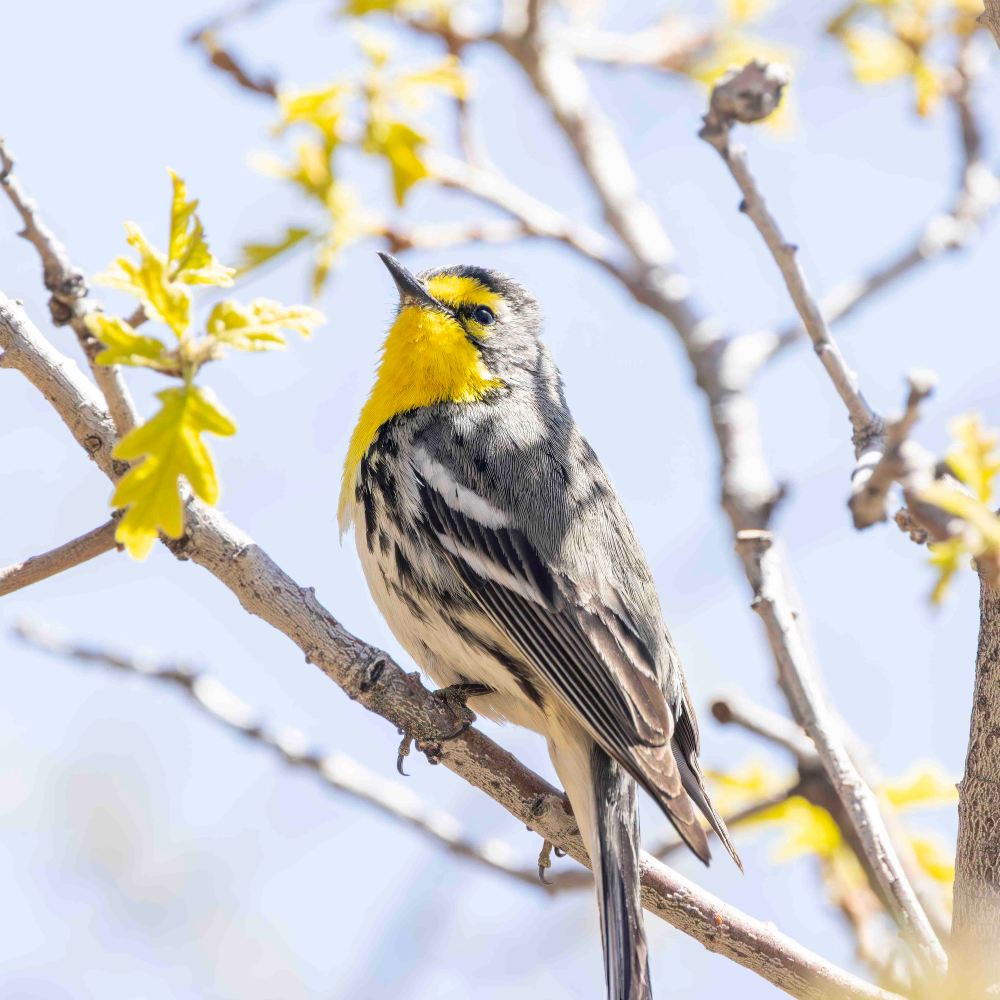
グレースアメリカムシクイです。バードフェスの最中にザイオン国立公園の西で見つけました。この鳥も私にとっては、初顔です。 This is a Grace’s Warbler. We found it in the western part of Zion National Park during the Bird Fest. This bird is also a new bird for me.

グレースアメリカムシクイは、エリオット クーズという鳥類学者によって発見されました。新しく発見された鳥には大抵発見者の名前が付けられます。だからエリオットアメリカムシクイという名前になっていてもおかしくなかったんですね。でも、彼は妹のグレースの名前を使って欲しいと要求したので、彼の願いが叶い、グレースアメリカムシクイになったということです。 The Grace’s Warbler was discovered by an ornithologist named Elliot Coues. Newly discovered birds are usually named after their discoverer. So it could have been named the Elliot’s Warbler. But he requested to use his sister Grace’s name. So his wish was granted and it became the Grace’s Warbler.

なんていいお兄さんだったんでしょう。 What a great brother he was!

この顔を見ていると、エリオットアメリカムシクイと呼んでもいいような、ちょっと凛々しい雰囲気もします。 Looking at this face, it also looks a bit dignified, as if it could be called an Elliot’s Warbler.

おっと。前言撤回。そんなことを言ったら、世の中のグレースという名前をもち、しかもこの鳥が好きな多くの女性が悲しみそうですねからね。やはり、グレースアメリカムシクイがピタリ合っていそうです。 Oops. I take back what I just said. If I said that, many women in the world who have the name “Grace” and like this bird would be sad, right? I think Grace’s American Warbler is the perfect name for this bird.

とても優雅なアメリカムシクイです。 This is an elegant warbler.

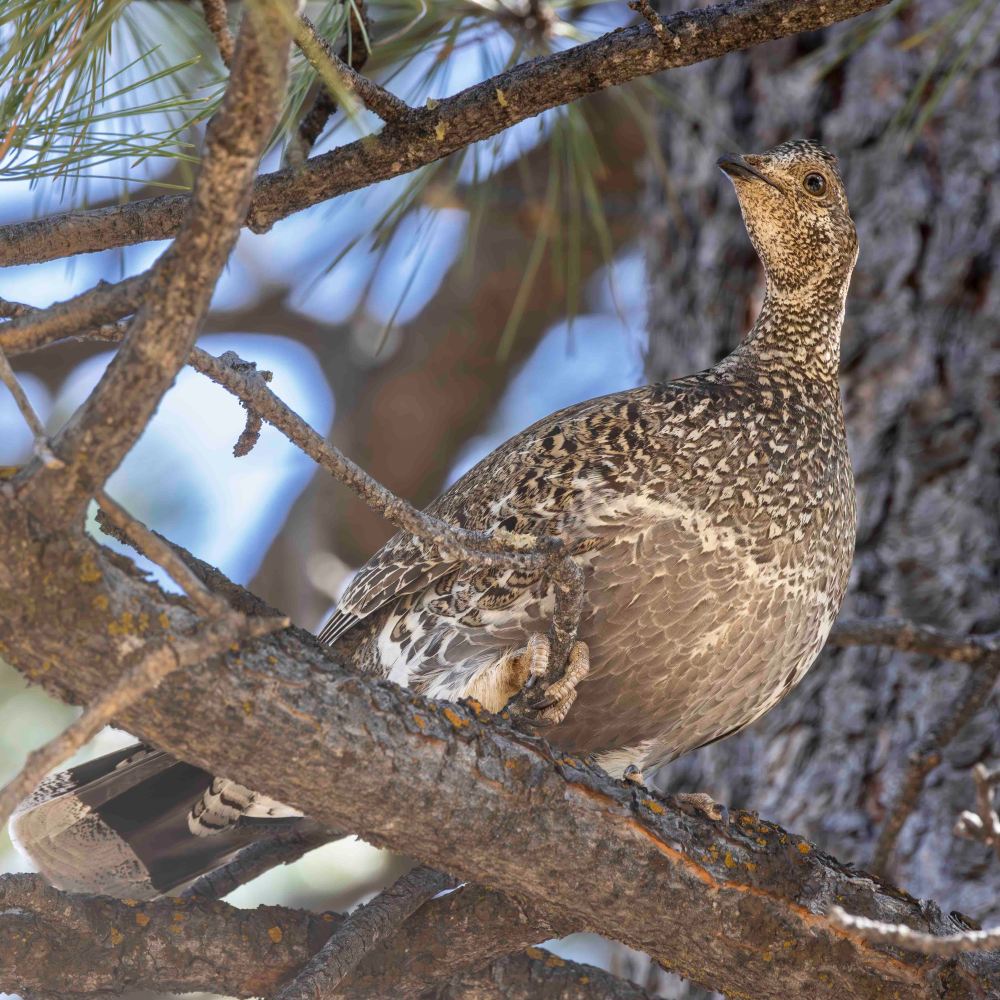
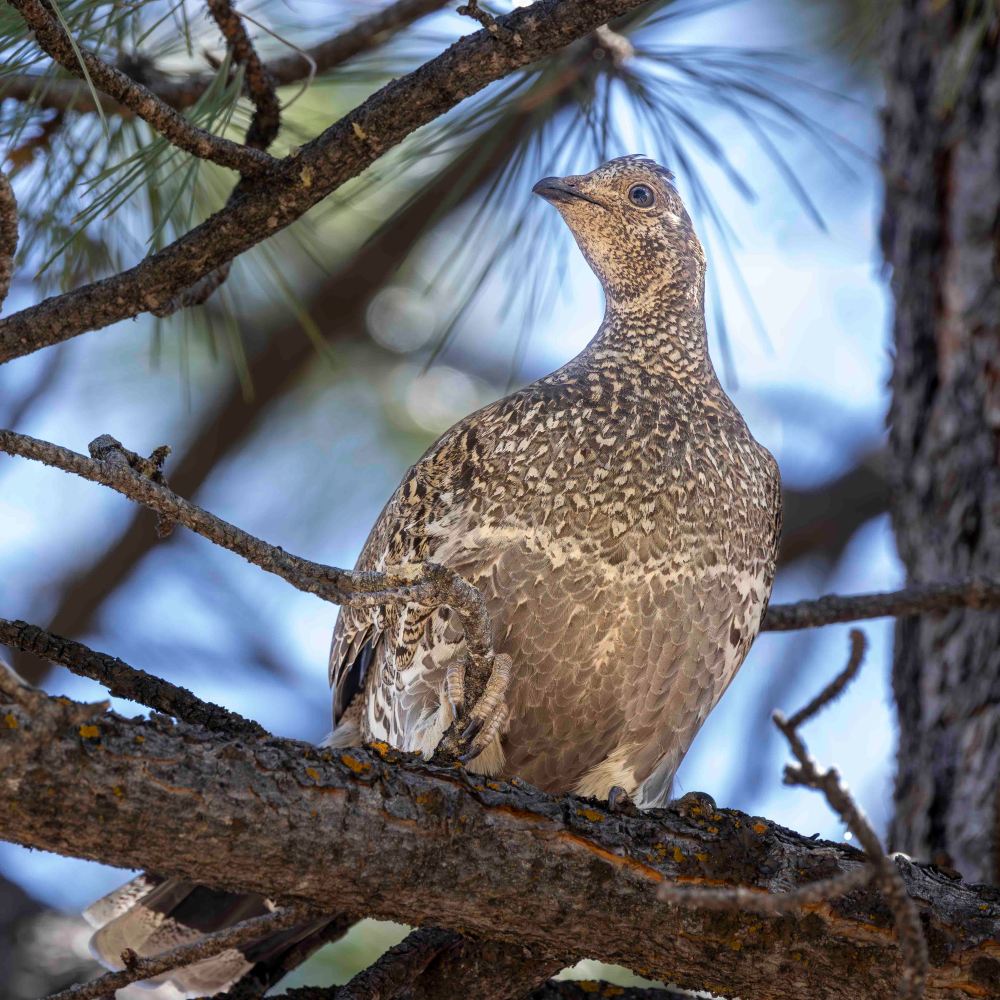
アオライチョウ Dusky Grouse


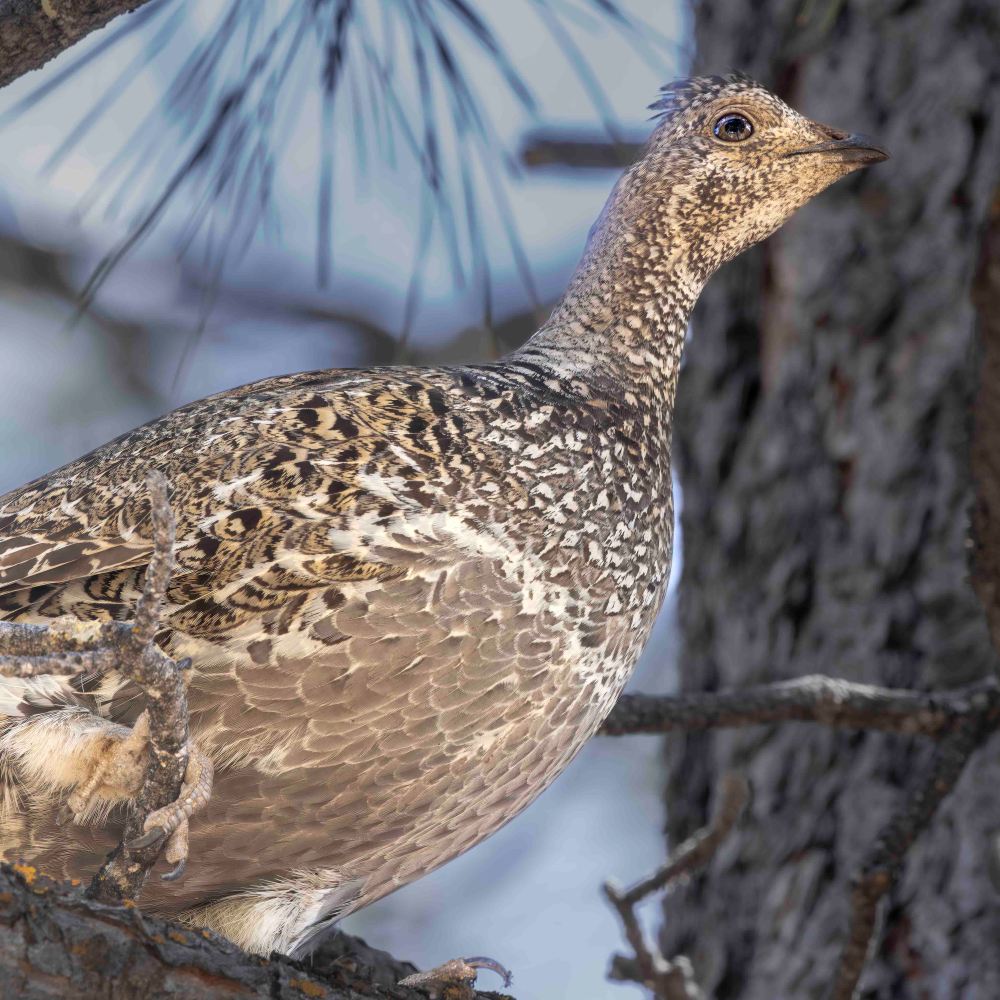
アオライチョウのメスです。 This is a female Dusky grouse.

ザイオン国立公園の西側、標高2,890フィート (2.4km)にあるラバポイントというなの展望台近くで見つけました。 We found it on the west side of Zion National Park at an elevation of 2,890 feet (2.4 km) near an overlook called Lava Point.

この日の朝ブラックホークに出会って十分満足していた私は、その後、何も期待していませんでした。でも、この鳥との出会いに誕生日とクリスマスのプレゼントを一緒にもらってしまった気がしました。きっと、他のグループメンバー6人も同じように超ラッキーだと思ったに違いありません。 I was happy enough with my encounter with the Black Hawk that morning, so I had no expectations after that. But I felt like I had received a birthday and Christmas present together with this encounter with the bird. I am sure the other six group members must have felt super lucky as well.

この鳥に再び出会える確実はきっと限りなくゼロに近いと思いながら、アオライチョウが飛び去って行った後も、この出会いに深く感謝していました。 Even after the blue grouse flew away, I was deeply grateful for this encounter, knowing that the certainty of seeing this bird again was surely close to zero.

ドクトカゲのシッポ Tail of the Venomous Lizard


春は駆け足で通り過ぎていきます。 Spring is passing by at a runaway pace.

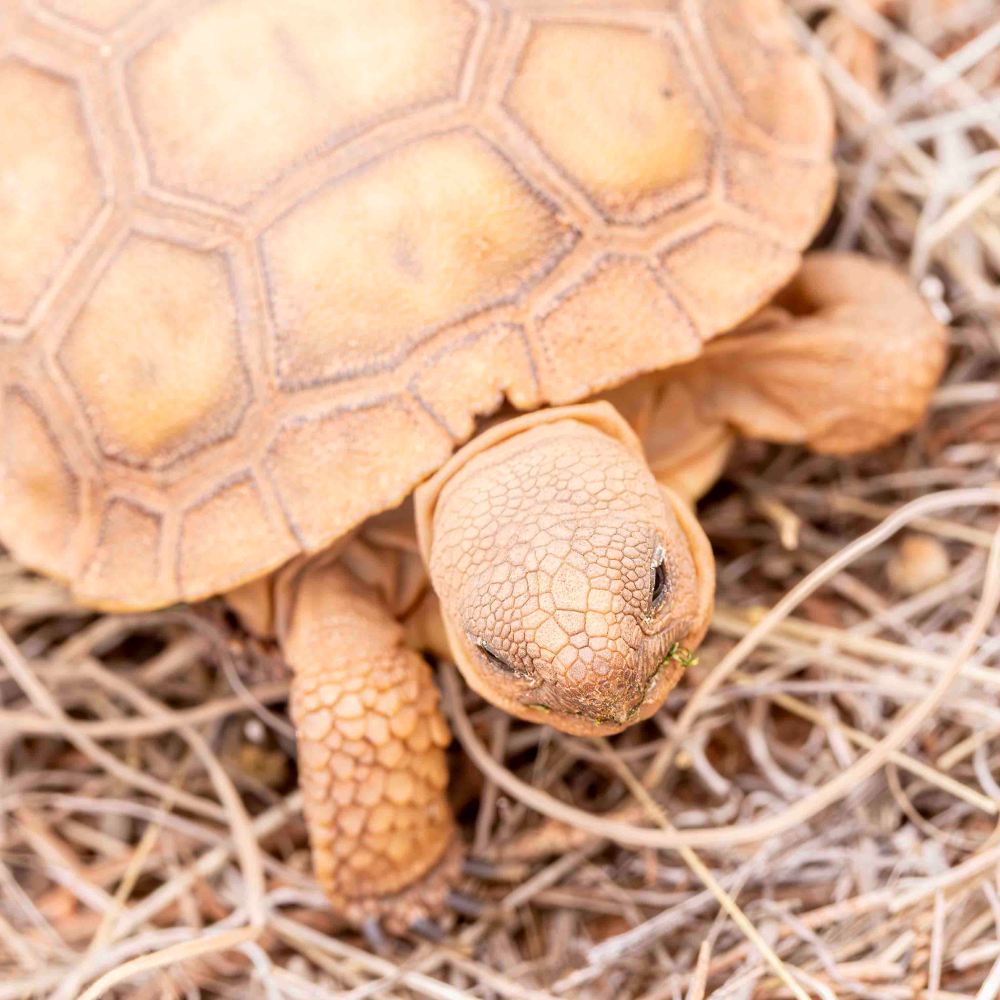
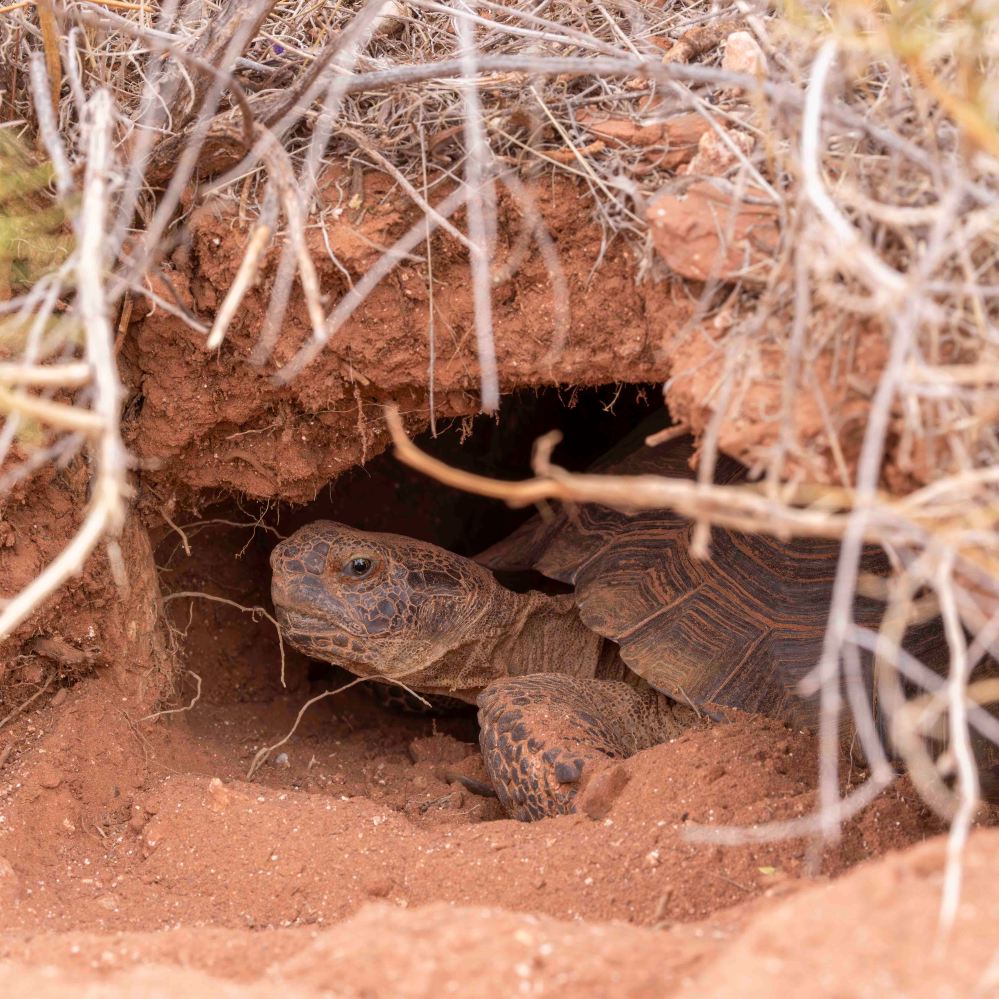
サバクゴファーガメも忙しく歩き回ってます。 Mojave desert tortoises are busy walking around.

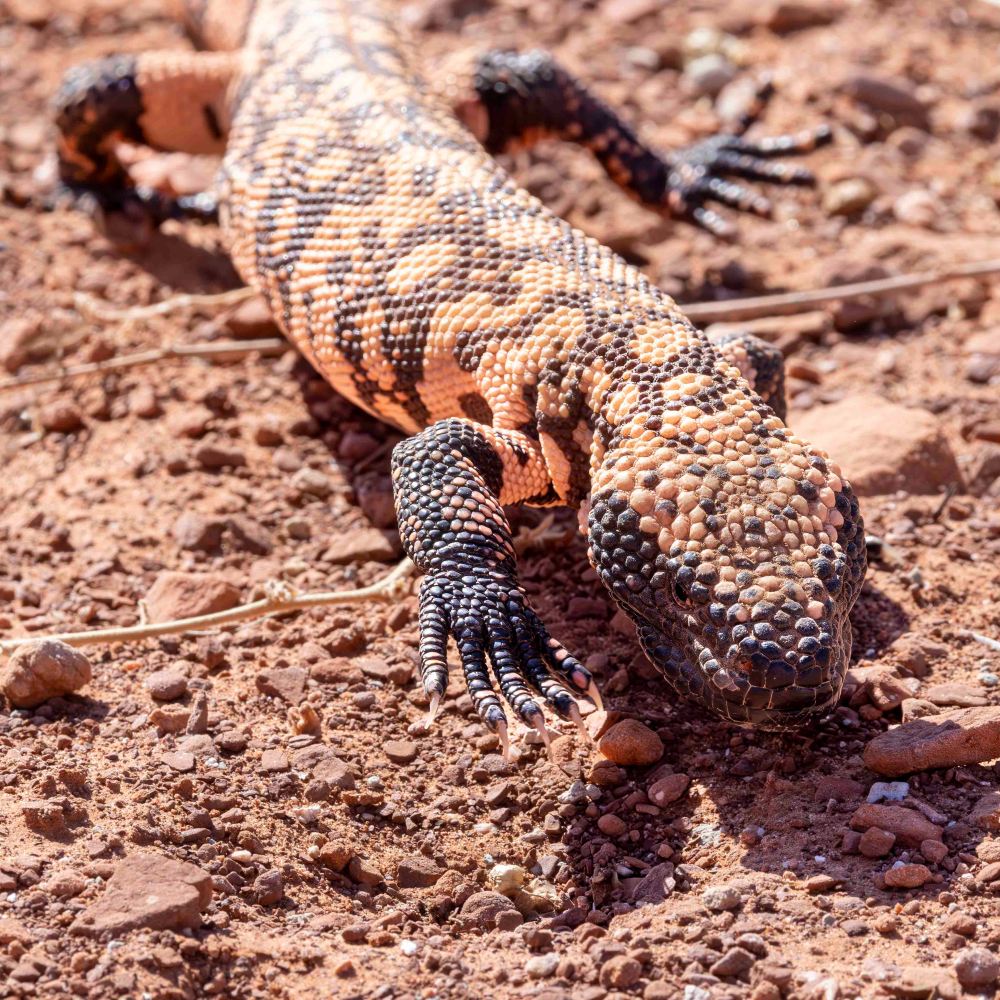
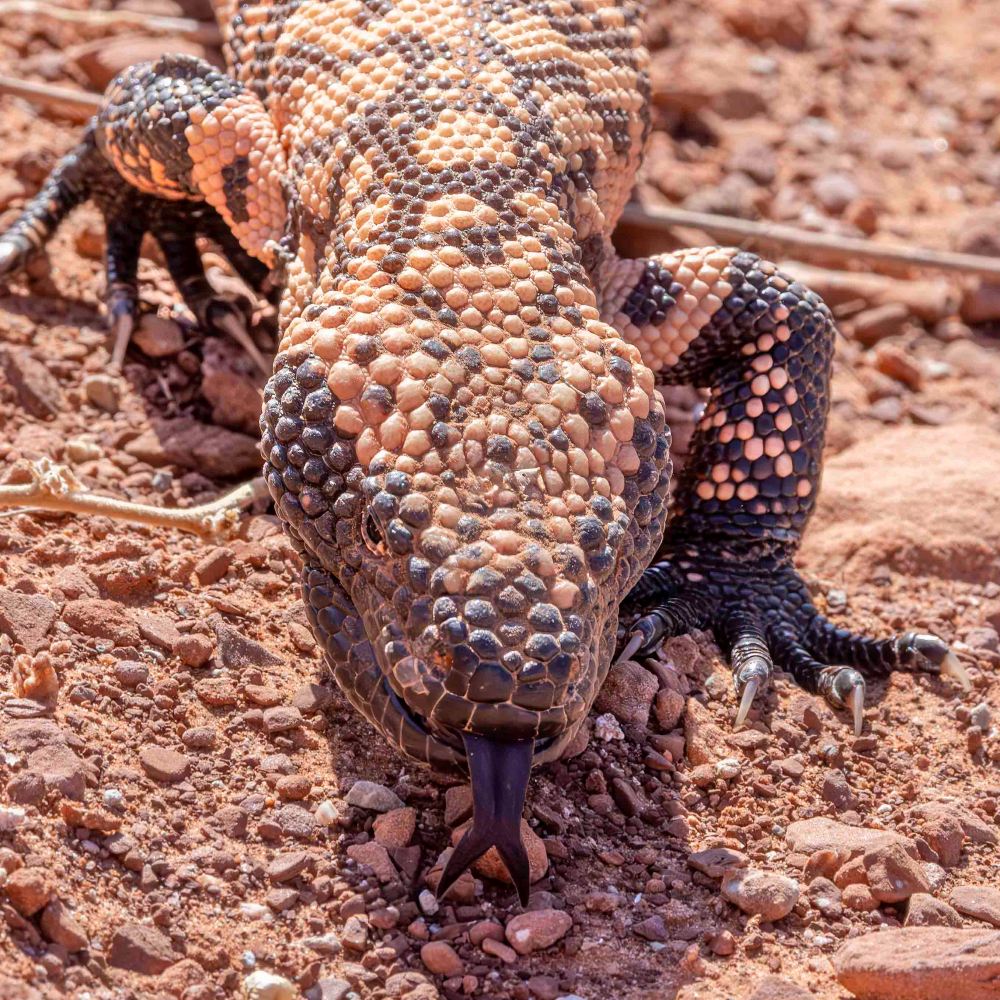
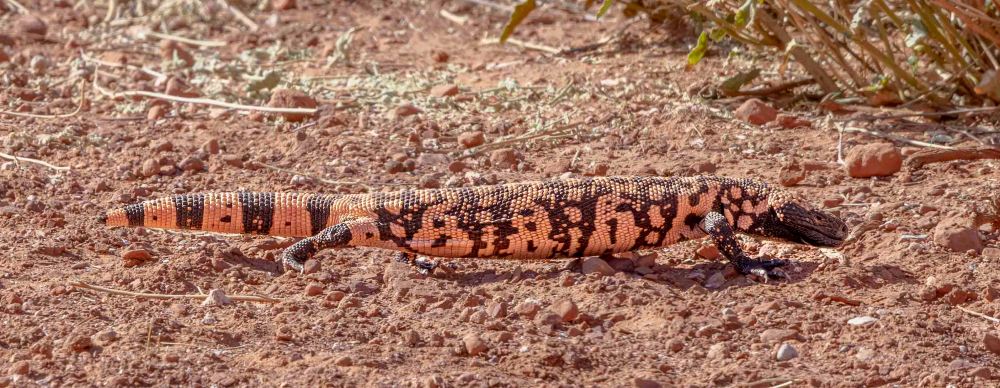
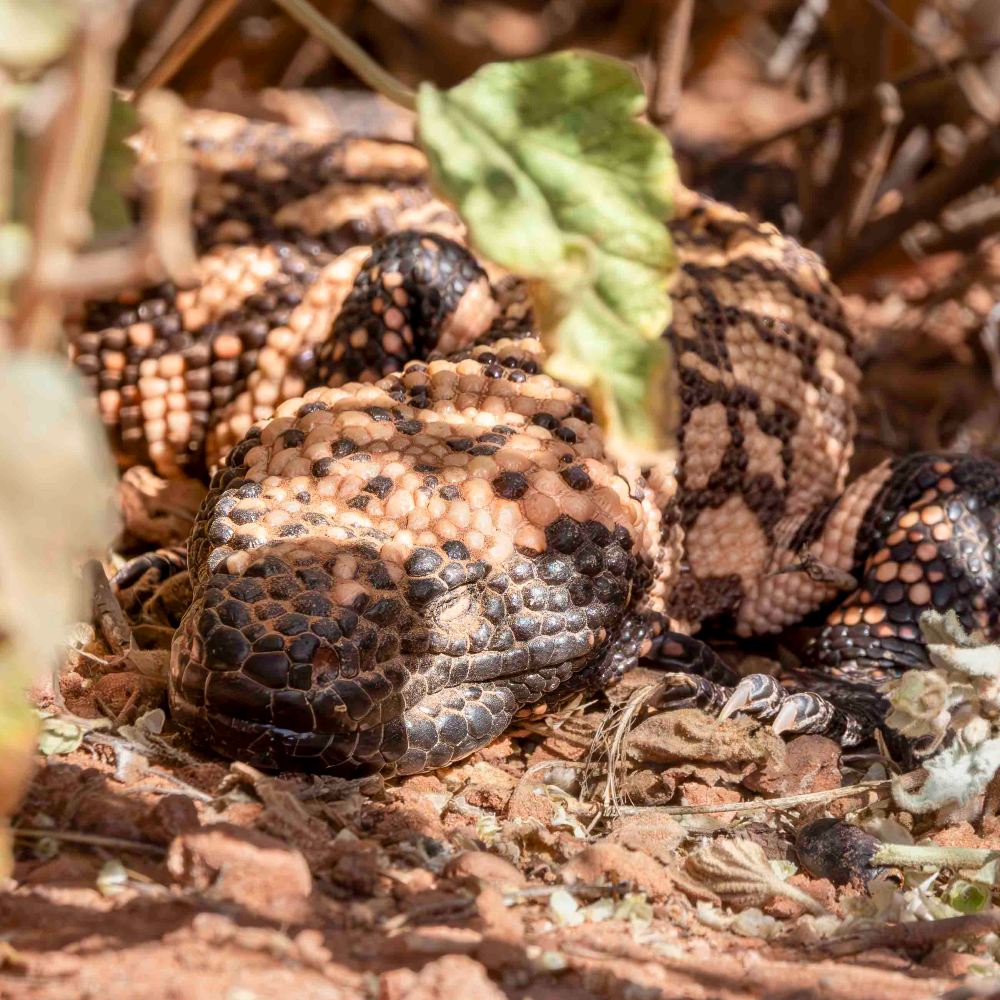
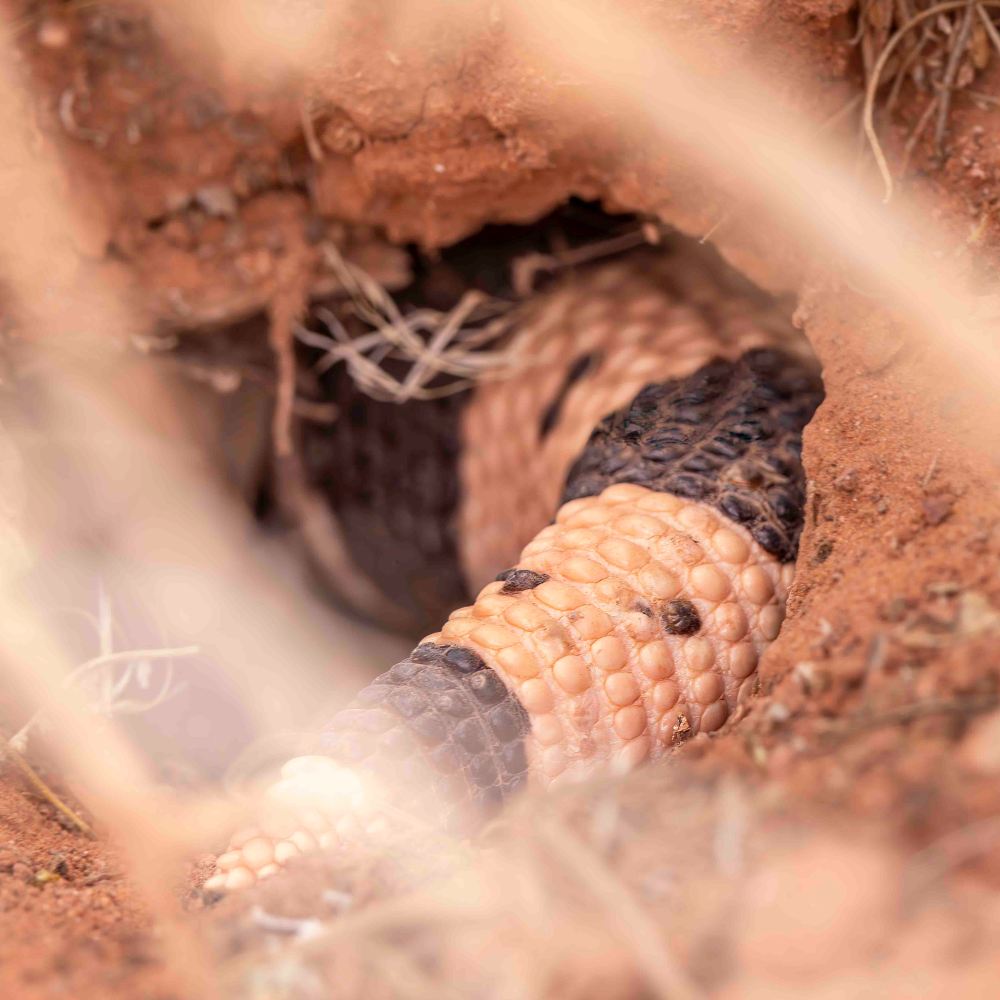
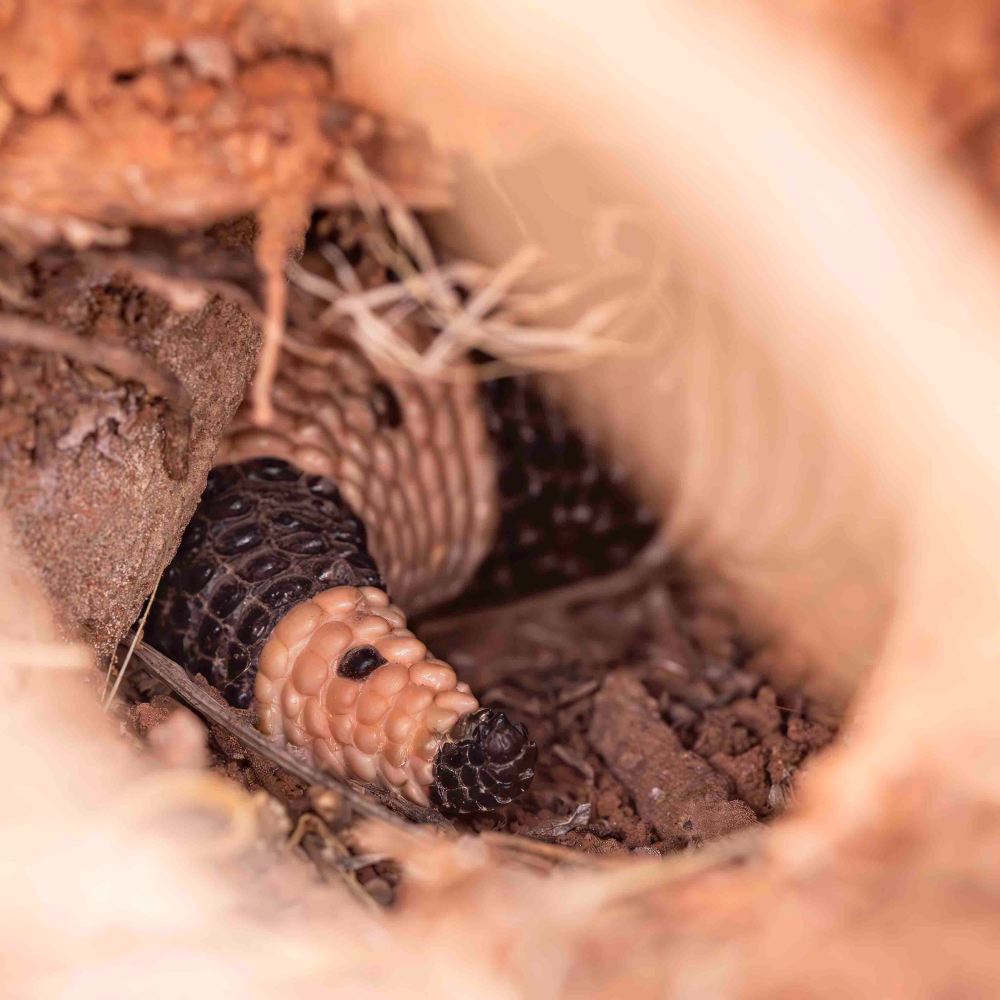
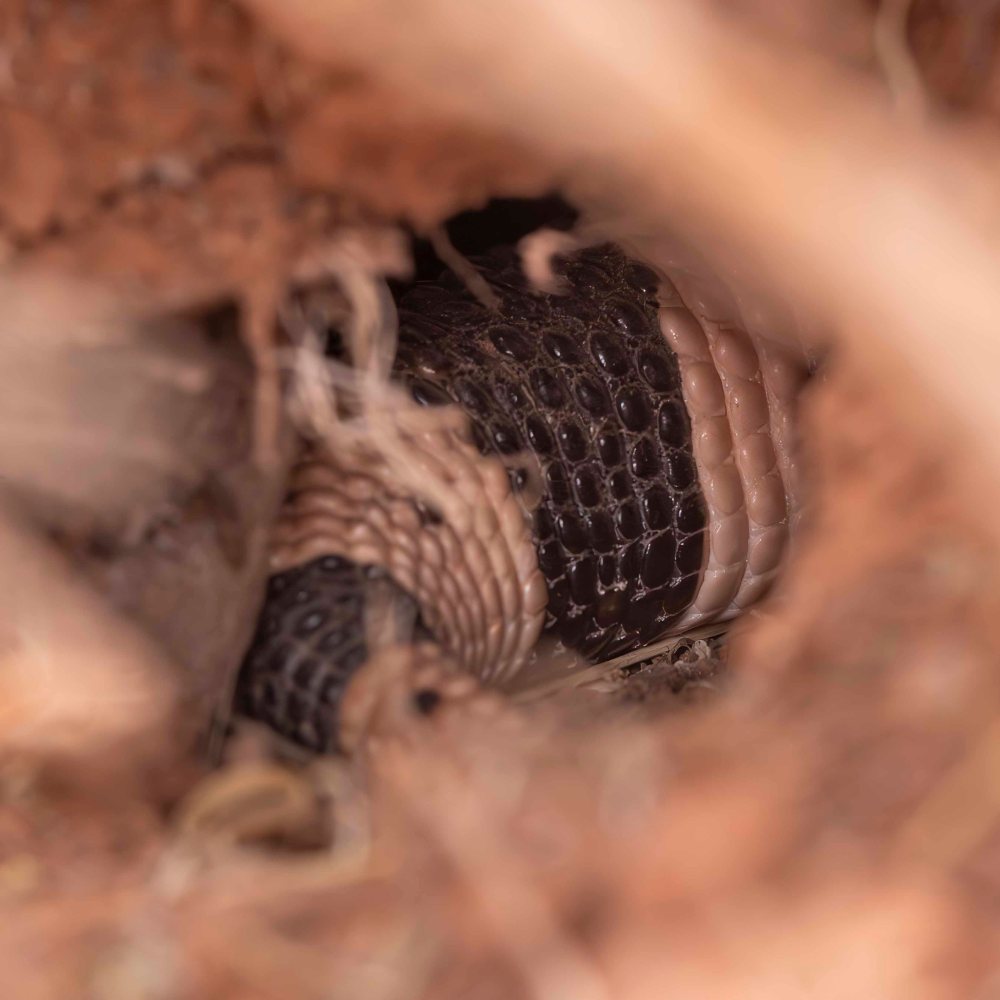
毎年のことですが、野生動物たちのエネルギーに圧倒されています。私たちは目下、アメリカドクトカゲを探し求めて毎日歩き回っています。彼らは年に2回しか公の場に出てこない猛毒トカゲで、(一年の95%は穴倉で暮らすとされています。5月と9月に食料確保をするために穴から出てくると聞きました。)今がまさにその貴重な活動する時なんです。詳しくはこちらのサイトをご覧ください。https://a-z-animals.com/animals/gila-monster/10-incredible-gila-monster-facts/ Every spring we are overwhelmed by the energy of the wildlife. We are currently on a daily roam in search of Gila monsters. They are venomous lizards that only come out from the nest twice a year (It is estimated that 95% of the year they live in burrows, and I was told that they come out of their burrows to secure food in May and September.), and now is a rare time for them to be active. For more information, please visit the website here. https://a-z-animals.com/animals/gila-monster/10-incredible-gila-monster-facts/

ゼブラテールリザードはよく挨拶してくれます。 Zebra-tailed lizard greets us often.

先日、その日も諦めて帰る道すがら、不思議な物体が不思議な動き方をして移動していました。それがまさにアメリカドクトカゲだと認識できた時には、低木の中に逃げていってしまいました。 The other day, on our way home after giving up the search that day, we saw a strange object moving in a strange manner. By the time I was able to recognize that it was indeed an Gila monster, it had fled into a bush.

かろうじて撮れた写真はこの尻尾だけでした。20分じっと待ちましたがついに出てきてくれませんでした。 I barely managed to get a picture of it, just its tail. We waited patiently for 20 minutes, but it never came out.

年に2回しか巣から出てこないので脂肪をたっぷりと尻尾に蓄えている。 They come out of the nest only twice a year, so they have plenty of fat stored in their tails.

きっとまともな写真を撮れる時が来るはずです。だから、とりあえず、幻のように初めて目前に現れてくれたアメリカドクトカゲに感謝です。 There will surely come a time when I will be able to take decent pictures. So, for now, I would like to thank the Gila monster for appearing in front of me for the very first time, like a phantom.

 いつか、このサイドブロッチドリザードのようなポーズをしたアメリカドクトカゲを撮れるよう、しばらくは探索が続きます。 The search will continue for a while so that someday I can photograph an Gila monster in a pose like this Common Side-blotched Lizard.

鳥の分類表、完了 Bird Taxonomy Table, Complete


今日で鳥の分類表のブログは最後となります。 Today will be the last blog on bird taxonomy tables.

 やったー! Yay!

無理やり最後の3つの科を詰め込みましたが、何はともあれ、これで最後です。 I forced myself to cram in the last three families into this blog, but at any rate, this is the last one.

下の表、緑色が間違いの修正後の鳥たちです。それぞれ正しい属におさまりました。 In the table below, the birds in green are those after the error was corrected. Each has been placed in the correct genus now.

Screenshot

それでは、まず、ショウジョウコウカンチョウ科の鳥たちから。 Well then, let’s start with the birds of the Cardinalidae family.

この科の鳥たちの特徴は、とにかく見た目が鮮やかなことです。ルリイカルを初めてみた時の驚きは忘れられません。そしてオスのみが美しい色に包まれているのに対し、メスは色をおさえてます。一見不公平に思えるこの違いは、人間以外の動物界では子孫繁栄を考えれば納得できます。メスは卵を守る為に目立ってはいけないけど、オスはメスを惹きつける為に目立たなければいけない。 The birds of this family are characterized by their simply brilliant appearance. I will never forget how surprised I was when I first saw a Blue Grosbeak. And while only the males are covered in beautiful colors, the females are subdued. This seemingly unfair difference makes sense when you consider procreation in the non-human animal kingdom. Females must not stand out to protect their eggs, but males must stand out to attract females.

次はアメリカムシクイ科です。 Next up is the family of American warblers, Parulidae.

この科の鳥たちは、みんな小さくて可愛らしい。だからもっと撮りたいんですが、私には難度の高い鳥たちです。常に動き回っている彼らの習性に加えて、視力が悪い私には見つけることすら大変ですなんですね。 All birds in this family are small and cute. So I want to take more pictures of them, but they are very difficult birds for me. Their habit of always being on the move, plus my poor eyesight, makes it very difficult for me to even find them.

もう一点付け加えることがあるとすれば、アメリカムシクイ科は旧世界のムシクイ、ダルマエナガ科から1830年に分岐しました。ダルマエナガ科とアメリカムシクイ科との大きな違いの一つは、初列風切の羽の数です。旧世界の虫食いたちは10枚、方やアメリカ大陸の虫食いたちは9枚ということです。 If I may add one more point, the family American Warbler diverged from the Old World Warbler, Sylviidae, in 1830. One of the major differences between the insectivores in Old World and in America is the number of the primary feathers. The Old World warblers have 10 feathers, while the American warblers have 9 feathers.

そして、最後にムクドリモドキ科です。 And lastly, the Icteridae family, New World Blackbird.

この科には、近隣でよく見かける鳥が多いのですが、ムクドリモドキ属以外の写真はありません。 Many of the birds in this family are common in the neighborhood, but there are no photos of any of them except for the some in the genus Icterus.

キガシラムクドリモドキの幼鳥 Yellow-headed blackbird Juvenile

とりわけ、オナガクロムクドリモドキはこの地に引っ越してきてから初めてみた鳥だったので携帯で撮ったことはありましたが、消してしまいました。なぜなら、彼らはとても攻撃的な鳥だからです。他の鳥の巣を襲い卵を盗んだり、幼鳥をさらっていきます。だから撮る気にならないんですね In particular, the Great-tailed grackle was the first bird I had seen since moving here, and I had taken pictures of them with my cell phone, but I had erased them because they are very aggressive birds. They attack other birds’ nests, steal their eggs, and snatch their young. So I don’t feel like taking pictures of them.

以上、最後の3つの科をサッと紹介しました。これで私の鳥の分類表の完成です。 These were my quick introductions to the last three families. This completes my bird taxonomy table.

そうそう、もう一つ大切な項目を鳥類の上に付け加えました。それは「鳥翼類」です。 Oh yes, I added one more important item above Aves. It is called “Avialae.”

鳥翼類の定義が最高にカッコウいい! The definition of Avialae is the coolest!

羽ばたき飛行に使われる羽毛の生えた翼を持つ恐竜すべてと、それらの子孫である鳥類。

All dinosaurs that possessed feathered wings used in flapping flight, and the birds that descended from them.

イスカという鳥 Red Crossbill


この鳥について調べようと思いながら忘れていました。今回ついに調べてみると、この鳥特有のおもしろい特徴が見つかりました。もちろん、この鳥だけに限ったことではありませんが、鳥について調べることの楽しさを再発見しました。 I had been meaning to look into this bird, but had forgotten about it. When I finally looked into it this time, I found some interesting features unique to this bird. Of course, this is not limited to this bird alone, but I rediscovered the fun of studying birds.

それを話す前に、分類表を訂正しました。下の表の緑色の部分、アトリ科の中にあった3種の鳥を他の科に移動し、新たにイスカ属を加えました。 Before I start talking about it, I have made some corrections to my classification table. In the green part of the table below, I moved three bird species that were in the family Fringillidae to other families and added a new genus, Loxia.

また、前回書いたルビーキクイタダキもキクイタダキ科を追加して収めました。 I also included the Ruby-crowned Kinglet I wrote about last time, by adding Regulidae family to the list.

イスカという鳥は嘴が先端でクロスしているフィンチです。一見、奇形かと思えるようなこんな形状は、実は彼らが生きていく上で成し遂げた適応であると言われています。 The Red Crossbill is a finch with its bill crossed at the tip. This seemingly deformed shape is actually said to be an adaptation they have made in order to survive.

イスカの若鳥 Red Crossbill Juvenile @ Cedar Breaks National Monument

雪が溶けてようやく暖かくなってきた頃の6月、シーダーブレイクス国定公園では幼鳥の鳴き声がそこかしこから聞こえてきて賑やかでした。 In June, when the snow had melted and the weather was finally warming up, Cedar Breaks National Monument was buzzing with the sounds of young birds everywhere.

遅い春の到来に鳥たちだけでなく、私たちもただ歩いているだけで楽しくなりました。そんな時に、初めてイスカに出会いました。 The late arrival of spring made not only the birds, but also us, happy to just walk around. It was during this time that we first encountered a Red Crossbill. 

幸い、まだ経験値があまりない幼鳥は、私たちが歩いていても種子を食べることに夢中で即座に飛び去ることはしません。 Fortunately, the young birds, which do not yet have much experience, were too preoccupied with eating seeds that they did not instantly fly away when we walked by.

この嘴の形状が松笠の奥にある種をうまく取り出すことを容易にしているということです。  The shape of this beak allows the seeds to be successfully extracted from deep within the pine cone.

嘴がクロスしている鳥は全世界で6種、それらがイスカ属に分類されています。北米では3種です。その中でも注目したいのはカシアクロスビル (Cassia Crossbill) です。つい最近まで赤いイスカの中に分類されていましたが、独立しました。この鳥はアイダホ州のカシア郡という狭い地域にしか生息していません。 There are six species of birds with crossed bills worldwide, and they are classified in the genus Loxia. In North America, there are three species. The most notable of these is the Cassia Crossbill. Until recently, it was classified within the Red Crossbill, but became an independent species. The fact is that this bird is found only in a small area in Cassia county, Idaho.

なぜか? Why?

ここには高熱でないと開花しない松ぼっくりを持つ針葉樹林, Lodgepole pine, があるからです。他の鳥やリスなどが諦めても、カシアクロスビルだけは曲がった嘴を使って器用に種を取り出すことができるんですね。まさに独り占め状態なので、他の場所に食べ物を探しにいく必要がないというわけです。 The reason is that here they have a coniferous forest, Lodgepole pine, with pine cones that will only open with high heat. So only the Cassia Crossbill can dexterously extract the seeds using its curved bill, even if other birds and squirrels give up. They have the whole place to themselves, so they don’t have to go looking for food elsewhere.

カシアクロスビルについて、アイダホ州のアイダホバードのウェブサイトに詳しく載っています。いつか探しに行かなければ! You can read more about Cassia Crossbill on the Idaho Bird website. We must go there and look for it someday! https://idahobirds.net/birding-idaho/cassia-crossbill/

以下、イスカの幼鳥が松笠から種を取り出しているところのビデオです。Below is a video of a juvenile Red Crossbill removing seeds from a pine cone.

新世界のホオジロ New World Sparrows


新世界の9本の初列風切科の中にホオジロ科が入っています。 The family of Emberizidae, is among Emberizoidea, Finches in the New World.

このホオジロ科は分類上、過去に何回も分類し直しされてきました。今後も再編される可能性があります。それだけいつも私たちの生活に寄り添って生きている重要なグループだということでしょう。 This family of Emberizidae has been reclassified many times in the past for taxonomic reasons. There is a possibility that it will be reorganized in the future. I guess it is such an important group that has always lived close to our lifestyles.

ホオジロ科は更に旧世界ホオジロ類と新世界ホオジロ類に別れています。ここでは、アメリカ在住の私が出会った新世界のホオジロ類だけを扱います。 This family is further divided into Old World Emeriza and New World Sparrows. Here, I will deal only with New World Sparrows that I have encountered while living in the United States.

表1 Table 1

補足です。旧世界や日本でよく見かけるスズメはホオジロ属には入っていません。ホオジロと似ているのにね。9本の初列風切の外に区分されているので、初列の羽の数が違うのかもしれません。 Supplementation. The sparrows (Eurasian Tree Sparrow) commonly seen in the Old World and Japan are not in the genus Emberizidae. Even though they resemble Emberizidae birds, they are classified outside of the Nine-primaried oscines. I am not sure, but their primary feather count may not be 9.

表2 Table 2

話を戻します。表1の中、ピンクでハイライトされた10種のみを順にご紹介します。いずれも北米でよく見かける鳥です。 Back to the story. I will introduce only the 10 species highlighted in Table 1 in order.

最初の鳥はウタスズメです。名前の通り、春にはオスの歌声が低木地帯などに響きます。オスとメスの外見状の違いはないようです。 The first bird is the Song sparrow. As the name implies, the male’s song echoes through shrublands and other areas in the spring. There seems to be no apparent difference between the male and female.

ウタスズメ Song Sparrow

主食は虫です。北米全土の低木で見かけることができます。 Its primary food is insects. They can be found in shrubs throughout North America.

次の鳥はミヤマシシドです。裏庭の常連客です。来る時は必ず2-3匹以上で来ます。彼らは群れで行動する鳥なんですね。 The next bird is White-crowned Sparrow. It is a regular visitor to our backyard. Whenever they come, they always come in groups of two or three or more. They are birds that act in flocks.

ミヤマシトド White-crowned Sparrow

生息域は北アメリカ全土なので、大抵どこに行ってもみられる鳥です。あまりにもよく見かける鳥なので、写真がなく、慌てて撮りました。主食は虫です。 Its habitat is all over North America, so it is a bird that can be found almost anywhere you go.It is so common that I was in a hurry to take a picture of it because I didn’t have any. Its primary food is insects.

ユキヒメドリも北アメリカ全土で見られる鳥です。木が多い場所を好むようで、地面に落ちた種を食べているようです。 The Dark-eyed Junco is another bird found throughout North America. They seem to prefer areas with lots of trees, and eat seeds that have fallen to the ground.

ユキヒメドリ Dark-eyed Junco

半砂漠気候の今の家に引っ越してきてからは、あまり見ませんが、昔、カリフォルニアに住んでいた時は家の周りでもよく見かけていました。 I don’t see them much since we moved to our current residence in a semi-desert climate, but I used to see them around our house when we lived in California.

ユキヒメドリとは対照的に、アゴグロヒメドリは、この地に引っ越してきてから初めて出会った鳥です。実際、北米の南西部にのみ生息しているようです。 In contrast to the Dark-eyed Junco, the Black-chinned Sparrow is a bird I have encountered for the first time since moving to this area. In fact, they seem to be found only in the southwestern part of North America.

アゴグロヒメドリ Black-chinned Sparrow

この写真のアゴグロヒメドリはオスで、春の繁殖期だったのでアゴが黒くなってます。でも、それ以外の季節は、メスと同様にアゴも目の周りも黒くなっていません。だから、多分、繁殖期以外に見かけても私には識別できないと思います。小さい虫を食べます。 The Black-chined Sparrow in this photo is a male, and his chin is black because it was the spring breeding season. But in the other seasons, neither the jaw nor the area around the eyes are black, as is the case with the female. So I probably wouldn’t be able to identify them to you if I saw them in the non breeding seasons. They eat small insects.

次の鳥、チャガシラヒメドリの特徴は、なんといっても頭の茶色の帽子です。この鳥も、北米に生息していますが、最近は見かけません。やはり、カリフォルニア近辺に多く住んでいそうです。 The next bird, the Chipping Sparrow, is characterized by the brown cap on its head. This bird is also found in North America, but I have not seen them recently. It seems to live mostly in the vicinity of California.

チャガシラヒメドリ Chipping Sparrow

次は、ヒバリヒメドリです。草原地帯に住んでいて、地面に落ちた種や小さな虫が主食です。この鳥、顔のくっきりとした模様が、歌舞伎で見かける悪役の顔に似ていると思いませんか?すっかり好きになりました。 Next is the Lark Sparrow. It lives in grassland areas and its main food is seeds and small insects that have fallen to the ground. By the way, don’t you think the distinct pattern on this bird’s face resembles the face of a villain seen in Kabuki theater? I’ve grown quite fond of it.

こちらが、歌舞伎の舞台。雰囲気が似ていると思うのは私だけでしょうか。 Here is a Kabuki stage. Am I the only one who thinks the impression is similar?

さて、こちらはノドグロヒメドリです。アゴグロヒメドリの黒い色がアゴでストップしているのに対し、ノドグロヒメドリの黒は胸まで伸びています。 Now, here is the Black-throated Sparrow. The black color of the Black-chinned Sparrow stops at the chin, whereas the Black-throated Sparrow’s black extends all the way to the breast.

ノドグロヒメドリ Black-throated Sparrow

メスもオスも同じ外見です。広々とした低木のある場所で見つけることができます。北米南西部のみに住んでいます。 Females and males have the same appearance. They can be found in open, shrubby areas. They live only in southwestern North America.

ミドリトウヒチョウの特徴は、緑というより、明るい鶯色と言った方がいい尻尾を持っています。また、オレンジ色の帽子も見分けるのに役立っています。 The Green-tailed Towhee is characterized by its tail, which is more of a bright olive color than green. Their orange cap also helps distinguish them.

ミドリトウヒチョウ Green-tailed Towhee

生息地は北米の西部。低木に住み、種が主食です。 Habitat is western North America. It lives in shrubs, and seeds are their primary food.

ホシワキアカトウヒチョウは、他のスズメやミドリトウヒチョウより大きく、長さは、6.7-8.3 inches (17-21cm) です。 The Spotted Towhee is larger than other sparrows and the Green-tailed Towhee, measuring 6.7-8.3 inches (17-21 cm) in length.

ホシワキアカトウヒチョウ Spotted Towhee

赤い目が格好いいですよね。雑食で虫も種も食べます。北米西部のみに生息します。 They have cool red eyes. They are omnivores and eat both insects and seeds. It is found only in western North America.

最後に紹介するのはメグロトウヒチョウです。今日の鳥たちの中で一番大きい鳥です。長さが、8.3-9.1 inches (21-23cm) あります。この写真は寒い冬の日、羽毛をフカフカと膨らませているところです。 The last bird I would like to introduce is the Abert’s Towhee. This is the largest bird among the birds I introduced today. It is 8.3-9.1 inches (21-23 cm) long. This photo shows an Abert’s Towhee puffing up its feathers on a cold winter day.

メグロトウヒチョウ Abert’s Towhee

この鳥も裏庭の常連客です。夏も冬も1年を通して見かけます。でも、生息地域はとても限られていて、主にアリゾナ州、そしてその近隣州のわずかな地域のみです。 This bird is also a regular visitor to our backyard. We see them throughout the year, both summer and winter. But its habitat is very limited, mainly in Arizona and only a few areas in neighboring states.

以上、私の家の周りにいる新世界ホオジロ類の鳥たちでした。 That’s all. These are the New World Sparrows around my house.

ブタの天国 The Heaven Of Pigs


ネバダ州のオーバートンにある、非営利団体、Windy’s Ranch & Rescue に行ってきました。 We visited Windy’s Ranch & Rescue, a non-profit organization in Overton, Nevada.

ゲートが開いた途端に、動物たちが近寄ってきました。 As soon as the gate opened, the animals approached us.

犬たちも20匹以上はいたと思いますが、それ以上に小豚たちの歓迎に戸惑いました。こんな光景、初めてでしたから。 I think there were more than 20 dogs, but I was even more bewildered by the welcome from the little pigs. I had never seen such a scene before.

ここはレスキューセンターなので、ありとあらゆる動物が保護されています。すべてが飼いきれなくなって放棄された動物です。 This is a rescue center, so all kinds of animals are sheltered here. They are animals that were abandoned because their owners could no longer keep them.

オーナーのジャニスさんにブタの数を聞いたら「最近数えてないけど、多分200頭ぐらいかな。」と、おっしゃっていました。 When I asked Janice, the owner, how many pigs she had, she said, “I haven’t counted them recently, but maybe 200.”

小さいサイズのブタから大きいものまで、様々です。 There is a large range of sizes of the pigs.

私は少し怖がって、2-3回撫でただけでしたが、ジャニスさんが降り注ぐ愛情の深さ、大きさに感動しました。 I was a little scared and only petted pigs 2-3 times, but I was impressed by the depth and magnitude of the love Janice showered down on them.

ジャニスさんのお気に入りのジョセフィーンと。 This is Wendy’s favorite, Josephine.
こちらは、寄付してくださった方々への感謝の掲示だと思われます。 This is supposed to be a “Thank You” posting for those who donated.

国や州からの寄付はないので、個人、寄付に頼って成り立っています。だから、いつも経営難ではないかと思われます。この日も、一人、ボランティアの方がフンの掃除をしていました。 There are no donations from the government or the state, so they rely on individuals and donations to make it work. So it always seems to be in financial difficulty. On this particular day, one volunteer was cleaning up poop.

ブタはもちろん、犬、猫の数も半端ではありません。その他、ヤギ、七面鳥、エミューなどもいました。 The number of pigs, as well as dogs and cats, is beyond measure. Other animals include goats, turkeys, and an Emu.

そして、もう1匹、忘れてはならないリクガメがいました。ケヅメリクガメというそうです。 And there was one more tortoise that I must not forget. It is an “African Spurred Tortoise.”

最初は、まさか生きているとは思えなかったほど、地面の中にいましたが、出てきてくれました。 I didn’t think it was alive at first glance because it was so far in the ground. But it came out.

甲羅の直径が1メートル近くありました。まだ90年ぐらい生きるそうです。 The shell was 3 feet (1m) in diameter. Wendy said that it still will live about 90 more years.

敷地内の木には鳥もたくさんいました。アカオノスリの夫婦が巣の上にいたので、これからの季節にそなえていたのでしょう。 There were also many birds in the trees on the property. A couple of red-tailed hawks were on their nest, probably preparing for the coming season.

ミヤマシシドも群れをなして飛び回っていました。朝夕には地面が見えなくなるほどの大群がやってきて食事を楽しんでいるとのことでした。 White-crowned Sparrows were also flying around in flocks. We were told that in the morning and evening, such a large flock comes to the site that the ground is covered by them completely. They enjoy their meals for the day there.

帰り際、孵化したばかりの10羽以上の鶏の雛をもらうため、みんなでひなの追いかけっこをしました。私たちではなく、私たちのトレーナーがご近所さんと手分けして育てるためです。 On the way home, we all chased the chicks to get more than 10 newly hatched chicks. Not for us, but for our trainer to split with her neighbors to raise them.

ほっくりと、温かい早春の1日でした。 It was a warm and relaxing early spring day.

アトリ科 – 頑丈な嘴 Fringillidae – Strong Beaks


スズメ上科には以下の10の科が分類されています。 The following 10 families are classified in the superfamily Passeroidea.

Screenshot

ただ、そのほとんどが旧世界の鳥なのでスキップしますが、ここでは例外の一例としてイエスズメを紹介します。 However, since most of them are Old World birds, I will skip them, but here is an example of an exception: the House sparrow.

イエスズメはもともと旧世界の鳥でしたが、移入され、今ではほぼ全ての大陸に定住しています。多分、よく見かける鳥だとは思うのですが、そのためか、私の鳥コレクションの中にはこのショットしかありませんでした。 The House Sparrow was originally an Old World bird, but it has been introduced and is now settled on almost every continent. It is one of the most common birds, but perhaps that is why this shot was the only one in my bird collection.

さて、本題です。9本の初列風切ファミリーは更にアトリ科と新世界の9本の初列風切ファミリーに分類されています。今日はその中のアトリ科について書きます。また、「9本の初列風切」羽については以前、書きましたので、ご興味があったらそちらをご覧ください。(羽の数) Now, to the main topic: the Nine-primaried oscines family is further divided into the Fringillidae family and the Emberizoidea family. Today, I will write about the Fringillidae family. I have written about the “Nine-primaried” feathers before, so if you are interested, please refer to that article. (Number Of Feathers)

Screenshot

アトリ科の鳥は総称してフィンチと呼ばれています。特徴は小さい鳥ですが、円錐形の頑丈な嘴を持っている事です。固い木の実も噛み砕くのに最適です。 Birds of the family Fringillidae are collectively known as finches. They are characterized by their small but sturdy conical bill. It is ideal for chewing even hard nuts.

アトリ科には228種もの鳥が分類されていますが、ほとんどが旧世界のとりなので、ここでは私の鳥コレクションから5種を紹介します。 There are 228 species of birds classified in the family Fringillidae but since most of them are Old World birds, here are five species from my bird collection.

トップバッターはメキシコマシコです。この鳥も飽きるほど家の周りで見られます。 The top hitter is the House Finch. This bird can also be seen around the house to the point of boredom.

上の写真は全てメキシコマシコのオスです。春先には赤い色が更に引き立ちます。それに比べると、メスは地味です。 All of the photos above are of male House Finches. The red color is even more striking in early spring. In comparison, the female is more subdued.

そして、働き者です。巣作りの忙しい時、オスにも頑張ってもらいましょう。 And the females are hard workers. Work harder you male finch!

こちらはヒメキンヒワです。一番小さい鳥のグループに入ります。 This is a Lesser Goldfinch. It is in the smallest group of birds.

下の写真もヒメキンヒワです。頭の黒さにばらつきがあるのでヒメキンヒワと断定する事ができませんでした。見かけがとても似ているオウゴンヒワも北米に生息しているからです。でも、オウゴンヒワは黒い頭がもっとくっきりしているそうです。 The photos below are also of Lesser Goldfinches. I was unable to determine that they are also Lesser Goldfinches because of the variation in the blackness of its head. This is because a very similar-looking Goldfinch is also found in North America. However, I heard that the black head of Goldfinch is much sharper.

次に登場するのはチャバライカルのご夫婦です。 Next up is a couple of Black-headed Grosbeak.

オスもメスも共に卵を温めます。また、多くの場合、メスの鳴き声はオスの簡易バージョンなのですが、時にはフルバージョンを鳴くといわれています。きっと卵を温める際の敵を欺く作戦ではないかと言われています。 Both males and females warm their eggs. In most cases, the female’s song is a simplified version of the male’s, but sometimes it is said that she makes a full version of the male’s song. It is said that this may be a strategy to deceive enemies when laying eggs.

次はキビタイシメのご夫婦です。一度しか見た事がありません。山岳地帯やカナダに生息しているようですが、冬はアメリカ南部にも飛んでくるようです。 Next is a couple of Evening Grosbeaks. I have only seen them once. They seem to live in the mountains of the U.S. and Canada, but in winter they seem to fly to the southern United States.

それにしても、キビタイシメという日本語名はどこから来たのでしょうか。語源がわかりません。 (relevant to only for Japanese language.) Still, where did the Japanese name “kibitaishime” come from? I do not know the etymology.

最後に紹介するのはルリイカルです。この鳥を初めて遠くに目撃した時は、自分の目を疑いました。こんなに美しい鳥がいていいの? Lastly, I would like to introduce you to the Blue Grosbeak. When I first spotted this bird at a distance, I couldn’t believe my eyes. How could such a beautiful bird exist?

日本語名の「ルリイカル」はこの鳥にピッタリです。ただの青い鳥ではないのです。瑠璃のような深い青い色の鳥なんです。 The Japanese name “Ruriikaru” which defines a specific shade of blue fits this bird perfectly. It is not just a blue bird. It is a bird with a deep blue color like lapis lazuli.

例えばキビタイシメに比べると2分の1の大きさで小さい鳥です。それでも越冬するために中南米まで飛んでいくそうです。今年も春になったら来てくれるでしょうか。 It is a small bird, one-half the size of, for example, the Evening Grosbeak. Even so, they fly to Central America to overwinter. I wonder if they will come again this spring.

復活 Revival


写真ワークショップの予定地の地図です。 Here is a map of the proposed sites for the photo workshop.

地図上、右下のカルガリーから出発し、北上してNordeggで2泊しました。その後、私たちが病のため皆と別れてRed Deer という街で治癒中、他の人たちはJasperへと向かい素晴らしい写真を撮っていました。😢 We started in Calgary, bottom right on the map, and headed north to Nordegg where we stayed for 2 nights. Then while we were recovering from the flu in a town called Red Deer, others were heading to Jasper to take some great photos. 😢

もちろん、私たちだってカナディアンロッキーの冬景色を諦めるわけには行きません。皆がLake Louise に行く時に合わせて合流することにしました。復活だ! Of course, we were not about to give up the winter scenery of the Canadian Rockies. We decided to meet up with the others when they got to Lake Louise. It’s time to come back!

すでにワークショップの半分以上が消化されていました。それでも、野生の馬やワタリガラスに出会ったりして、私たちができる限りの時間を楽しんでいたと思います。 More than half of the workshop had passed already. Still, I think we enjoyed our time as much as we could, meeting wild horses and ravens.

皆と合流した翌朝、夜明け前、フェアマウントホテルの目の前に広がる湖とその後ろの山を撮る予定でした。 The morning after we met up with everyone, just before dawn, we planned to take pictures of the lake in front of the Fairmont Hotel and the mountains behind it.

あいにく全く天候が悪く、朝日を受けた山肌はみえませんでした。 Unfortunately, the weather was not good at all, and we could barely see the mountain’s surface in the morning sun.

夕暮れ、今度は河原から Castle Mountain を撮影することにしました。下の写真、右に見えているのが私の三脚です。 At dusk, we decided to photograph Castle Mountain from the riverbank. In the photo below, you can see my tripod on the right.

そこから撮ったショットがこちら。 Here is the shot taken from there.

岩壁にうっすらと光があたってますが、光は届いてくれませんでした。 There is a faint light on the rock wall, but the light did not reach us.

とりわけ風景写真の撮影は、どうしても一人の世界に入ってしまうように思えます。でも、みんなと別行動をとっていたわたしたちには、他の写真家たちとの会話が新鮮で、楽しいものとなりました。 Especially when shooting landscapes, it seems that we are always in our own world. However, for us who had been separated from everyone else, it was refreshing and enjoyable to talk with other photographers.

列車を延々と待ち続けた朝でした。でも、天候も悪いし、列車も来なかったので諦めました。 It was a morning of endless waiting for the train. But the weather was bad and the train never came, so we gave up.

翌日、もう一度同じ場所に行き、河原まで降りて行った時の写真。私だけなら絶対に降りていかなかったと思います。 The next day, we went to the same spot again and I took this picture when I went down to the riverbank. If I were alone, I would never have gone down there.

そして、河原から15分ぐらいかけて上まで登り終えた時に、奇跡が起きました。待ち続けていた列車が突然来たんです! Then, when I had finished climbing to the top, which took about 15 minutes from the riverbank, a miracle happened. The train we had been waiting for suddenly came!

皆と狂喜しました。 We were all overjoyed.

天候には恵まれませんでしたが、楽しい写真家たちと共に過ごしたカナディアンロッキーは良い思い出になっていくことでしょう。Although the weather was not ideal, the Canadian Rockies with a group of fun photographers will be a great memory of mine.
最後に、Banff に移動中の時の景色。 Finally, here is a view of Banff while we were on the way there.
全然珍しい動物ではないエルクでしたが、鼻の上が雪で白くなっていたのを見てうれしくなりました。 Although the Elk is not a rare animal at all, I was happy to see that the tip of its nose was white with snow.
冬は寒い Winter is cold


冬が寒いのは当然のことですが、改めて寒いと思ってます。 It’s natural that winter is cold, but I feel it’s even colder now.

朝には17F (-8.3C)となり、鳥達も水が凍って飲めないので困っています。 By morning the temperature had dropped to 17F (-8.3C), and the birds were having trouble because the water had frozen and they couldn’t drink.

また、庭のカクタスには霜除け、寒さ避けとして布をかけてあげています。 We also cover the cactus in our garden with cloth to protect them from frost and the cold.

この地域でこれ以上寒くなることはもうないと願います。 Hopefully it never gets any colder in this area.

この冬、私たちは非常に寒い所に行く予定です。 -40F (-40C) 以下になるらしい。それに備えて、上は7重、下は4重、2重構造のブーツ、目出し帽、3重のミトン、フル装備を着てみました。あとは使い捨てカイロを上から下まで貼りまくる。これでバッチリなはずです。 This winter, we plan to visit a very cold place and have learned that It could be -40F (-40C) or below, apparently. I’ve put on a full set of gear: seven top layers and four bottom layers, double-layered boots, a balaclava, triple-layered mittens, and disposable heating pads stuck all over my body. That should be enough.

それに加えてカメラのバックパックを背負って歩く予定です。家の中で10歩歩いただけですがゼイゼイしてしまいました。🥶 ま、これも楽しいね! In addition to that I will be walking with a camera backpack on my back. I just walked 10 steps in the house and I was dizzy… 🥶 Well, this is fun too!

ブユムシクイとゴジュウカラ Gnatcatcher and Nuthatch


ブユムシクイとゴジュウカラは共に鳥類の中で最小の鳥のグループに入ります。 Both the Gnatcatcher and the Nuthatch are among the smallest bird groups.

体重も1オンス (30 g)と軽いので、逆さまになって気の幹を走るのが得意です。それが理由で、キバシリ(木の上を走る)という名前がつけられたんですね。 Weighing only 1 ounce (30 g), they are good at running upside down on tree trunks, which is why they were given the name “tree creeper” (tree runner)” in Japanese for the family name.

ムナジロコジュウガラ White-breasted nuthatch

この分類を始めるまで、これらの鳥の印象は上記の理由で似たような印象を持っていましたが、結構違うことがわかりました。 Before I started this classification, I had the impression that these birds were similar for the reasons mentioned above, but I found that they are quite different.

ブユムシクイの体重はムナジロゴジュウカラの3分の1しかないのに驚きです。アメリカツリスガラよりほんのわずか大きいぐらい。 It’s surprising that the weight of the Blue-Gray Gnatcatcher is only one-third that of the White-breasted Nuthatch, and only slightly larger than the Verdin.

ブユムシクイのオス Blue-Gray Gnatcatcher, male

そんな小さなブユムシクイですが、なんと、冬には南に飛んでいきます。長距離ではないけれどね。そして、暖かくなって来たらまた戻ってくるそうです。でも、風に飛ばされて北に行き過ぎてしまうことも多々あるそうです。軽いですからねー。逞しい! Although they are such small birds, they fly south in winter. Not long distances though. Then, when it gets warmer, they come back. However, they are often blown by the wind and go too far north. That’s because they are so light.  A tough bird!

ブユムシクイのメス Blue-Gray Gnatcatcher, female

私は、結構この鳥がすきです。なぜなら、こんなに小さいのにオスの顔の眉毛が太いVの字でオヤジ顔に見えてしまうからです。 I quite like this bird because, even though it is so small, the male’s unibrow forms a thick V, making it look like an old man’s face.

ブユムシクイのオス Blue-Gray Gnatcatcher, male

ムナジロゴジュウカラについてはあまり知識がありません。ただ、習性に特徴があります。 I don’t know much about the White-breasted Nuthatch, but it has some peculiar habits.

英語名のNuthatch は: Nut(木の実) + Hatch (殻を破る)= 木の実の殻を破る鳥 The English name Nuthatch is: Nut + Hatch = A bird that breaks the shells of nuts.

ムナジロゴジュウカラ White-breasted nuthatch

余分に収穫できた木の実などを木の割れ目などに押し込んで貯蔵しておく習性があります。貯蔵された木の実は貯蔵中に自然に割れるというメカニズムを知っているんですね。 They have the habit of storing surplus nuts by pushing them into cracks in trees. They know the mechanism by which stored nuts naturally crack while in storage.

ムナジロゴジュウカラ White-breasted nuthatch

鳥の生態の観察はすればするほど面白くなります。 The more you observe bird life, the more interesting it becomes.

さて、次回から鳥類最大のグループ、スズメ上科、分類表最後のグループに入って行きます。うれしい! Well, from next time we will be moving on to the largest group of birds, the passeroidea superfamily, the last group in the classification chart. I’m excited!

ブルーバードの仲間 Bluebird Friends and Relations


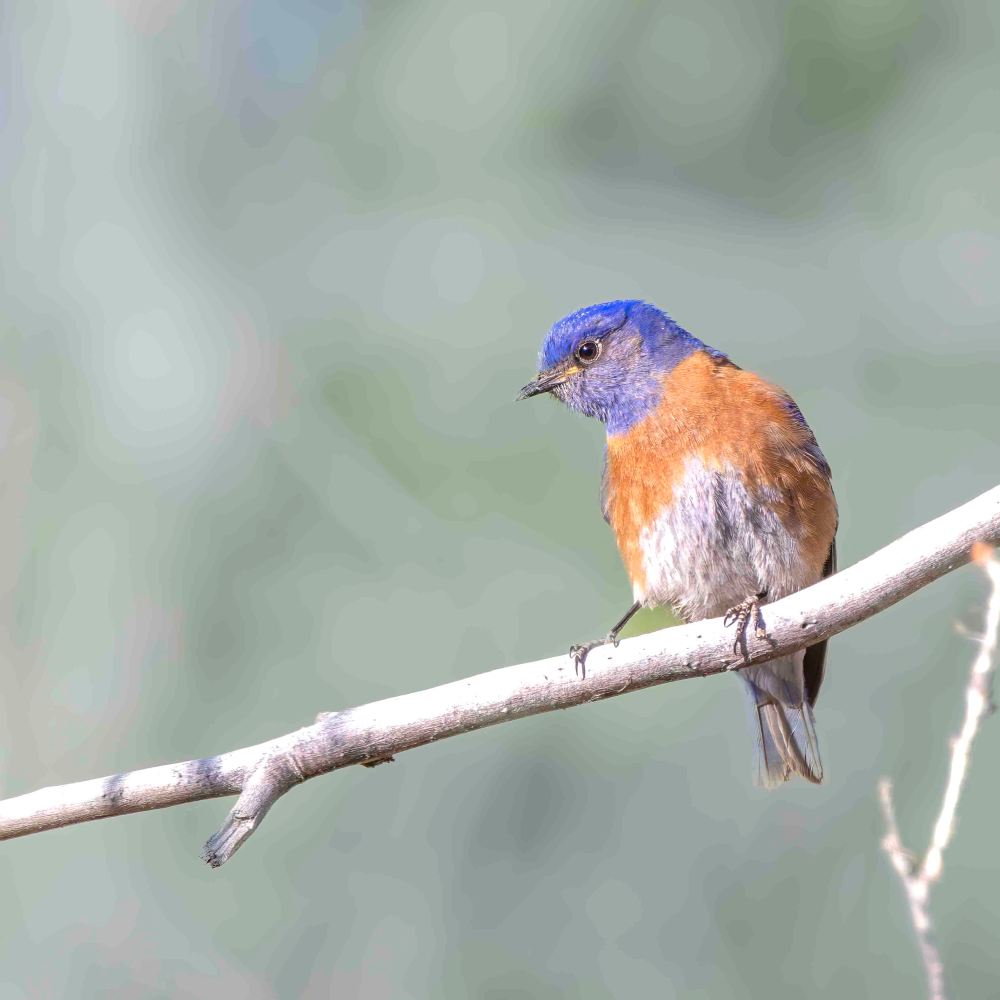
西部のブルーバード(オス) Western bluebird (male)

ブルーバードはヒタキ上科内のツグミ科に分類されています。Bluebirds are classified in Turdidae (Thrush) family within Superfamily of Musclacapoidea, the flycatcher family.

ヒタキ上科の大半は旧世界の鳥たちですが、その中には知名度の高いブルーバードの仲間たちが入っています。 The majority of the superfamily of Musclacapoidea are Old World birds, but they include some of the well-known bluebirds’ relations.

まず、マネシツグミ科には以下の鳥たち。 First, the Mimidae family includes the following birds.

マネシツグミ(モッキンバード)Mockingbird
クチバシがカーブしているカリフォルニアムジツムギモドキ California Thrasher with a curved beak

北米でみかけるムクドリ科の鳥はホシムクドリです。シェークスピア愛読家が北米に移植させたということです。 The Starling family bird found in North America is the European Starling. It is said that Shakespeare lovers have had them transplanted to North America.

そしてツグミ科。この科にブルーバードとロビンが所属しています。 Bluebirds and Robins belong to the Turdidae (thrush) family.

木の中に巣を作っている西部のブルーバード(メス)。 A western bluebird (female) nesting in a tree.
好物のピラカンサを咥えているコマツグミ。 An American Robin and its favorite food, pyracantha, in its mouth.

ヒタキ上科の鳥たちは、大きくはないけれど、シジュウカラのように小さいわけではないので、目撃できたら比較的写真に収めやすいです。 Birds in the super family of Muscicapoidea are not large, but they are not as small as the titmice, so they are relatively easy to photograph if you are able to spot them.

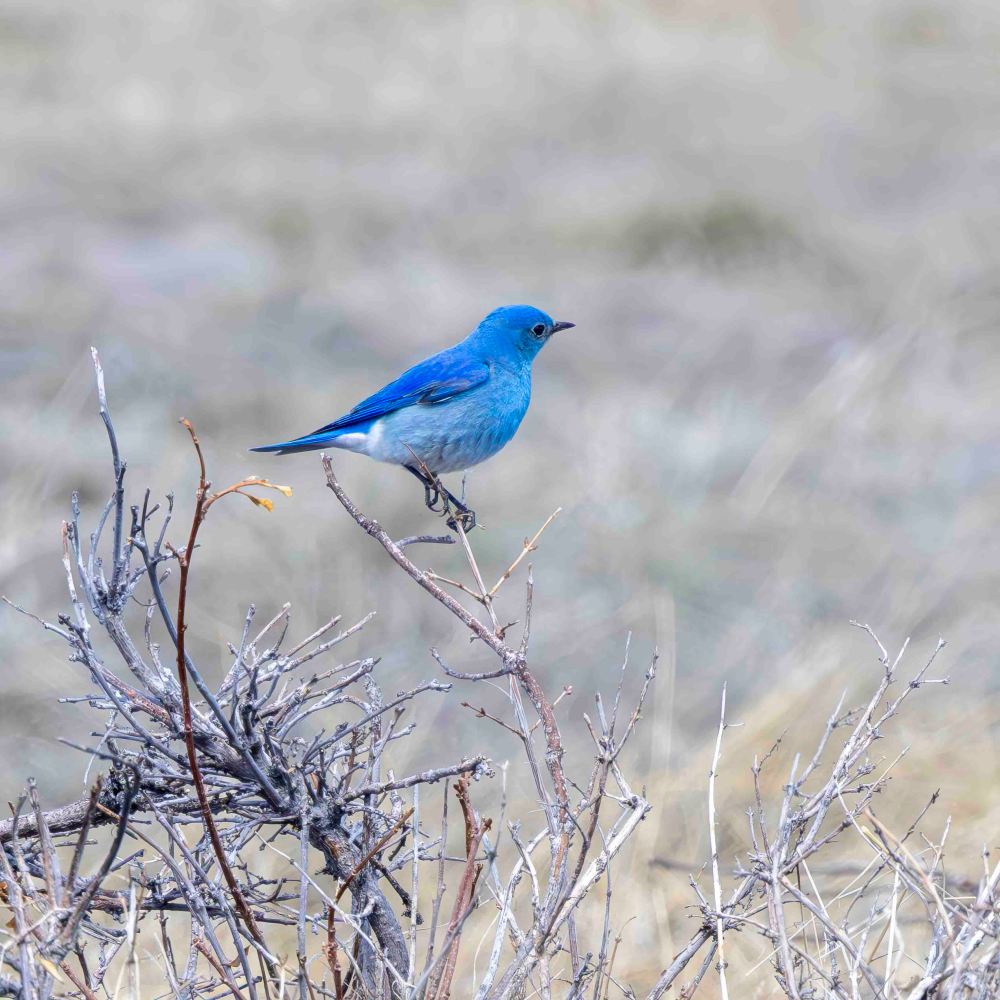
日本語のみの追記です。ブルーバードの名前について。東部、西部、山岳部に住むブルーバードは少しづつ違いがあり、3種類に分かれており、それぞれに違う名前がついています。そして、日本語訳がそれぞれ、ルリツグミ、チャカタルリツグミ、ムジルリツグミと訳されています。とりわけ西部のブルーバードが肩の色が茶色のルリツグミだからチャカタルリツグミという名前になっています。それは理解できるんですが、ちょっと、冴えない。だから、ここでは勝手に英語をそのまま使って西武のブルーバードと呼んでいます。 (This is an addendum for Japanese only. Sorry English speakers, it doesn’t translate.)