青紫 – Blue Purple


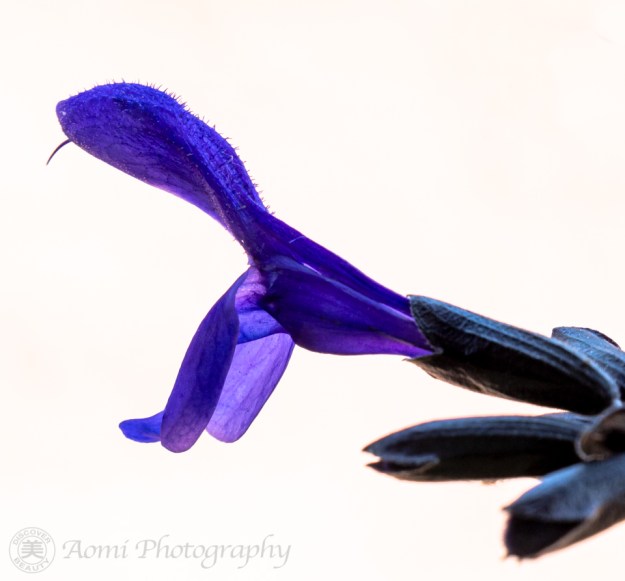
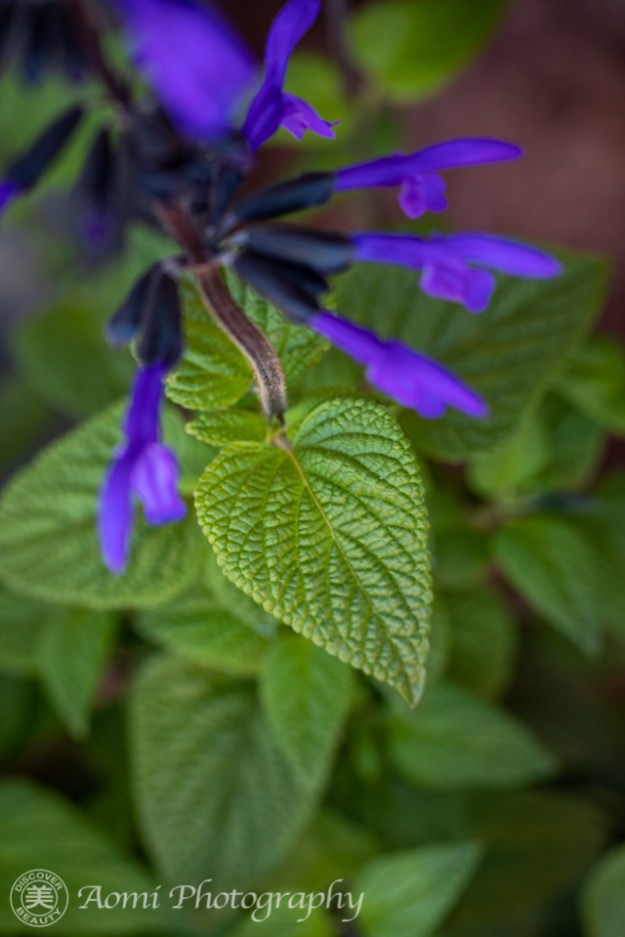
何色と言うのでしょう。この色に出会った。今、特に好きな色。 – What would you call this color?  I met this color, my favorite color now.

サルビア ガラニティカ ブラックアンドブルームと呼ばれているらしい。小さな花だけど、清しさを与えてくれる。- The flower is called Salvia guaranitica, Black & Bloom.  Each flower is small but gives me a feeling of serenity.

うちの庭の新しいメンバー。 – It’s a new member in our garden.  

オオミチバシリの贈り物 – Roadrunner’s Gift


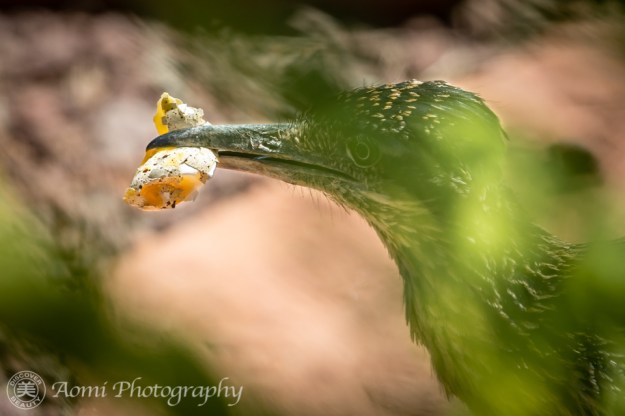
窓の外に突然現れたオオミチバシリ。しかも近すぎ。カメラの準備が出来てなかった私にはこれが唯一のショット。 – A roadrunner appeared right outside of the window suddenly.  Nooo!  It’s too close!  This is the only shot I could get as it was so sudden.

口にくわえているのは孵化する前の卵のようです。さっさと食べずにくわえているところを見ると、彼女へのプレゼント、もしくはひなたちへの食べ物。でも、前回、カエルを加えているところを目前にして撮れなかった事を思うと、オオミチバシリから私への贈り物です。 – The thing he is holding in his beak looks like an egg almost ready to hatch.  Could it be a gift for his girlfriend or food for his baby?  In any case, it is a gift to me from the roadrunner because I missed a Kodak chance when he had a frog the last time.

アナホリフクロウ – Burrowing Owl


昨日は現実とは思えないほとラッキーでした。初めて見たアナホリフクロウ。 – It was so unreal, my first time seeing a Burrowing owl yesterday.

ビーバーダムワッシュ国立保護区のジャシュアツリーの森の中でした。 – He was standing in the Joshua tree forest at Beaver Dam Wash National Conservation Area.

花粉バスケット – Pollen Basket


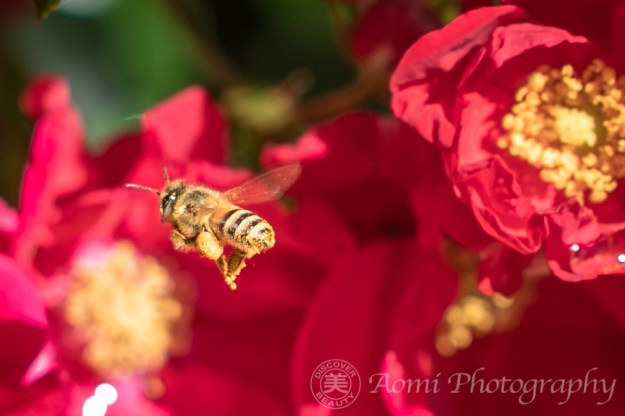
知らなかった花粉バスケットの話。ハチが花から花へ移動しながら集めるのは蜜だけじゃない。花粉も大切に集めて持ち帰るんです。 – Until now, I had never heard of bee’s pollen baskets.  Bees gather nectar from flowers but they gather pollen as well.

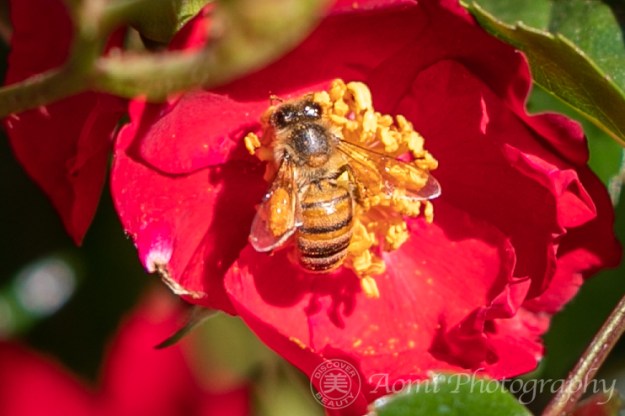
集めた花粉をお団子にして後ろ足に串刺しにして持ち帰るそうです。その花粉団子を花粉バスケットと呼ぶらしい。しかもメスバチだけ。- They gather pollen, wet them with nectar, and shape them as a ball so that they can stick it onto their legs and carry it back home.  That’s called a pollen basket.  And it’s done only by female bees.

裏庭に咲いたバラの森はハチたちの天国です。 – The rose field in our backyard is their heaven.

わー、羽の上からもお団子が見えますね。花粉がやけに花びらに散乱していると思ったら、メスバチたちが花粉集めをしてたんだ! – Wow, I can see pollen baskets even through their wings.  Now I understand why I see bits of pollen scattered about on the flower petals sometimes.

Yellow Knolls Trail


Yellow Knolls Trailナバホ砂岩層の領域です。約 8 km のハイキングは、カメの甲羅のような岩壁をたくさん見せてくれました。 – Yellow Knolls Trail is in a Navajo Sandstone formation area.  The trail is about 5 miles long roundtrip. Along the way it reveals many turtle shell like rocks.
もちろん、トカゲもたくさんいましたが、中でもヒョウ柄のトカゲ、Long-nosed Leopard Lizard に出会えたことは、特記事項です。今までこの近辺をハイキングして来ましたが、今回初めて出会えたからです。しかも、3匹も! – On our hike, we saw many lizards. An especially notable one was the Long-nosed Leopard Lizard. It was notable to us because although we have hiked in many other areas around here, we have never seen this type of lizard until now. Further, we saw not only one, but three!

ビーバーダムウォッシュ国立保護区 – Beaver Dam NCA


2週間前の話です。バンちゃんがいなかったので、一人でコットンウッドや野草を見に行きました。ただの楽しいだけのドライブだったはずでした。でも、途中からビーバーダムウォッシュ国立保護区に突然行こうと思い立ち、グーグルマップに目的地を設定してしまったために、大変なことになってしまったというお話です。 – This is a story from two weeks ago.  I decided to see wildflowers and cottonwoods alone because Banchan was out of town that week.  It was supposed to be an easy drive. I wanted to go to the Beaver Dam National Conservation Area, so that is what I put in Google maps. The route Google maps gave me turned out to be a very dangerous drive on dirt roads. So off I went.

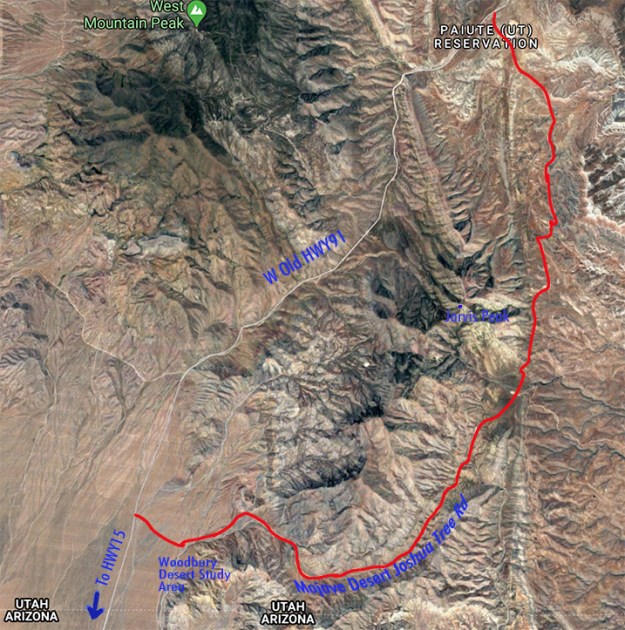
ビーバーダムウォッシュ国立保護区はユタ州、まさに最南西端に位置します。 – Beaver Dam National Conservation Area is right at the southwest corner of Utah.

ピンクのハイライトが私の走った道です。見渡す限り、ジョシュアツリーが広がります。 – The pink-highlighted line was the road I took.  Joshua Trees were everywhere as far as I could see.
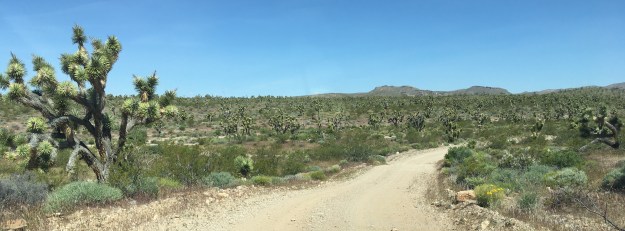
目的地が見えます。バンちゃんがよく話していたので、ビーバーダムワッシュを見て見たかったんです。 – From here, I could see the canyon which the Beaver Dam Wash is in.  I always wanted to see it because Banchan talked about it from his travels.

途中、グーグルマップが使えなくなります。電波が届かなくなることはよくあることです。オフラインマップで進みますが、どう見ても、地図にはない道を走っているようです。しかも、道が非常に険しくなってきました。「まずい、引き返さなくちゃ」と思った時は既に手遅れでした。Uターンできる場所もない細い坂道だったんです。仕方なく丁寧に、丁寧に移動して、ついに終点らしいところに着きました。 – From one point, Google maps stopped functioning because I was out of cell phone range.  It happens often, so I use an offline map and moved on.  Somehow, though, the marker for where I was on the map did not match the roads, and the road got rougher and rougher.  “This is very bad.  I should get back.”  Although I thought about it, I couldn’t because there was no place to make a U-turn. The road was too narrow.  So I moved my car forward ever so slowly and carefully.  And I got to a place that looked like the destination.

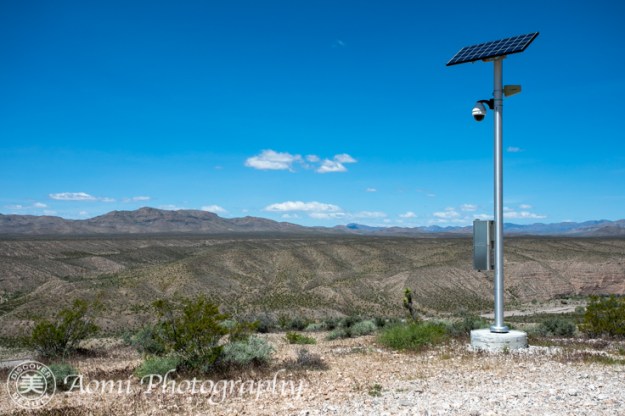
そこには、こんなのが立っていただけ。何でしょうか。- There, I found only this object standing.  I have no idea what it is.
これがビーバーダムワッシュです。 – And here it is, the Beaver Dam Wash.
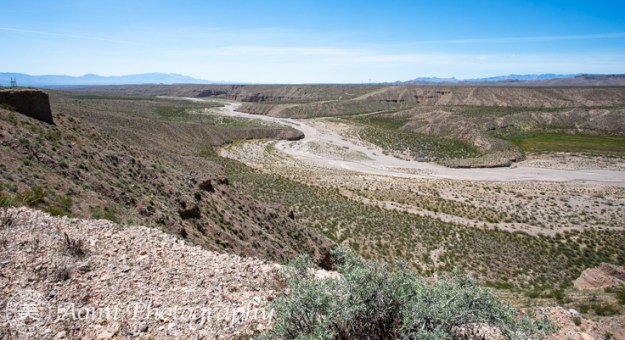
ようやくたどり着いて嬉しかったことは事実ですが、それ以上に悲壮感でいっぱいです。「来てはいけなかった場所。無事、帰れるのか?」 – I was happy that I could make it there but a sense of despair came over me.  “This is a place where I shouldn’t have gone alone.  Could I get back home safely?”
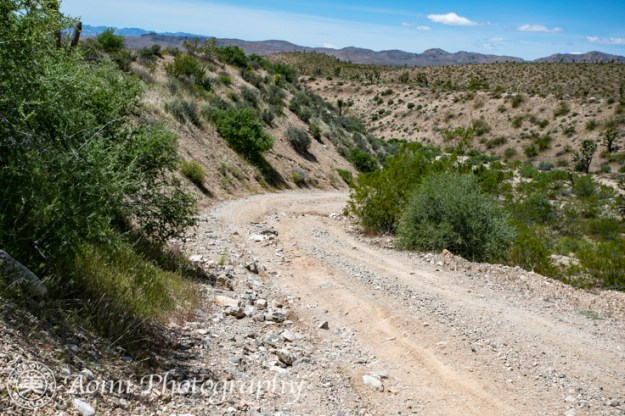
わかりにくいですが、オフロード車なら2本の線の跡を走っていけそうです。でも、私の車の車体はそんなに高くないから、地面をこすってしまいます。- It is not so clear from the picture, but the road requires high clearance off-road vehicles.  They can run on those two lines on the road, but my car couldn’t.  If I tried, the bottom would scrape the ground.

右側は崖、左側は溝。車が溝にはまって動けなくなったら車を置いて、歩いてHWY91まで降りるしかありません。携帯の電波がかすかにあるところで、バンちゃんにテキストを送りました。万が一の時のためです。 – The right side of the road was a cliff, and the left side was a ditch.  If my car got stuck in the ditch, I had to ditch my car and walk down to HWY91 which was too far.  I had sent a text to Banchan when I saw a slight signal on my cell phone.  It was a text saying where I was in case I didn’t make it back.

崖ぎりぎりに走れるところまで走って、その後は石をたくさん運んで道の修復作業を繰り返し。ちょっと涙が出かけていましたが、こういう時に、肉体作業は悪くないです。石を並べて車を進めることが帰れる自信に繋がっていったからです。 – I drove very close to the cliff side as far as I could go. At times I laid rocks on the road to fill in deep ditches I couldn’t get over.  My tears came down a little, but the physical work gave me strength and confidence that I could make it.

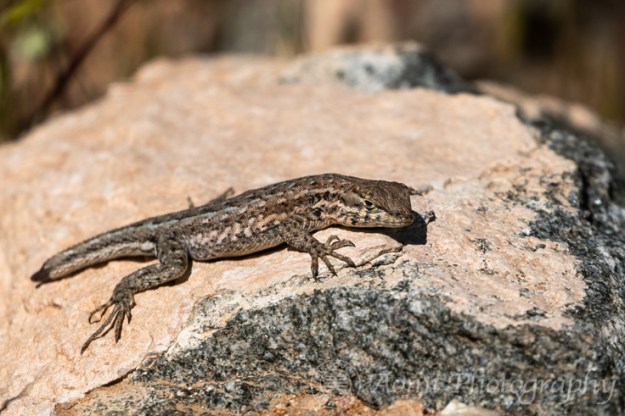
危険な箇所を通り過ぎた後の脱力感、しばらく車の中で気持ちの整理をしていました。そして、ふと道脇を見ると、シッポが切れたトカゲを発見しました。 – I was completely drained when I passed all the dangerous areas, so I rested a little in the car.  After I regained my composure, I saw a lizard on a rock that had lost its tail.

「君も危険から逃れて来たんだね。これからは、もっと気をつけようね!」 – “You, too, made it out of danger.  Let’s be careful from now on!” 
サバクゴファーガメ – Desert Tortoise


先週は記念すべき週となりました。初めてサバクゴファーガメに遭遇することができたからです。しかも、青年カメと子供カメ。場所は Red Cliffs Desert ReserveChuckwalla trail です。 – It was a memorable week last week.  It’s because I met Desert Tortoises, a young adult as well as a yearling on Chuckwalla trail in the Red Cliffs Desert Reserve.

子供と青年の違いがよくわかる所は甲羅と足の爪です。甲羅のそれぞれの模様の中にできる輪の数で年齢を図ることもできると言われています。輪の数の半分が年齢なので青年は6-7歳ぐらい、子供は1-2歳。方法はあくまでも目安なので正確とは言えないとも言われています。 – I noticed that two major parts of their body show differences between an adult and a child.  One is its shell.  The number of rings inside the patterns divided by two is the age.  For the case of these tortoises the ages, based on my counts, are 6-7 years old for the young adult, and 1-2 years old for the young one.

もう一つは足の爪。青年の方はすでに黒くなっていますが、子供はまだ透明感があります。 – Another difference is the nails on their toes.  The nails of the young adult are already black but the child’s nails are still transparent.

それぞれの大きさは、青年が 30cm ぐらいで、子供は 10cm ぐらいだったでしょうか。50-60 年、生きると言われています。また、成長しきるには 15-20 年かかります。医療の発達が今ほどなかった頃の人間の寿命に似てますね。- The length was about 30cm for the young adult, and 10cm for the yearling.  Their life span is about 50-60 years, and to reach maturity, it takes 15-20 years.  It’s similar to a human life span before all the medical technology came in.

最後に、1分のビデオを作って見たので見てください。- Lastly, I want to share a one minute video with you about them.


それは私です。 – It’s me.


再び「私は誰でしょう」の時間です。さあ、皆さん、前回のブログで予想されたでしょうか。今回は皆さんに登場していただきます。 – Here we are again.  It’s time for “Who am I?”.  Have you guessed who those 5 creatures are in the previous blog entry?  Whether you did or not, the answers are here today.

それでは1番の方、出て来てください。長いシッポですが、まだよくわかりません。- Welcome Number 1: You have such a long tail, but I am still not sure.

お顔を拝見させてください。 – Can I see your face?

あ、2本の線が首にあるところを見ると・・・ – Oh, you have two stripes around your neck.

やっぱり、首輪トカゲさんだったんですね。ありがとうございました。- Of course, you are a Collared lizard.

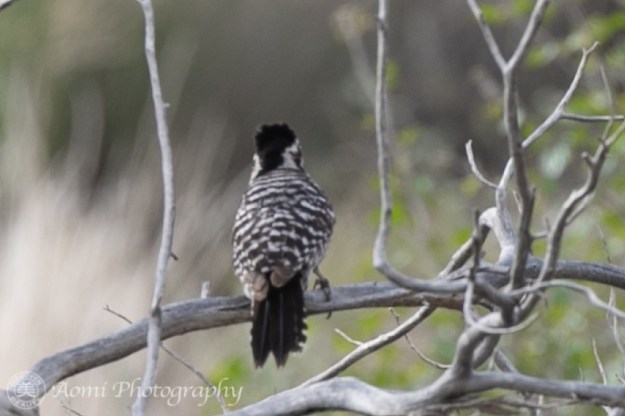
2番の方、ご登場ください。このシルエットは、キツツキさんですね。- Number 2: The silhouette looks like a woodpecker.

Ladder-Backed (背中の模様が梯子のようなところから来た名前で、日本語名がありません。)のキツツキの奥さんでしたか。ご主人と違って、赤い帽子はかぶってないんですね。- You are a lady Ladder-backed Woodpecker because you don’t have a red cap on top of your head.

3番目の方、お願いします。- Please come out number 3.

ヒバリヒメドリさんでしたか。歌がとてもお上手ですよね。- You are a Lark Sparrow.  You can sing very well.

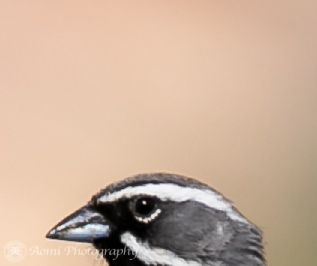
4番目の方、ご登場ください。ノドグロヒメドリさんでしたか。まあ、愛らしいポーズ。- Number 4:  You are Black-throated sparrow.  It’s a lovely pose.

あ、ノドグロさんも歌が上手なんですよね。- Sure, I shouldn’t forget to mention that you can sing well also.

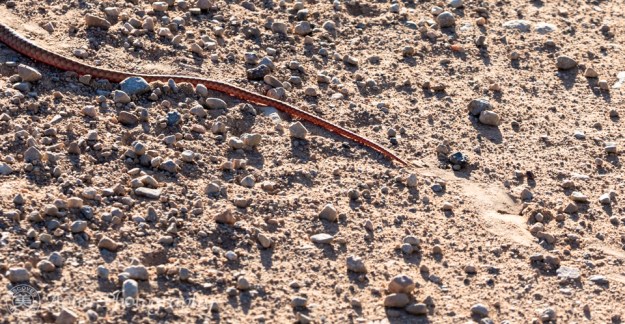
それでは最後の5番目の方、ご登場ください。ムチヘビさんでしたか。- Number 5:  You are Coachwhip, red racer.

お疲れ様です。- Thank you for coming out from the bushes for us.

長い体、1.5 メートルぐらいありそうですね。車にひかれないよう、気をつけてくださいね。- Your body is long, about five feet.  Please be careful not to be run over by a car.


Mojave Desert Joshua Tree Road は静かな道でした。私たちの住んでいるSt George はコロラド高原に位置しますが、ここはその西に広がるベイスン・アンド・レンジという地質学的に面白い地域でもあります。カンブリア紀からペンシルバニア紀(約5 – 3 億年前)の岩も露出しているようです。サンプルの石を拾って来ました。- Mojave Desert Joshua Tree Road is a quiet road.  It runs through a part of the Basin and Range region. The geological formation here is different from the Colorado Plateau where we live in Saint George.  According to what I’ve read, rocks from Cambrian to Pennsylvanian eras (about 500 – 300 million years ago) are exposed at this location.  Below is one small sample rock from there.

私は誰? – Who am I at Mojave Desert Joshua Tree Rd


はい、私は誰でしょうの時間です。 – Here we are.  It’s time for “Who am I?”

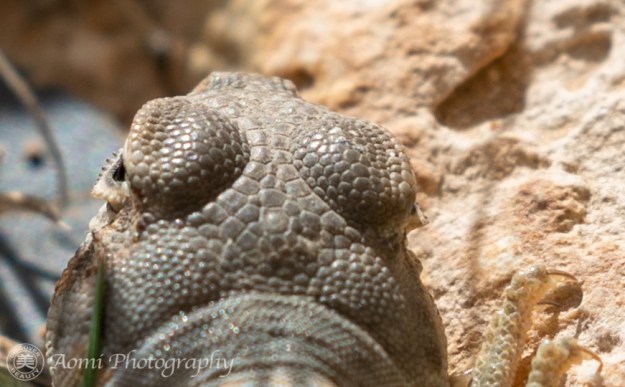
1番の方どうぞ。まつげが愛らしい。 –  Number 1:  Oh, you have lovely eye lashes.

2番の方。モハークのような髪型ですね。 – Number 2: Your hair style is like a mohawk.

3番の方。思いっきり正面からですね。 – Number 3:  Wow, from the front.

4番の方。横顔ですか。 – Number 4:  Side view.

5番の方。あら、シッポのようですね。Number 5:  Hmm, it looks like a tail.

回答は次回のブログにて! – Look forward to finding the answers in the next blog entry!

Mojave Desert Joshua Tree Rd、日本語名がないので英語で残します。モハビ砂漠のジョシュアという木がたくさんある道。南の入り口近くに Woodbery Desert Study Area がありますが、何かがあるわけではありません。ウェブサイトもないので詳しいことはわかりませんが、Woodbery という人がかつて砂漠の研究をした場所らしいです。数カ所、やはり4輪駆動車が欲しい場所がありました。景色はいいですが、他と比べて特別優れているものがあるわけではありません。人は見かけませんでしたが、ちょっと興奮する生き物に遭遇しました。 – Mojave Desert Joshua Tree Rd is a quiet road.  You will find Woodbury Desert Study Area near the south entrance, but you find nothing other than a sign.  I looked for the website, but it doesn’t exist.  It seems that Mr. Woodbury intensively studied the desert in this area, so it’s named this way.  It’s not a super rough road, but I recommend 4WD to go through it.  The view is nice but nothing special compared to other areas.  We didn’t find any people, but we did find interesting creatures there.

コットンウッドの木 – Cottonwood Tree


コットンウッドの木は2番目に好きな木です。(ちなみに、一番好きなのはアスペン、3番目は樫の木。) – Cottonwood trees are my second favorite trees.  (Aspen is by far my most favorite, and Oak is the third.)

秋、ザイオン国立公園にて。去年の10月撮影。 – Fall: An image from last October in Zion NP.

冬、これもザイオン国立公園にて。去年の12月撮影。 – Winter: An image from last December in Zion NP.

そして今は春、サンタクララ川沿いにて。先週撮影。- And Spring: I took these images last week at Santa Clara River Preserve.

珍しい木でもないんですが、好きです。こんな風に、川沿いに生育しています。- You can see them everywhere, but still I like it.  They grow in places like this by rivers.

名前の由来はなんだろうと思っていたんですが、理解できました。春になると綿毛のようなのが木の枝から垂れ下がっています。- I was wondering about the origin of the name.  It is because chunks of cotton-like white fluffy things hang down from trees in Spring.

今まで気づかなかったんですが、雄株と雌株があり、雌株にだけ実ができて、時期が来てパカンと割れてフワフワの綿毛が出てくるんですね。- I didn’t know this.  Cottonwoods have a male and a female tree, and female trees hold seeds.  When the time comes, seeds crack open, and cotton-like white fluffy things come out from them.

ポプラとも、ヤマナラシとも呼ばれています。ポプラと聞くとちょっと洒落てる印象ですが、ヤマナラシは昔話に出てくる妖怪みたい。風が吹くとザワザワと、まるで山がなってるみたいだから付いた名前でしょうか。- It’s called “Poplar” as well.  In Japanese, it’s also called “Yamanarashi (the literal translation is ringing mountain)”.  It probably came from the sound when winds blow trees.  It creates a sound like a mountain howling.

花粉症の私は、この綿毛を見ただけでクシャミが出てしまいます。夏の印象はあまりありません。春は花粉症なのでちょっと苦手です。でも、秋と冬が断然美しいコットンウッドの木。2番目に好きな木です!- I have bad hay fever, so I start sneezing even when I simply see the fluffy thing.  I don’t have a strong impression of them in Summer and in Spring I don’t like them because of hay fever, but I love them in Fall and Winter, my second favorite trees!

今日のおご馳走 – Today’s Treat


花粉症に悩まされてしばらく外に出られませんでした。でも、窓の外は大忙し。 – I couldn’t go out for a while due to bad hay fever.  In the meantime, I noticed commotions in my backyard from time to time.

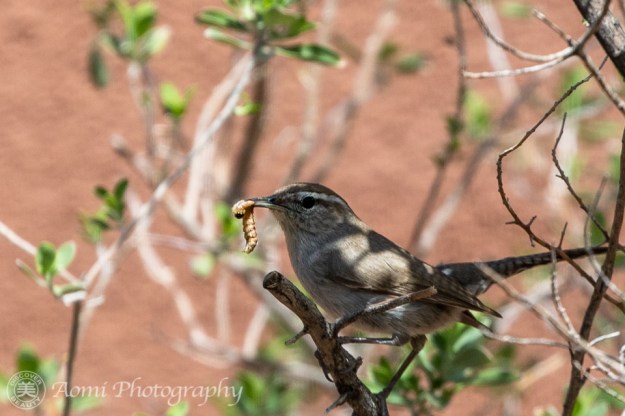
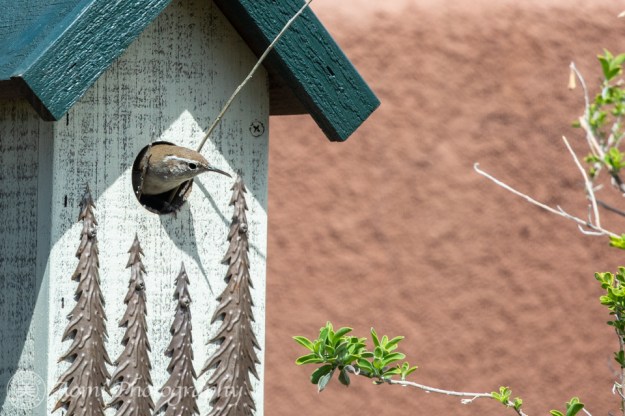
今までは巣作りの材料運びだったのが、食べ物に変化しています。前回の木の種に比べると、今日はおご馳走です。 – The stuff that Wren carries has changed from materials for their nest, to food.  It looks quite a treat compared to the tree seed he brought back last time.

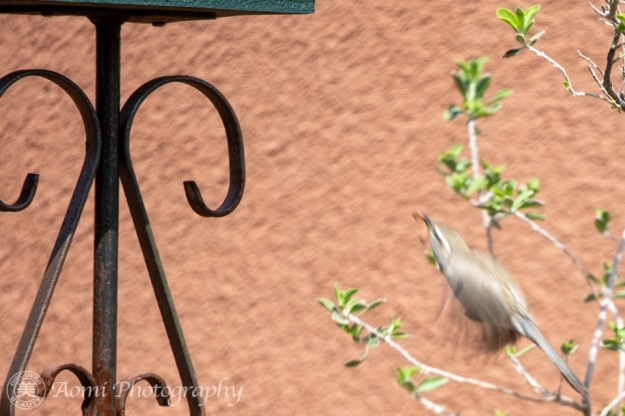
落とさないように、ジャンプ。- Without dropping it, jump!

速い!巣に着いた瞬間撮れてません。 – Wow, it was fast.  I missed the moment it landed on the treehouse.

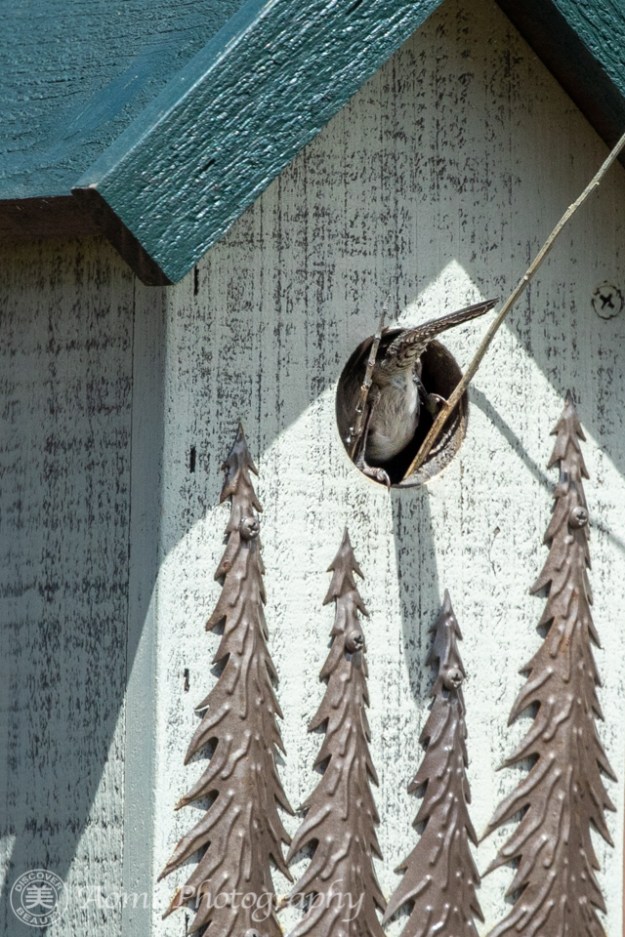
そして、さっさと顔を出して、 – The wren has already come out, and is ready to take the next action.

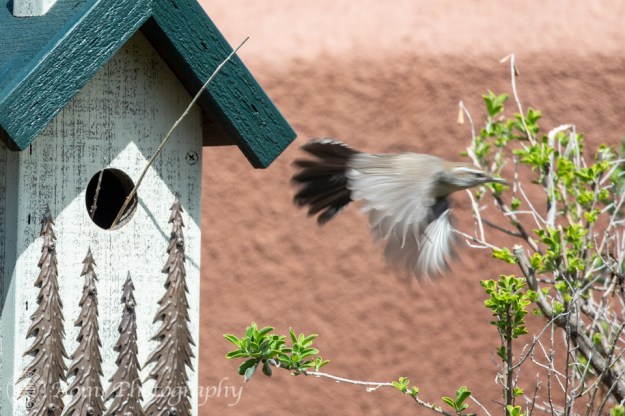
飛び立って行きました。 – Off he went.

もう産卵されたんでしょうか。巣に近寄ってはいけないと思うので家の中からの観察です。 – I wonder if it has already laid eggs in there.  I am observing only through a window since I don’t want to disturb them.

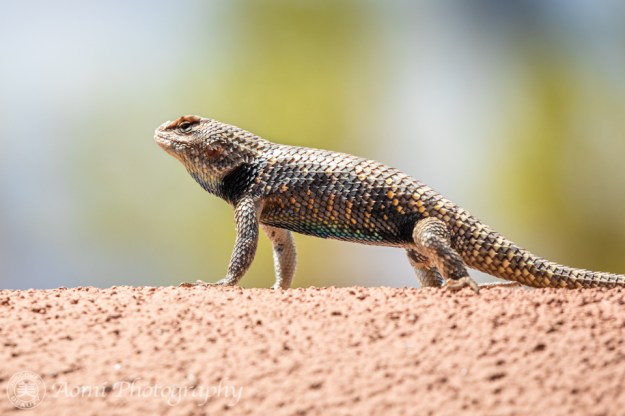
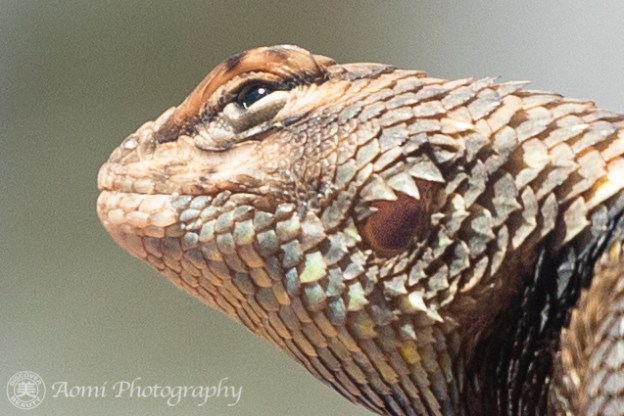
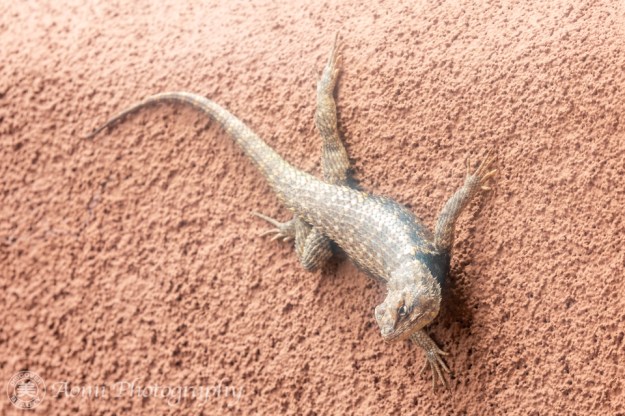
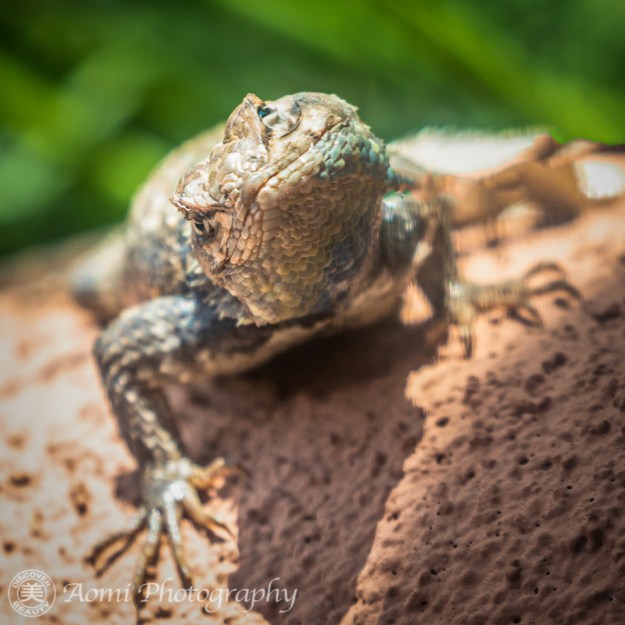
おかえりスパイニィ – Welcome Back Spiny


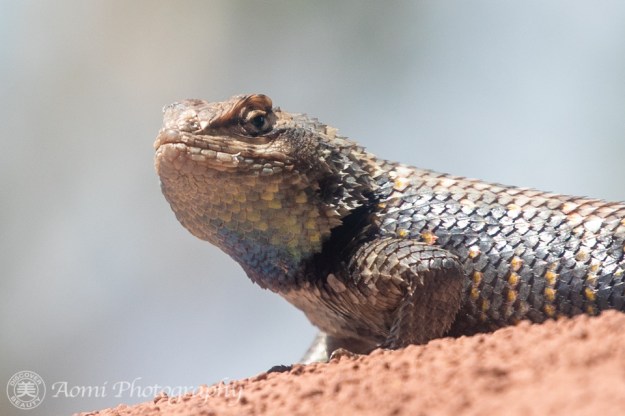
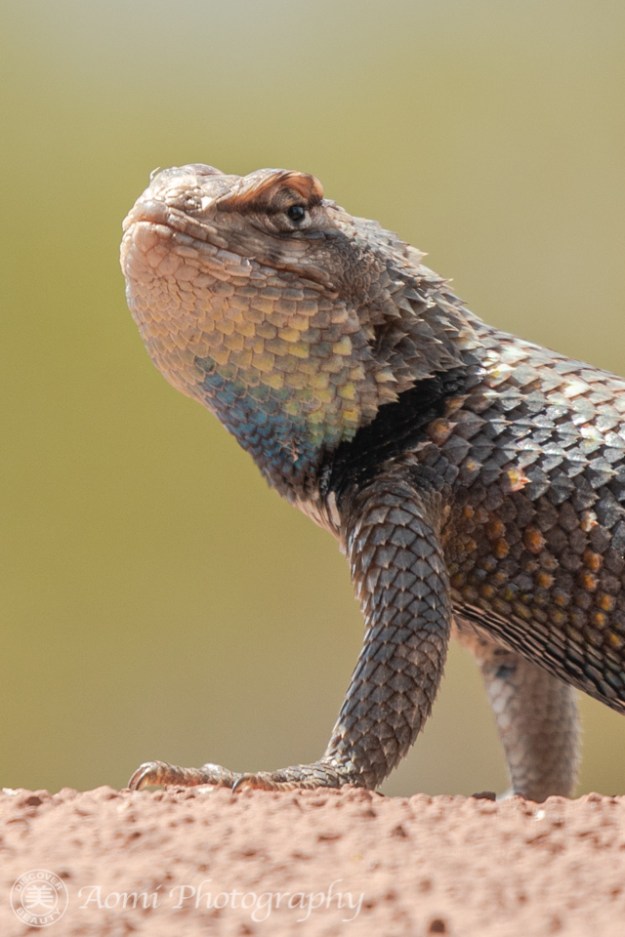
「一年間のご無沙汰でしたね、サバクハリトカゲさん。」 – “Oh, it’s you, Desert Spiny Lizard.  It’s been a year since I last saw you!”
「冬眠はいかがでしたか?」 – “How did your hibernation go?

「早速お出かけですね。どちらへ?」 – “You are going out already.  Where to?”
「ところで、気がつかなかったんですが、口の横についている大きな溝は耳ですか?」 – “By the way, I didn’t notice it before, but what is the oval dent on the side of your mouth?  Your ear?”

「あのさ〜」と、トカゲさん。- “Look!” said the lizard.

「そっとしておいてくれる?」 – “Can’t you leave me alone?”

「失礼しました。ともあれ、お帰りなさい!」 – “Oh, sorry!  Anyway, welcome back!”