Category Archives: Wildlife

ドクトカゲのシッポ Tail of the Venomous Lizard


春は駆け足で通り過ぎていきます。 Spring is passing by at a runaway pace.

サバクゴファーガメも忙しく歩き回ってます。 Mojave desert tortoises are busy walking around.

毎年のことですが、野生動物たちのエネルギーに圧倒されています。私たちは目下、アメリカドクトカゲを探し求めて毎日歩き回っています。彼らは年に2回しか公の場に出てこない猛毒トカゲで、(一年の95%は穴倉で暮らすとされています。5月と9月に食料確保をするために穴から出てくると聞きました。)今がまさにその貴重な活動する時なんです。詳しくはこちらのサイトをご覧ください。https://a-z-animals.com/animals/gila-monster/10-incredible-gila-monster-facts/ Every spring we are overwhelmed by the energy of the wildlife. We are currently on a daily roam in search of Gila monsters. They are venomous lizards that only come out from the nest twice a year (It is estimated that 95% of the year they live in burrows, and I was told that they come out of their burrows to secure food in May and September.), and now is a rare time for them to be active. For more information, please visit the website here. https://a-z-animals.com/animals/gila-monster/10-incredible-gila-monster-facts/

ゼブラテールリザードはよく挨拶してくれます。 Zebra-tailed lizard greets us often.

先日、その日も諦めて帰る道すがら、不思議な物体が不思議な動き方をして移動していました。それがまさにアメリカドクトカゲだと認識できた時には、低木の中に逃げていってしまいました。 The other day, on our way home after giving up the search that day, we saw a strange object moving in a strange manner. By the time I was able to recognize that it was indeed an Gila monster, it had fled into a bush.

かろうじて撮れた写真はこの尻尾だけでした。20分じっと待ちましたがついに出てきてくれませんでした。 I barely managed to get a picture of it, just its tail. We waited patiently for 20 minutes, but it never came out.

年に2回しか巣から出てこないので脂肪をたっぷりと尻尾に蓄えている。 They come out of the nest only twice a year, so they have plenty of fat stored in their tails.

きっとまともな写真を撮れる時が来るはずです。だから、とりあえず、幻のように初めて目前に現れてくれたアメリカドクトカゲに感謝です。 There will surely come a time when I will be able to take decent pictures. So, for now, I would like to thank the Gila monster for appearing in front of me for the very first time, like a phantom.

 いつか、このサイドブロッチドリザードのようなポーズをしたアメリカドクトカゲを撮れるよう、しばらくは探索が続きます。 The search will continue for a while so that someday I can photograph an Gila monster in a pose like this Common Side-blotched Lizard.

ただ今移動中 Migration in full swing


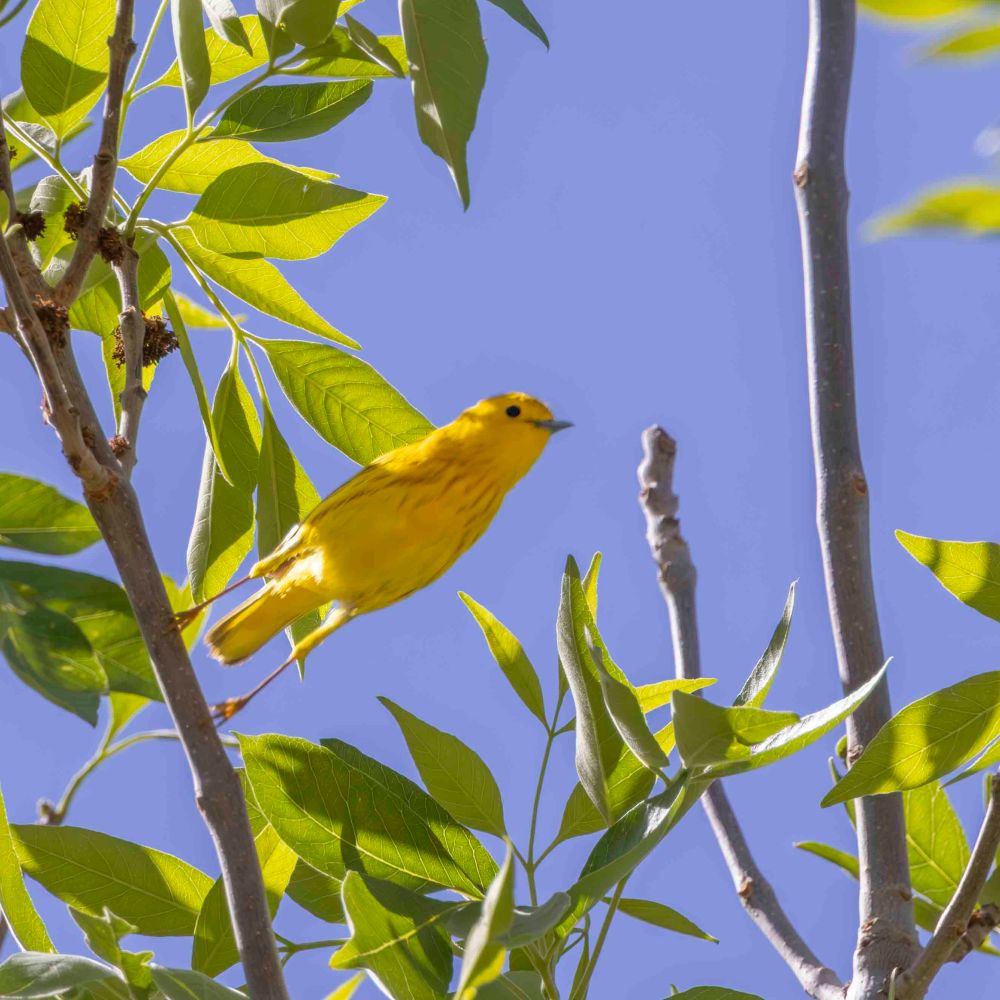
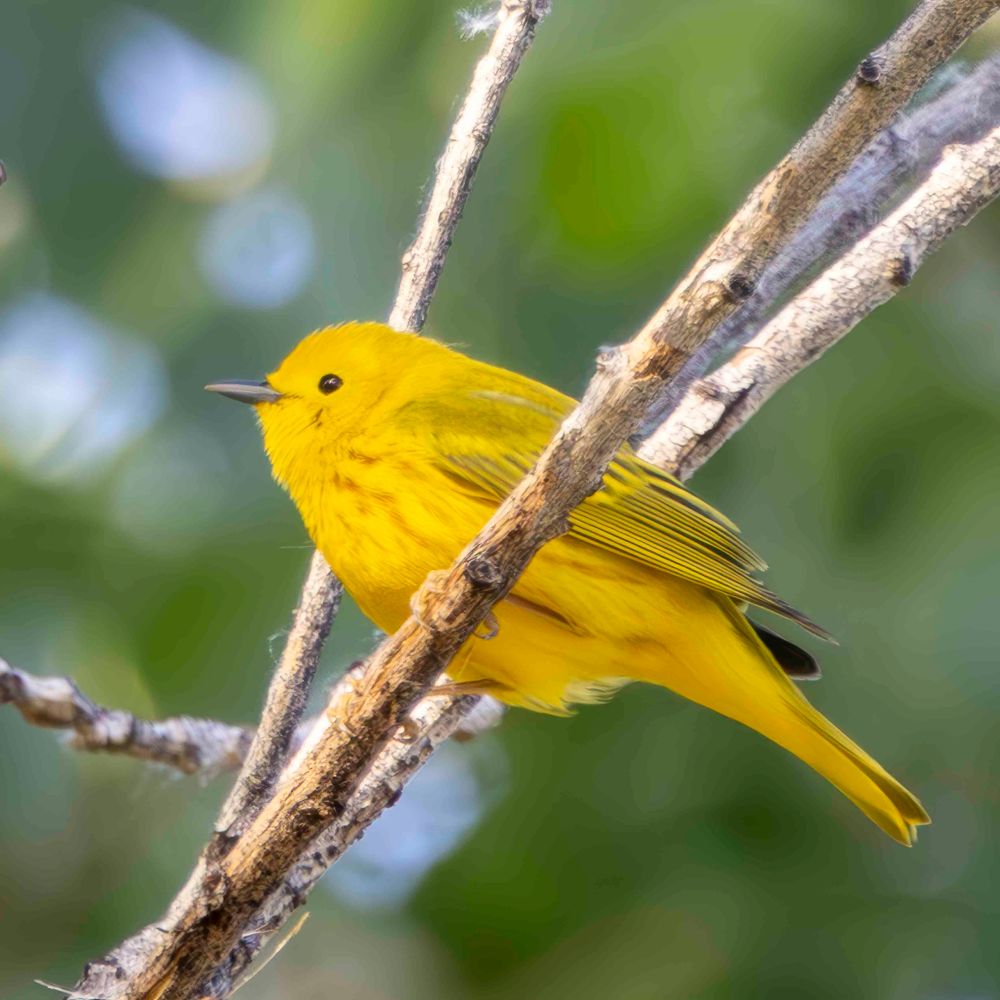
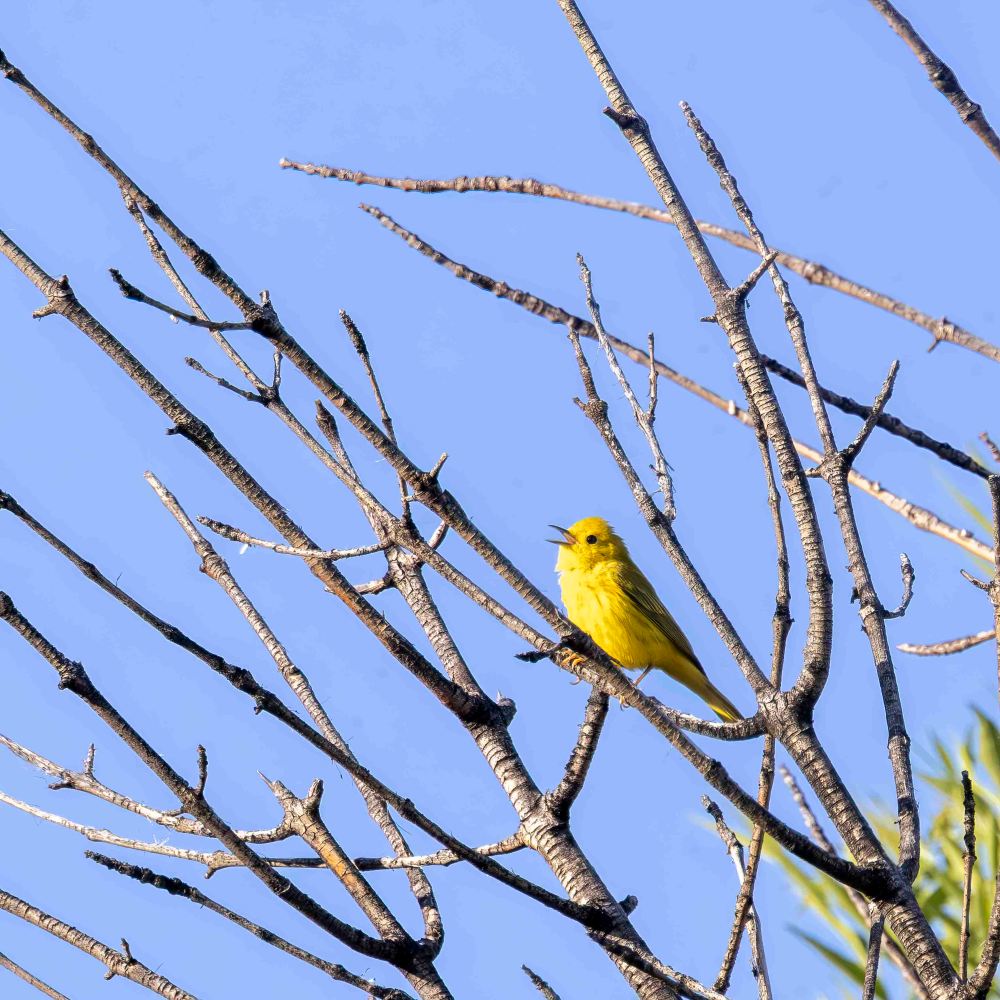
キイロアメリカムシクイです。 This is a Yellow Warbler.

アメリカムシクイ科には120の種が属していますが、その半分は渡り鳥です。この科に属するキイロアメリカムシクイも渡り鳥なので、春になると出身地の中南米を出発し、北上して北米全土に散らばっていきます。そして9月ごろには再び南に帰っていくので移動が始まるらしいです。 About 120 species belong to the family Parulidae, New World Warblers, half of which are migratory birds. The Yellow Warbler, which belongs to this family, is also a migratory bird, so in spring it leaves its native Central and South America and travels northward, scattering all over North America. Then, around September, they start their migration as they return to the south again.

5インチ(12cm)しかない小さな鳥なのに、毎年遠路を移動するなんて、元気な鳥だなあ。 It’s a small bird, only 5 inches (12 cm) long, and yet it’s so energetic that it travels a long way every year.

昔から渡り鳥の観察をしている方々は多いと思いますが、最近はテクノロジーの発達で彼らの行動がさらに精度を持ってわかるようになりました。National Audubon Society の管理するBird Migration Explorer は、それぞれの鳥の行動パターンを視覚的に教えてくれます。 Many people have been watching migratory birds for a long time, but technology has recently made it possible to see their behavior with even greater precision. Bird Migration Explorer, managed by the National Audubon Society, provides a visual representation of each bird’s behavior patterns.

こちらがキイロアメリカムシクイの移動マップです。 Here is the migration map of the Yellow warbler.

このページによると、目下、移動の真っ盛りなようです。 According to this page, it appears that they are in the midst of a migration.

さて、前回のブログでこの鳥とクロツキヒメハエトリには決定的な違いがあると書きました。 Now, in my last blog, I wrote that there is a crucial difference between this bird and the Black Phoebe.

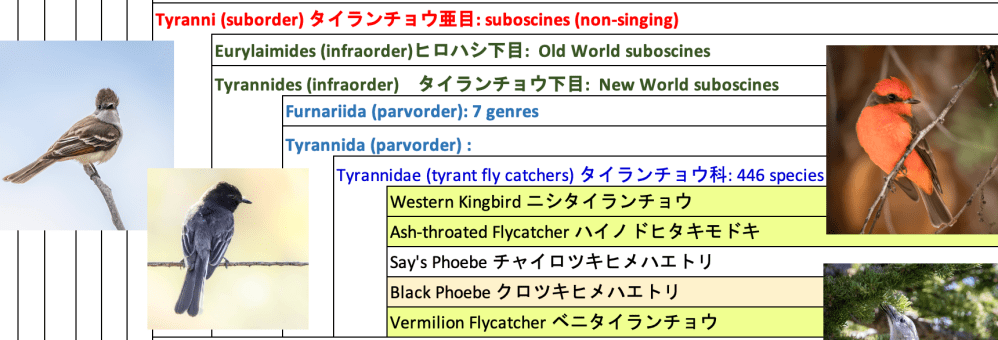
両種とも虫を食べる鳥なのに違う亜目に分類されています。分類史を見ると過去同じ目に分類されていた時期もあったようですが、DNA研究によってはっきりとした違いがわかってきました。それと共に分類表も大幅な変更が所々で見られます。実際、私の分類表も去年始めた頃から多くの部分でアップデートしました。この分だと、今後も更なる変更が起こりそうです。 Both species are classified in different suborders, even though they are both insect-eating birds. Their taxonomic history shows that there was a time when they were classified in the same order, but DNA research has revealed clear differences. Along with this, the taxonomy tables have changed drastically in many places. In fact, I have updated many parts of my classification table since I started last year. At this rate, more changes are likely to occur in the future.

再び、話を戻して、両者の違いですが、科学的には鳴管と呼ばれる部分の発達の違いがまず挙げられます。でも、個人的には彼らの虫の捕食の仕方が目に見えて決定的に違うと言いたいです。 Again, going back to the subject, the difference between the two, scientifically speaking, is first of all the difference in the development of the part of the body called Syrinx (the sounding tube.) But personally, I would say that the way they prey on insects is visibly and definitely different.

  • クロツキヒメハエトリは空中の虫を嘴を大きく開けて空中で捕食します。ツバメやヨダカ、アマツバメも空中捕食組ですね。 The Black Phoebe preys on aerial insects with its beak wide open in mid-air. Swallows, Nighthawks, and Swifts are also airborne predators.
  • キイロアメリカムシクイは低木の茂みの中深く入り込み、葉の裏に潜んでいる昆虫(主に毛虫など)を捕食します。そこし違いますが、キツツキも空中ではなく、木の中に潜んでいる昆虫を探し出すところが宝探しのようなので宝探し捕食組と呼びます。(私の独断の呼び方です) The Yellow Warbler goes deep into shrubby bushes and preys on insects (mainly caterpillars) hiding behind leaves. Woodpeckers are quite different from Warblers, but I think (my own opinion) they are the same in that they search for insects hidden in the trees rather than in the air.

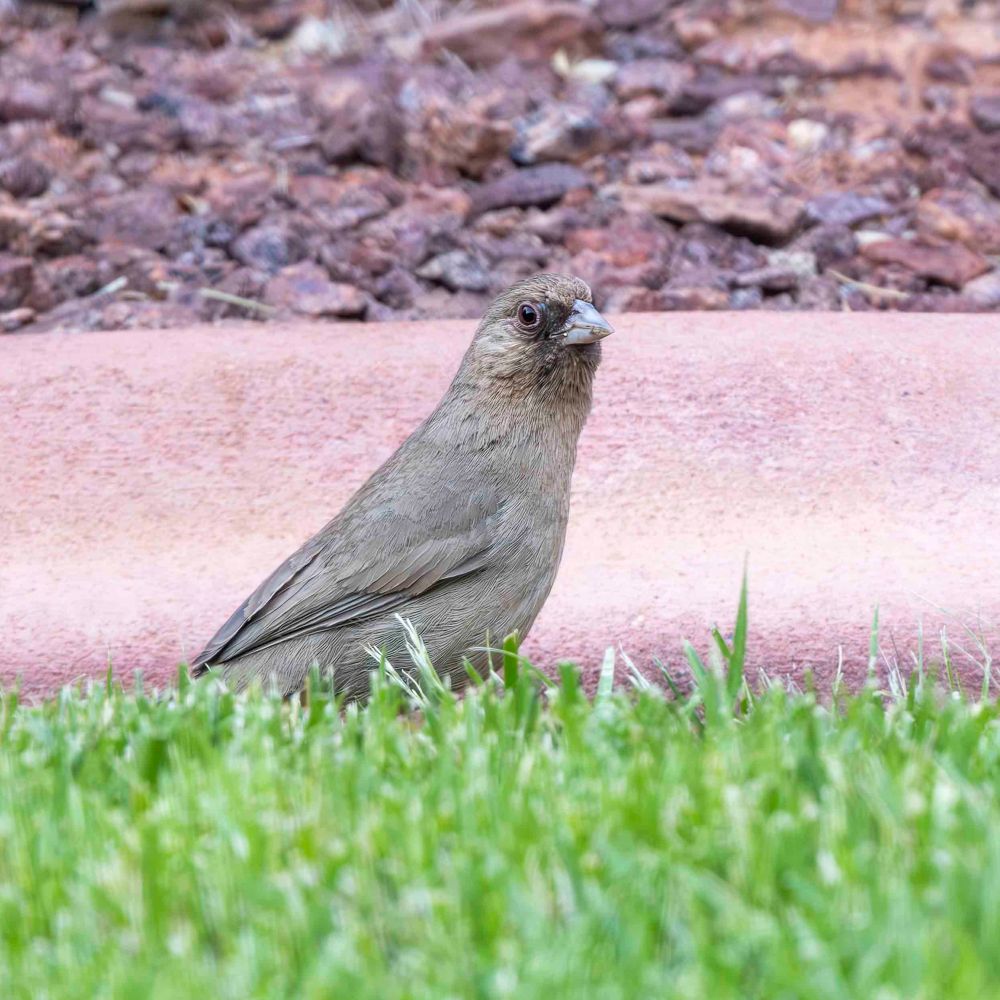
裏庭には多分このメグロトウヒチョウが巣を作っているのではないかと思われます。 In other bird news, there is probably a nest of this Abert’s Towhee in our backyard.

多分、このバラの茂みの奥の方。 Probably at the back of these Rose bushes.

しばらく雨が続いていましたが、今日はついに快晴となりました。 It had been raining for a while, but today it finally cleared up.

この季節は、私たちの周りの自然がソワソワ、ワクワクしていて毎日が落ち着きません。 This is the season when the nature around us is so energetic and full of life and every day is exciting.

今週末の土曜日はグローバル ビッグデー です。私も初めてなのでよくわかっていないのですが、裏庭の鳥の観察だけでもして参加してみようかと思っています。 This coming Saturday is the Global Big Day. I don’t know much about it since it’s my first time. But I’m thinking of participating just to observe the birds in my backyard.

クロツキヒメハエトリ Black Phoebe


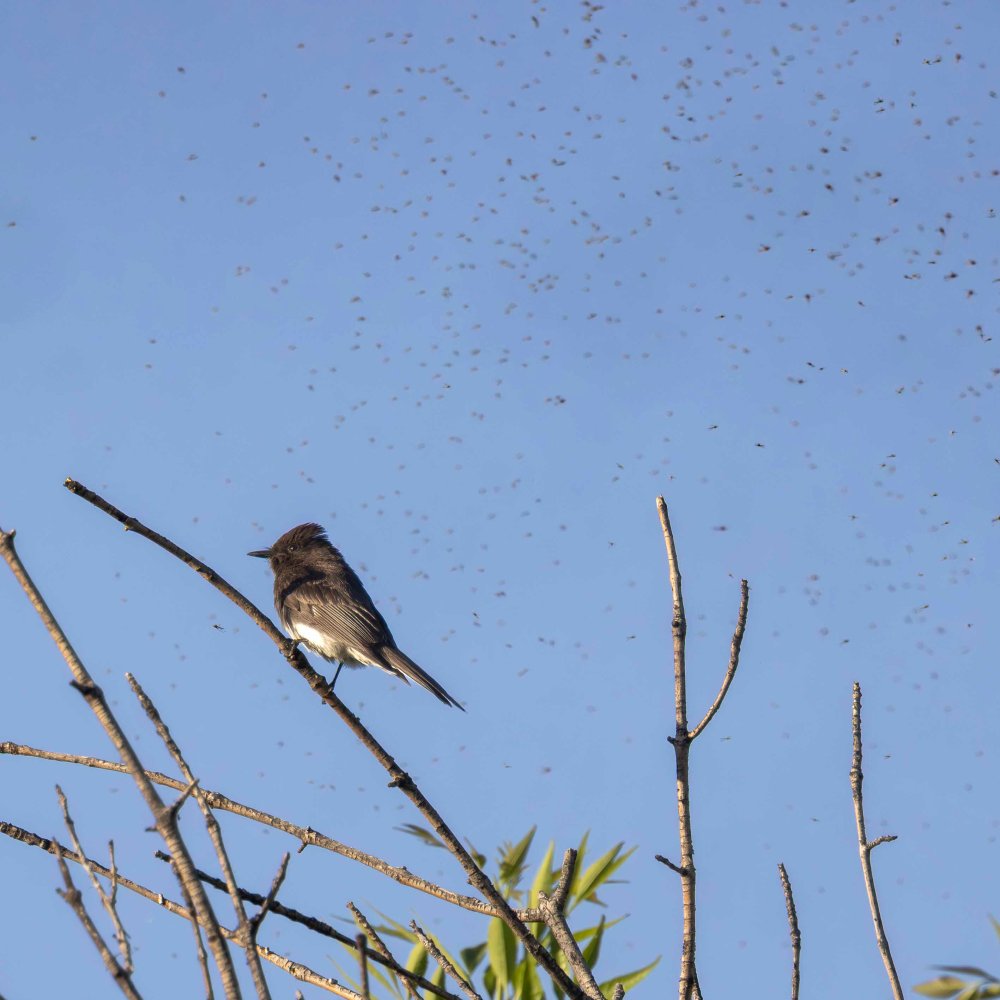
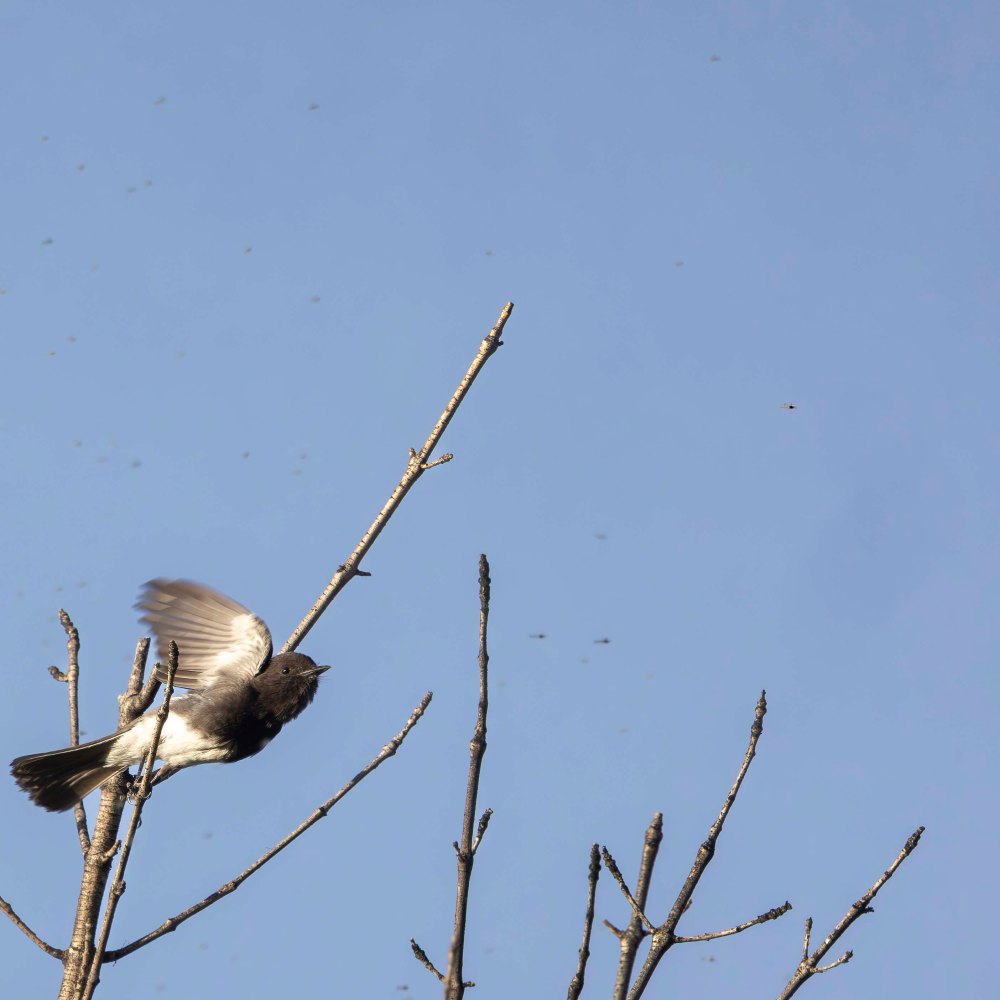
日の出から 1-2 時間ぐらいの間は鳥たちの朝食の時間です。しかも、食べ物が空を飛んでいるので、時々空に飛び立って口をぱくぱくさせればいいだけです。 About 1-2 hours after sunrise is breakfast time for birds. And since food is flying in the air, all they have to do is fly up into the sky from time to time and snap their beaks.

空に無数の黒い点(虫)が浮遊しているのが見えますか? Do you see countless black dots (insects) floating in the sky?

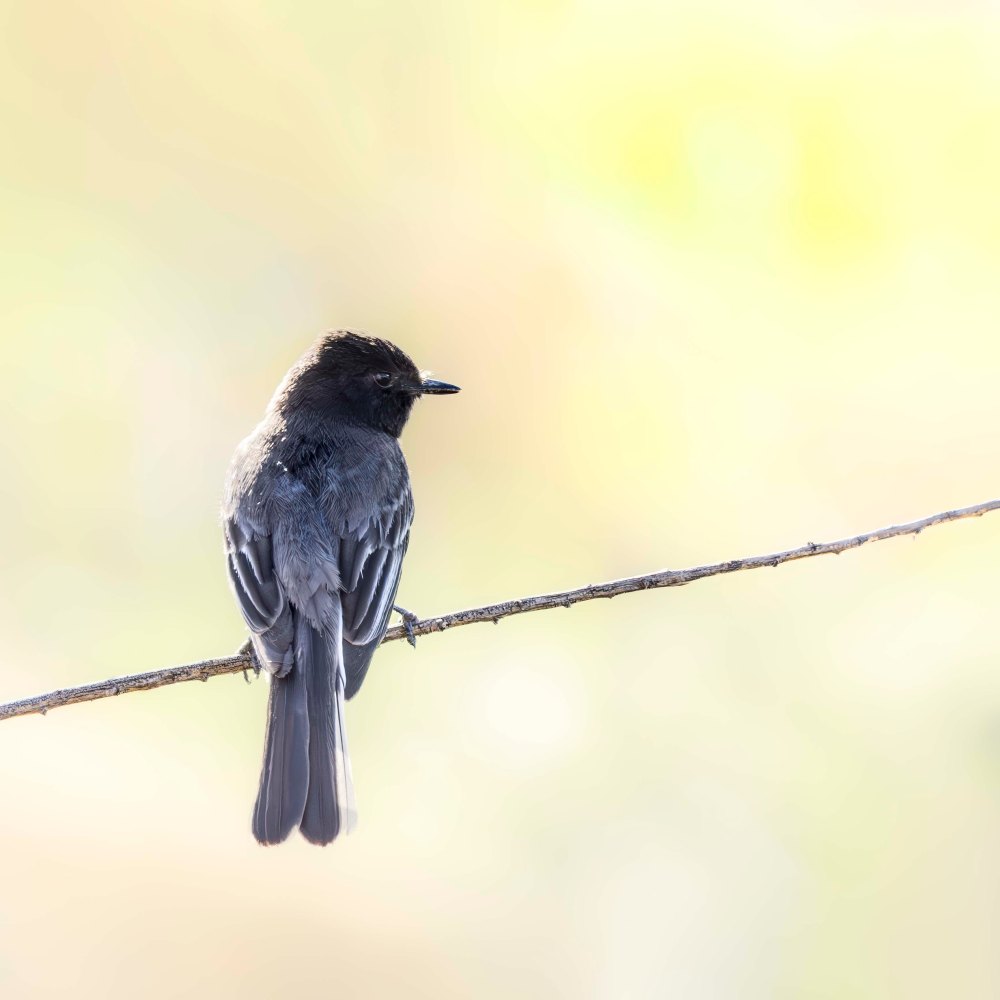
バードフェスで最初に発見したのはクロツキヒメハエトリです。この鳥はタイランチョウ科に属します。この科の鳥たちは虫を主食としています。彼らにとって川沿いの早朝の空は最高のレストランです。 The first bird we found at the Bird Fest was the Black Phoebe. This bird belongs to the family Tylannidae. Birds of this family feed mainly on insects. For them, the early morning sky along the river is the best restaurant.

カリフォルニアで見たことがありました。でも、ユタ州に引っ越してきてから初めての発見なので、早速、私の鳥の分類表に追加しました。 I had seen them in California. But this was my first discovery since moving to Utah, so I immediately added it to my bird taxonomy chart.

日中は川の表面を注意深く観察し、水中の虫を捕まえます。 During the day, they carefully observe the surface of the river and catch insects in the water.

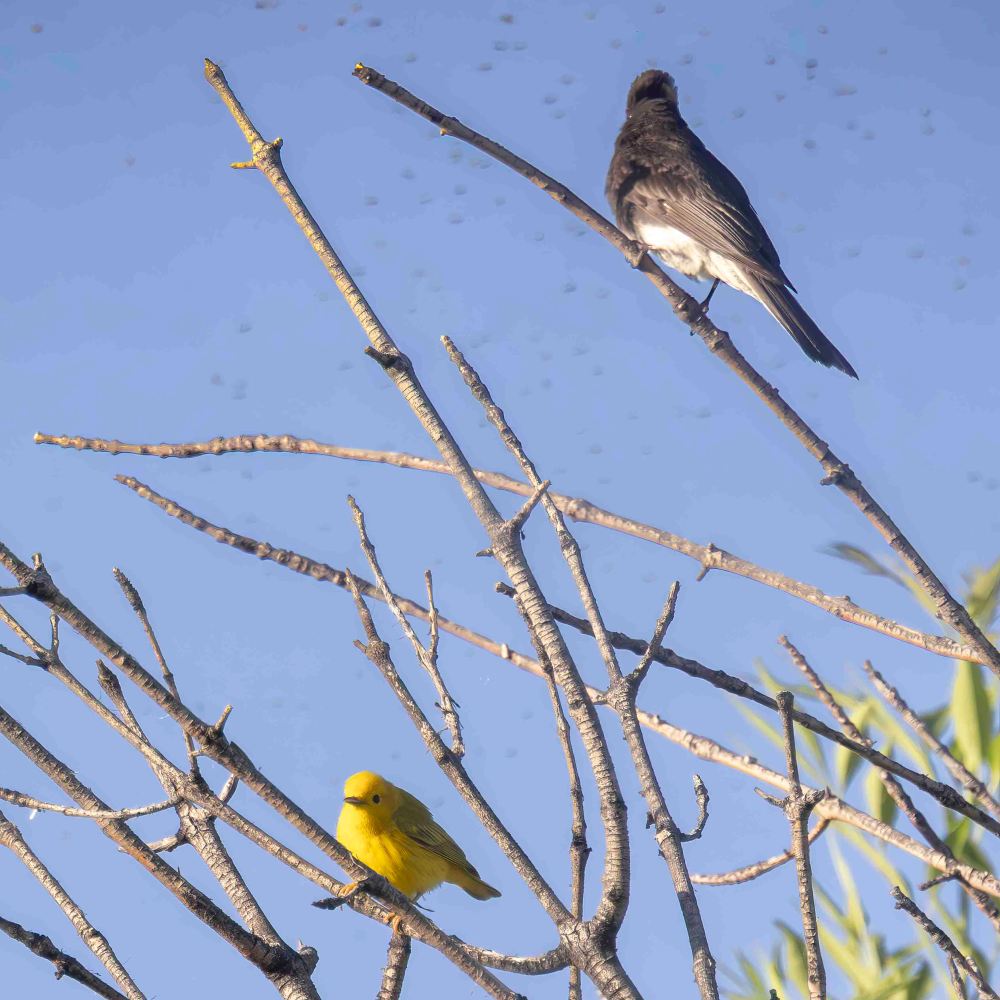
クロツキヒメハエトリを観察していたら、キイロアメリカムシクイが飛んできました。 While I was observing the Black Phoebe, a Yellow Warbler flew in.

こんな風に2羽を近くに並べてみると、大きさの差がよくわかります。クロツキヒメハエトリの長さは6.3インチ(16 cm)ですが、キイロアメリカムシクイは4.7〜5.1インチ(12〜13 cm)です。 When the two birds are placed close together like this, the difference in size can be clearly seen. The Black Phoebe is 6.3 inches (16 cm) long, while the Yellow Warbler is 4.7 to 5.1 inches (12 to 13 cm) long.

キイロアメリカムシクイはアメリカムシクイ科に属しているので、同じ木に止まっていても、2羽の間には決定的な違いがあります。 The yellow warbler belongs to Parulidae, the New World warblers family, so even though both birds perch on the same tree, there is a definite difference between the two birds.

次回のブログはこのキイロアメリカムシクイについて書きます。 I will write about this yellow warbler in my next blog.

復活 Revival


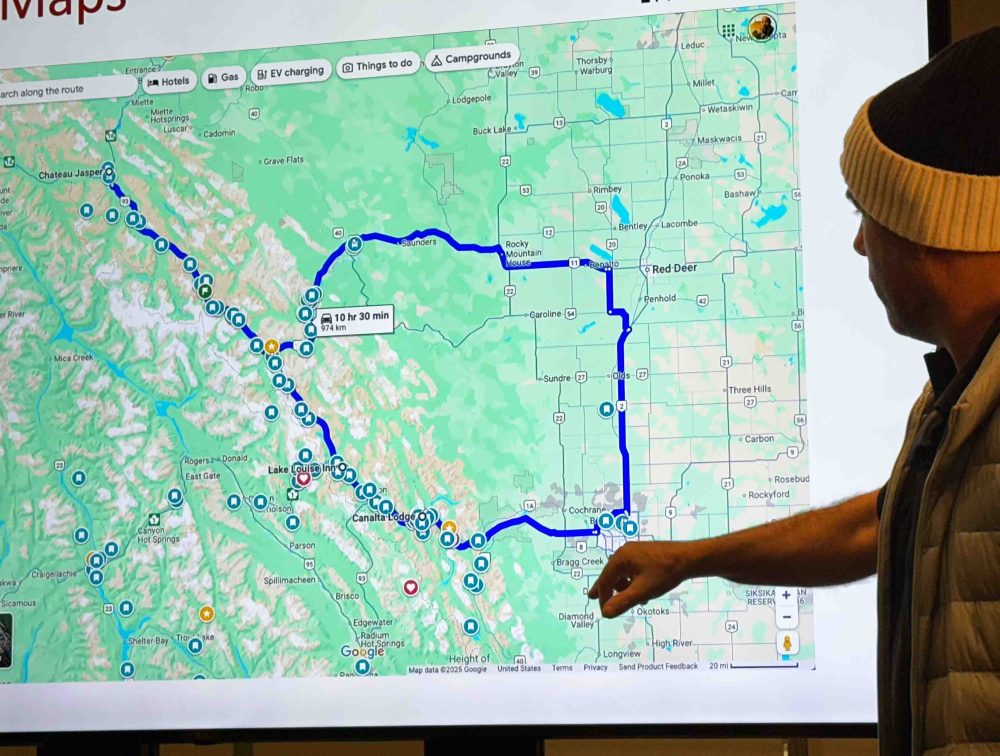
写真ワークショップの予定地の地図です。 Here is a map of the proposed sites for the photo workshop.

地図上、右下のカルガリーから出発し、北上してNordeggで2泊しました。その後、私たちが病のため皆と別れてRed Deer という街で治癒中、他の人たちはJasperへと向かい素晴らしい写真を撮っていました。😢 We started in Calgary, bottom right on the map, and headed north to Nordegg where we stayed for 2 nights. Then while we were recovering from the flu in a town called Red Deer, others were heading to Jasper to take some great photos. 😢

もちろん、私たちだってカナディアンロッキーの冬景色を諦めるわけには行きません。皆がLake Louise に行く時に合わせて合流することにしました。復活だ! Of course, we were not about to give up the winter scenery of the Canadian Rockies. We decided to meet up with the others when they got to Lake Louise. It’s time to come back!

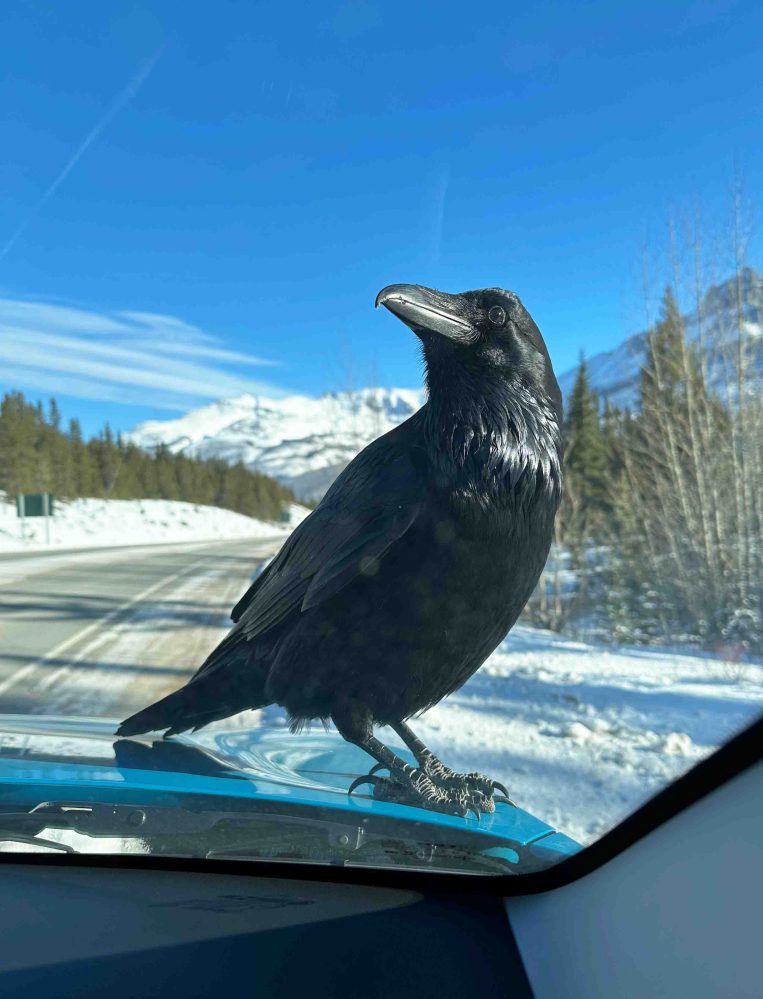
すでにワークショップの半分以上が消化されていました。それでも、野生の馬やワタリガラスに出会ったりして、私たちができる限りの時間を楽しんでいたと思います。 More than half of the workshop had passed already. Still, I think we enjoyed our time as much as we could, meeting wild horses and ravens.

皆と合流した翌朝、夜明け前、フェアマウントホテルの目の前に広がる湖とその後ろの山を撮る予定でした。 The morning after we met up with everyone, just before dawn, we planned to take pictures of the lake in front of the Fairmont Hotel and the mountains behind it.

あいにく全く天候が悪く、朝日を受けた山肌はみえませんでした。 Unfortunately, the weather was not good at all, and we could barely see the mountain’s surface in the morning sun.

夕暮れ、今度は河原から Castle Mountain を撮影することにしました。下の写真、右に見えているのが私の三脚です。 At dusk, we decided to photograph Castle Mountain from the riverbank. In the photo below, you can see my tripod on the right.

そこから撮ったショットがこちら。 Here is the shot taken from there.

岩壁にうっすらと光があたってますが、光は届いてくれませんでした。 There is a faint light on the rock wall, but the light did not reach us.

とりわけ風景写真の撮影は、どうしても一人の世界に入ってしまうように思えます。でも、みんなと別行動をとっていたわたしたちには、他の写真家たちとの会話が新鮮で、楽しいものとなりました。 Especially when shooting landscapes, it seems that we are always in our own world. However, for us who had been separated from everyone else, it was refreshing and enjoyable to talk with other photographers.

列車を延々と待ち続けた朝でした。でも、天候も悪いし、列車も来なかったので諦めました。 It was a morning of endless waiting for the train. But the weather was bad and the train never came, so we gave up.

翌日、もう一度同じ場所に行き、河原まで降りて行った時の写真。私だけなら絶対に降りていかなかったと思います。 The next day, we went to the same spot again and I took this picture when I went down to the riverbank. If I were alone, I would never have gone down there.

そして、河原から15分ぐらいかけて上まで登り終えた時に、奇跡が起きました。待ち続けていた列車が突然来たんです! Then, when I had finished climbing to the top, which took about 15 minutes from the riverbank, a miracle happened. The train we had been waiting for suddenly came!

皆と狂喜しました。 We were all overjoyed.

天候には恵まれませんでしたが、楽しい写真家たちと共に過ごしたカナディアンロッキーは良い思い出になっていくことでしょう。Although the weather was not ideal, the Canadian Rockies with a group of fun photographers will be a great memory of mine.

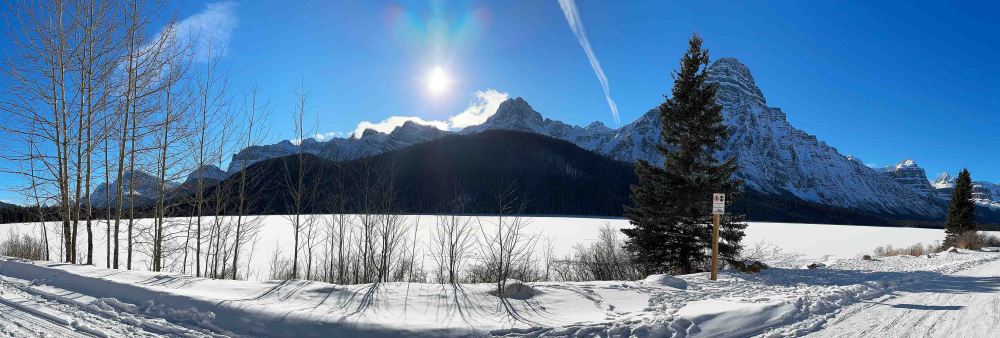
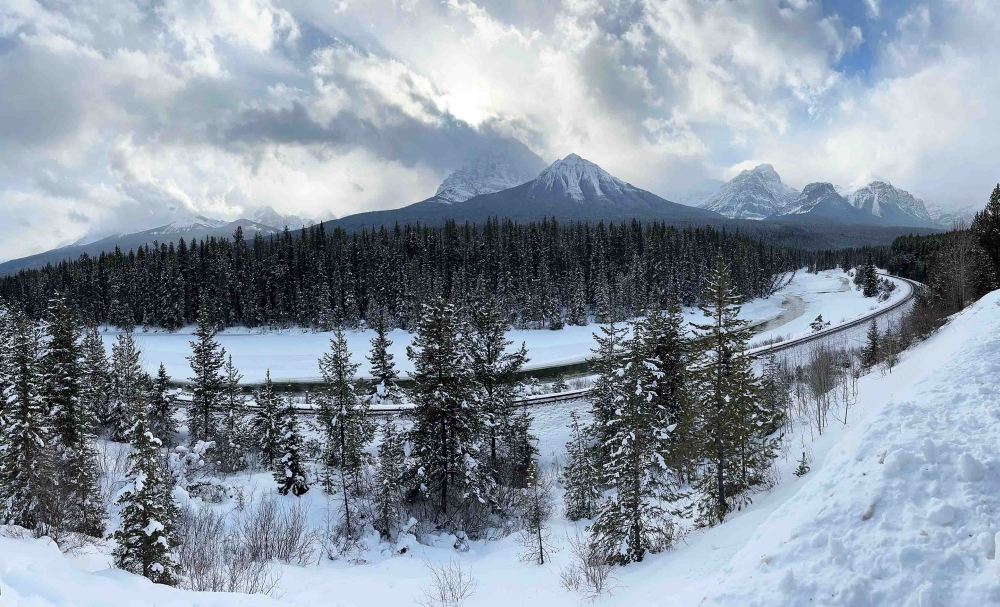
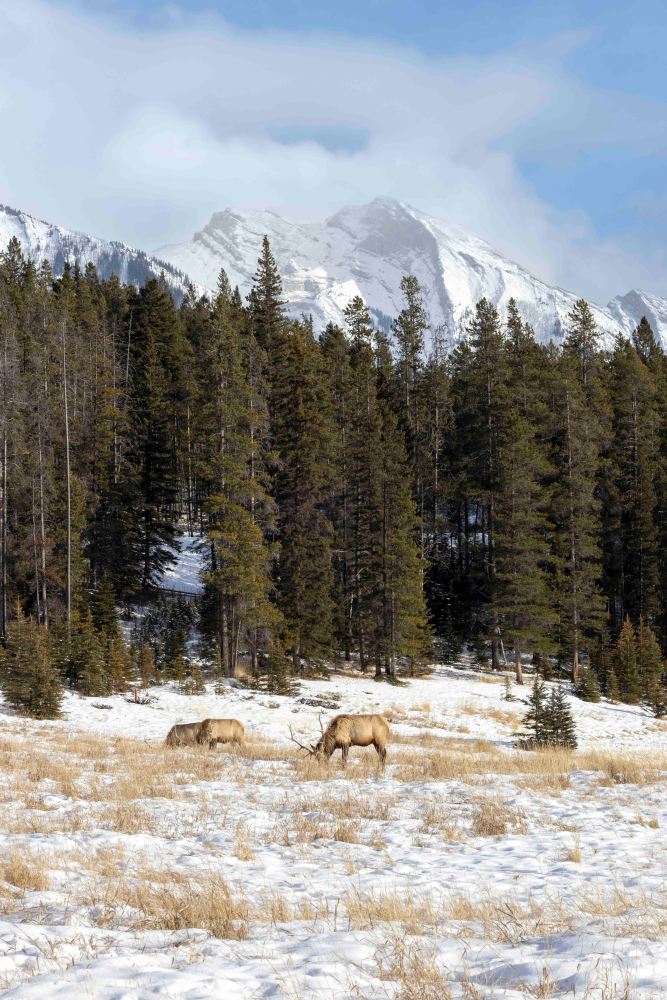
最後に、Banff に移動中の時の景色。 Finally, here is a view of Banff while we were on the way there.

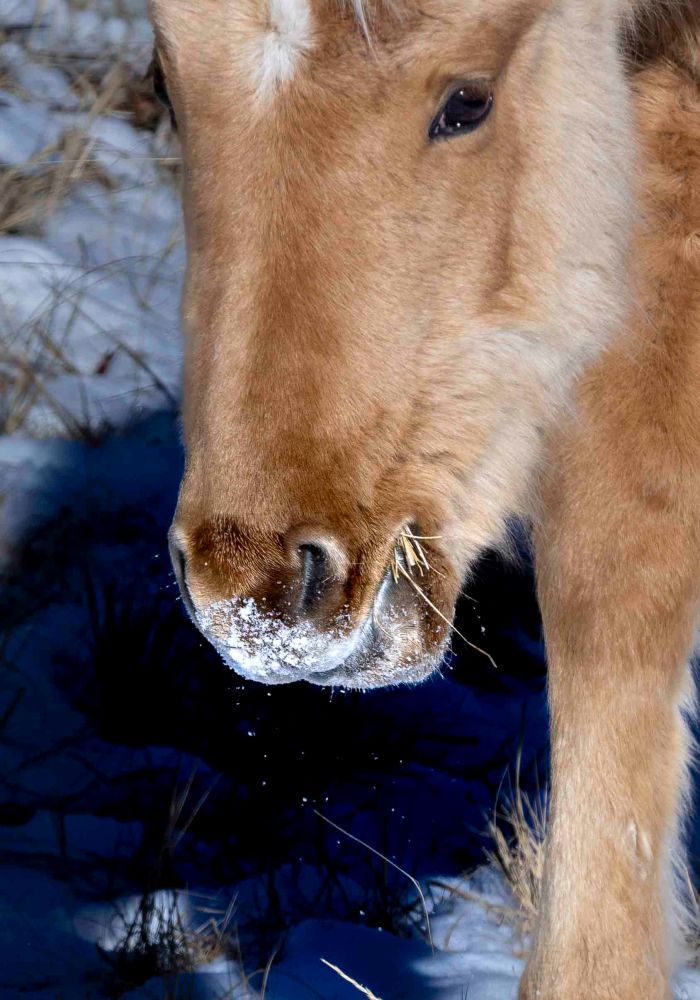
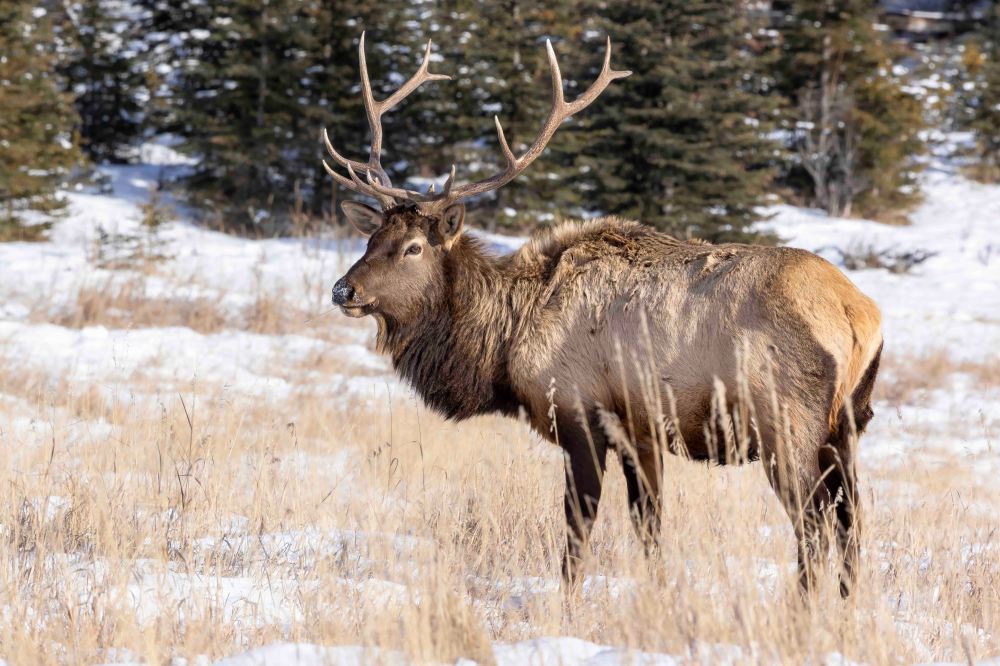
全然珍しい動物ではないエルクでしたが、鼻の上が雪で白くなっていたのを見てうれしくなりました。 Although the Elk is not a rare animal at all, I was happy to see that the tip of its nose was white with snow.

ブユムシクイとゴジュウカラ Gnatcatcher and Nuthatch


ブユムシクイとゴジュウカラは共に鳥類の中で最小の鳥のグループに入ります。 Both the Gnatcatcher and the Nuthatch are among the smallest bird groups.

体重も1オンス (30 g)と軽いので、逆さまになって気の幹を走るのが得意です。それが理由で、キバシリ(木の上を走る)という名前がつけられたんですね。 Weighing only 1 ounce (30 g), they are good at running upside down on tree trunks, which is why they were given the name “tree creeper” (tree runner)” in Japanese for the family name.

ムナジロコジュウガラ White-breasted nuthatch

この分類を始めるまで、これらの鳥の印象は上記の理由で似たような印象を持っていましたが、結構違うことがわかりました。 Before I started this classification, I had the impression that these birds were similar for the reasons mentioned above, but I found that they are quite different.

ブユムシクイの体重はムナジロゴジュウカラの3分の1しかないのに驚きです。アメリカツリスガラよりほんのわずか大きいぐらい。 It’s surprising that the weight of the Blue-Gray Gnatcatcher is only one-third that of the White-breasted Nuthatch, and only slightly larger than the Verdin.

ブユムシクイのオス Blue-Gray Gnatcatcher, male

そんな小さなブユムシクイですが、なんと、冬には南に飛んでいきます。長距離ではないけれどね。そして、暖かくなって来たらまた戻ってくるそうです。でも、風に飛ばされて北に行き過ぎてしまうことも多々あるそうです。軽いですからねー。逞しい! Although they are such small birds, they fly south in winter. Not long distances though. Then, when it gets warmer, they come back. However, they are often blown by the wind and go too far north. That’s because they are so light.  A tough bird!

ブユムシクイのメス Blue-Gray Gnatcatcher, female

私は、結構この鳥がすきです。なぜなら、こんなに小さいのにオスの顔の眉毛が太いVの字でオヤジ顔に見えてしまうからです。 I quite like this bird because, even though it is so small, the male’s unibrow forms a thick V, making it look like an old man’s face.

ブユムシクイのオス Blue-Gray Gnatcatcher, male

ムナジロゴジュウカラについてはあまり知識がありません。ただ、習性に特徴があります。 I don’t know much about the White-breasted Nuthatch, but it has some peculiar habits.

英語名のNuthatch は: Nut(木の実) + Hatch (殻を破る)= 木の実の殻を破る鳥 The English name Nuthatch is: Nut + Hatch = A bird that breaks the shells of nuts.

ムナジロゴジュウカラ White-breasted nuthatch

余分に収穫できた木の実などを木の割れ目などに押し込んで貯蔵しておく習性があります。貯蔵された木の実は貯蔵中に自然に割れるというメカニズムを知っているんですね。 They have the habit of storing surplus nuts by pushing them into cracks in trees. They know the mechanism by which stored nuts naturally crack while in storage.

ムナジロゴジュウカラ White-breasted nuthatch

鳥の生態の観察はすればするほど面白くなります。 The more you observe bird life, the more interesting it becomes.

さて、次回から鳥類最大のグループ、スズメ上科、分類表最後のグループに入って行きます。うれしい! Well, from next time we will be moving on to the largest group of birds, the passeroidea superfamily, the last group in the classification chart. I’m excited!

ブルーバードの仲間 Bluebird Friends and Relations


西部のブルーバード(オス) Western bluebird (male)

ブルーバードはヒタキ上科内のツグミ科に分類されています。Bluebirds are classified in Turdidae (Thrush) family within Superfamily of Musclacapoidea, the flycatcher family.

ヒタキ上科の大半は旧世界の鳥たちですが、その中には知名度の高いブルーバードの仲間たちが入っています。 The majority of the superfamily of Musclacapoidea are Old World birds, but they include some of the well-known bluebirds’ relations.

まず、マネシツグミ科には以下の鳥たち。 First, the Mimidae family includes the following birds.

マネシツグミ(モッキンバード)Mockingbird
クチバシがカーブしているカリフォルニアムジツムギモドキ California Thrasher with a curved beak

北米でみかけるムクドリ科の鳥はホシムクドリです。シェークスピア愛読家が北米に移植させたということです。 The Starling family bird found in North America is the European Starling. It is said that Shakespeare lovers have had them transplanted to North America.

そしてツグミ科。この科にブルーバードとロビンが所属しています。 Bluebirds and Robins belong to the Turdidae (thrush) family.

木の中に巣を作っている西部のブルーバード(メス)。 A western bluebird (female) nesting in a tree.
好物のピラカンサを咥えているコマツグミ。 An American Robin and its favorite food, pyracantha, in its mouth.

ヒタキ上科の鳥たちは、大きくはないけれど、シジュウカラのように小さいわけではないので、目撃できたら比較的写真に収めやすいです。 Birds in the super family of Muscicapoidea are not large, but they are not as small as the titmice, so they are relatively easy to photograph if you are able to spot them.

日本語のみの追記です。ブルーバードの名前について。東部、西部、山岳部に住むブルーバードは少しづつ違いがあり、3種類に分かれており、それぞれに違う名前がついています。そして、日本語訳がそれぞれ、ルリツグミ、チャカタルリツグミ、ムジルリツグミと訳されています。とりわけ西部のブルーバードが肩の色が茶色のルリツグミだからチャカタルリツグミという名前になっています。それは理解できるんですが、ちょっと、冴えない。だから、ここでは勝手に英語をそのまま使って西武のブルーバードと呼んでいます。 (This is an addendum for Japanese only. Sorry English speakers, it doesn’t translate.)

ヒメレンジャク Cedar Waxwing


ヒメレンジャクは私の好きな鳥の一種です。The Cedar Waxwing is one of my favorite birds.

ヒメレンジャク Cedar Waxwing

黒い覆面をしてスムーズな羽根を持ち、冠へのラインが格好いい。ロビンと同じぐらいのサイズで15cmぐらいの大きさです。 They have black masks, smooth wings, and a cool line to the crown. It is about the same size as a robin, about 15 cm.

私の分類表の中に、ついに登場してくれました。 They finally appeared in my classification table.

ピロカンサに赤い実がなる頃、たくさん集まって来ます。 During the time when the pyracantha produces red berries, they gather in large numbers.

3月のある朝、まさに旅に出ようと荷物を車に乗せたところで前庭を見ると、ピラカンサの横に植えてある白樺の木の上にヒメレンジャクがとまっていました。 One morning in March, just as we were loading our luggage into the car for the trip, we looked out into the front yard and saw Cedar Waxwings perched on birch trees planted next to pyracantha trees.

しかも、大軍でした。 And it was a large force.

時間がなかったので、数枚撮っただけで、泣く泣く出発しました。きっとこんな機会がまたあるだろうと思おもいながら。でも、その後そんなチャンスは、まだ訪れて来てくれていません。 We had no time, so we took only a few pictures and departed in tears. I thought that there would be another opportunity like this. After that, however, such an opportunity has not come.

多分、これが2024年最後のポストになります。みなさん、良いお年をお迎えください! This will probably be my last post for 2024. I wish you all a happy new year! 

ウグイス上科 Sylvioidea – Old World Warblers & Swallows


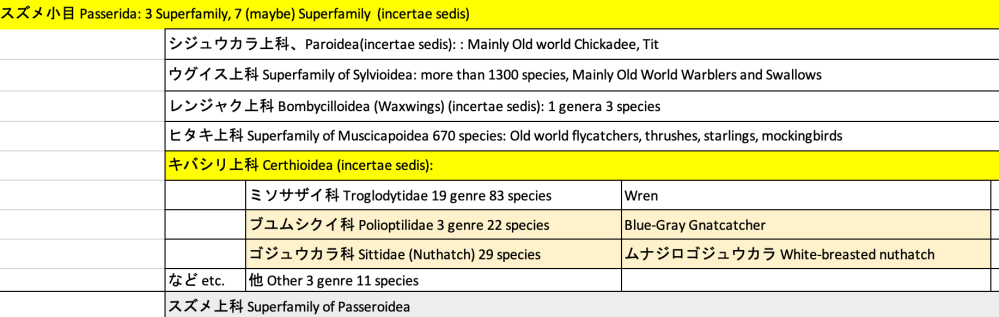
スズメ小目の中には3つの上科があります。スズメ上科、ヒタキ上科、そしてウグイス上科です。そして、その他の7つの科は、多分、上科とされているものです。 There are three superfamilies within the Lesser Sparrow Family. They are the sparrow superfamily, the flycatcher superfamily, and the warbler superfamily. And the other seven families are probably (undefined) considered superfamilies.

Screenshot

実のところ、スズメ小目の分類はまだ進行形で、今後も変化する可能性があります。また、どのグループにも属していない鳥たちも存在します。帰る家がない鳥たちのようで、かわいそうな感じがします。(当然、彼らにとってはどうでもいいことなんですが。) As a matter of fact, the classification of the Lesser Sparrow Order is still a work in progress and is likely to change in the future. There are also birds that do not belong to any group. I feel sorry for them, as they seem to be birds that have no home to go back to. (Of course, it doesn’t matter to them.)

話をウグイス上科にもどします。 Let’s return to the Uguisuue family.

Screenshot

この科には1300種もの鳥が属していますが、そのほとんどは旧世界に住んでいます。だから私の手元にはほとんど写真がありません。でも、その中でも、ツバメ科の中の3羽の写真がありました。 There are 1300 species of birds belonging to this family, most of which live in the Old World. So I have very few pictures of them. But I did find pictures of three of them in the swallow family.

ミドリツバメの子供。Tree Swallow: maybe a juvenile
日本語名がみつかりません。Violet-green Swallow
スナゴイツバメ Bank Swallow

ところで、話は少しずれますが、実は、この分類を始めるまで、アマツバメはツバメの仲間だと思っていました。その風貌から勘違いしていました。私の分類表の中でも新鳥類の一番初めに来ている鳥の仲間であることに、今、気がつきました。 By the way, this is a bit off topic, but I actually thought that the swift was a member of the swallow family until I started this classification. I was mistaken because of its appearance. But I just realized that it is one of a group of birds that comes at the very beginning of Neoaves in my taxonomy list.

アップデートしました。Updated.

今更ですが、ここに追記しておきます。アマツバメは超高速で飛ぶことができる鳥です。並行飛行では、ハヤブサより速いとされています。4本の足指が全て前を向いているユニークな鳥ですが、そのため、木の枝に捕まることはできません。 It’s a little late to add this, but I’ll add it here. The swift is a bird that can fly at very high speeds. In parallel flight, it is said to be faster than a falcon; it is a unique bird with all four toes pointing forward, which makes it incapable of perching on a tree branch.

岸壁の隙間の中から飛び出して来たばかりのハリオアマツバメ。 White-throated needletail swift just popped out from inside a crevice in the quay.

魚眼レンズ以上 More Than A Fish-eye Lens


フクロウの目は人間の目に比べると、感度が100倍、視力は10倍と言われています。視野は110度で、眼球が動かない代わりに、首が360度回ります。 Compared to the human eye, the owl’s eye is said to have 100 times greater sensitivity and 10 times greater visual acuity. Its field of view is 110 degrees, and instead of its eyeballs being mobile, its neck rotates 360 degrees to see in all directions.

こちら、ニシアメリカオオコノハズクです。大きさはわずか 20cm ぐらいです。まん丸の目が可愛い。 This is a Western Screech owl. It is only 8 inches in length. Its round eyes are cute, aren’t they?

横から見ても、丸いですね。 It is round even from the side.

もっと近寄って、まさに目を真横から見ると、驚きます。 It is amazing when you get closer and look right at the very eyes.

眼球が飛び出て丸いんですね。これは、超ワイドレンズの、魚眼レンズよりはるかに丸いんです。 Its eyeballs pop out and are so round. This is much rounder than a super-wide fish-eye lens.

Screenshot

フクロウたちに見える世界は、きっと私の想像を超えていることでしょう。更にすごいことは、そんなに強力な目を持っているにも関わらず、彼らは目を使わなくても(目を閉じていても)獲物を正確に捕まえることができるんです。聴力が発達しているからなんですね。 The world that owls can see is surely beyond my imagination. What is even more amazing is that despite having such powerful eyes, they can accurately catch their prey without using their eyes (even with their eyes closed). It’s because they have well-developed hearing.

厳しい自然の中で生きて来た彼らの卓越した能力に、感動します。 Their outstanding ability to live in the harsh natural environment is inspiring.

さて、忙しかったクリスマスも過ぎたので、これから再び鳥の分類作業にとりかかります。 Well, now that the busy Christmas season has passed, I am going to start the bird sorting process again.

黄色いツリスガラ Auriparus – Yellow Penduline Tit


ツリスガラの名前は、彼らの巣作り方からきています。巣を吊り下げて、下から巣の中に入るような形にしてあるのが特徴です。 The name of Penduline Tit comes from their nesting method. They are unique in that their nests are suspended so that they can enter the nest from below.

ほとんどが旧大陸に住んでいますが、一種だけアメリカ大陸に住んでいます。そして、ラッキーなことに、その一種は、私たちが住んでいる地域に住んでいるんです。 Most of them live in the Old Continent, but only one species lives in the Americas. And lucky for us, that one species lives in the area where we live.

しかも、虫取り作業が好きな彼らは裏庭に頻繁にやって来て、丁寧に無料報酬で作業をしていってくれます。ありがたいことです。 Moreover, they like to work on insects, and they frequently come to our backyard and politely do the work for free. We are grateful for it.

彼らの名前は、アメリカツリスガラと言います。過去、私のブログにも頻繁に登場してくれました。 Their name is Verdin. They have appeared frequently on my blog in the past.

アメリカツリスガラの巣作り、その2 – Verdin Nest Making (Part 2)

虫取りサービス – Bug Catching Service

一等賞の虫取りサービス – Bug Catching Service Winner

10cmぐらいのすばしっこい鳥で、好物の小さい虫や蜘蛛を捕まえるためなら、木の枝に逆さまにぶら下がることなど、へっちゃらです。 It is a swift and restless bird, about 10 cm long, and it is not afraid to hang upside down from a tree branch to catch small insects and spiders, which it likes to eat.

最近は、他の鳥に気を取られて撮ってあげていないので、来年春が近づいて来たらたくさん撮ってあげましょう。 I haven’t taken many pictures of them lately because I’ve been distracted by other birds, so next year when spring approaches, I’ll take more pictures of them.

シジュウカラ科 Paridae – Chickadee & Titmice


シジュウカラ科には隣近所でよく見かける鳥たちが分類されています。名前は知らなくてもよく見かける鳥たちですよね。 Paroidae classifies birds that are often seen in our neighborhoods. Even if you don’t know their names, you see them all the time.

朝のご飯を咥えているクロイロコガラ Chestnut-backed Chickadee with breakfast in his mouth.
ハイエボシガラ Oak Titmouse

そして、このシジュウカラ科が私の鳥分類表のどこに位置するかというと、こちらです。右下。 And here is where this family of Paridae is located on my bird taxonomy list. See at the bottom right.

Screenshot

ついに階層の奥深くまでやって来ました。字が小さくて見にくいかもしれませんね。また、分類名と使われ方もわかりにくかったので、ここで整理しておきます。 We have finally come deep into the hierarchy. It may be hard to see because the letters are so small. It was also difficult to understand the classification names and how they are used, so I’ll sort it out here.

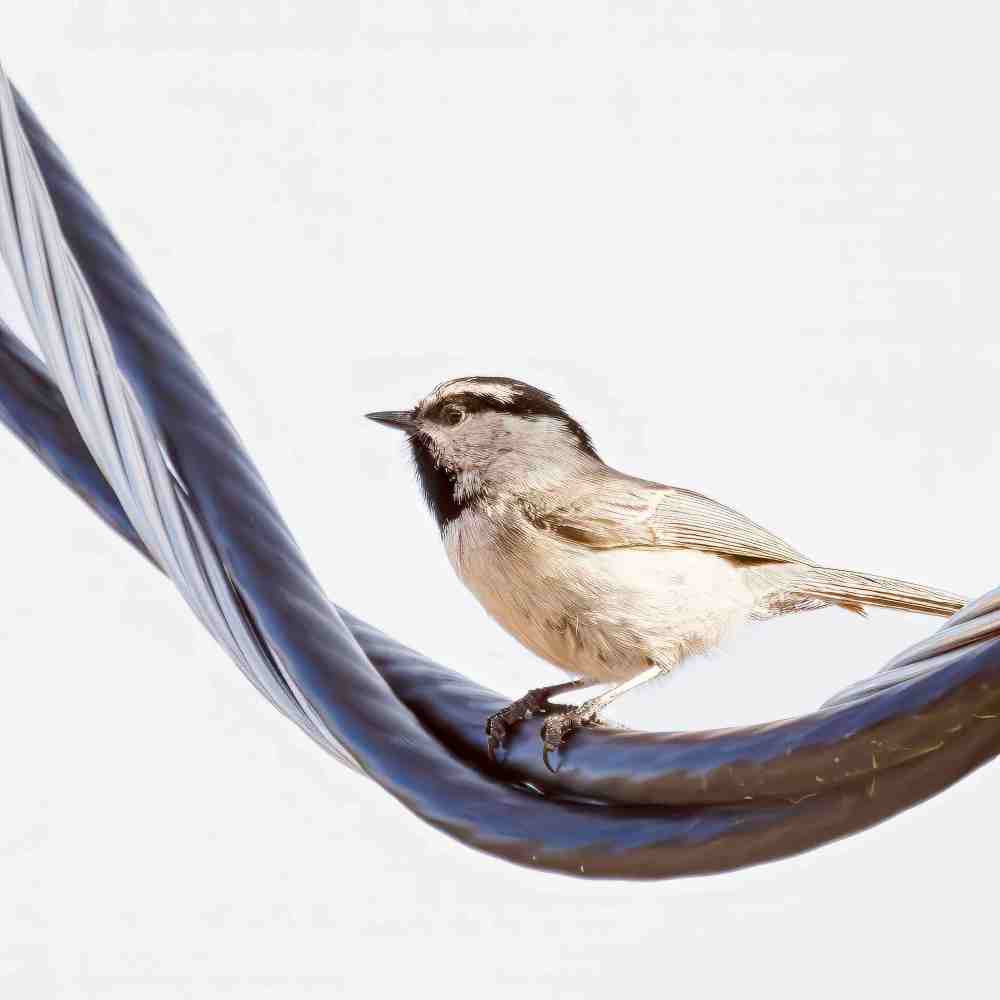
マミジロコガラを「リンネ式階層分類体系」を元に書き換えると以下のようになります。 The following is a rewriting of Mountain Chickadee based on the “Linnaean taxonomy”.

ドメイン真核生物DomainEukaryota
動物界KingdomAnimalia
脊索(せきさく)動物PhylumChordata
亜門脊椎動物Sub phylumVertebrata
鳥類ClassAves
下綱新顎類(しんがくるい)infra classNeognathae
クレード新鳥類CladeNeoaves
クレード陸の鳥類*CladeTelluraves
クレード真ハヤブサ形目CladeEufalconimorphae
スズメ目OrderPasseriformes
亜目スズメ亜目SuborderPasseri
小目スズメ小目ParvorderPasserida
上科シジュウカラ上科Super familyPasseridea
シジュウカラ科FamilyParidae
コガラ属GenusPoecile
マミジロコガラSpeciesMountain chickadee
* 「陸の動物」の日本語訳はなかったので勝手に訳しました。
マミジロコガラ Mountain Chickadee

ここで注目したいのは、突然、「クレード」という言葉が出て来たことです。リンネの分類学では使われていません。これは分岐分類学が使う用語です。この新しい分岐分類学に関しては賛否両論あるようですが、それを話し始めると鳥の分類に戻れなくなるので書きません。ご興味のある方はこちらをご覧ください。https://cladistics.org/cladistics/ (英語なので、翻訳ツールなどを使ってご覧ください。) It is important to note here that the word “clade” has suddenly appeared. It is not used in Linnaean taxonomy. This is the term used by Cladistics taxonomy. There seems to be some controversy about this new Cladistics taxonomy, but I won’t write about it because if I start talking about it, I won’t be able to go back to bird taxonomy. If you are interested, please see here: https://cladistics.org/cladistics/

私の意見は、分類方法を’勉強することに興味があるわけではないので、分類学でも、分岐学でもどちらでもいいです。一羽の鳥を見たら名前と特徴がわかれば十分なんですね。ただ、世界中に1万種もの鳥がいるので、私の写真も少しは整理整頓させておきたいと思っているだけです。だから、まだ見たことのない鳥、興味のない鳥、今後も見ることができない鳥はさっさと諦めて表から外しています。 My opinion is that I am not interested in ‘studying’ classification methods, so either Linnaean or Cladistics is fine. If I see one bird, it is enough for me to know its name and characteristics. I just want to keep my photos a little more organized, since there are 10,000 species of birds in the world. So, I quickly give up and remove from the table those birds that I have not yet seen, have no interest in, or probably won’t see in the future.

私の分類表作りはこれからもしばらく続きますが、その過程の中ですでに多くのことを学びました。でも、それ以上に得たものは、大袈裟な表現になりますが、私の心に平安をもたらしてくれました。 My work on the classification table will continue for some time to come, and I have already learned a great deal in the process. But what I have gained even more, and this may be an exaggeration, is peace of mind.

例えば、こんな状況を想像してみてください。無数の鳥たちが頭の中をいつも規則なく飛び交っている状況です。それが、鳥たちの家を作ってあげたことで、少しずつ家に戻っていくわけです。最終的には家の外にいる鳥はいなくなる。時々鳥の名前を呼ぶと家から出て来てご挨拶してくれる。そんな平安さでしょうか。 For example, imagine this situation. This is a situation where countless birds are always flying around in your head randomly. That is why you have built homes for the birds, and they gradually return to their homes. Eventually there will be no birds outside the houses. Sometimes when you call a bird’s name, it will come out of the house and greet you. It is that kind of peacefulness. Isn’t it great? 

「頭に冠をつけているエボシガラ君、出て来てください。」 ”Come out, Mr. Titmouse, who wears the crown on your head.”

「はい、今すぐ。ぴー、ぴいぴいぴ」 ”Yes, coming out. peeeee, pee, pee, pee”

ハイイロエボシガラ Oak Titmouse

羽の数 Number Of Feathers


鳥の羽の数が何本あるか気にしたことがありますか? Have you ever wondered how many feathers a bird has?

まさか私が鳥の羽の数についてブログに書く日が来るとは想像もできませんでした。でも、スズメ小目の分類を調べていたら、分類上、鳥の羽の数が重要であることがわかってきました。そこで、今日は羽の本数について書きます。 I never imagined that the day would come when I would be blogging about the number of feathers on a bird. But while researching the classification of the small order of sparrows, I came to realize that the number of feathers on a bird is important for classification purposes. So today I will write about the number of feathers.

鳥が飛翔するためには、風切羽(かざきりばね)を使います。そして、風切羽は初列風切(しょれつかざきり)と次列風切(じれつかざきり)に分かれています。実物の例をハヤブサ君に登場していただいて紹介しましょう。ハヤブサ君、羽を広げてみてください。 Birds use flight feathers in order to fly. They are divided into the primaries and the secondaries. Let me show you an actual example with Mr. Prairie falcon feathers. Please spread your wings, Mr. Prairie falcon.

結構わかりやすいですね。初列風切は10本あるのがわかります。次列風切は12-13本と言われています。 It is quite easy to see. The primaries appear to have 10. The secondaries are said to have 12-13.

https://avianreport.com/bird-feathers/ から引用しました。 See AvianReport

上の図を見ると、更にわかりやすい。そして、大切なことは、羽の数は鳥の種類によって違うということです。 The diagram above makes it even clearer. And the important thing to remember is that the number of feathers depends on the type of bird.

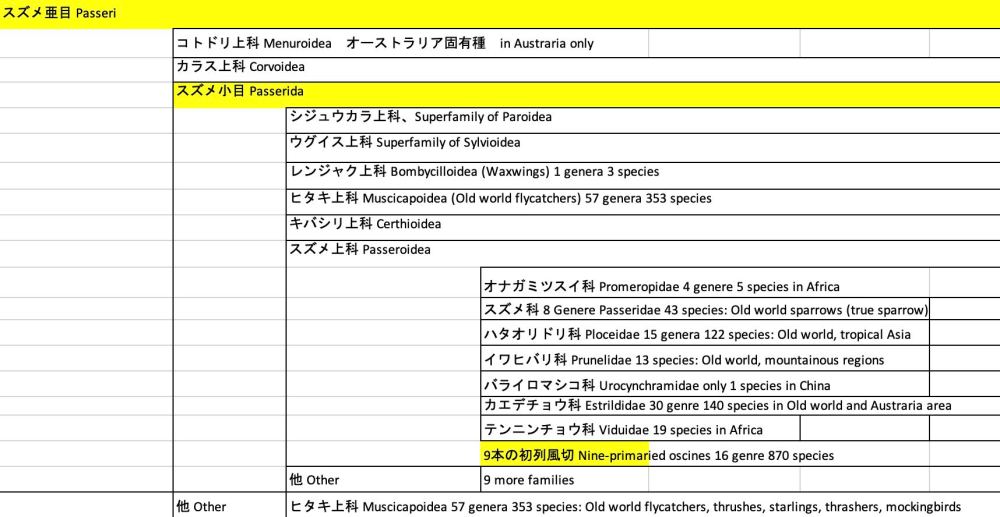
以下、様々なWebサイトを元に表にまとめました。正確さに関しては保証できません。ここで注目したいのは、初列風切の数が9本のグループについてです。 The following table is based on various websites. I cannot vouch for its accuracy. We would like to focus on the group with 9 primaries.

鳥の種 Species羽の本数 Feather count
初列風切 Primariesダチョウ Ostriches16
フラミンゴ Flamingos12
ワシ Eagle10
スズメ上科内の1部の鳥
Small group in Passeroidea
9
ペンギン Penguins0
次列風切 Secondariesアホウドリ Albatrosses40
ワシ Eagle11
スズメ目、ハチドリ Passeriformes, Hummingbirds6

なぜなら、このグループは9本の羽を持っているということで、Nine-primaried oscines (9本の初列風切をもつソングバード)という名前で分類されているからです。羽の数が分類名になっているんです。Because this group is classified under the name “Nine-primaried oscines (songbirds with nine primaries)”. The number of wings is the name of the taxonomy.

Screenshot

私の鳥の分類も佳境にさしかかりました。ただ、分類の歴史を調べれば調べるほど複雑怪奇で私の頭の中は大混乱をおこしています。なぜなら、先学者たちが試行錯誤の末に分類したものがDNA鑑定で違うグループに移ったりしつつ、まだ未解決の分野がたくさん残っているからです。 I have reached the climax of my bird classification. However, the more I look into the history of classification, the more complicated and bizarre it is, and my mind is in turmoil. This is because there are still many unresolved areas, such as the classification of birds that were made through trial and error by predecessors, and then moved to different groups based on DNA analysis.

特にスズメ小目の世界の分類は明確な違いが示されていなものが多いです。そんな中で、9本の羽しかないという理由でグループ分けしているのは、私にも理解できる明快な根拠に基づいているのでありがたいです。 There are many classifications in the world, especially in Passerida Order, that do not show clear differences. In such a situation, I am grateful that the groupings are based on the fact that they have only nine wings, which is a clear rationale that I can understand.

キイロアメリカムシクイ Yellow Warbler

ということで、次回からスズメ小目の鳥について書きます。 So, I will write about Passerida birds in the next issue.

10本と11本の風切羽がよくわかります。白頭鷲の子供 Can you count 10 primaries and 11 secondaries? Juvenile Bald Eagle