Tag Archives: birds

鳥の分類復活 -スズメ目 Back to Aves – Passeriformes


私の鳥の分類作業は、7月23日のブログ、ハヤブサを最後に休業状態に入っていました。 My bird classification work had been on hiatus since my last blog, falcons, on July 23.

でも、また復活します。👏 パチパチ👏 But my bird classification posts will be back. 👏 Clapping👏.

今日からはスズメ目の鳥を分類しますが、実はこれが鳥類の中の最後の目なんですね。 I will start classifying birds of the order Passeriformes from today, and this is actually the last of the orders in Aves.

Screenshot

上の分類表を見ると、スズメ目が99行目から始まって、173行で終わっています。勿論、今後詳しく分類していくと、行数はもっと増えていきます。ここで指摘したいことは、スズメ目は鳥類の中でも約半分の数を占めている巨大な1目だということです。言い換えれば、鳥の分類もようやく半分できたということです。 Looking at the classification table above, Passeriformes starts at row 99 and ends at row 173. Of course, the number of rows will increase as I classify them in more detail in the future. What I want to point out here is that the order Passeriformes is a huge single order, accounting for about half of all classifications in the Aves world. In other words, I am finally halfway through classifying birds.

スズメ目は外見状、スズメに似ていることから付けられた名前です。 Passeriformes is named for the outward appearance and resemblance to a sparrow.

スズメ目の特徴はいくつかありますが、代表格は以下の2点です。 There are several characteristics of Passeriformes, but two representative examples are:

  1. 鳴管(めいかん)の発達により、大きく囀ることができる。 Development of the vocal tract, Syrinx, allows for a loud chirp.
  2. 三前趾足(さんぜんしそく)で木の枝を掴むのに適している。 Anisodactyl, the three front toe feet are suitable for gripping tree branches.
ウタスズメ Song Sparrow

一つ目の鳴管の発達について補足します。 Supplementary information on the development of the first, Syrinx.

私たち、人間には声帯があり、そこを通して声が出てきます。それに対し、鳥類は声帯の代わりに鳴管という器官があります。そして、スズメ目の鳥たちはこの鳴管が特に発達しているので、美しい囀りをする鳥たちが多いと言われています。 We humans have vocal cords through which our voices come out. Birds, on the other hand, have an organ called the Syrinx instead of vocal cords. Birds of the order Passeriformes have a particularly well-developed Syrinx, which is why many of them sing beautifully.

二つ目の三前趾足(さんぜんしそく)について補足します。 Supplementary information on the second, Anisodactyl.

人間の足には5本の足指があり、すべて前方を向いています。それに対し、鳥類は5番目の足指が退化して、4本から2本の足指しかありません。足指の分類の中で、スズメ目は三前趾足(さんぜんしそく)のグループに入ります。一番目の指が後ろに向いていて、残りの3本は前を向いているグループです。 The human foot has five toes, all pointing forward. In contrast, birds have only four to two toes, with the fifth toe degenerating. Within the classification of toes, Passeriformes birds are in the group of Anisodactyl. This is a group in which the first toe points backward and the remaining three point forward.

足指の方向を調べていくと面白いことがたくさん出ていきますが、今日はここまでにしておきます。A lot of interesting things will emerge as we examine the direction of the toes, but that’s all for today.

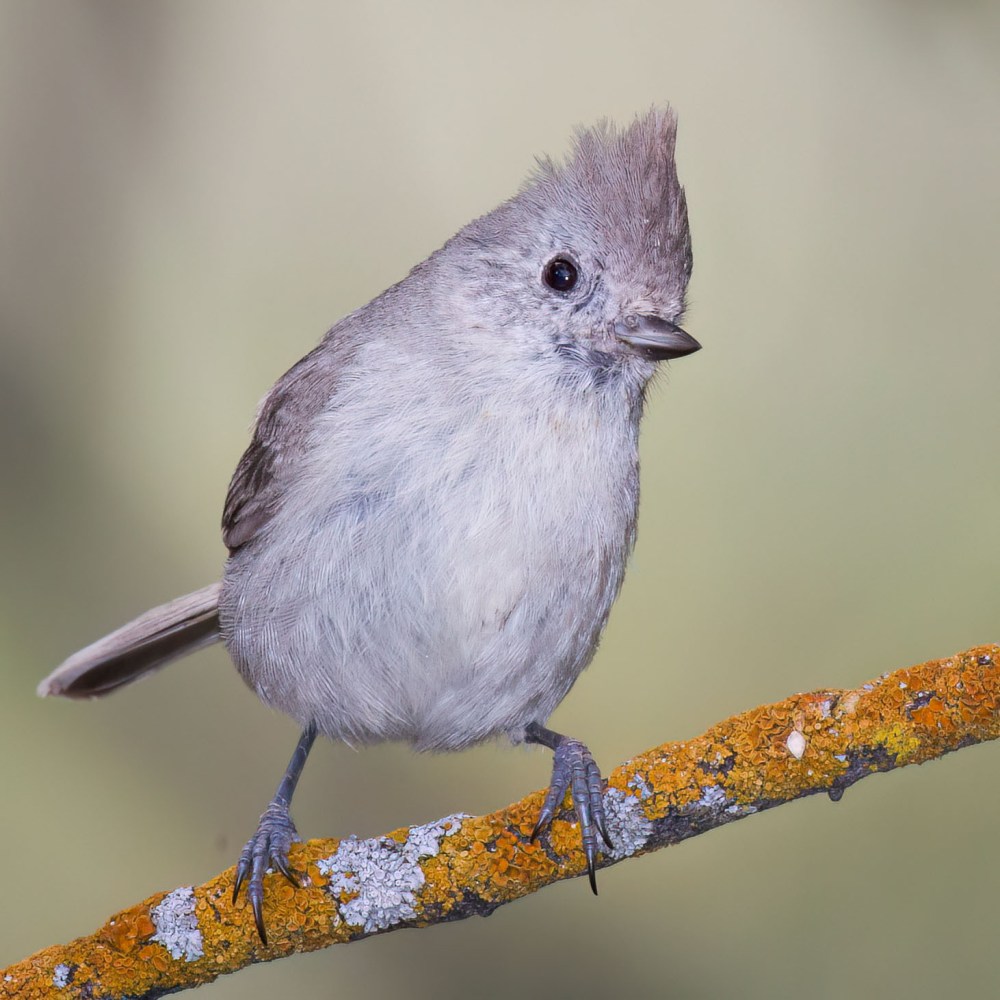
エボシガラ Titmouse

次回から少しずつ6000種類以上のスズメ目の鳥の分類をしていきます。 I will gradually classify the more than 6,000 species of birds of the order Passeriformes starting from the next post.

かくれんぼ Hide And Seek


嵐の後、今朝の日の出は菊の花のようにオレンジ色に燃えていました。 After the storm, the sunrise this morning was burning orange like a chrysanthemum flower.

気温がぐっと下がり、近くの山には初雪が積もったとのことです。 Temperatures have dropped dramatically, and the first snow is reported to have fallen in the nearby mountains.

鳥たちは楽しそう。 The birds seem to be having fun.

隠れん坊をしているのだけど、葉っぱが吹き飛ばされた後の木の中では隠れるのはちょっと難しい。 They are playing hide and seek, but it is a bit difficult to hide in the trees after the leaves have been blown away.

君たちの影がしっかり見えてるよ。 I can see your shadows clearly.

ハヤブサ Peregrine Falcon


鳥の分類表作り、まだまだ続きます。 Making a bird classification chart, continuing.

Excel シートを使って表を作っているので、行の番号を見るとおおよその進行状況がわかります。 The table is made using an Excel sheet, so the row numbers give an approximate progression.

ゲラ・ブッポウソウ類までで分類表の半分が終了したことになります。(2-87行まで)そして、今日からこの分類表の後半となります。(88-162行)  Half of the taxonomic table has been completed up to the clade Picocoraciae (from to lines 2-87). And today we will start the second half of this table. (lines 88-162)

さて、ハヤブサ目ですが、以下の表のようにシンプルにまとめました。 Now, as for the order Falconiformes, I have simplified them as shown in the table below.

このグループの鳥たちは猛禽類です。そのため、かつてはタカ目に属していましたが、2008年以降、DNA分析の結果、スズメ目などに近しいことが判明し、真ハヤブサ形類の仲間になったということです。 The birds in this group are birds of prey. Therefore, they used to belong to the order Hawks, but since 2008, DNA analysis has shown that they are closer to sparrows and other birds of the order, and they are now members of the Eufalconimorphae, true falconiforms.

ただ、生物学の研究も他の分野と同じように複雑怪奇で、さまざまな意見があり、分類、系統表は今後もさらに進化していくことでしょう。だから私の作っている表は、あくまでも私個人の興味に基づいて抽出したものだけが収められている偏った表になっています。 However, the study of biology, like any other field, is complex and bizarre, and there are many different opinions, and classification and phylogenetic tables will continue to evolve further in the future. Therefore, the table I am making is a biased table that contains only extracts based on my personal interests.

さて、私のファルコンの写真たちです。 Now, here are my Falcon photos.

上の3番目の写真ですが、アカオノスリとハヤブサの戦闘シーンです。ハヤブサの猛攻撃にアカオノスリが空から落ちて来るシーンも目撃しました。 The third photo above shows a battle scene between a Red-tailed Hawk and a Peregrine Falcon. We also witnessed a scene where a red-tailed hawk fell from the sky under the onslaught of the falcons.

でも、あまりにも長い戦いだったので、結果を待たずに引き上げました。このハヤブサですが、本当にハヤブサかどうか自信がないです。顔はハヤブサっぽいですが。ソウゲンハヤブサかもしれません。どっちだと思いますか? But it was too long a fight, so we walked away without waiting for the results. By the way, although I said it is a Peregrine Falcon, I am not so sure about this identification. Although the face looks like a Peregrine, it could be a Prairie Falcon instead. Which do you think it is?

いずれにしろ、もっと画質のいいハヤブサの写真を撮る必要がありますね。 In any case, I need to take better quality Peregrine Falcon photos.

カワセミとキツツキ Kingfisher And Woodpecker


鳥の分類続きます。 Bird classification continues.

今日は黄色いハイライトの鳥たちについてです。 Today I will write about the birds with yellow highlights.

カワセミはブッポウソウという目の中に分類されている動物食の鳥です。全体的に鮮やかな色の鳥たちです。水辺に生息し、水面に急降下して魚類を捕食します。その他、虫や爬虫類も食べます。 The Kingfisher is a zoophagous (flesh eating) bird classified in the order Coraciformes. Overall, these birds are brightly colored. They live near water and prey on fish by swooping down to the surface of the water. They also feed on insects and reptiles.

数回カワセミを見かけましたが、写真に収められたのは、この2枚だけです。アメリカヤマセミです。 I saw Kingfishers several times, but these are the only two I was able to photograph. They are Belted Kingfishers.

この地に引っ越して来たばかりの頃、鳥の会の人たちと公園を歩いていた時に見つけました。鳥の会の人たちは高性能の双眼鏡を持っているので、遠いところの鳥も発見し教えてくれます。この時も興奮して早速撮りましたが、豆粒のようなイメージだったので忘れていました。 When we first moved here, I found this bird when I was walking in a park with a group of birders. The bird club members have high-performance binoculars, so they can spot and tell us about birds at a distance. I was so excited at this time that I immediately took a picture of it, but I had forgotten about it because the image was as small as a pea.

カワセミは気合を入れて撮ろうとしないと撮れません。今度は川辺でまさに魚を捕獲したばかりの時とかをキッチリと撮りたいです。 I can’t take pictures of Kingfishers unless I put a lot of effort into it. Next time, I would like to take a picture of a Kingfisher when it has just caught a fish by the riverside.

次にご紹介するのはキツツキです。 The next bird is the Woodpecker.

今回、キツツキ科を調べていたら、無数の種が含まれている事を知り驚きました。私の鳥分類表もさらに巨大化してきたので、ここでは私が撮影できたキツツキのみをリストします。 In researching the Woodpecker family this time, I was surprised to learn that it includes a myriad of species. Here I will list only the Woodpeckers I was able to photograph because my bird taxonomy list has grown even larger.

ちなみに、ゲラとかブッポウソウという分類名も鳥の観察歴が短い私には聞いたことがなく、不思議な名前でした。でも、日本語名としては普通に使われているんだと学習しました。 Incidentally, I had never heard of the taxonomical names “gera” and “buppoosoo” in Japanese language, which were also strange to me, having only a short history of bird observation. But I learned that they are commonly used as Japanese names.

以下、参考として、これらの名前の由来を説明します。 The following is an explanation of the origin of these names for reference.

「ゲラ」は「ケラ」から来ていて、「ケラ」とは木の中に住む虫のことです。江戸時代前から使われていたようです。まさにキツツキのことです。 “Gera” comes from “Kera”, and “Kera” is an insect that lives in trees. It has been used since before the Edo period. It is exactly what a Woodpecker is.

また、「ブッポウソウ」の名前の由来 は勘違いが原因だと言えます。以下、由来の要約です。 The origin of the name “Buppoosoo” can be attributed to a misunderstanding. Here is a summary of the origin

ブッポウソウは日本にやって来る渡り鳥で、5-6月ごろ、たった3週間ほどしか滞在しません。 また、コノハズクは5-6月ごろしか鳴かないフクロウです。The boubou is a migratory bird that comes to Japan and stays for only about three weeks around May and June. The Oriental Scops Owl is also an Owl that only hoots around May and June.

昔の人たちは、この2種の鳥たちを混同し、まだ見た事のない鳥が、まるで「ぶっ・ぽう・そう」と鳴いているようだと思いました。そこでこの幻の鳥をブッポウソウ(仏法僧)と名付けました。 People in the past confused these two species of birds and thought that the bird, which they had not yet seen, sounded as if it were calling “Buh-poh-soh”. Therefore, they named this phantom bird “Buppoosoo” (Buddha’s Prayer).

その後、ラジオが普及してきた1935年頃、この鳥の鳴き声をラジオで放送したところ、反響があり、鳴き声の主はコノハズクであったことが判明しました。でも、すでに定着していた2種の鳥の名前を変えるのは大変なので、そのままの名前が残っているということです。  Later, around 1935, when radio became popular, the bird’s call was broadcast on the radio, and the response from listeners was so strong that it was discovered that the bird call was that of an Oriental Scops Owl. But it would be difficult to change the names of two birds that were already well-established, so the names have remained as they are.

フクロウ目 Owls


鳥の分類、続いてます。 Bird classification continues.

フクロウは大きく2種類に分かれます。メンフクロウ科とフクロウ科です。 Owls are divided into two main families. The family Tytonidae (Barn-owls) and the family Strigidae (True owls).

メンフクロウ科の中にはメンフクロウしかいません。は名前が示すように、お面をつけているような顔が特徴です。 The Barn owl is the only member of the barn owl family. It is characterized by a masked face.

メンフクロウは世界中に分布していますが、私は一度も目撃したことがありません。英語の名前の通り、納屋とか廃屋などでも見られるそうです。この辺にもそんな場所がありそうなので鳥の会の人たちに聞いてみます。 Barn owls are distributed all over the world, but I have never seen one. As the name suggests, they can be found in barns and abandoned buildings. I will ask the birders about such places around here.

フクロウ科には無数のフクロウが属しています。列挙しきれないので、私のリストには目撃したもののみを入れました。 Countless owls belong to the owl family. Since it is impossible to enumerate them all, I have included only those that I have seen in my list.

フクロウ科の1種目はアナホリフクロウは いくつかの点でユニークなフクロウです。 One member of the owl family is the Burrowing owl which is unique in several ways.

  • 日中でも動き回る。 They move around even during the day.
  • 飛べるけど、地上を走り回っている時間の方が長い。だから足が長いのね。 They can fly, but they spend more time running around on the ground. That’s why they have long legs.
  • 地面に穴を掘って住む。 They live in burrows in the ground.

眉毛が白くておじいさんみたいな顔してますね。ジャシュアツリーの上に停まっていました。 In the picture above, he looks like an old man with white eyebrows. It was perched on top of a Joshua tree.

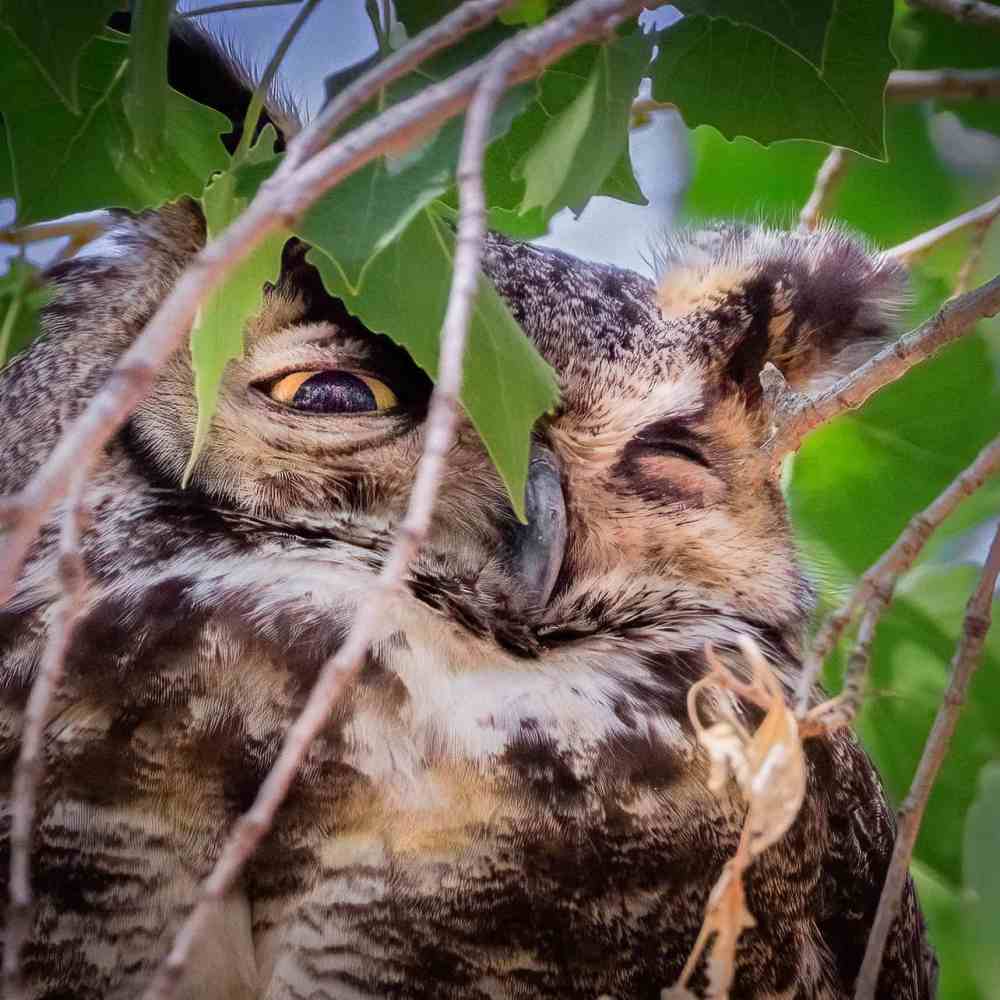
アメリカワシミミズクは私にとっては一番馴染み深いフクロウです。 The Great Horned Owl is the owl most familiar to me.

ここは「フクロウの森」です。勝手に名付けました。そこに入ってみると、確かにフクロウが生息するにはもってこいの場所でした。 This is “Owl Forest”. I took the liberty of naming it. When I entered there, I found that it was indeed a perfect place for owls to inhabit.

音を立てずに辺りを見渡すと、コットンツリーの上の方、トトロのような物体を発見しました。高鳴る気持ちを抑えて静かにシャッターを切りました。 I looked around without making a sound and spotted a Totoro-like object at the top of the Cotton Tree. I suppressed my rising emotions and quietly clicked the shutter.

鬱蒼として暗い中、しばらくすると崖の上の方の棚に巣があり、それを覆い隠すようにコットンツリーの枝が伸びていることがわかりました。更に私たちの目が暗さに慣れてくると、2羽、3羽、4羽と合計5羽見つけることができました。 It was dense and dark, but after a while we found a nest on a ledge at the top of the cliff, with Cottonwood tree branches growing up to cover it. As our eyes further adjusted to the darkness, we found a total of one, two, three, four, five birds.

ここはワシミミズクの家族が住んでいるところだったんですね。そして、ヒナが3羽巣離れをしたばかりだったのかもしれません。 So this was where a family of Great horned owls lived. Maybe three chicks had just left the nest then.

私たちの家にも時々訪れてくれます。 They visit our house from time to time.

昼も夜もウサギが飛び回っている環境です。彼らにとってはよりどりみどり、スーパーマーケットの状態です。下の写真はうさぎをゲットした直後、それを引きずりながら石の影に隠れようとしているところです。 This is an environment where rabbits are hopping around day and night. It is a supermarket situation for them. In the photo below, just after getting a rabbit, he is trying to hide behind a stone, dragging it behind it.

お食事中、失礼しました。 Excuse me for interrupting your meal time.

最後に紹介するのはニシアメリカオオコノハズクです。 Lastly, I would like to introduce the Western Screech Owl.

夜中、大きな木が立ち並ぶ川沿いの森の中、鳥の会の人たちと時折聞こえる鳴き声を頼りに歩き回りました。 In the middle of the night, in the forest along the river lined with large trees, I walked around with the bird club members, relying on the occasional hoo, hoo.

シャッターチャンスは3回ありましたが、夜中の撮影は非常に難しいので、これが最後に撮れたベストショットです。ネズミを捕獲したばかりだったので、ラッキーでした。 I had three opportunities, but this was the last best shot I could get taking pictures in the middle of the night. I was lucky because it had just captured a rat.

名前が示すように、日中は木の葉のようにカモフラージュしてジッとしているそうです。 As the Japanese name suggests, they are said to camouflage and stay still during the day like leaves on a tree.

ロビンの子供とミスタートッド Juvenile Robin And Mr. Toad


昨日の独立記念日をみなさんはどう過ごされましたか? How did you spend Independence Day yesterday?

暑いので、私はグータラと家の中で過ごしました。 It was so hot outside and I just stayed inside the house goofing around.

すると、ロビンの子供が裏庭に舞い降りて、何か言いたそうです。 Then a juvenile Robin swooped down in the backyard and said something to me.

あ、そうか。独立記念日のお知らせをしてくれていたんですね。 Oh, I see. You’ve been informing us about Independence Day.

大抵、1月ごろ、春を告げてくれるロビンですが、昨日は特別サービスをしてくれたようです。 Most of the time, around January, Robins herald spring, but the day before yesterday it provided a special service for me.

夜、花火が遠くから聞こえてきた頃、ミスタートッドがやって来ました。 At night, when fireworks could be heard in the distance, Mr. Toad hopped over.

あ、そうか。花火のお知らせをしに来てくれたんですね。 Oh, I see. You came to let us know about the fireworks.

暑い中、お疲れ様でした。 Thank you for your hard work in the hot weather.

そして、私はボーッとして、何もしない状態に戻りました。窓越しに見える花火を時折見ては、ゲームをしたり、テレビを見たりと、のんびりした独立記念日でした。 Then I went back to zoning out and doing nothing. It was a lazy Independence Day, playing games and watching TV, with occasional glimpses of fireworks through the window.

タカ目 Birds Of Prey


しばらくお休みしていましたが、鳥の分類を細々とですが、再開します。 I have been taking a break for a while, but I am resuming bird classification, albeit in a very small way.

英語でこの目をAccipitriformesと言います。ただ、発音が難しくて覚えられません。(カタカナに強いて書き直すとアクシピトライフォーメスとなるでしょうか。)そこでここでは英語訳を Birds of Prey としました。ただし、ハヤブサを除きます。In English this order is called Accipitriformes. However, it is difficult to pronounce and I can’t remember it. Therefore, I have chosen Birds of Prey here. However, falcons are excluded.

タカ目は陸上の鳥類の王者たちという印象があります。鋭い爪やクチバシは私たちを容易に近づけません。 The hawks have the impression that they are the king of land birds. Their sharp claws and beaks do not allow us to approach them safely.

タカ目 –> ヘビクイワシ科 –> タカ科の中には更に無数の亜科があり、その下に無数の種が存在しているという、大所帯です。Birds of prey–> Sagittaridae –> Accipitridae (small to large birds of prey) are a large family, with countless subfamilies and countless species under them.

タカ目の中で特に私の注意を引いた鳥は3種あります。 There are three species in this category that particularly caught my attention.

第一にコンドルです。コンドルというと多くの場合、アンデスコンドルを指します。世界で一番大きい猛禽類で、南アメリカの西海岸側に生息しています。The first is the condor. When people around the world say condor, they often refer to the Andean condor. It is the largest bird of prey in the world and is found on the west coast of South America.

北アメリカの西海岸とザイオン国立公園近辺にはカリフォルニアコンドルが生息しています。アンデスコンドルより小さいですが、それほど小さいわけでもないのが意外でした。翼を広げた時の長さは3.2メートルと2.7メートルとわずか50cmの違いです。 The California Condor is found on the west coast of North America and near Zion National Park. It is smaller than the Andean condor, but not that much smaller, which was surprising. Their wingspan is 3.2 meters and 2.7 meters, a difference of only 50 cm when they spread their wings.

全てのかリフォルニアコンドルにはタグと無線アンテナがついています。 All California condors are equipped with tags and radio antennas.

ところで、コンドルの頭が禿げている理由をご存知ですか? By the way, do you know why the condor’s head is bald?

かリフォルニアコンドル California Condor

大型動物の死体に頭を突っ込んで餌を取るので、不衛生にならないようにするのが目的だとされています。生きていくために進化してきたのでしょうか。 It is believed that the purpose is to avoid unsanitary conditions as they poke their heads into the corpses of large animals to feed. Have they evolved to survive?

似たような面白い点は、彼らは他の猛禽類とは違い、爪がまっすぐで尖っていません。攻撃して餌を獲得する必要がないからです。これも生きるために進化した結果でしょうか。 A similar interesting point is that they, unlike other birds of prey, do not have straight and pointed claws. This is because they do not need to attack to acquire food. Is this also a result of evolution for survival?

さて、次の注目の鳥はヘビクイワシです。その存在すら知りませんでした。 Now, the next bird of interest is the Secretarybird. I did not even know it existed.

身長は私と同じぐらいで、アフリカの草原に生息しています。飛べるけど、主に陸上を歩き回るようです。名前の如く、ヘビを捕まえて食べます。YouTubeにはヘビを捕まえる時のビデオが多数出ているので、ぜひご覧ください。美しい容貌でヘビを捕食する姿は不思議です。例えばこちらのビデオ。 They are about my height and live in the grasslands of Africa. They can fly, but seem to roam mainly on land. As the name suggests, they catch and eat snakes, and there are many videos of them catching snakes on YouTube, for example like this video. It is a wonder to see them preying on snakes with their beautiful appearance.

3番目の注目の鳥はオウギワシです。この鳥の存在も知りませんでした。 The third bird of interest is the Harpy eagle. I did not even know this bird existed.

この鳥も大型です。南米の熱帯雨林に生息します。時速70km前後で13cmもある鉤爪で獲物を捕まえると書かれています。その衝撃はライフル銃から放たれる弾丸と同じだとも書かれています。睨まれたら、一巻の終わりですね。サルでもオオカミでも捕まえて飛び立てるらしいです。怖!YouTubeのビデオはこちら。 This bird is also large. It inhabits the tropical rain forests of South America. It is written that it catches its prey with its 5 inch claws at a speed of around 43.5 miles/hr. The impact is said to be the same as a bullet from a rifle. If it stares at you, it’s the end of your life. It is said that they can even catch a monkey or a wolf and fly away. Scary! Here is a video at YouTube.

アカケアシノスリ Ferruginous Hawk

以上、3種は共通して大型の鳥で、猛禽類です。無敵のはずなのに彼らの生息数は減少していて、絶滅危惧種に指定されています。理由は彼らの生息する場所減少しているからです。熱帯雨林の木が伐採されたり、農地が増えてきているからだと言われています。 These three species are large birds of prey. Although they are supposed to be invincible, their population is declining and they are listed as endangered. The reason is that their habitat is declining. It is said that this is because trees in tropical rainforests are being cut down and farmlands are increasing.

私たちも同じ動物界に属しています。なんとか共存して行ける道はないものでしょうか。 We also belong to the same animal kingdom. Is there any way we can coexist with them?

ミサゴの親子 Osprey parent and its chick

鳥の分類表 Bird Classification Table


前回のブログで水禽類を紹介しました。これからいよいよ待ちに待った陸の鳥の分類に入ります。 In my last blog I introduced water fowl. I will now finally begin the long awaited classification of land birds.

その前に、復習も兼ねて全体像を見てみましょう。以下の表が今現在の分類です。小さすぎて、読めないですかね。Excelシートを使っているので折りたたんで小さくしたんですが。全体像は分かっていただけると思います。 Before I begin, let’s do a review and overview. The following table is my current classification. Is it too small to read? I tried to make it smaller by using Excel’s collapse feature. In any case, I hope you get the overall picture.

ここで一番注目していただきたいところは、表の一番下の列のルリノジコ属です。ここまで掘り下げるのが目標です。 The most noteworthy part here is the genus Passerina in the bottom row of the table. The goal is to dig down till this layer.

この属には、つい最近追いかけていたムネアカルリノジコが入っているんです。 This genus includes the Lazuli Bunting, which I have been chasing just recently.

ムネアカルリノジコ Lazuli Bunting

しかも、見てみたいゴシキノジコも入っている! And it also includes Painted Bunting that I would like to see!

ゴシキノジコ:コーネルラボのサイトのスクリーンショット。 Screenshot from Cornell Lab website.

ということで、これからも陸の鳥類の中、深い階層を潜り抜けていかなければなりません。 旅は長いです。 So I must continue to dive through the deep hierarchy among land birds. The journey is long.

警告!うっそー! Warning! Oh, no!!!

突然、私のコンピュータの画面上に警告のポップアップが表示されました。HDの残りの許容量が30GBを切っていたんですね。マズイです。これでは写真やビデオの編集ができません。大至急データを外付けHDに移動して整理する必要があります。 Suddenly, a warning pop-up appeared on my computer screen: the remaining allowance on my HD was less than 30 GB. No way! This means I cannot edit my photos and videos. I need to move and organize my data to an external HD ASAP.

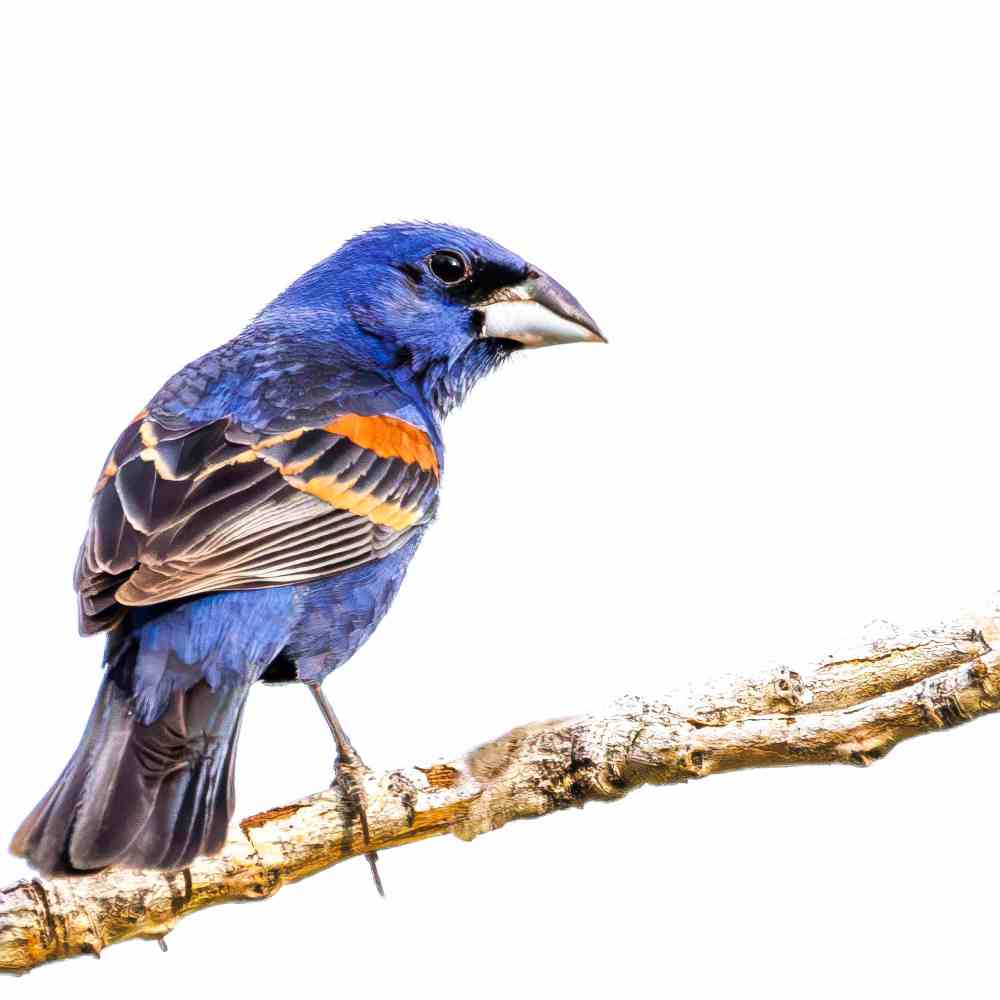
ルリノジコ Blue Bunting

やれやれ・・・ Oh dear…

面倒臭い作業を楽しくする方法はないものでしょうか。しばらくお休みとなります。 Is there any way to make a tedious task enjoyable? I will be absent for a while.

見たい鳥リスト Bird Wish List


私の鳥の分類は、新鳥類の下、アマツバメ目、ヨタカ目、カッコウ目まで整理できました。 I have been able to organize my bird taxonomy under Neoaves, the new bird orders, the Amatiformes, the Ictinidae, and the Cuckoos.

以下の表には、ハト目、ツル目、フラミンゴ目、チドリ目と続きます。でも、この3目に関しては、見てみたい鳥リスト(水色ハイライト)の中のタンチョウとニシツメドリについて書きます。ちなみに、黄色のハイライトは注目したい目、科などです。ベージュ色はすでに目撃した鳥たちですが、大切にしたい鳥です。 The following table continues with the Doves, Cranes, Flamingos, and Plovers. But for these three orders, I will write about the Red-crowned Cranes and Puffin in the list of birds I want to see (light blue highlights). By the way, yellow highlights are the orders, families, etc. that I want to focus on. The beige colors are birds that I have already witnessed but want to cherish.

タンチョウは残念ながらアメリカ大陸には存在せず、日本の北海道、ロシア東部、韓国北部、中国北東部に生息しています。だから、観察するためには北海道まで行かないとみられません。Unfortunately, red-crowned cranes do not exist in the Americas, but are found in Hokkaido in Japan, eastern Russia, northern Korea, and northeastern China. Therefore, I have to go to Hokkaido to observe them.

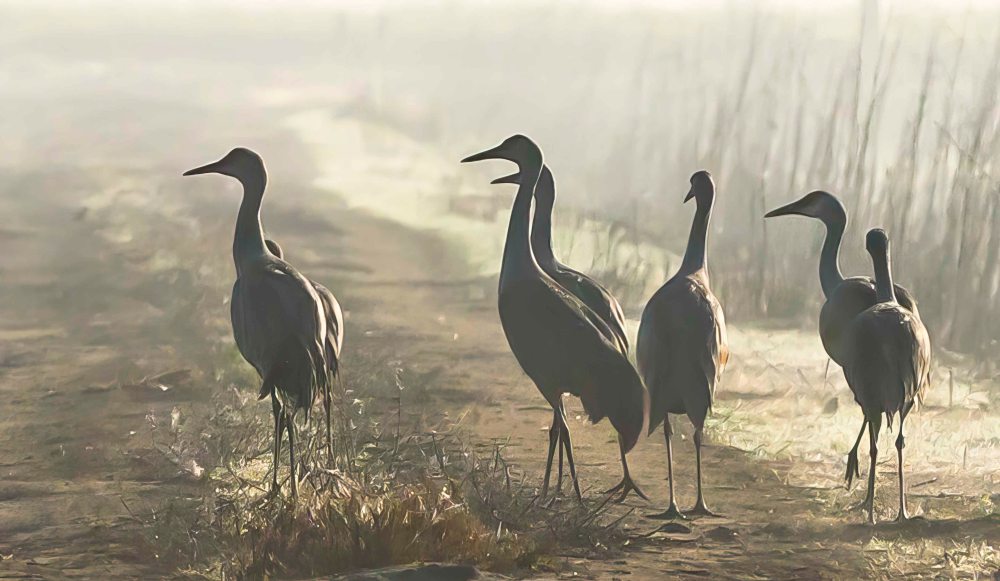
カナダヅル Sandhill Crane
早朝の霧の中のカナダズル Sandhill Crane in the early morning fog

しかも、あの美しいタンチョウのダンスを見るためには雪の中でなければなりません。そんな機会が来るかどうかわかりませんが、ぜひとも見てみたいトップ10に入る鳥です。 Moreover, I have to be in the snow to see that beautiful Red-crowned crane dance. I don’t know if such an opportunity will ever come to me, but it is one of the top 10 birds I would love to see.

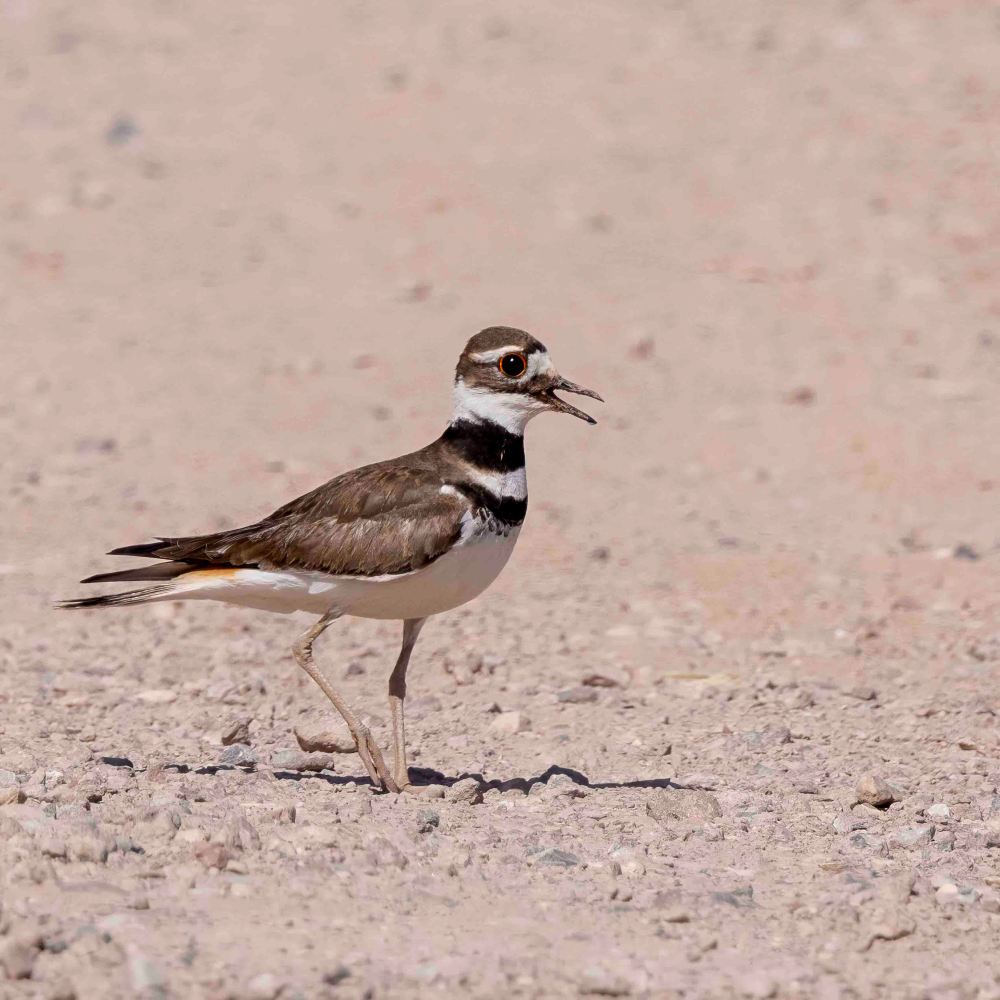
チドリ科のフタオビチドリ。Killdeer under Charadriidae.

もう一種はニシツノメドリです。この鳥も残念ながら大西洋の北極圏近くまで行かないと見られません。しかも飛んでいない時は岸壁に作られた巣に止まっているので陸力では観察しにくいです。アラスカを旅した時にはツノメドリが飛んでいる姿を目撃しましたが、揺れている船上からの撮影はとても難しく、一枚も撮れませんでした。いつかニシツメドリをぜひ見てみたいです。 The other species I want to see is the Common Puffin. Unfortunately, this bird can only be seen near the Arctic Circle in the Atlantic Ocean. When not flying, they perch on nests built on the shore, making them difficult to observe from land. When we traveled to Alaska, I saw Horned Puffins flying, but it was very difficult to photograph them from a rocking boat. So, I have no pictures of this bird. I would very much like to see the Common Puffin someday.

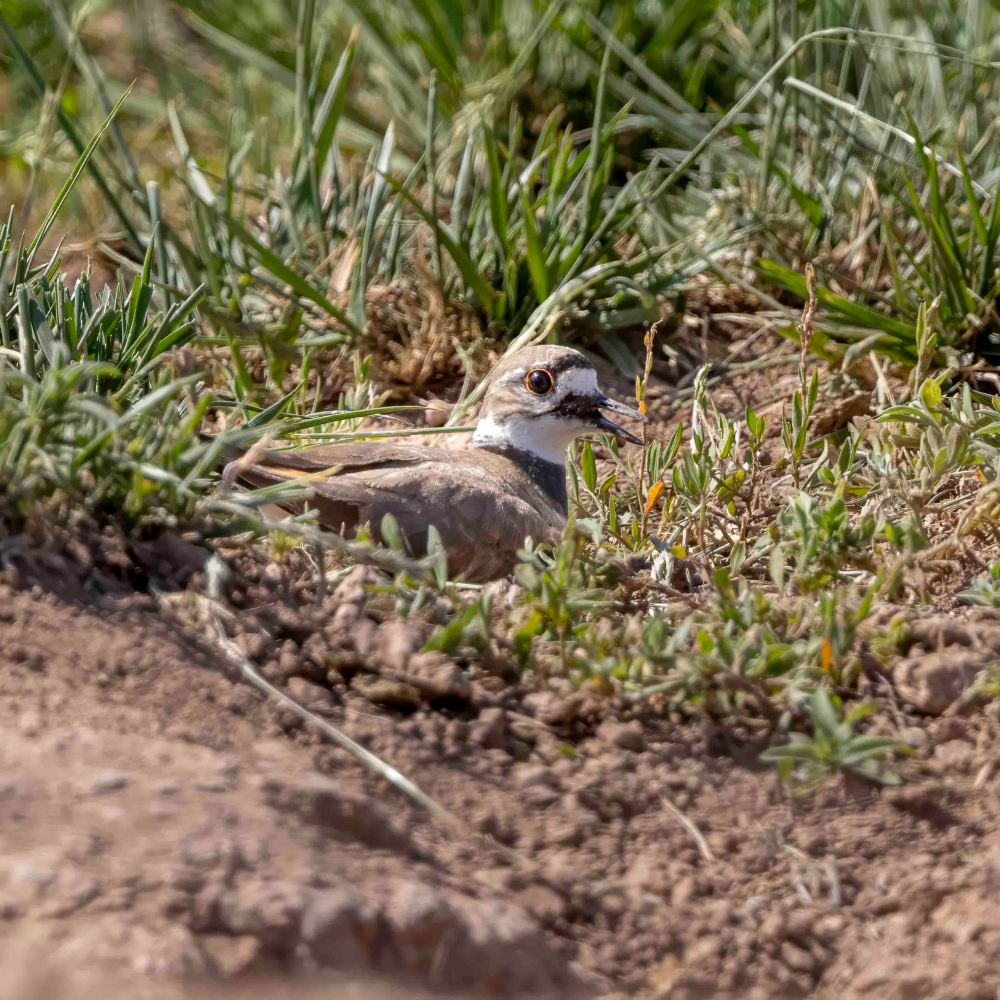
フタオビチドリは飛べないフリをするのが上手な鳥と言われています。地面の上で羽をばたつかせ、もがいているように見えました。 Killdeer is said to be a bird that is very good at pretending to be unable to fly. It appeared to be flapping its wings and struggling on the ground.

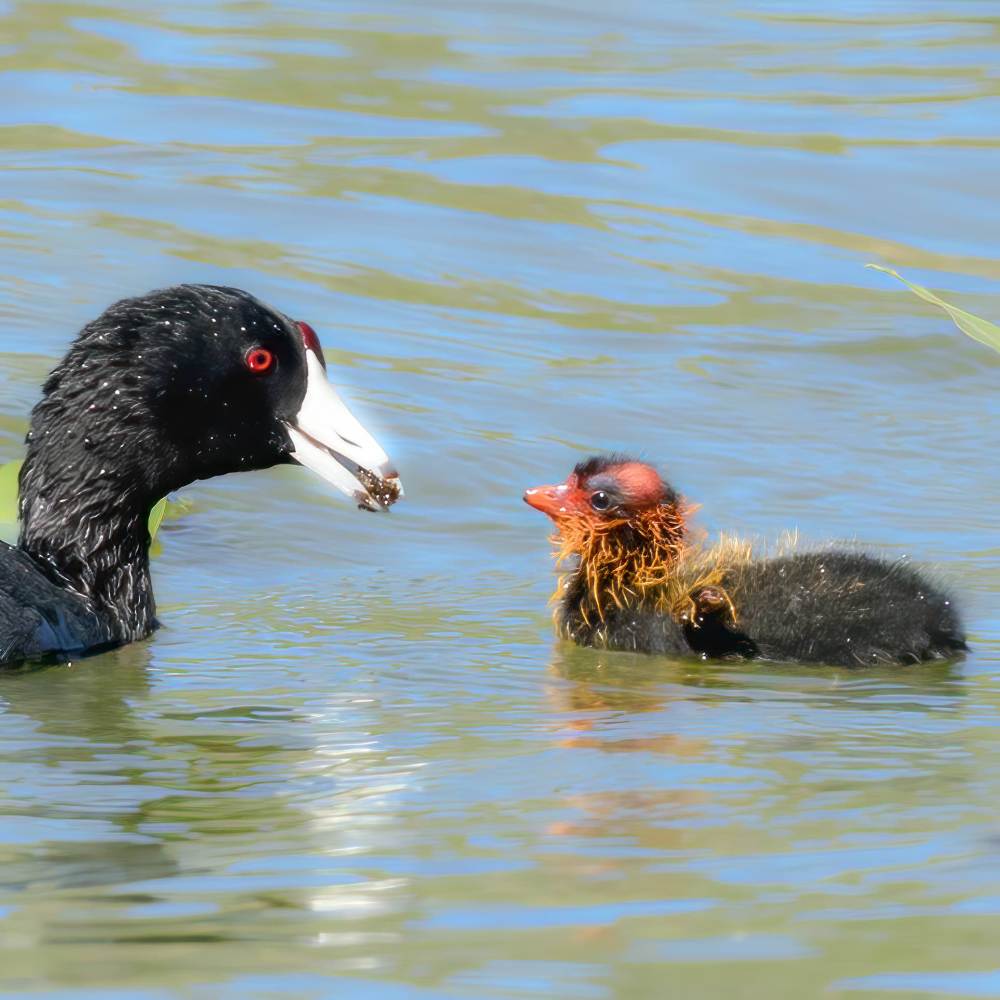
追記です。以下の写真はアメリカオオバンの親子です。オオバンは北アメリカ全土、湖や池があれば大抵見られる鳥です。しかも何十もの群れをなしています。真っ黒の体に白い嘴で、大きさはアヒルより小さいです。足は短くて太っています。そんな風貌はツルとは真逆なのに、ツル目に属しています。面白いですね! 

Note: The following photos show a Mother and chick American Coot. The American Coot is a bird that can be seen in most lakes and ponds throughout North America, and usually found in flocks of dozens. They are smaller than ducks, with black bodies and white bills. Their legs are short and fat. Despite their appearance being totally unlike cranes, they belong to the order of cranes. Interesting!

ハチドリ Hummingbirds


私の鳥の分類調査もついに新鳥類の世界に入ってきました。家禽や狩猟の対象になるキジカモ類を除いた新しい鳥達という区分らしいです。世界の鳥の種の95%がこの新鳥類に属しています。 My bird taxonomic research has finally entered the world of Neoaves, new bird species. It excludes Galloanserae, domestic and hunted fowl. Ninety-five percent of the world’s bird species belong to this new group.

この類の直下、最初に紹介するのがアマツバメ目、ヨタカ目です。 Directly below this clade, the first to be introduced, is Apodiformes.

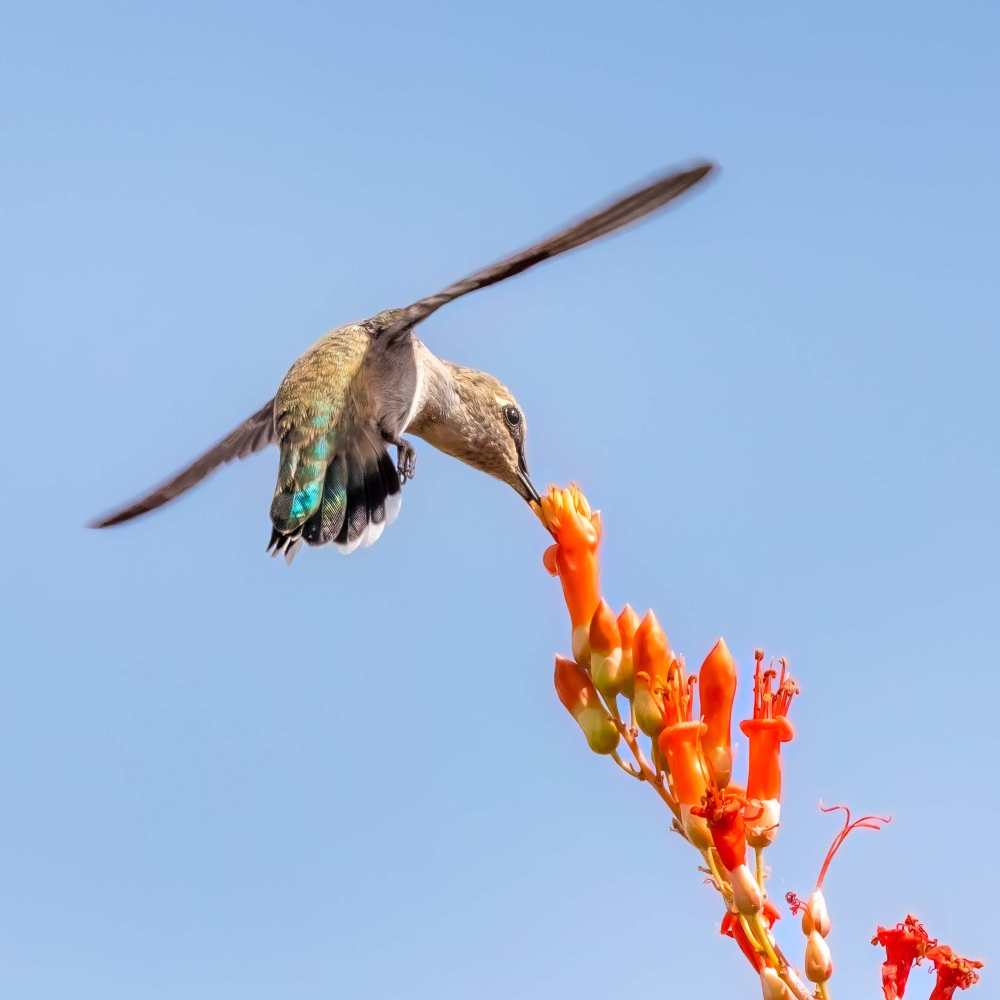
この「目」には名前の通り、ヨタカが入っています。また、この「目」にはなんとハチドリも入っています。この区分にはとても以外で驚きました。見かけも行動も全然似てないからです。 This group includes Night Hawks. This group also includes Hummingbirds. I was very surprised at this classification, because they do not look or act alike at all.

  • ヨタカ: 夜行性で、大きさはウズラぐらい。虫を食べます。 Night Hawks: Nocturnal, about the size of a quail. They eat insects.
  • ハチドリ: 日中、長い嘴で花の蜜を吸います。大きさは最も小さい鳥のグループに入ります。 Hummingbirds: They feed on flower nectar with their long bills during the day. It is one of the smallest birds.

どうやら鳥学者は体の内部の構造やDNAなどに基づいて分類しているようです。 Apparently ornithologists classify them based on their internal body structure, DNA, etc.

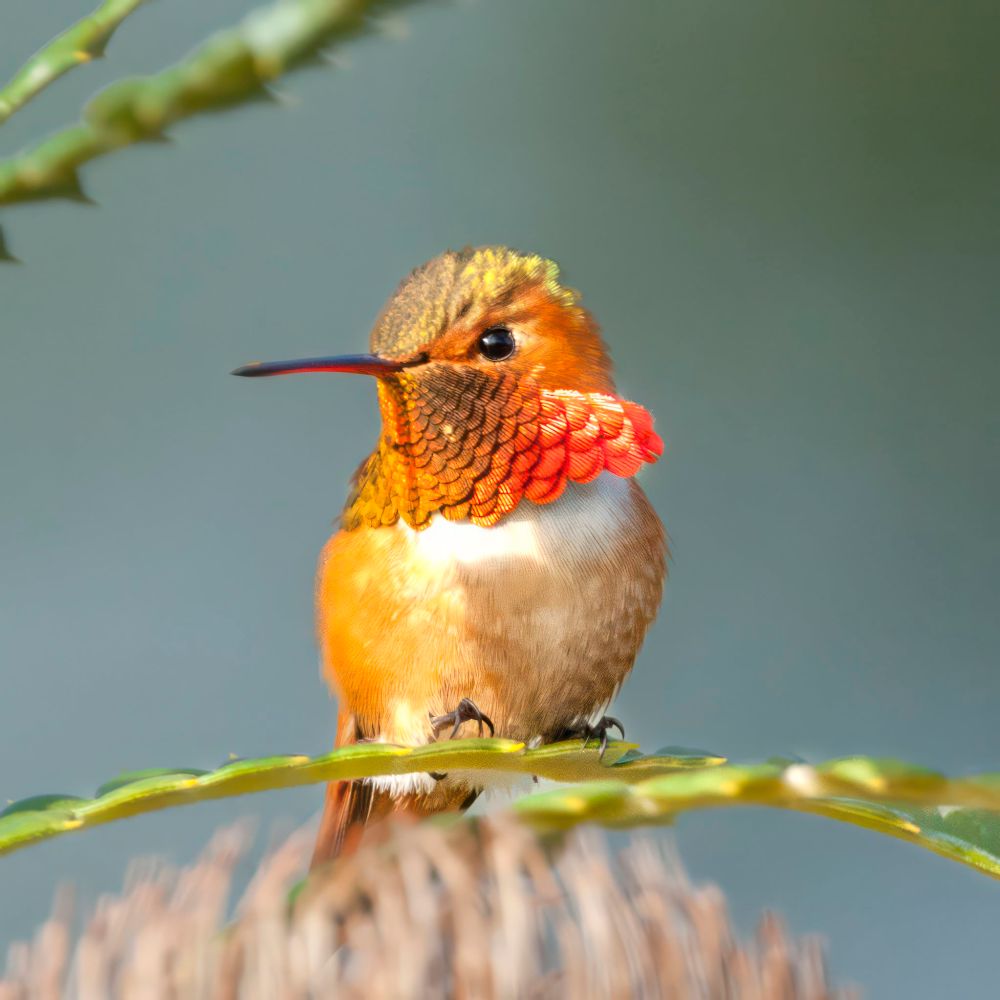
ハチドリはヘリコプターより早く羽を回転させホバリング(空中静止)をすることができます。ホバリングしながら花の蜜を吸い、吸った蜜はそのまま代謝に使われるそうです。また、視覚能力や空間認識能力がとても高く、視野内の微かな動きさえも読み撮れます。だから機敏な動きをする事ができるんですね。 Hummingbirds can rotate their wings and hover faster than a helicopter. While hovering, they suck nectar from flowers, which is then used for metabolism immediately. They also have very high visual and spatial recognition abilities, and can read and capture even the slightest movement within their field of vision. This is why they can be so agile.

私の住んでいる地域では3種類ぐらい見かける事ができます。おかげ様で写真もたくさん撮れますが、いい写真かどうかは別物です。これかも質の向上を目指します。 I can see about 3 different kinds of Hummingbirds in my area. Thanks to that, I can take a lot of pictures, but whether they are good pictures or not is another story. I will continue to improve the quality of my photos.

ところで、世界で一番小さいハチドリはキューバに住んでいるマメハチドリです。全長4 – 6cmぐらいしか無いそうです。タランチュラホーク(クモを食べるハチ)より小さい!一度見てみたいですね。 By the way, the smallest hummingbirds in the world are Bee hummingbirds living in Cuba. They are only about 2.5 inches in length. They are smaller than a Tarantula hawk (a spider-eating wasp)! I would like to see one if I have a chance.

アンナハチドリとタランチュラホークというハチ。マメハチドリはこのハチより小さい。 Anna’s hummingbird and a wasp called Tarantula Hawk. Bee hummingbirds are smaller than these wasps.

キジカモ類 Galloanserae (Fawl)


キジカモ類の分類はまだ決定的な区分がなされていません。だから、私もさっさと諦めて一緒に扱うことにします。 The classification of Galloanserae (Fowl) has not yet been definitively demarcated. So I decided to give up trying to understand it, and treat them all together.

この類はカモも含んでいますが、とりあえず、私の区分には入れないでおきます。なぜかというと、ただ単に興味がないからです。 This category includes ducks, but I will not include them in my classification for now. The reason why is that I am simply not interested in them.

キジ科の中のまだ見たことの無い鳥で、一番撮影したい鳥はキジオライチョウです。繁殖期の早朝、オスは胸を大きく広げて勇ましい姿になると言われています。 The bird in the pheasant family that I have yet to see and would most like to photograph is the Greater Sage-Grouse. It is said that early in the morning during the breeding season, males spread their chests wide and look brave.

また、ナンベイウズラ科のカンムリウズラは、見逃せません。裏庭に彼らの巣があります。彼らは野生ですが、巣があることを思うと、家族のような存在です。彼らは目下裏庭で17個の卵を温めています。今年は左の母屋の壁際の低木の中が選ばれました。そこで、去年と同じようにカメラを設置しました。 Gambel’s Quail, a member of Odontophoridae, quail family, is not to be missed. We currently have a nest in our backyard. The parents are wild, but the nest is like a family to us. The parents are currently incubating 17 eggs in the backyard. This year, the shrubbery near the wall of the main house on the left was chosen. So we set up a camera there, just as we did last year, when there was another nest.

孵化して巣立ちするまでビデオに収めるつもりです。 We plan to video them until they hatch and leave the nest.

毎日忍耐強く卵をコロコロと回転させながら座り続けています。以下、現在の様子です。 The mother quail is patiently sitting and rotating her eggs every day. Below is the current situation.

鳥の分類 Classification Of Birds


鳥の分類は難しい。このテーブル上のコースターのように混乱を極めてます。 Classifying birds is difficult. They are as confusing as the coasters on this table.

なぜなら、多くの不確定要素があって、鳥学者の間でも決着ができていない区分が多いからです。だから「適当に」区分しておくしかないようです。 This is because there are many uncertainties and many classifications that have not been settled even among ornithologists. Therefore, it seems that we have no choice but to classify them “as appropriate.”

一応、私なりに必要なものだけを抜き出して表にしてみましたが、まだまだ先が長いです。 In the meantime, I have extracted only what is necessary in my own way and made a chart, but I still have a long way to go.

例えば「スズメ」ですが、鳥類の上から数えると、11階層まで下がらないと出てきません。 For example, for “sparrow,” you have to count down to the 11th level to find it.

丁寧に上層から見ていくと、1ヶ月以上かかりそうな気配がしてきました。だから、ざっくりと適当にまとめます。そうじゃないと季節は移ろって、見逃してしまっているものがたくさんありすぎます。 If I carefully look at it from the top layer, it is likely to take more than a month. So I’m going to put it all together in a rough manner. Otherwise, the seasons change and there are too many things I’ve missed.

例えば、こちらのオオアオサギ。お母さんが卵を産んだばかりかと思っていたら、なんと大間違い。 Take, for example, this Great Blue Heron. I thought the mother had just laid her eggs, but I was wrong!

もう、卵が孵化したどころではなく、幼鳥はこんなに成長してし舞いました。 The eggs have not only hatched, but the young birds have grown to such a large size.

こちらは、羽をパタパタさせて飛び立ちたがっているところです。私も鳥の区分は切り上げて、先に進まなければ! Here they are flapping their wings and wanting to fly away. I must end my bird classification real soon and move on!