Category Archives: Birds

水禽類 Waterbirds


鳥類の分類も水禽類まできました。この分類が終われば、最初から一番分類したかった次のグループ、陸の鳥類が待っています。 The long process of classifying birds has come to Aequomithes, the waterbirds. Once this clade classification is complete, the next clade that I wanted to classify the most, Teliurarves, Landbirds, awaits.

私の分類は、ただ単に私が撮りためた鳥の写真の整理のための区分です。水禽類は全部まとめて1つのグループにして5番目のグループとしました。 Rather than detailing all the different types of waterbirds, I have grouped all of the waterbirds together into one group, the fifth group from the top of the list.

このグループで私が撮りたい鳥はペンギンです。どの種も南半球に住む鳥たちなので、なかなか目撃する機会がありません。 The most important birds I would like to photograph in this group are penguins. All of these species live in the southern hemisphere, so I don’t get many opportunities to see them.
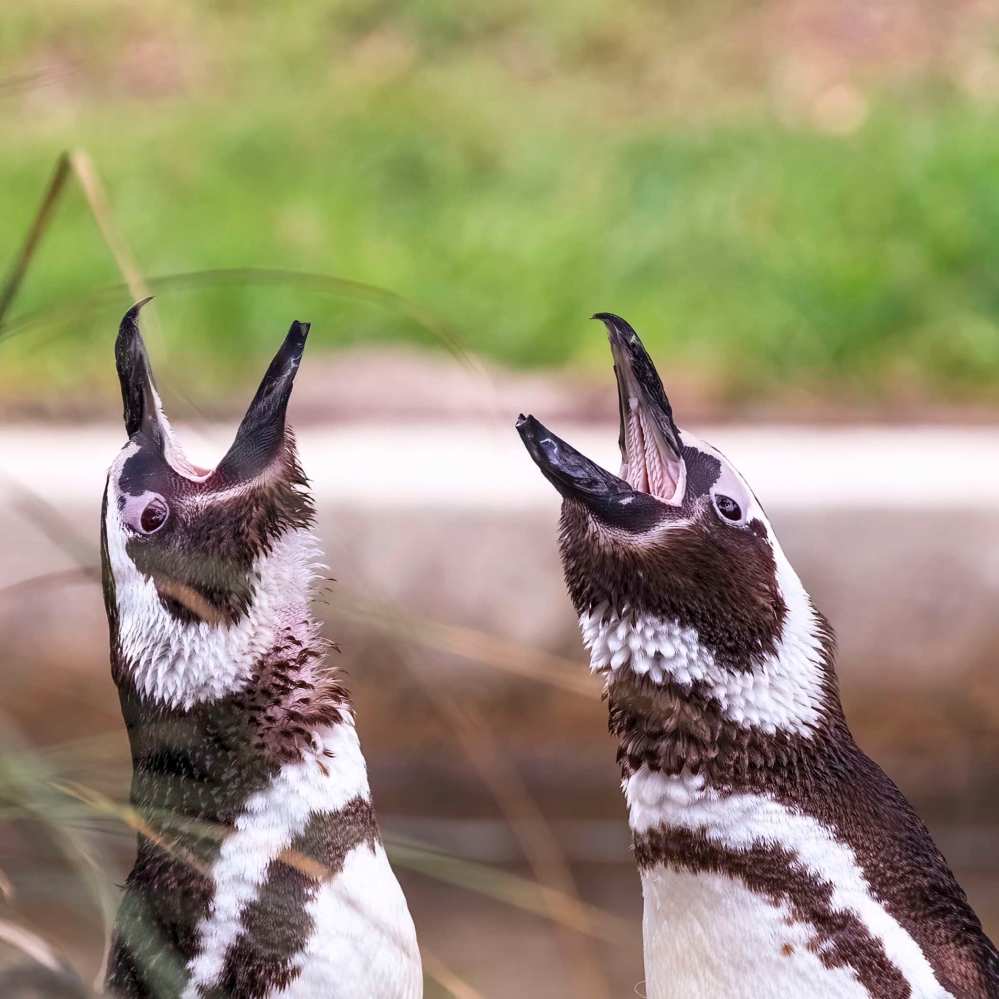
動物園で見たマゼランペンギン。Magellan Penguins at the San Francisco Zoo.

ガラパゴス諸島を旅した時、ガラパゴスペンギン、グンカンドリ、アオアシカツオドリを目撃しました。25年前に一生に一度の夢のような旅をした時の事です。でも、まだ写真に興味を持っていない時だったので、使い捨てカメラを持って旅をしていました。残念なことに、現像された写真も引っ越しの最中にどこかに消えていってしまいました。だから、写真はありません。涙!!! Many years ago, I traveled to the Galapagos Islands and saw Galapagos Penguins, Great frigatebird, and Blue-footed Boobies on a once-in-a-lifetime dream trip 25 years ago. But it was a time when I wasn’t yet interested in photography, so I traveled with disposable cameras. Unfortunately, the developed photos disappeared somewhere during the move. So I have no photos. Good grief!!!

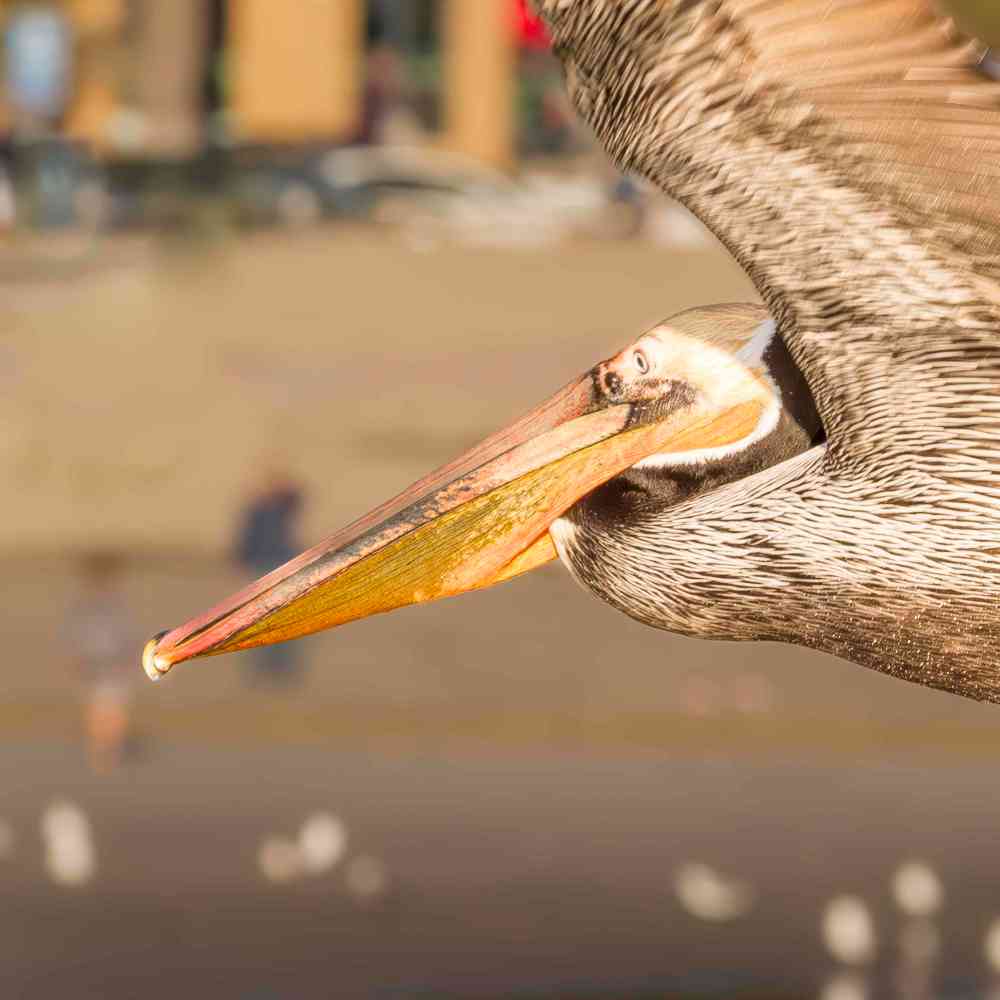
ペリカン目の中にはトキやサギなども含まれています。ちょっと以外でもありますが、水中の生き物を食するという共通項が同じグループになる理由なんでしょうかね。ともあれ、この目の鳥の写真はすでにたくさんあるので、満足です。 The order of Pelicans also includes Ibis and Herons. It is a little bit strange to me, but I guess the common denominator is that they all prey on underwater creatures. Anyway, I am satisfied with these birds because I already have many photos of them.

見たい鳥リスト Bird Wish List


私の鳥の分類は、新鳥類の下、アマツバメ目、ヨタカ目、カッコウ目まで整理できました。 I have been able to organize my bird taxonomy under Neoaves, the new bird orders, the Amatiformes, the Ictinidae, and the Cuckoos.

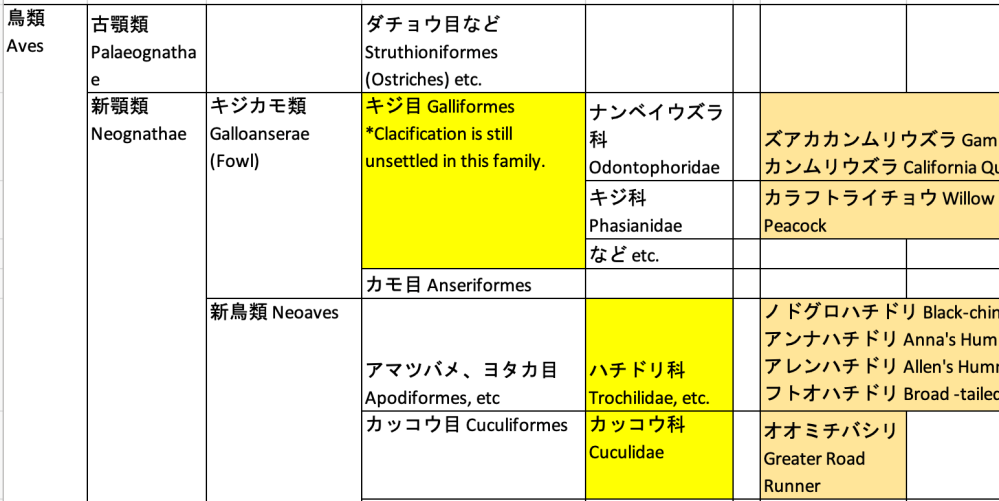
以下の表には、ハト目、ツル目、フラミンゴ目、チドリ目と続きます。でも、この3目に関しては、見てみたい鳥リスト(水色ハイライト)の中のタンチョウとニシツメドリについて書きます。ちなみに、黄色のハイライトは注目したい目、科などです。ベージュ色はすでに目撃した鳥たちですが、大切にしたい鳥です。 The following table continues with the Doves, Cranes, Flamingos, and Plovers. But for these three orders, I will write about the Red-crowned Cranes and Puffin in the list of birds I want to see (light blue highlights). By the way, yellow highlights are the orders, families, etc. that I want to focus on. The beige colors are birds that I have already witnessed but want to cherish.

タンチョウは残念ながらアメリカ大陸には存在せず、日本の北海道、ロシア東部、韓国北部、中国北東部に生息しています。だから、観察するためには北海道まで行かないとみられません。Unfortunately, red-crowned cranes do not exist in the Americas, but are found in Hokkaido in Japan, eastern Russia, northern Korea, and northeastern China. Therefore, I have to go to Hokkaido to observe them.

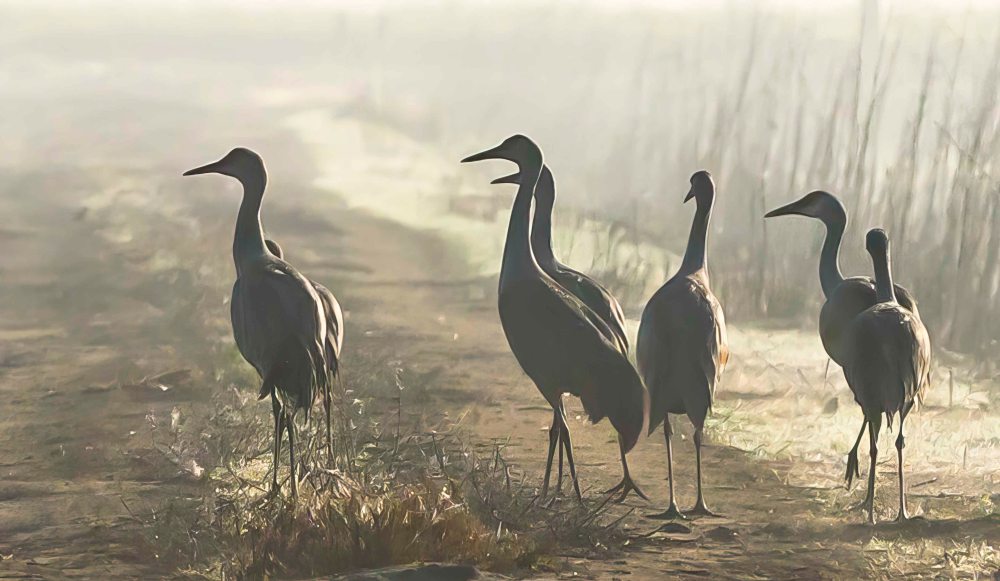
カナダヅル Sandhill Crane
早朝の霧の中のカナダズル Sandhill Crane in the early morning fog

しかも、あの美しいタンチョウのダンスを見るためには雪の中でなければなりません。そんな機会が来るかどうかわかりませんが、ぜひとも見てみたいトップ10に入る鳥です。 Moreover, I have to be in the snow to see that beautiful Red-crowned crane dance. I don’t know if such an opportunity will ever come to me, but it is one of the top 10 birds I would love to see.

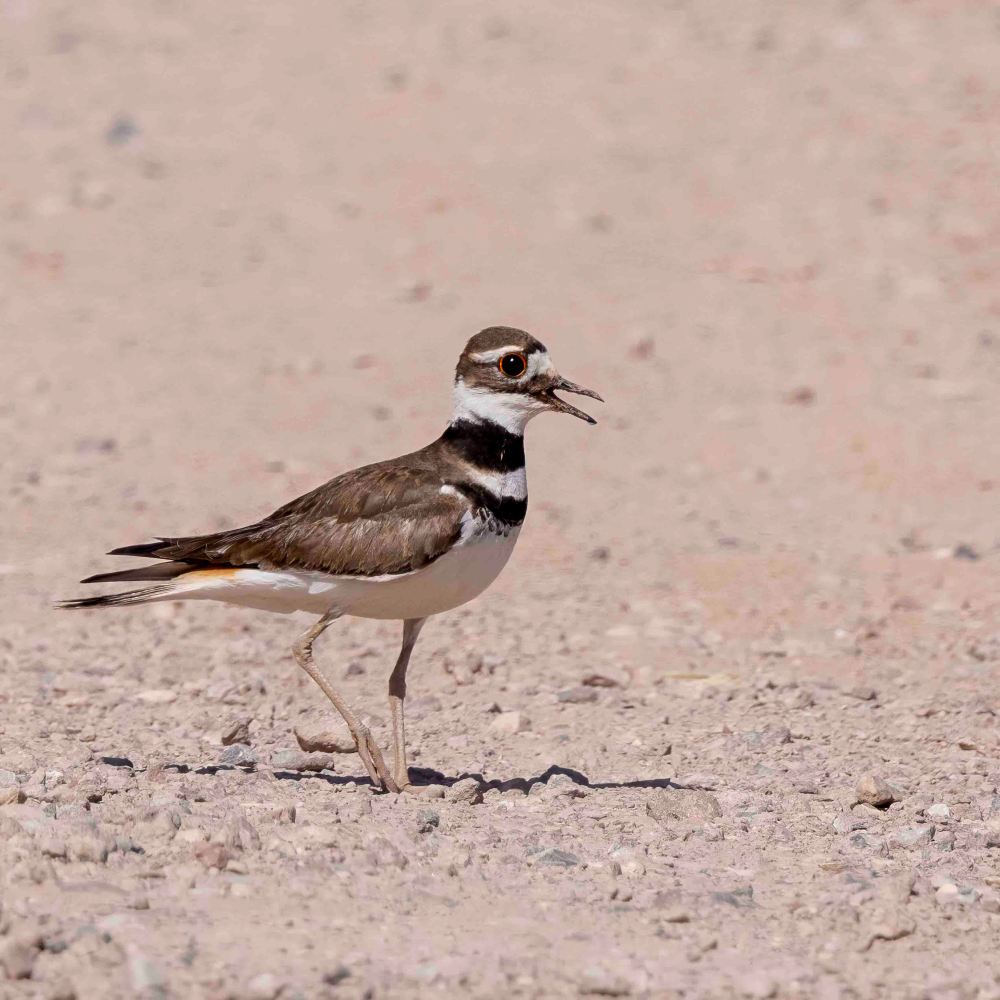
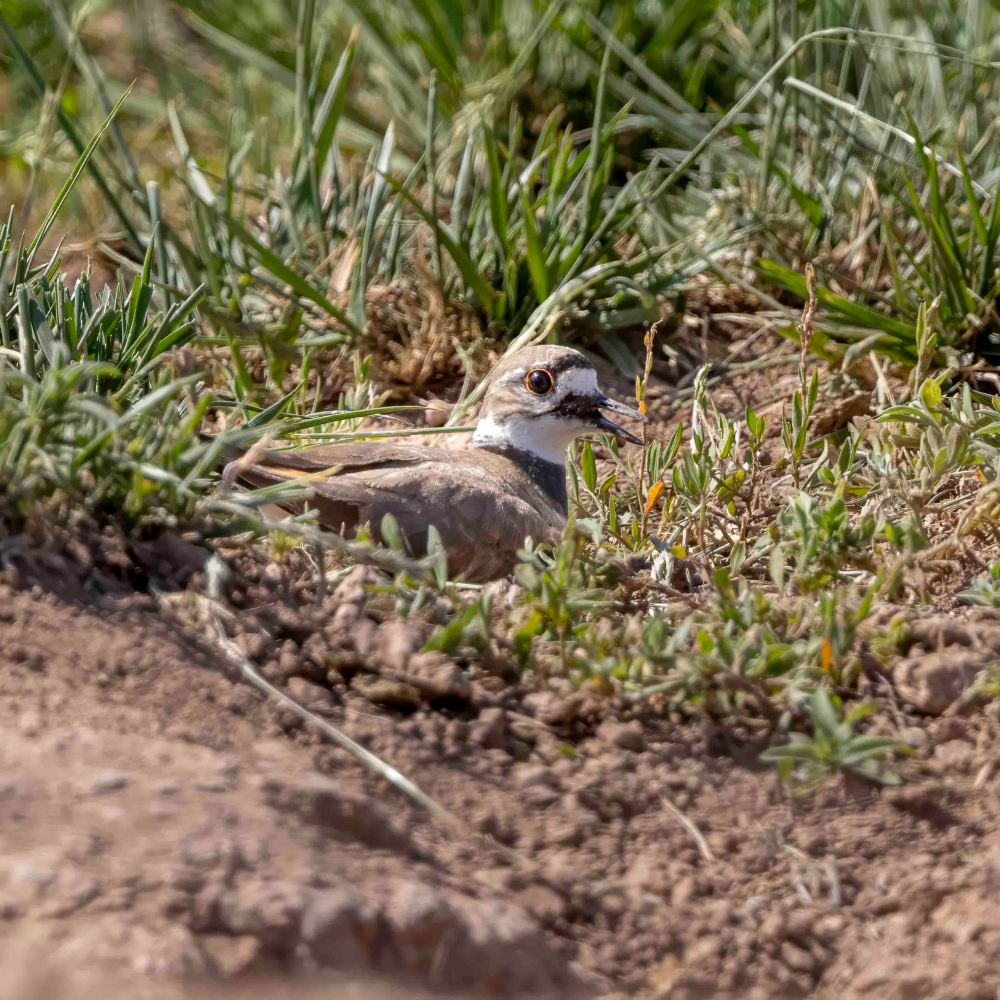
チドリ科のフタオビチドリ。Killdeer under Charadriidae.

もう一種はニシツノメドリです。この鳥も残念ながら大西洋の北極圏近くまで行かないと見られません。しかも飛んでいない時は岸壁に作られた巣に止まっているので陸力では観察しにくいです。アラスカを旅した時にはツノメドリが飛んでいる姿を目撃しましたが、揺れている船上からの撮影はとても難しく、一枚も撮れませんでした。いつかニシツメドリをぜひ見てみたいです。 The other species I want to see is the Common Puffin. Unfortunately, this bird can only be seen near the Arctic Circle in the Atlantic Ocean. When not flying, they perch on nests built on the shore, making them difficult to observe from land. When we traveled to Alaska, I saw Horned Puffins flying, but it was very difficult to photograph them from a rocking boat. So, I have no pictures of this bird. I would very much like to see the Common Puffin someday.

フタオビチドリは飛べないフリをするのが上手な鳥と言われています。地面の上で羽をばたつかせ、もがいているように見えました。 Killdeer is said to be a bird that is very good at pretending to be unable to fly. It appeared to be flapping its wings and struggling on the ground.

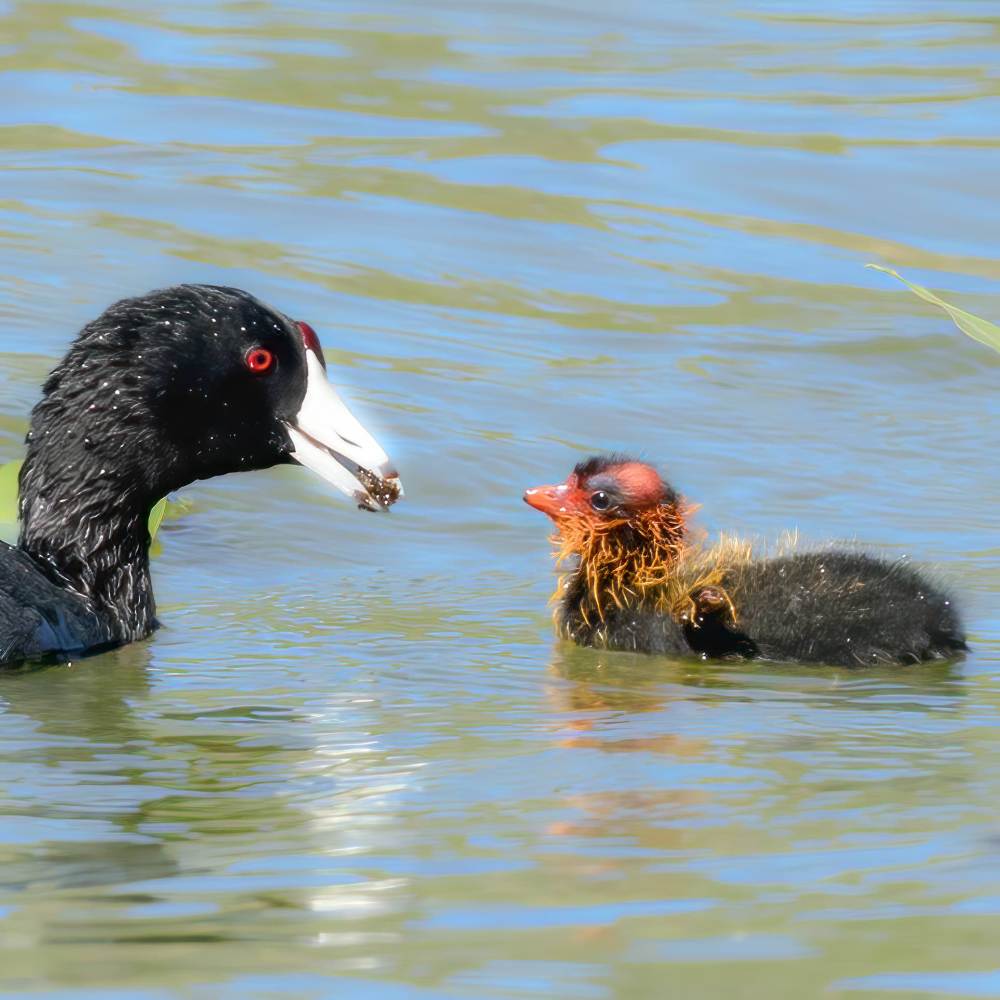
追記です。以下の写真はアメリカオオバンの親子です。オオバンは北アメリカ全土、湖や池があれば大抵見られる鳥です。しかも何十もの群れをなしています。真っ黒の体に白い嘴で、大きさはアヒルより小さいです。足は短くて太っています。そんな風貌はツルとは真逆なのに、ツル目に属しています。面白いですね! 

Note: The following photos show a Mother and chick American Coot. The American Coot is a bird that can be seen in most lakes and ponds throughout North America, and usually found in flocks of dozens. They are smaller than ducks, with black bodies and white bills. Their legs are short and fat. Despite their appearance being totally unlike cranes, they belong to the order of cranes. Interesting!

オオミチバシリの秘密 Secrets Of Greater Roadrunner


オオミチバシリは、新鳥類直下にあるカッコウ目、カッコウ科に分類されています。 Greater Roadrunners are classified in Cuckoidae family under Cuculiformes order, directly under Neoaves.

タイトルが大げさでした。秘密でもなんでも無いです。ただ、オオミチバシリの特徴で私が知らなくて驚いた事を3点挙げたかったんです。 The title was exaggerated. It’s no secret or anything. I just wanted to mention three things about Greater Roadrunners that I didn’t know and was surprised by.

その1:足の指が対趾足(たいしそく)(*注1参照)であること。対趾足とは、鳥の趾(あしゆび)4趾のうち、第1趾と第4趾は後ろを向いていて、第2趾と第3趾は前を向いていること。この特徴が秘密、その2にもなります。 #1: The toes are Zygodactyl [zī-gə-ˈdak-tᵊl ](see *Note 1). Of the four toes of a bird, the first and fourth toes point backward while the second and third toes point forward. This characteristic is also the secret, #2.

その2:カッコウ科に属していること。全てのカッコウ科は木の上で生活していますが、オオミチバシリが属するアメリカジカッコウ科だけは地面で暮らしています。だから、このグループに入っているのは、ちょっと不思議ですが、多分、カッコウも対趾足であることから同類と見做されているのかもしれません。 # 2: Belonging to the cuckoo family. All cuckoos live in trees, but only the American cuckoo family, to which Roadrunner belongs, lives on the ground. So it is a bit strange that they are in this group, but perhaps they are considered the same species because cuckoos also have Zygodactyl feet.

その3:カッコウ科の鳥のほとんどが托卵をしますが、オオミチバシリはちゃんと自分で温めて、自分で育てます。ちなみに、托卵とは、他の種の鳥の巣に卵を産みつけることです。 # 3: Most of the cuckoo family of birds engage in Brood parasitism, but the Greater Roadrunner properly warms its own eggs and raises them by itself. Incidentally, Brood parasitism is the act of laying eggs in the nests of birds of other species.

私の家の周りでは、オオミチバシリをよく見かけます。その鳴き声がとても特徴的で、近くにいる時はすぐにわかります。以下、前庭に設置したカメラに登場したオオミチバシリのビデオです。 I often see Roadrunners around my house. Their call is very distinctive and I can easily recognize them when they are nearby. Below is a video of a Roadrunner that appeared on a camera installed in my front yard.

また、爬虫類の他に、小さな動物も捕食します。過去にウズラのヒナを食べている所を目撃してしまいました。だから、裏庭で孵化したばかりのウズラたちが食べられないよう注意しています。ただ、それも自然の一部なので、ウズラたちには早く裏庭から出て野生社会で生きていけるようになってもらわなければいけません。(うずらの様子は後ほど、ビデオ作成後にアップします。) They also prey on small animals as well as reptiles. I have witnessed them eating quail chicks in the past. So we are careful not to let the newly hatched quail in our backyard get eaten. But that is part of nature, and we need the quail to get out of our backyard soon so that they can live in the wild. (I’ll post more on the quail later, after I make a video of them.)

*注1 対趾足(たいしそく) :カッコウ目の他にオウム目も対趾足を持つ。鳥の趾の形態は地上、木上、または空中、それぞれの場所に適応しています。種類も意外に多く様々です。詳しくは、こちらのウェブサイトを参照してください。https://ja.wikipedia.org/wiki/趾_(鳥類)

*Note 1: The Cuckoos as well as the Parrots also have the Zygodactyl form. The form of a bird’s toe is adapted to its location on the ground, in a tree, or in the air. There are a surprisingly large number and variety of forms. For more information, please refer to this website. https://en.wikipedia.org/wiki/Dactyly

ハチドリ Hummingbirds


私の鳥の分類調査もついに新鳥類の世界に入ってきました。家禽や狩猟の対象になるキジカモ類を除いた新しい鳥達という区分らしいです。世界の鳥の種の95%がこの新鳥類に属しています。 My bird taxonomic research has finally entered the world of Neoaves, new bird species. It excludes Galloanserae, domestic and hunted fowl. Ninety-five percent of the world’s bird species belong to this new group.

この類の直下、最初に紹介するのがアマツバメ目、ヨタカ目です。 Directly below this clade, the first to be introduced, is Apodiformes.

この「目」には名前の通り、ヨタカが入っています。また、この「目」にはなんとハチドリも入っています。この区分にはとても以外で驚きました。見かけも行動も全然似てないからです。 This group includes Night Hawks. This group also includes Hummingbirds. I was very surprised at this classification, because they do not look or act alike at all.

  • ヨタカ: 夜行性で、大きさはウズラぐらい。虫を食べます。 Night Hawks: Nocturnal, about the size of a quail. They eat insects.
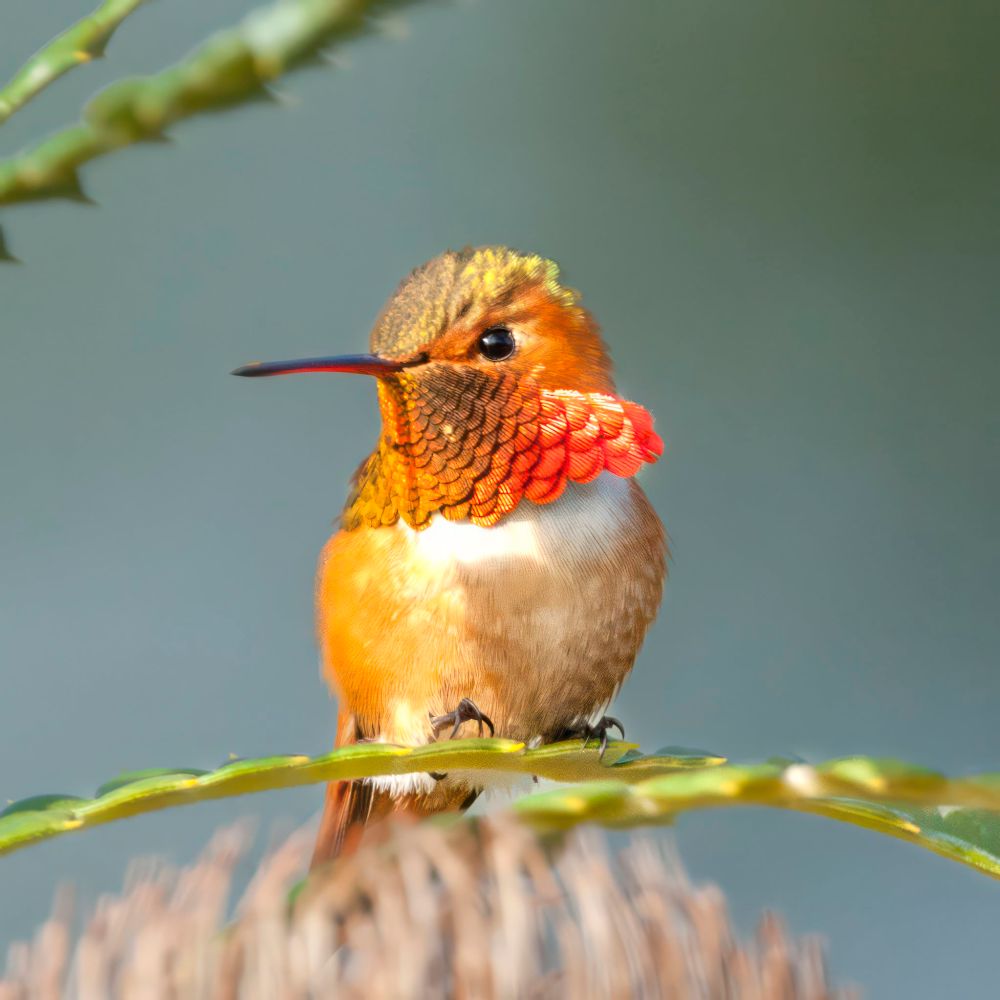
  • ハチドリ: 日中、長い嘴で花の蜜を吸います。大きさは最も小さい鳥のグループに入ります。 Hummingbirds: They feed on flower nectar with their long bills during the day. It is one of the smallest birds.

どうやら鳥学者は体の内部の構造やDNAなどに基づいて分類しているようです。 Apparently ornithologists classify them based on their internal body structure, DNA, etc.

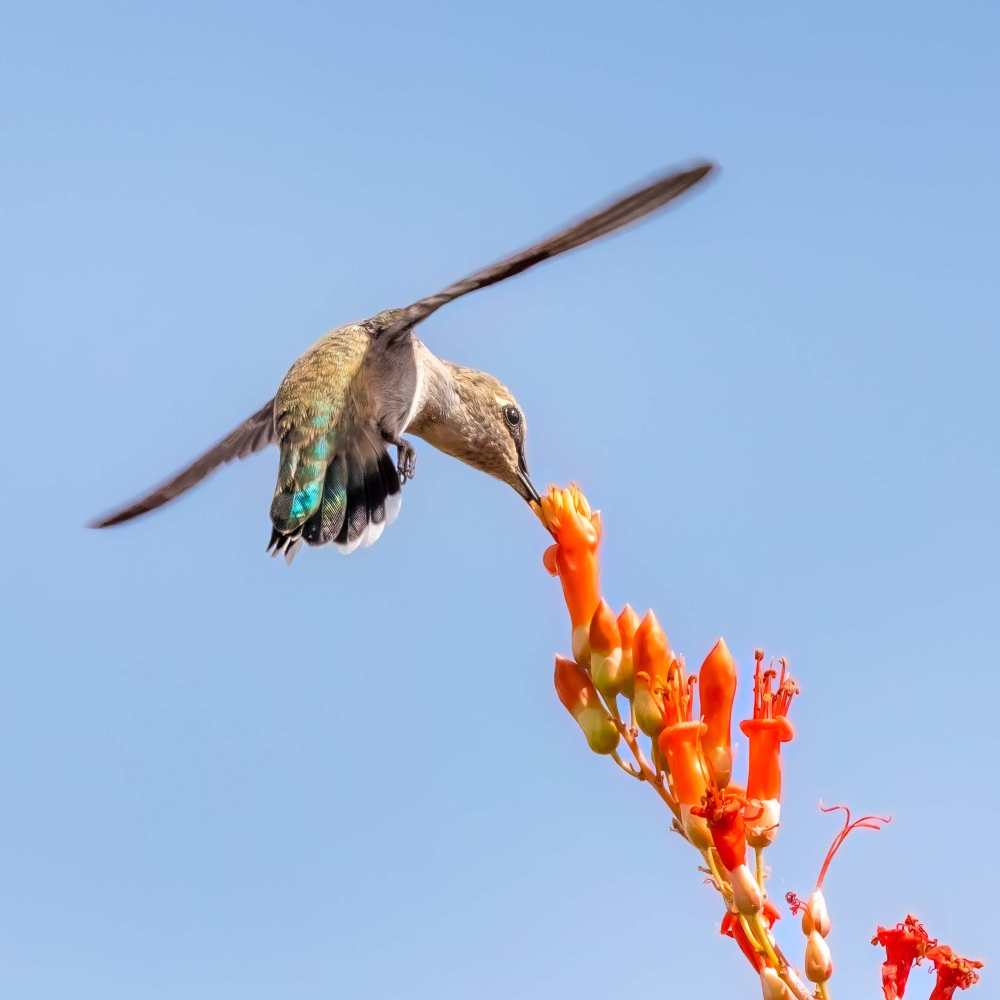
ハチドリはヘリコプターより早く羽を回転させホバリング(空中静止)をすることができます。ホバリングしながら花の蜜を吸い、吸った蜜はそのまま代謝に使われるそうです。また、視覚能力や空間認識能力がとても高く、視野内の微かな動きさえも読み撮れます。だから機敏な動きをする事ができるんですね。 Hummingbirds can rotate their wings and hover faster than a helicopter. While hovering, they suck nectar from flowers, which is then used for metabolism immediately. They also have very high visual and spatial recognition abilities, and can read and capture even the slightest movement within their field of vision. This is why they can be so agile.

私の住んでいる地域では3種類ぐらい見かける事ができます。おかげ様で写真もたくさん撮れますが、いい写真かどうかは別物です。これかも質の向上を目指します。 I can see about 3 different kinds of Hummingbirds in my area. Thanks to that, I can take a lot of pictures, but whether they are good pictures or not is another story. I will continue to improve the quality of my photos.

ところで、世界で一番小さいハチドリはキューバに住んでいるマメハチドリです。全長4 – 6cmぐらいしか無いそうです。タランチュラホーク(クモを食べるハチ)より小さい!一度見てみたいですね。 By the way, the smallest hummingbirds in the world are Bee hummingbirds living in Cuba. They are only about 2.5 inches in length. They are smaller than a Tarantula hawk (a spider-eating wasp)! I would like to see one if I have a chance.

アンナハチドリとタランチュラホークというハチ。マメハチドリはこのハチより小さい。 Anna’s hummingbird and a wasp called Tarantula Hawk. Bee hummingbirds are smaller than these wasps.

キジカモ類 Galloanserae (Fawl)


キジカモ類の分類はまだ決定的な区分がなされていません。だから、私もさっさと諦めて一緒に扱うことにします。 The classification of Galloanserae (Fowl) has not yet been definitively demarcated. So I decided to give up trying to understand it, and treat them all together.

この類はカモも含んでいますが、とりあえず、私の区分には入れないでおきます。なぜかというと、ただ単に興味がないからです。 This category includes ducks, but I will not include them in my classification for now. The reason why is that I am simply not interested in them.

キジ科の中のまだ見たことの無い鳥で、一番撮影したい鳥はキジオライチョウです。繁殖期の早朝、オスは胸を大きく広げて勇ましい姿になると言われています。 The bird in the pheasant family that I have yet to see and would most like to photograph is the Greater Sage-Grouse. It is said that early in the morning during the breeding season, males spread their chests wide and look brave.

また、ナンベイウズラ科のカンムリウズラは、見逃せません。裏庭に彼らの巣があります。彼らは野生ですが、巣があることを思うと、家族のような存在です。彼らは目下裏庭で17個の卵を温めています。今年は左の母屋の壁際の低木の中が選ばれました。そこで、去年と同じようにカメラを設置しました。 Gambel’s Quail, a member of Odontophoridae, quail family, is not to be missed. We currently have a nest in our backyard. The parents are wild, but the nest is like a family to us. The parents are currently incubating 17 eggs in the backyard. This year, the shrubbery near the wall of the main house on the left was chosen. So we set up a camera there, just as we did last year, when there was another nest.

孵化して巣立ちするまでビデオに収めるつもりです。 We plan to video them until they hatch and leave the nest.

毎日忍耐強く卵をコロコロと回転させながら座り続けています。以下、現在の様子です。 The mother quail is patiently sitting and rotating her eggs every day. Below is the current situation.

鳥の分類 Classification Of Birds


鳥の分類は難しい。このテーブル上のコースターのように混乱を極めてます。 Classifying birds is difficult. They are as confusing as the coasters on this table.

なぜなら、多くの不確定要素があって、鳥学者の間でも決着ができていない区分が多いからです。だから「適当に」区分しておくしかないようです。 This is because there are many uncertainties and many classifications that have not been settled even among ornithologists. Therefore, it seems that we have no choice but to classify them “as appropriate.”

一応、私なりに必要なものだけを抜き出して表にしてみましたが、まだまだ先が長いです。 In the meantime, I have extracted only what is necessary in my own way and made a chart, but I still have a long way to go.

例えば「スズメ」ですが、鳥類の上から数えると、11階層まで下がらないと出てきません。 For example, for “sparrow,” you have to count down to the 11th level to find it.

丁寧に上層から見ていくと、1ヶ月以上かかりそうな気配がしてきました。だから、ざっくりと適当にまとめます。そうじゃないと季節は移ろって、見逃してしまっているものがたくさんありすぎます。 If I carefully look at it from the top layer, it is likely to take more than a month. So I’m going to put it all together in a rough manner. Otherwise, the seasons change and there are too many things I’ve missed.

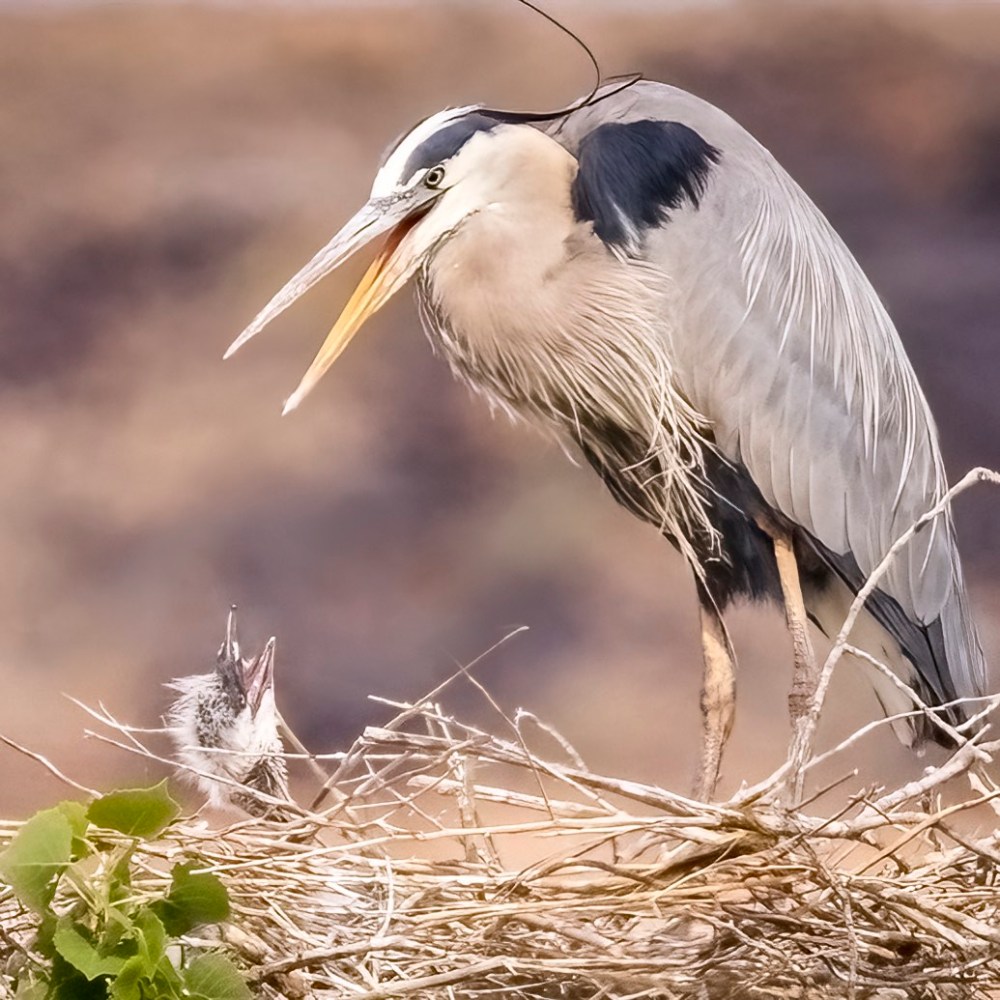
例えば、こちらのオオアオサギ。お母さんが卵を産んだばかりかと思っていたら、なんと大間違い。 Take, for example, this Great Blue Heron. I thought the mother had just laid her eggs, but I was wrong!

もう、卵が孵化したどころではなく、幼鳥はこんなに成長してし舞いました。 The eggs have not only hatched, but the young birds have grown to such a large size.

こちらは、羽をパタパタさせて飛び立ちたがっているところです。私も鳥の区分は切り上げて、先に進まなければ! Here they are flapping their wings and wanting to fly away. I must end my bird classification real soon and move on!

古顎類 Palaeognathae


鳥類は、まず最初に古顎類(こがくるい)と新顎類(しんがくるい)と分けられています。なぜかというと、新顎類は、恐竜が絶滅した後に古顎類から分岐していったからだと言われています。 Birds are first divided into two groups: Palaeognathae and Neognathae. The reason for this is that the Neognathae diverged from the Palaeognathae after the extinction of the dinosaurs.

「なるほどー!」と、納得しました。 “I see!” I was convinced.

なぜなら、この類にはダチョウのような大きくて飛べない鳥しか含まれていないからです。 This is because this category only includes large, flightless birds such as ostriches.

ということは、ダチョウなど、もっぱら走ることしかできない鳥たちは、6500万年以前から存在しているんですね。 So birds that can only run, such as ostriches, have existed for more than 65 million years.

ということは、現在私たちが見かけるすべての他の鳥たちは、6500万年前には存在していなかったということになります。 This means that all the other birds we see today did not exist 65 million years ago.

この事実には少し心が動かされます。今度ダチョウを見る機会があったら、もう少し時間をかけて観察して、「お疲れ様!」って声をかけたいです。 I am a little moved by this fact. Next time I have a chance to see an ostrich, I would like to take a little more time to observe it and say, “Good job!”

スズメ亜目 Songbirds


鳥の分類方法の勉強をし始めてから2週間が過ぎました。 It has been two weeks since I began studying how to classify birds.

ようやく分類の輪郭が見えてきました。 Finally, the outlines of the classification are beginning to emerge.

この勉強の目的は私の鳥の写真を体系的に並べ替えることです。そして、それを元にしてカタログを一新し、やがては本をくるところまで持っていくのが最終の目的です。 The purpose of this study is to systematically rearrange my bird photographs. And the ultimate goal is to renew the catalog based on this, and eventually bring it to the point where I can come up with a book.

先学の皆様が苦労して分類してきた足跡を読みながら、実はまだ謎が多く残されている事がわかりました。だから一羽の鳥の分類が行ったり来たりとしているようです。 As I followed the footsteps of all the previous scholars who have taken great pains to classify them, I realized that there are actually still many mysteries left to be solved. So it seems that the classification of a single bird comes and goes from one family to the other.

私の分類は、そのような学術的な証拠に基づくものではなく、私の便宜上の分類で、しかも、撮れた写真のみに限られるという、完全に私的な分類です。 My classification is not based on any such academic evidence, but is entirely personal, being based on my own convenience, and limited to only the photographs that were taken by myself.

だから、最初は30ぐらいの写真を「可愛い鳥」とか「歌っている鳥」とか、「水鳥」などに分けてスタートしました。でも、今では100種以上の写真が溜まり、分類をし直す必要が出てきました。 So I started out with about 30 photos, divided into “cute birds,” “singing birds,” “water birds,” and so on. But now I have accumulated more than 100 photos of more than 100 species, and it has become necessary to re-categorize them.

また、もう少し専門家にもお見せできるようにしておいた方がいいとも思い始めました。できうる事ならデータベース化して、学術的データだけでなく、色やサイズ名からでもソートできるようにできたらいいなとも思ってます。でも、あまりにも気の遠くなりそうな作業なので、今は、アイディアとしてだけとっておきます。 I also began to think that it would be better to make it available to a few more experts. If possible, I would like to create a database so that it can be sorted not only by scientific data, but also by color or size or name. But it’s a daunting task, so for now, I’ll just keep it as an idea.

そして、今日、これから集中して調査するのは「スズメ亜目」の鳥たちだという事がわかりました。「ソングバード」として有名なこの亜目は、世界中で最も多くの鳥を収容し、馴染みのある鳥の多くがこのグループに属しています。 And I realized today that it is the birds of Passeri, suborder of Passeriformes that I should be concentrating on. This suborder, better known as “songbirds,” houses the largest number of birds in the world, and many familiar birds belong to this group.

私の住んでいる地域で見かける鳥たちが中心ですが、それでも27もの科(ファミリー)を抽出しました。(多分、世界中のススメ亜目には160から200ぐらいの科があるはずです。)それを 5-10 ぐらいのグループに無理やり分けて、私の用途に対応するように分類し直すことを目標にします。 The birds are mostly those found in my area, but I still extracted 27 families. (There are probably about 160-200 families around the world.) My goal is to force them into groups of about 5-10 and reclassify them to correspond to my use.

まだ大変ですが、やりたい事が明確になってくると気持ちがいいです。 It’s still hard work, but it feels good to have a clear idea of what I want to do.

メキシコフィンチのカップル。A couple of House Finches.

窓の外では、野生動物たちの春の嵐は、まだ、続いているようです。 Outside my window, the spring storms of wildlife still seem to be going on.

メキシコフィンチの空中結婚式です。 The wedding of House Finches in the air.

ムネアカルリノジコ Lazuli Bunting


今年のバードフェスティバルの鳥はアカムネルリノジコでした。去年のバードフェスティバルの際に、遠くに初めて見つけて気になっていた鳥でした。それ以来、見かけることはなく1年が過ぎました。 The bird of the year for this year’s Bird Fest bird was Lazuli Bunting. I first spotted this bird in the distance at last year’s Bird Fest and was curious about it. Since then, a year has passed without seeing it.

なぜなら、この鳥は渡り鳥だからです。 This is because they are migratory birds.

そして、今年のバードフェスティバルでまた会えることを期待しましたが、あいにく雨と強風の3日間で終了し、再会はなりませんでした。グスン・・・ And we hoped to see them again at this year’s Bird Fest, but unfortunately, it ended after three days of rain and strong winds and we did not meet again. Sigh …

そこで、バンちゃんと私はフェスティバル終了後、アカムネルリノジコが飛び去っていく前に、「絶対、発見するぞ!」という強い意志のもと、いそうな場所を歩き回りました。 So, after the festival, Ban-chan and I walked around the area where we thought it might be, with a strong determination to find it before it flew away.

そして、見つけた! And we found it!

満足できる質ではありません。でも、一応良いことにします。 The quality is not satisfactory. But I’ll call it good enough for now.

気になったのは、去年かろうじて撮れた写真に比べると、色が冴えないことです。もしかしたら、まだ繁殖期ではないのかもしれません。 What I noticed was that the colors were not as bright as the photos I took last year. Perhaps it is not the breeding season yet.

もっと鮮やかな青い頭になって、もっとオレンジ色の胸になっているはずなんです。以下、去年撮った写真です。 It should have a brighter blue head and a more orange chest. Below picture is the image I took last year.

ま、来年に期待しましょうかね。 Well, let’s hope for next year.

補足データ (Supplemental Data):

  • Size: 13-15 cm (5 inches) long
  • Food: seeds and insects
  • Nesting: lay 3-4 eggs, 11-14 incubation days, 9-11 nesting days
  • Cardinal family: Consists of cardinals, grosbeaks, buntings, etc.  ショウジョウコウカンチョウ科で、ホオジロ、フウキンチョウ、ノジコなどを含む。

ソワソワな季節 Restless Season


忙しくしてました。 I’ve been busy.

そして、まだまだソワソワしてしまう季節は続きます。春ですから。 And the restless season is still going on because it’s spring!

窓の外では興味深いとんでもない事が毎日起きているんです。後ほど、書いていく予定です。 Interesting and outrageous things are happening outside my window every day. I will write about it later.

とりあえず、大きな山場のバードフェスティバルが先週末に終了し、少しホッとしてます。 At any rate, I am a little relieved that the big event, the bird festival, ended last weekend.

でも、引き続き鳥探しは続くし、今週末はアイアンマンのレースがあり、ボランティアとして参加します。https://www.ironman.com/im703-st-george But the bird hunt continues, and this weekend there is an Ironman race, which I will be volunteering for.

いろいろな活動を通してたくさんの人達との出会いがありましたが、残念ながら、書く時間がなくなってしまいました。とりあえず、今日は5月1日なので、節目として、書いておきます。 Through various activities, I have met many people, but I have run out of time to write about them unfortunately. Anyway, today is May 1, so I am writing this as a milestone.

多分、来週あたりから落ち着くかな。 Maybe it will settle down in the next week or so.

2つになった鼓動 Two Heartbeats


まだ少し寒いけど、春はもう始まっています。 It is still a little cold, but spring has already begun.

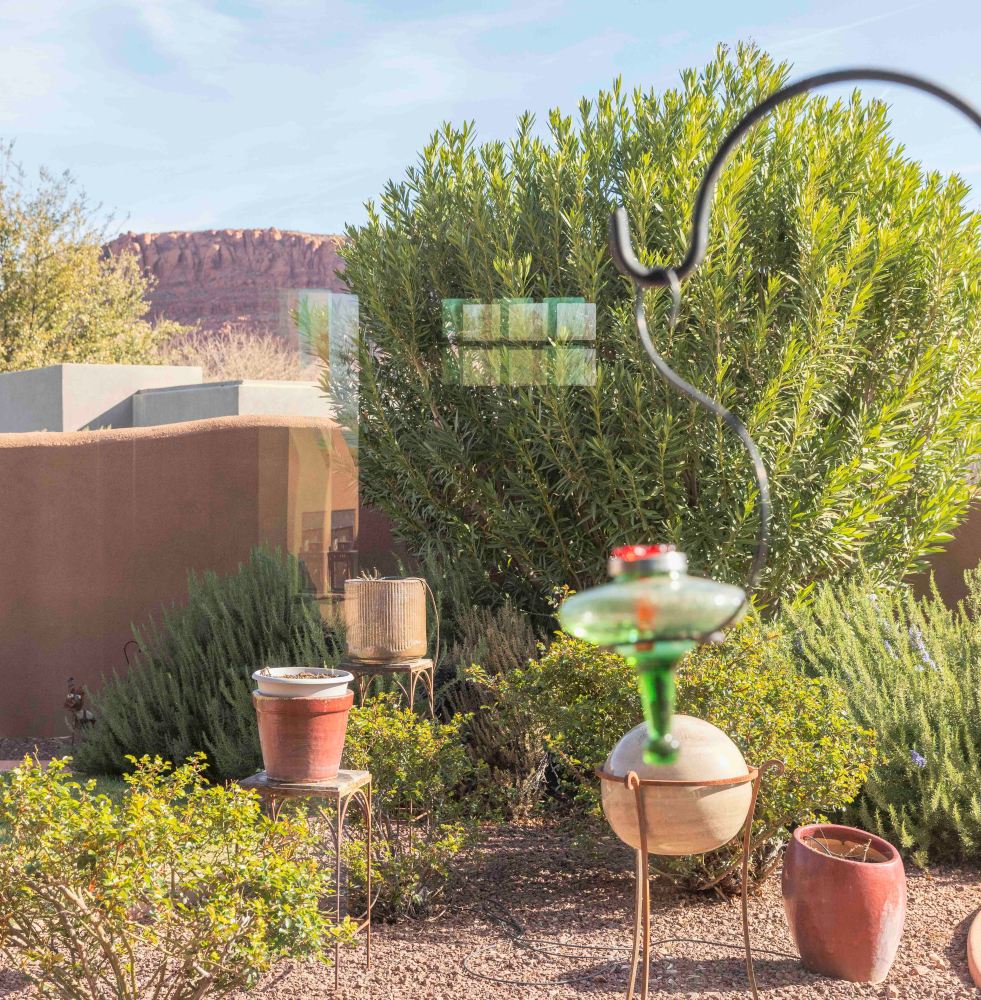
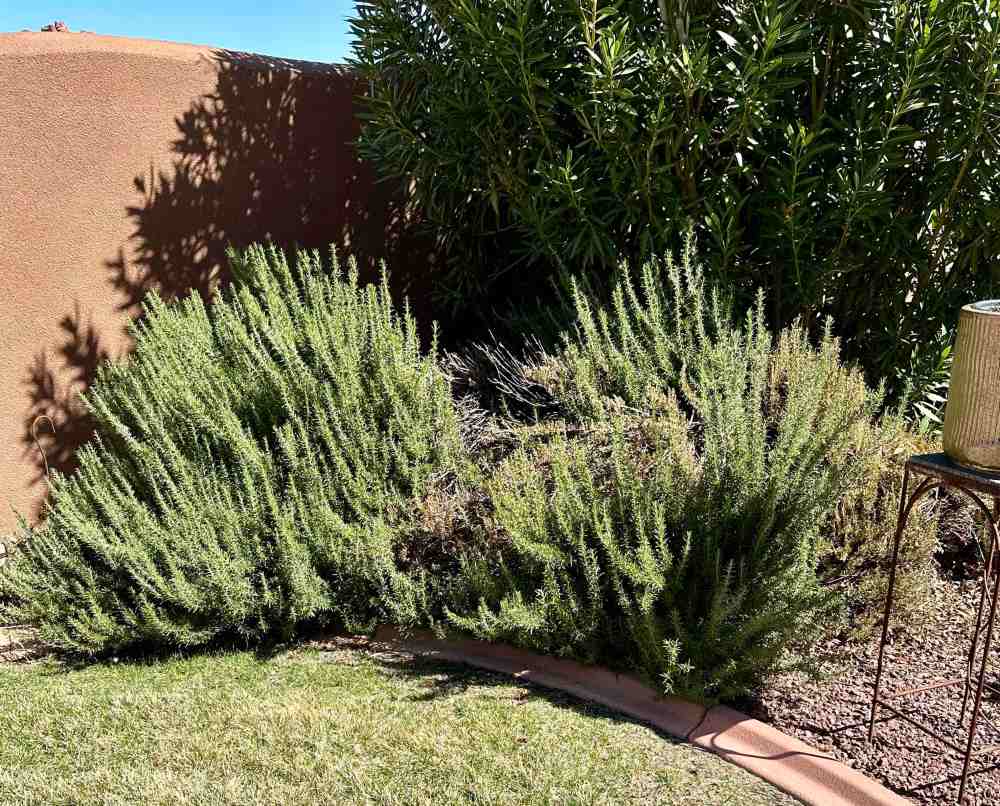
今日は庭師に大きな木の剪定をしてもらう日でした。剪定前のキョウチクトウ。 Today was the day to have the gardener prune large bushes. This is an Oleander before pruning.

剪定後のキョウチクトウです。ずいぶんスッキリして、夏を迎える準備ができました。 And this is the Oleander after pruning. It is much clearer and ready for summer.

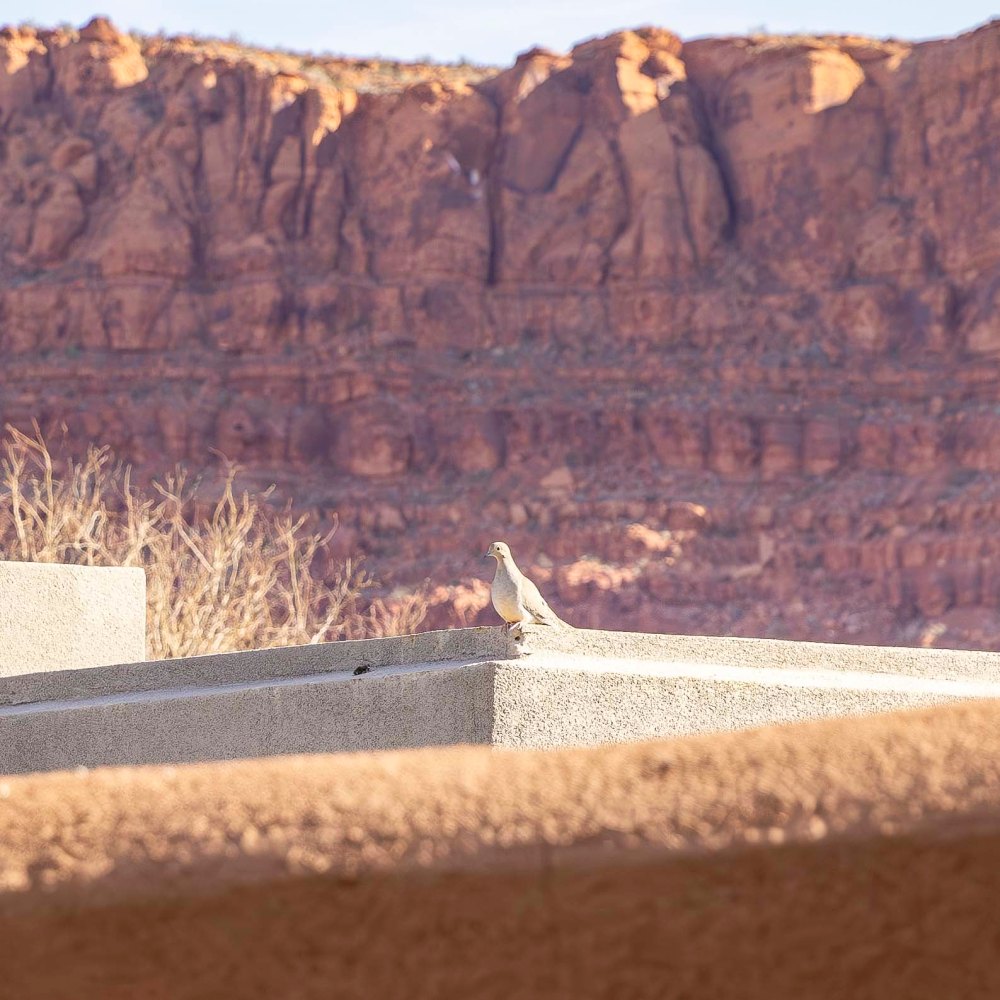
ただ、今回はちょっとハラハラしながら剪定を見守っていました。私たちだけではなく、ナゲキバトも心配そうに見守っといました。 This time, however, we were a bit nervous as we watched the pruning. Not only us, but also the dove was anxiously watching the pruning.

なぜなら、キョウチクトウの前にあるローズマリーの木の中にナゲキバトの巣があるからです。 It’s because there is a Mourning Dove nest in the rosemary bush in front of the Oleander.

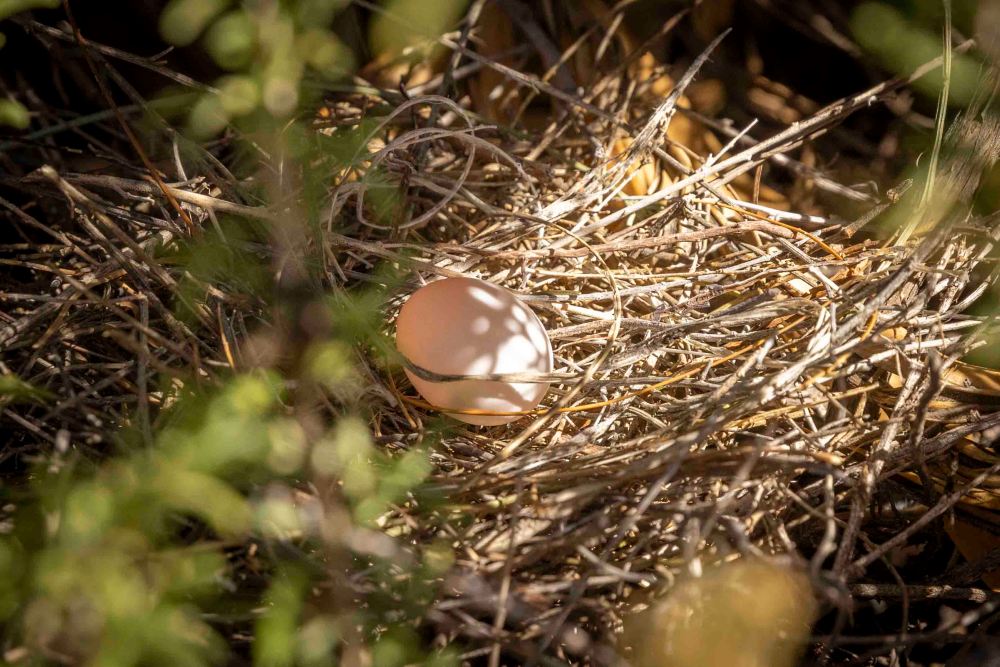
2週間前には1つだった卵が2個に増えていました。二つの鼓動、今日の危機は無事に過ごせました。これからは猛禽類に襲われないよう無事を祈るのみです。 Two weeks ago there was one egg, now there are two. Two heartbeats survived today’s crisis. From now on, we can only pray for their safety to avoid being attacked by birds of prey.

春の鼓動 Spring Pulse


裏庭の一角、ローズマリーの低木の中、卵を1つ発見しました。長さ 2.5 cm (1 inches) ぐらいの小さな卵。 I found one egg in a rosemary shrub in a corner of our backyard. It was a small egg, about 2.5 cm (1 inch) long.

2羽のナゲキバトが枯れ枝を忙しく運んでいたのをみていたので、予想はしていました。 I had seen two Mourning Doves busily carrying dead branches, so I knew what to expect.

まだパインバレー山脈の雪は溶けてないけれど、梨の白い花は咲き始めています。 The snow in the Pine Valley Mountains has not yet melted, but the white flowers of the pears are beginning to bloom.

もう、春の鼓動は激しく鼓動し始めています。ソワソワドキドキの季節が始まりました! The pulse of spring has already begun to beat fiercely. The restless season has begun!