Tag Archives: nesting

シャグロック Shag Rocks


サウスジョージア島からフォークランド諸島に向かう途中に6島の小島があり、シャグロックと呼ばれています。En route from South Georgia to the Falkland Islands, there are six small islands known as Shag Rocks.
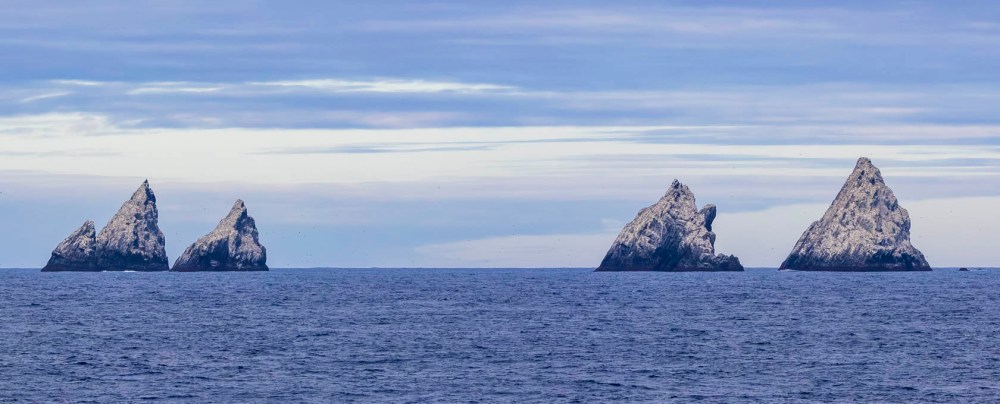
シャグは英語で鵜のことです。これらの小島にはシャグが住んでいることからシャグロックと呼ばれるようになりました。 Shag is aka cormorant. These small islands came to be called Shag Rocks because shags inhabit them.
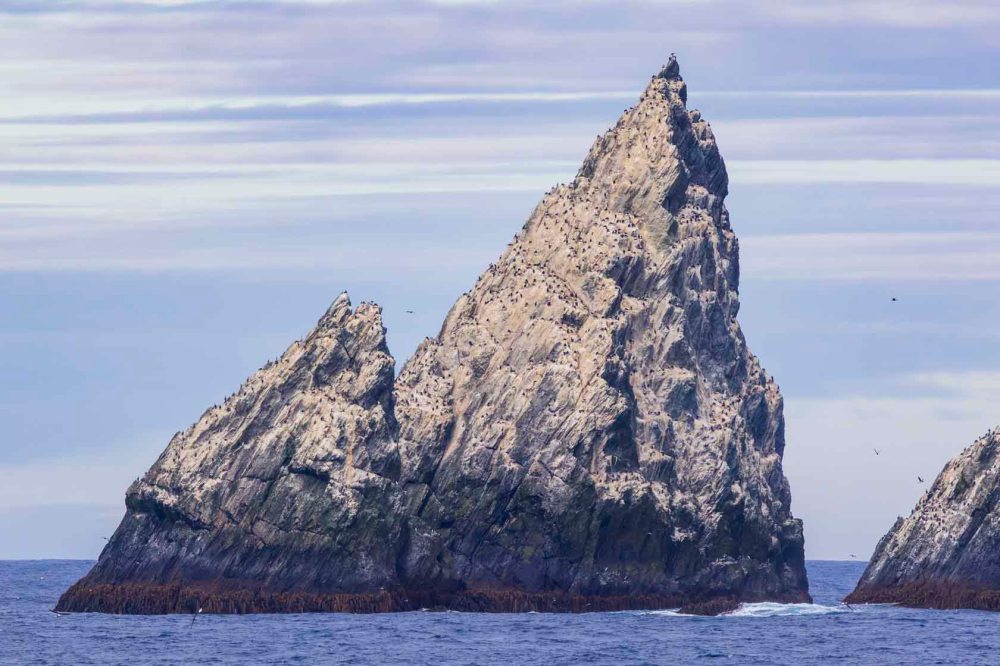
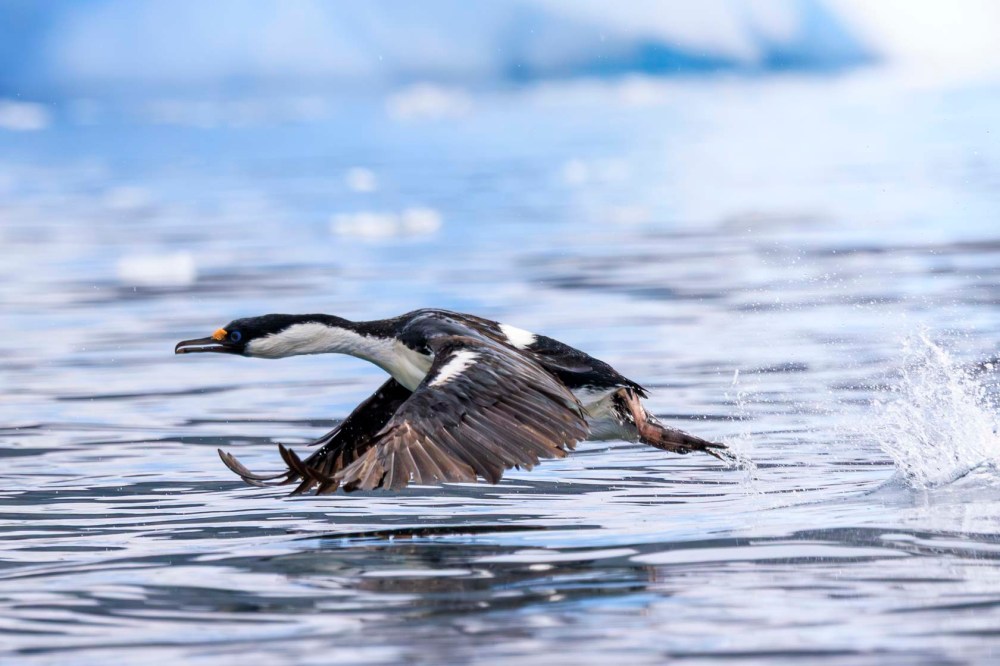
ナンキョクムナジロヒメウが岩の表面を埋め尽くしていました。 この種は南極からフォークランド諸島ぐらいまでの緯度に住んでいます。(注: 日本語ではこの鳥の名前は一つですが、英語では Antarctic Shag, Antarctic Commorant, Imperial Shag, Imperial Commorant, Blue-eyed Shag など、多くの名で呼ばれていますが、すべて同じ鳥です。始めは混乱しました。) Antarctic Shags covered the rock surface. This species inhabits latitudes from Antarctica to the Falkland Islands. (Note: While this bird has a single name in Japanese, it is known by many names in English – Antarctic Shag, Antarctic Cormorant, Imperial Shag, Imperial Cormorant, Blue-eyed Shag – all referring to the same bird. I was initially confused.)
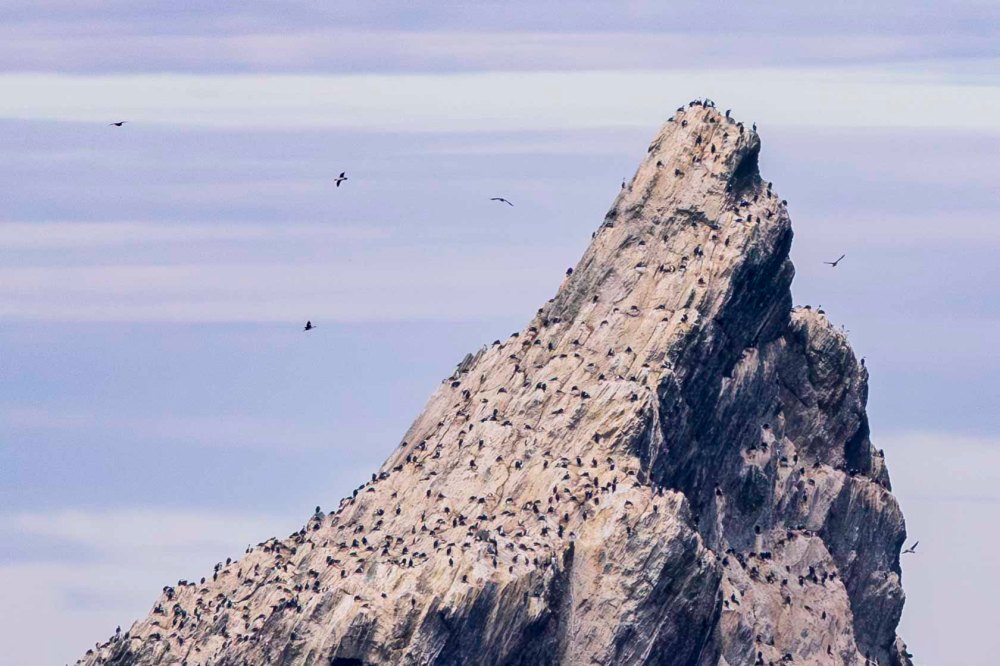
南極初日に雪の中、この鳥とペンギンと間違えて以来、行く先々で数千枚もの写真を撮って来ました。それにしてもこの量は圧巻です。 Ever since mistaking this bird for a penguin on my first day in Antarctica amidst the snow, I’ve taken thousands of Shag pictures wherever I’ve gone. Even so, this sheer volume is truly impressive.
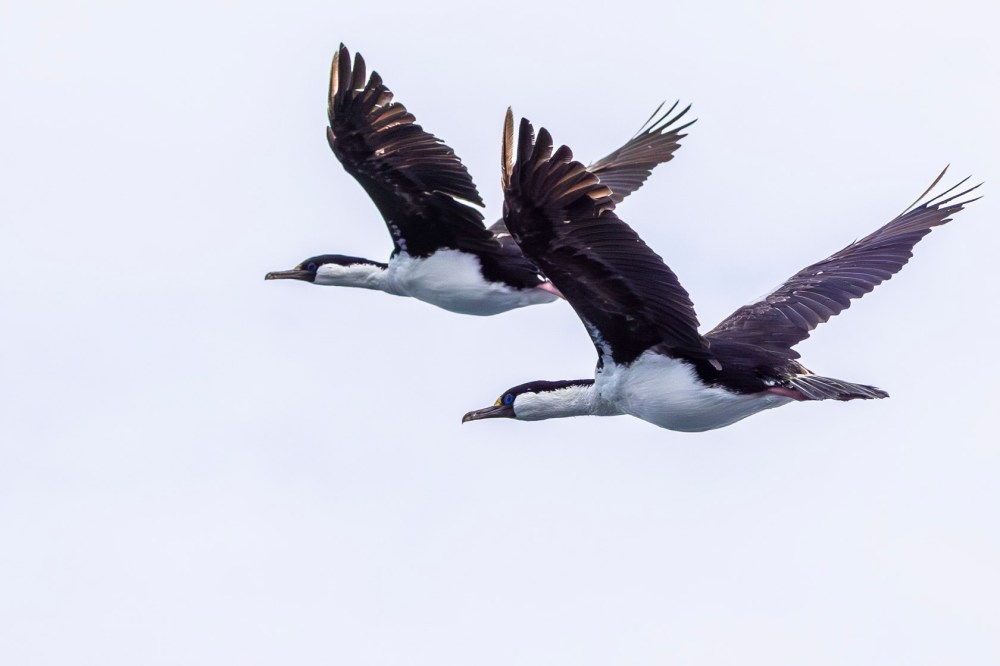
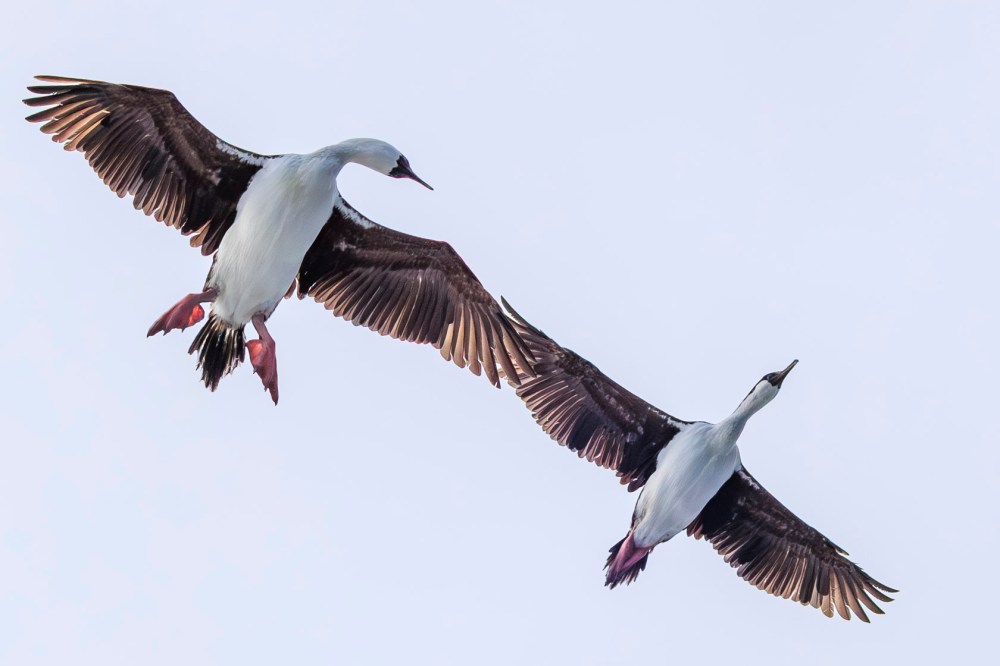
船の甲板に出ると、大量のヒメウが上空を飛んでいました。その量の多さに圧倒されました。 Upon stepping out onto the ship’s deck, I was overwhelmed by the sheer number of shags overhead.
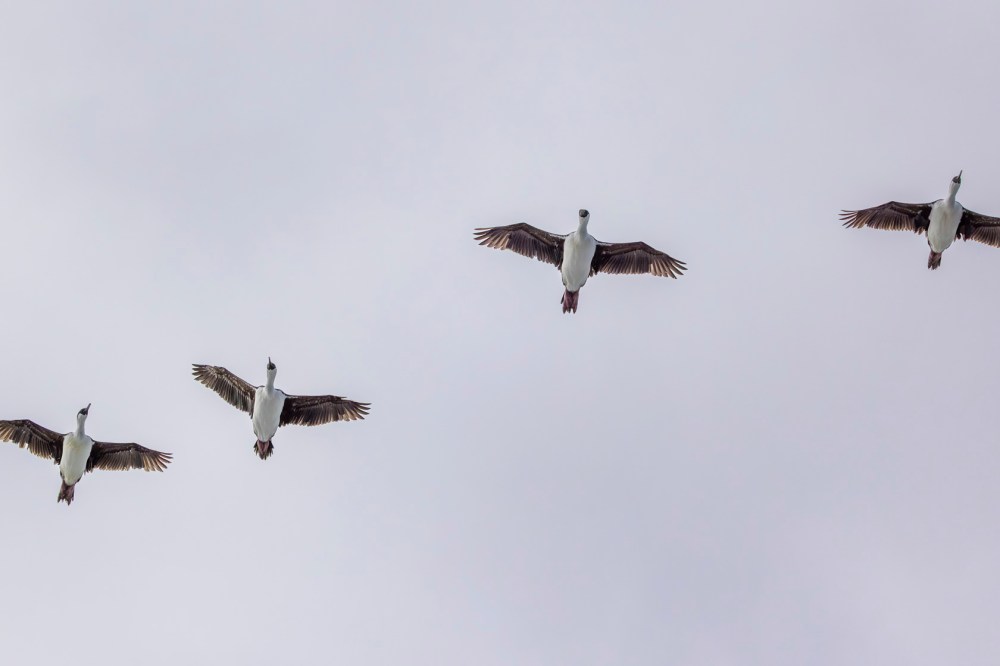
その中の数羽は船の上に舞い降りて来そうでした。 Some of them seemed poised to alight upon the ship.
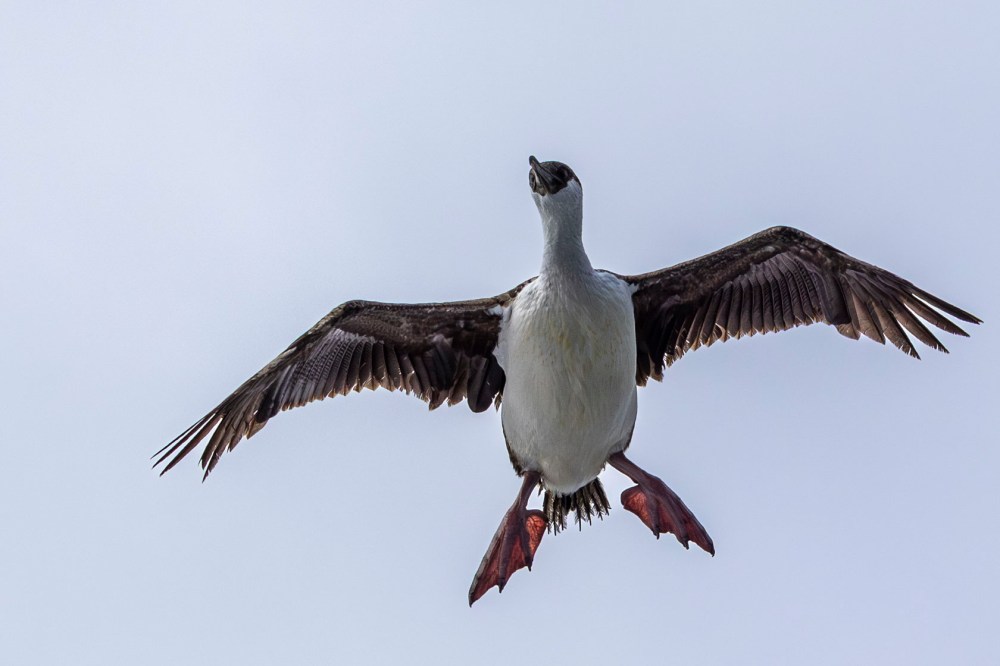
そのおかげで真下から飛ぶ姿を観察することができました。 Thanks to that, I was able to observe it flying from directly below.
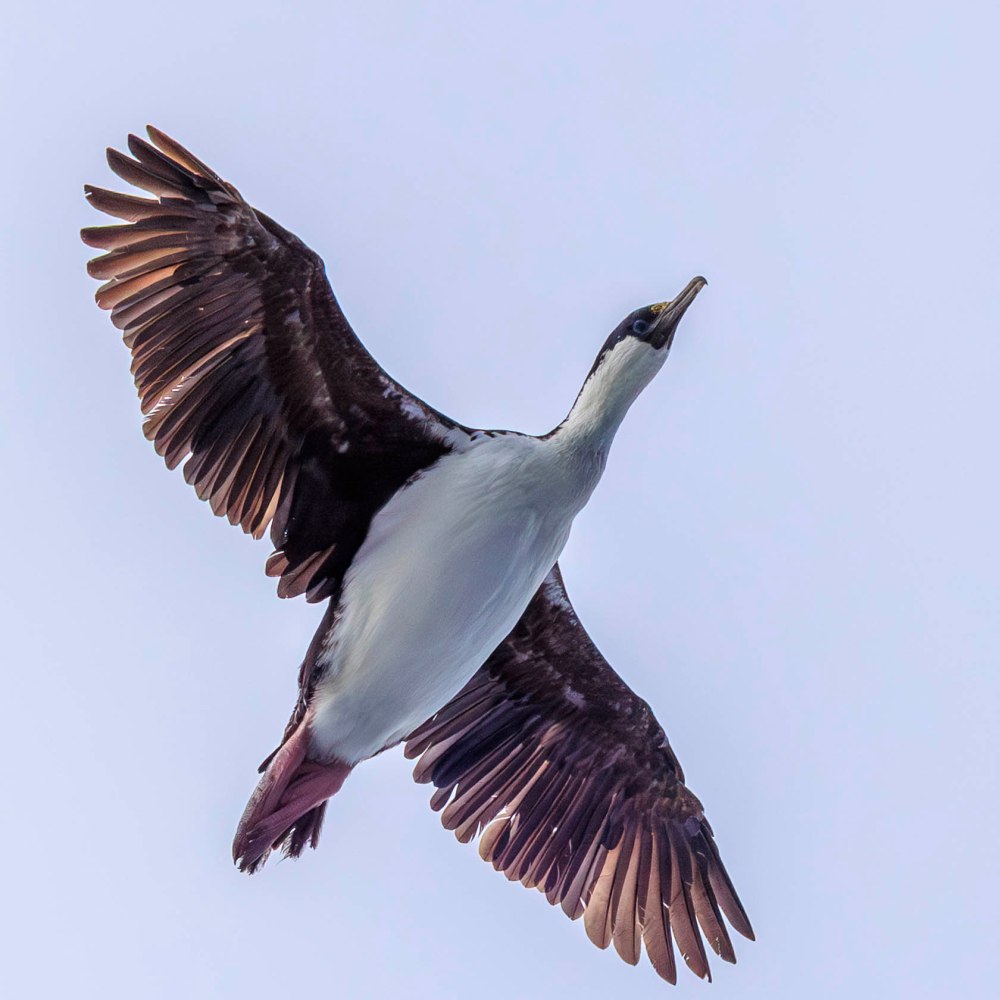
こちらはヒメウが海面に急降下する直前の姿です。そのあとは追いきれませんでした。 These shots below are the moment just before the Shag dives steeply towards the sea surface. After that, I couldn’t keep up.
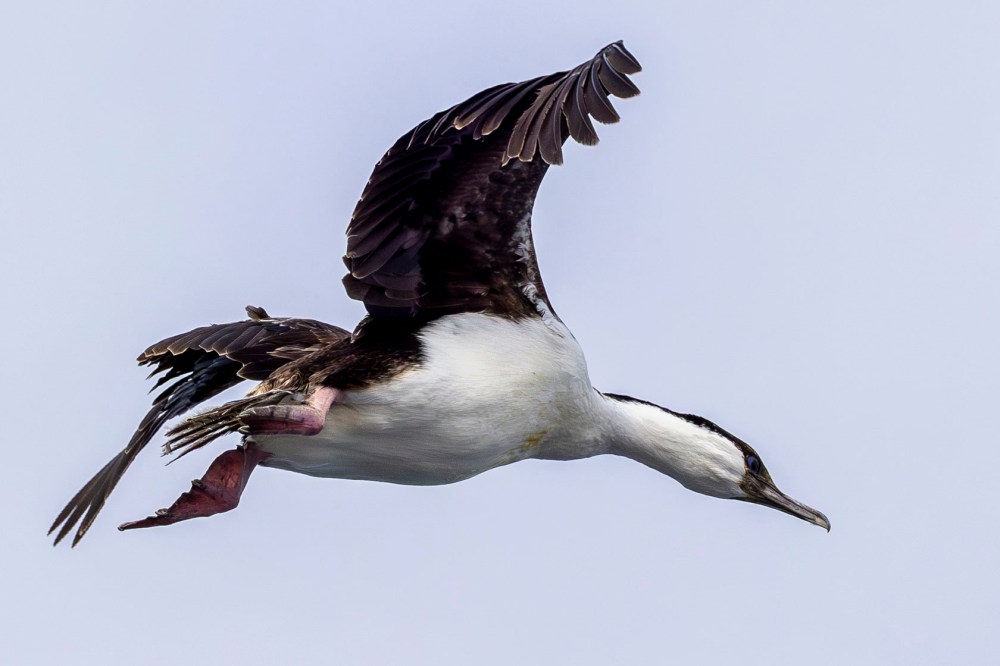
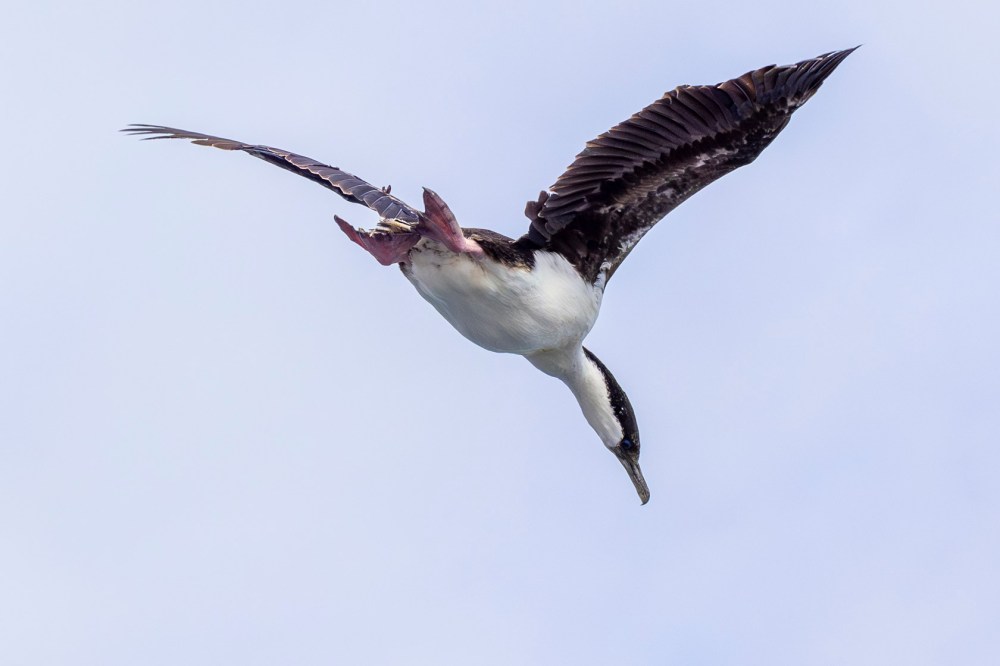
こうして海中深くまで潜り魚を捕まえます。 This is how they dive deep into the sea to catch fish.
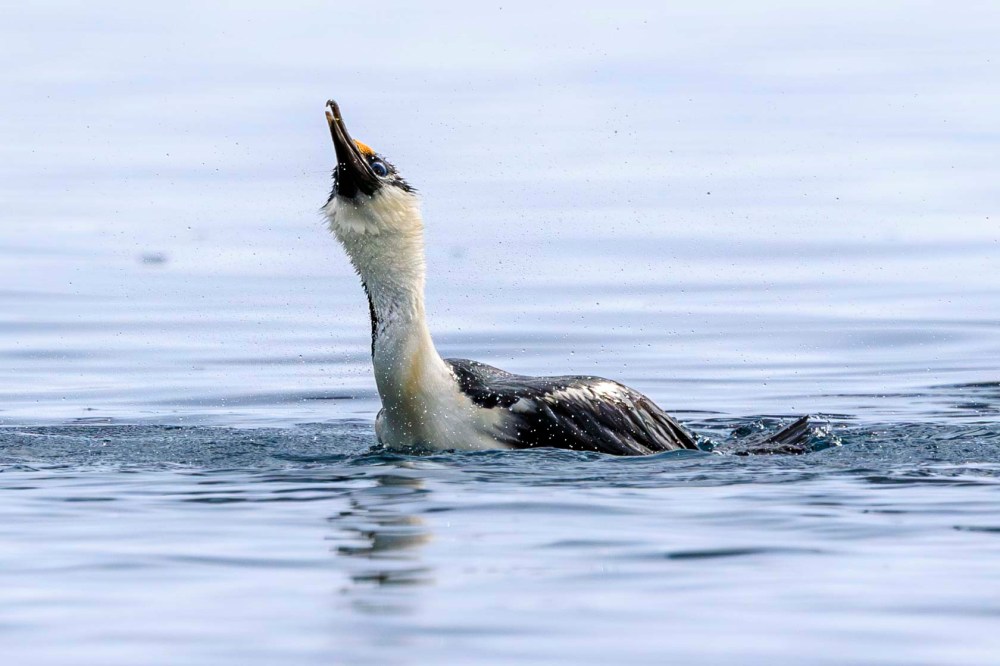
南極のナンキョクムナジロヒナウ Antarctic Shag at Antarctica

野生動物の行動を観察するのは本当に楽しいですね。 Observing wildlife behavior is truly delightful.
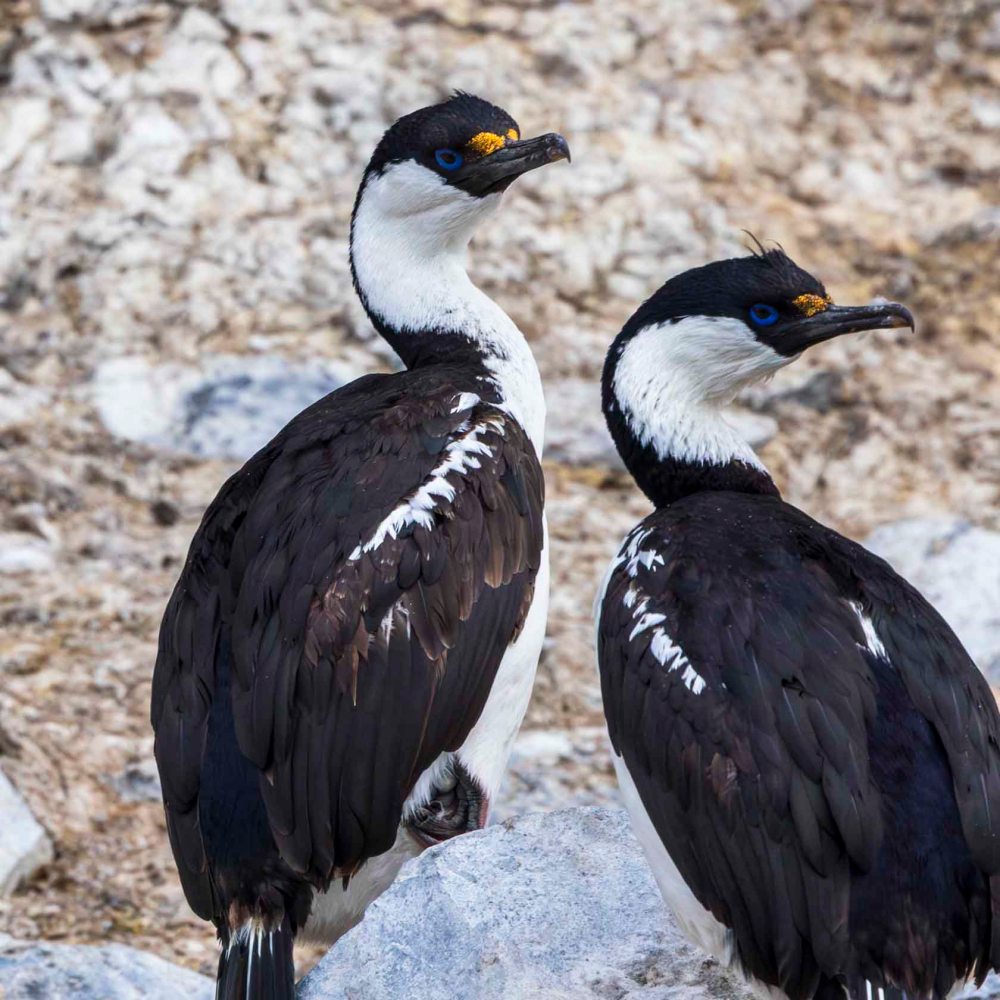
ところで、近くから観察できたおかげで気がついたことがありました。ナンキョクムナジロヒメウの目は青いのだと思っていました。遠くから見るとそう見えるんですね。 On another note, observing them up close revealed something I hadn’t realised before. I’d always thought the eyes of the Antarctic shag were blue. It turns out that’s just how they appear from a distance.
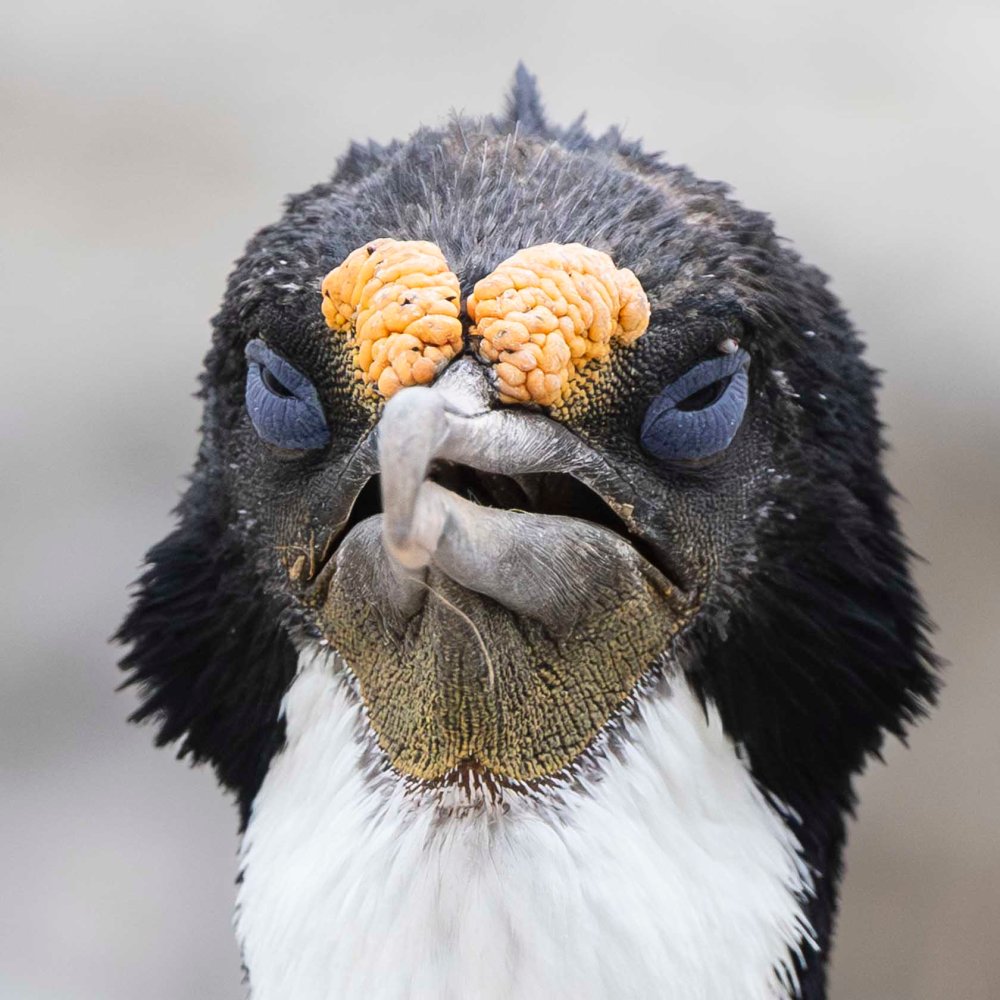
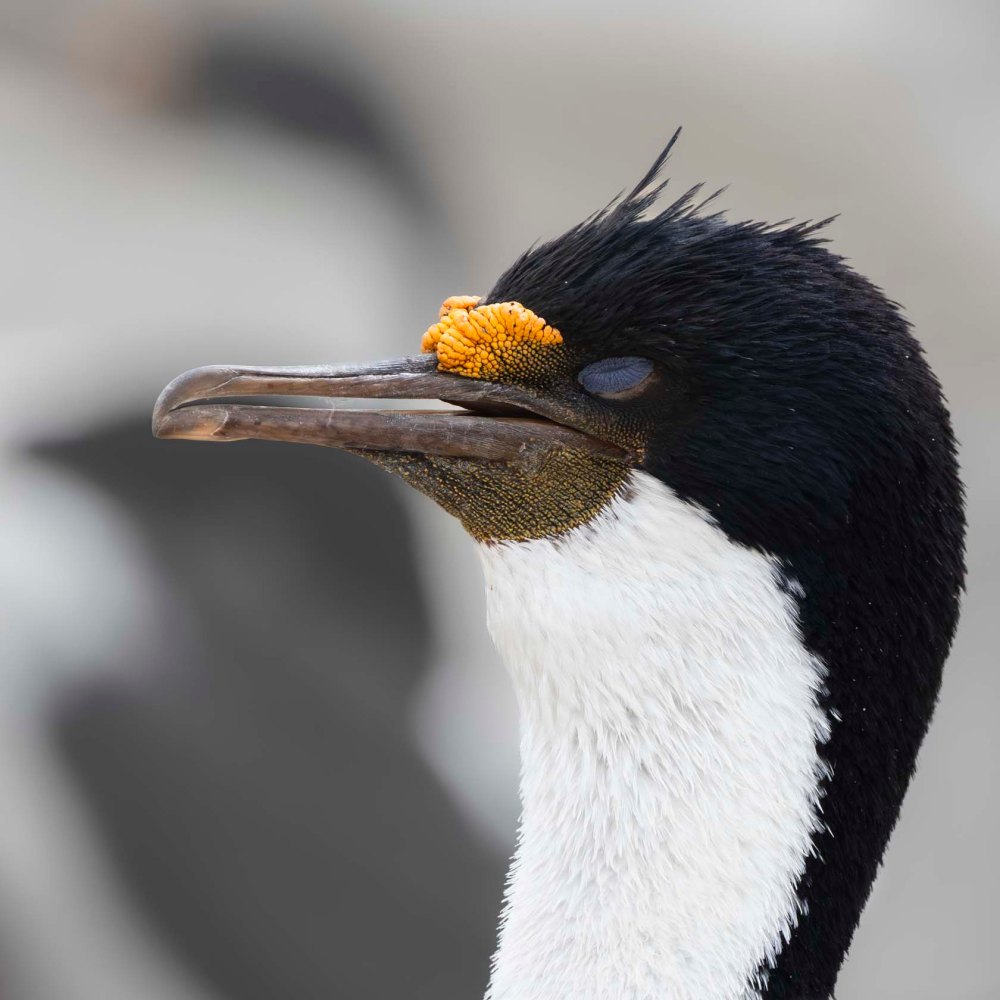
こちらの写真は、お昼寝最中のナンキョクムナジロヒメウですが、目を閉じていても青い。ということは、青い部分は目の周りにある皮膚なんですね。 These photographs show Antarctic shags in the midst of their afternoon nap, yet even with their eyes closed, it appears blue. This indicates that the blue colouration is actually the skin surrounding the eyes.
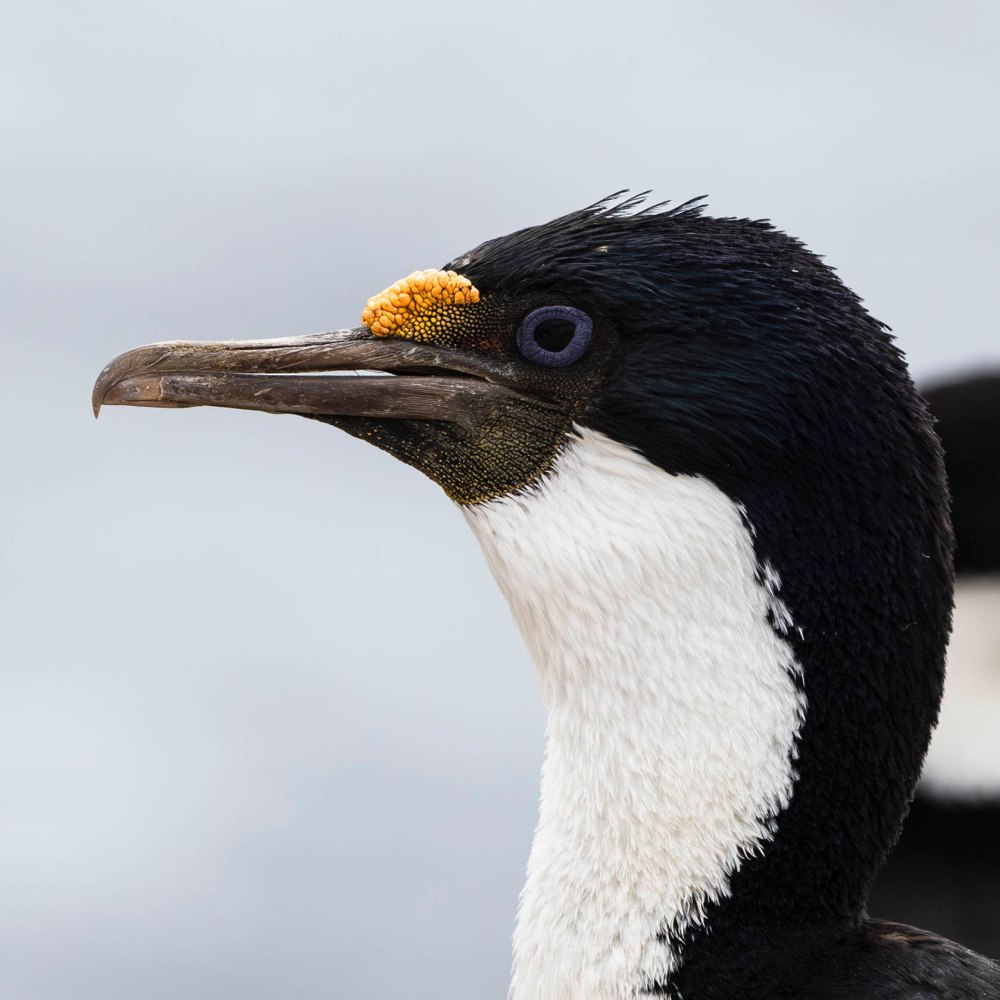
この角度が一番いいですね。This angle is the best.

場所は変わってフォークランド諸島、例のシェアハウスの光景です。 The scene shifts to the Falkland Islands, back to that shared house.
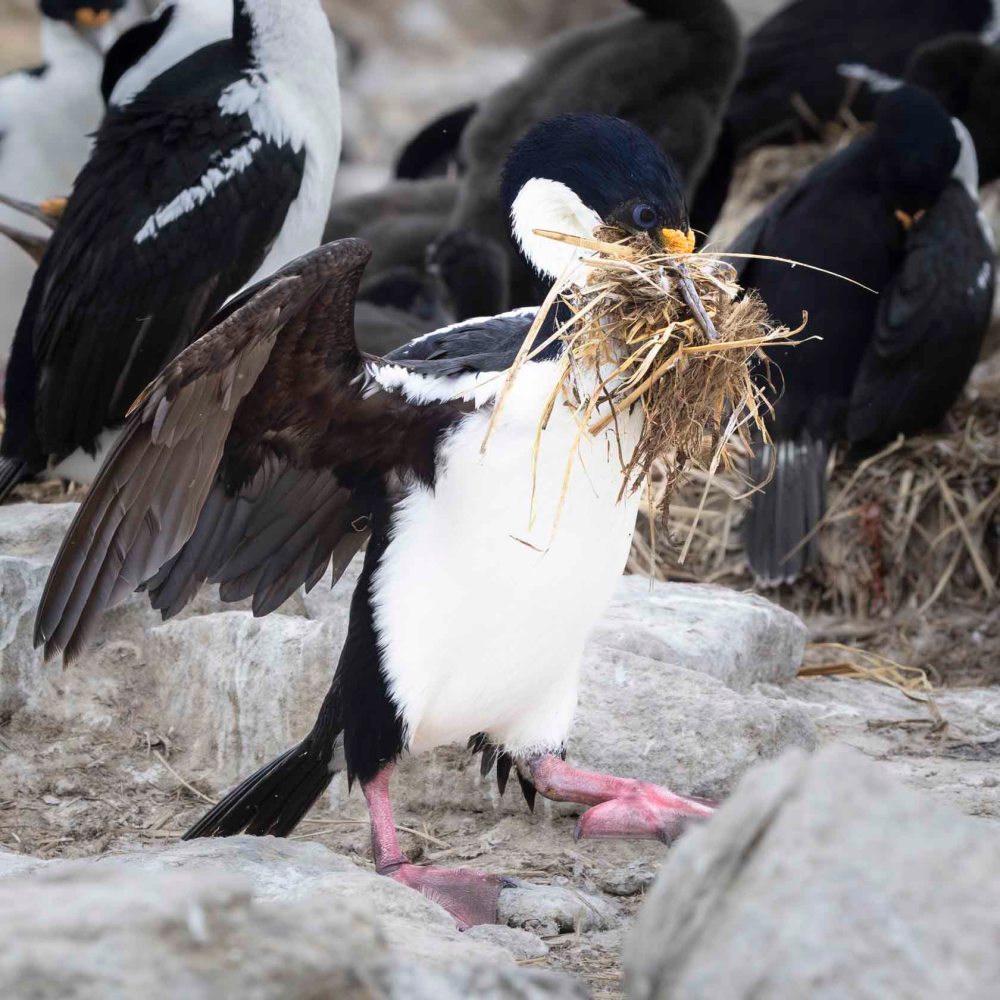
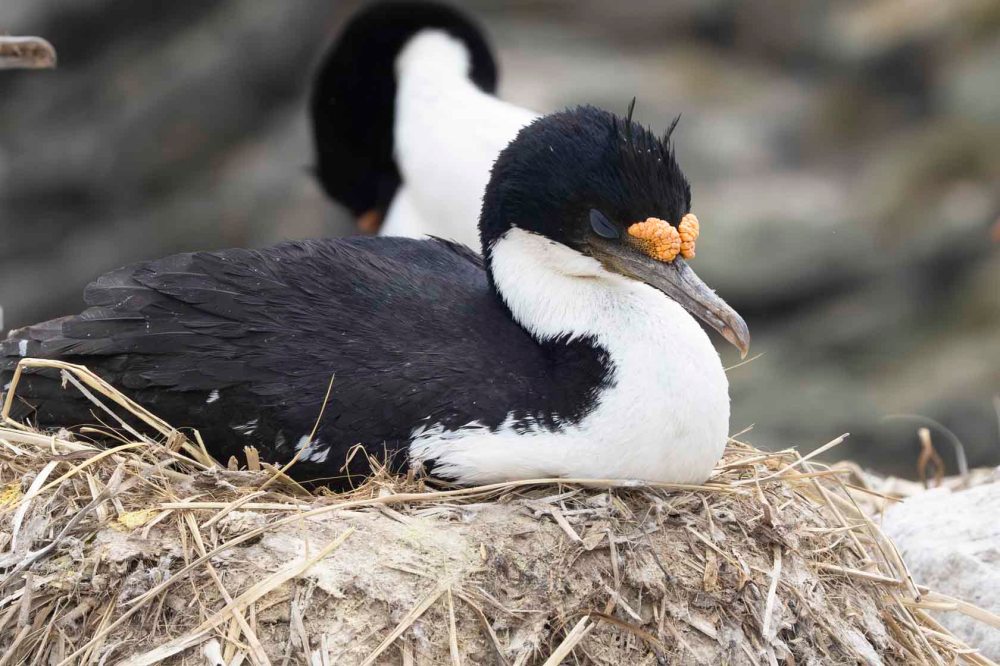
まだ巣作りをしている最中のヒメウや、まだ卵を温めているおかあさんがいました。 There were Antarctic shags still busy building their nests, and mothers still brooding over their eggs.
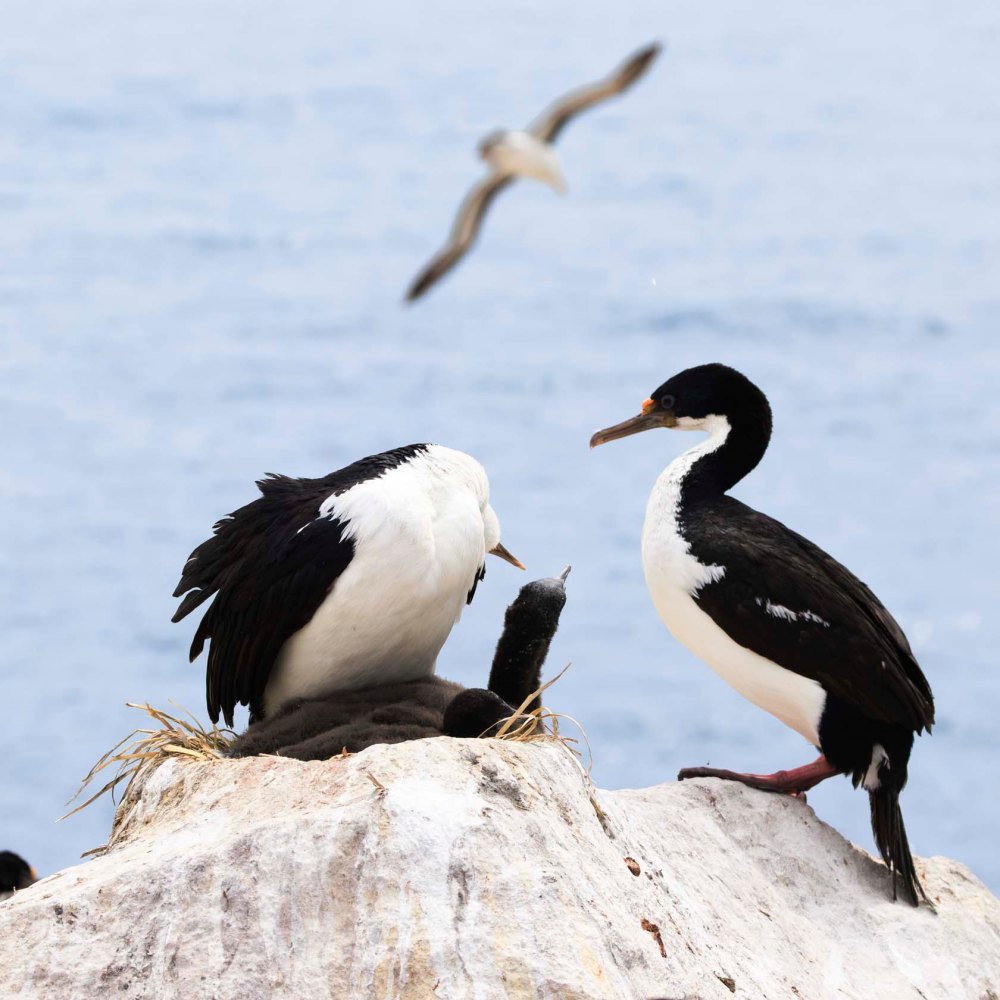
こちらはすでに孵化したヒナの世話をするヒメウたちです。 These are the Shags tending to their already hatched chicks.
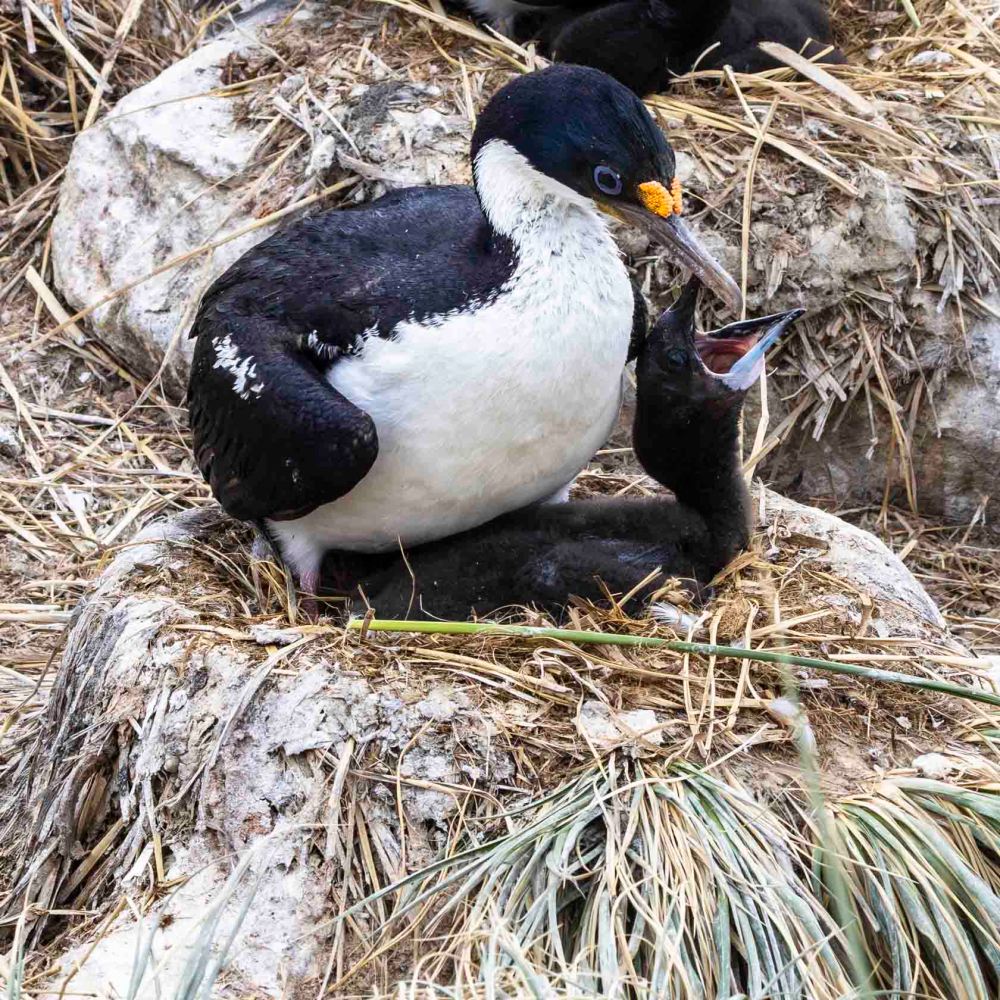
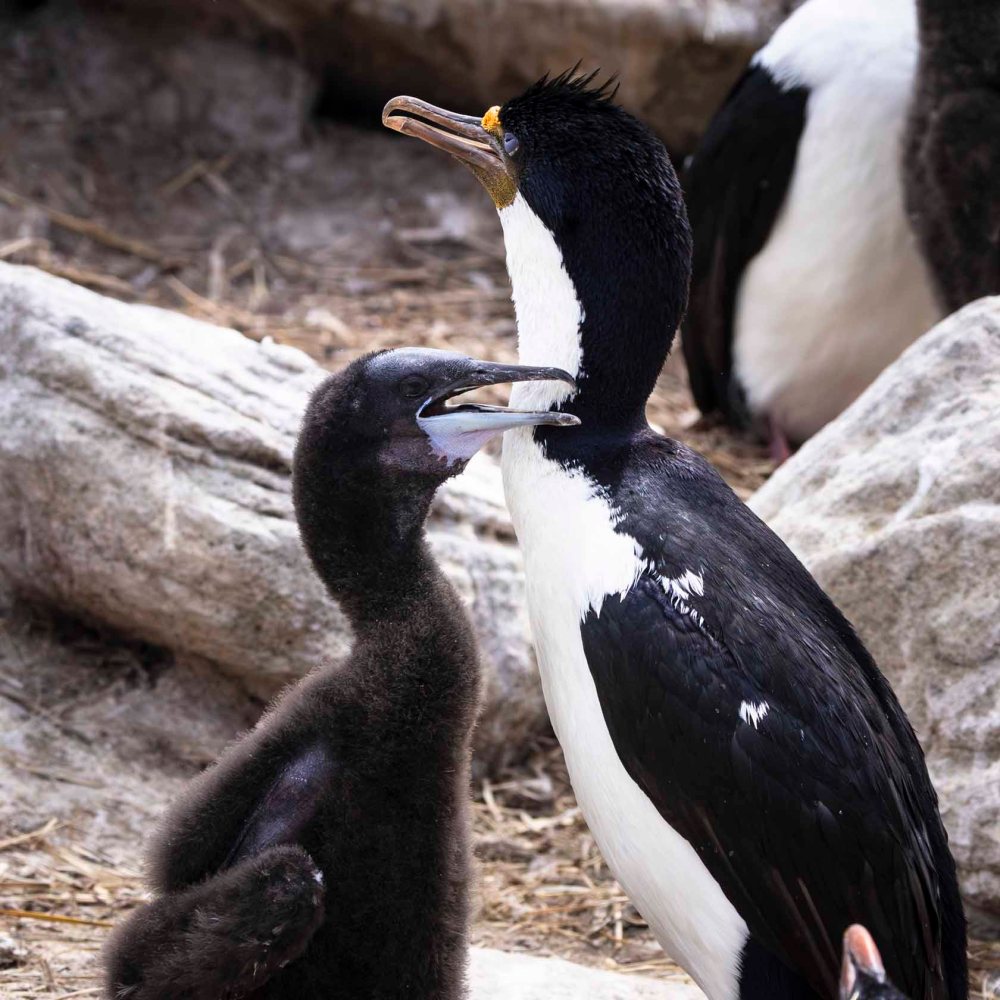
ナンキョクムナジロヒメウのヒナは羽毛が全く生えていない状態で生まれてきます。上の写真を見ると、フワフワの羽毛が生え揃っているようですが、頭にはまだ生えていないことがわかります。生まれてから3週間ぐらいで生えそろうそうです。その間、寒さで死んでしまわないようにお母さんヒメウがずーっと座り続けて温め、お父さんヒメウはせっせと餌を運んでくるということらしいです。 The chicks of the Antarctic shag are born completely featherless. Looking at the photo above, it appears they have grown a full set of fluffy feathers, but you can see their heads are still bare. It is said that they take about three weeks after hatching for their feathers to fully grow in. During this time, the mother shag apparently sits constantly to keep them warm so they don’t freeze to death, while the father shag diligently brings them food.

早く空高く飛びたいと願うのは雛鳥だけじゃなく、親鳥も同じ。でも、羽毛が生え揃ったらすぐ巣立ちするということです。ふーん、なんだか短すぎる気がしますが、同時に野生動物の逞しさを感じます。 Chicks aren’t the only ones eager to soar high in the sky; their parents feel the same. Yet, once their feathers are fully grown, they leave the nest immediately. Hmm, I can’t help but feel it’s all rather too brief, yet at the same time, I sense the resilience of wild creatures.
黒いワシ Common Black Hawk


巣作りをしている黒いワシ (Common Black Hawk 日本語名はわかりません。)を目撃しました。 We found a nesting Common Black Hawk.

中南米に行くと見られるそうですが、アメリカ合衆国内ではほとんど見られないレアな鳥です。 It is a rare bird that is rarely seen in the United States, although it is said to be seen in Central and South America.

川沿いのコットンウッドの林の中に巣が作られていました。 The nest was built in a cottonwood grove along a river.

明日、もう一度見に行く予定です。もっといい写真が撮れることを期待します。詳しい記述はこちらを参照してください。 Common Black Hawk We plan to go back tomorrow to see it again. Hopefully I will be able to get better pictures. For a detailed description, please click here. Common Black Hawk

出産場所 A Place To Have Babies


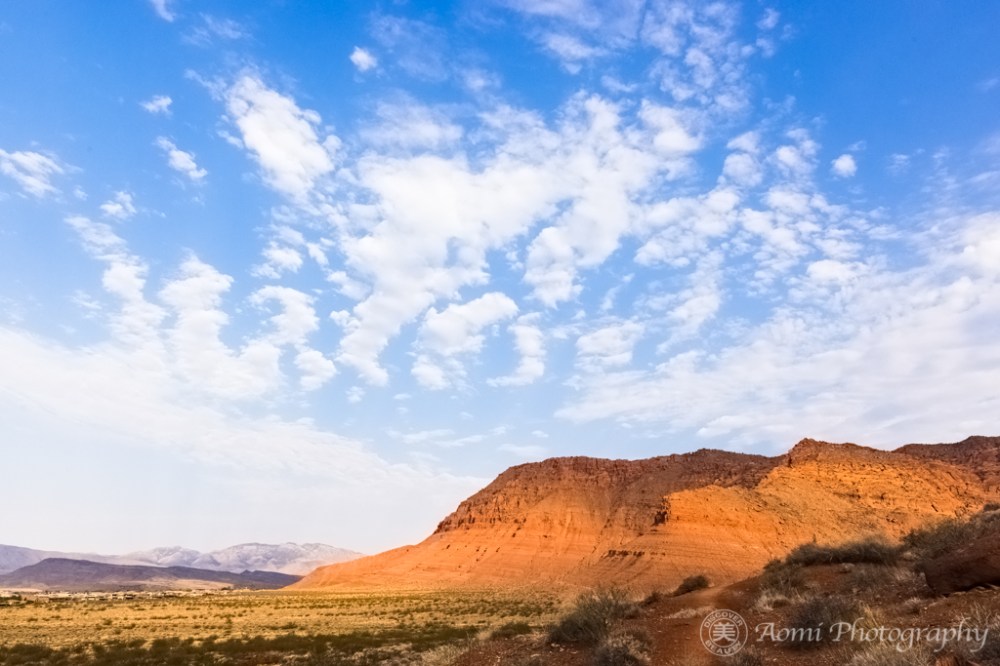
今朝のハイキングより。A view from a hike this morning.

こんにちは!暑くても、早朝なら気持ちがいい。そんなこの頃です。Hello! It’s still hot but rather pleasant in the early morning these days.

さて、今日の話題は「自然の流れに従おう」という事です。Today’s topic is about “Surrendering to the flow of nature.”

今年は、裏庭でズアカカンムリウズラの赤ちゃん達が11羽産まれました。私たちはワクワクしながら成長過程を見守りましたが、結果として、最終的に1羽になってしまいました。これが自然界の現実なんでしょうか。少し罪悪感を抱いてます。裏庭はウズラ達にとって安全そうで、実は双刃の剣だったんじゃないかって思うんです。Eleven Gambel’s quail chicks were born in our backyard this year. We were so excited and we watched over them for their safety, but only one survived to fledge. Is this the real nature’s way? To tell the truth, I feel a bit guilty because we kept chicks in the backyard. We thought it’s safe for them, but it could be like a double-edged sword.

なぜなら、水と食べ物がすぐそばにあるけれど、塀という安全そうな囲いのお陰で逃げたい時に逃げられない。4本足の動物からは身を守れそうだけど、実はボブキャットなんか簡単に入ってこられる。We provided food and water, and a space surrounded by a fence. I thought they were safe in there but, at the same time, they couldn’t run away from intruders like a bobcat. But even the bobcat cub could jump over the fence.

ウズラのお母さん、出産場所選びは大変ですね。ちなみに、私はまだウズラ達の産まれた巣が何処なのか知りませんでした。裏庭のどこ? It must be so hard for a quail mom to find a safe place to lay her eggs. By the way, I didn’t know where the nest was until now.

そこで、うずらの巣を探してみると、So I looked for it…

あった! And I found it.

リビングルームの窓のすぐ側のボックスウッドの中にありました。The shells were deep in the boxwood by the living-room.

・・・フーム・・・どうしよう・・・ …. hmmm … what can I do …

やっぱり、ウズラは自然の中で育つ方がいい。私の出した結論です。 My conclusion after thinking for a while was this: It’s best that Quail chicks grow up in the natural environment.

ならば後は行動あるのみ。まさか塀を取り除く事はできないので、ボックスウッドをプードルのコンチネンタルカット風にしてしまいました。これでこの低木の中に巣を作る事はできなくなったと思います。 Well then, I cut the boxwood like a poodle’s continental cut. It’s much easier than removing the fence. With this, quails can’t make nests in there.

ウズラのお母さん、来年はどうぞ別の場所で強く逞しい子供を育てていってくださいね。Quail mom, please find an ideal place for your next batch, outside of our backyard next year.

春の別荘 – Second House for Spring


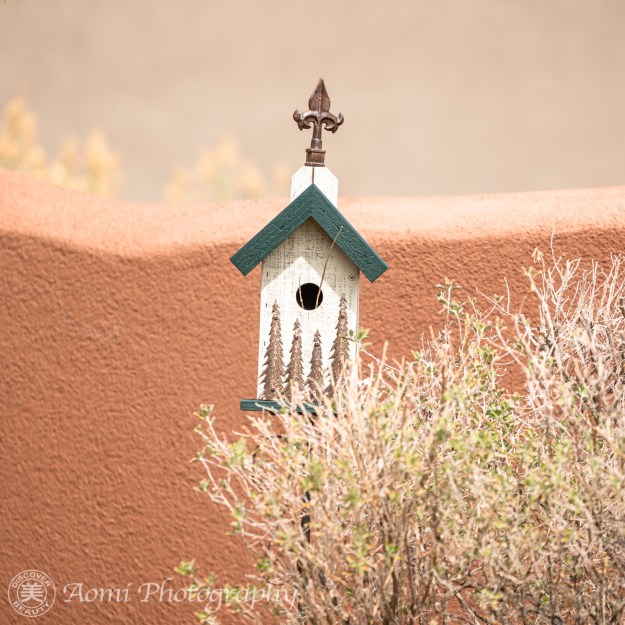
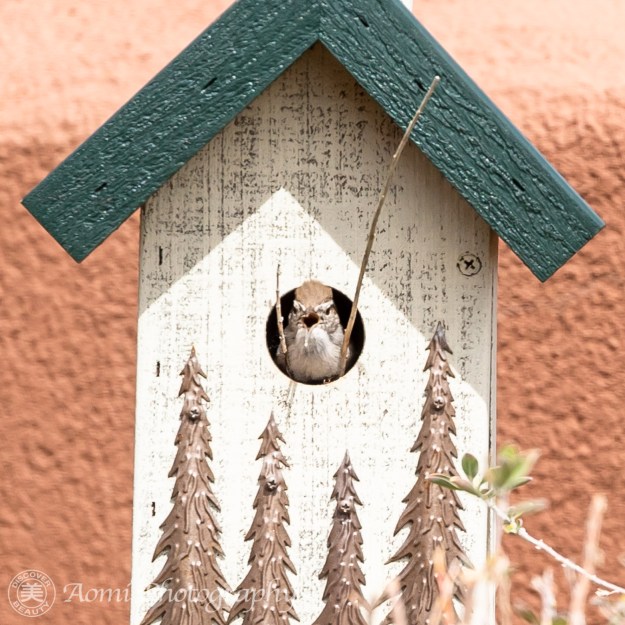
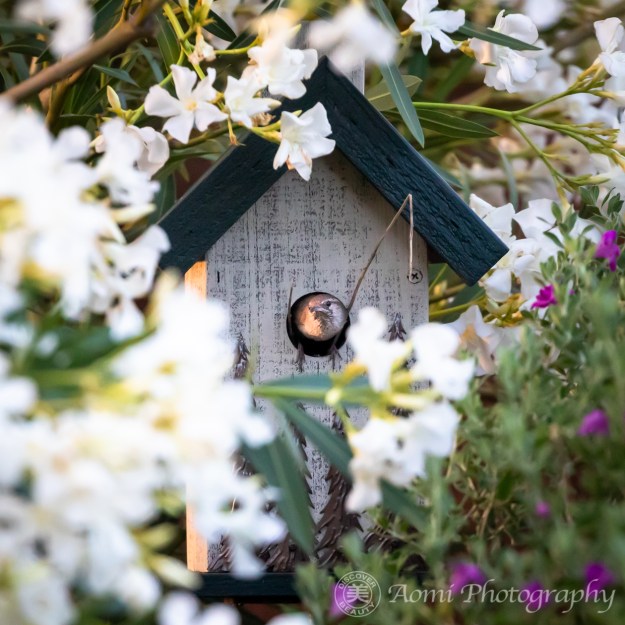
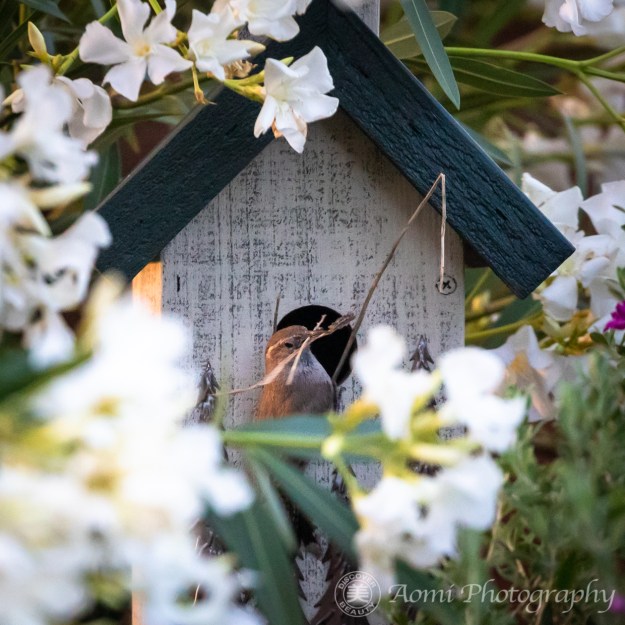
これが春の別荘です。- This is the second house for Spring.

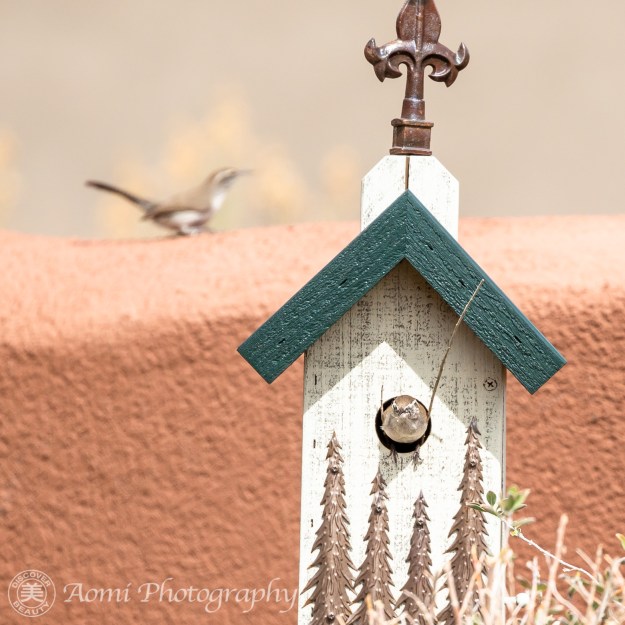
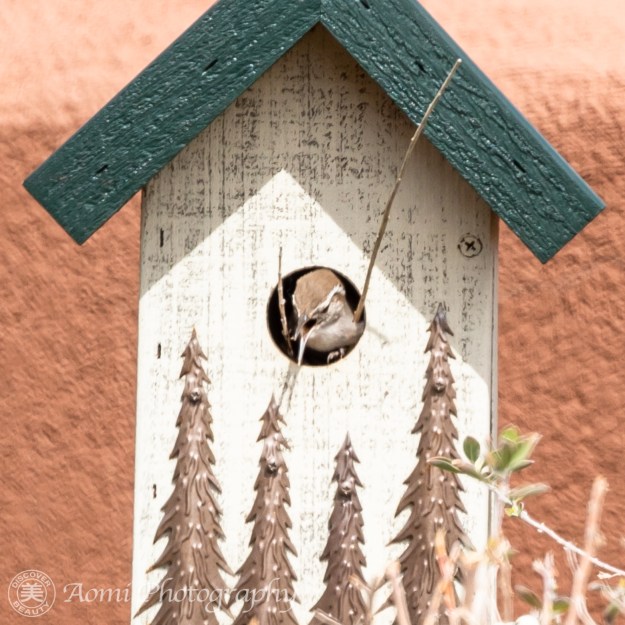
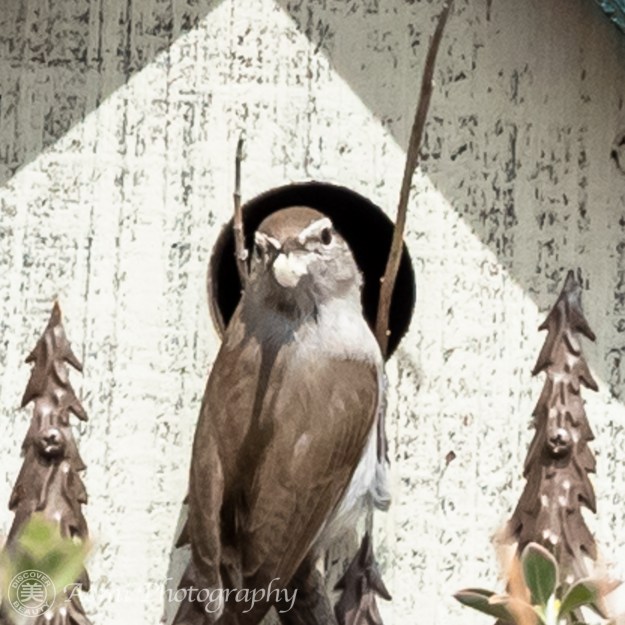
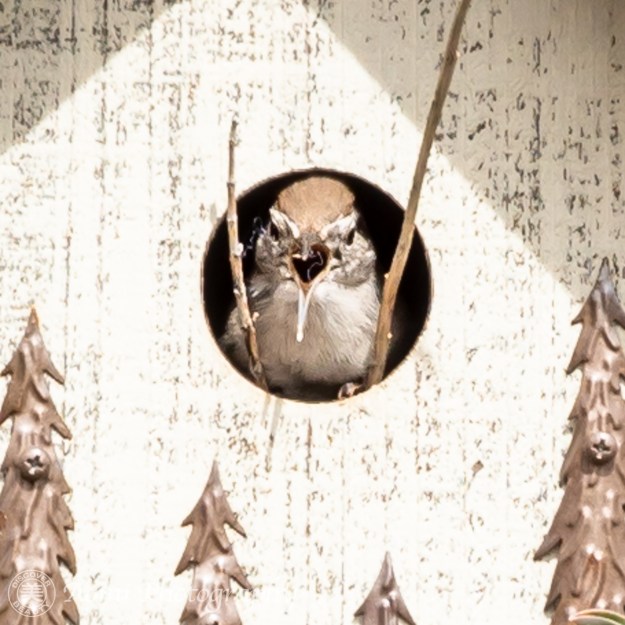
ここで産卵予定のシロハラミソサザイのご夫婦です。 – This is the Bewick’s wren pair who decided to lay their eggs here.

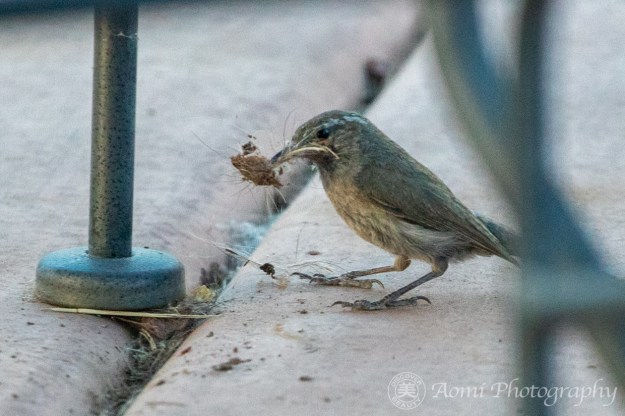
「そう、それそれ、早く持って来て!」と奥さん。”Yes, that’s it.  Bring it up here quick!” said the wife.

「フカフカ綿毛を見つけるのは、結構大変なのわかってくれてるのかなぁ。」と、ご主人。- “I am not sure if she knows how hard it is to find fluffy fuzz-balls like this.” said the husband.

「はい、これでいい?」 – “Does this work?”

「産卵準備は本当に大変。もう時間あまりないの。」と、奥さん。”Nest making is a huge project for us.  We don’t have much time left.” said the wife to me.

「それは大変。ストレス溜まっていそうですね。顔の周りや、口の中まで綿毛が付いてますよ。少し休む時間があるといいですね。」と、私。- “That sounds tough.  You look quite stressed.  A few strings of fuzz are around your face and inside your mouth.  I hope you have time to rest a little.”


君だったんだ、ミソサザイ


明日からしばらく楽しくなります。多分、Wren ミソサザイ

一瞬、ロードランナーの赤ちゃんバージョンかと思うほど地面の上を素早く走ったんです。当然、あまりの早さに何者かは確認できず、慌ててカメラを取りに行きました。

その後、観察していたら、なんと巣箱に入って行った!

嬉しいなー!!!

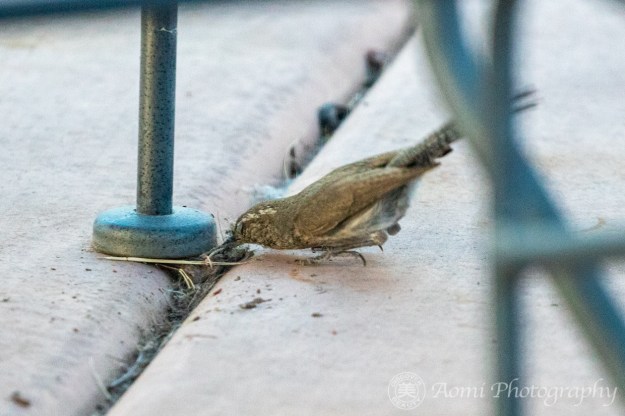
こんな風に巣作りの材料集めをしていたんですね。一生懸命巣作りをしていました。

こちらがビデオ。長い枝を頑張って持って来たのに入らない。挙げ句の果てに落としてしまうところ。ちょっと心が痛みます。

巣作り


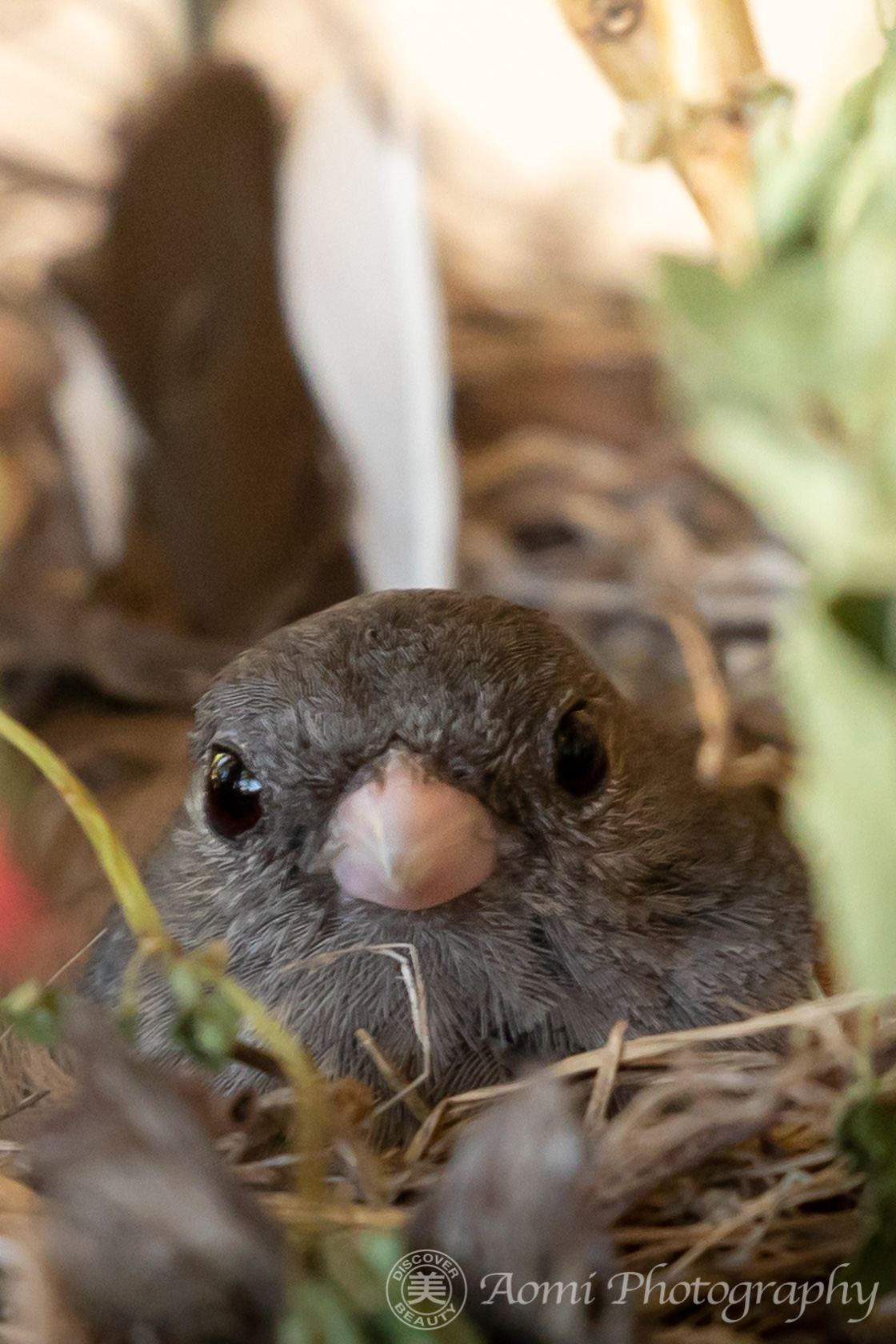
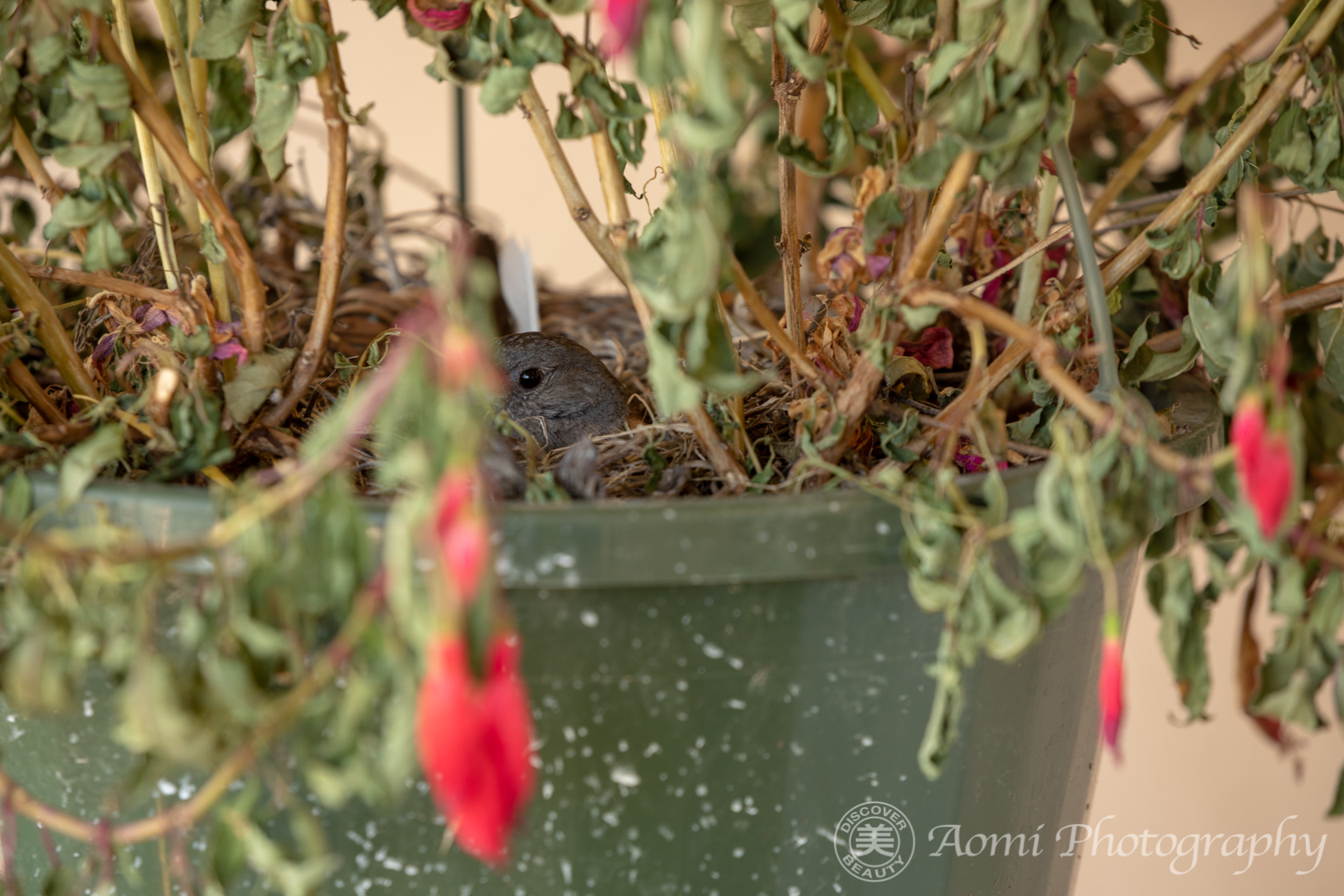
ばんちゃんのお母さんから、花に水をあげられないと電話があった。「なぜ?」を探しに行って見たら、小鳥が座っていた。20180603-IMA_3962.jpg

遠くから400mmで驚かさないように撮ってみた。尾から鳥の種類を識別したいんだけど、よくわからないなぁ。まーいいっか。20180603-IMA_3960.jpg

花はこの通り、枯れてしまったけど、小鳥の孵化は間近のはず。20180603-IMA_3963.jpg

書きたいことがたくさんある。でも、なかなかできない。

溜まりにたまって4000枚以上の写真を処理しなければいけないから、それだけでグ〜〜と伸びた。だから、その前にちょっと、鳥で息抜きね。