Tag Archives: eggs

ナンベイタゲリ Southern Lapwing


ブエノスアイレスから南アメリカ大陸の最南端、ウシュアイアに辿り着きました。ラッキーなことに、グレイシャーには歩いていける距離のホテルに泊まることができました。部屋からの眺めの写真です。窓越しなので質が悪いですが、雰囲気は伝わると思います。 We’ve made it from Buenos Aires to Ushuaia, the southernmost tip of South America. Luckily, we found a hotel within walking distance of the glacier. Here’s a photo of the view from our room. It’s not great quality through the window, but I hope you get a sense of the atmosphere.
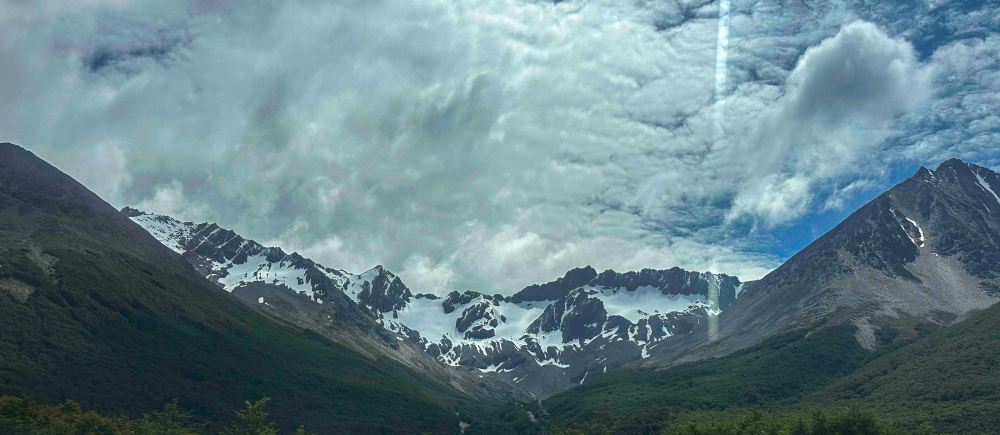
また、周りの山も海も眺望できる素晴らしいところでした。 It was also a wonderful spot with views of the surrounding mountains and sea.
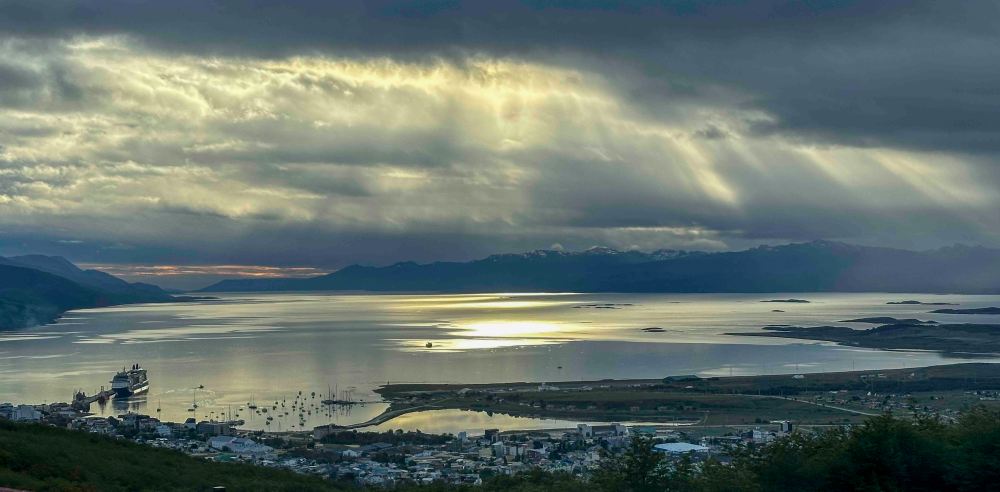
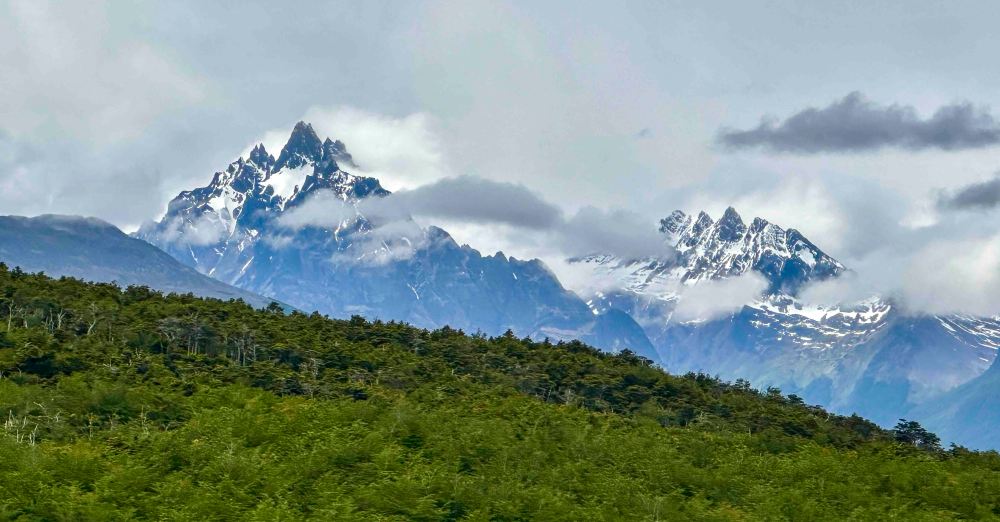
でも、それ以上にここで出会った2羽のナンベイタゲリは、毎日お互いに様子を伺い合う関係となりました。(私が勝手に思っていただけですけど。) But more than that, two Southern Lapwings we met there and developed a relationship where we checked on each other every day. (Though that was just my own imagination.)
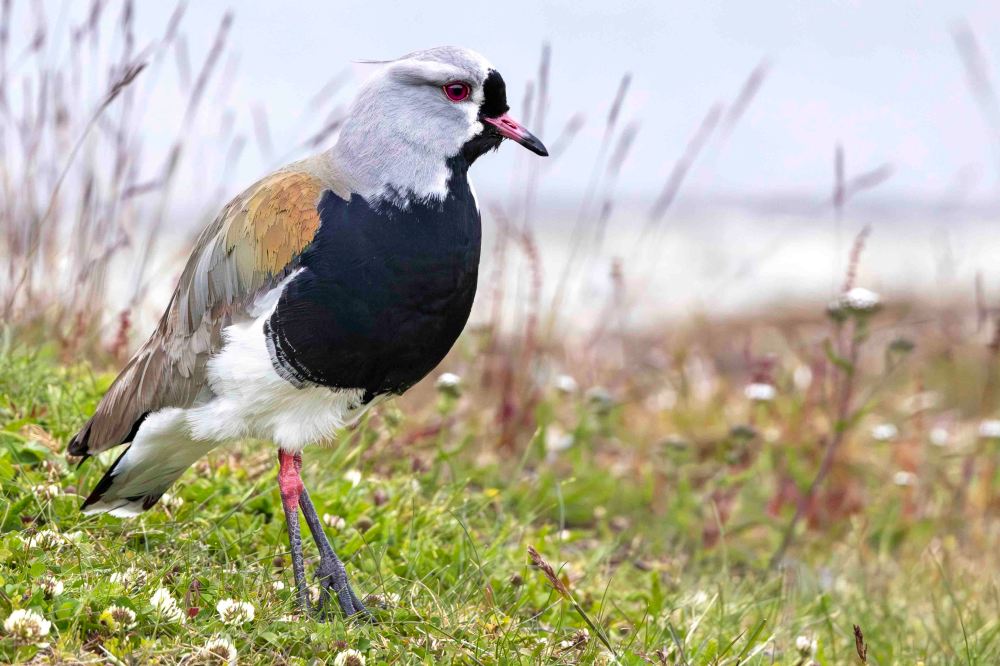
ホテルの敷地内を散策していると思ったら、なんと、卵を温めていたんです。 I thought they were just strolling around the hotel grounds, but lo and behold, they were incubating their eggs.
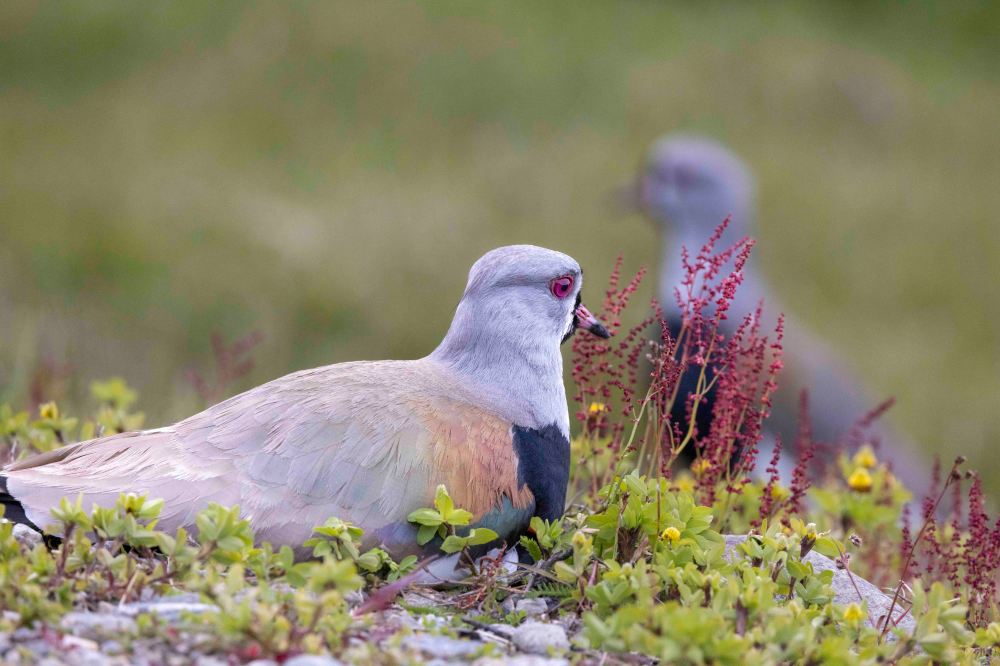
多分、交代制で温めていたと思います。それはいいんですが、巣そのものがどうも頼りない。地面のちょっとした窪みに産みつけているだけだったからです。 I think they took turns keeping eggs warm. That’s fine, but the nest itself seemed rather flimsy. They’d just laid it in a slight depression in the ground.
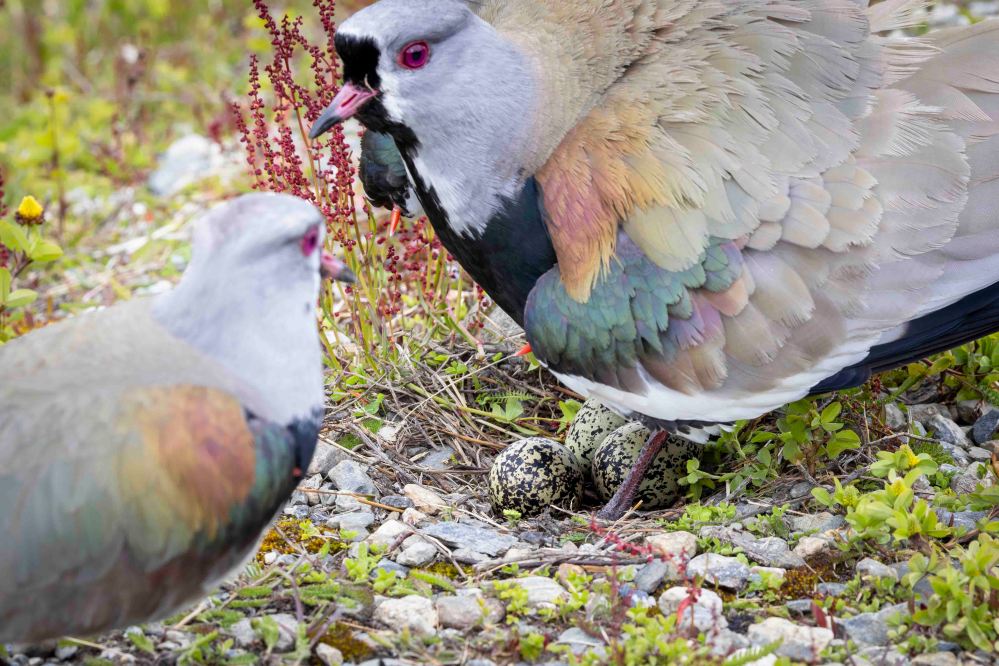
私たちの滞在中、雨が降らない日はなかったほどよく降り、それが雪になるという日もありました。だから毎日心配していました。でも、彼らは諦めることなく寒さにじっと耐えて卵を温めていました。数日後、私たちは旅を続けるため20日以上このホテルを留守にしました。帰ってきたらどうなっているか、期待と不安が混じった思い出でかけていきました。なぜなら、大抵の鳥の卵は1か月ぐらいで孵化するからです。 During our stay, it rained almost every day, and on some days it even turned to snow. So we worried every day. But they never gave up, enduring the cold and keeping their eggs warm. A few days later, we left this hotel for over 20 days to continue our journey. We set off with mixed feelings of anticipation and anxiety about what we might find upon our return. After all, most bird eggs hatch in about a month.

そして、これが再び帰ってきた時に見た光景です。さっぱりしすぎている。卵もなくなっていました。卵の殻の跡も何も見つかりませんでした。 And this is the scene we saw when we returned. It was too clean. The eggs were gone too. I couldn’t find any traces of eggshells or anything.
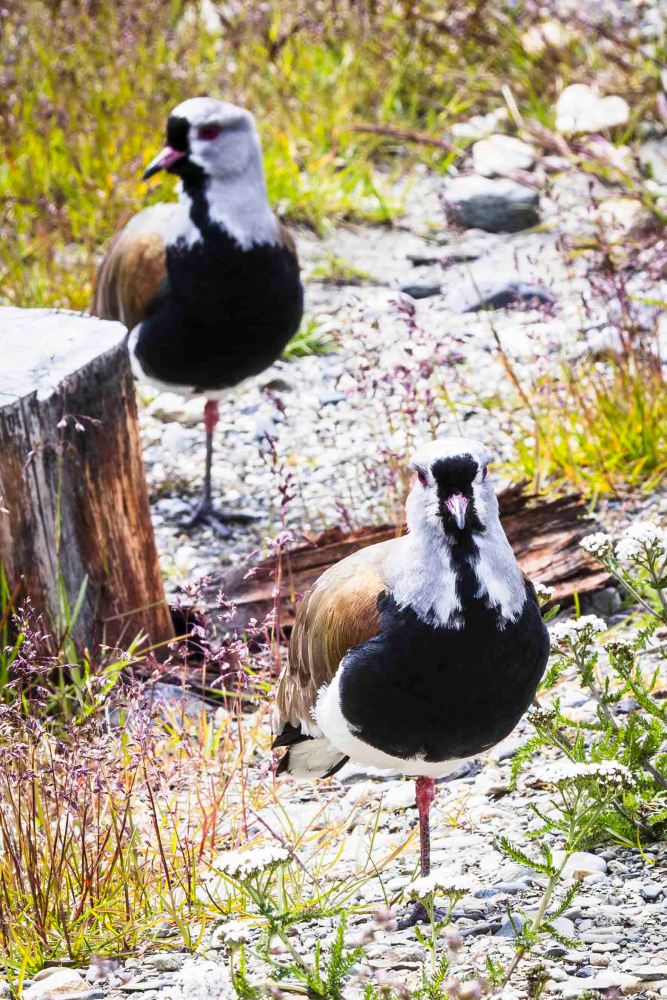
卵は?雛は? What about the eggs? What about the chicks?

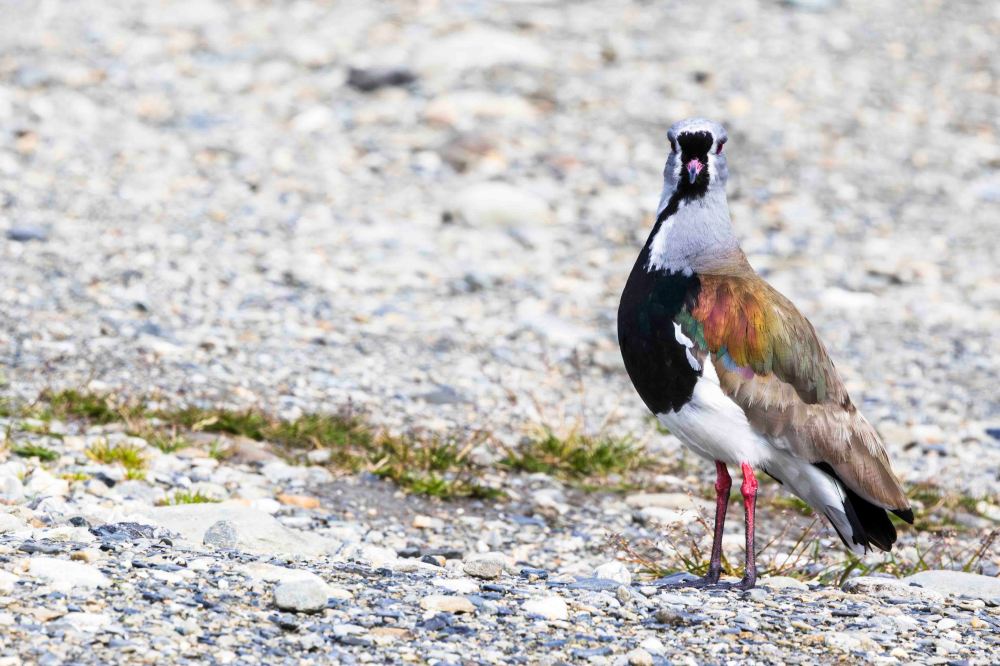
そう尋ねても答えてくれませんでした。でも、ナンベイタゲリの夫婦はその場を離れることなく、立っているだけでした。 Even when I asked, they wouldn’t answer. But the pair of Southern lapwings didn’t leave the spot; they just stood there.

だから、きっと雛達は何処か安全な所に居るのだろうと思うことにして、別れを告げました。 So I decided to believe the chicks must be somewhere safe, and said goodbye.
2つになった鼓動 Two Heartbeats


まだ少し寒いけど、春はもう始まっています。 It is still a little cold, but spring has already begun.

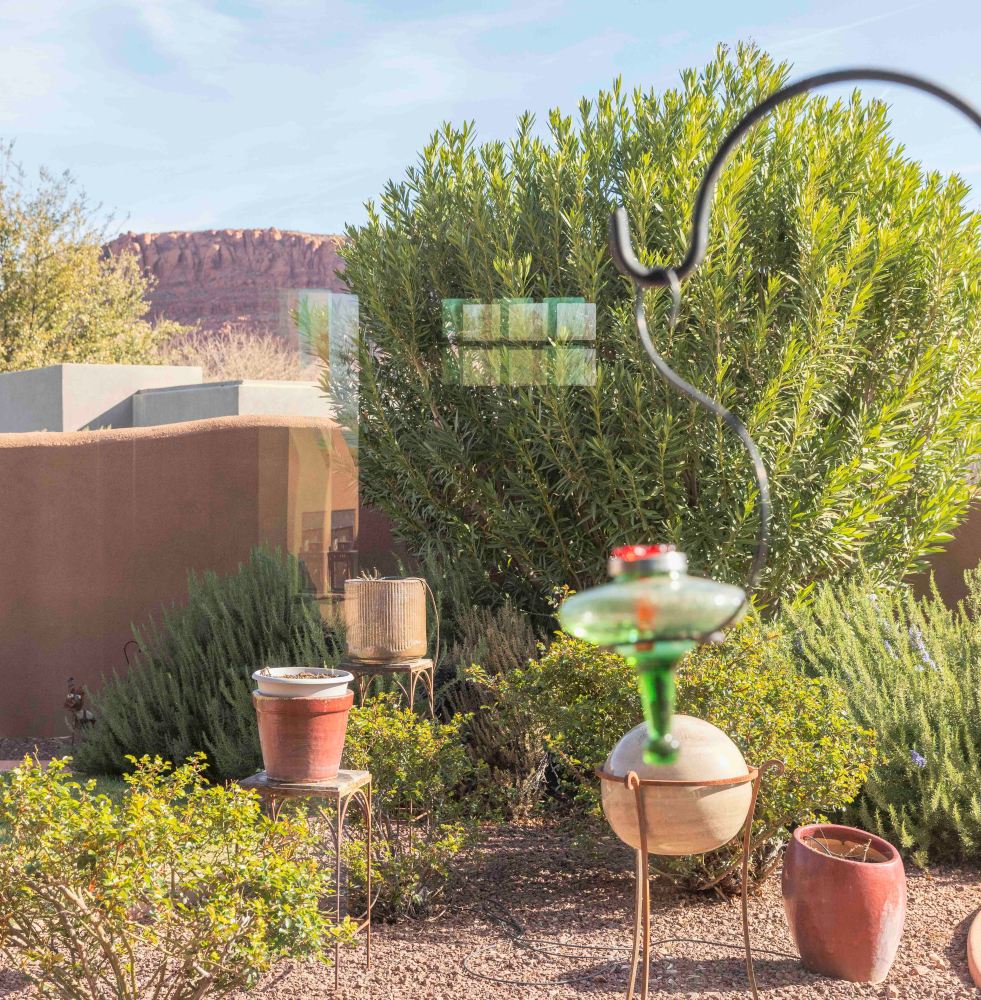
今日は庭師に大きな木の剪定をしてもらう日でした。剪定前のキョウチクトウ。 Today was the day to have the gardener prune large bushes. This is an Oleander before pruning.

剪定後のキョウチクトウです。ずいぶんスッキリして、夏を迎える準備ができました。 And this is the Oleander after pruning. It is much clearer and ready for summer.

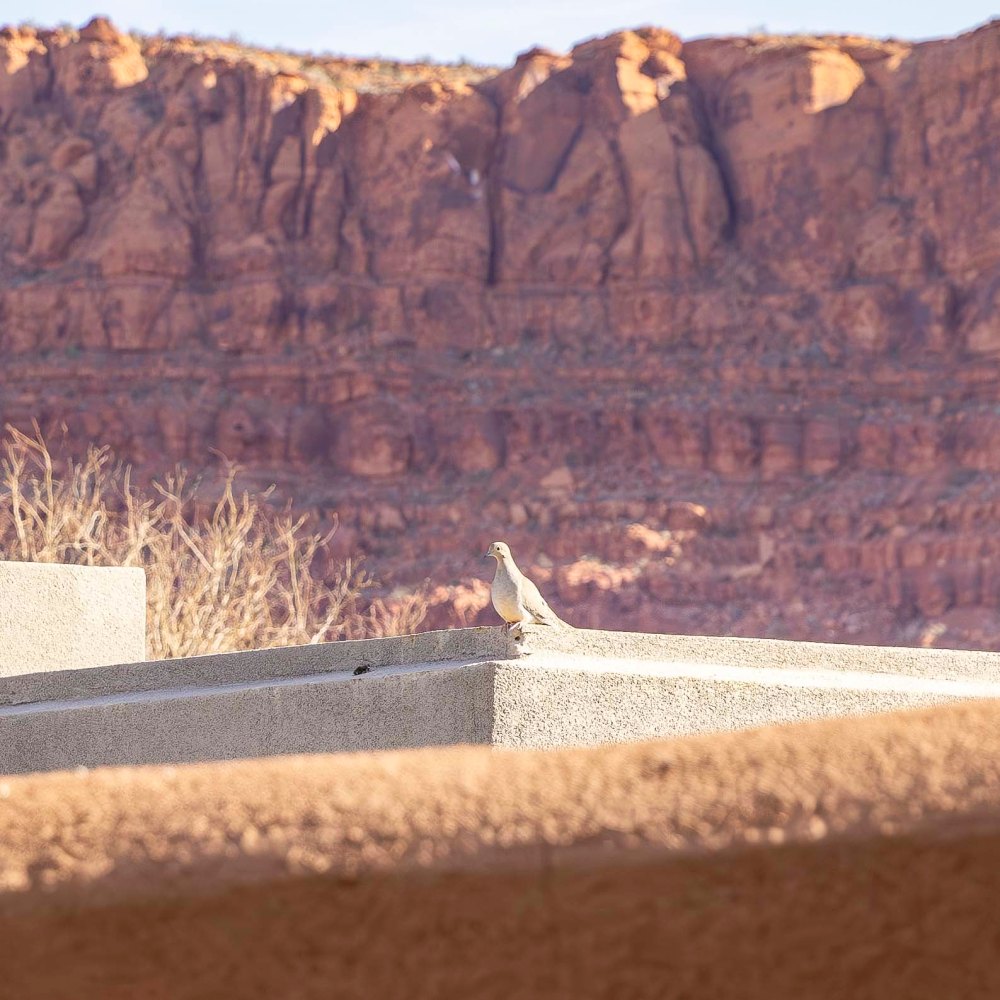
ただ、今回はちょっとハラハラしながら剪定を見守っていました。私たちだけではなく、ナゲキバトも心配そうに見守っといました。 This time, however, we were a bit nervous as we watched the pruning. Not only us, but also the dove was anxiously watching the pruning.

なぜなら、キョウチクトウの前にあるローズマリーの木の中にナゲキバトの巣があるからです。 It’s because there is a Mourning Dove nest in the rosemary bush in front of the Oleander.

2週間前には1つだった卵が2個に増えていました。二つの鼓動、今日の危機は無事に過ごせました。これからは猛禽類に襲われないよう無事を祈るのみです。 Two weeks ago there was one egg, now there are two. Two heartbeats survived today’s crisis. From now on, we can only pray for their safety to avoid being attacked by birds of prey.

緊張の23時間 23 Hours Of Intensity


6月28日の朝、Ring カメラが捉えたビデオにはヒナの声が入っていました。その後、Ring カメラはモーションに反応するので、一日中映像を撮り続けていました。 On the morning of June 28, the video captured by the Ring camera contained the chicks’ voices. After that, the Ring camera responded to motion and continued to capture video throughout the day.

それに気がついて、私たちも慌てて外に出て、遠くから鉢にカメラを向けました。 Noticing this, we rushed outside and pointed our cameras at the pots from a distance.

この日のうちに大半の卵が孵化したと思われます。まだヒナ達は誰も鉢の外に出ませんでした。そのまま夜を迎え、お父さんと一緒に眠りにつきました。 I believe that most of the eggs had hatched by the end of the day. None of the chicks were out of the planter yet. They went straight into the night and fell asleep with their father.

さあ、翌日、朝7時半、ついに鉢から出る時が来ました。お父さんの涙ぐましい努力がヒシヒシと伝わってきます。お父さんは卵には「はやくでてきなさい!」と呼びかけ、孵化したヒナ達には鉢の外に出るように呼びかけます。お父さんは何回も何回も鉢に入っては呼びかけ、外に出てはジャンプの仕方を見せているようでした。 Now, the next day, at 7:30 in the morning, it was finally time to get out of the planter. The father’s painstaking efforts were clearly evident. The father called out to chicks in the eggs, “Come on out now!”, and to the hatched chicks, ‘Come out of the planter.” The father repeatedly called to the chicks to come out of the planter, and then showed them how to jump from the planter.

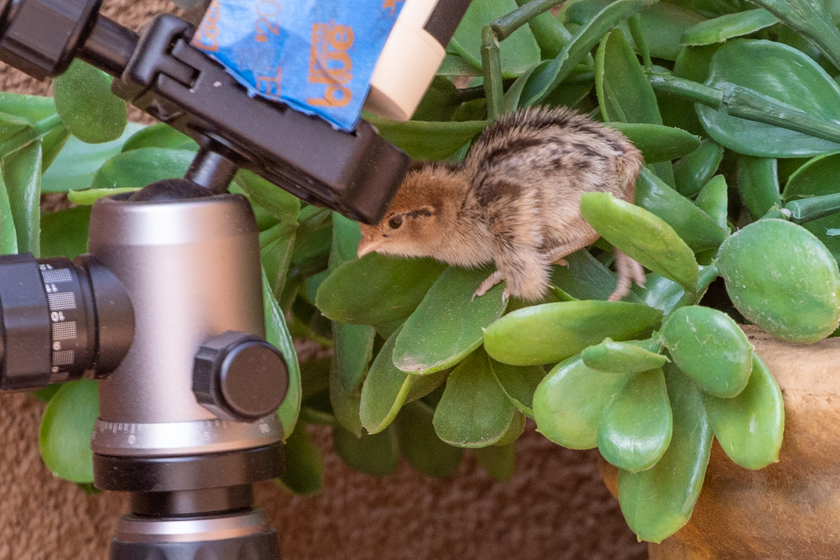
勇気のあるヒナから一羽づつ、ジャンプと言うよりポトリポトリと鉢から落ちてきました。 One by one, from the bravest chicks, they fell out from the planter rather than jumping out.

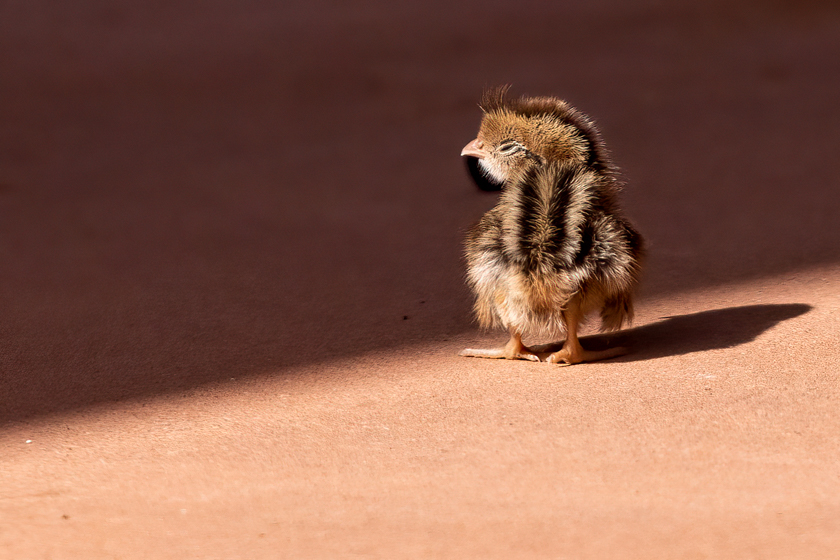
外に出てたヒナ達は、まだ眠いので、落ちた場所で眠りこけてしまう子達が大半でした。でも、そんな事をしていては他の動物に食べられてしまう可能性大なので、お父さんは必死になって物陰に隠れるように叫びます。 Most of the chicks that were outside were still sleepy and would fall asleep where they fell down from the planter. But there was a big chance that they would be eaten by other animals if they stayed there, so their dad was frantically yelling for them to hide in the shadows.

本当なら夫婦でするこの大作業を彼一人でしなければいけなかったんです。見ている私たちもハラハラドキドキでした。 He had to do this huge task alone, which would normally have been done by a pair of Quail. We, who were watching, were also on the edge of our seats.

29日の朝9時半過ぎ、お父さんの最後の呼びかけで無事孵化した13羽たちは、あっという間に隣の空き地の方に走り去っていきました。前日から23時間強の間のウズラ家族の巣立ちドラマが終了しました。残念ながら2個は孵化できなかったようですが、それも含めて自然の一部です。 At a little after 9:30 on the morning of the 29th, at the father’s last call, the 13 successfully hatched and fledged chicks quickly ran off toward the vacant lot next door. The drama of the quail family’s leaving the nest, which began a little over 23 hours earlier, had come to an end. Unfortunately, two of the eggs did not hatch, but that was also a part of nature.

このドラマをまとめたビデオを編集している最中です。次回をお楽しみに! I am in the process of editing a video summarizing this drama. Stay tuned for the next blog!

ウズラのお父さん Quail Dad


ウズラのお父さんは6月の半ばごろから28日まで、昼も夜も卵を温め続けました。 The quail father kept the eggs warm day and night from about mid-June until the 28th.

少しだけ、ウズラのお父さんが卵を温めている姿ごご紹介します。 This video is a brief look at the quail father incubating eggs.

ちなみに、お母さんは、なんらかの理由でいませんでした。大抵の場合、お母さんが卵を温めますが、いない場合は、このお父さんのようにお母さんの代わりをするようです。 By the way, the mother was not there for some reason. In most cases, the mother incubates the eggs, but if she is not there, the male quail seems to take the place of the mother, like this father.

この鉢 The Planter


季節はどんどん移り変わって、変化に追いつきません。 The seasons keep changing and I can’t keep up with all the changes.

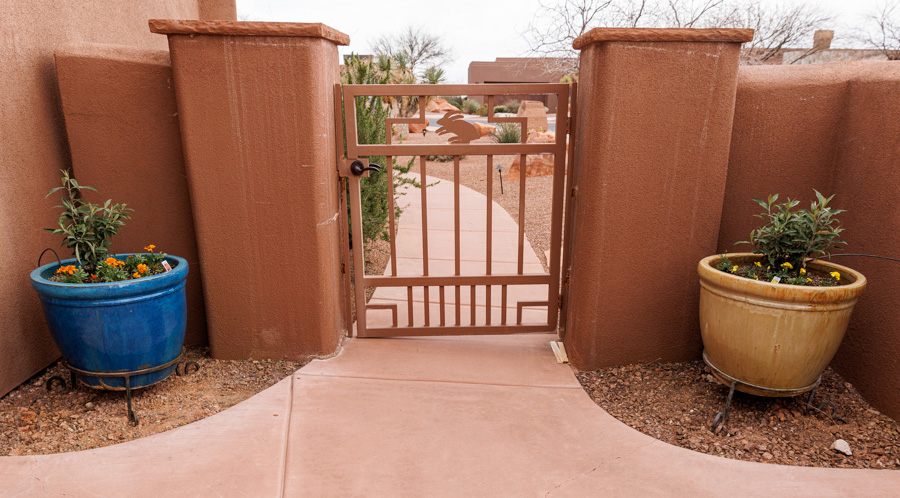
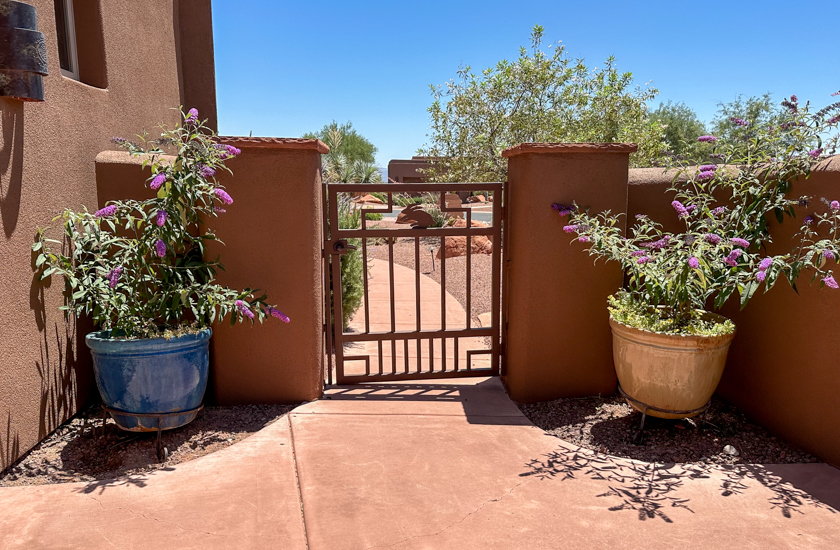
これは4月3日に書いたブログの門脇のバタフライブッシュの写真です。 This is a photo of butterfly bushes by the gate from my April 3 blog.

それがこんなに大きくなりました。 They have grown this big.

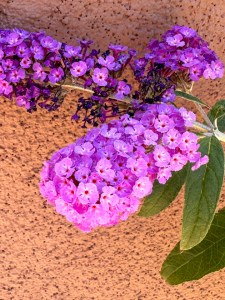
花はこんな感じ。 The flowers look like this.

気温もどんどん上がっていき、38度を超える日が続き始めました。中庭に置いていたLEDキャンドルが、こんなに溶けて、中のLEDが露出してしまいました。 The temperature kept rising over the last few months and began to exceed 100 degrees. The LED candles I had placed in the courtyard melted so much that the LEDs inside were exposed.

こんなに些細な事でも、初めて見る物は面白いものです。 It is interesting to see such a thing as a first time, even if it is such a trivial one.

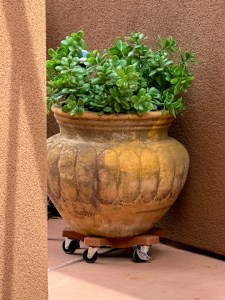
ただ、今日書きたかった事は、この鉢です。 But what I wanted to write about today is this planter.

花や低木を植えて試しても成長してくれなかったので、ニセの木を植えてみました。なかなか良い感じです。 I tried planting flowers and shrubs in there but they didn’t grow, so I planted a fake shrub. It looks pretty good.

反対側からのイメージ。母屋とガレージの間の通路に置いてある鉢です。 Below is an image from the other side. The pot is placed in the breezeway between the main house and the garage.

ただ、ここ1ヶ月ほど、私たちはこの場所を使わないようにしていました。 However, for the past month or so we have been trying to avoid using this area.

そして、Ringカメラを設置して観察する事にしました。 We then decided to set up a Ring camera to observe the inside of the pot.

なぜなら、なんと、鉢の中にズアカカンムリウズラの卵を発見したからです。数えたら15個でした。 Why? Because, to our surprise, we found Gambel’s quail eggs in the pot. We counted them and there were 15 of them.

翌日、私たちは小旅行に出かけましたが、カメラを設置したので、その後の様子も観察することができました。 The next day we went on a short trip, but thanks to the camera, we could observe what happened afterwards.

人間の赤ちゃんが産まれる時と同じような感覚です。この一連の出来事は、気になったので1000ショットぐらいあります。ビデオも含めるとかなりの数に上ります。次回はその中から厳選してその後の様子を書きます。 It was just like when a human baby is born. I have about 1,000 shots of this sequence of events because I was curious. If I include videos, the number goes up to quite a few. In my next post, I will select a few of them and write about what happened afterwards.

赤いシッポ Red Tail


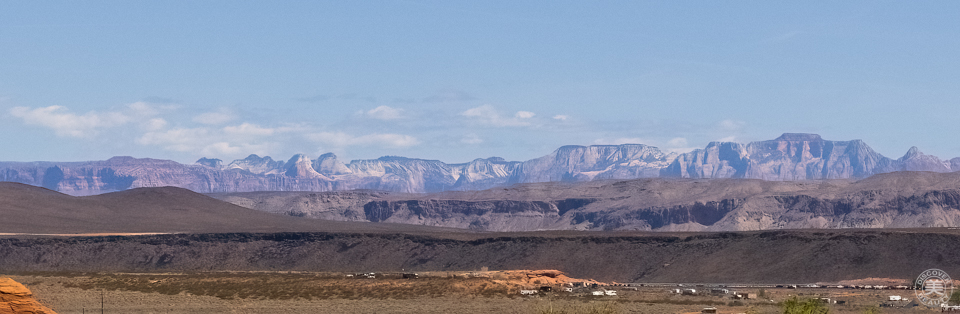
ザイオン国立公園の山々が見える場所。 We could see mountains of Zion National Park.

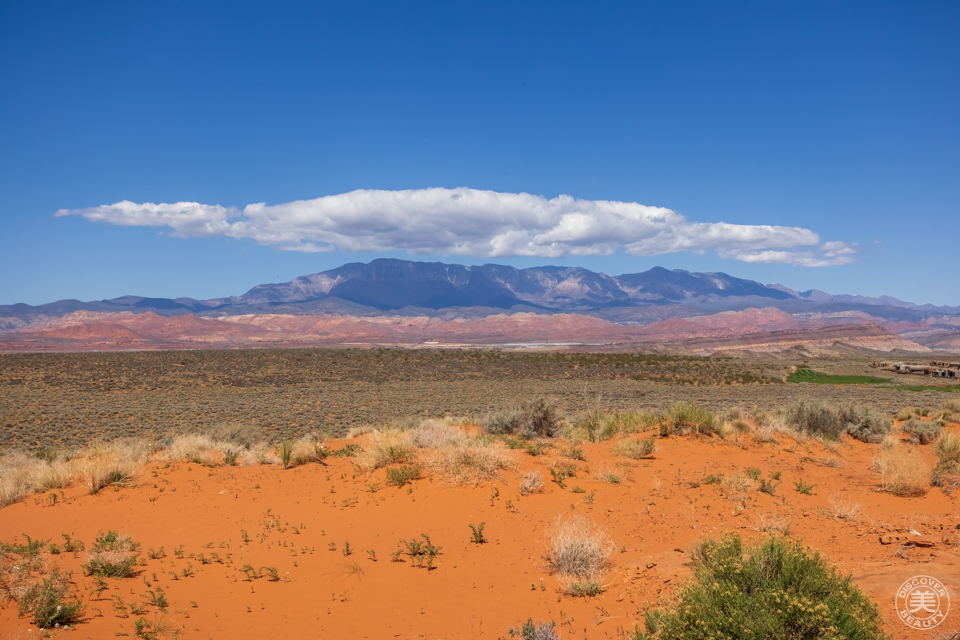
さらにパインバレー山脈が一望できる。 We could also see the entire Pine Valley Mountains.

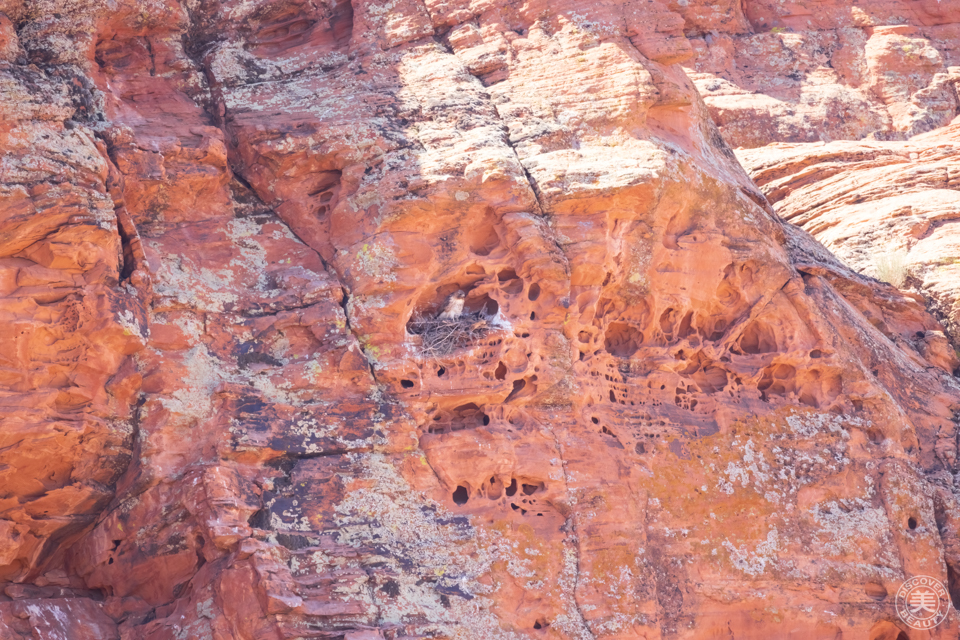
そんな場所にある小さな赤い岩の岸壁に、アカオノスリの巣を発見することができました。野生動物になるとバンちゃんの目は千里眼となります。 Having the power of second sight, Banchan found the nest of a pair of Red-tailed Hawks up high in a small hole in the red rocks of this gorgeous place.

巣の中にはすでに卵がある様で、夫婦交代で暖めてます。 It seemed that eggs were laid in the nest already. So the husband and wife took turns sitting on them.

ちょっと遠い場所なので頻繁に観察しに行けるわけではないですが、2-3 週間後にまた行きます。その頃までに卵が孵化していたら興奮します。 Although we can’t go there so often because it’s not so close to our house, we want to go back there again in 2-3 weeks. I am very hopeful that the eggs will hatch by then.

ところで、この鳥の名前のアカオノスリは、赤い尾だからそう付けられた様ですが、赤い尾を今まで確認できませんでした。でも、今回その赤い尾をバッチリ確認できました。 By the way, we know that the name of bird comes from its red tail. I have seen them so many times in the air or in trees but I have never quite seen the red color on the tail until now.

以下のビデオにしっかり赤い尾が映っています。また、夫婦で卵の孵化作業をしている様がわかります。The video below captured the red tail clearly. You can also see how a pair of hawks take turns to sit on their eggs.