Tag Archives: Yellow Warbler

ただ今移動中 Migration in full swing


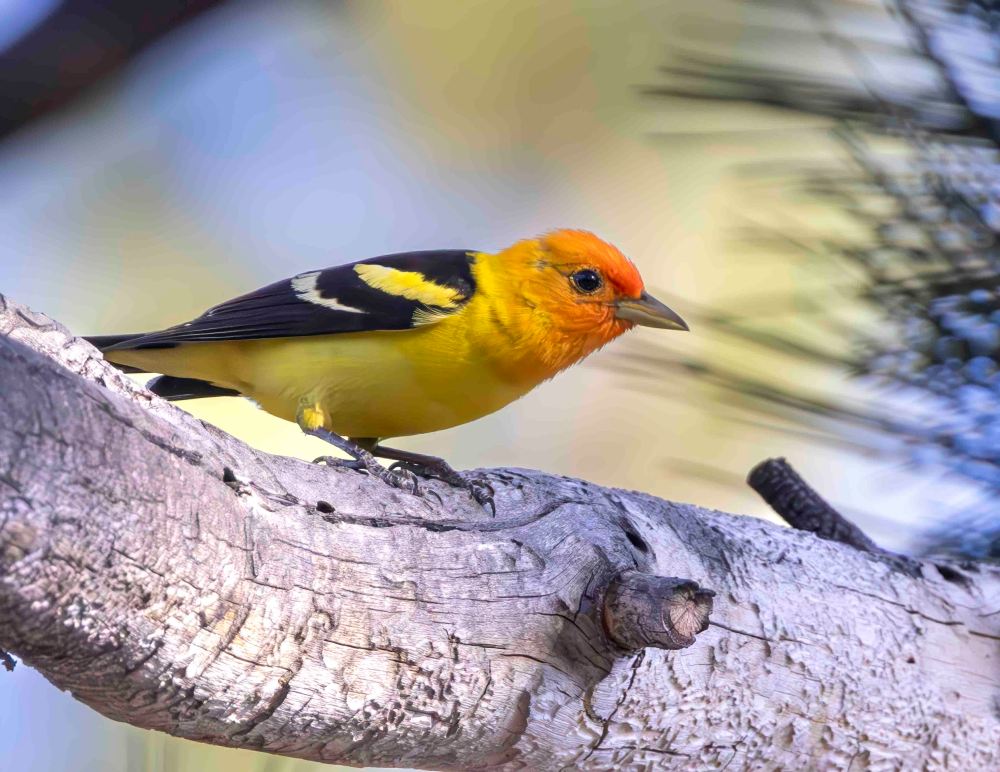
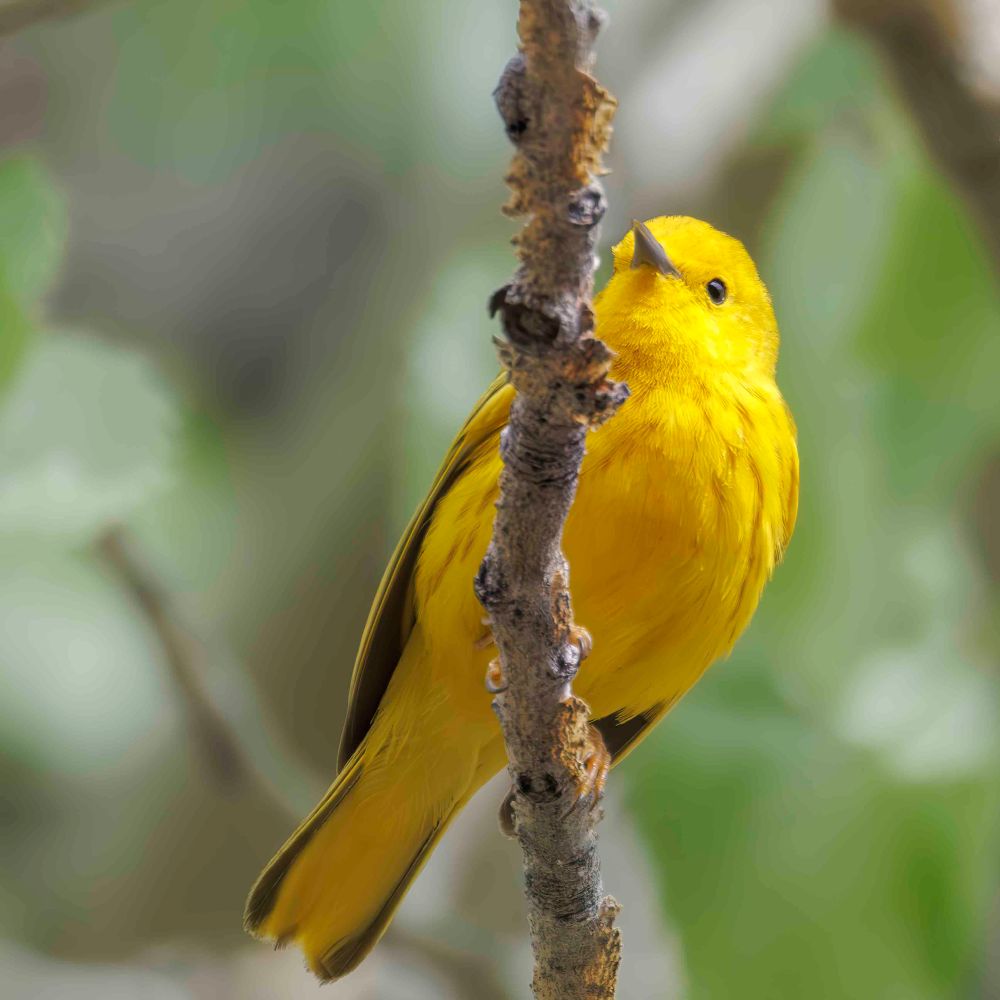
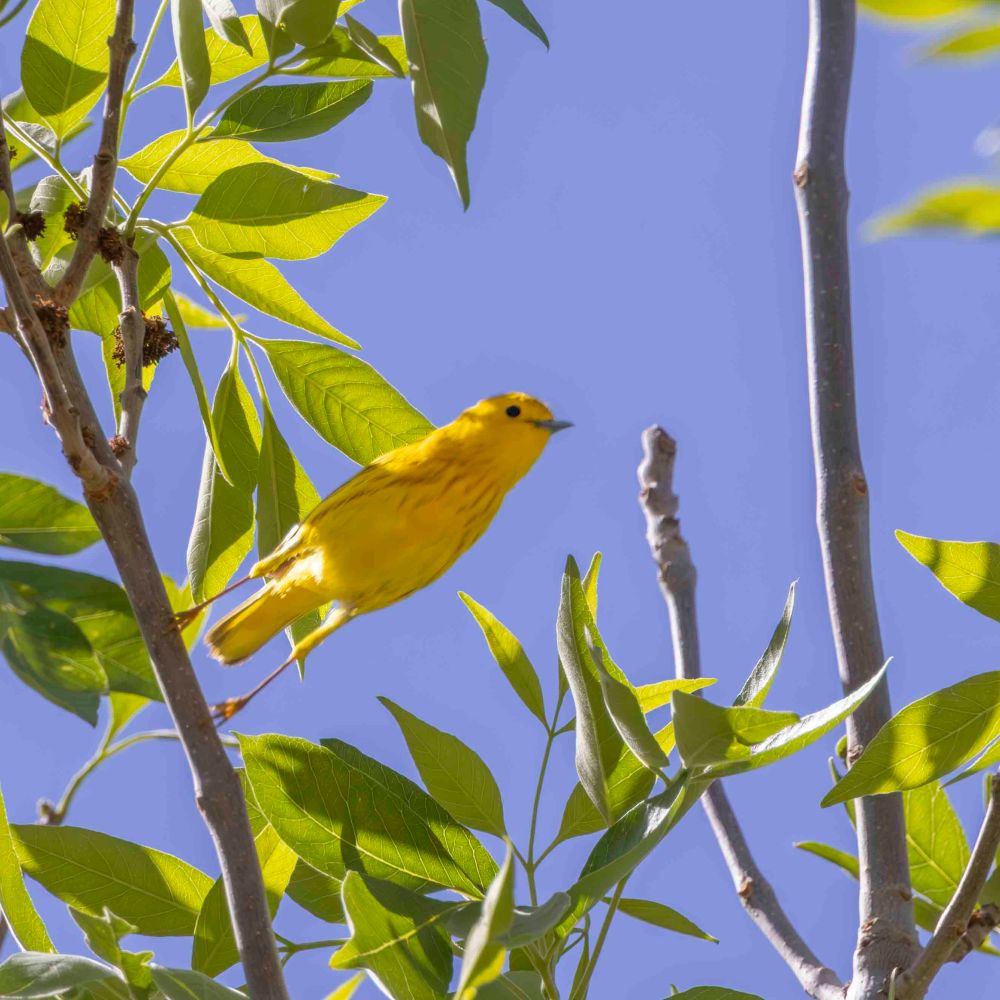
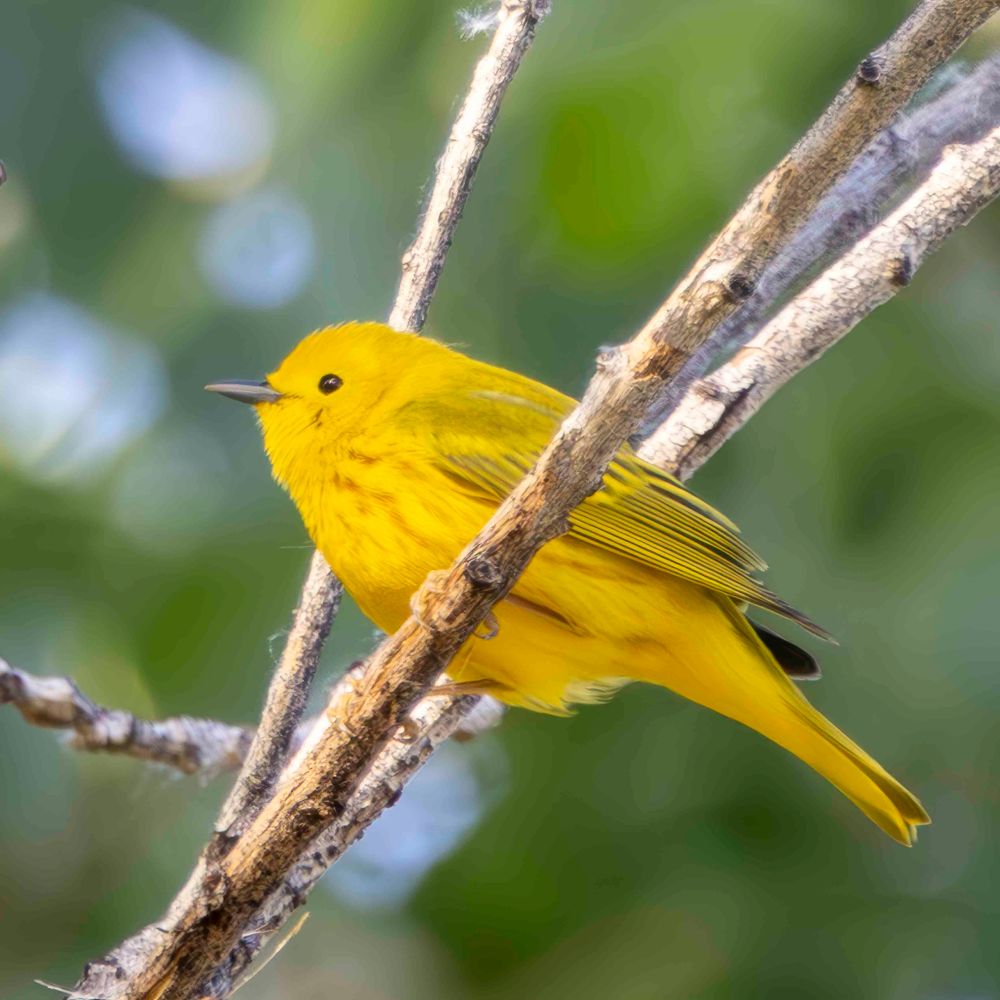
キイロアメリカムシクイです。 This is a Yellow Warbler.
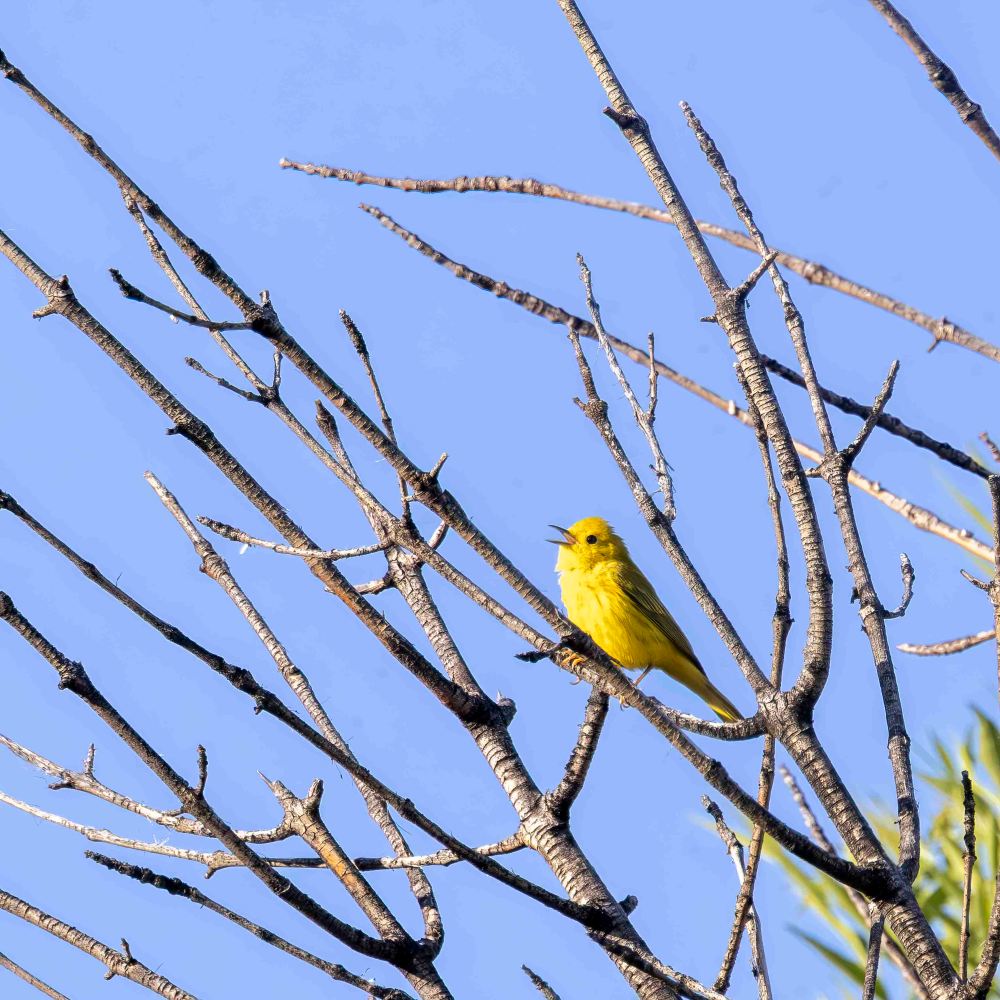
アメリカムシクイ科には120の種が属していますが、その半分は渡り鳥です。この科に属するキイロアメリカムシクイも渡り鳥なので、春になると出身地の中南米を出発し、北上して北米全土に散らばっていきます。そして9月ごろには再び南に帰っていくので移動が始まるらしいです。 About 120 species belong to the family Parulidae, New World Warblers, half of which are migratory birds. The Yellow Warbler, which belongs to this family, is also a migratory bird, so in spring it leaves its native Central and South America and travels northward, scattering all over North America. Then, around September, they start their migration as they return to the south again.

5インチ(12cm)しかない小さな鳥なのに、毎年遠路を移動するなんて、元気な鳥だなあ。 It’s a small bird, only 5 inches (12 cm) long, and yet it’s so energetic that it travels a long way every year.
昔から渡り鳥の観察をしている方々は多いと思いますが、最近はテクノロジーの発達で彼らの行動がさらに精度を持ってわかるようになりました。National Audubon Society の管理するBird Migration Explorer は、それぞれの鳥の行動パターンを視覚的に教えてくれます。 Many people have been watching migratory birds for a long time, but technology has recently made it possible to see their behavior with even greater precision. Bird Migration Explorer, managed by the National Audubon Society, provides a visual representation of each bird’s behavior patterns.

こちらがキイロアメリカムシクイの移動マップです。 Here is the migration map of the Yellow warbler.

このページによると、目下、移動の真っ盛りなようです。 According to this page, it appears that they are in the midst of a migration.
さて、前回のブログでこの鳥とクロツキヒメハエトリには決定的な違いがあると書きました。 Now, in my last blog, I wrote that there is a crucial difference between this bird and the Black Phoebe.
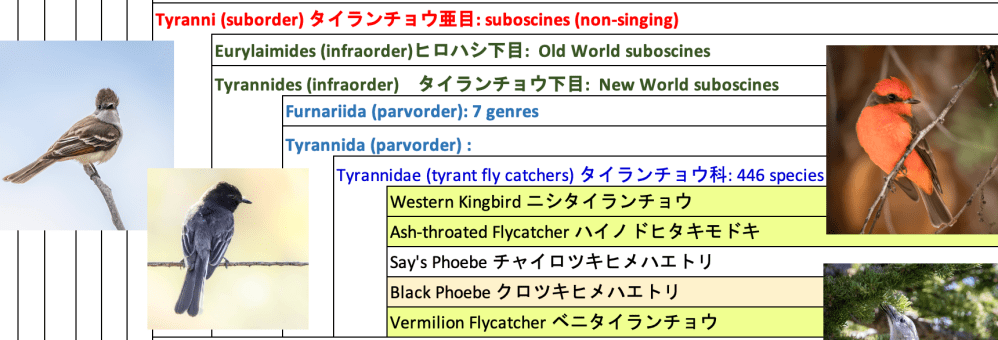
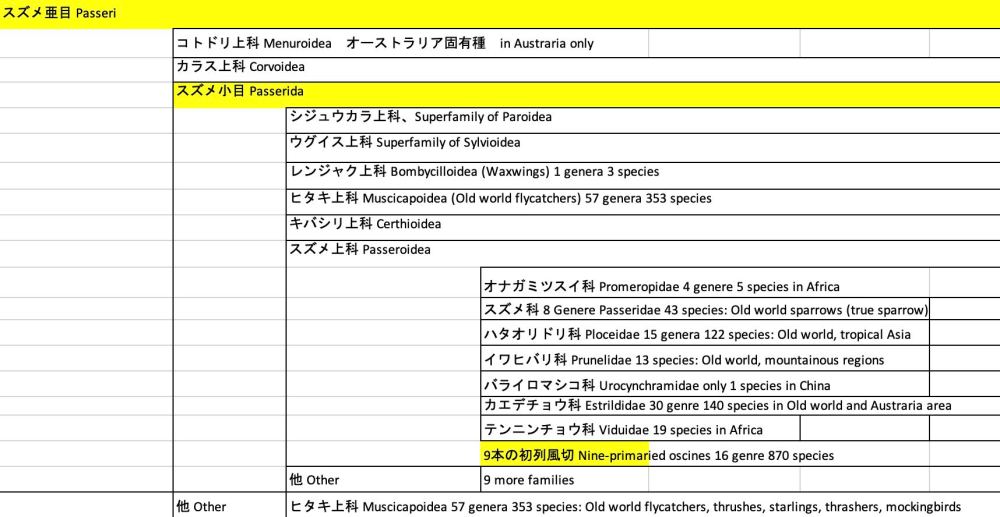
両種とも虫を食べる鳥なのに違う亜目に分類されています。分類史を見ると過去同じ目に分類されていた時期もあったようですが、DNA研究によってはっきりとした違いがわかってきました。それと共に分類表も大幅な変更が所々で見られます。実際、私の分類表も去年始めた頃から多くの部分でアップデートしました。この分だと、今後も更なる変更が起こりそうです。 Both species are classified in different suborders, even though they are both insect-eating birds. Their taxonomic history shows that there was a time when they were classified in the same order, but DNA research has revealed clear differences. Along with this, the taxonomy tables have changed drastically in many places. In fact, I have updated many parts of my classification table since I started last year. At this rate, more changes are likely to occur in the future.

再び、話を戻して、両者の違いですが、科学的には鳴管と呼ばれる部分の発達の違いがまず挙げられます。でも、個人的には彼らの虫の捕食の仕方が目に見えて決定的に違うと言いたいです。 Again, going back to the subject, the difference between the two, scientifically speaking, is first of all the difference in the development of the part of the body called Syrinx (the sounding tube.) But personally, I would say that the way they prey on insects is visibly and definitely different.

  • クロツキヒメハエトリは空中の虫を嘴を大きく開けて空中で捕食します。ツバメやヨダカ、アマツバメも空中捕食組ですね。 The Black Phoebe preys on aerial insects with its beak wide open in mid-air. Swallows, Nighthawks, and Swifts are also airborne predators.
  • キイロアメリカムシクイは低木の茂みの中深く入り込み、葉の裏に潜んでいる昆虫(主に毛虫など)を捕食します。そこし違いますが、キツツキも空中ではなく、木の中に潜んでいる昆虫を探し出すところが宝探しのようなので宝探し捕食組と呼びます。(私の独断の呼び方です) The Yellow Warbler goes deep into shrubby bushes and preys on insects (mainly caterpillars) hiding behind leaves. Woodpeckers are quite different from Warblers, but I think (my own opinion) they are the same in that they search for insects hidden in the trees rather than in the air.

裏庭には多分このメグロトウヒチョウが巣を作っているのではないかと思われます。 In other bird news, there is probably a nest of this Abert’s Towhee in our backyard.
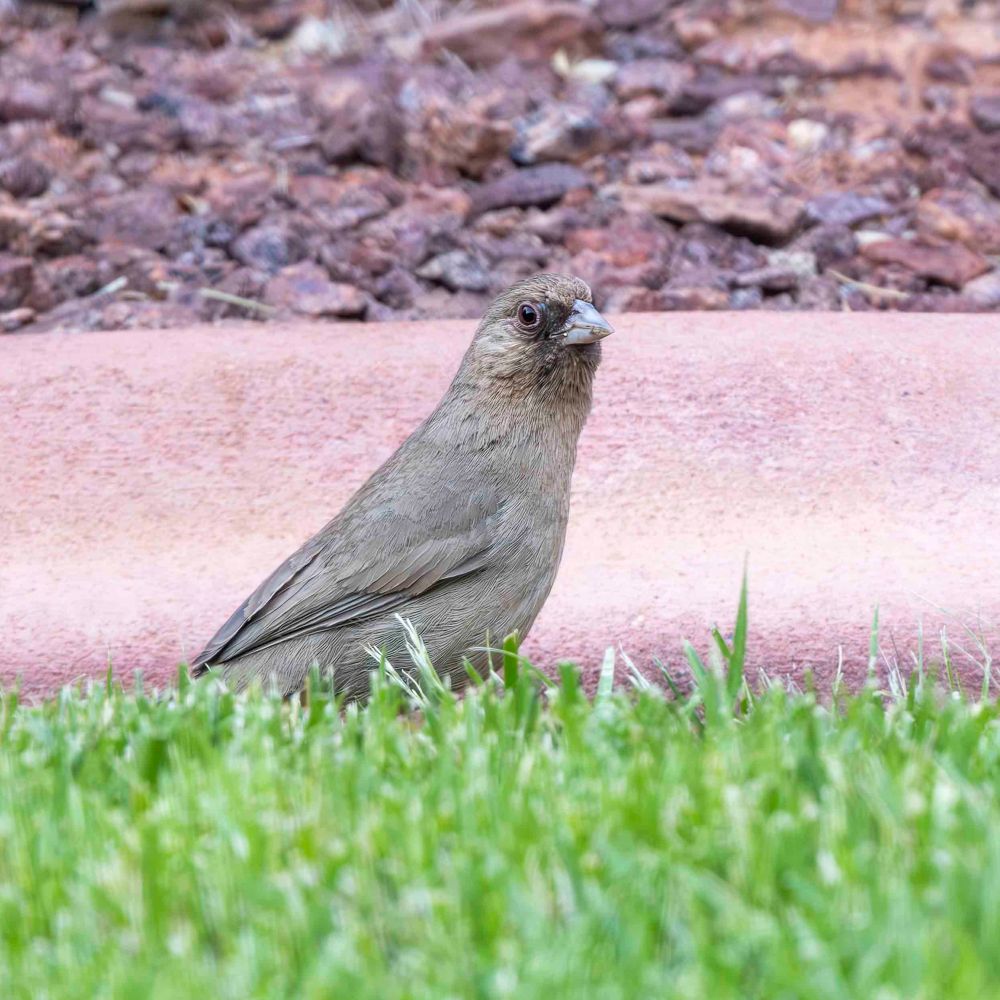
多分、このバラの茂みの奥の方。 Probably at the back of these Rose bushes.

しばらく雨が続いていましたが、今日はついに快晴となりました。 It had been raining for a while, but today it finally cleared up.

この季節は、私たちの周りの自然がソワソワ、ワクワクしていて毎日が落ち着きません。 This is the season when the nature around us is so energetic and full of life and every day is exciting.

今週末の土曜日はグローバル ビッグデー です。私も初めてなのでよくわかっていないのですが、裏庭の鳥の観察だけでもして参加してみようかと思っています。 This coming Saturday is the Global Big Day. I don’t know much about it since it’s my first time. But I’m thinking of participating just to observe the birds in my backyard.
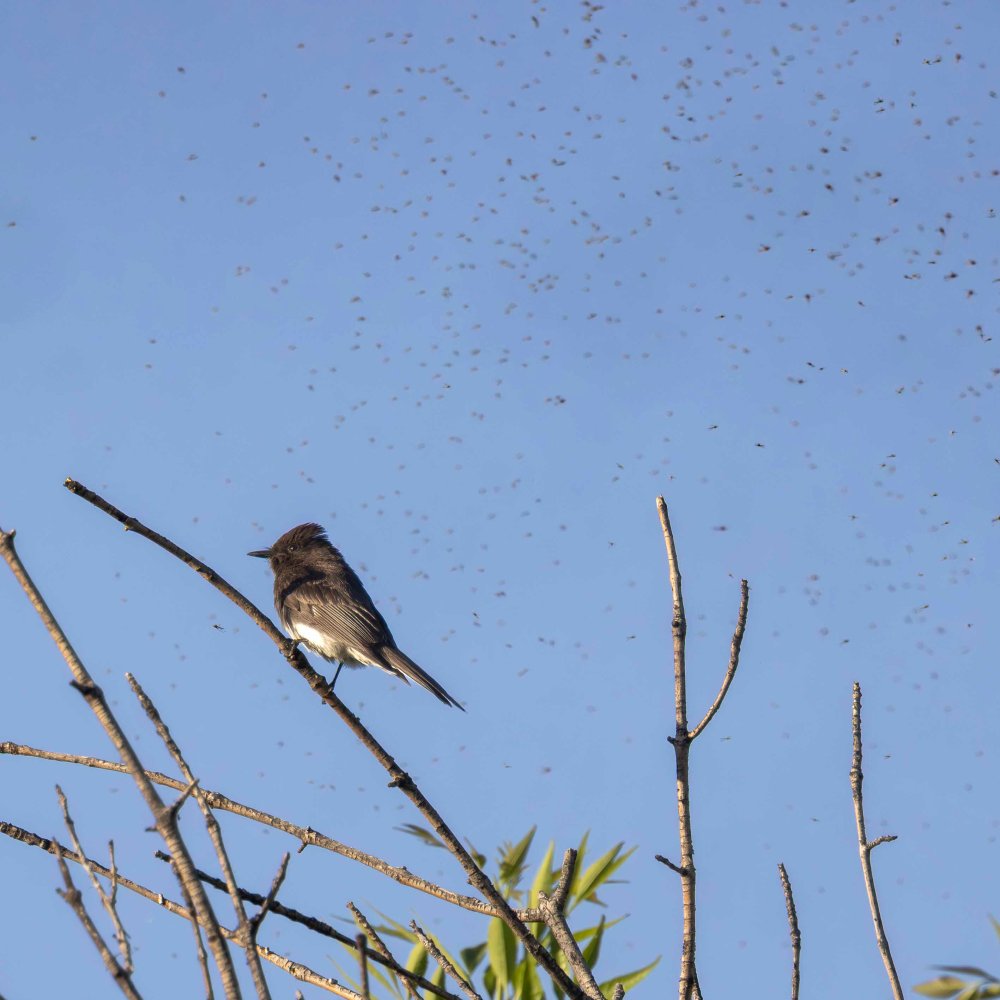
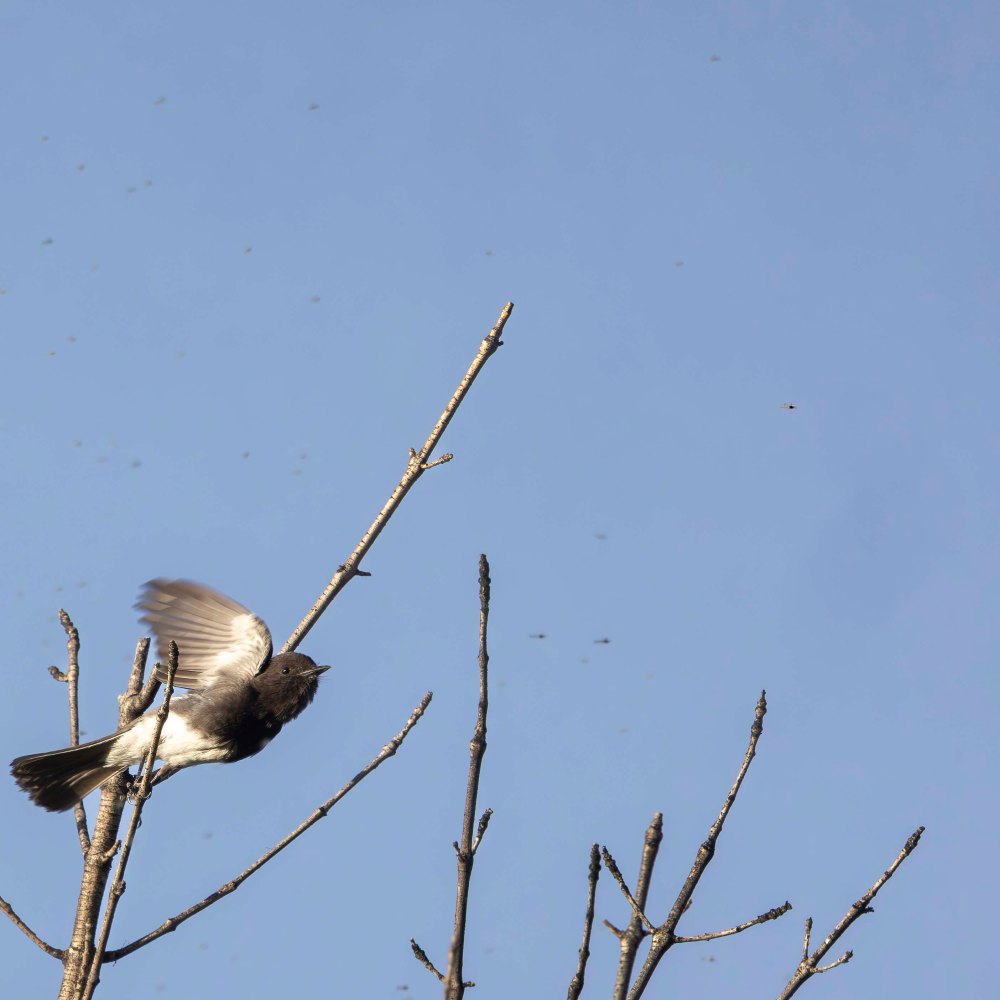
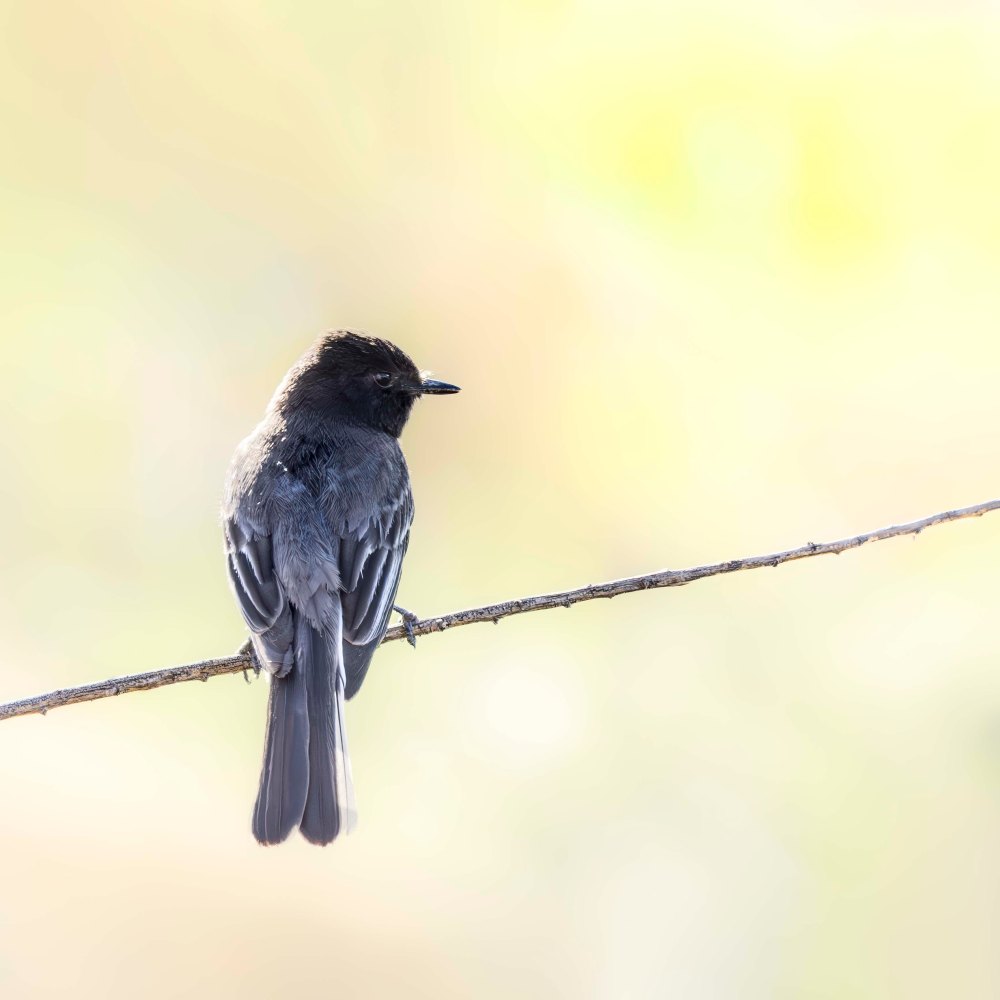
クロツキヒメハエトリ Black Phoebe


日の出から 1-2 時間ぐらいの間は鳥たちの朝食の時間です。しかも、食べ物が空を飛んでいるので、時々空に飛び立って口をぱくぱくさせればいいだけです。 About 1-2 hours after sunrise is breakfast time for birds. And since food is flying in the air, all they have to do is fly up into the sky from time to time and snap their beaks.

空に無数の黒い点(虫)が浮遊しているのが見えますか? Do you see countless black dots (insects) floating in the sky?

バードフェスで最初に発見したのはクロツキヒメハエトリです。この鳥はタイランチョウ科に属します。この科の鳥たちは虫を主食としています。彼らにとって川沿いの早朝の空は最高のレストランです。 The first bird we found at the Bird Fest was the Black Phoebe. This bird belongs to the family Tylannidae. Birds of this family feed mainly on insects. For them, the early morning sky along the river is the best restaurant.

カリフォルニアで見たことがありました。でも、ユタ州に引っ越してきてから初めての発見なので、早速、私の鳥の分類表に追加しました。 I had seen them in California. But this was my first discovery since moving to Utah, so I immediately added it to my bird taxonomy chart.

日中は川の表面を注意深く観察し、水中の虫を捕まえます。 During the day, they carefully observe the surface of the river and catch insects in the water.

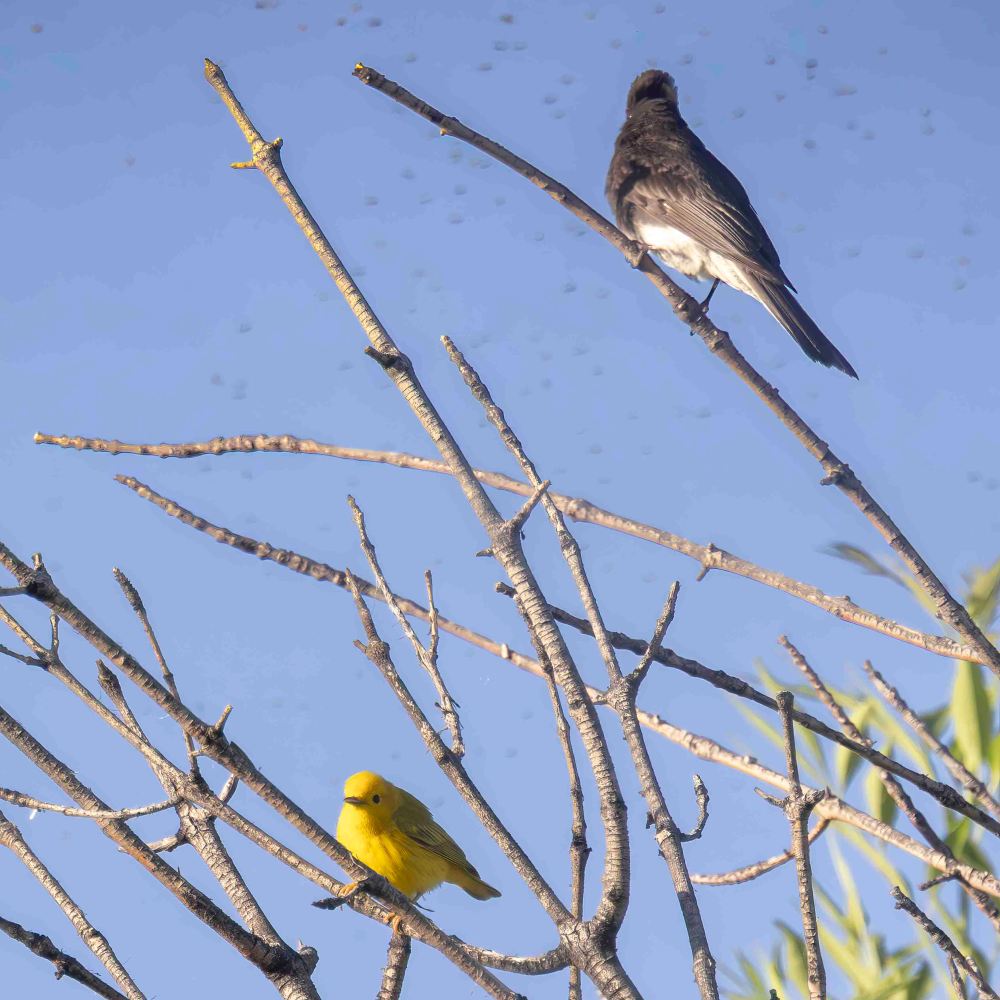
クロツキヒメハエトリを観察していたら、キイロアメリカムシクイが飛んできました。 While I was observing the Black Phoebe, a Yellow Warbler flew in.

こんな風に2羽を近くに並べてみると、大きさの差がよくわかります。クロツキヒメハエトリの長さは6.3インチ(16 cm)ですが、キイロアメリカムシクイは4.7〜5.1インチ(12〜13 cm)です。 When the two birds are placed close together like this, the difference in size can be clearly seen. The Black Phoebe is 6.3 inches (16 cm) long, while the Yellow Warbler is 4.7 to 5.1 inches (12 to 13 cm) long.

キイロアメリカムシクイはアメリカムシクイ科に属しているので、同じ木に止まっていても、2羽の間には決定的な違いがあります。 The yellow warbler belongs to Parulidae, the New World warblers family, so even though both birds perch on the same tree, there is a definite difference between the two birds.

次回のブログはこのキイロアメリカムシクイについて書きます。 I will write about this yellow warbler in my next blog.

鳥の分類表、完了 Bird Taxonomy Table, Complete


今日で鳥の分類表のブログは最後となります。 Today will be the last blog on bird taxonomy tables.

 やったー! Yay!

無理やり最後の3つの科を詰め込みましたが、何はともあれ、これで最後です。 I forced myself to cram in the last three families into this blog, but at any rate, this is the last one.

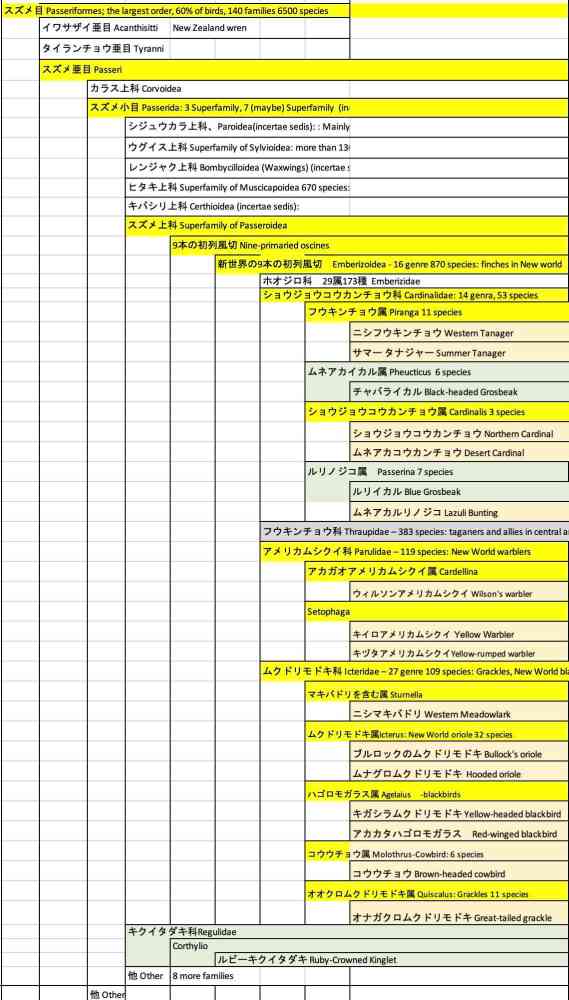
下の表、緑色が間違いの修正後の鳥たちです。それぞれ正しい属におさまりました。 In the table below, the birds in green are those after the error was corrected. Each has been placed in the correct genus now.

Screenshot

それでは、まず、ショウジョウコウカンチョウ科の鳥たちから。 Well then, let’s start with the birds of the Cardinalidae family.

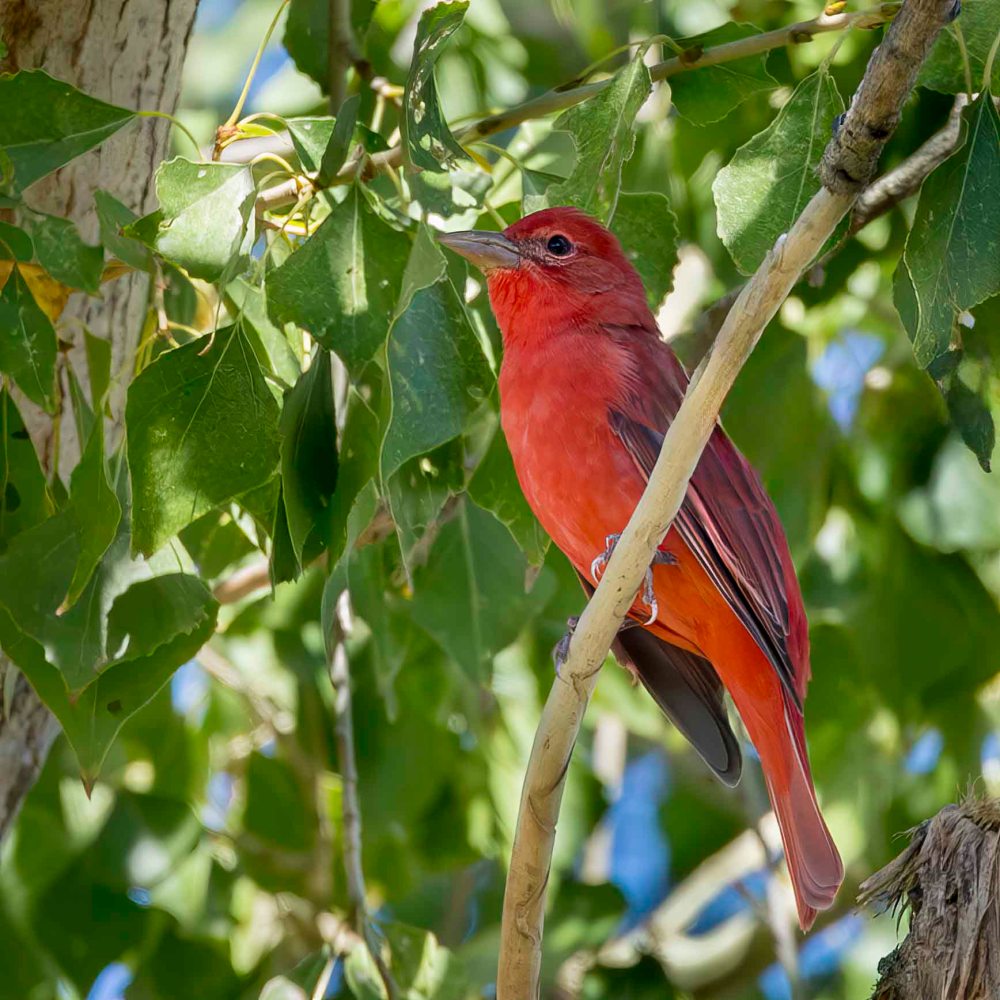
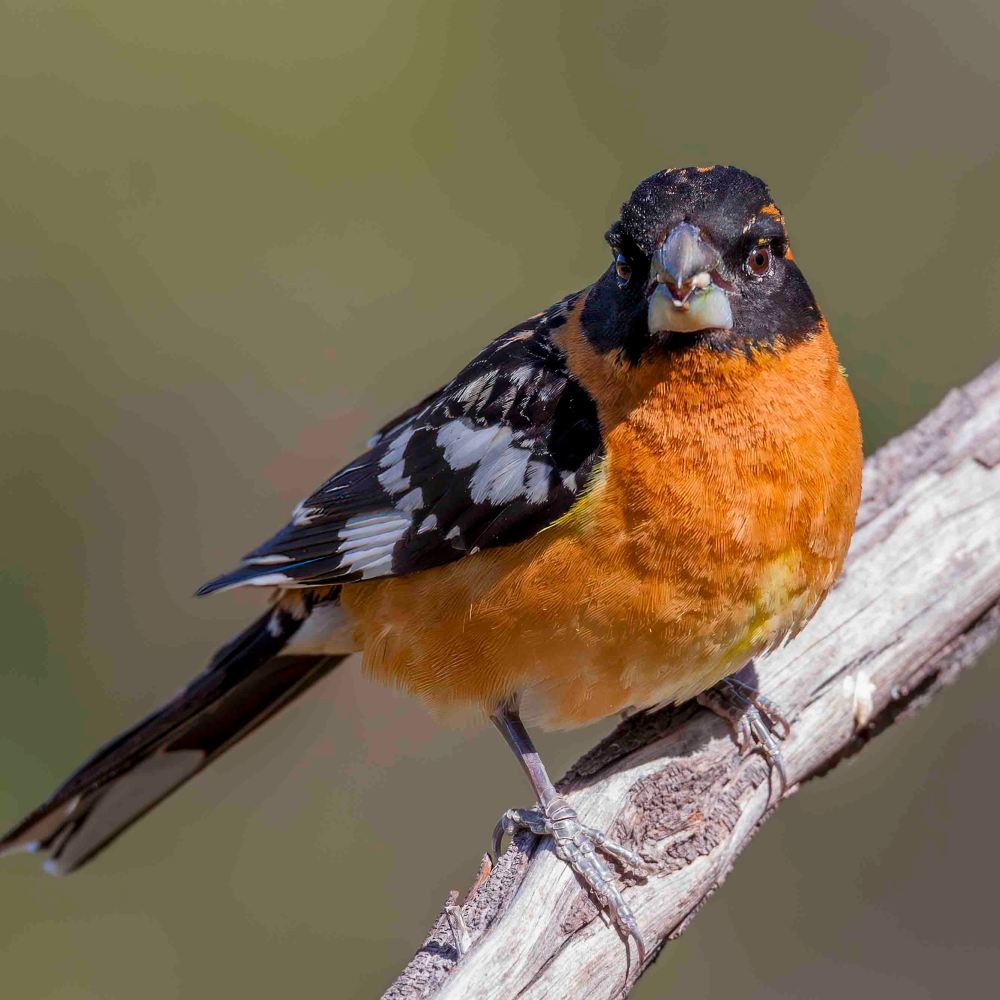
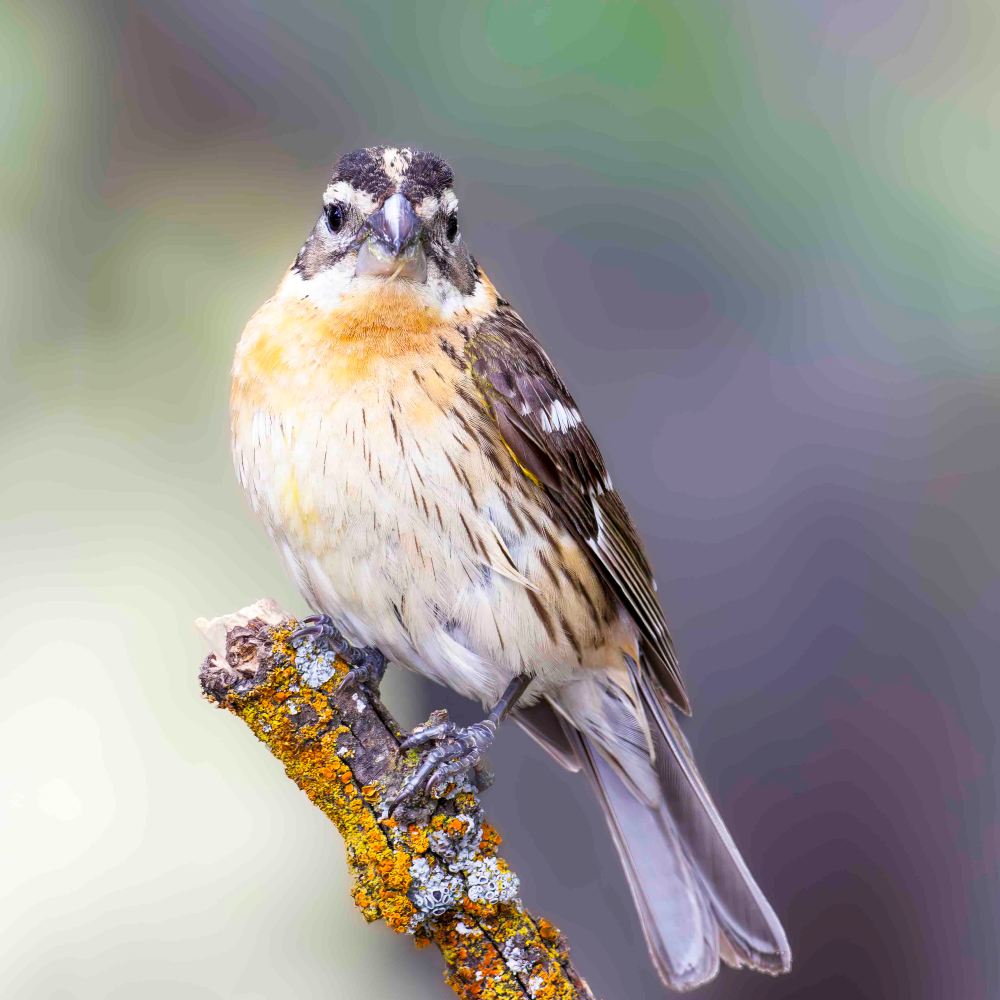
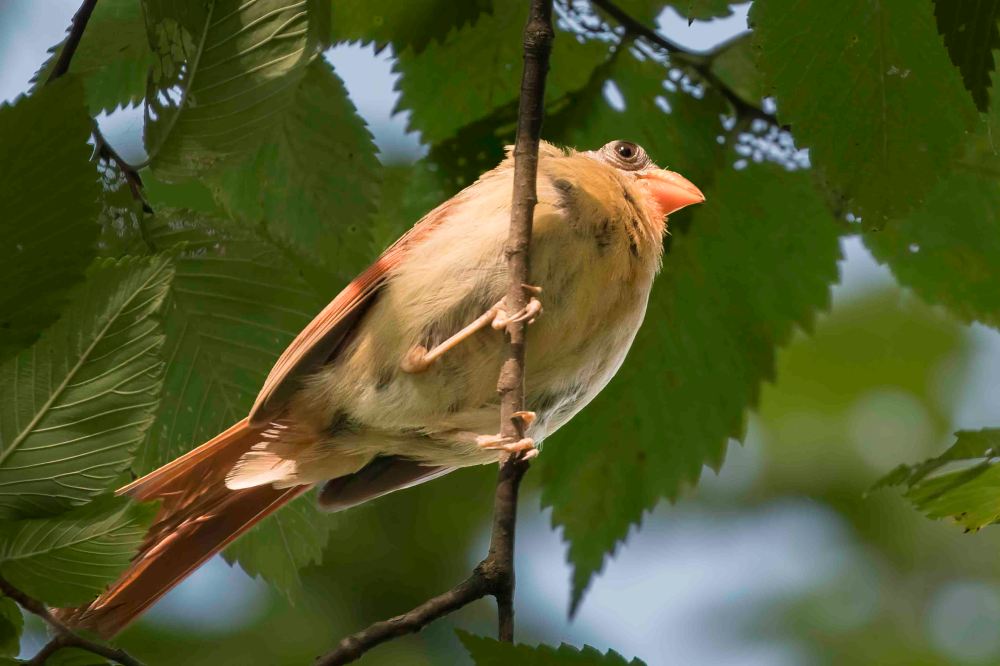
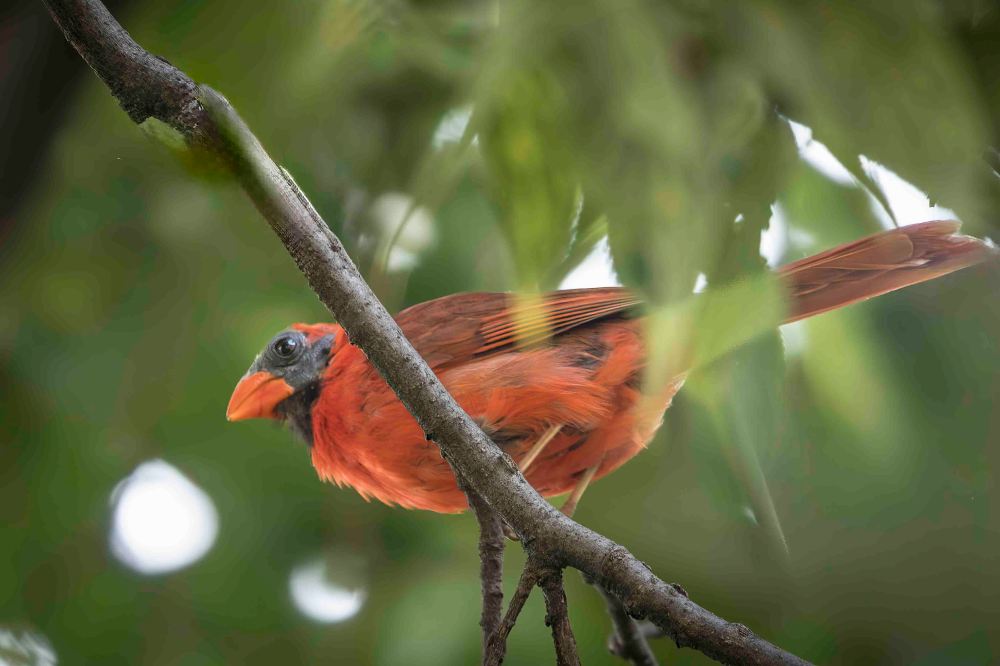
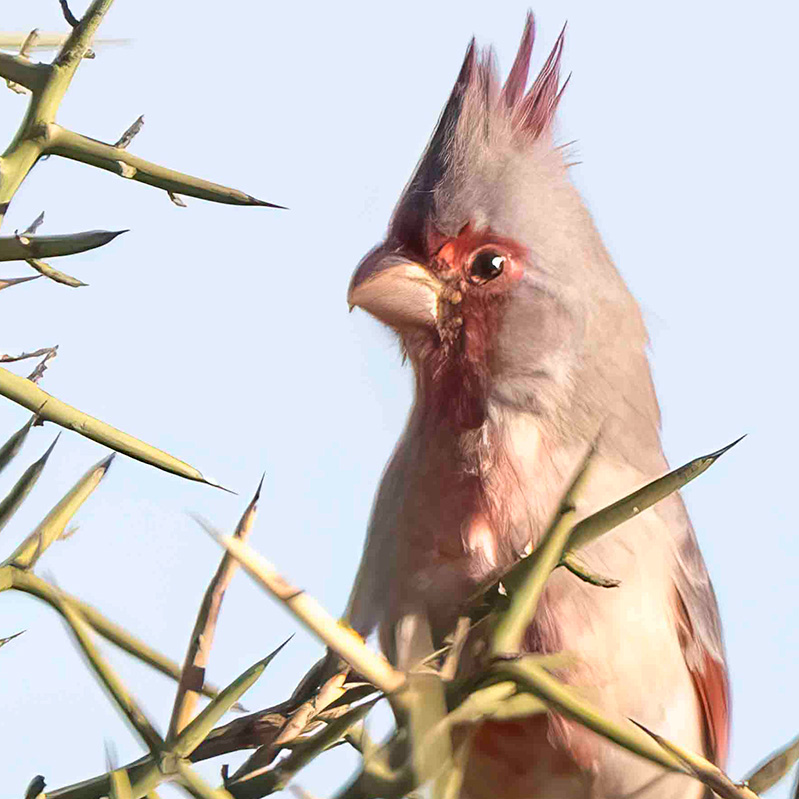
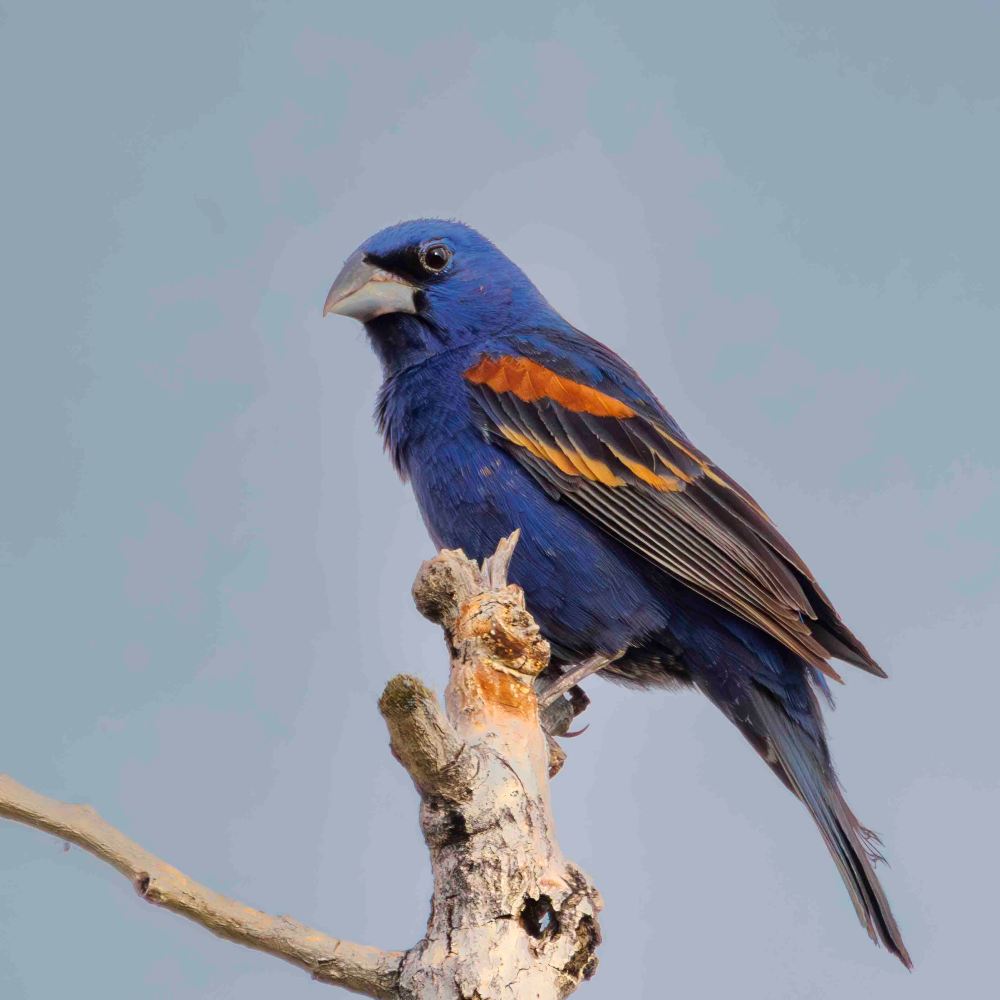
この科の鳥たちの特徴は、とにかく見た目が鮮やかなことです。ルリイカルを初めてみた時の驚きは忘れられません。そしてオスのみが美しい色に包まれているのに対し、メスは色をおさえてます。一見不公平に思えるこの違いは、人間以外の動物界では子孫繁栄を考えれば納得できます。メスは卵を守る為に目立ってはいけないけど、オスはメスを惹きつける為に目立たなければいけない。 The birds of this family are characterized by their simply brilliant appearance. I will never forget how surprised I was when I first saw a Blue Grosbeak. And while only the males are covered in beautiful colors, the females are subdued. This seemingly unfair difference makes sense when you consider procreation in the non-human animal kingdom. Females must not stand out to protect their eggs, but males must stand out to attract females.

次はアメリカムシクイ科です。 Next up is the family of American warblers, Parulidae.

この科の鳥たちは、みんな小さくて可愛らしい。だからもっと撮りたいんですが、私には難度の高い鳥たちです。常に動き回っている彼らの習性に加えて、視力が悪い私には見つけることすら大変ですなんですね。 All birds in this family are small and cute. So I want to take more pictures of them, but they are very difficult birds for me. Their habit of always being on the move, plus my poor eyesight, makes it very difficult for me to even find them.

もう一点付け加えることがあるとすれば、アメリカムシクイ科は旧世界のムシクイ、ダルマエナガ科から1830年に分岐しました。ダルマエナガ科とアメリカムシクイ科との大きな違いの一つは、初列風切の羽の数です。旧世界の虫食いたちは10枚、方やアメリカ大陸の虫食いたちは9枚ということです。 If I may add one more point, the family American Warbler diverged from the Old World Warbler, Sylviidae, in 1830. One of the major differences between the insectivores in Old World and in America is the number of the primary feathers. The Old World warblers have 10 feathers, while the American warblers have 9 feathers.

そして、最後にムクドリモドキ科です。 And lastly, the Icteridae family, New World Blackbird.

この科には、近隣でよく見かける鳥が多いのですが、ムクドリモドキ属以外の写真はありません。 Many of the birds in this family are common in the neighborhood, but there are no photos of any of them except for the some in the genus Icterus.

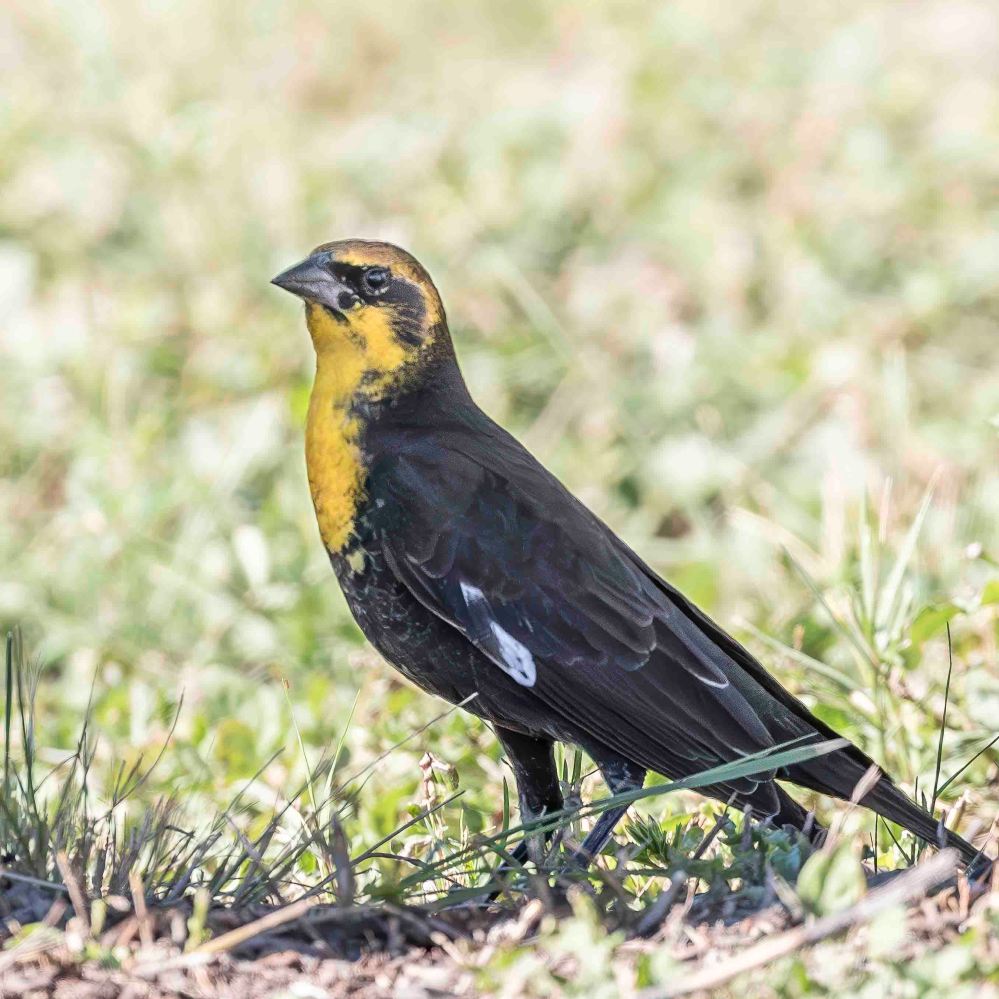
キガシラムクドリモドキの幼鳥 Yellow-headed blackbird Juvenile

とりわけ、オナガクロムクドリモドキはこの地に引っ越してきてから初めてみた鳥だったので携帯で撮ったことはありましたが、消してしまいました。なぜなら、彼らはとても攻撃的な鳥だからです。他の鳥の巣を襲い卵を盗んだり、幼鳥をさらっていきます。だから撮る気にならないんですね In particular, the Great-tailed grackle was the first bird I had seen since moving here, and I had taken pictures of them with my cell phone, but I had erased them because they are very aggressive birds. They attack other birds’ nests, steal their eggs, and snatch their young. So I don’t feel like taking pictures of them.

以上、最後の3つの科をサッと紹介しました。これで私の鳥の分類表の完成です。 These were my quick introductions to the last three families. This completes my bird taxonomy table.

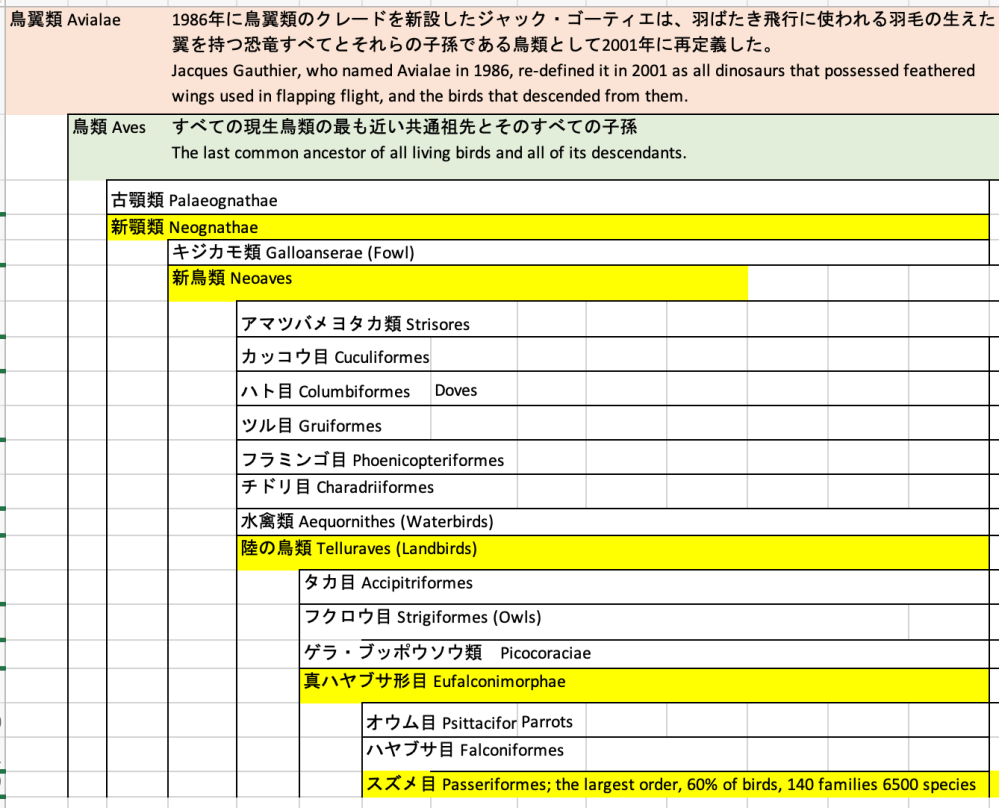
そうそう、もう一つ大切な項目を鳥類の上に付け加えました。それは「鳥翼類」です。 Oh yes, I added one more important item above Aves. It is called “Avialae.”

鳥翼類の定義が最高にカッコウいい! The definition of Avialae is the coolest!

羽ばたき飛行に使われる羽毛の生えた翼を持つ恐竜すべてと、それらの子孫である鳥類。

All dinosaurs that possessed feathered wings used in flapping flight, and the birds that descended from them.

羽の数 Number Of Feathers


鳥の羽の数が何本あるか気にしたことがありますか? Have you ever wondered how many feathers a bird has?

まさか私が鳥の羽の数についてブログに書く日が来るとは想像もできませんでした。でも、スズメ小目の分類を調べていたら、分類上、鳥の羽の数が重要であることがわかってきました。そこで、今日は羽の本数について書きます。 I never imagined that the day would come when I would be blogging about the number of feathers on a bird. But while researching the classification of the small order of sparrows, I came to realize that the number of feathers on a bird is important for classification purposes. So today I will write about the number of feathers.

鳥が飛翔するためには、風切羽(かざきりばね)を使います。そして、風切羽は初列風切(しょれつかざきり)と次列風切(じれつかざきり)に分かれています。実物の例をハヤブサ君に登場していただいて紹介しましょう。ハヤブサ君、羽を広げてみてください。 Birds use flight feathers in order to fly. They are divided into the primaries and the secondaries. Let me show you an actual example with Mr. Prairie falcon feathers. Please spread your wings, Mr. Prairie falcon.

結構わかりやすいですね。初列風切は10本あるのがわかります。次列風切は12-13本と言われています。 It is quite easy to see. The primaries appear to have 10. The secondaries are said to have 12-13.

https://avianreport.com/bird-feathers/ から引用しました。 See AvianReport

上の図を見ると、更にわかりやすい。そして、大切なことは、羽の数は鳥の種類によって違うということです。 The diagram above makes it even clearer. And the important thing to remember is that the number of feathers depends on the type of bird.

以下、様々なWebサイトを元に表にまとめました。正確さに関しては保証できません。ここで注目したいのは、初列風切の数が9本のグループについてです。 The following table is based on various websites. I cannot vouch for its accuracy. We would like to focus on the group with 9 primaries.

鳥の種 Species羽の本数 Feather count
初列風切 Primariesダチョウ Ostriches16
フラミンゴ Flamingos12
ワシ Eagle10
スズメ上科内の1部の鳥
Small group in Passeroidea
9
ペンギン Penguins0
次列風切 Secondariesアホウドリ Albatrosses40
ワシ Eagle11
スズメ目、ハチドリ Passeriformes, Hummingbirds6

なぜなら、このグループは9本の羽を持っているということで、Nine-primaried oscines (9本の初列風切をもつソングバード)という名前で分類されているからです。羽の数が分類名になっているんです。Because this group is classified under the name “Nine-primaried oscines (songbirds with nine primaries)”. The number of wings is the name of the taxonomy.

Screenshot

私の鳥の分類も佳境にさしかかりました。ただ、分類の歴史を調べれば調べるほど複雑怪奇で私の頭の中は大混乱をおこしています。なぜなら、先学者たちが試行錯誤の末に分類したものがDNA鑑定で違うグループに移ったりしつつ、まだ未解決の分野がたくさん残っているからです。 I have reached the climax of my bird classification. However, the more I look into the history of classification, the more complicated and bizarre it is, and my mind is in turmoil. This is because there are still many unresolved areas, such as the classification of birds that were made through trial and error by predecessors, and then moved to different groups based on DNA analysis.

特にスズメ小目の世界の分類は明確な違いが示されていなものが多いです。そんな中で、9本の羽しかないという理由でグループ分けしているのは、私にも理解できる明快な根拠に基づいているのでありがたいです。 There are many classifications in the world, especially in Passerida Order, that do not show clear differences. In such a situation, I am grateful that the groupings are based on the fact that they have only nine wings, which is a clear rationale that I can understand.

キイロアメリカムシクイ Yellow Warbler

ということで、次回からスズメ小目の鳥について書きます。 So, I will write about Passerida birds in the next issue.

10本と11本の風切羽がよくわかります。白頭鷲の子供 Can you count 10 primaries and 11 secondaries? Juvenile Bald Eagle

パインバレー山脈の鳥 Birds of Pine Valley Mountains


レッドクリフス オーデュボンのバードフェスティバルの初日、パインバレー山脈でたくさんの鳥たちに出会い、3,000枚もの写真を撮りました。ここでは、15枚の写真をご紹介します。 On the first day of the Red Cliffs Audubon Bird Festival, we saw many birds in the Pine Valley Mountains and took 3,000 photos. Here, I want to share with you 15 photos.

バンドテイルバトとハシボソキツツキ Band-tailed Pigeon and Northern Flicker
キビタイシメのオス Evening Grosbeak, male
キビタイシメのメス Evening Grosbeak, female
マミジロコガラ Mountain Chickadee
チャガタルリツグミ (ブルーバード)のオス Western Bluebird, male
チャガタルリツグミ(ブルーバード)のメス Western Bluebird, female
ムシクイの一種 
Grace’s Warbler
キイロアメリカムシクイ Yellow Warbler

そして、この日のハイライト、とりわけドキドキしながらシャッターを押し続けたのは、以下の2種の鳥たちがいたからです。 And the highlight of the day was the presence of the following two species of birds. They made my heart pound and made me press the shutter like crazy.

ミドリトウヒチョウです。この鳥は過去にも見かけましたが、いいショットがなかなか撮れませんでした。 This is a Green-tailed Towhee. I have seen this bird in the past, but have not been able to get good shots of it.

でも、この日は結構近くまで来てくれたので興奮して撮りまくりました。 But on this day, it came quite close to me..

オレンジ色の頭とオリーブ色の羽とシッポが特徴です。 It has an orange head and olive-colored wings and tail.

すばしっこく茂みの中に隠れてしまうので、焦点を合わせるのに苦労しました。でも、今回の撮影でかなり満足です。 I had a hard time focusing on it because it was quick to hide in the bushes. But with these shots, I can check off this bird from my photo list.

そして、もう一羽。 And one more bird.

ブルーバード(ツグミ)のメスが木に作られた巣穴から顔を出しているところです。キツツキが作った穴に間借りしているんでしょうか。 A female bluebird is peeking out of a hole in a tree. Is she borrowing from a hole made by a woodpecker?

最近は、以下の写真のように人間が作った巣箱を使っているようで、このような自然環境でのツグミの巣は初めてです。 Recently, they have been using nest boxes made by humans, as shown in the following photos, and this is the first time we have seen a bluebird nest in such a natural environment.

もう卵を産んでるのか、これからなのか、気になるところです。三脚持参で、少なくとももう一回、ここに来て観察する価値ありです。これから先、1ヶ月ぐらいの楽しみが増えました。 I am wondering if they have already laid eggs or if they are just getting started. It is worth bringing a tripod and coming here at least one more time to observe. I have more to look forward to in the next month or so.