Category Archives: Birds

鳥に好かれているホテル A Hotel Beloved By Birds


家を出る前に幾つかの目標を立てました。以下の野生動物の写真を撮ることです。 Before leaving home, I set several goals. They are to photograph the following wildlife.

  • カラカラ Caracara
  • マゼランキツツキ Magellanic Woodpecker
  • コンドル Andean Condor
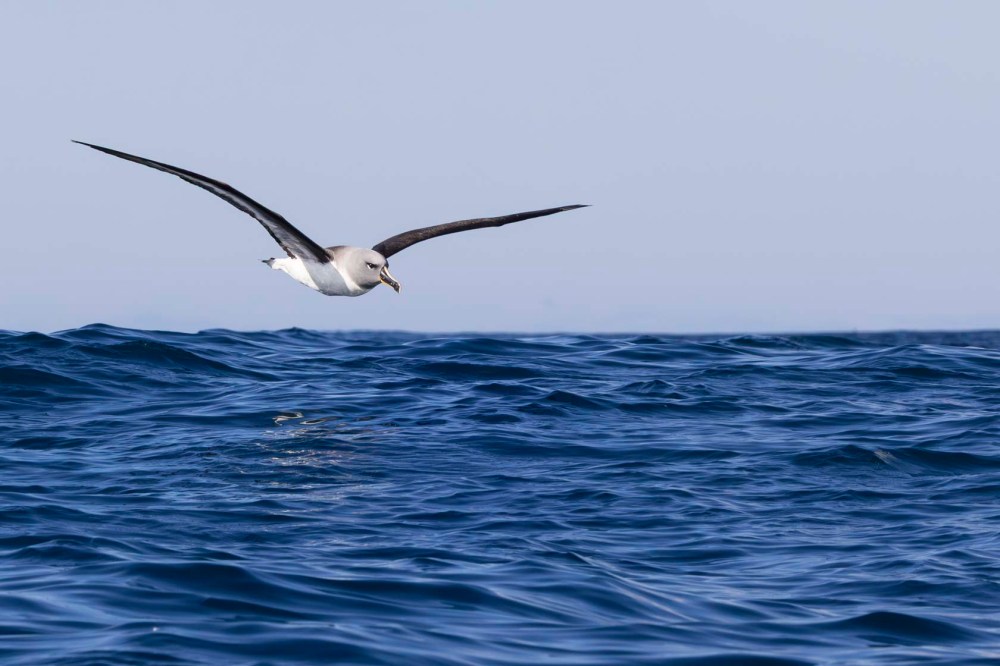
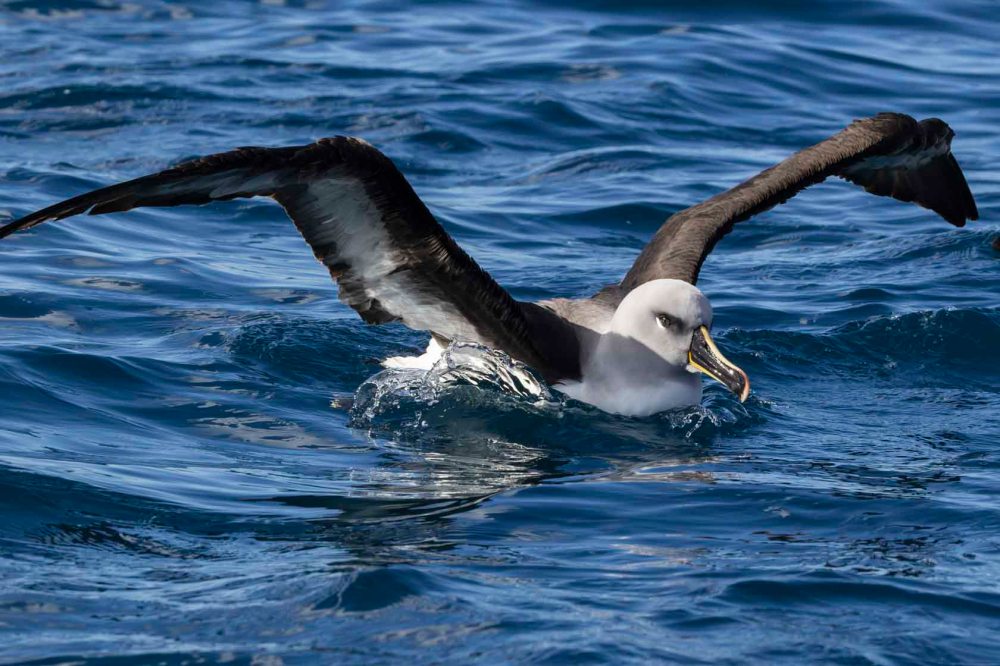
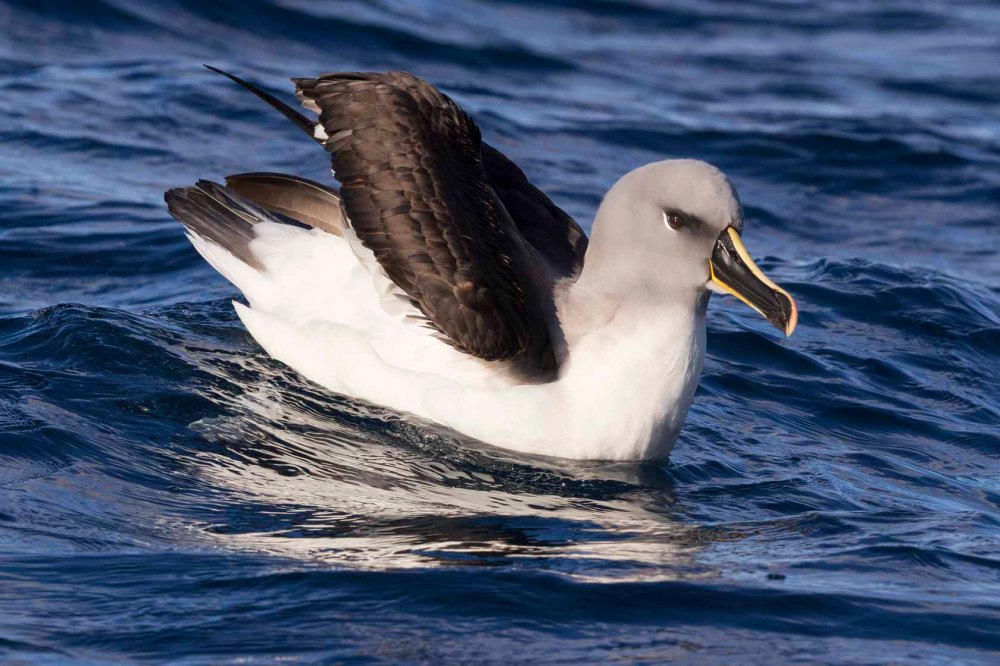
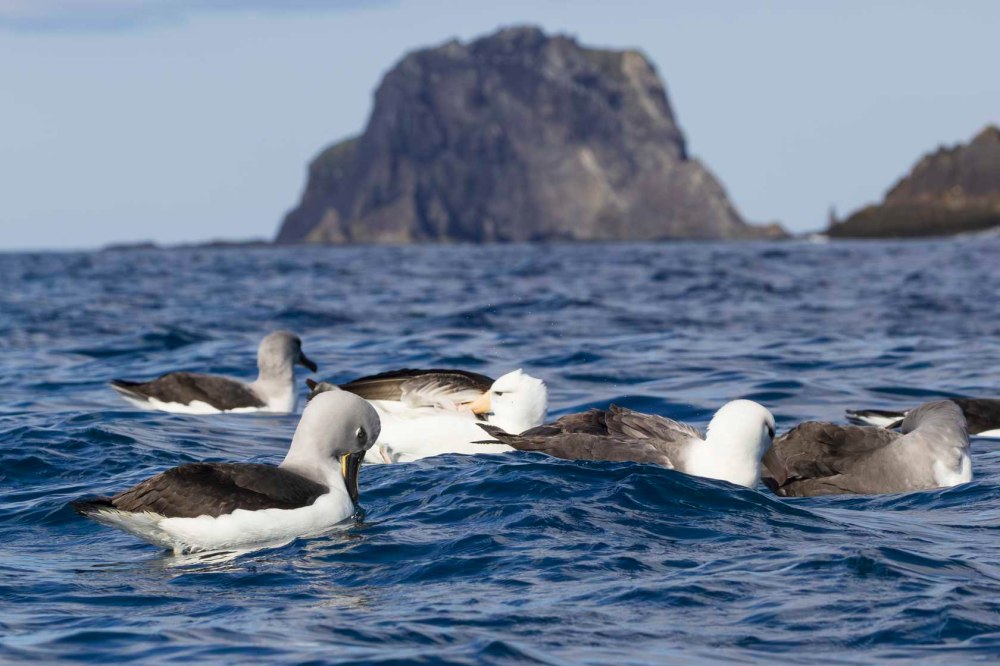
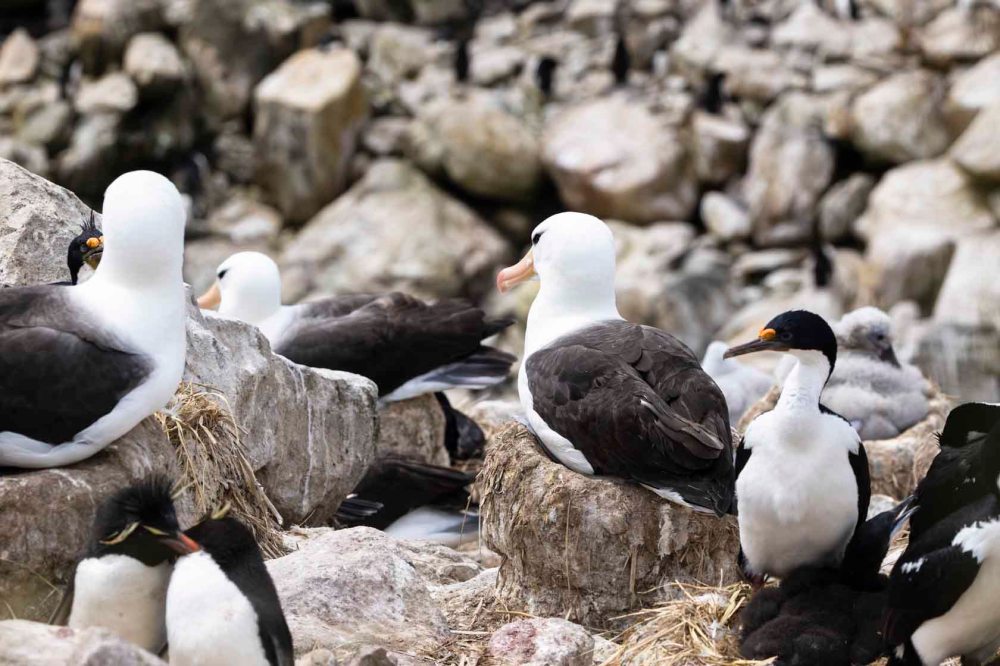
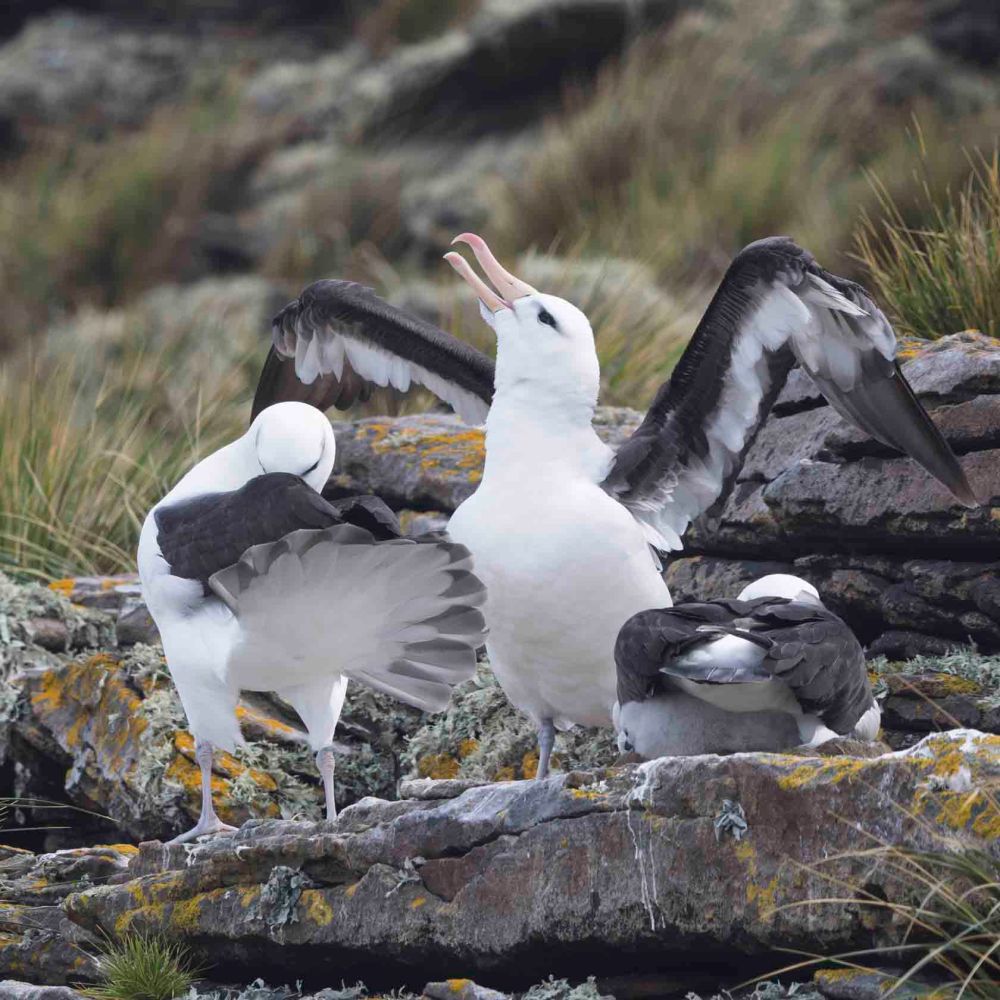
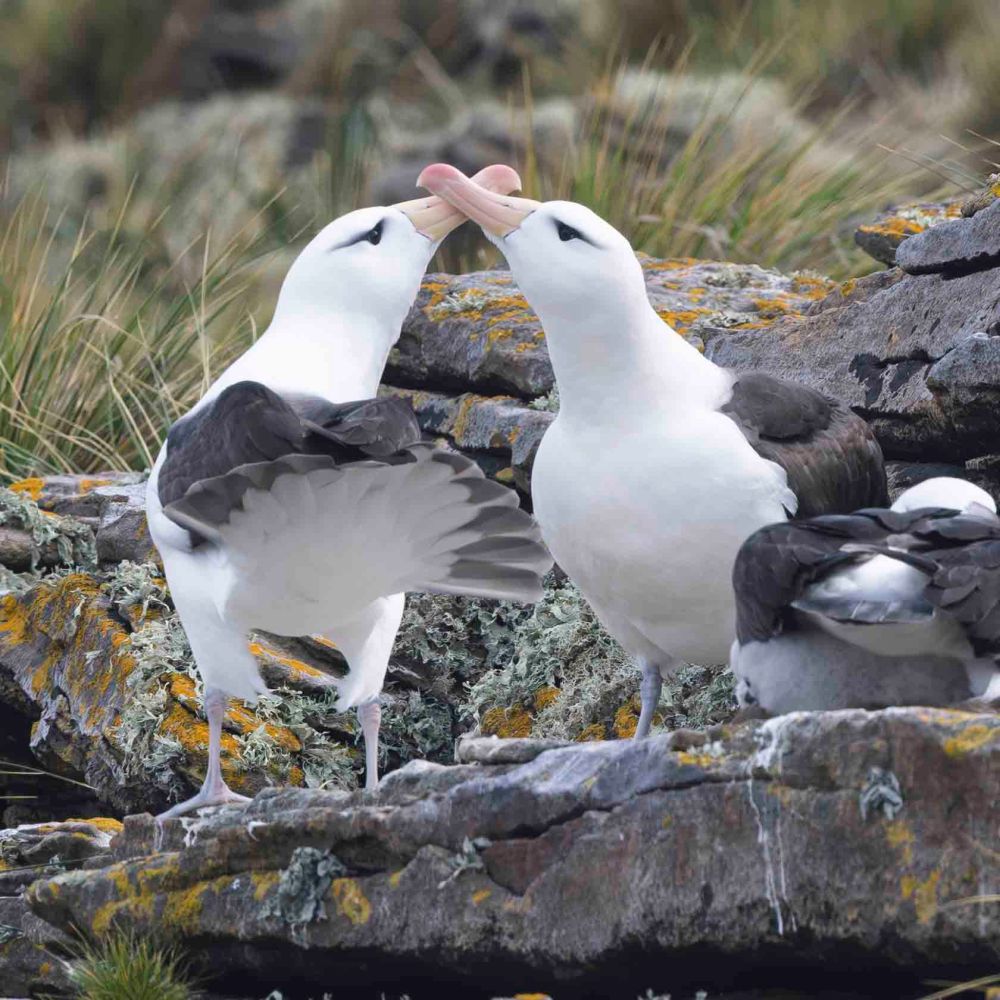
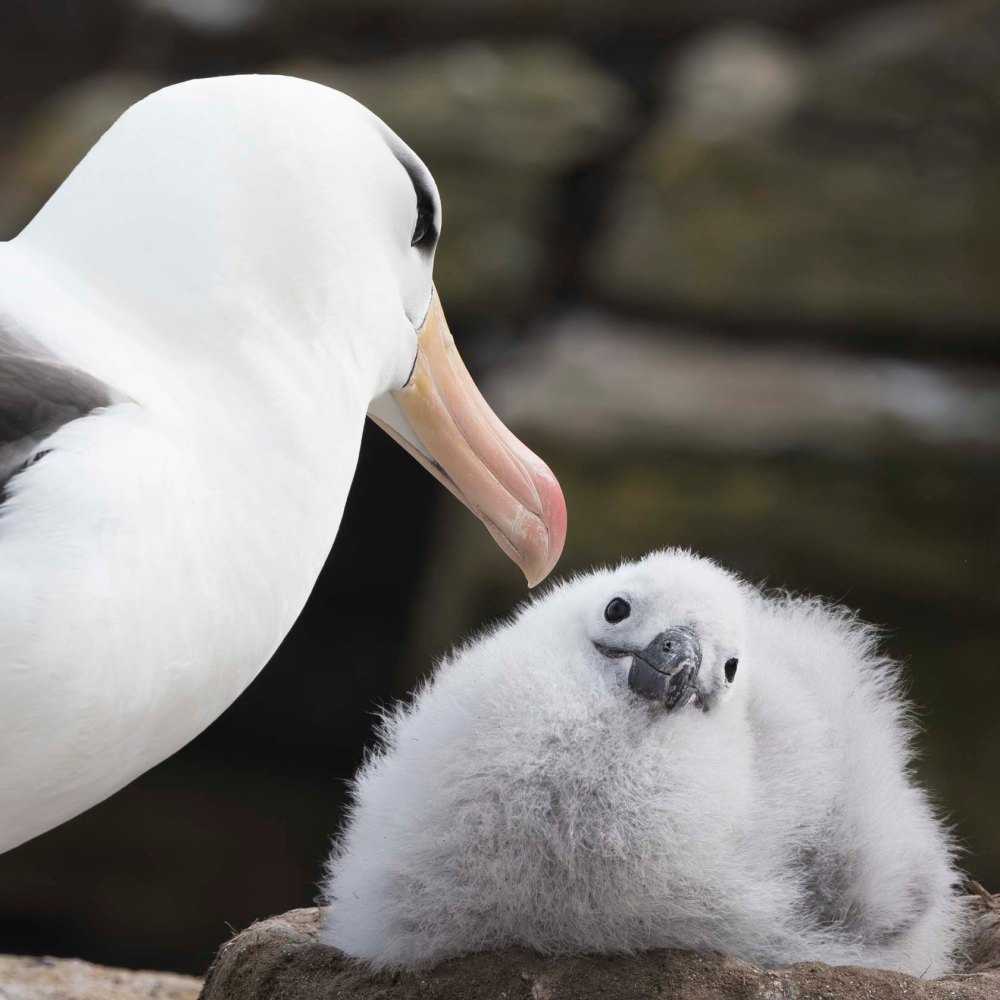
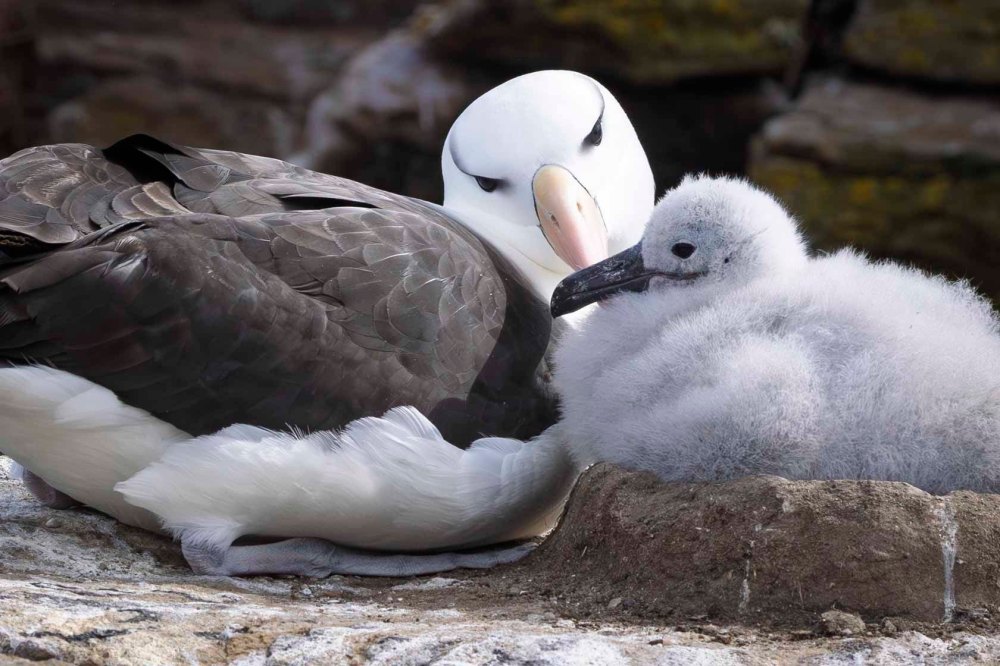
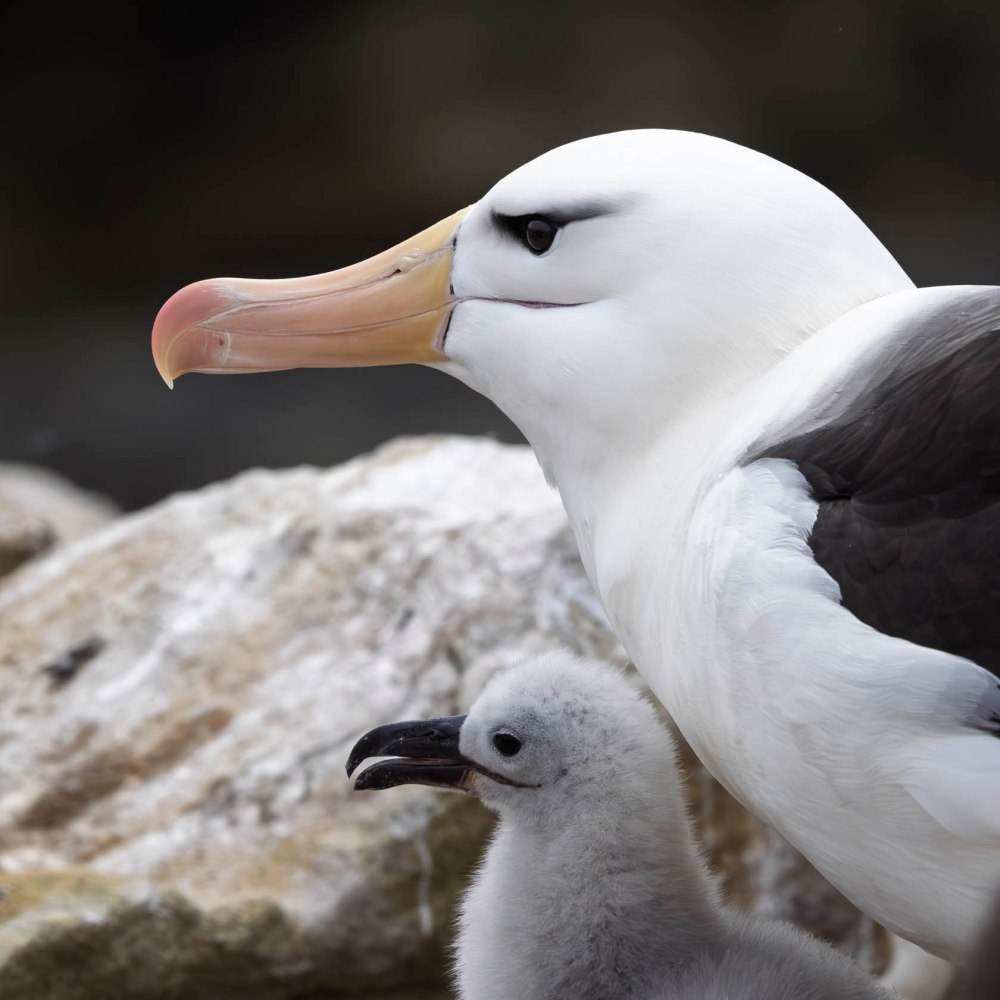
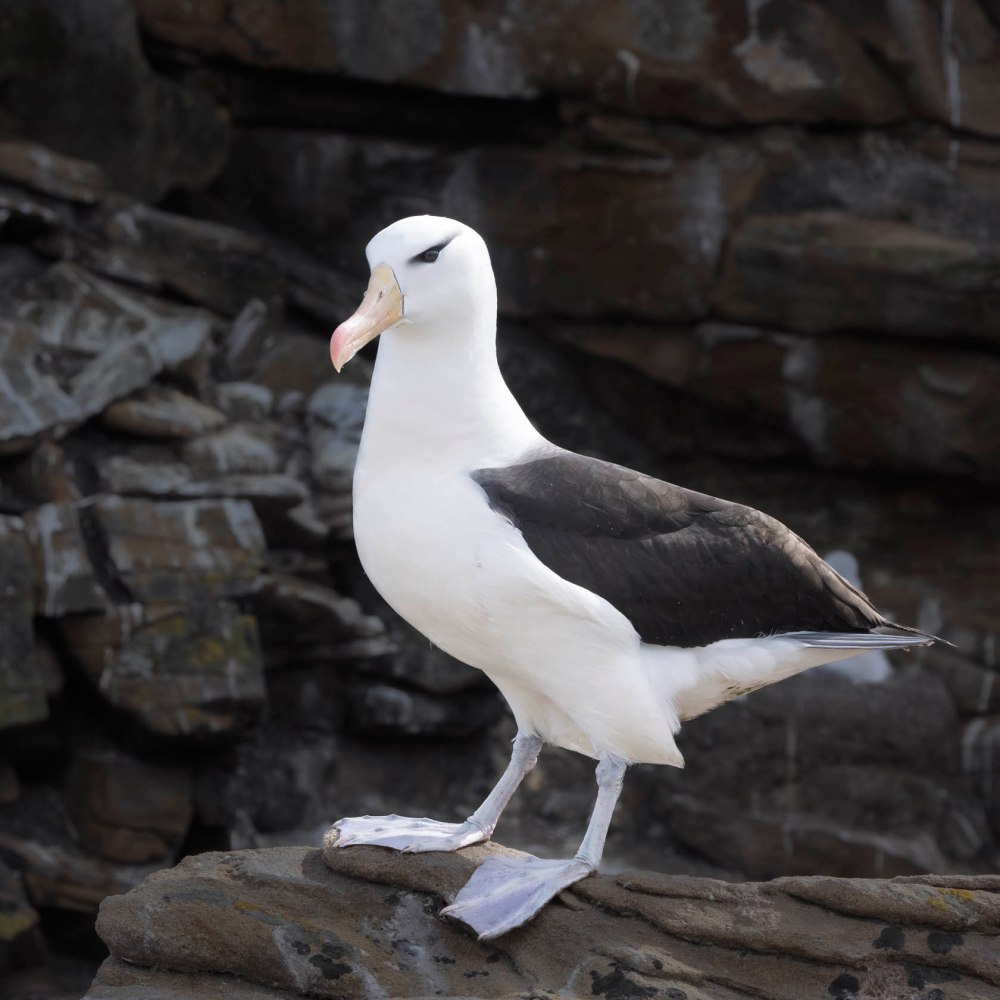
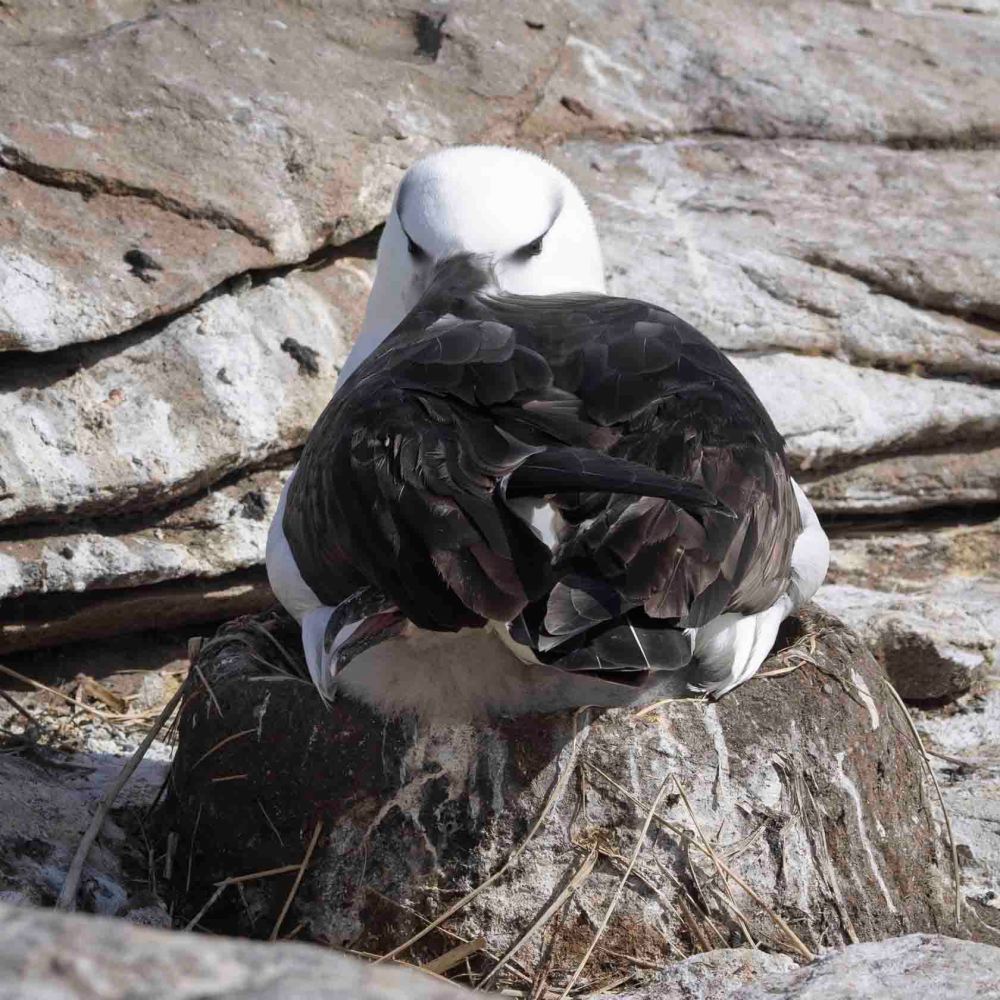
  • アルバトラス Albatross
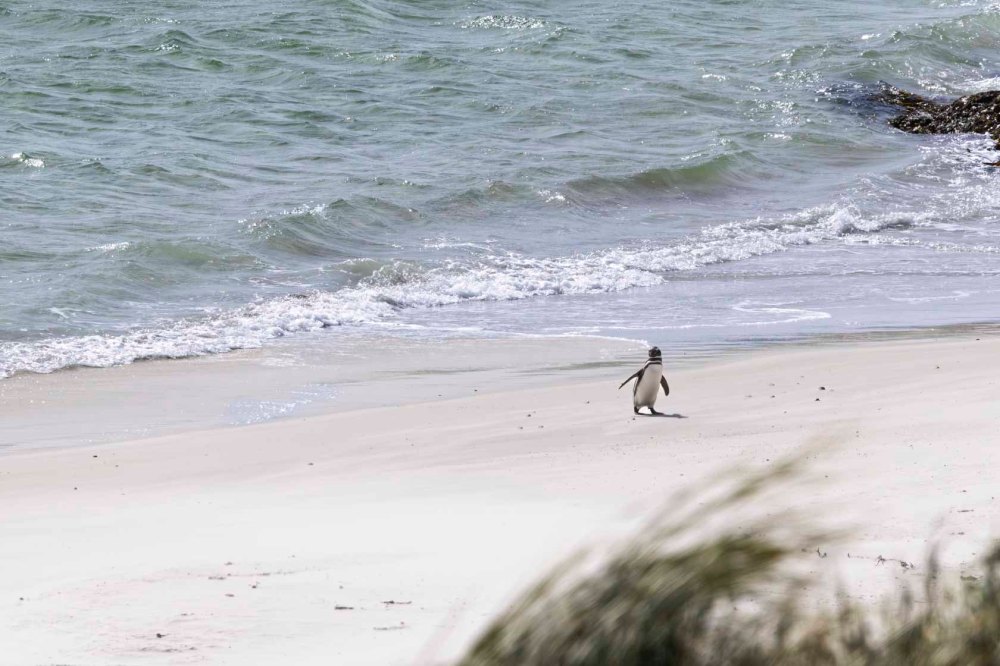
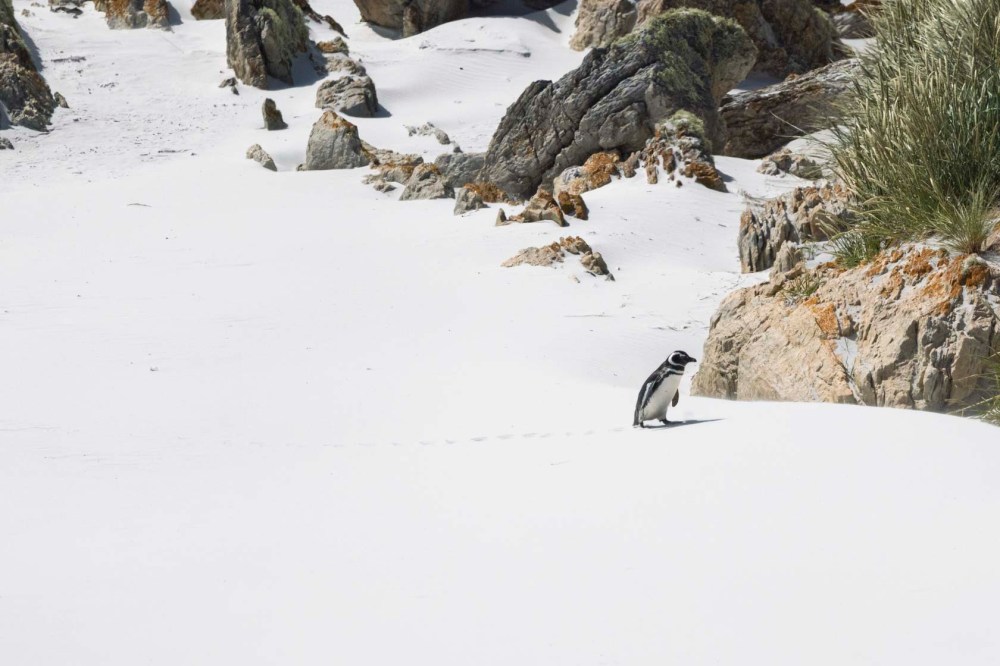
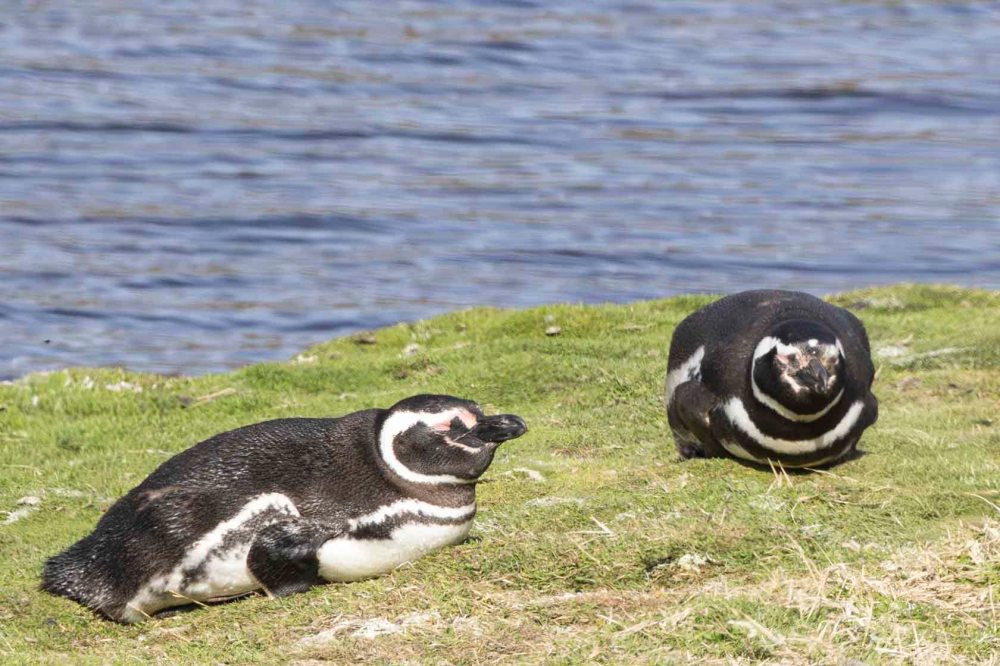
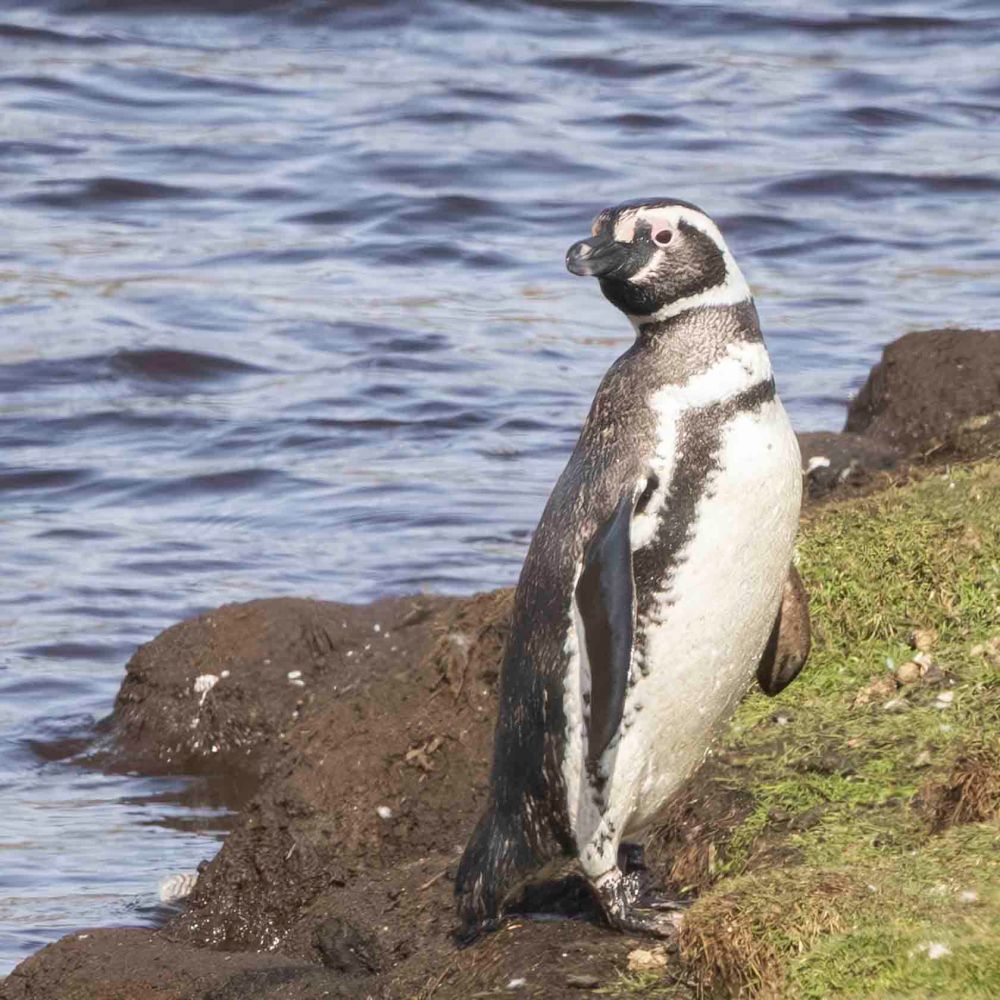
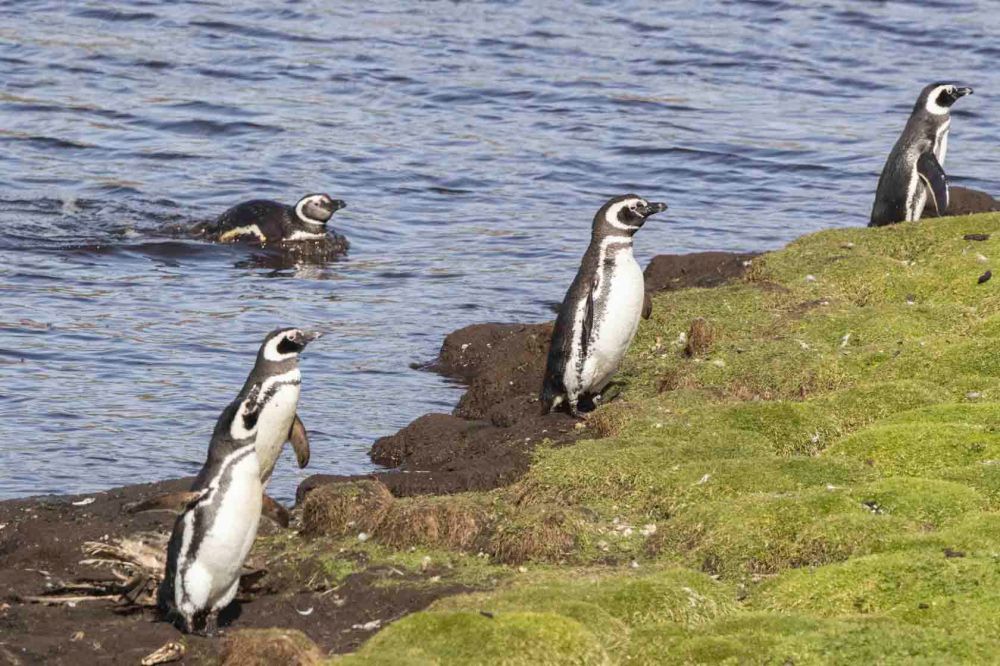
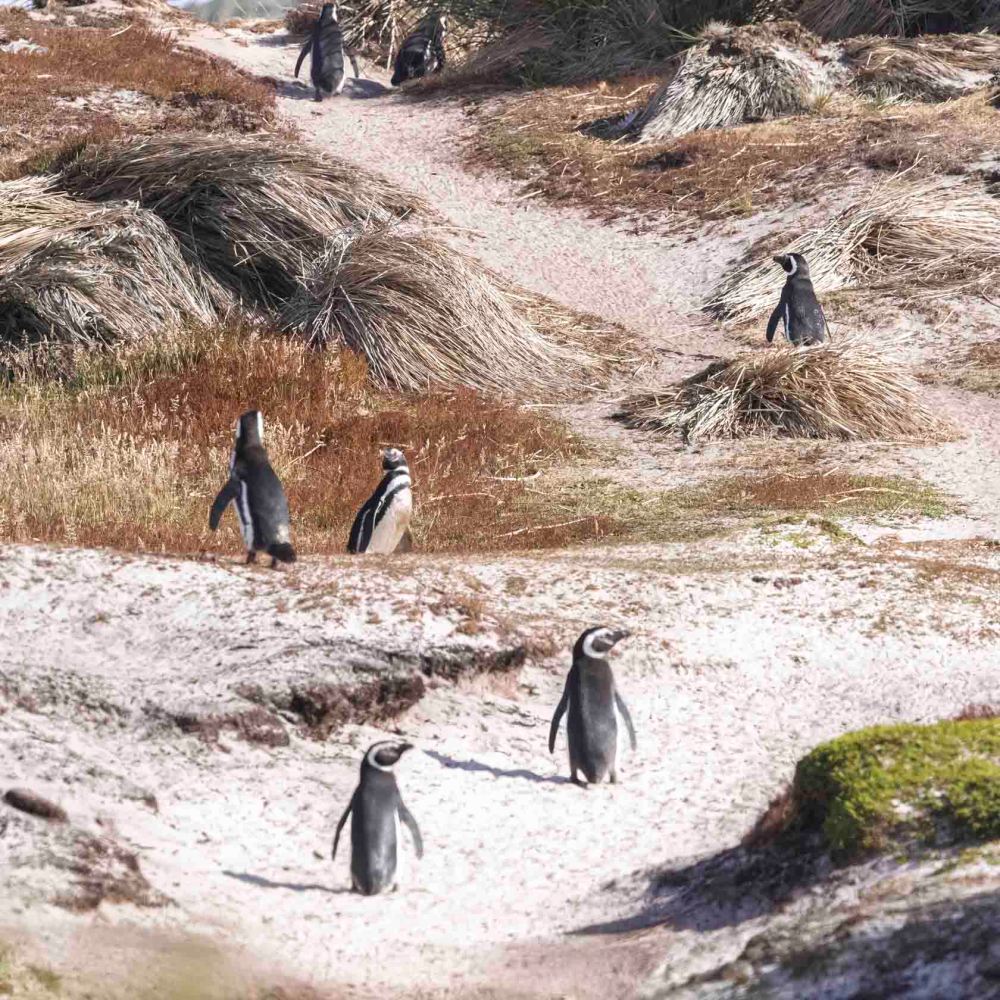
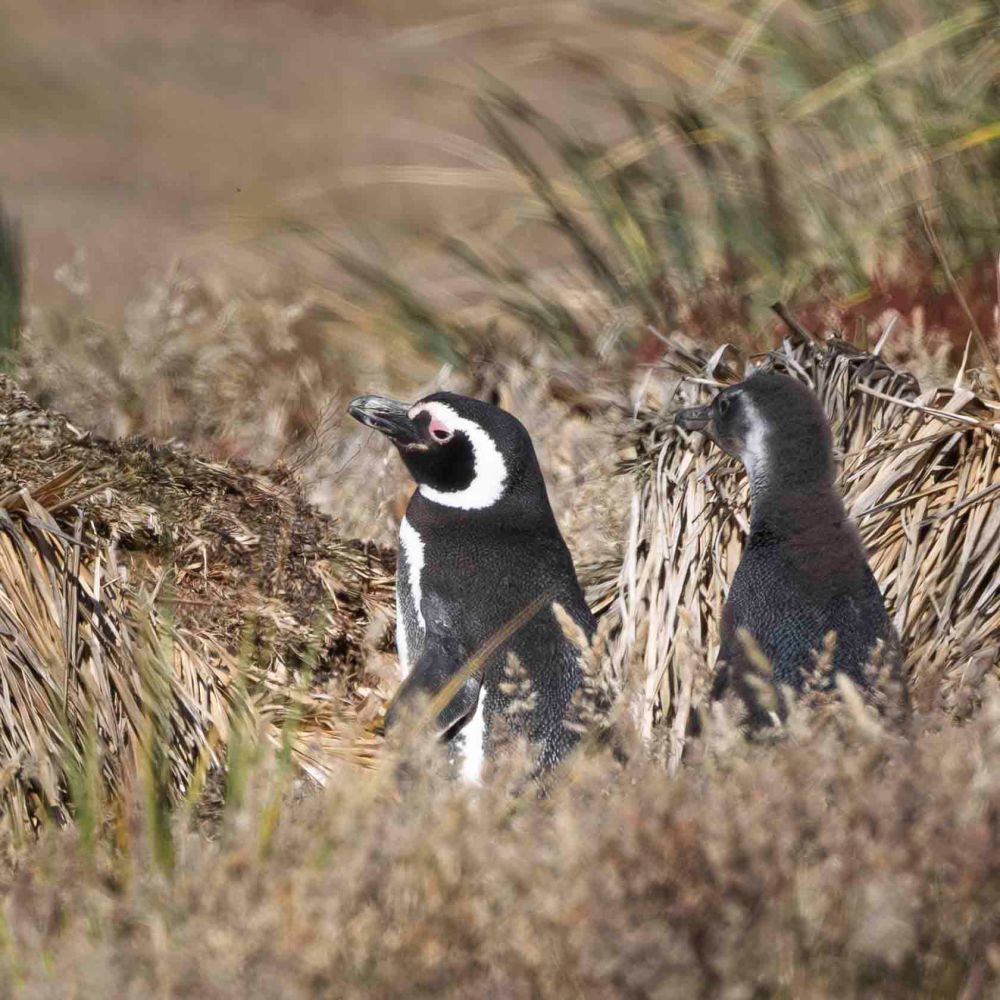
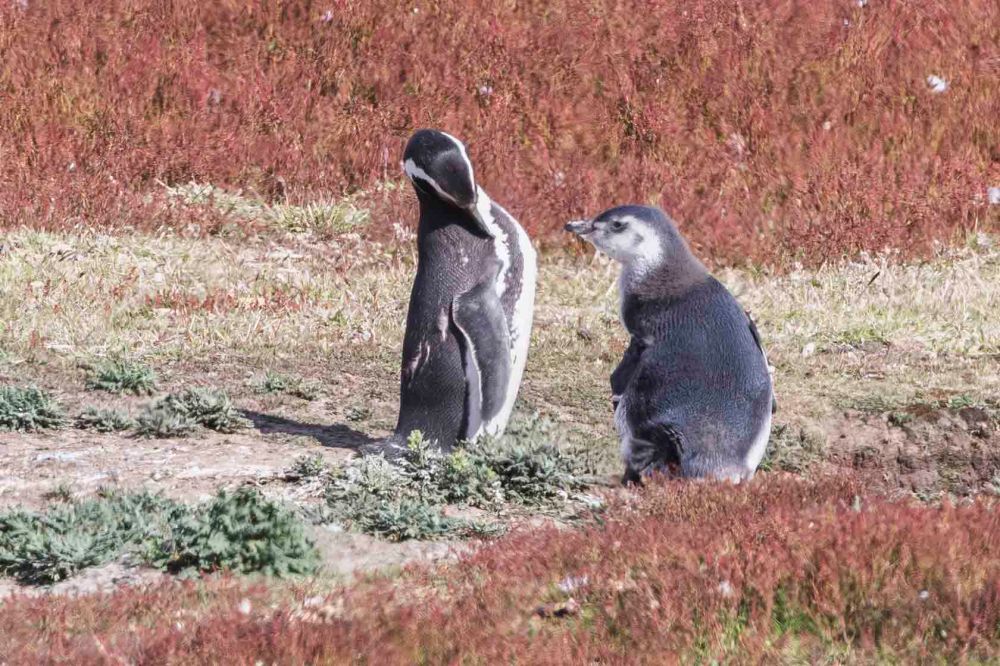
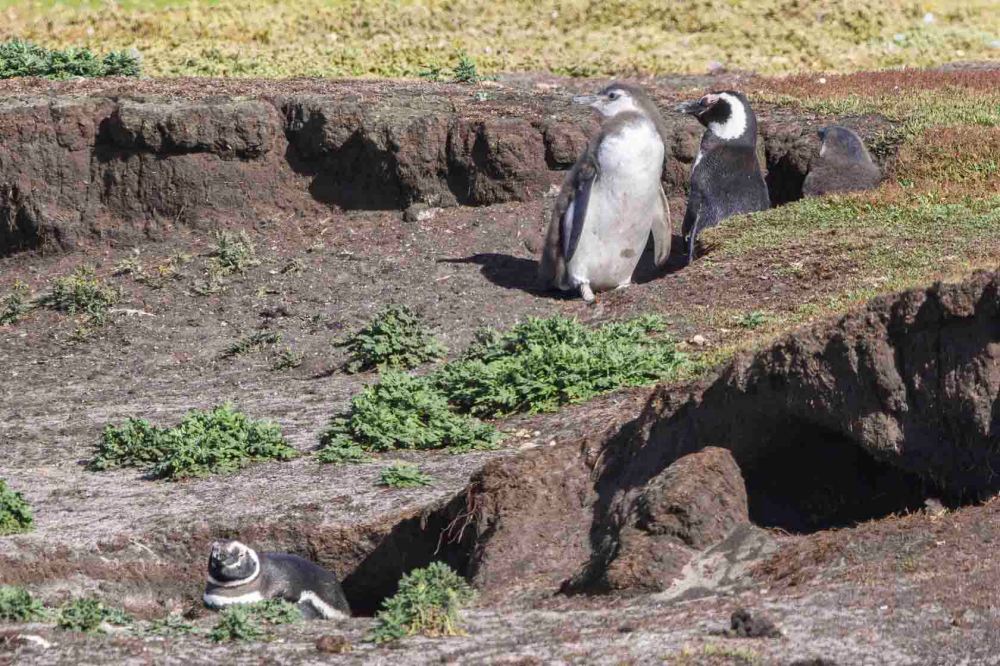
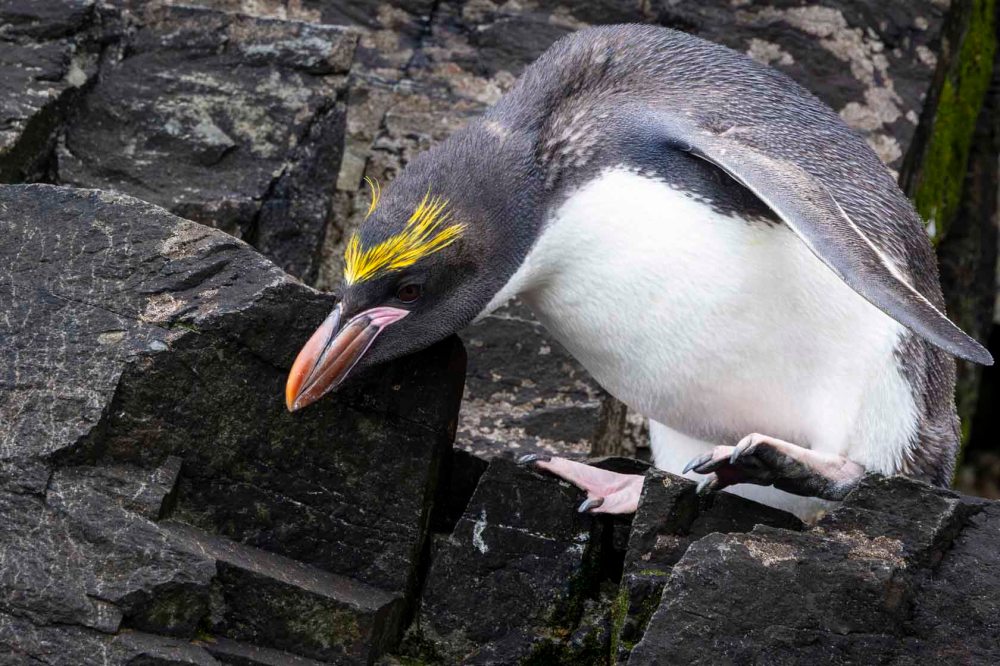
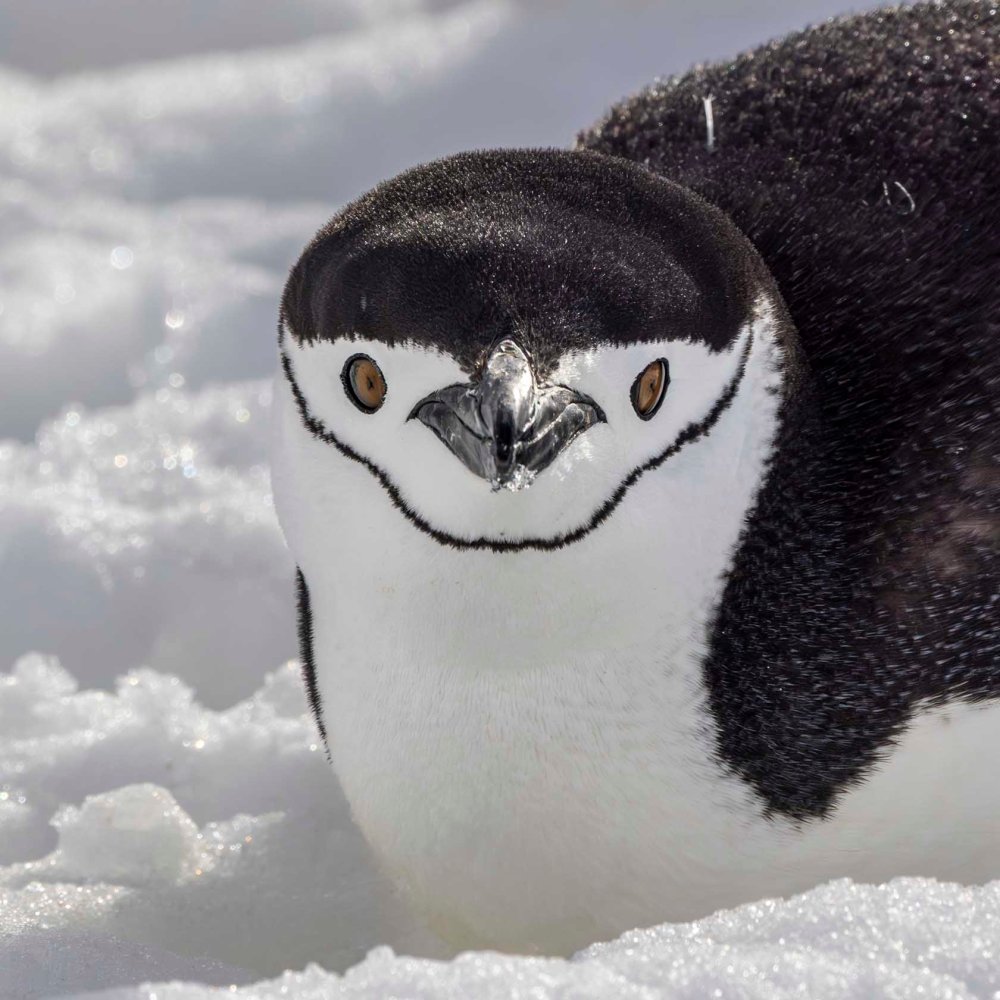
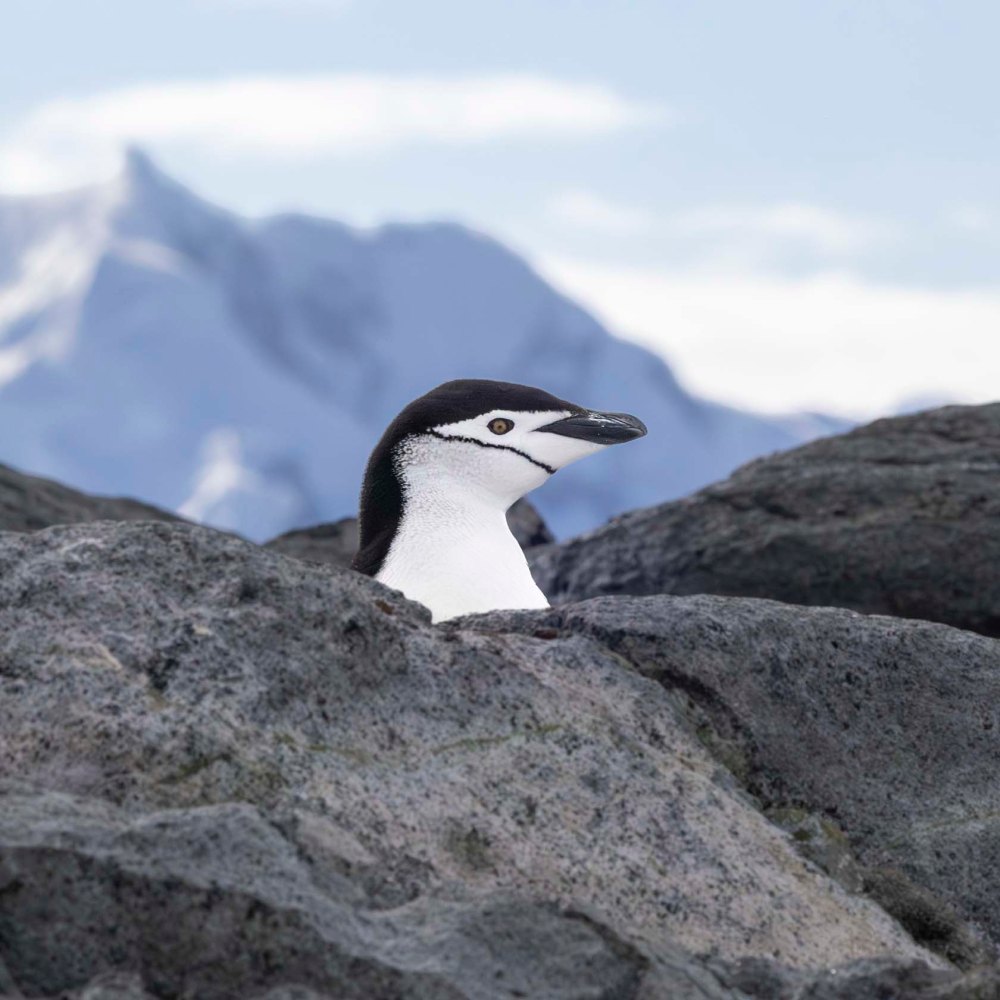
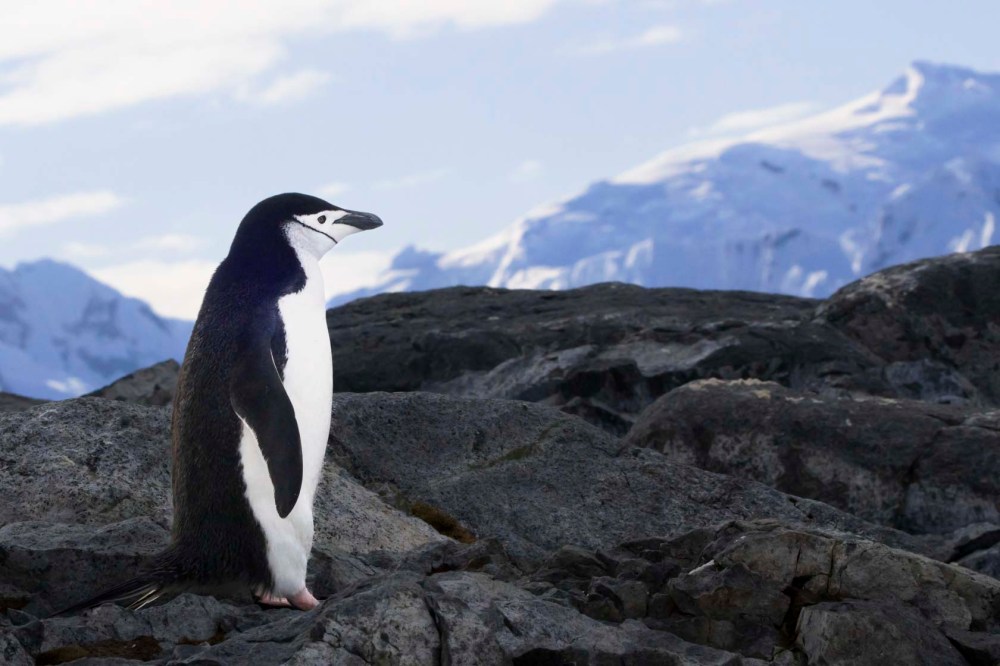
  • 7種のペンギン Seven Species of Penguins

結果、以上のうち1項目を除いてすべて達成できました!もちろん、これはこれでとても嬉しいことですが、この旅から得られたものは想像をはるかに超えて素晴らしいものでした。 As a result, I achieved all but one of the above goals. Of course, this is wonderful in itself, but what I gained from this journey far exceeded my wildest expectations.

一例を挙げるなら、私たちが泊まった氷河の近くのホテルです。この周辺は野鳥で溢れていました。遠いところに鳥を探しに行かなくても、外を見上げるといつも、目標の一つ、カラカラが、まるでホテルの主のように屋根の一番高い所から隣近所を見張っているようでした。 For example, take the hotel near the glacier where we stayed. The area was teeming with wild birds. We didn’t need to go far to find them; just looking up outside, we’d always spot one of our targets, the Caracara, perched like the hotel’s master on the highest point of the roof, surveying the neighborhood.

ここで、私たちは2種のカラカラに出会います。まずはこちら、チマンゴカラカラです。 Here, we encounter two species of Caracara. First is this one, the Chimango Caracara.

そして、こちらがカンムリカラカラです。チマンゴカラカラより大きくて49-59cmぐらいで翼を広げると1メートル以上になります。 And this is the Crested Caracara. It’s larger than the Chimango Caracara, measuring about 49-59 cm, and its wingspan exceeds one meter.

こちらは未成熟のカンムリカラカラ(右上)とお母さんです。 This is an juvenile Crested Caracara and its mother.

カラカラはハヤブサ科に属します。Caracaras belong to the Falconidae family.

ところで、カラカラの名前の由来をご存知でしょうか。答えは、以下のビデオを見るとわかります。 By the way, do you know the origin of the Caracara’s name? You’ll find the answer by watching the video below.

最初は、この不思議な音がどこからくるのかまったくわかりませんでした。ビデオの最後、カラカラと鳴いた後に首を後ろにそらす所作には意味があるようです。BirdForrum のサイト、https://www.birdforum.net/threads/notes-on-crested-caracara-behaviors.77495/で記述されています。 At first, I had no idea where this strange sound was coming from. Apparently, the gesture of tilting the head back after the rattling sound at the end of the video has some meaning. It’s described on BirdForum site, https://www.birdforum.net/threads/notes-on-crested-caracara-behaviors.77495/

カラカラの他には以下の鳥達をよく見かけました。 Besides the Caracara, we often saw the following birds.

ウシュアイアの港からでもそんなに遠くない。それでも森林限界がすぐそこまで迫っているのがウシュアイア。このホテルは下記のマップの赤いマーク。青い一本線の道が氷河の入り口までの道。歩いて17分しかかからない場所にあります。 It’s not that far from Ushuaia’s port. Yet Ushuaia is where the tree line looms close. This hotel is marked in red on the map below. The blue highlighted road leads to the glacier entrance. It’s located just a 17-minute walk away.
Screenshot

地図を見直して、あらためて納得しました。森林限界ギリギリにある森の中、そこに建っているホテルだからですね。ホテルの周りの野生動物達は嬉しそうでした。 Looking at the map again, I finally understood. It’s because the hotel is built right in the forest at the very edge of the tree line. The wild animals around the hotel seemed delighted.

マーシャル氷河の入り口 The entrance to Glaciar Martial.

ナンベイタゲリ Southern Lapwing


ブエノスアイレスから南アメリカ大陸の最南端、ウシュアイアに辿り着きました。ラッキーなことに、グレイシャーには歩いていける距離のホテルに泊まることができました。部屋からの眺めの写真です。窓越しなので質が悪いですが、雰囲気は伝わると思います。 We’ve made it from Buenos Aires to Ushuaia, the southernmost tip of South America. Luckily, we found a hotel within walking distance of the glacier. Here’s a photo of the view from our room. It’s not great quality through the window, but I hope you get a sense of the atmosphere.

また、周りの山も海も眺望できる素晴らしいところでした。 It was also a wonderful spot with views of the surrounding mountains and sea.

でも、それ以上にここで出会った2羽のナンベイタゲリは、毎日お互いに様子を伺い合う関係となりました。(私が勝手に思っていただけですけど。) But more than that, two Southern Lapwings we met there and developed a relationship where we checked on each other every day. (Though that was just my own imagination.)

ホテルの敷地内を散策していると思ったら、なんと、卵を温めていたんです。 I thought they were just strolling around the hotel grounds, but lo and behold, they were incubating their eggs.

多分、交代制で温めていたと思います。それはいいんですが、巣そのものがどうも頼りない。地面のちょっとした窪みに産みつけているだけだったからです。 I think they took turns keeping eggs warm. That’s fine, but the nest itself seemed rather flimsy. They’d just laid it in a slight depression in the ground.

私たちの滞在中、雨が降らない日はなかったほどよく降り、それが雪になるという日もありました。だから毎日心配していました。でも、彼らは諦めることなく寒さにじっと耐えて卵を温めていました。数日後、私たちは旅を続けるため20日以上このホテルを留守にしました。帰ってきたらどうなっているか、期待と不安が混じった思い出でかけていきました。なぜなら、大抵の鳥の卵は1か月ぐらいで孵化するからです。 During our stay, it rained almost every day, and on some days it even turned to snow. So we worried every day. But they never gave up, enduring the cold and keeping their eggs warm. A few days later, we left this hotel for over 20 days to continue our journey. We set off with mixed feelings of anticipation and anxiety about what we might find upon our return. After all, most bird eggs hatch in about a month.

そして、これが再び帰ってきた時に見た光景です。さっぱりしすぎている。卵もなくなっていました。卵の殻の跡も何も見つかりませんでした。 And this is the scene we saw when we returned. It was too clean. The eggs were gone too. I couldn’t find any traces of eggshells or anything.

卵は?雛は? What about the eggs? What about the chicks?

そう尋ねても答えてくれませんでした。でも、ナンベイタゲリの夫婦はその場を離れることなく、立っているだけでした。 Even when I asked, they wouldn’t answer. But the pair of Southern lapwings didn’t leave the spot; they just stood there.

だから、きっと雛達は何処か安全な所に居るのだろうと思うことにして、別れを告げました。 So I decided to believe the chicks must be somewhere safe, and said goodbye.

ブエノスアイレスでの出会い Encounters in Buenos Aires


一泊しただけだったのに、たくさんの出会いがあったブエノスアイレス。リザーバ エコロジカでの出会いをご紹介します。 We stayed just one night in Buenos Aires, yet had so many encounters. Here are some of the wildlife we encountered at Reserva Ecológica.

ここに行くために真横にあるホテルに泊まりました。窓から見えた朝の景色。緑の森林がリザーバ エコロジカです。 We stayed at a hotel right next to the reserve. The morning view from our window is shown below. The green forest is the Reserva Ecológica.

鳥を探していたので、目撃できた野生動物はほとんどが鳥ですが、実は1種だけ、爬虫類がいます。アルゼンチンブラックアンドホワイトテグーです。長さは1メートルはなかったと思いますが、大きなトカゲです。 Since we were looking for birds, most of the wildlife we spotted were birds, but actually there was one reptile: an Argentine black and white tegu. I don’t think it was quite a meter long, but it was a large lizard.

去年初めて目撃したアメリカドクトカゲと同じぐらいの大きさでしょうか。 It’s about the same size as the Gila monster I saw for the first time last year.

そして、以下が初めて出会った南米の鳥たち10種です。 And here are the 10 species of South American birds I encountered for the first time.

これら全ての種には、とても興味深い特徴がありますが、今回は先を急ぐので省きます。ただ、全く重要じゃないけど、私にとっては面白い気づきを一点だけご紹介します。 All these species have very interesting characteristics, but I’ll skip them for now as I’m in a hurry. However, I’ll share just one interesting observation that’s trivial, but interesting to me.

インコが普通に木の上や河原にいることは少々驚きでしたが、面白い気づきは羽の色でした。ここはブラジルではないけれど、ブラジルの国旗の色そのもの。色がこの地、南米にフィットしていると思いませんか? It was a bit surprising to see parrots just sitting on trees or riverbanks like that, but what really caught my attention was the color of their feathers. This isn’t Brazil, but it’s the exact colors of the Brazilian flag. Don’t you think the colors really suit this place, South America?

さあ、これで去年限定的に完成させていた「私の鳥達」という、分類表と私の写真集をアップデートすることができます。君たちの名前、しっかり記録しておくね。 Now I can finally update my classification chart and photo album, “My Birds,” which I only partially completed last year. I’ll make sure to record all your names properly.

IOC World Bird List v.15.1では、オウムはハヤブサに近い鳥ということらしいです。そういえば、嘴は形が湾曲していて似てますよね。 According to the IOC World Bird List v.15.1, parrots are apparently birds closely related to falcons. Come to think of it, their beaks are curved and look similar, don’t they?

君の名は? Your Name?


君の名が知りたくて、ここまで来てしまったよ。 I ended up coming this far because I wanted to know your name.

あなたは誰? Who are you?

名前を告げずにまた立ち去ってしまうんだね。 You’re leaving already without telling me your name.

それでも、この一瞬の出会い、大切にしておくね。 Even so, I’ll treasure this fleeting encounter.

南アメリカ最南端、ウシュアイアでの出会い。 The encounter here in Ushuaia, the southernmost tip of South America.

旅の荷解きもまだ終わっていません。でも、南極旅行中のさまざまな発見、驚き、感動が薄れていく前に、断片的ですが、これから少しずつ書き残していきます。 I haven’t even finished unpacking from my Antarctica trip yet. But before the various discoveries, surprises and emotions from my travels fade away, I’ll jot down some fragments while they’re still fresh in the coming blog posts.

小さな命 A Small Life


小さな命に触れた。 I touched a small life.

私の心が震えた。 My heart trembled.

小さな命が燃え尽きそうだった。 A tiny flame of life was about to go out.

ただひたすら助けたかった。 I just wanted to do something to help.

体力尽きて飛べなくなっていたハチドリを手のひらに乗せ、ネクターを嘴の先に注いだ。 I placed the hummingbird, which had exhausted its strength and could no longer fly, on my palm and poured nectar into its beak.

グッタリした小さな体の体温を微かに感じていただけだった。 I could only faintly feel the body temperature of her small, exhausted body.

「大丈夫だよ。がんばれ、がんばれ。」と、ささやき続けた。 “It’s okay. Keep going, keep going,” I whispered repeatedly.

そして、何かが動き始めたのを感じた。 And then I felt something start to move.

ハチドリがネクターを吸い始めた。歩くことができないか弱い足が動いた。 The hummingbird began to suck nectar. Its weak legs, unable to walk, moved.

「もう少しだよ。がんばれ、がんばれ!」と、声援を送り続けた。 “Just a little more. Keep going, keep going!” I continued to cheer her on.

わずかな時が流れ、ハチドリはスクっと立ち上がり、羽をパタパタさせて整えた。 A moment passed, and the hummingbird stood up straight and flapped its wings to tidy them up.

か弱いけれど力強くなっていた足を手のひらに感じた。 I felt her weak, but growing stronger legs in the palm of my hand.

そのまま、ハチドリと私だけの無言の触れ合いの時が流れた。 Just like that, a moment of silent interaction between the hummingbird and me passed.

名残惜しい。 I was sad to let it go.

そんなひと時にも終わりが来た。ハチドリの体力は十分回復ができたのだ。暑い夏の空に飛び立っていった。 But even this moment had to come to an end. The hummingbird’s physical strength had fully recovered. It flew away into the hot summer sky.

私の目から涙が溢れていた。 Tears were streaming from my eyes.

小さな命、でもひたすら生きようとする姿。 A small life, but one that strives to live on.

今日、君に出会えてよかった。大きな感動をありがとう。 I’m glad I met you today. Thank you for the great moving experience.

さあ、6月だ! Now, June!


昨日裏庭でデザートスプーンを発見してから、静かに興奮しています。 I am quietly excited after discovering the Desert Spoon in my backyard yesterday.

裏庭で朝食なんて、長いことしていなかったのに、デザートスプーンが見たいがため、外に出てみました。 I hadn’t had breakfast in the backyard in a long time, but I went outside to see the Desert Spoon.

そうしたら、一瞬でカメラを持って出なかったことを後悔しました。さっそくハチドリがすぐそばで咲いているユッカの花の蜜を吸い始めたからです。こちら、携帯のビデオ。 Then, in an instant, I regretted not having my camera with me. A hummingbird immediately started sucking the nectar from a yucca flower blooming nearby. This is my cell phone video of it.

もう6月なので、これからは30°C (86 °F) を下回る日はあまりありません。 Since it is already June, there will not be many days below 30°C (86 °F) from now on.

裏庭で孵化した鳥達もほとんど飛び立って行きました。 Most of the birds that hatched in the backyard have flown away.
この茂みの中に残っているのは、ハトだけだと推察しています。 I am guessing that the only thing left in these bushes are pigeons.

小鳥達はこの夏の間に十分体力をつけておかなければいけません。次の冬が乗り越えられるかがその後の鳥の生死を決定します。 Small birds need to build up their strength during this summer. The ability to survive the following winter will determine whether the birds live or die in the following years.

「僕たちだって同じだよ。」と、産まれたばかりのサバクゴファーガメ君が言いました。 ”We’re the same way,” said the newborn Desert tortoise.

そうですね。すべての生まれたての野生動物は一生懸命です。 That’s right. Every newborn wild animal is hard at work.

生きる活力を感じます。同時に、命の尊さを教えてくれます。 I feel the vitality of life. At the same time, it teaches us the preciousness of life.

ルーシー Lucy


バスルームの中から毎日見える景色。大好きです。 The view from inside the bathroom every day. I love it.
窓のすぐ外にデザートウィローの木の幹があります。ここに鳥箱を引っ越してきてから設置しました。長い間誰にも使われることなく、古いバードハウスがますます古くなり、放置されていました。 There is a Desert Willow tree trunk right outside the window. We installed a bird house here after we moved in. For a long time no one used it and the old bird house was getting older and older and neglected.

でも、今年の春は違います。ついに気に入ってくれた鳥が現れました。 But this spring is different. Finally, a bird that liked it showed up.

ルーシーアメリカムシクイです。 Lucy’s Warbler.

アメリカムシクイ科の中で最も小さい種です。私の人差し指の長さぐらいしかありません。 It is the smallest species of the American warbler family, and is only about the length of my index finger.

勿論、私たちは嬉しくて写真を撮りまくりました。そして、あることに気がつきました。このハイノドヒタキモドキがこの木の何処かにいつも止まっていました。そして、ルーシーが鳥箱から出てくる時に攻撃するシーンを目前に見てしまいました。 Of course we were happy and took a lot of pictures. Then we noticed something. This Ash-throated Flycatcher was always perched somewhere in this tree. And then we saw it attack Lucy as she was coming out of the bird house, right in front of us.

ルーシーは素早く飛び去っていき大丈夫でしたが、あまりのショッキングな光景に驚きました。野生の世界は本当に危険がいっぱいです。 Lucy quickly flew away and was fine, but it was such a shocking sight. The wild world really is full of dangers.

残念なことに、私たちのルーシーの観察はここまでです。なぜなら、毎日アメリカドクトカゲを探して出かけていたので、ルーシー家族が旅立った事に気づきませんでした。そこで、ルーシーの来訪を記念してショートビデオを作りました。ご覧ください。 Unfortunately, our observation of Lucy ends here. Because we were out every day looking for the Gila monster, we were unaware when Lucy’s family departed. So I made a short video to commemorate Lucy’s visit. Please take a look.

ルーシーの寿命は5年ぐらい。こんなに小さい体なのに毎年メキシコから産卵のために北上するそうです。来年も来てくれるかな。 Lucy’s lifespan is about five years. They say that even though she has such a small body, she travels north from Mexico every year to lay eggs. I wonder if she will come back next year.

初めて見た鳥の写真 First Bird Photos I Ever Saw


今年のバードフェスでは、初めて見つけられた鳥がたくさんありました。すでにご紹介した5種、クロツキヒメハエトリ、キイロアメリカムシクイ、ブラックホーク、アオライチョウ、グレースアメリカムシクイの写真はラッキーにもかなりマシに撮れました。 At this year’s Bird Fest, I could find many birds that I had never seen before. I was lucky enough to get pretty good photos of the five species I have already mentioned: Black Phoebe, Yellow Warbler, Black Hawk, Dusky Grouse, and Grace’s Warbler.

他にも初めて見つけられた鳥が何種かいたのですが、みんな遠い所にいたので良いショットがありません。それでも一応、来年のために記録として載せておきます。 There were several other bird species that I was able to find for the first time, but they were all so far away that I don’t have good shots of them. Still, I’ll put them up as a record for next year.

来年はいい写真が撮れるようにこれから少しずつ準備しておきます。 Now I will prepare a little more so that I can take good pictures next year.

とはいえ、いい鳥の写真を撮るためには、どんな準備をすればいいのでしょうか。 But what kind of preparation is needed to take good bird pictures?

私ができそうな準備二つ。 There are two things I might prepare for.

  • 鳥の鳴き声を聞き分ける。(1種ずつ覚えれば、できないこともない。) Identify the sounds of birds. (If you learn one species at a time, it’s not impossible.)
  • 鳥の習性を知り、いそうな場所の見当をつける。(学習あるのみ) Learn the habits of birds and get an idea of where they are likely to be. (Learning is the only way to learn.)

グレース Grace


グレースアメリカムシクイです。バードフェスの最中にザイオン国立公園の西で見つけました。この鳥も私にとっては、初顔です。 This is a Grace’s Warbler. We found it in the western part of Zion National Park during the Bird Fest. This bird is also a new bird for me.

グレースアメリカムシクイは、エリオット クーズという鳥類学者によって発見されました。新しく発見された鳥には大抵発見者の名前が付けられます。だからエリオットアメリカムシクイという名前になっていてもおかしくなかったんですね。でも、彼は妹のグレースの名前を使って欲しいと要求したので、彼の願いが叶い、グレースアメリカムシクイになったということです。 The Grace’s Warbler was discovered by an ornithologist named Elliot Coues. Newly discovered birds are usually named after their discoverer. So it could have been named the Elliot’s Warbler. But he requested to use his sister Grace’s name. So his wish was granted and it became the Grace’s Warbler.

なんていいお兄さんだったんでしょう。 What a great brother he was!

この顔を見ていると、エリオットアメリカムシクイと呼んでもいいような、ちょっと凛々しい雰囲気もします。 Looking at this face, it also looks a bit dignified, as if it could be called an Elliot’s Warbler.

おっと。前言撤回。そんなことを言ったら、世の中のグレースという名前をもち、しかもこの鳥が好きな多くの女性が悲しみそうですねからね。やはり、グレースアメリカムシクイがピタリ合っていそうです。 Oops. I take back what I just said. If I said that, many women in the world who have the name “Grace” and like this bird would be sad, right? I think Grace’s American Warbler is the perfect name for this bird.

とても優雅なアメリカムシクイです。 This is an elegant warbler.

アオライチョウ Dusky Grouse


アオライチョウのメスです。 This is a female Dusky grouse.

ザイオン国立公園の西側、標高2,890フィート (2.4km)にあるラバポイントというなの展望台近くで見つけました。 We found it on the west side of Zion National Park at an elevation of 2,890 feet (2.4 km) near an overlook called Lava Point.

この日の朝ブラックホークに出会って十分満足していた私は、その後、何も期待していませんでした。でも、この鳥との出会いに誕生日とクリスマスのプレゼントを一緒にもらってしまった気がしました。きっと、他のグループメンバー6人も同じように超ラッキーだと思ったに違いありません。 I was happy enough with my encounter with the Black Hawk that morning, so I had no expectations after that. But I felt like I had received a birthday and Christmas present together with this encounter with the bird. I am sure the other six group members must have felt super lucky as well.

この鳥に再び出会える確実はきっと限りなくゼロに近いと思いながら、アオライチョウが飛び去って行った後も、この出会いに深く感謝していました。 Even after the blue grouse flew away, I was deeply grateful for this encounter, knowing that the certainty of seeing this bird again was surely close to zero.

ブラックホーク Common Black Hawk


バードフェスからもう3週間も経ってしまいました。その時発見した珍しい鳥たち(私にとってのですが)を、急いで紹介していきます。 It has already been three weeks since the Bird Fest. I will quickly introduce some of the rare birds (for me, that is) that I discovered at that time.

日本語名は「クロノスリ」と言われるようですが、ブラックホークとしても馴染み深そうですね。 The Japanese name is likely to be “Kronosuri,” but Japanese also refer to it with the English name Black Hawk.

キイロアメリカムシクイを捕まえた直後でした。 It was right after he caught a Yellow Warbler.

残酷なようですが、これが野生の世界です。ブラックホークは小さな哺乳類の他に魚やトカゲなども食するようです。 It sounds cruel, but this is the wild world. Black Hawks seem to feed on fish and lizards as well as small mammals.

中南米の海岸線が基本の棲家ですが、産卵のために北上もするようです。私たちの住むユタ州南西部では珍しい鳥なので、発見後、みんな大喜びですた。 The coastlines of Central and South America are their main habitat, but some of them migrate north to lay eggs. They are rare in southwestern Utah, where we live, so everyone was overjoyed when we found them.

ただ今移動中 Migration in full swing


キイロアメリカムシクイです。 This is a Yellow Warbler.

アメリカムシクイ科には120の種が属していますが、その半分は渡り鳥です。この科に属するキイロアメリカムシクイも渡り鳥なので、春になると出身地の中南米を出発し、北上して北米全土に散らばっていきます。そして9月ごろには再び南に帰っていくので移動が始まるらしいです。 About 120 species belong to the family Parulidae, New World Warblers, half of which are migratory birds. The Yellow Warbler, which belongs to this family, is also a migratory bird, so in spring it leaves its native Central and South America and travels northward, scattering all over North America. Then, around September, they start their migration as they return to the south again.

5インチ(12cm)しかない小さな鳥なのに、毎年遠路を移動するなんて、元気な鳥だなあ。 It’s a small bird, only 5 inches (12 cm) long, and yet it’s so energetic that it travels a long way every year.

昔から渡り鳥の観察をしている方々は多いと思いますが、最近はテクノロジーの発達で彼らの行動がさらに精度を持ってわかるようになりました。National Audubon Society の管理するBird Migration Explorer は、それぞれの鳥の行動パターンを視覚的に教えてくれます。 Many people have been watching migratory birds for a long time, but technology has recently made it possible to see their behavior with even greater precision. Bird Migration Explorer, managed by the National Audubon Society, provides a visual representation of each bird’s behavior patterns.

こちらがキイロアメリカムシクイの移動マップです。 Here is the migration map of the Yellow warbler.

このページによると、目下、移動の真っ盛りなようです。 According to this page, it appears that they are in the midst of a migration.

さて、前回のブログでこの鳥とクロツキヒメハエトリには決定的な違いがあると書きました。 Now, in my last blog, I wrote that there is a crucial difference between this bird and the Black Phoebe.

両種とも虫を食べる鳥なのに違う亜目に分類されています。分類史を見ると過去同じ目に分類されていた時期もあったようですが、DNA研究によってはっきりとした違いがわかってきました。それと共に分類表も大幅な変更が所々で見られます。実際、私の分類表も去年始めた頃から多くの部分でアップデートしました。この分だと、今後も更なる変更が起こりそうです。 Both species are classified in different suborders, even though they are both insect-eating birds. Their taxonomic history shows that there was a time when they were classified in the same order, but DNA research has revealed clear differences. Along with this, the taxonomy tables have changed drastically in many places. In fact, I have updated many parts of my classification table since I started last year. At this rate, more changes are likely to occur in the future.

再び、話を戻して、両者の違いですが、科学的には鳴管と呼ばれる部分の発達の違いがまず挙げられます。でも、個人的には彼らの虫の捕食の仕方が目に見えて決定的に違うと言いたいです。 Again, going back to the subject, the difference between the two, scientifically speaking, is first of all the difference in the development of the part of the body called Syrinx (the sounding tube.) But personally, I would say that the way they prey on insects is visibly and definitely different.

  • クロツキヒメハエトリは空中の虫を嘴を大きく開けて空中で捕食します。ツバメやヨダカ、アマツバメも空中捕食組ですね。 The Black Phoebe preys on aerial insects with its beak wide open in mid-air. Swallows, Nighthawks, and Swifts are also airborne predators.
  • キイロアメリカムシクイは低木の茂みの中深く入り込み、葉の裏に潜んでいる昆虫(主に毛虫など)を捕食します。そこし違いますが、キツツキも空中ではなく、木の中に潜んでいる昆虫を探し出すところが宝探しのようなので宝探し捕食組と呼びます。(私の独断の呼び方です) The Yellow Warbler goes deep into shrubby bushes and preys on insects (mainly caterpillars) hiding behind leaves. Woodpeckers are quite different from Warblers, but I think (my own opinion) they are the same in that they search for insects hidden in the trees rather than in the air.

裏庭には多分このメグロトウヒチョウが巣を作っているのではないかと思われます。 In other bird news, there is probably a nest of this Abert’s Towhee in our backyard.

多分、このバラの茂みの奥の方。 Probably at the back of these Rose bushes.

しばらく雨が続いていましたが、今日はついに快晴となりました。 It had been raining for a while, but today it finally cleared up.

この季節は、私たちの周りの自然がソワソワ、ワクワクしていて毎日が落ち着きません。 This is the season when the nature around us is so energetic and full of life and every day is exciting.

今週末の土曜日はグローバル ビッグデー です。私も初めてなのでよくわかっていないのですが、裏庭の鳥の観察だけでもして参加してみようかと思っています。 This coming Saturday is the Global Big Day. I don’t know much about it since it’s my first time. But I’m thinking of participating just to observe the birds in my backyard.