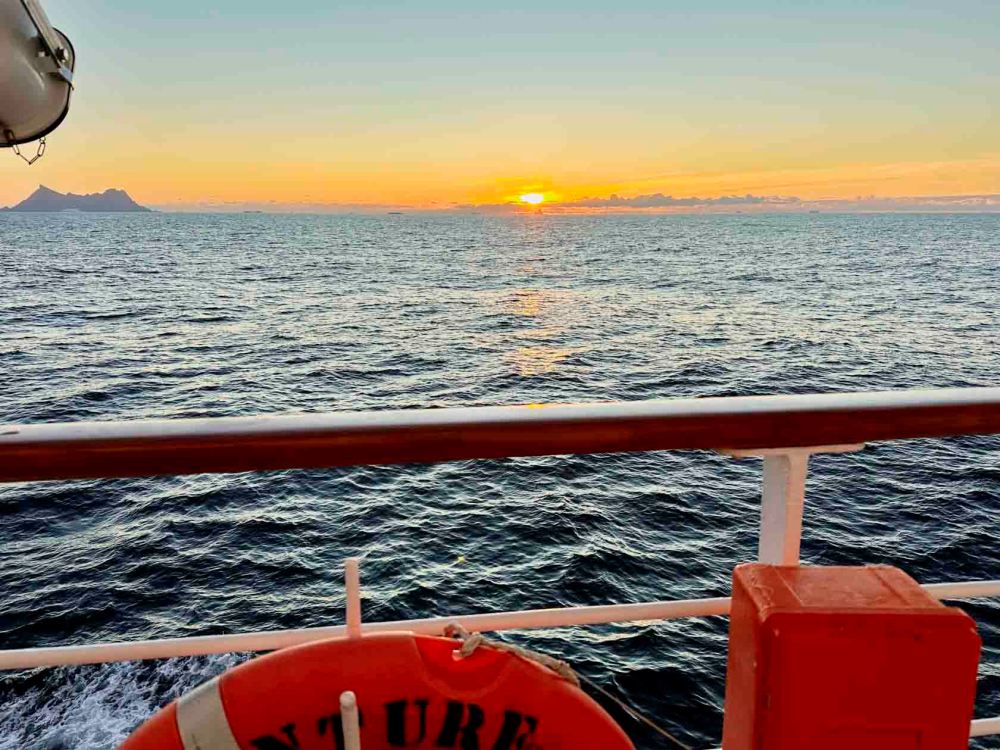
水平線に昇る朝日。 The morning sun rising above the horizon.
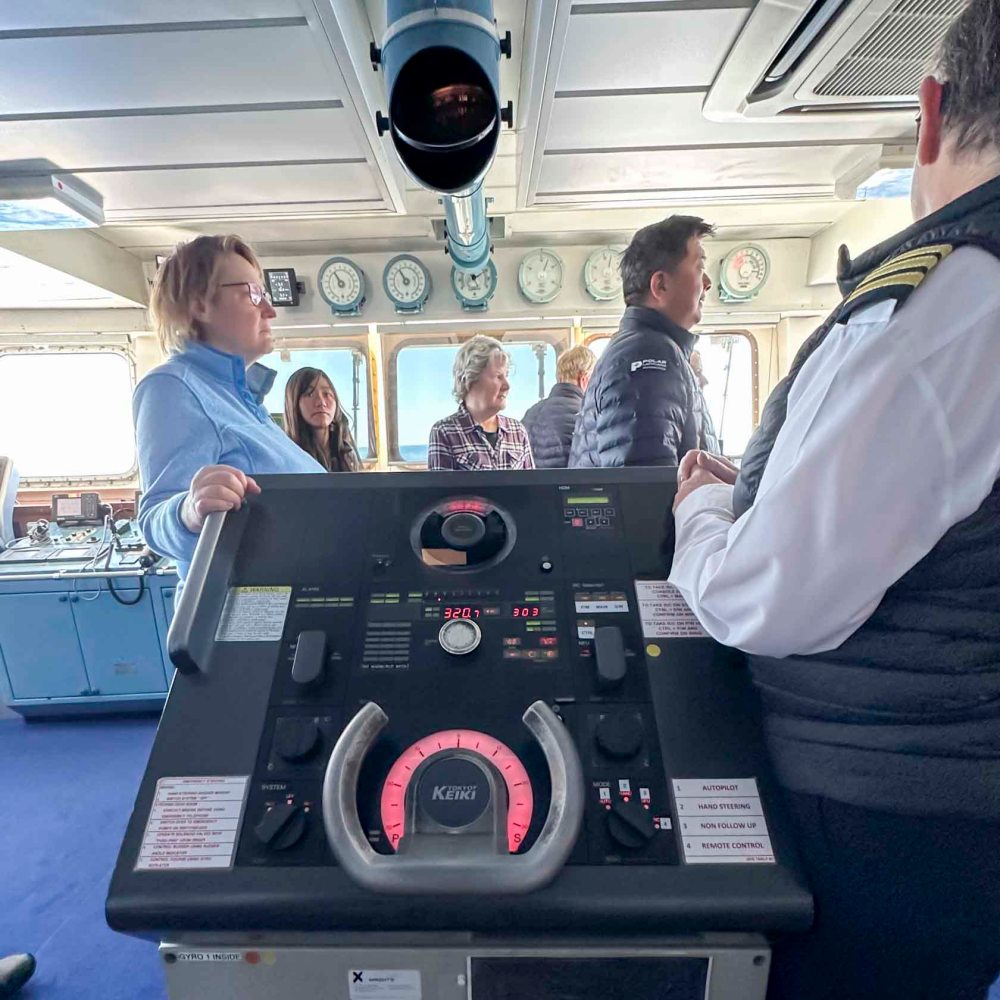
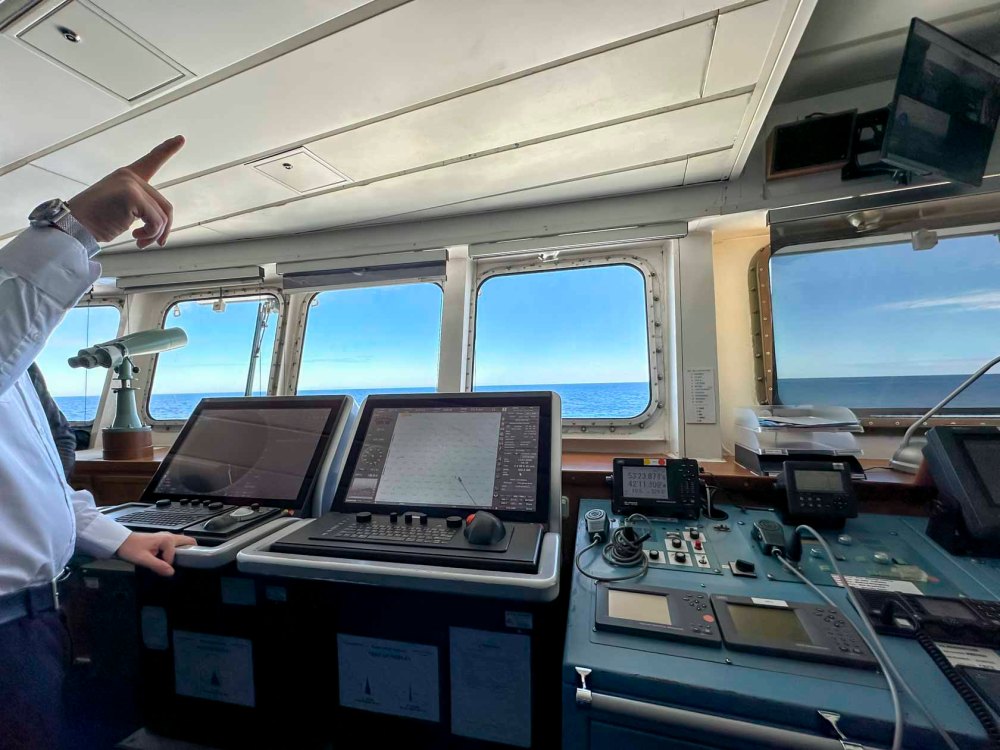
この日は船の操縦室の見学をさせてもらいました。 One day, we were given a tour of the ship’s bridge.
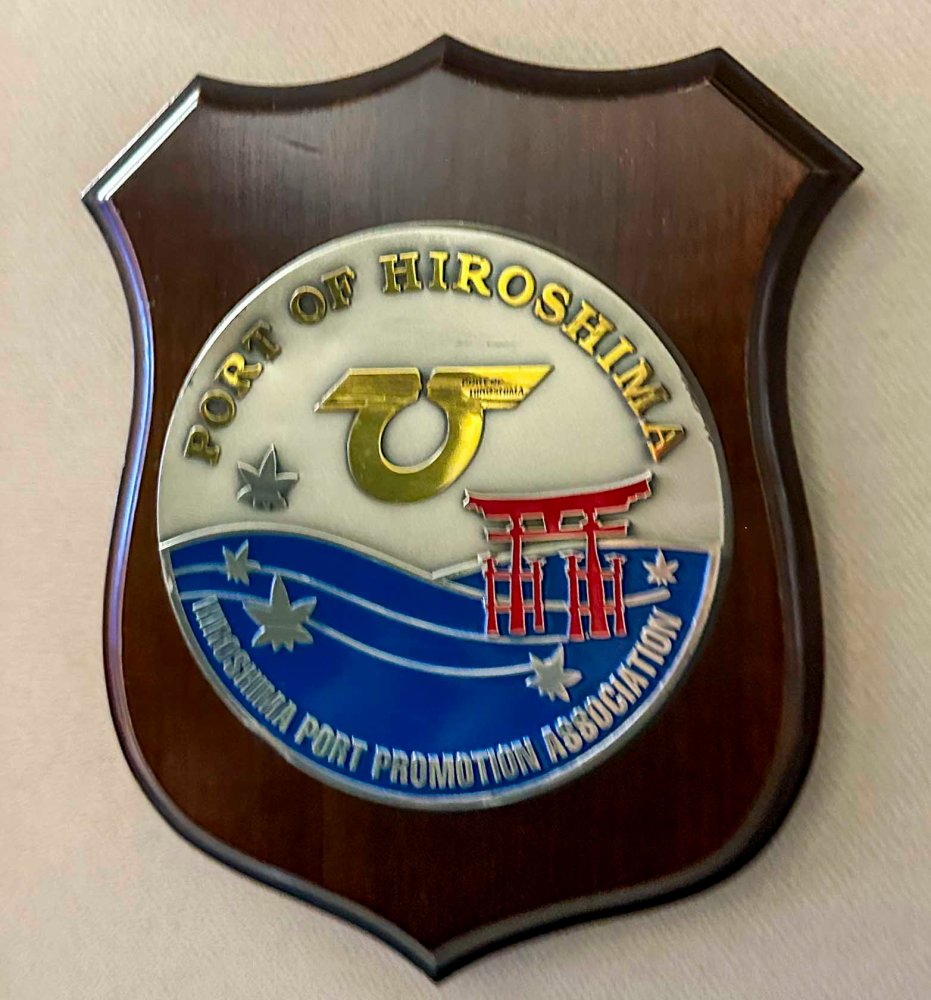
この船は広島にもいったことがある。This ship has also been to Hiroshima.日本製の機器を見て嬉しくなりました。I was delighted to see Japanese-made equipment.
まさに航海するために必要な計器が並んでいる場所なので、身が引き締まりました。とりわけ、「あ、そのボタンには触らないでね。」と言われて、押してみたい衝動駆られました。(笑) It was precisely the place where all the instruments needed for navigation were lined up, so I felt a real sense of solemnity. Particularly when I was told, “Ah, don’t touch that button, mind,” I felt an urge to press it. (laugh)
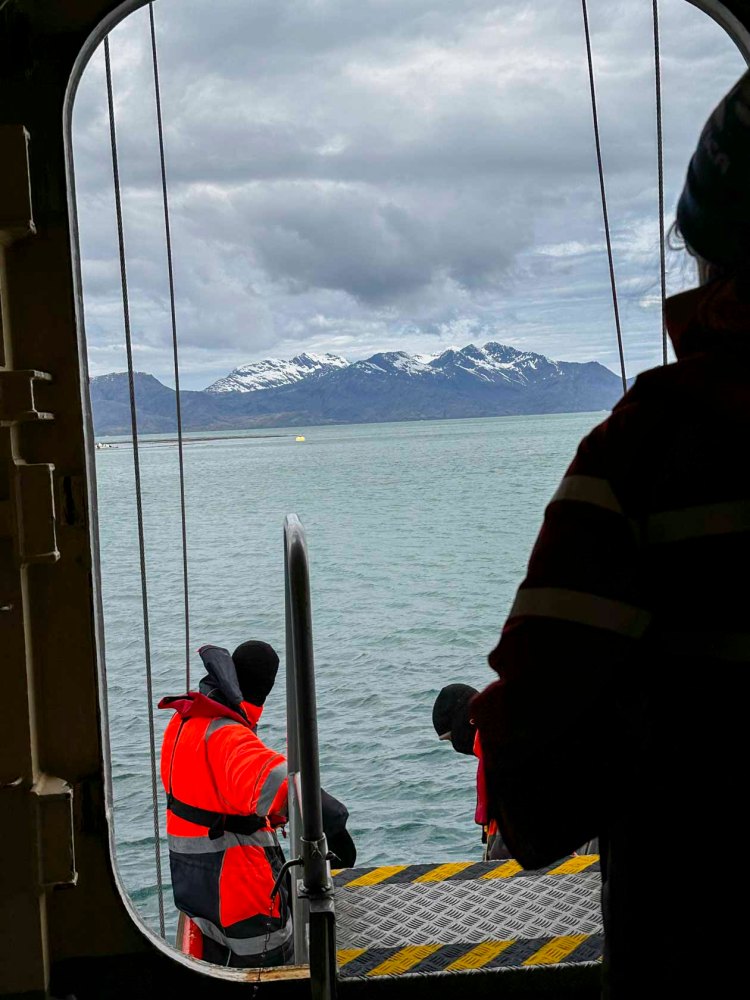
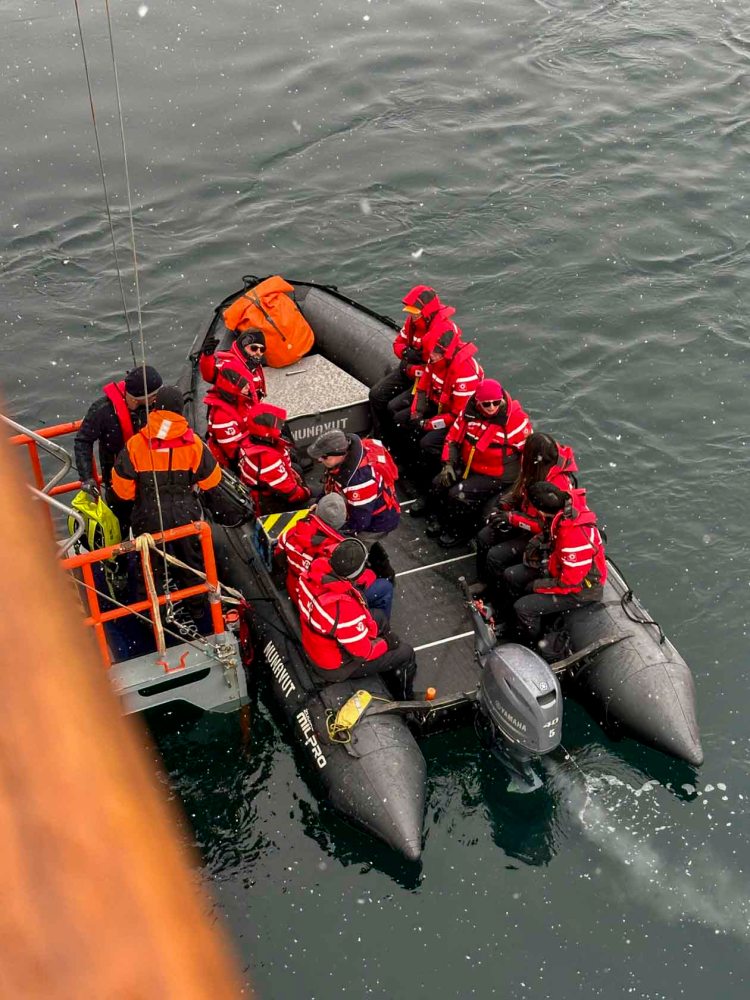
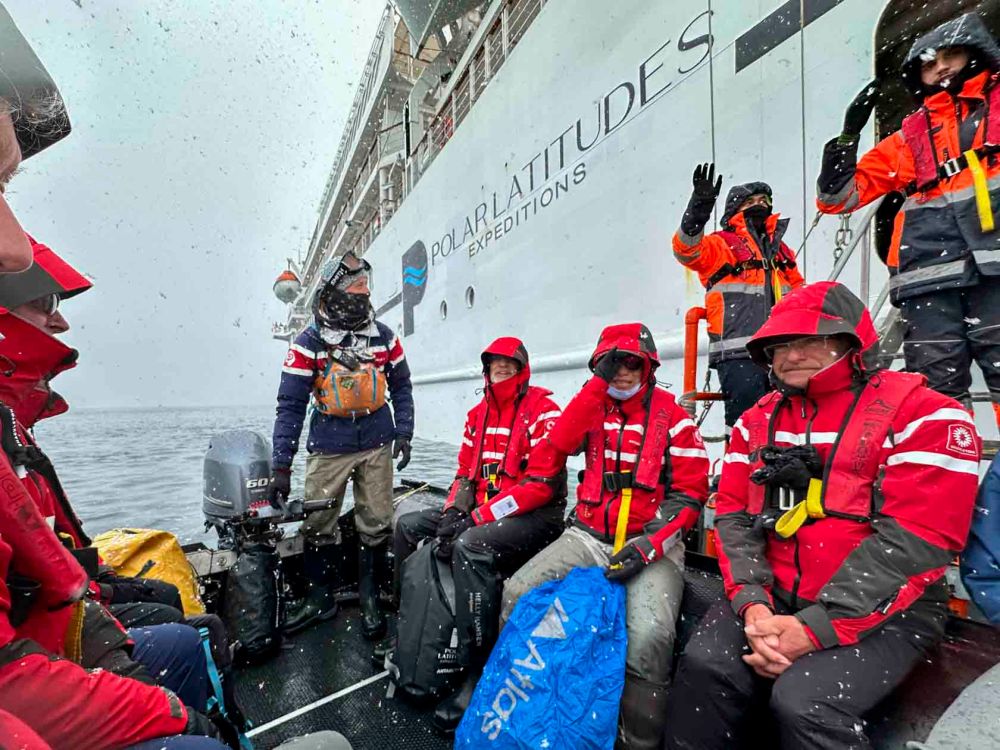
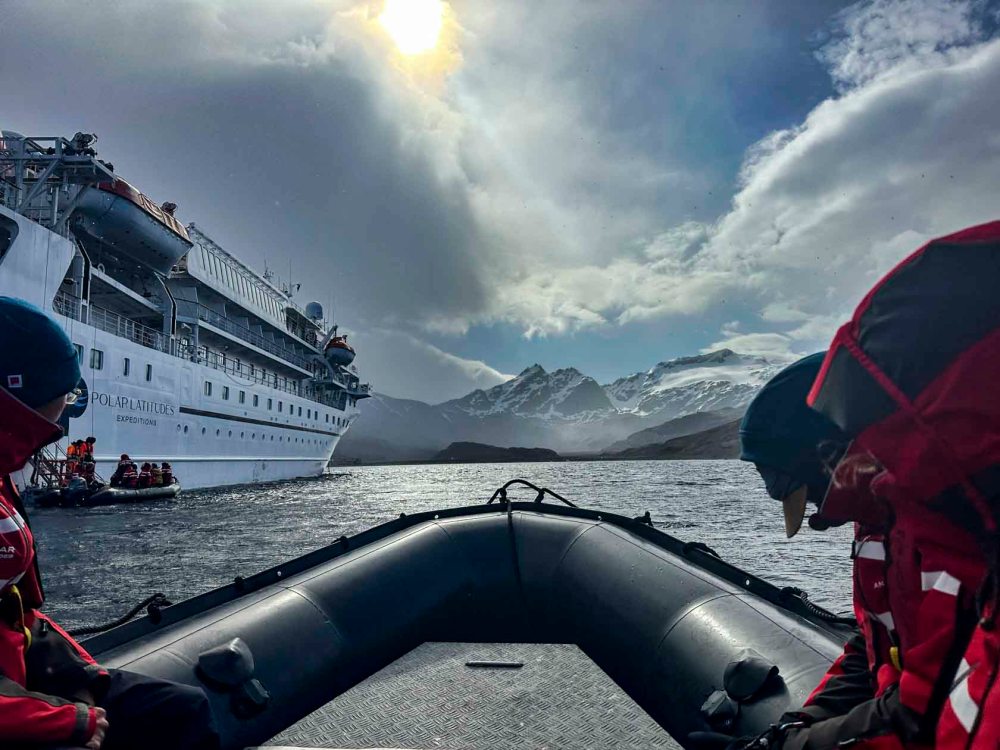
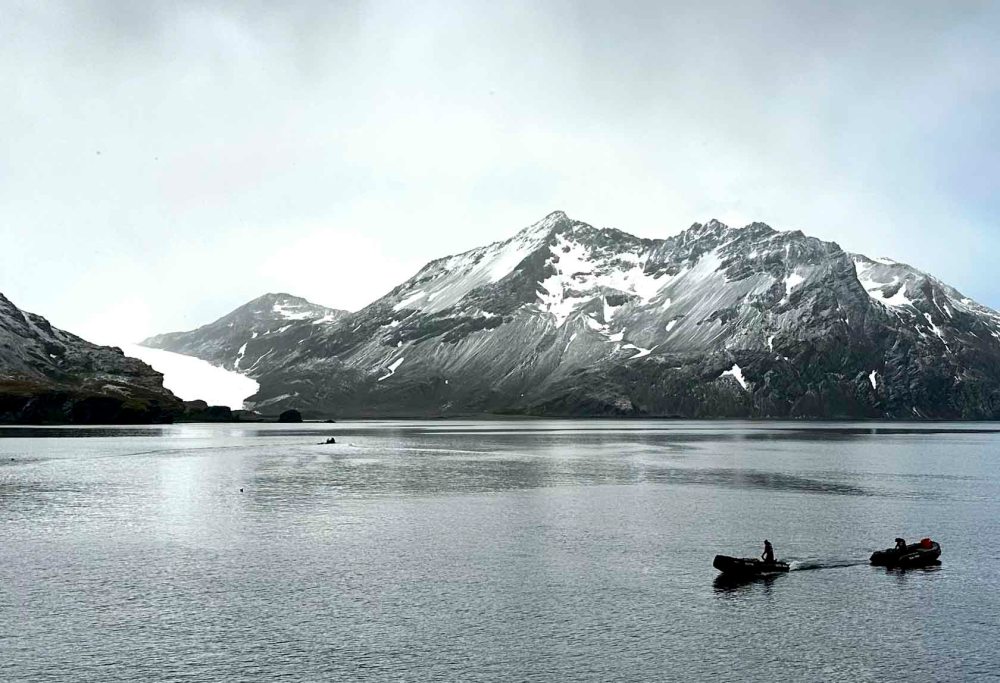
船上での生活には慣れてきましたが、好きには慣れない毎日のルーティンの一つはゴムボートの乗り降りでした。面倒臭さには忍耐が必要でした。 I’d grown accustomed to life aboard ship, though one daily routine I never grew fond of was getting on and off the zodiac.. It required patience to endure the hassle..
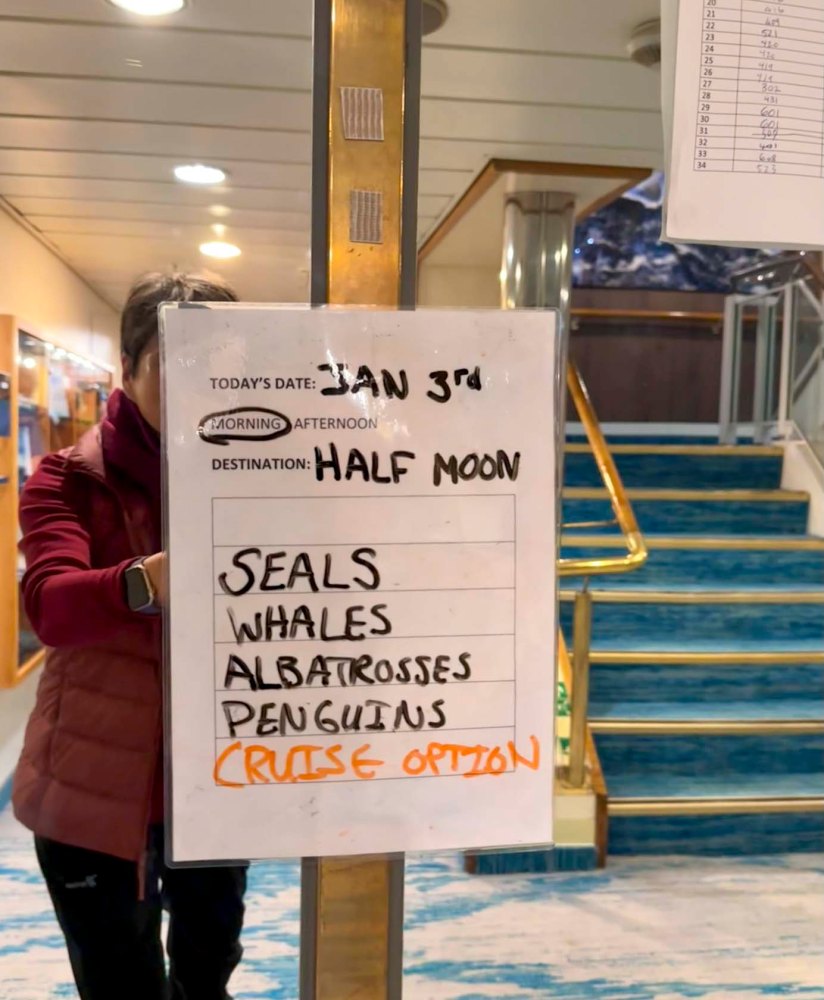
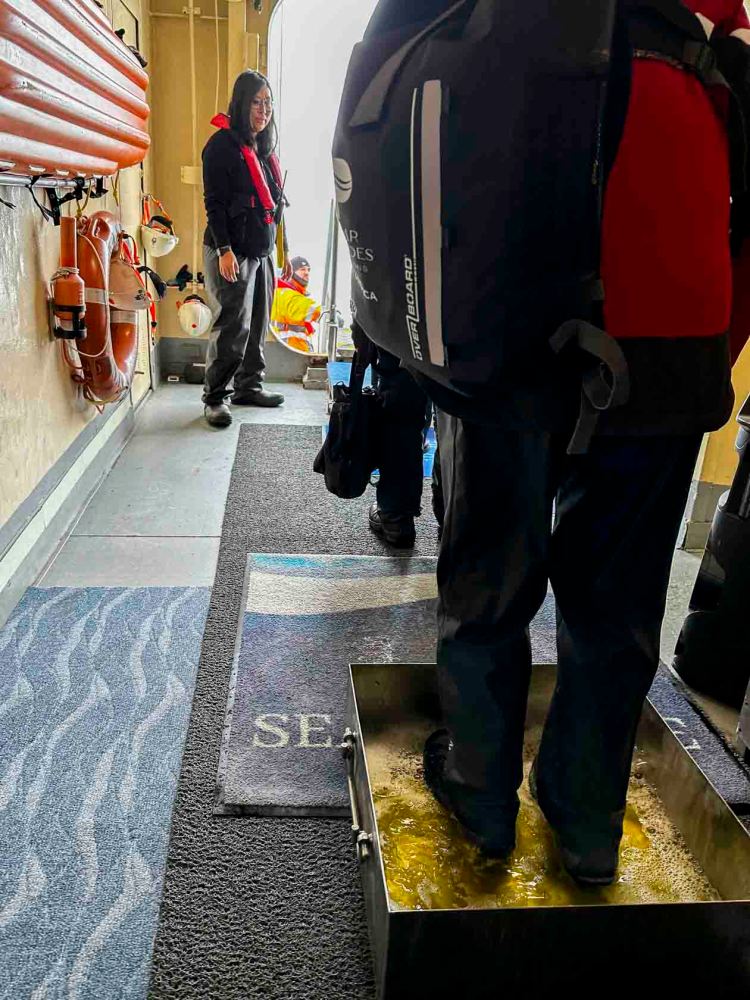
それぞれ割り振られたチームごとに並び(私たちはSealsチームでした。)、チェックアウトスキャンをしてもらい、長靴の消毒をして、一人づつゴムボートに乗り込みます。 Each team was assigned their respective positions (we were Team Seals), underwent a checkout scan, had their boots disinfected, and boarded the rubber dinghy one by one.
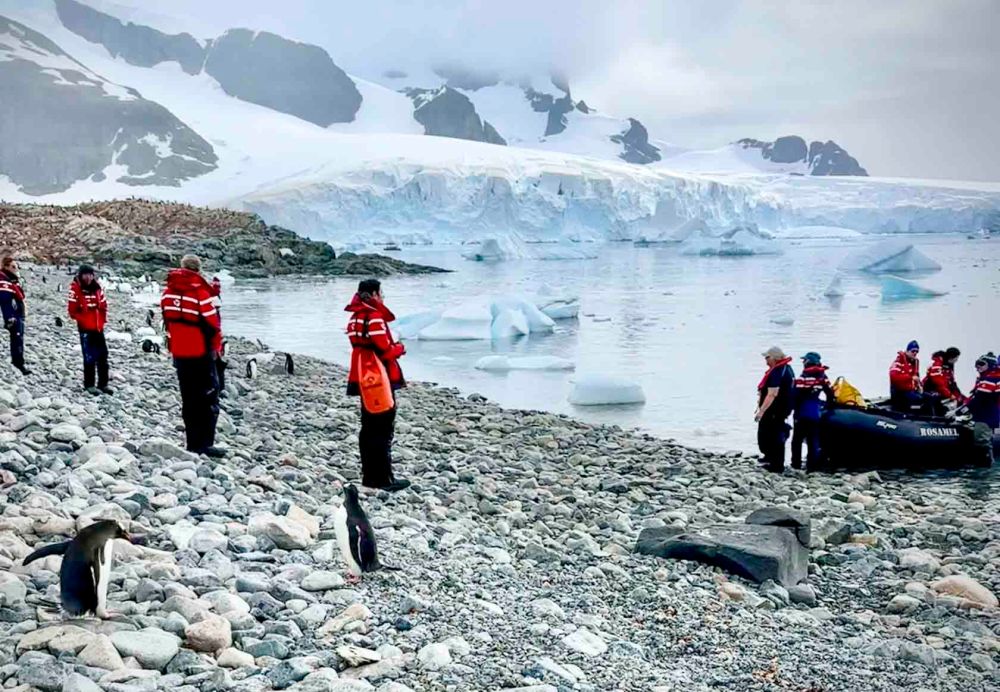
島の海岸に着くと、ペンギン達が見守る中、転ばないように降りる動作は、足の長い人には大したことはないのですが、私のように短い足の人には少し工夫が必要でした。 Upon reaching the island’s shore, the descent—under the watchful gaze of the penguins—was hardly a challenge for those with long legs, but for someone like me with shorter legs, it required a bit of ingenuity.
毎日が初めての連続で、寒かったことは忘れてしまいました。また、美味しいコースメニューが毎日出され、すっかり甘やかされました。 It was a succession of firsts every day, and I forgot all about the cold. What’s more, delicious set menus were served daily, and I was thoroughly spoiled.
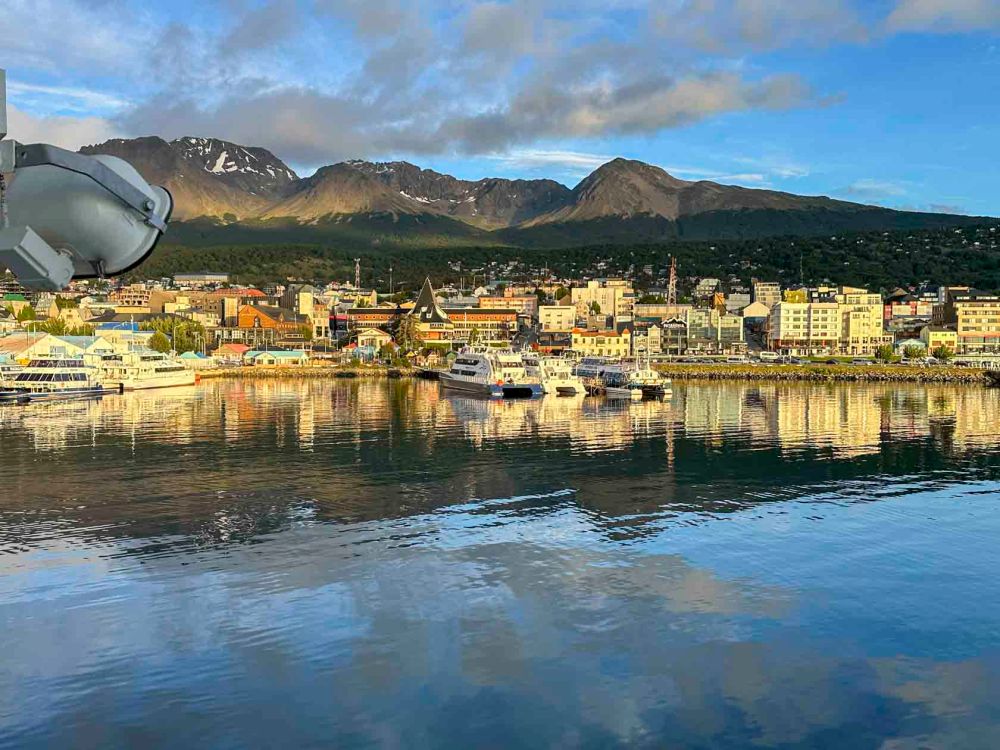
長いと思った船の旅も、最後の日の朝ウシュアイアの港を見ると、もう少し旅を続けたかったと思いました。 Though the voyage seemed long, seeing the port of Ushuaia on the final morning made me wish I could have continued traveling a little longer.
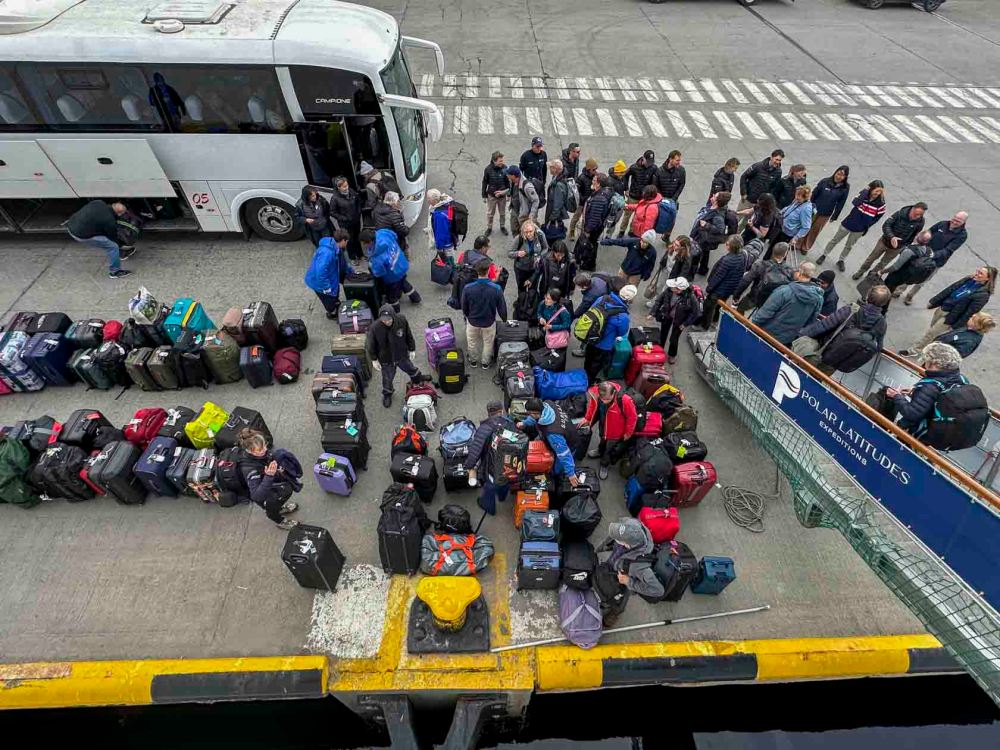
多分、もう会うこともない人たちとの別れにも感傷的になりました。 I suppose I grew sentimental even at parting with people I’ll probably never see again.
以上、1月21日から始めたこの旅行記も、今回が最後となります。 And so, this travelogue, which began on 21st January, comes to an end with this post.
まだ1万枚以上の写真とビデオが手付かずで残されています。書き記したい動物達の写真がまだたくさんあります。でも、それも先送りです。 More than 10,000 photographs and videos remain untouched. There are still so many pictures of animals I wish to document. But that too must be left for another time.
なぜなら、すでに次の新しい物語が始まっているからです。 And that is because the next new story has already begun.
最後に、一番書きたかったサウスジョージア島のことが書けなくて心残りです。もう一度行きたい場所はと聞かれたらサウスジョージア島だと即答できます。 Finally, I regret not being able to write about South Georgia Island, which was what I most wanted to write about. If asked where I would most like to return to, I could answer without hesitation: South Georgia Island.
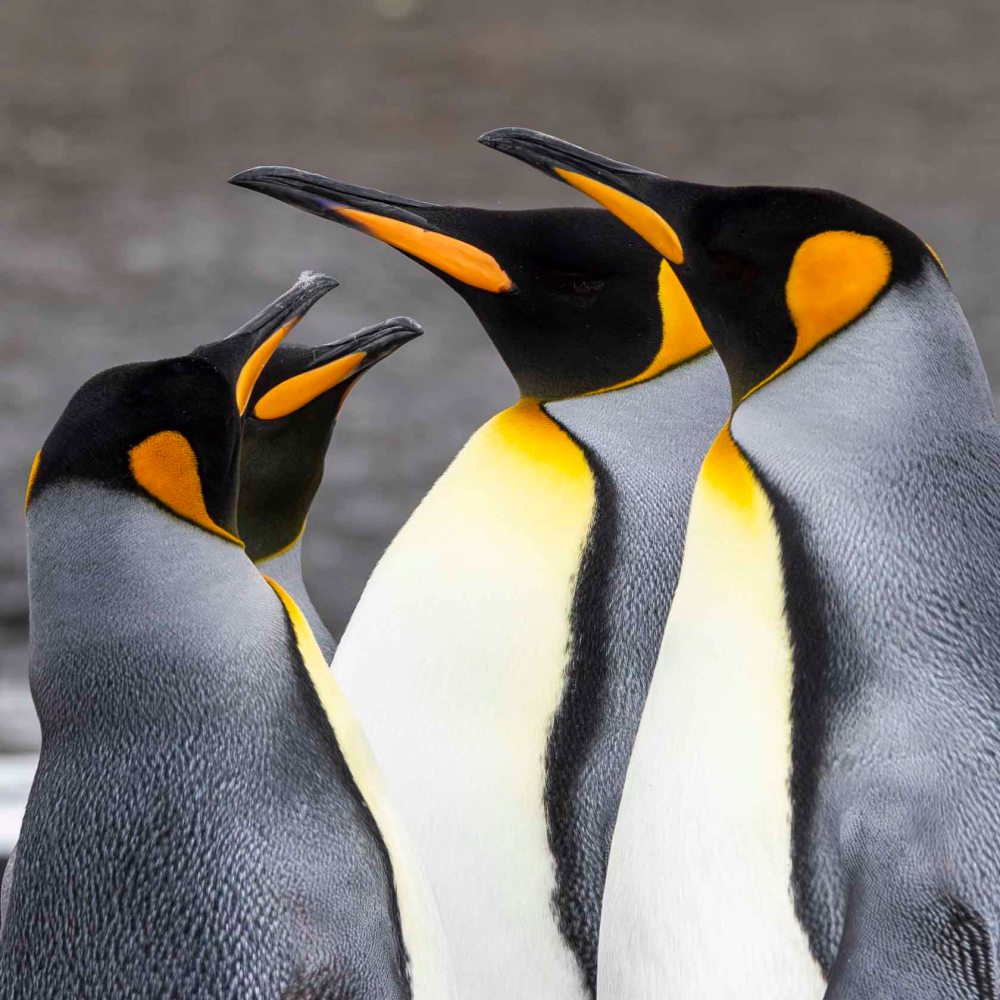
いつまでも私の記憶の中で息づいていて欲しいペンギン達。 May the penguins forever live on in my memory.
写真を見返しながら、記憶が蘇って来ました。たった1か月しか経っていないのに忘れてしまったことがたくさんあったことに驚きました。 Looking back through the photographs, the memories came flooding back. I was astonished at how much I had forgotten, even though only a month had passed.
だから、私の記憶が風化してしまう前に、駆け足でしたが旅のハイライトを書いてきました。完結できて安堵しています。 Therefore, before my memories fade away, I’ve jotted down the highlights of my journey, albeit in a hurry. I’m relieved to have completed it.
サブタイトルをつけるとしたら、「地獄からの脱出 」です。 If I were to give it a subtitle, it would be ‘Escape from Hell’.
舞台はここ、サウスジョージア島。 The stage is here, on South Georgia Island.
時は、20世紀の初め、第一次世界大戦の真っ只中。The time was the early 20th century, in the midst of the First World War.
登場人物は、サー アーネス トシャクルトンとその乗組員。 The characters are Sir Ernest Shackleton and his crew.
航海の目的は、南極点を通って、南極大陸を横断すること。 The purpose of the voyage was to traverse the Antarctic continent via the South Pole.
方法は、シャクルトンの乗るエンデュアランス号と、食料や燃料を補給する基地を設置するためのオーロラ号の2隻がそれぞれ南極大陸の反対側からスタートすることで大陸横断を達成する。 To achieve the continental crossing, the method involved two ships: the Endurance, carrying Shackleton, and the Aurora, tasked with establishing bases to supply provisions and fuel for Shackleton and his team on the second half of his journey. Each ship would depart from opposite sides of the Antarctic continent.
実際には、南極大陸を目前にして氷に囲まれ身動きが取れなくなった。しばらく様子を見たものの、状況はますます悪化し、エンデュアランス号は沈没した。そのためエレファント島に避難した。もちろん、救助が来ることはないとわかっていたので、シャクルトンと5人だけで小さな救助船でサウスジョージア島の捕鯨基地を目指した。22人の乗組員はエレファント島に残った。15日間のサウスジョージア島への航海も苦難の連続で、嵐の海720海里の航海として語り継がれている。しかし、なんとか島にたどり着くことができたものの、捕鯨基地は島の反対側にあった。 In reality, with Antarctica in sight, they found themselves surrounded by ice and unable to move. After observing the situation for a while, it deteriorated further, and the Endurance sank. Consequently, they took refuge on Elephant Island. Fully aware that no rescue would come, Shackleton along with five men set out in a small lifeboat towards the whaling station on South Georgia Island. The remaining 22 crew members stayed behind on Elephant Island. The fifteen-day voyage to South Georgia was a continuous ordeal, remembered as a 720-nautical-mile journey through stormy seas. Though they somehow reached the island, the whaling station was located on the opposite side.
このブログの話はここからスタートします。 The story of this blog begins from here.
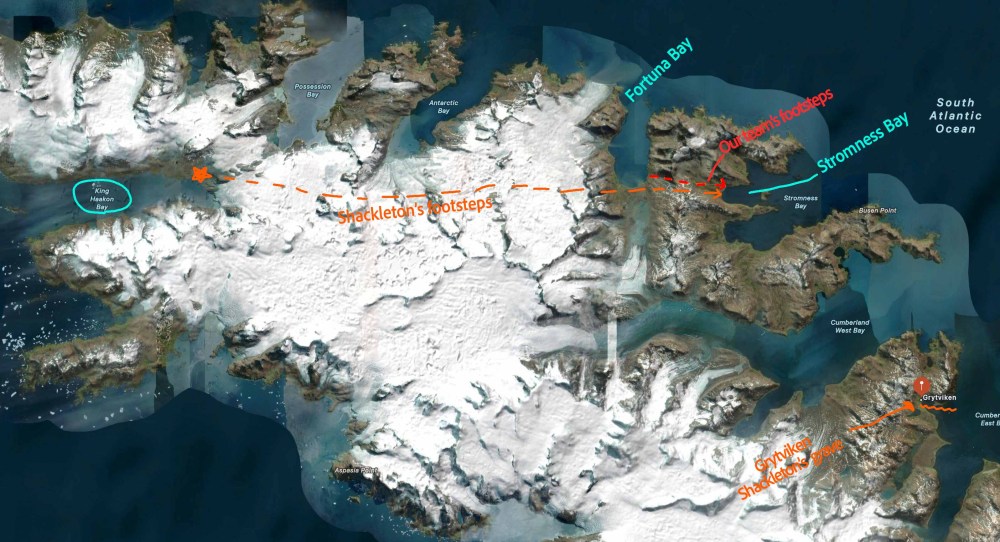
シャクルトンは再び決断を下さなければいけなくなった。荒れ狂う嵐の海に再び出ていくのか。それとも、歩いて山を越え、反対側にある捕鯨基地まで行くのか。山越は未踏だった。しかし、小さな救命ボートで島を回るよりは安全だと判断し、計画を決行することにした。3人はその場に残り、シャクルトンと他2名の3人で未到の地へ踏み出した。Shackleton was once again forced to make a decision. Should they venture back out onto the storm-tossed seas? Or should they walk over the mountains to the whaling station on the other side? Crossing the mountains was uncharted territory. However, judging it safer than circumnavigating the island in a small lifeboat, he resolved to carry out the plan. Three men remained behind, while Shackleton and the other two set out into the unknown.
オレンジ色の点線がシャクルトンが歩いた経路。赤い点線がバンちゃん達が歩いた経路。 The orange dotted line indicates Shackleton’s route. The red dotted line indicates Ban-chan and the others’ route.
シャクルトンの決断に異議を申し立てる者はいなかった。失敗した時のためのバックアッププランなど入れる余裕もなく、ただ、行動するしか生きる道はなかったからだ。 No one raised any objection to Shackleton’s decision. There was no room for a backup plan in case of failure; simply, action was the only way to survive.
方向を誤って引き返したり、山の上から決死の滑降もした。食糧もない36時間、32マイル (51km) の行程、体力も限界点に達していた。歩いて降りる余力はなかったのだ。 They had strayed off course and turned back, and had also made a desperate descent from the mountain summit. With no food for 36 hours and a 32-mile (51km) journey, their physical strength had reached its limit, leaving them no energy to walk down.
シャクルトンが歩いた道程の一部を歩いて来た時のバンちゃん。 Ban-chan when he walked part of the route Shackleton had travelled.
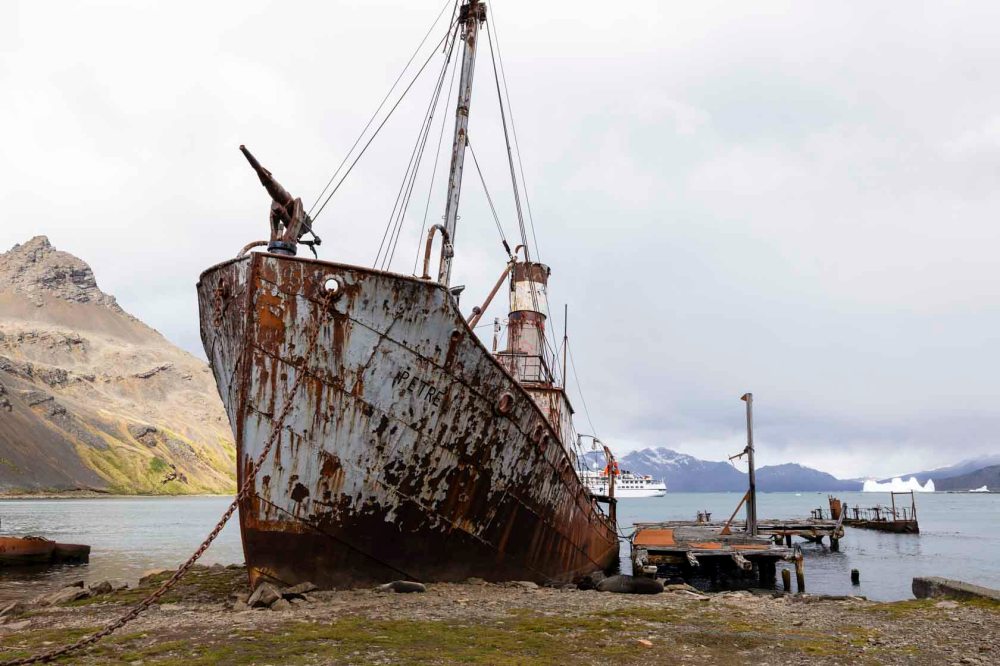
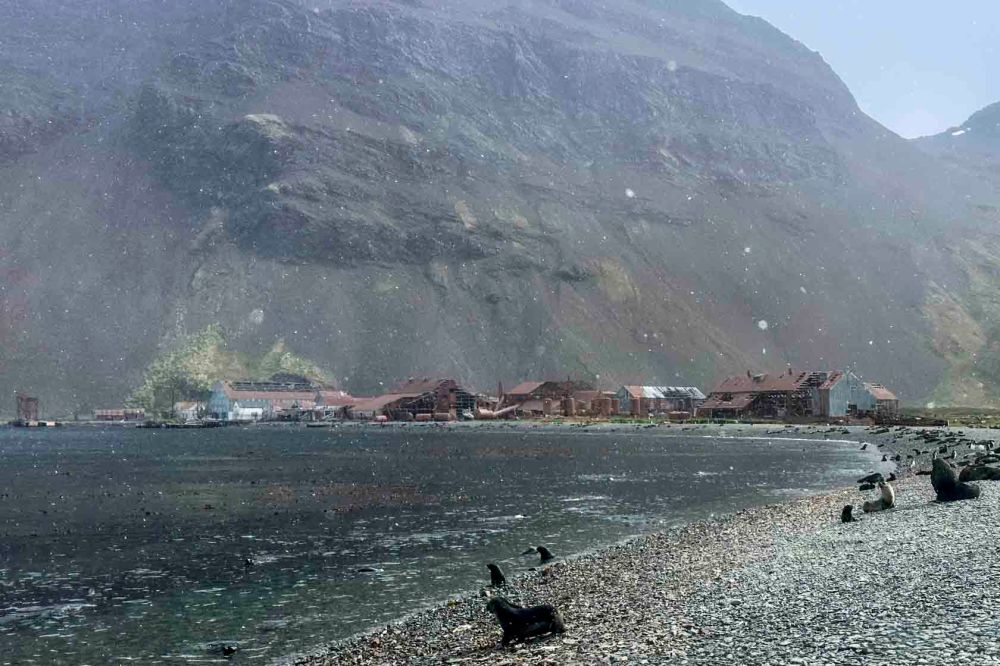
ストロムネスの捕鯨基地についてゾンビのように歩いている彼らは、不気味な動物と間違えられた。なぜなら、船が沈没してから半年以上、シャワーもしていなければ、髭も髪も切っていなかったため、到底普通の人間には見られなかったのだ。しかも、体を保護するためにアザラシの油を塗っていた。 They were mistaken for eerie beasts as they shuffled like zombies around the whaling station at Stromness. For over half a year since the ship sank, they had neither bathed nor trimmed their beards or hair, rendering them utterly unrecognisable as ordinary men. Moreover, they had smeared themselves with seal oil to protect their skin.
ストロムネスの捕鯨基地 Stromness Whaling Station
この捕鯨基地で保護された時には洋服を肌から引き剥がすこともできなかった。だから服をハサミで少しずつ切り落としていったらしい。その後、体力が回復すると、シャクルトンはすぐ、残してきた船員の救助に向かった。 When rescued at this whaling station, he was unable to pull his clothes off his skin. So they apparently cut them away bit by bit with scissors. Once his strength had recovered, Shackleton immediately set out to rescue the crew members left behind.
サウスジョージア島の反対側に残して来た3人はすぐに救助できたが、エレファント島の22人の救助は3回挑戦し、3回とも流氷に阻まれ失敗した。戦争中のこともあり、イギリス本土からの援助はなかった。その時に助けの手をさしのべてくれたのがチリの海軍であった。 The three men left behind on the opposite side of South Georgia Island were rescued promptly, but the attempt to rescue the 22 men on Elephant Island failed three times, each time thwarted by drift ice. Given the wartime circumstances, no assistance came from mainland Britain. It was the Chilean Navy that extended a helping hand at that time.
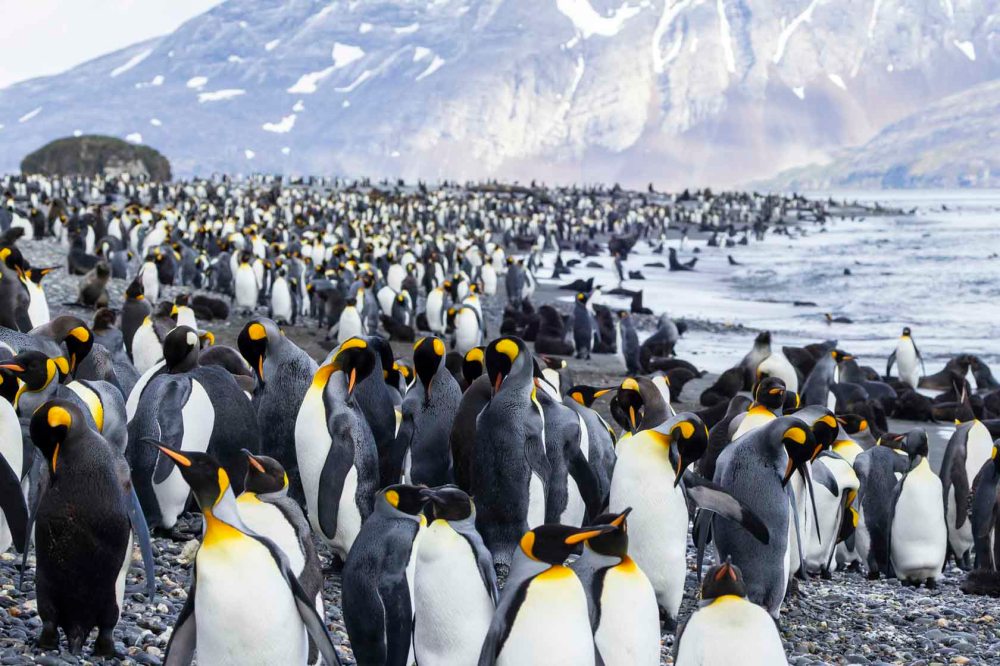
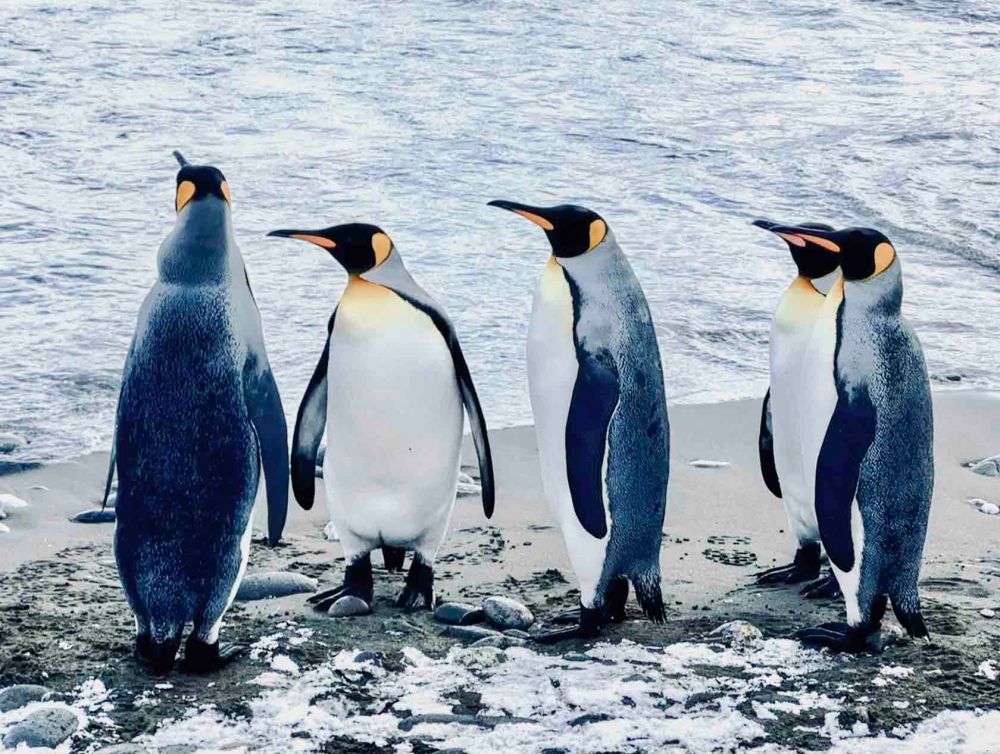
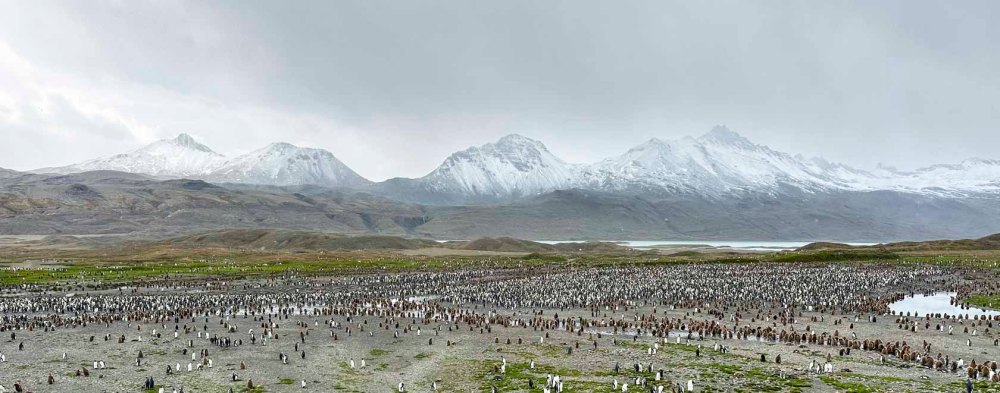
オオサマペンギンのコロニー King Penguin colony
4ヶ月半も何もない島で、しかも助けられる保証は全くない状態での生活はどれほどの精神力を要するのだろうか。寒さとの戦いは言うまでもない。22人全員を救い出すことができたのは奇跡に等しい。 Living on a barren island for four and a half months, with absolutely no guarantee of rescue, must have demanded immense mental fortitude. Not to mention the constant battle against the cold. That all 22 were ultimately saved is nothing short of a miracle.
全員がイギリスに帰ることができたのは1917年5月のことであった。 1914年12月に南極を目指してサウスジョージア島を出港してから2年半が経っていた。It was May 1917 when all the men were able to return to Britain. Two and a half years had passed since they had set sail from South Georgia in December 1914, bound for the Antarctic.
シャクルトンと船員とのあいだには絶大な信頼関係があったと言われています。シャクルトンは手袋を無くした人には自分の手袋を差し出して自分は凍傷したり、キャンプの中でも一番寒い場所で寝起きしていたとも言われています。また、歌を歌ったりして船員の士気を高めることを忘れなかったとも言われています。 It is said that there was an immense bond of trust between Shackleton and his crew. Shackleton is said to have given his own gloves to those who had lost theirs, suffering frostbite himself, and to have slept in the coldest part of the camp. It is also said that he never forgot to boost the crew’s morale by singing songs.
彼の偉大さは、南極探検を目指したことではなく、極限状態での船員への思いやりと、一人も残さず全員を救いだしたことにあるのではないでしょうか。 His greatness lay not in aiming for an Antarctic expedition, but in his compassion for his crew in extreme conditions and in rescuing every single one of them without leaving a soul behind.
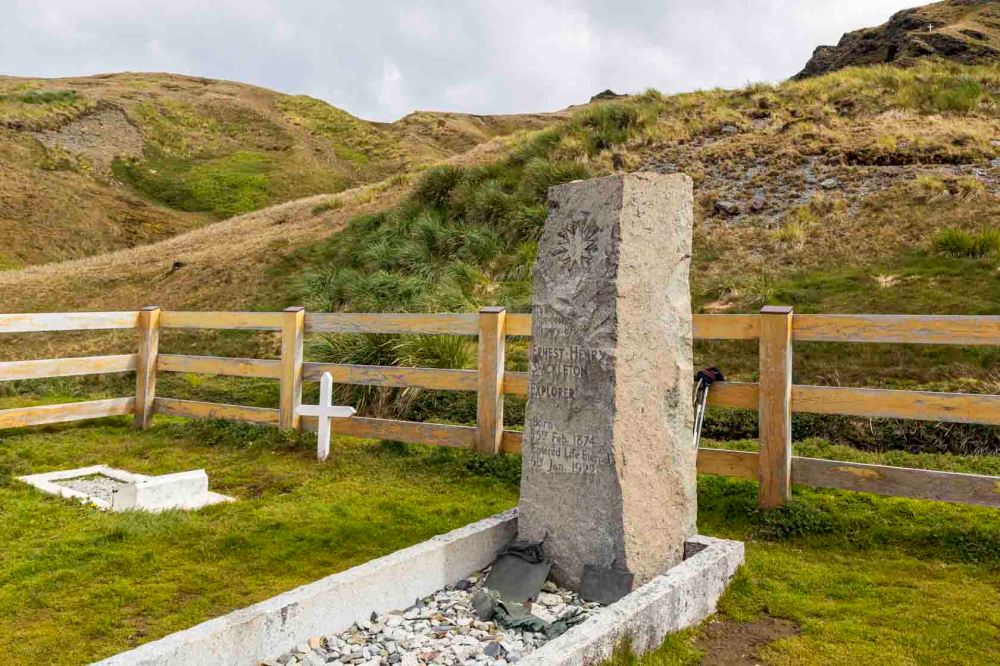
シャクルトンはその5年後、1922年に他界しています。47歳でした。サウスジョージアの山道を歩いている時にはすでに心臓に穴が空いていたのではないかという医師もいます。Shackleton passed away five years later, in 1922. He was 47 years old. Some doctors believe he may already have had a hole in his heart whilst walking the mountain trails of South Georgia.
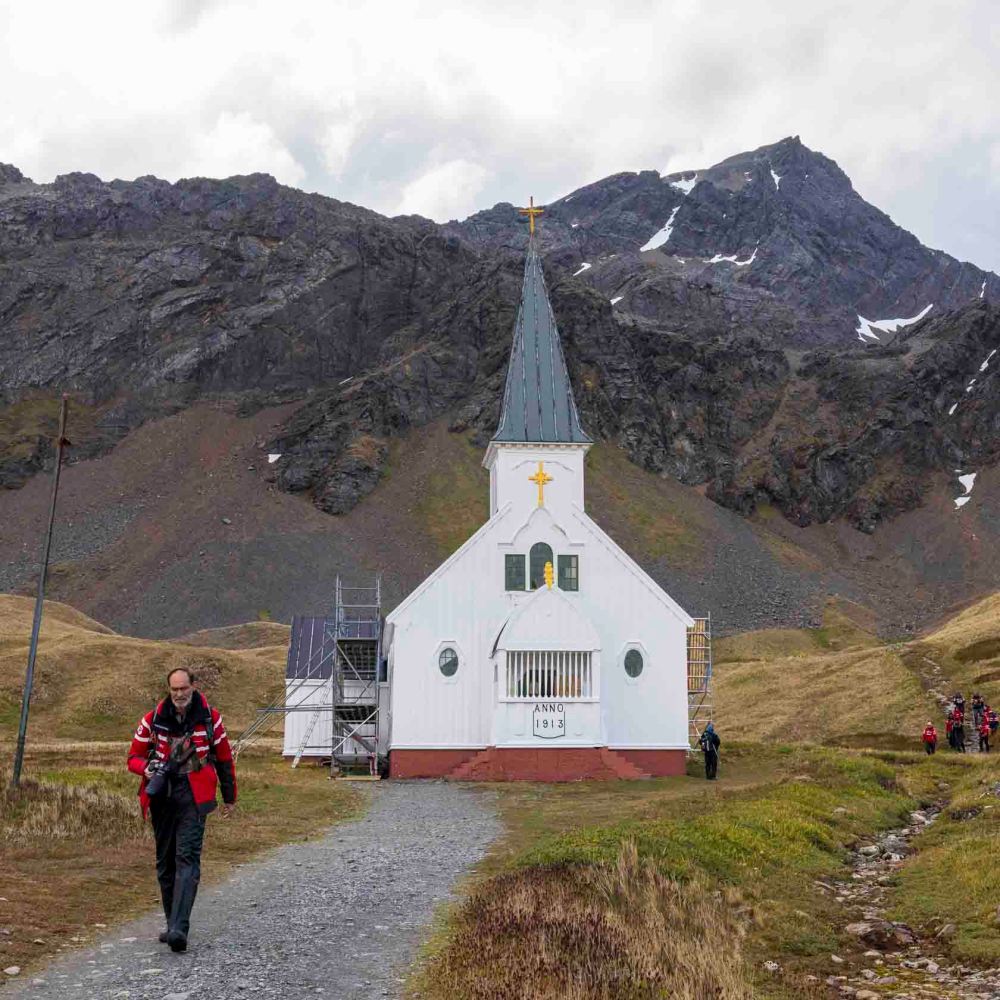
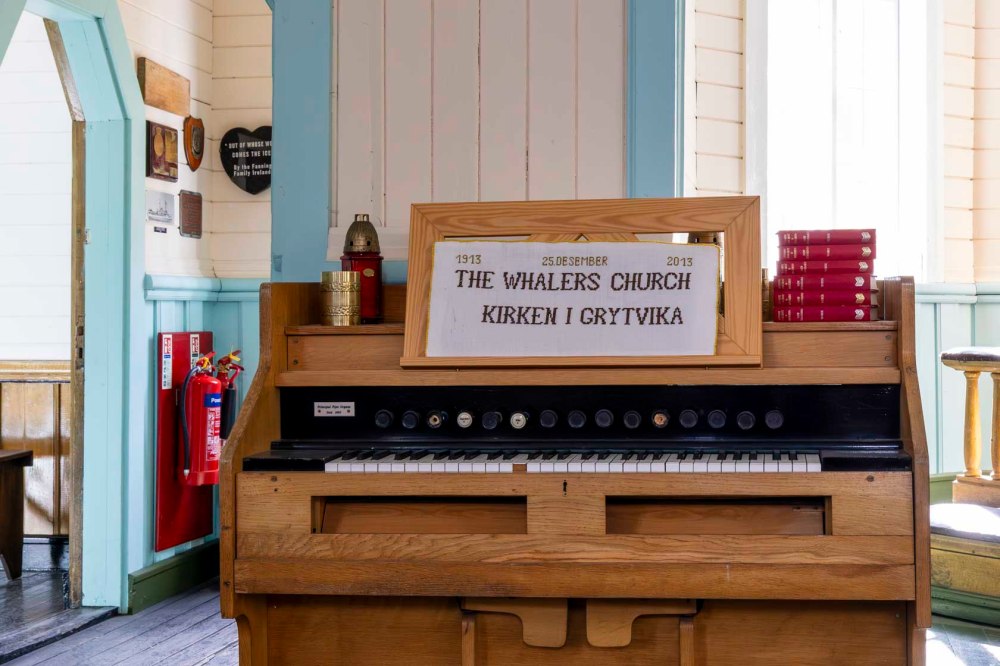
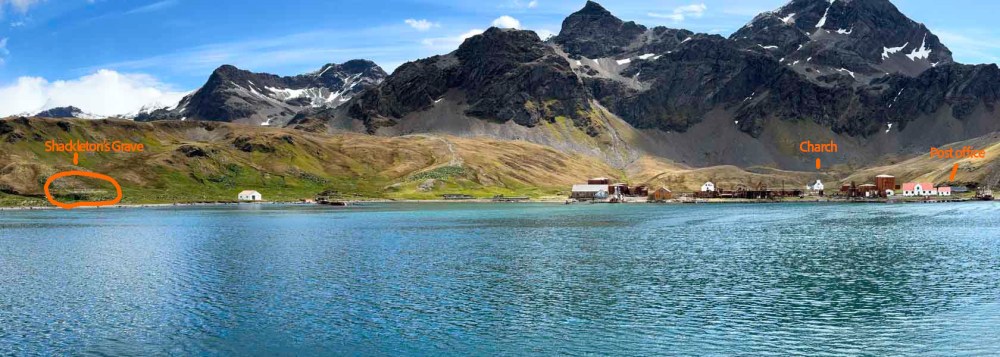
彼の葬式はグリトビケンのこの教会で行われました。私たちの船の船員たちはこの教会の中でシャクルトンを称えるミニコンサートを開いてくれました。 His funeral was held at this church in Grytviken. The crew of our ship held a mini-concert inside this church in honor of Shackleton.
シャクルトンは彼の奥さんの希望により、この地に埋葬されました。墓跡は彼の憧れ続けた南極が見えるよう、南に向いています。 Shackleton was buried here at his wife’s request. His grave faces south, towards the Antarctic he had always longed to see.
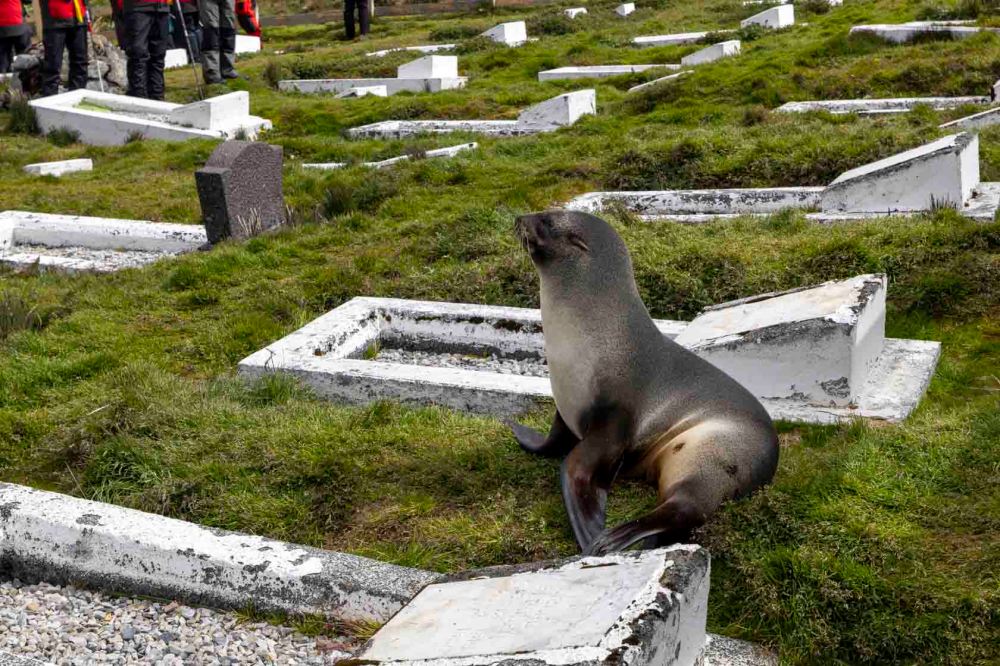
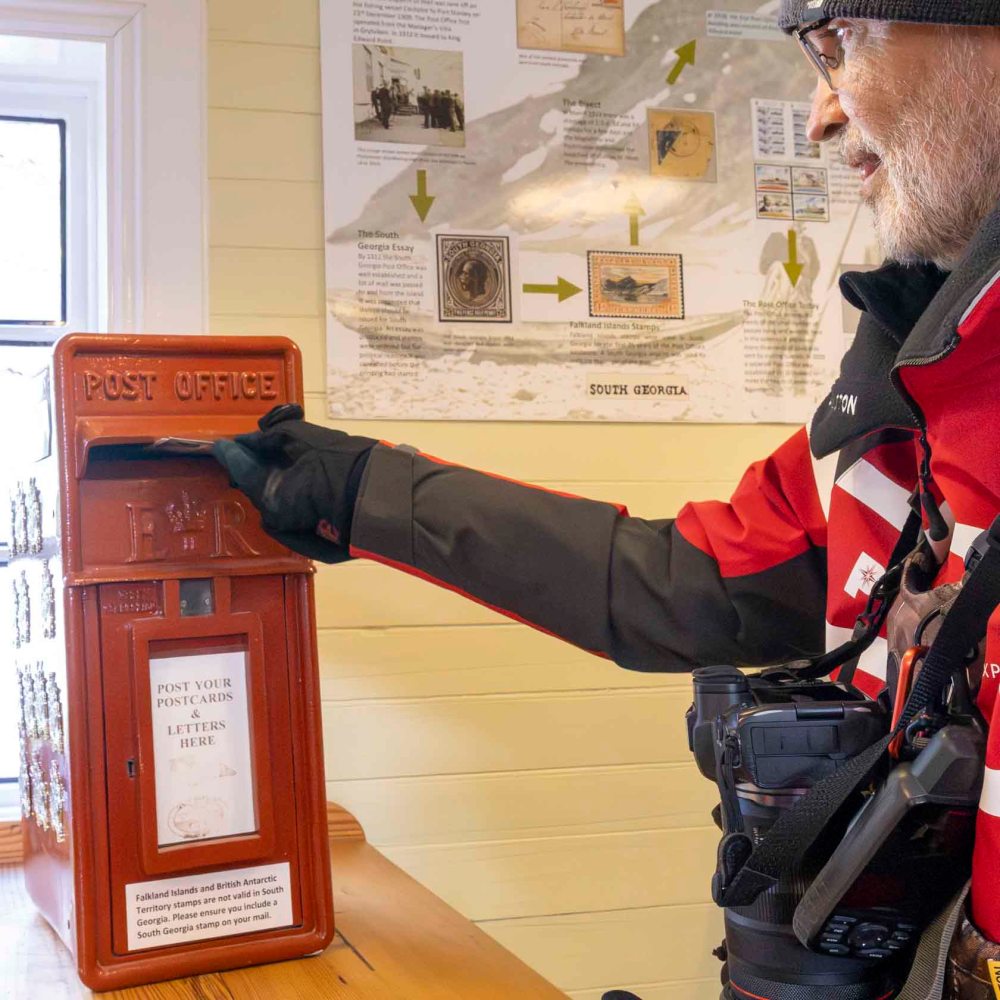
下の写真、左が墓地、右端が夏の間だけ営業の郵便局、そして、奥には教会があります。 In the photograph below, the left side shows the cemetery, the far right is the post office which operates only during the summer months, and in the background stands the church.
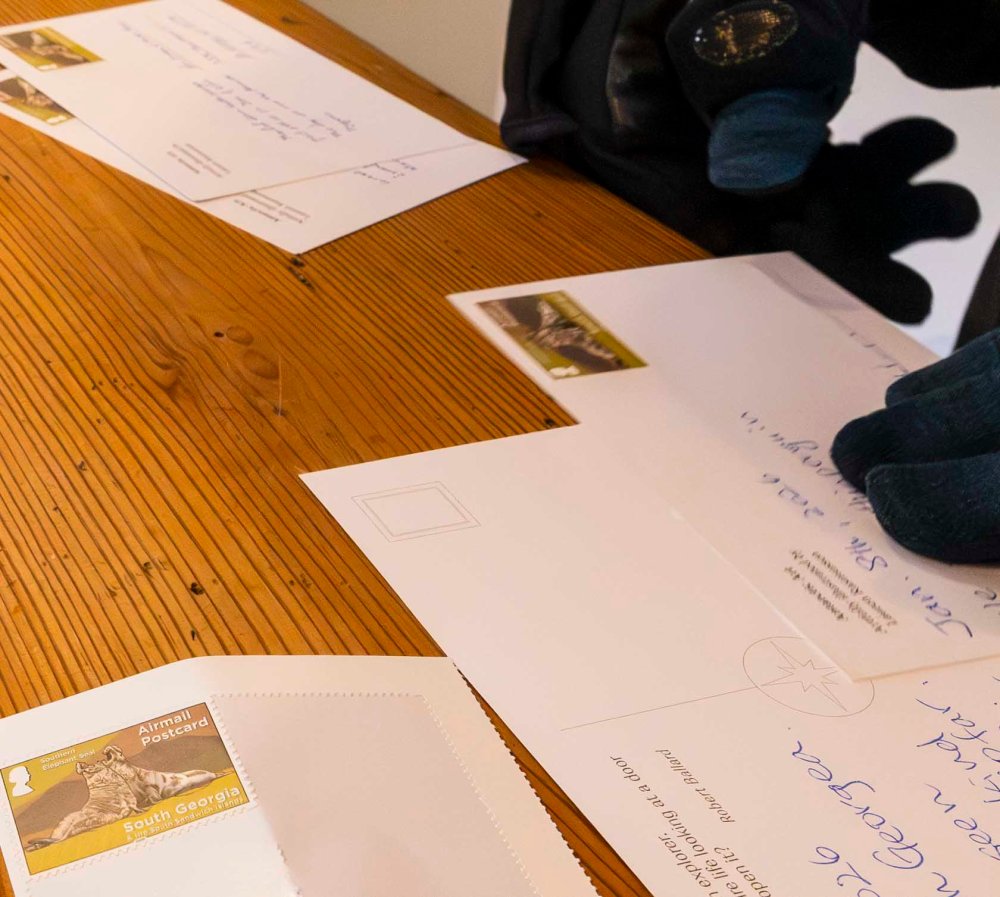
私たちは数人の友人と家族、そして自分たち宛にこの郵便局からハガキを出しました。 We sent postcards from this post office to several friends and family members, as well as to ourselves.
葉書が届いたのは、それから1ヶ月後、出したことすら忘れてしまったころのことでした。e-mail で瞬時にご挨拶できてしまう今、1ヶ月もかかって届けられたことに感激してしまいました。 The postcard arrived a month later, just when I’d forgotten I’d even sent it. In this age when greetings can be sent instantly by email, I was genuinely moved that it took a whole month to reach me.
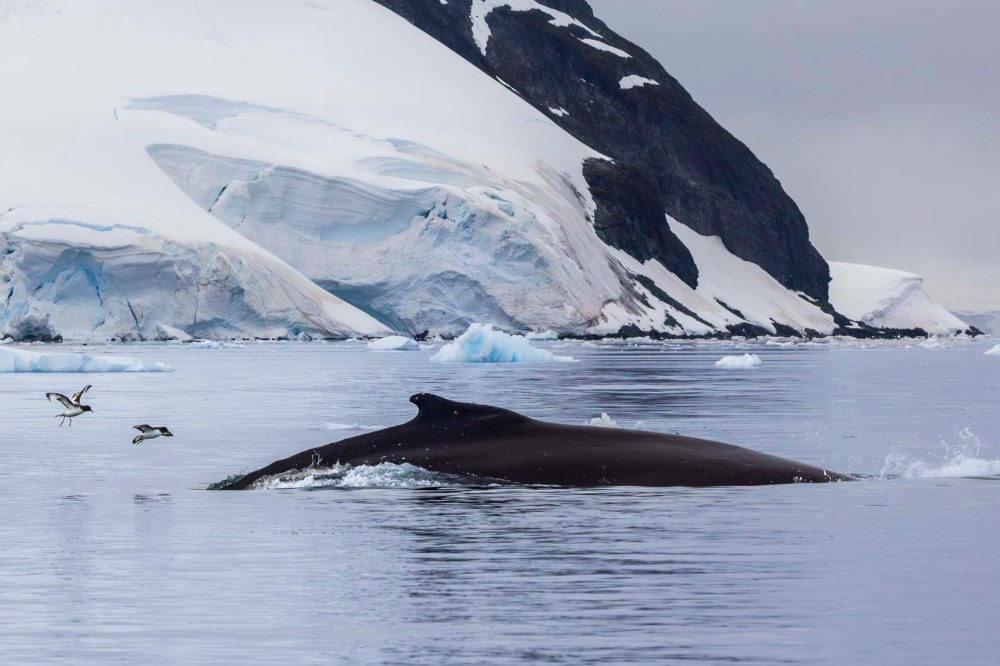
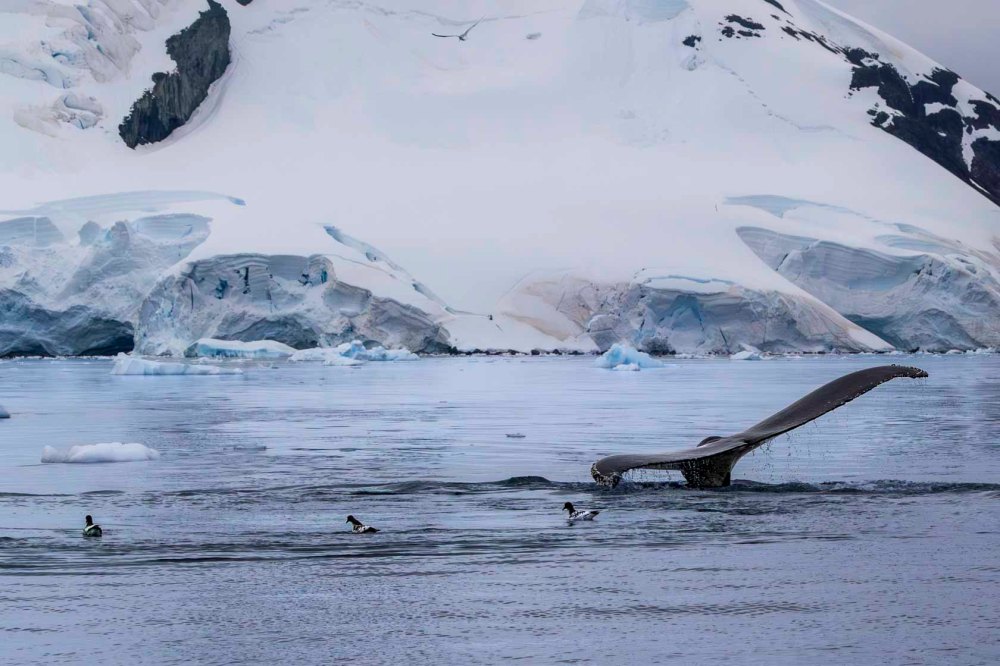
マダラフルマカモメがザトウクジラの後をつけていく光景はよく見かけました。 We often saw the sight of Cape petrels following humpback whales.
なぜなら食べ物が同じだからです。オキアミが大量に住んでいる南極の海を目指して鯨が帰って来ます。マダラフルマカモメもオキアミを食べるので、ザトウクジラの後をつけていればおこぼれにありつけるんですね。 Because they share the same food source. Whales return to the Antarctic seas where krill thrive in vast numbers. Since the Cape petrels also feeds on krill, following the humpback whales allows them to pick up the scraps.
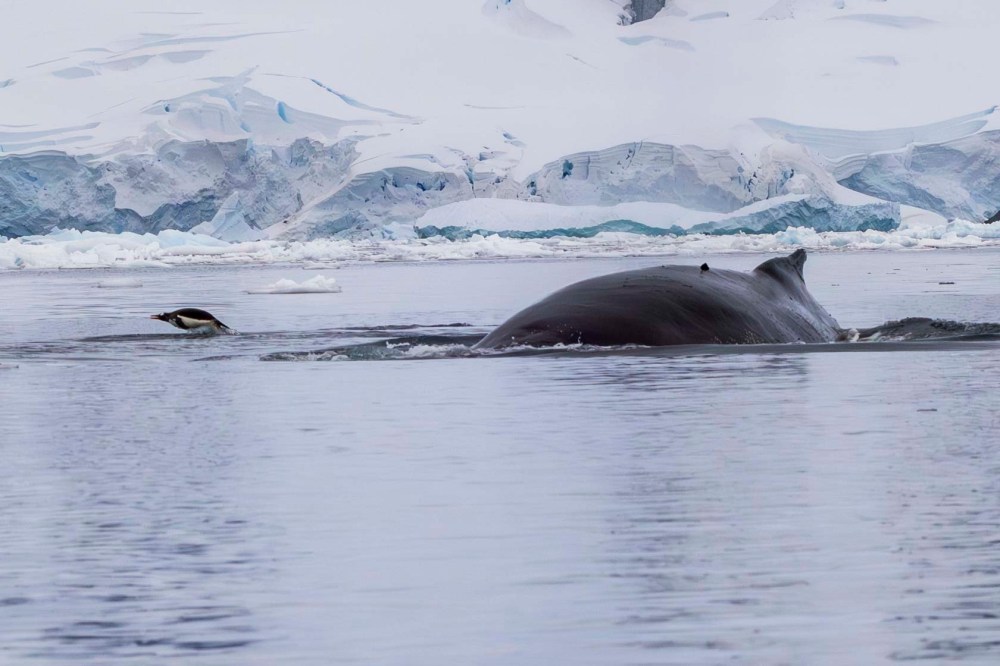
ザトウクジラは時々体を動かしていましたが、それでもとても静かです。なぜなら眠っているからです。ジェンツーペンギンもオキアミを貰いにクジラの周りに集まっていました。 The humpback whale occasionally moved its body, yet remained very still. Why? Because it was asleep. Gentoo penguins also gathered around the whale to receive krill.
静かに、静かに、体を浮かせているだけでした。 Quietly, quietly, it merely floated its body.
時々、シンクロナイズスイミングをしているかのようにクルクルと胴体を回転させていました。 Occasionally, he would spin his torso round and round as if performing synchronized swimming.
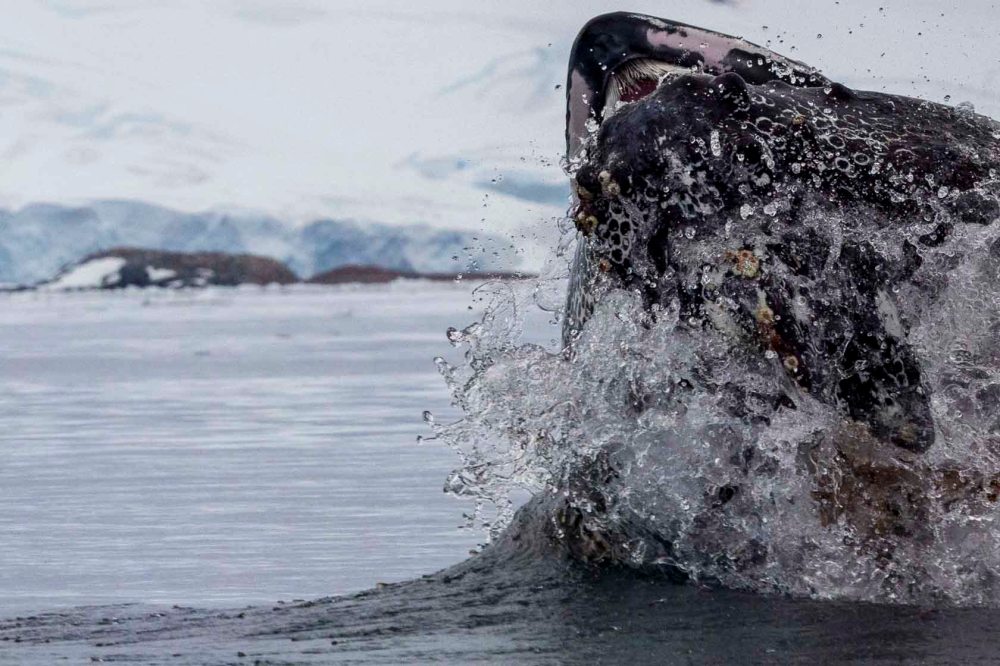
そして、突然頭をぐっと持ち上げて、ストレッチをしているようでした。口の中のクジラヒゲが少し見えますね。 Then, suddenly, it lifted its head sharply, as if stretching. You can see a bit of the baleen in its mouth.
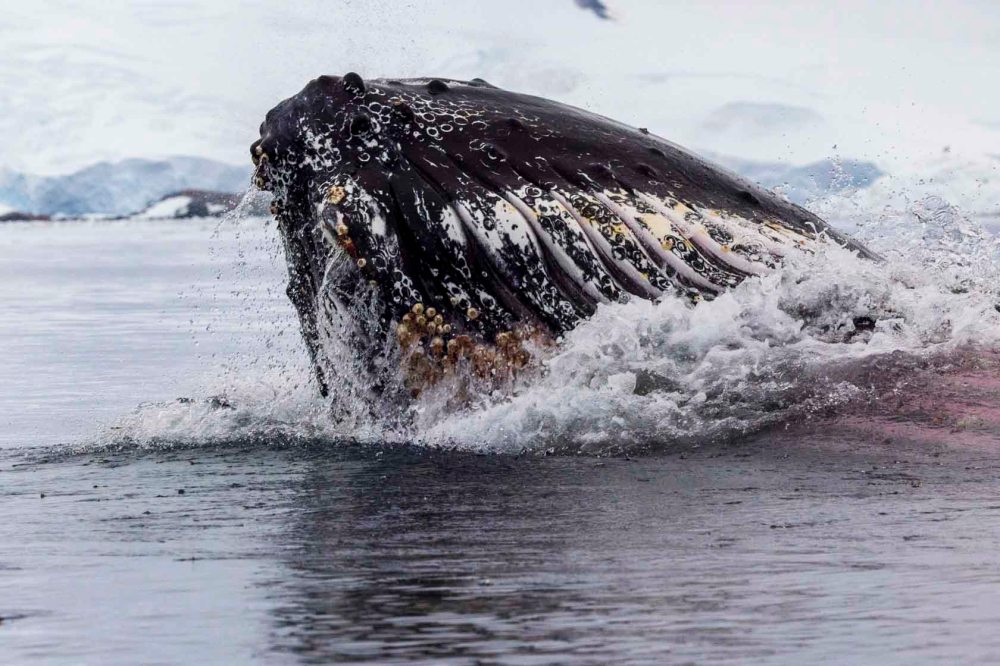
クジラのお腹を見たのは初めてだったので、必死にカメラのシャッターを押しました。 It was the first time I’d ever seen a whale’s belly, so I pressed the camera shutter frantically.
こちらは背中側からのショットです。上顎にクジラヒゲがびっしりと生えているのが見えます。 This is a shot from the rear. You can see the upper jaw densely covered in baleen plates.
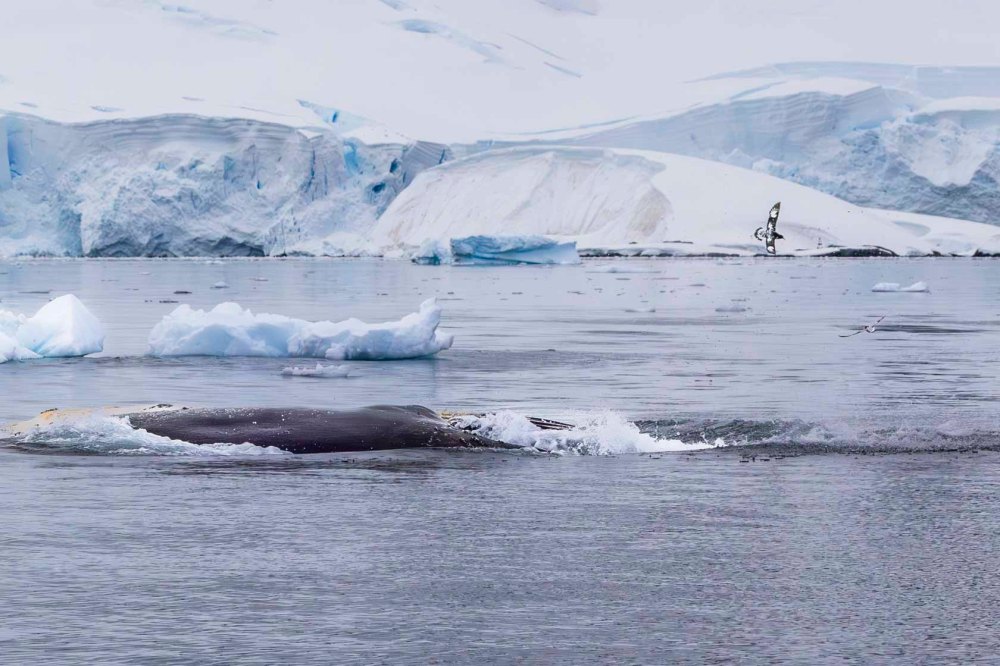
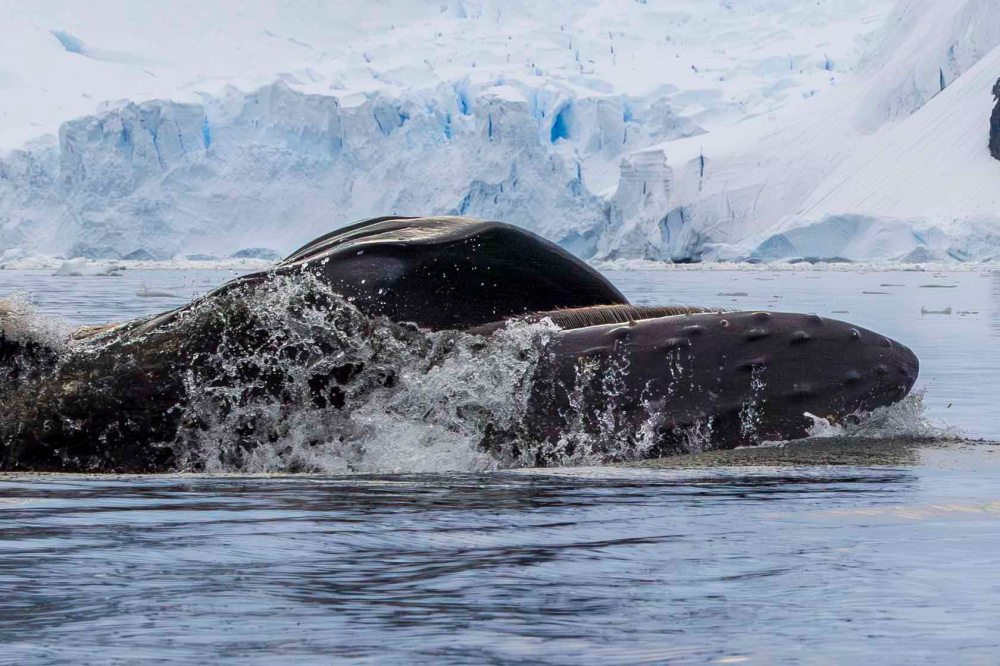
クジラが海水をすくった後の姿です。海水が横から流れ出ているのがわかります。いったい何千匹のオキアミが口の中に残ったのでしょうか? This is the whale after it has scooped up seawater. You can see the seawater flowing out from the sides. Just how many thousands of krill might have remained in its mouth?
こうして、ゆっくりと時が流れていきました。オキアミをたくさん食べて眠くなったのかもしれません。クジラはあまり動かなくなり、静寂が再び戻って来ました。 And so, time passed slowly. Perhaps having eaten plenty of krill, the whale grew drowsy. It moved less and less, and silence returned once more.
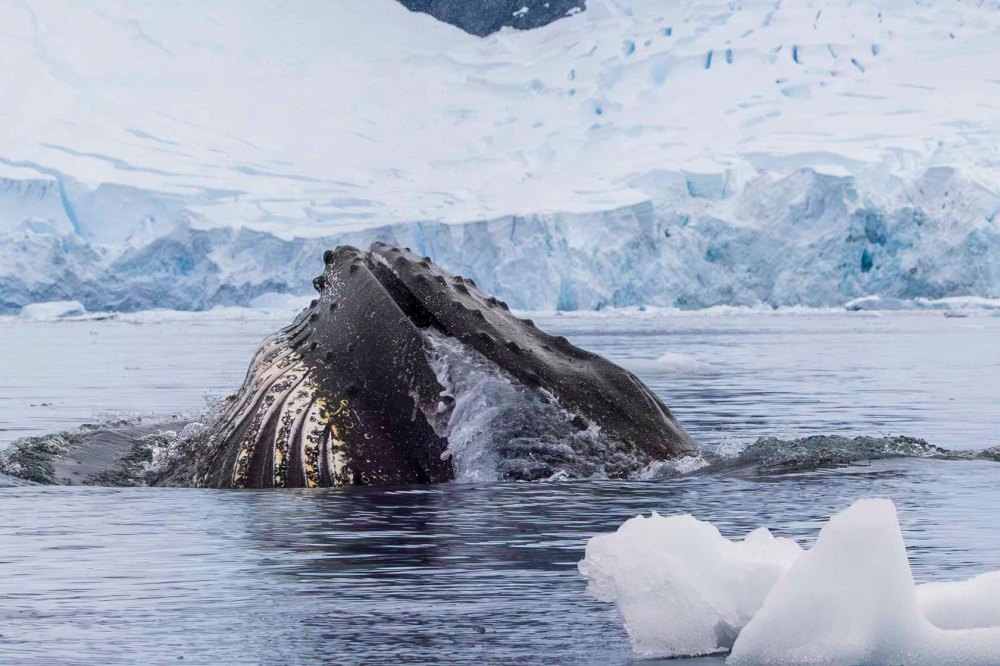
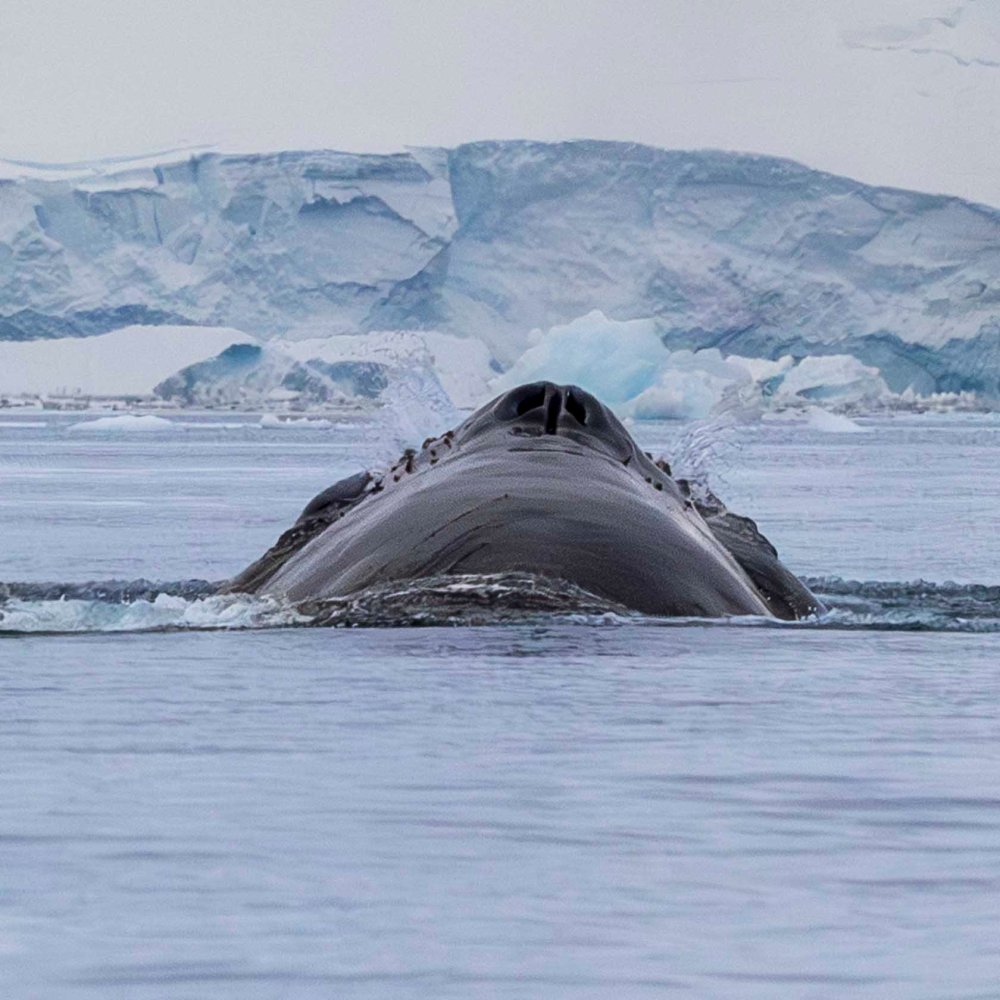
下の写真、大きな2つの穴はザトウクジラの噴気孔です。 In the photograph below, the two large holes are the humpback whale’s blowholes.
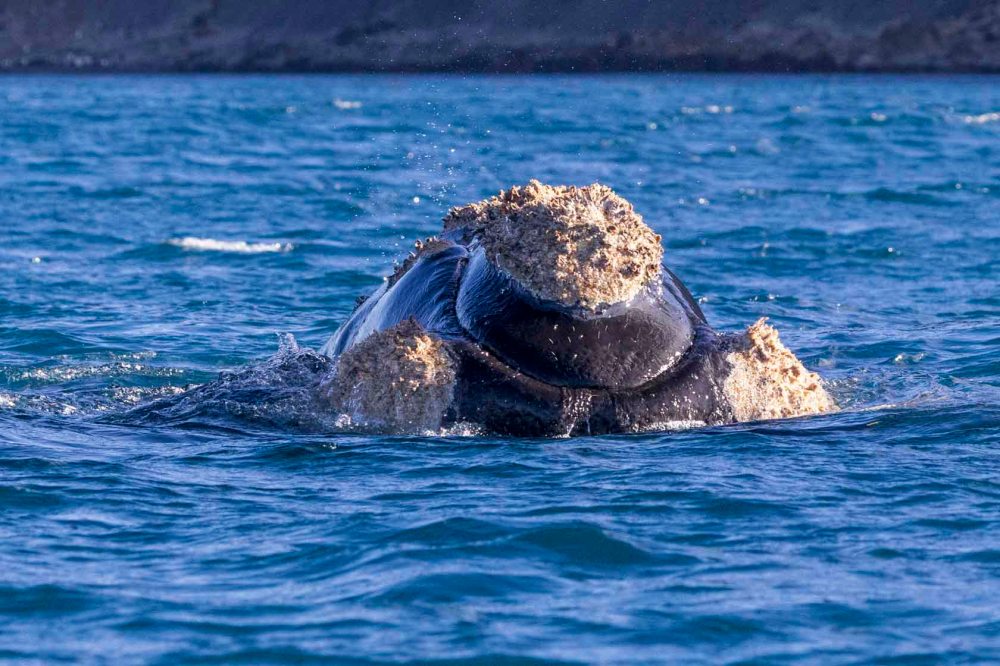
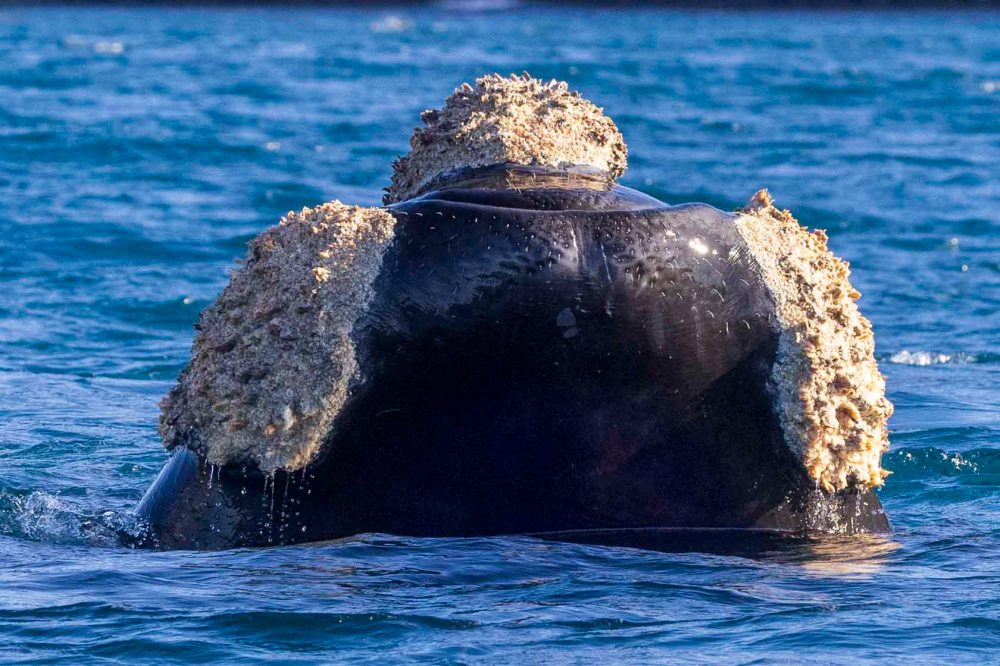
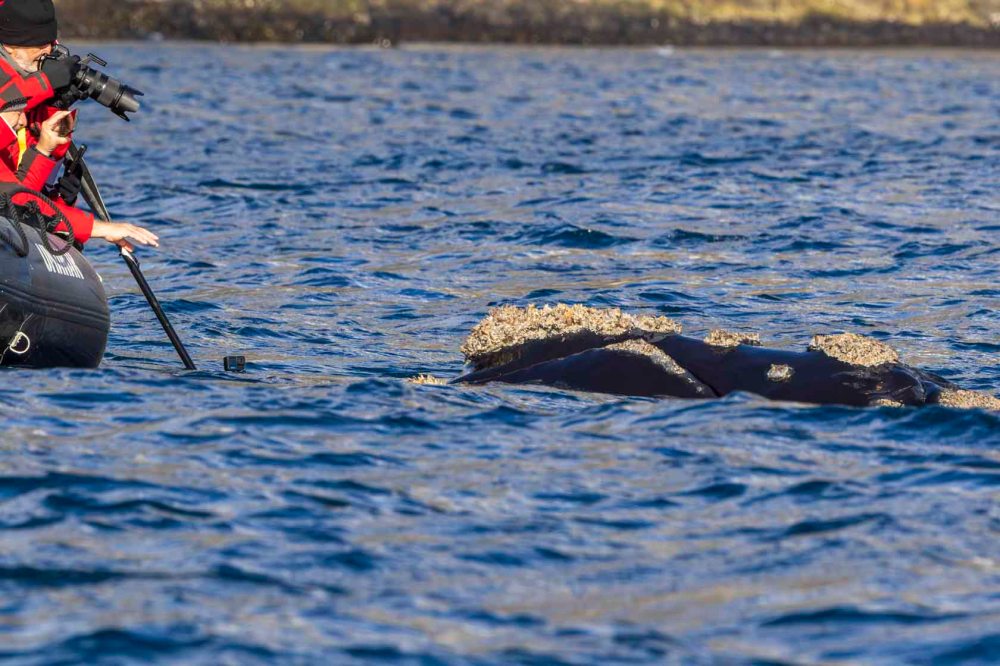
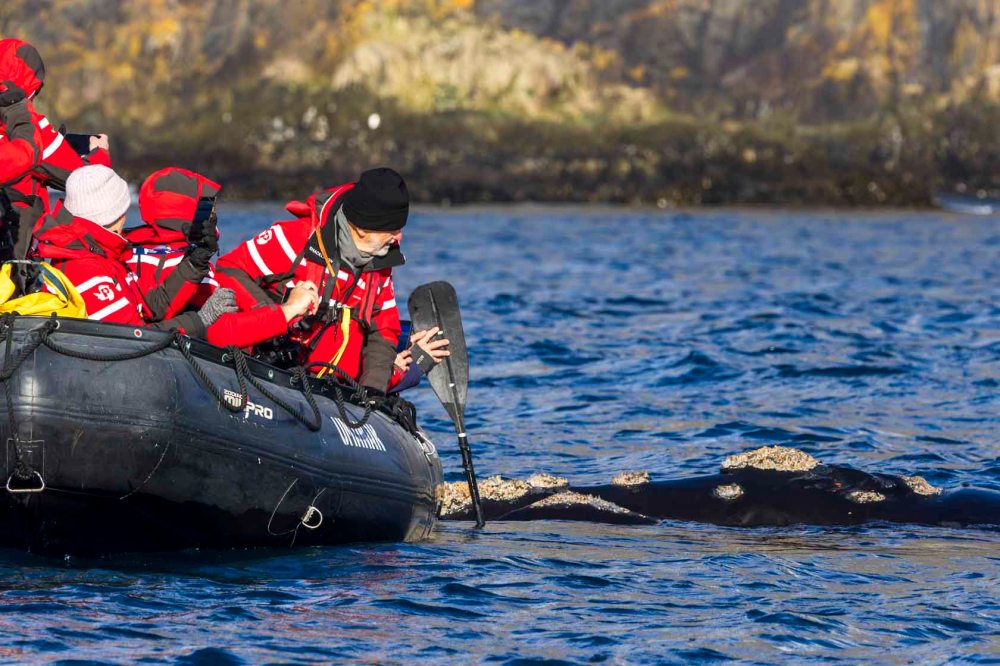
さて、所かわってこちらはサウスジョージア島のエルセフルベイです。ラッキーなことに、ミナミセミクジラに出会いました。顔の前からのショットです。ミナミセミクジラの体についているベージュ色の突起は角質化された皮膚です。これらは小さな甲殻類の住処となります。 Now, moving on to Elsehul Bay in the South Georgia Island. We were fortunate enough to encounter a Southern Right whale. This is a shot taken from directly in front of its face. The beige objects on the whale’s body are rough patches of skin known as callosities. They provide habitat for small crustaceans.
口の周りにはヒゲが生えているのでしょうか。 Is there a beard growing around his mouth?
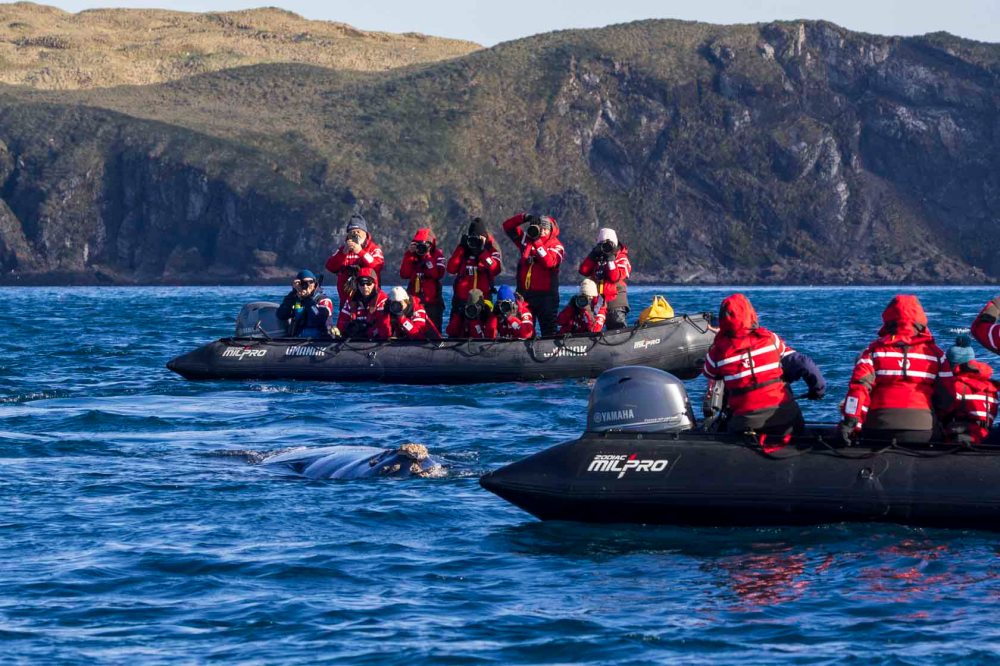
人懐こくて優しいクジラだとされています。私も含めて、写真家達は夢中になって写真を撮っていました。 They are considered to be friendly and gentle whales. Photographers, myself included, were completely absorbed in taking pictures.
私たちのゴムボートには近づいてくれませんでしたが、逃げていこうとはしませんでした。 It did not approach our zodiac, but it did not attempt to flee either.
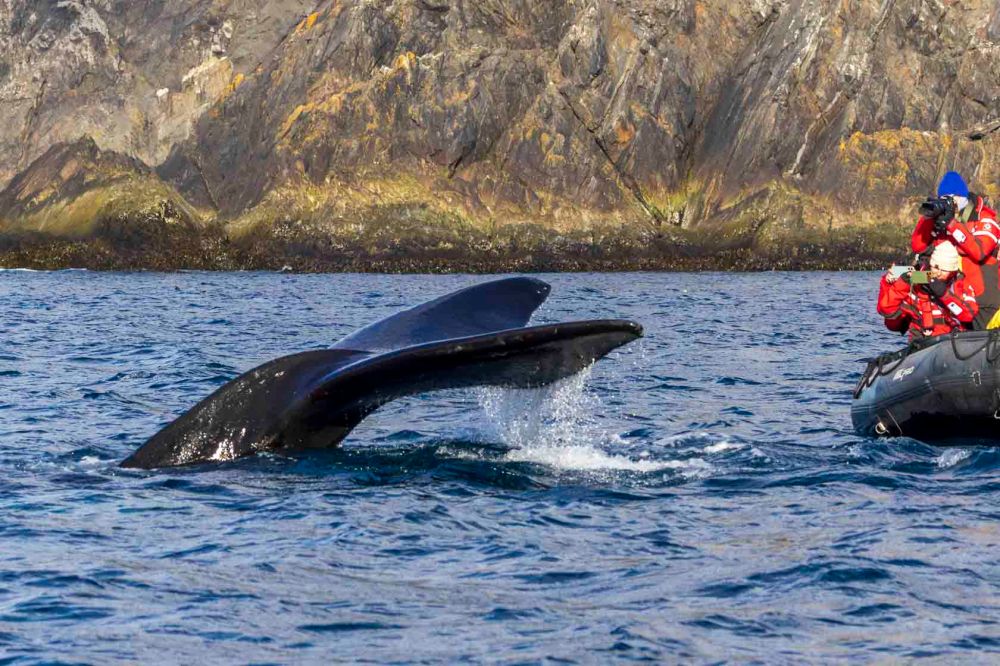
どれほどの時間が過ぎたのでしょうか。私たちはもちろんのこと、ミナミセミクジラもきっと楽しいひと時を過ごしたに違いありません。 How much time had passed? We certainly had a splendid time, and the Southern Right whale must surely have enjoyed itself too.
ミナミセミクジラは尾鰭を上げてお別れの挨拶をして去っていきました。 It raised its tail fin in farewell and swam away.
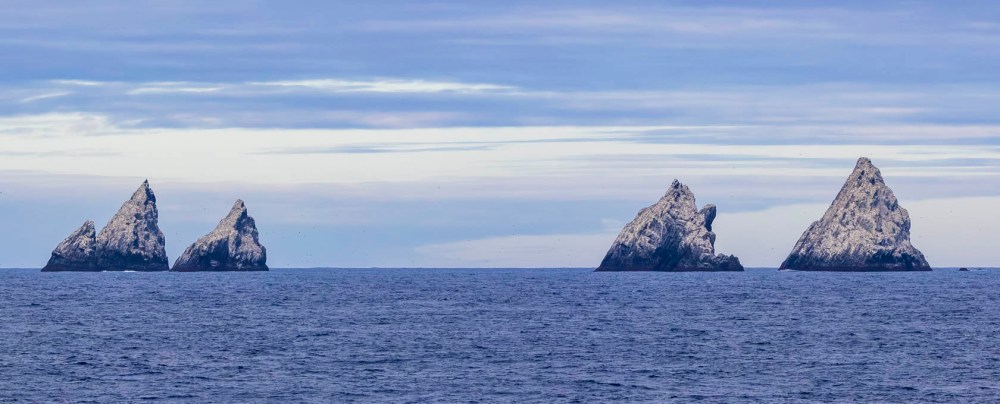
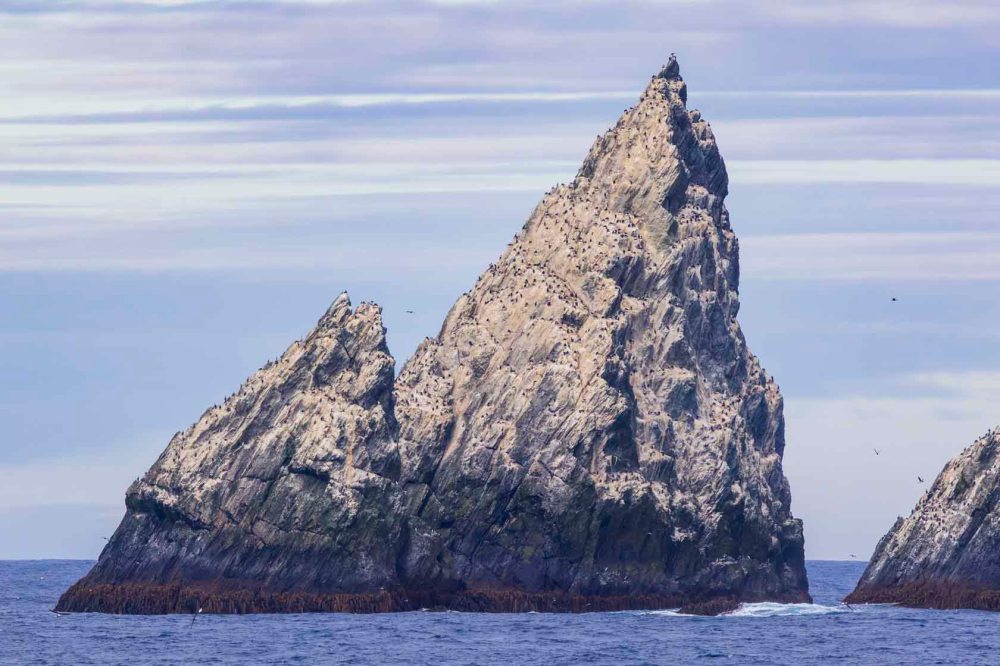
サウスジョージア島からフォークランド諸島に向かう途中に6島の小島があり、シャグロックと呼ばれています。En route from South Georgia to the Falkland Islands, there are six small islands known as Shag Rocks.
シャグは英語で鵜のことです。これらの小島にはシャグが住んでいることからシャグロックと呼ばれるようになりました。 Shag is aka cormorant. These small islands came to be called Shag Rocks because shags inhabit them.
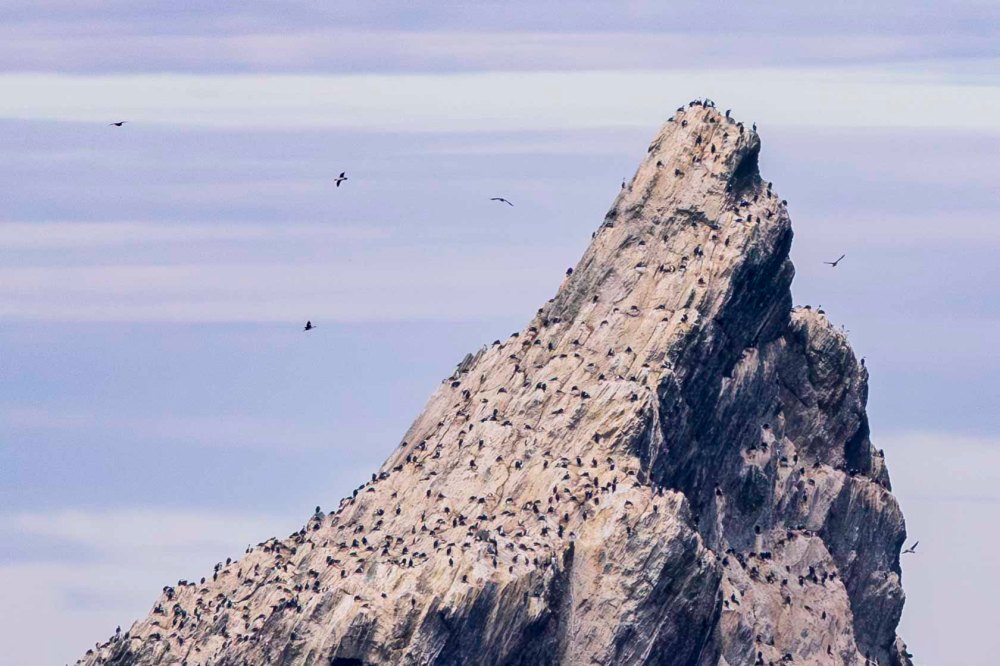
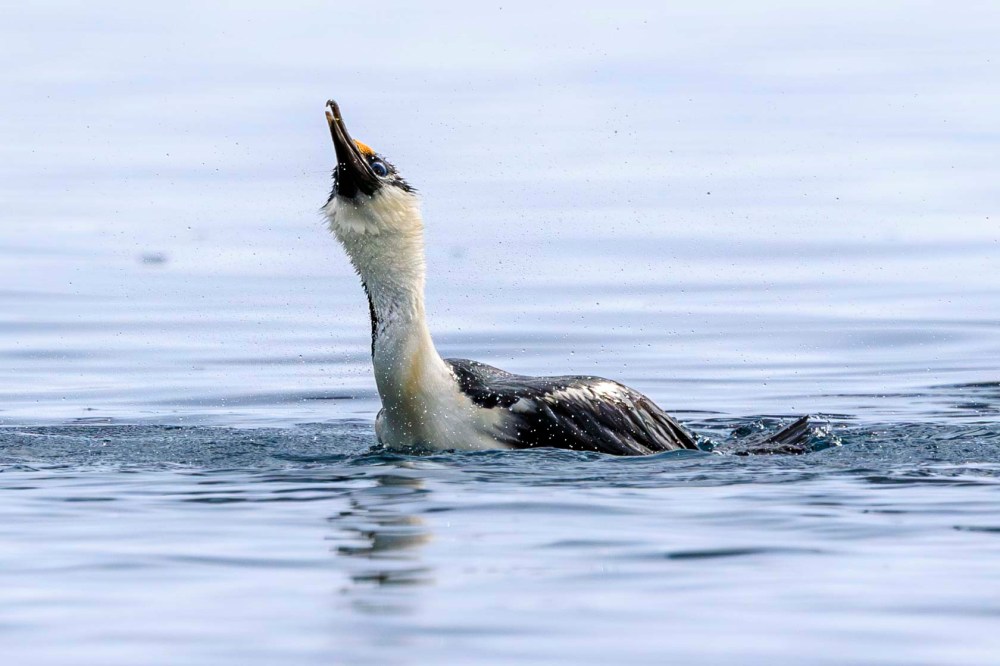
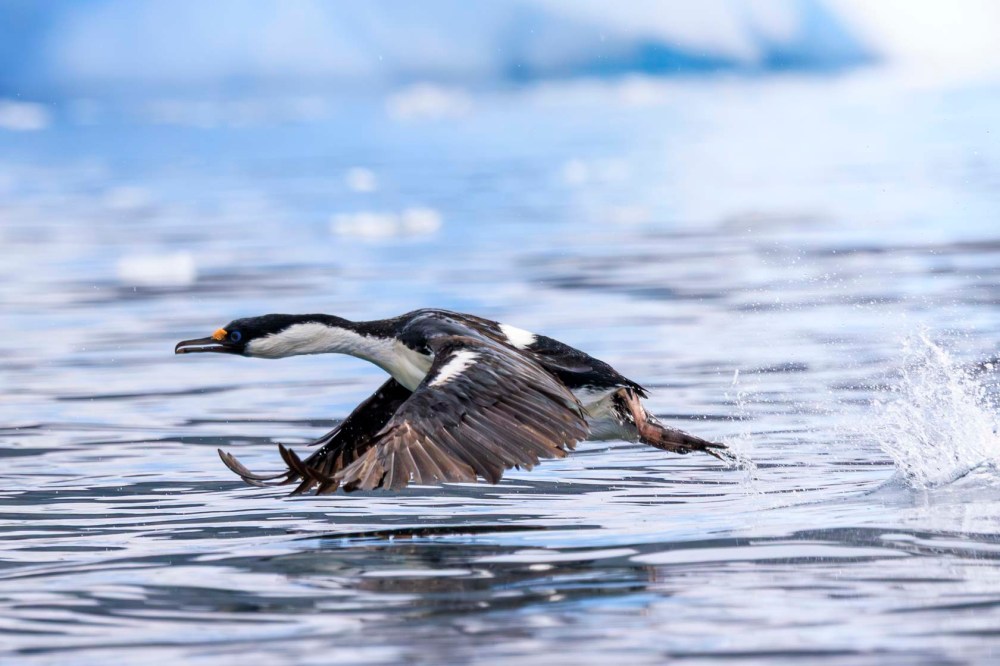
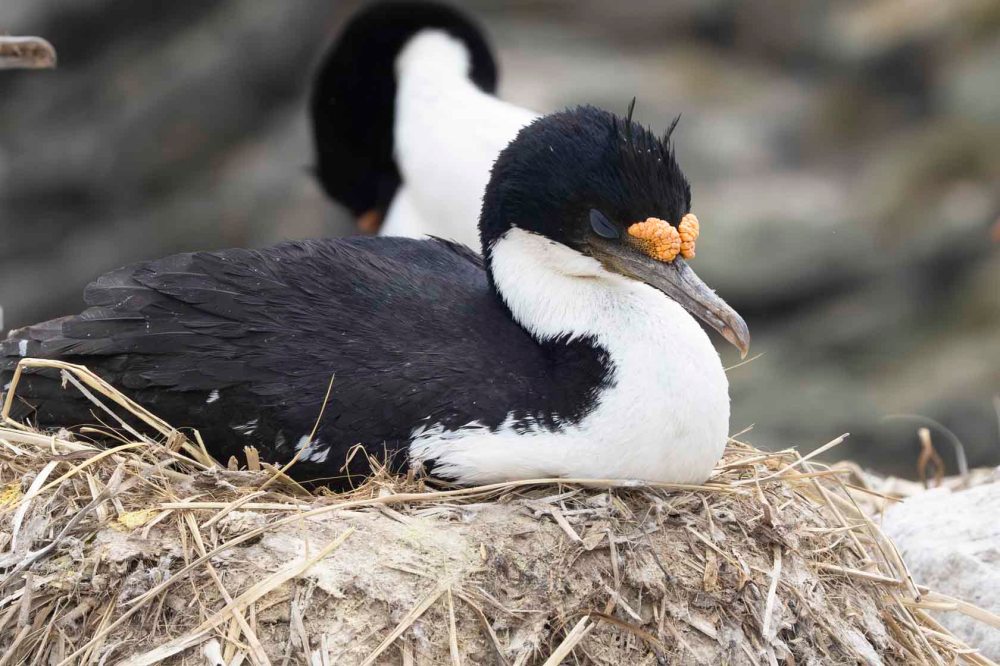
ナンキョクムナジロヒメウが岩の表面を埋め尽くしていました。 この種は南極からフォークランド諸島ぐらいまでの緯度に住んでいます。(注: 日本語ではこの鳥の名前は一つですが、英語では Antarctic Shag, Antarctic Commorant, Imperial Shag, Imperial Commorant, Blue-eyed Shag など、多くの名で呼ばれていますが、すべて同じ鳥です。始めは混乱しました。) Antarctic Shags covered the rock surface. This species inhabits latitudes from Antarctica to the Falkland Islands. (Note: While this bird has a single name in Japanese, it is known by many names in English – Antarctic Shag, Antarctic Cormorant, Imperial Shag, Imperial Cormorant, Blue-eyed Shag – all referring to the same bird. I was initially confused.)
南極初日に雪の中、この鳥とペンギンと間違えて以来、行く先々で数千枚もの写真を撮って来ました。それにしてもこの量は圧巻です。 Ever since mistaking this bird for a penguin on my first day in Antarctica amidst the snow, I’ve taken thousands of Shag pictures wherever I’ve gone. Even so, this sheer volume is truly impressive.
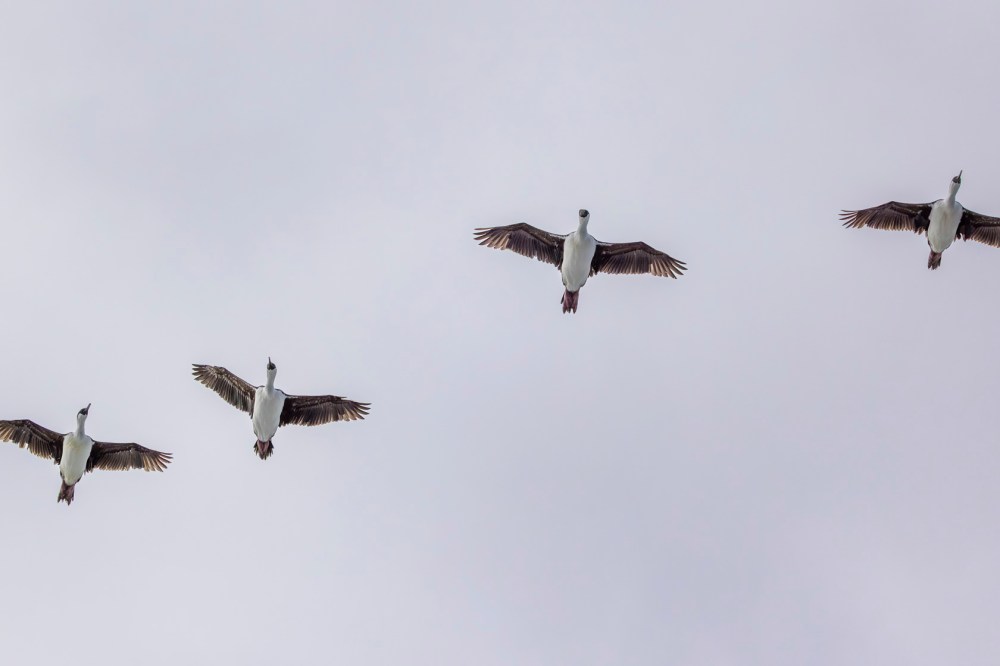
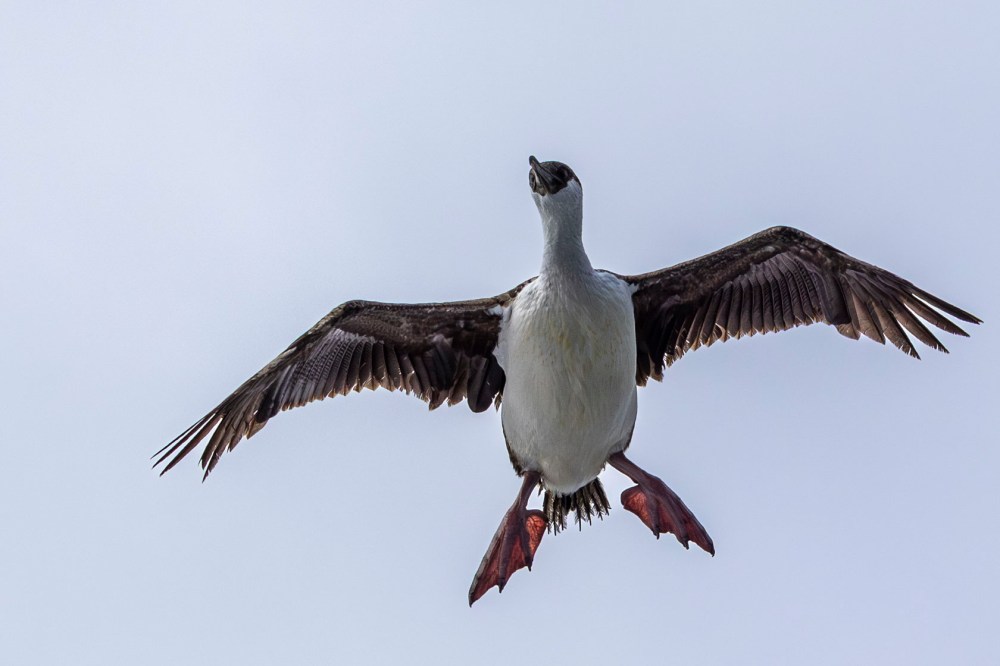
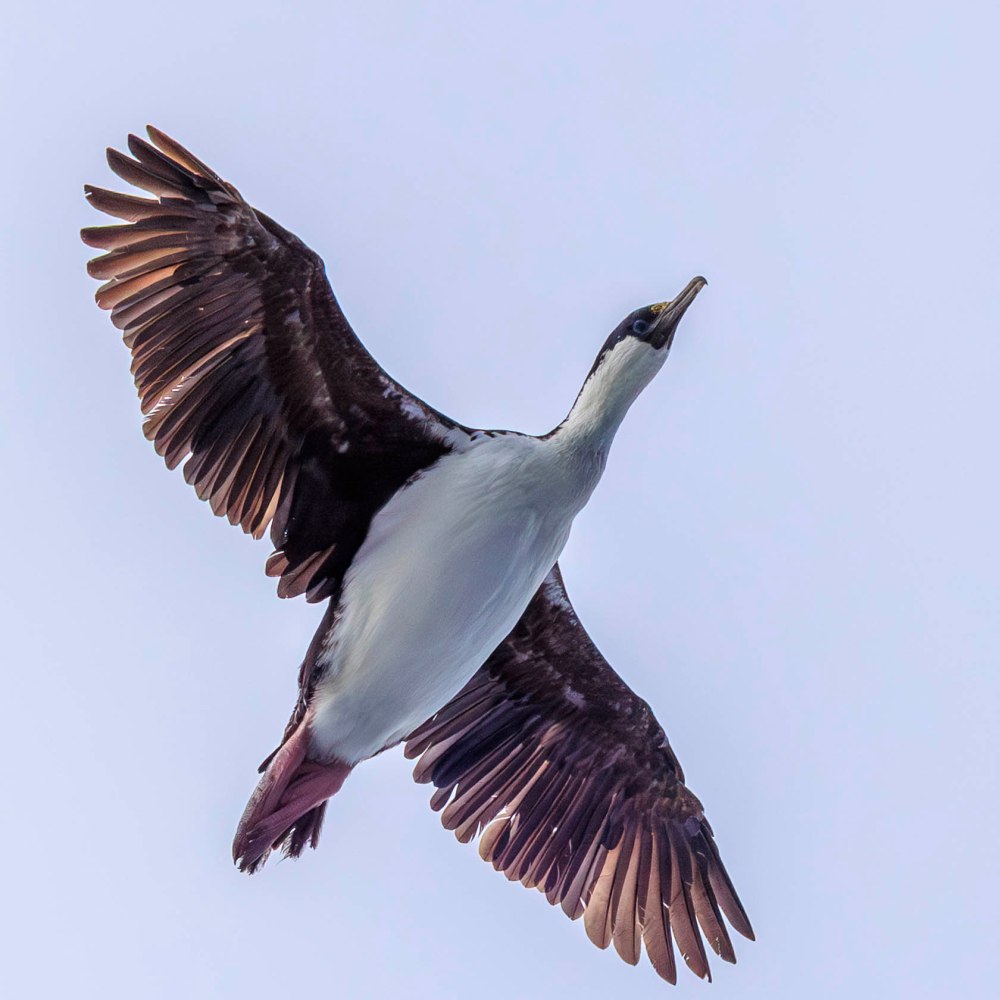
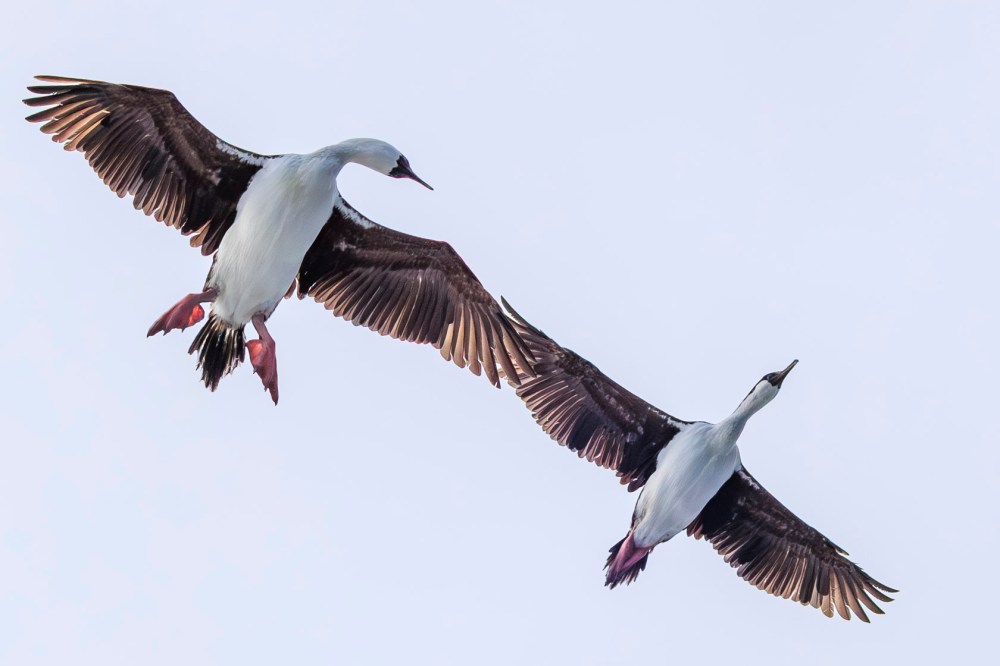
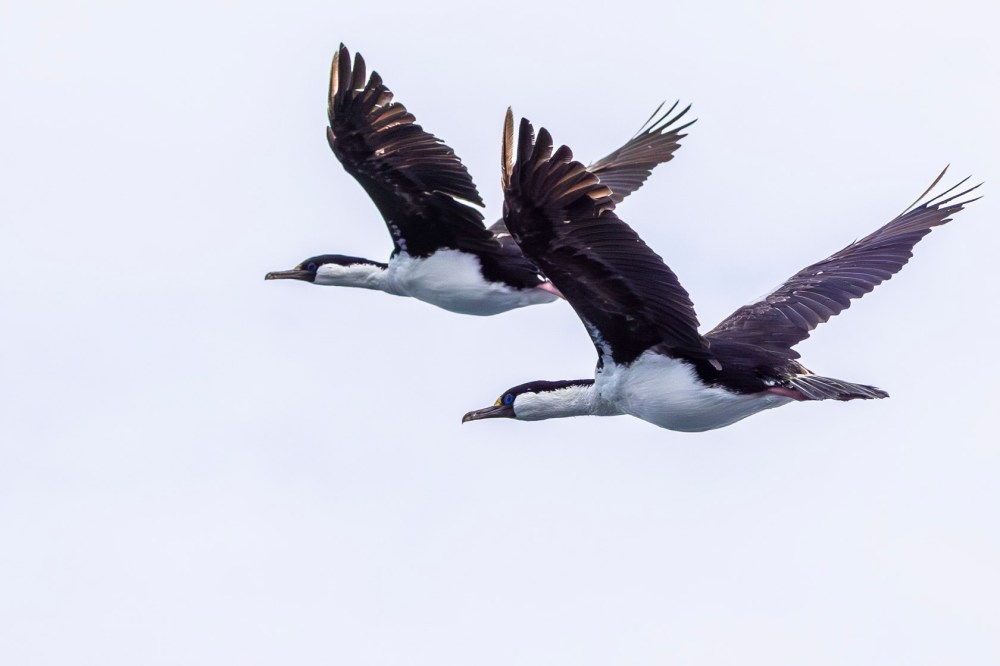
船の甲板に出ると、大量のヒメウが上空を飛んでいました。その量の多さに圧倒されました。 Upon stepping out onto the ship’s deck, I was overwhelmed by the sheer number of shags overhead.
その中の数羽は船の上に舞い降りて来そうでした。 Some of them seemed poised to alight upon the ship.
そのおかげで真下から飛ぶ姿を観察することができました。 Thanks to that, I was able to observe it flying from directly below.
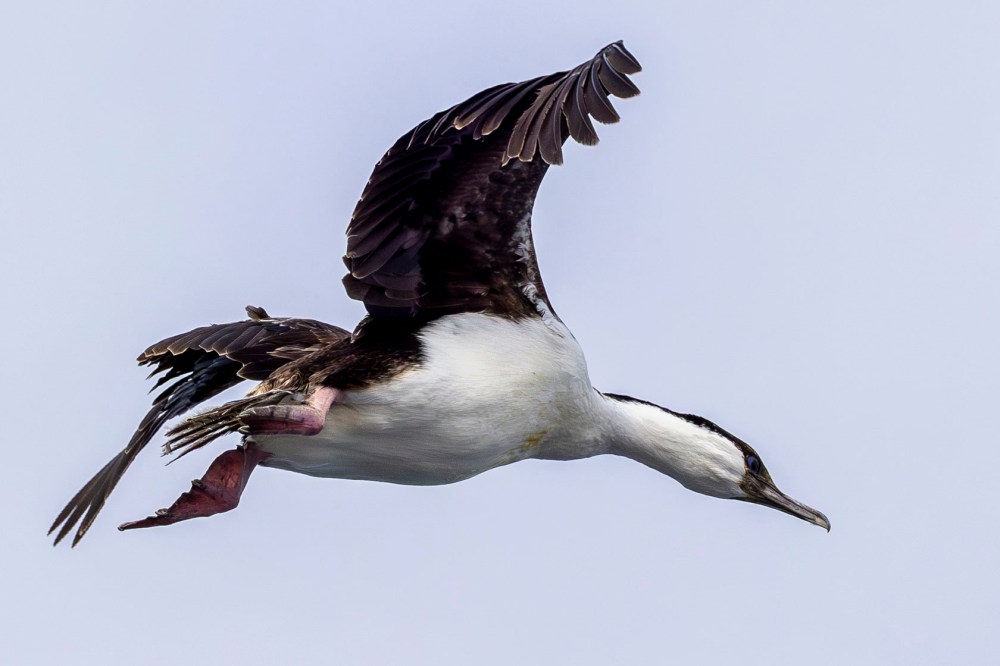
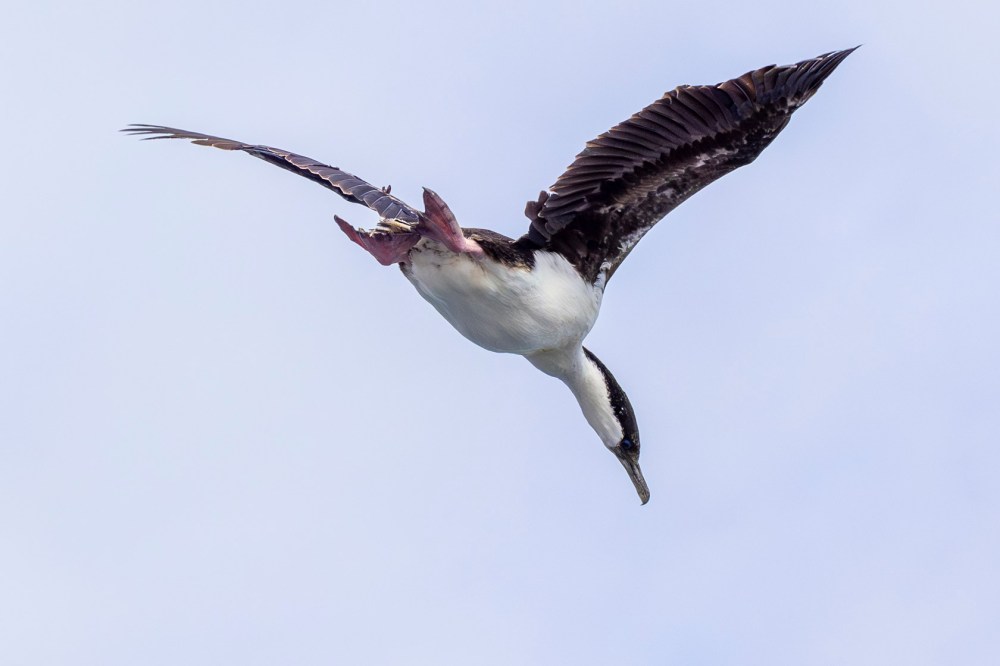
こちらはヒメウが海面に急降下する直前の姿です。そのあとは追いきれませんでした。 These shots below are the moment just before the Shag dives steeply towards the sea surface. After that, I couldn’t keep up.
こうして海中深くまで潜り魚を捕まえます。 This is how they dive deep into the sea to catch fish.
南極のナンキョクムナジロヒナウ Antarctic Shag at Antarctica
野生動物の行動を観察するのは本当に楽しいですね。 Observing wildlife behavior is truly delightful.
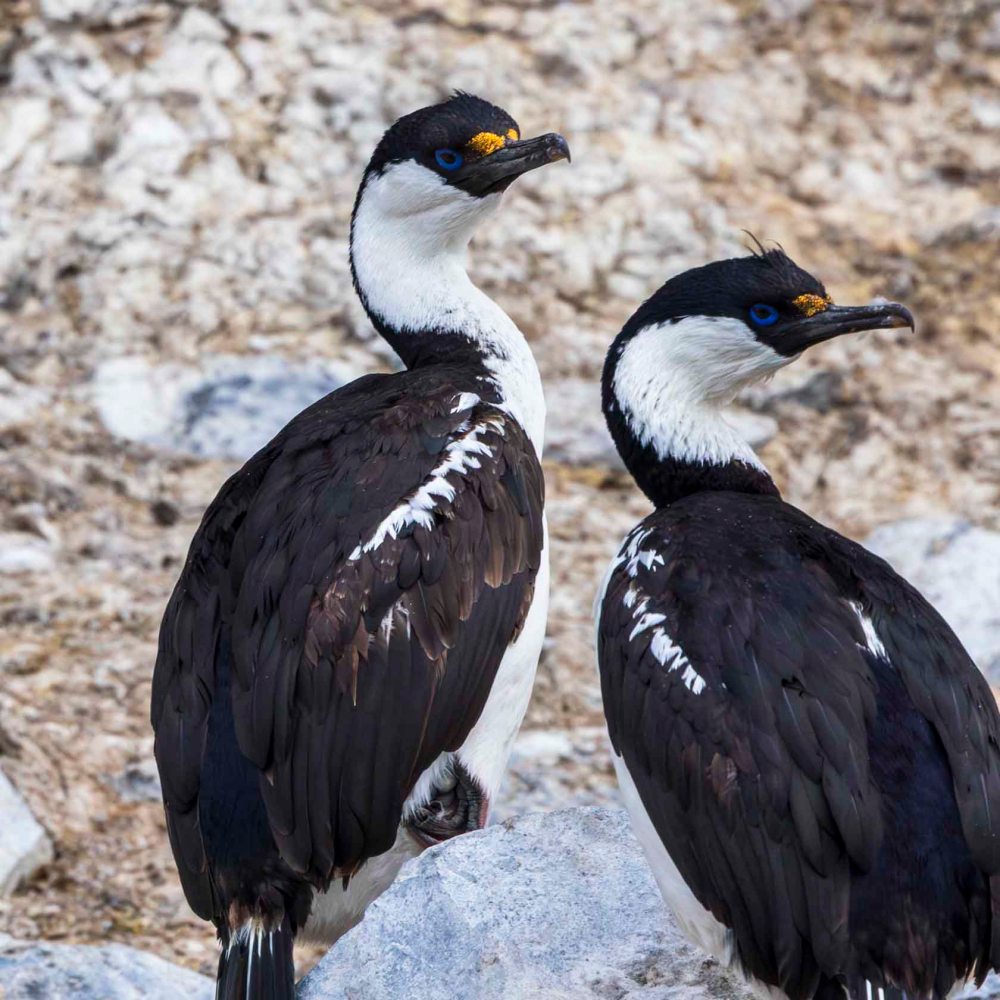
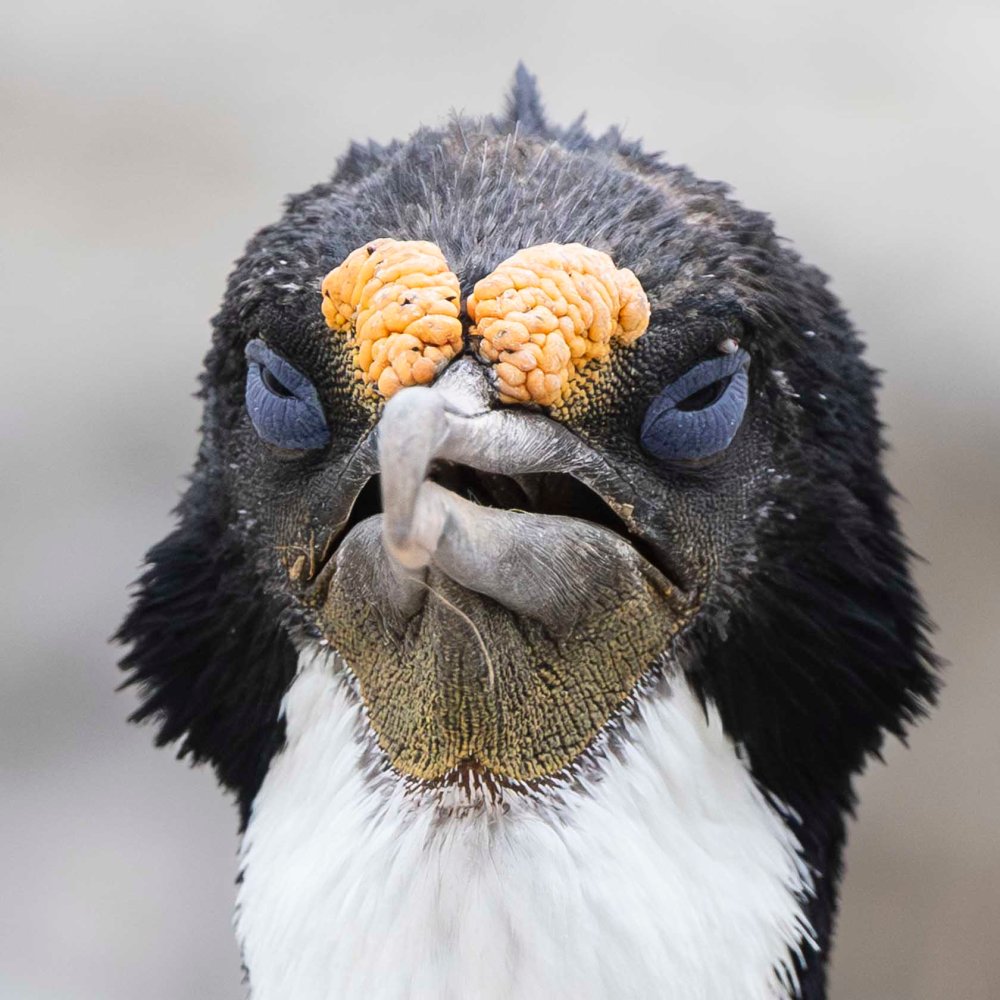
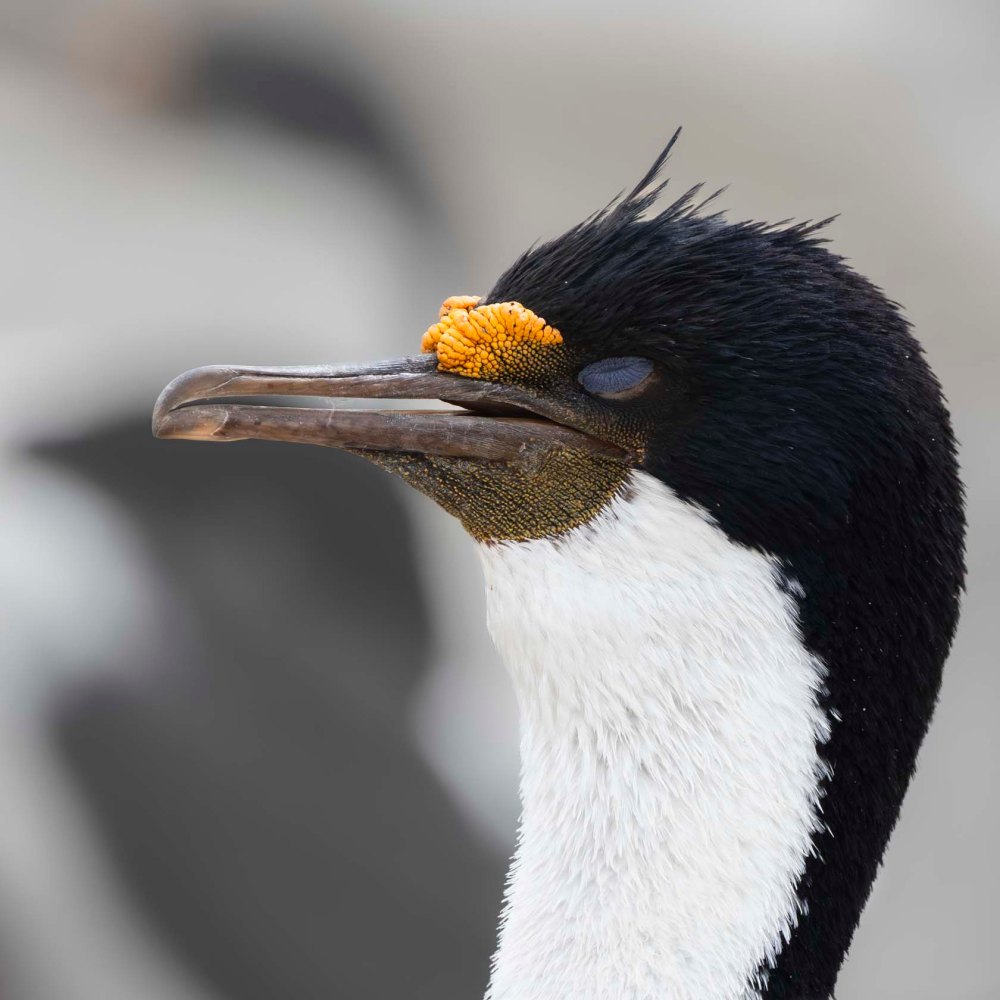
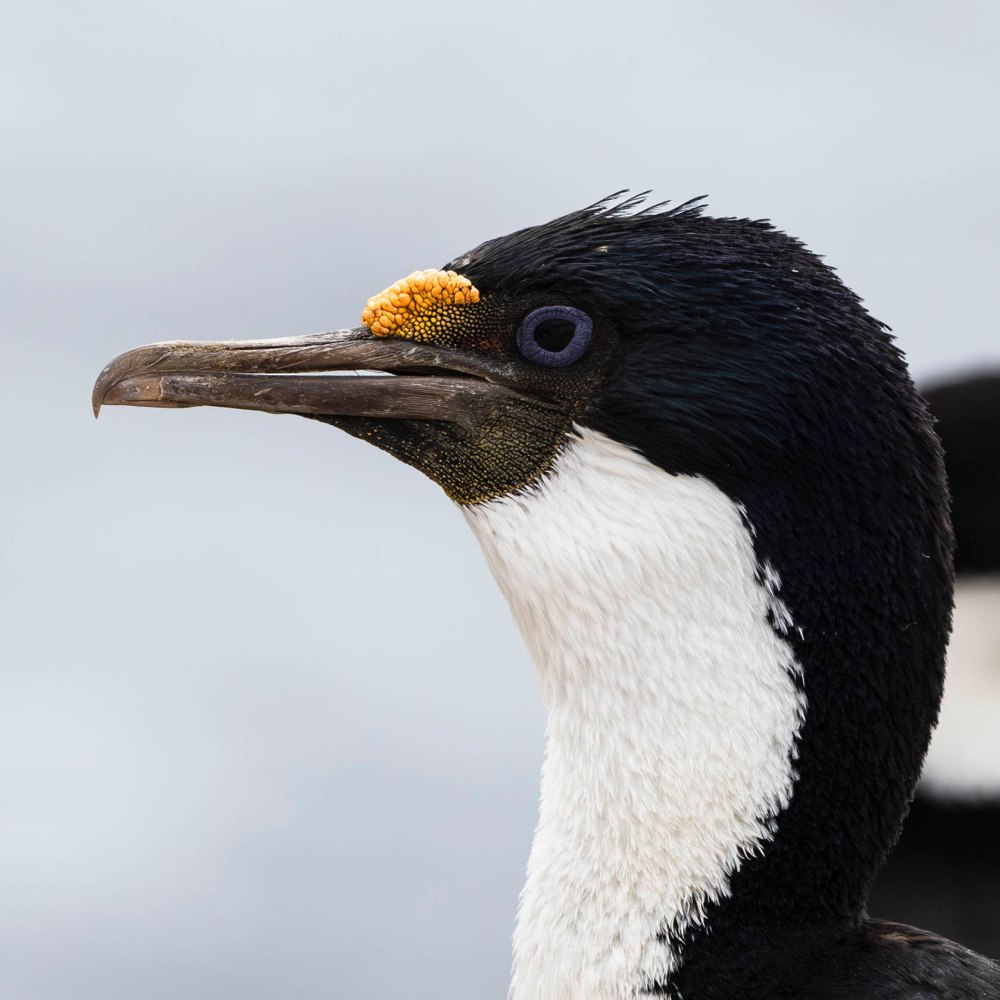
ところで、近くから観察できたおかげで気がついたことがありました。ナンキョクムナジロヒメウの目は青いのだと思っていました。遠くから見るとそう見えるんですね。 On another note, observing them up close revealed something I hadn’t realised before. I’d always thought the eyes of the Antarctic shag were blue. It turns out that’s just how they appear from a distance.
前からのショットはイマイチです。The front shot doesn’t look so good.お昼寝中。Taking a nap.
こちらの写真は、お昼寝最中のナンキョクムナジロヒメウですが、目を閉じていても青い。ということは、青い部分は目の周りにある皮膚なんですね。 These photographs show Antarctic shags in the midst of their afternoon nap, yet even with their eyes closed, it appears blue. This indicates that the blue colouration is actually the skin surrounding the eyes.
この角度が一番いいですね。This angle is the best.
場所は変わってフォークランド諸島、例のシェアハウスの光景です。 The scene shifts to the Falkland Islands, back to that shared house.
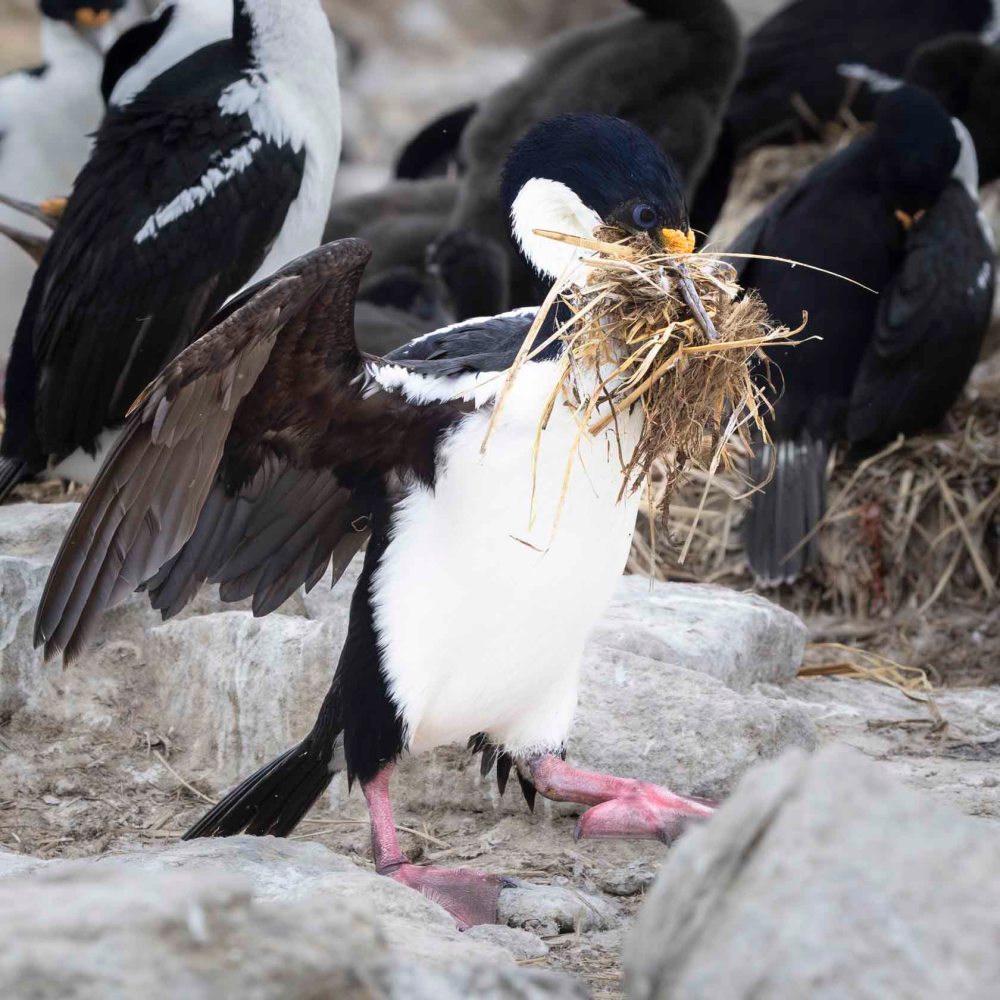
まだ巣作りをしている最中のヒメウや、まだ卵を温めているおかあさんがいました。 There were Antarctic shags still busy building their nests, and mothers still brooding over their eggs.
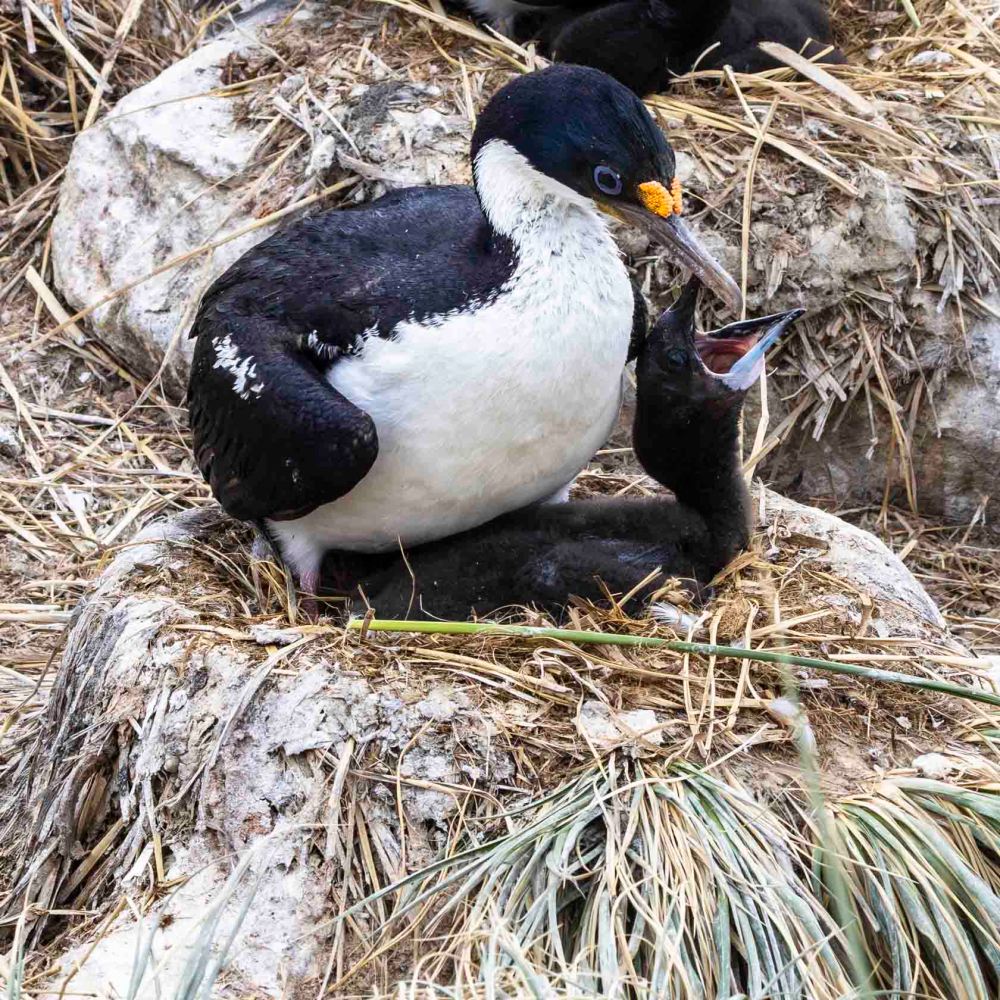
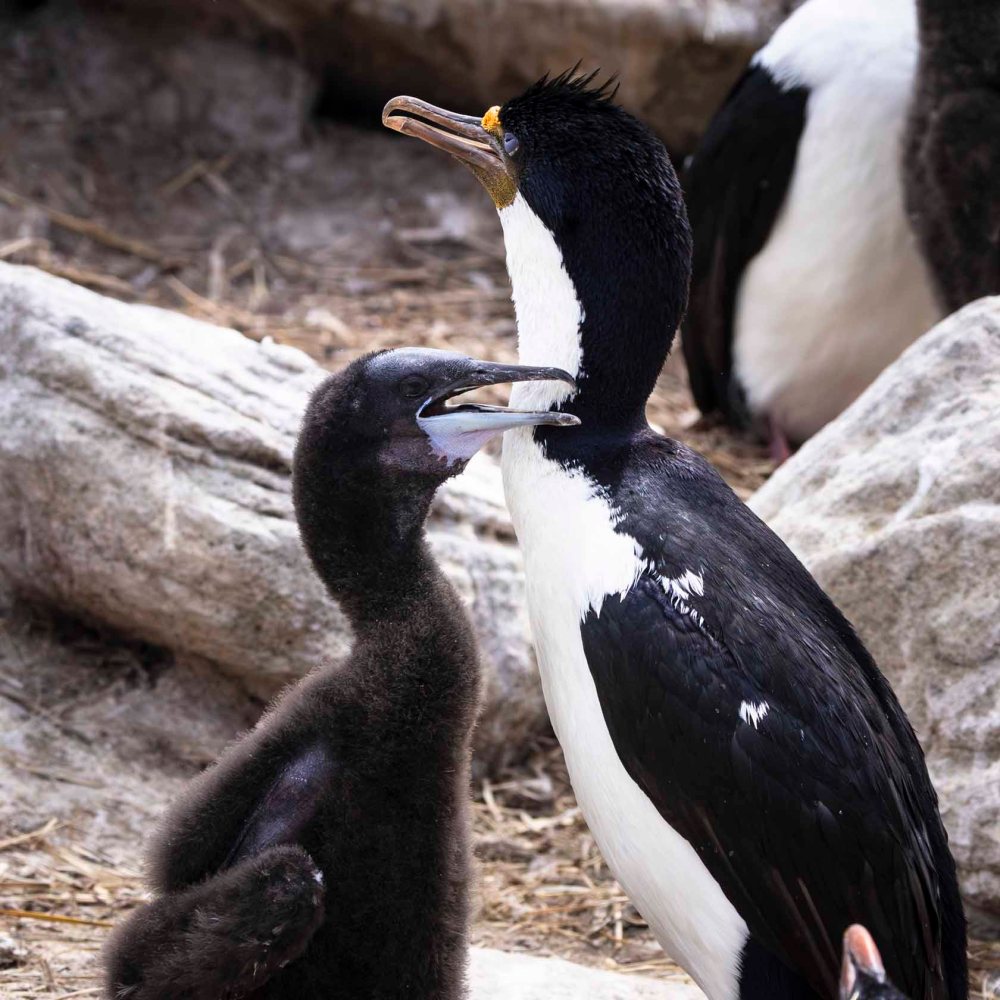
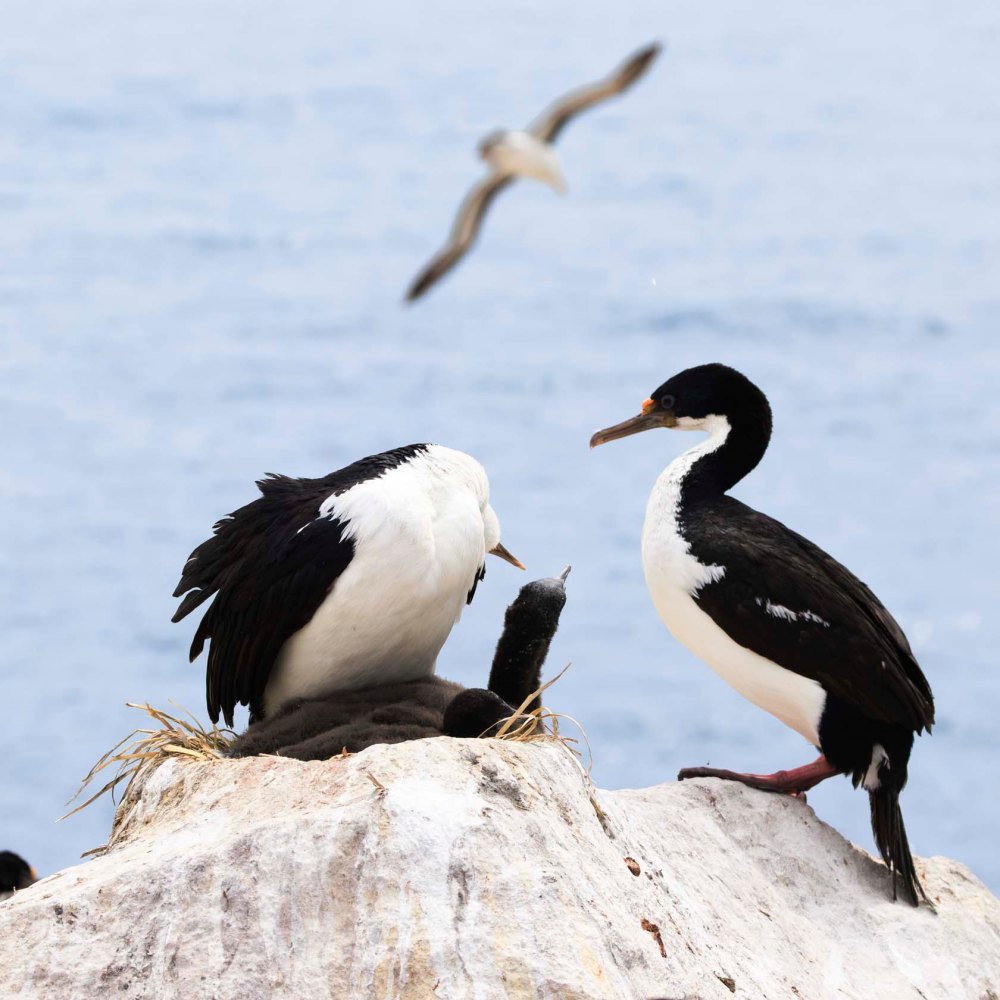
こちらはすでに孵化したヒナの世話をするヒメウたちです。 These are the Shags tending to their already hatched chicks.
ナンキョクムナジロヒメウのヒナは羽毛が全く生えていない状態で生まれてきます。上の写真を見ると、フワフワの羽毛が生え揃っているようですが、頭にはまだ生えていないことがわかります。生まれてから3週間ぐらいで生えそろうそうです。その間、寒さで死んでしまわないようにお母さんヒメウがずーっと座り続けて温め、お父さんヒメウはせっせと餌を運んでくるということらしいです。 The chicks of the Antarctic shag are born completely featherless. Looking at the photo above, it appears they have grown a full set of fluffy feathers, but you can see their heads are still bare. It is said that they take about three weeks after hatching for their feathers to fully grow in. During this time, the mother shag apparently sits constantly to keep them warm so they don’t freeze to death, while the father shag diligently brings them food.
早く空高く飛びたいと願うのは雛鳥だけじゃなく、親鳥も同じ。でも、羽毛が生え揃ったらすぐ巣立ちするということです。ふーん、なんだか短すぎる気がしますが、同時に野生動物の逞しさを感じます。 Chicks aren’t the only ones eager to soar high in the sky; their parents feel the same. Yet, once their feathers are fully grown, they leave the nest immediately. Hmm, I can’t help but feel it’s all rather too brief, yet at the same time, I sense the resilience of wild creatures.
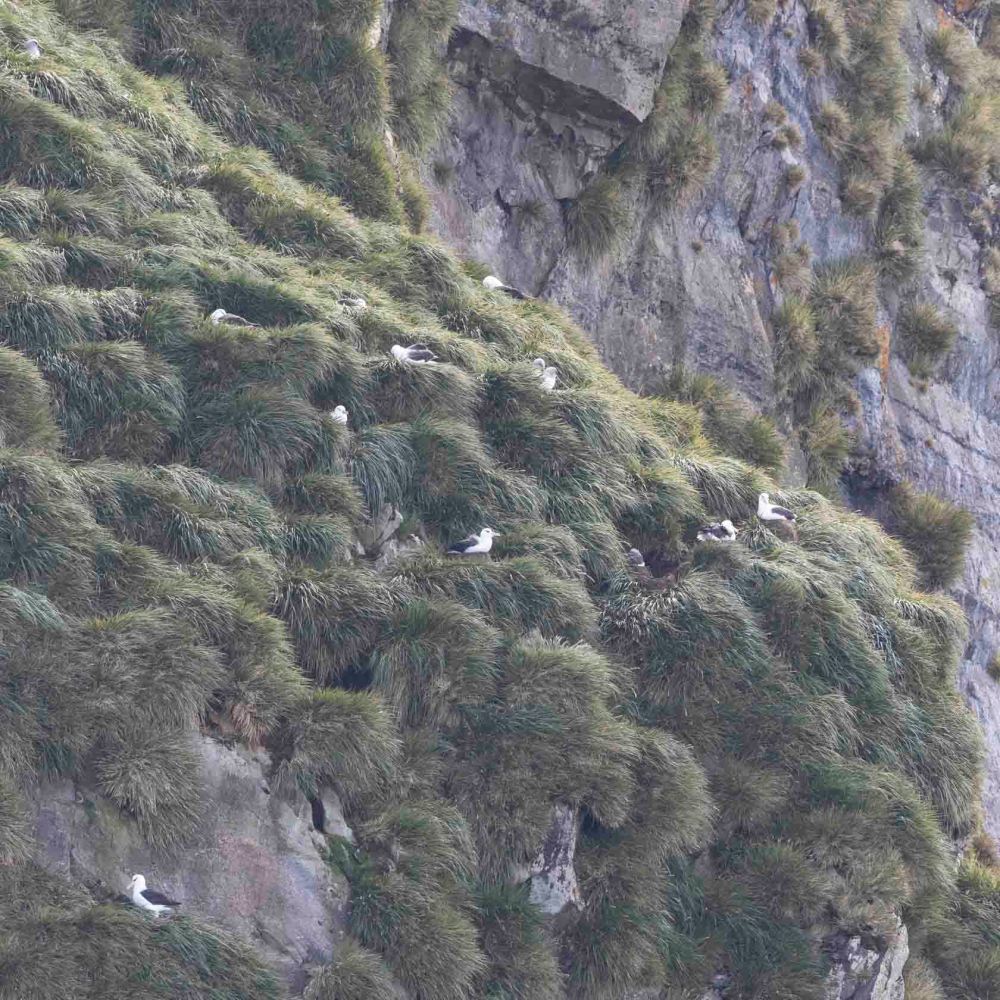
この日、私たちはサウスジョージア島の北、エルセフルベイをゴムボートでクルーズしました。 One day, we cruised in a zodiac around Elsehul Bay, north of South Georgia Island.
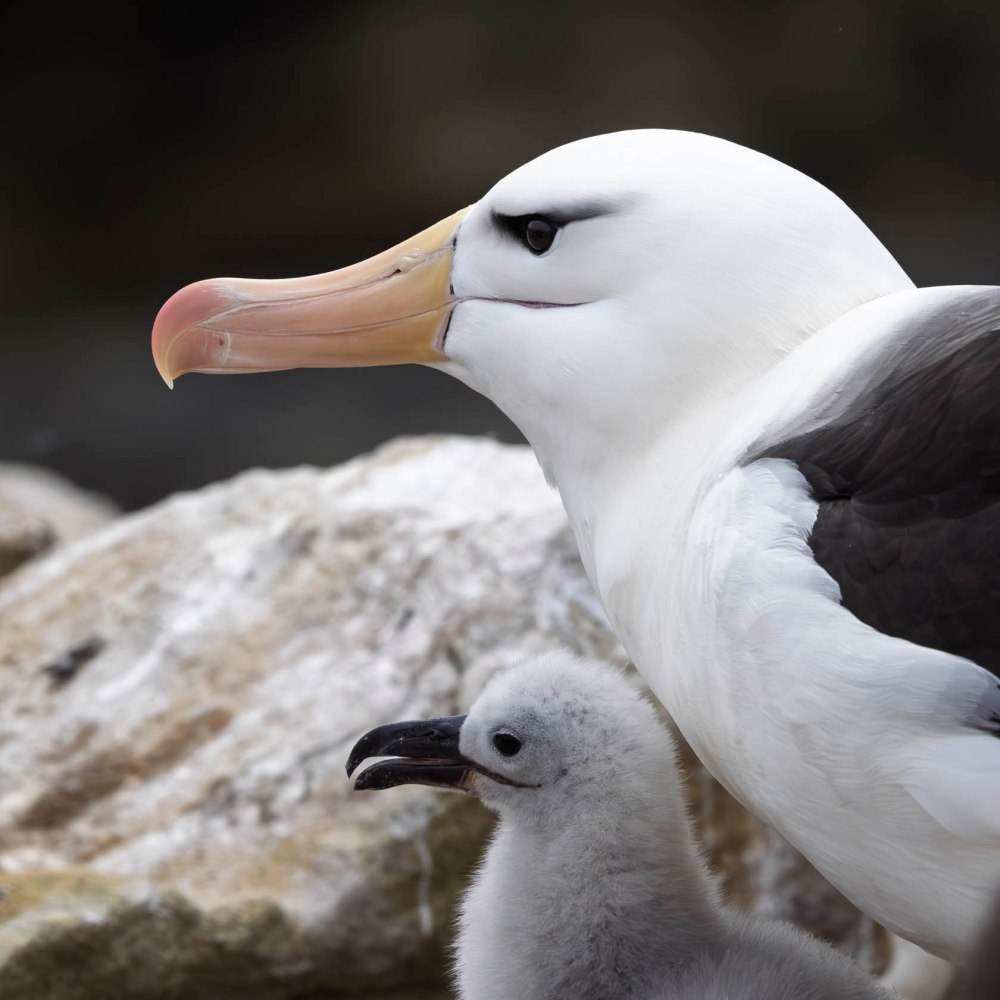
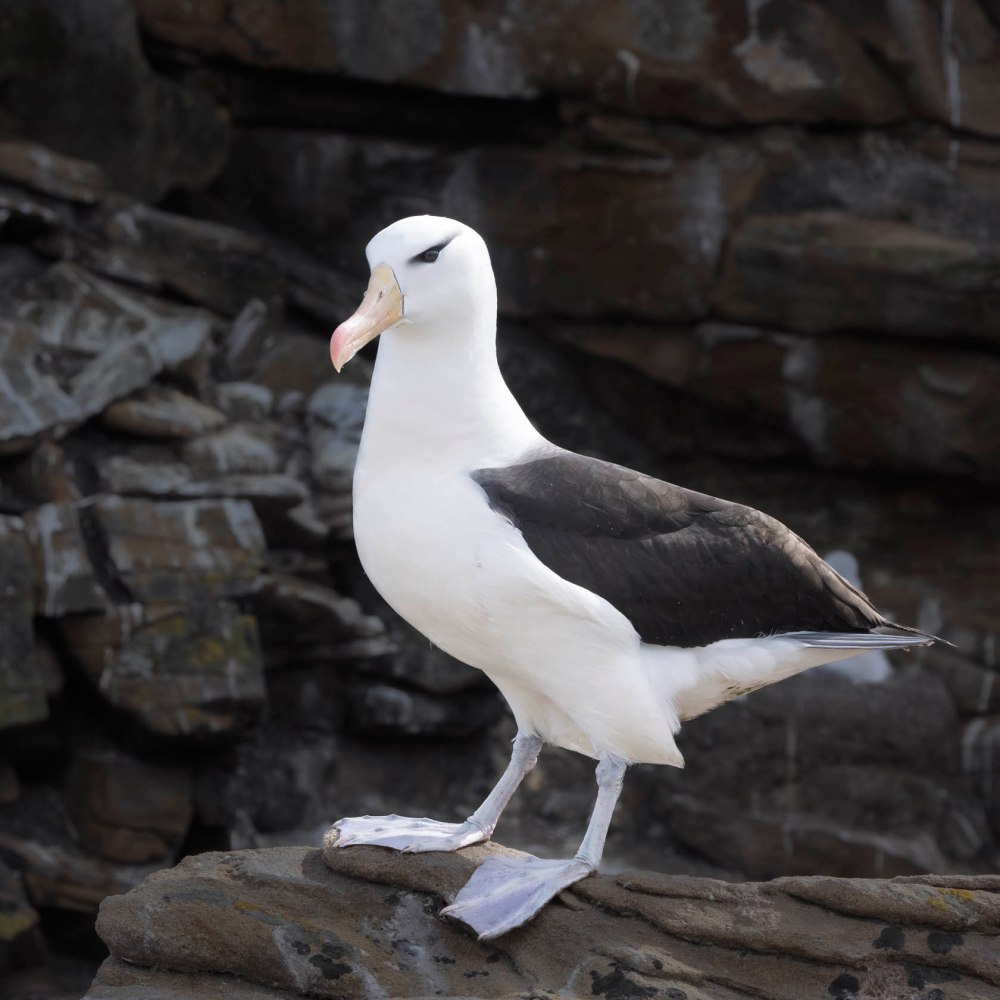
アホウドリのコロニーを崖の上に見上げ、なぜ彼らが崖っぷちを選ぶのか理解しました。 Looking up at the Albatross colony perched on the cliff, I understood why they choose the very edge.
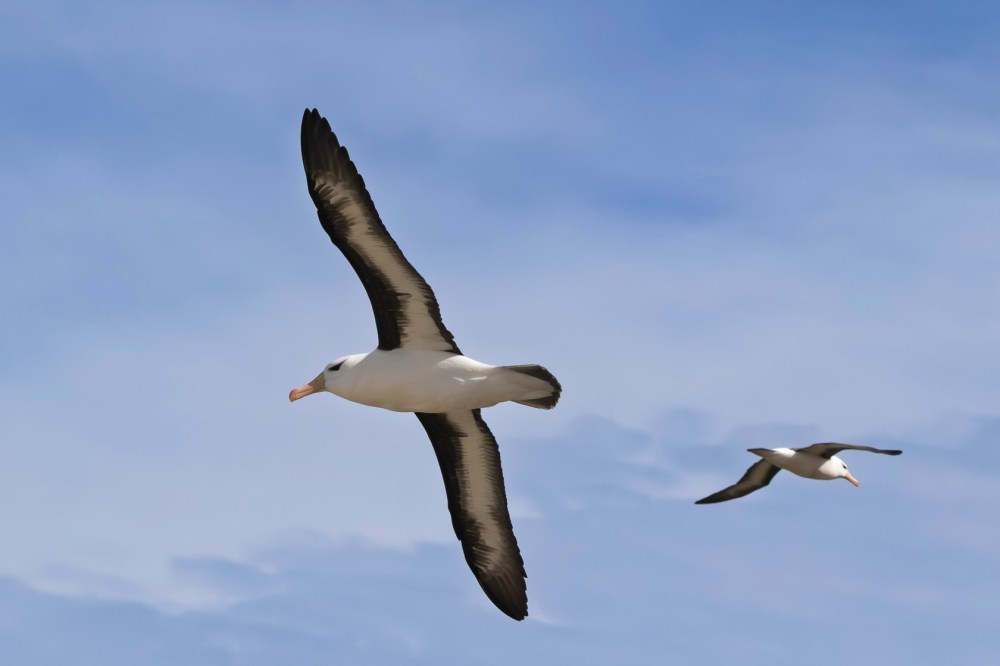
彼らは他の大きな鳥と同じようにダイナミックソアリングを繰り返して空を飛びます。そのため、高い崖っぷちが便利なのです。 They fly through the air by repeatedly performing dynamic soaring, just like other large birds. For this reason, high cliff edges are convenient.
マユグロアホウドリ Black-browed Albatross
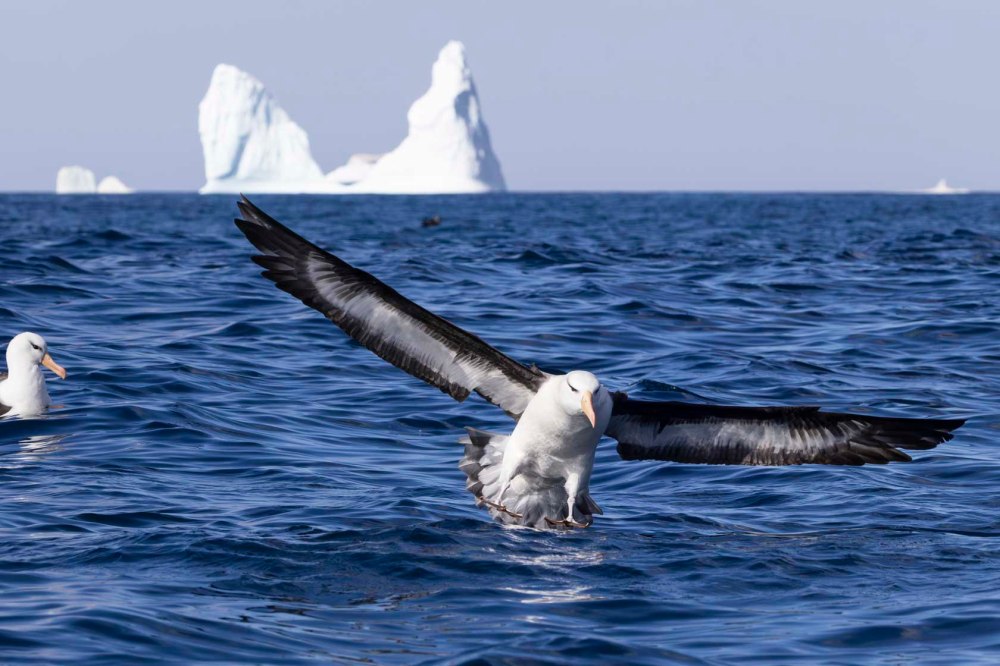
その代わり、水面から飛び立つ時は大変な労力を必要とします。飛び立てないと思わせるぐらい長いこと水上を走って勢いをつけて飛び立ちます。 In return, taking off from the water’s surface requires tremendous effort. They run across the water for so long to build up momentum that it makes you think they cannot take flight.
マユグロアホウドリ Black-browed Albatross
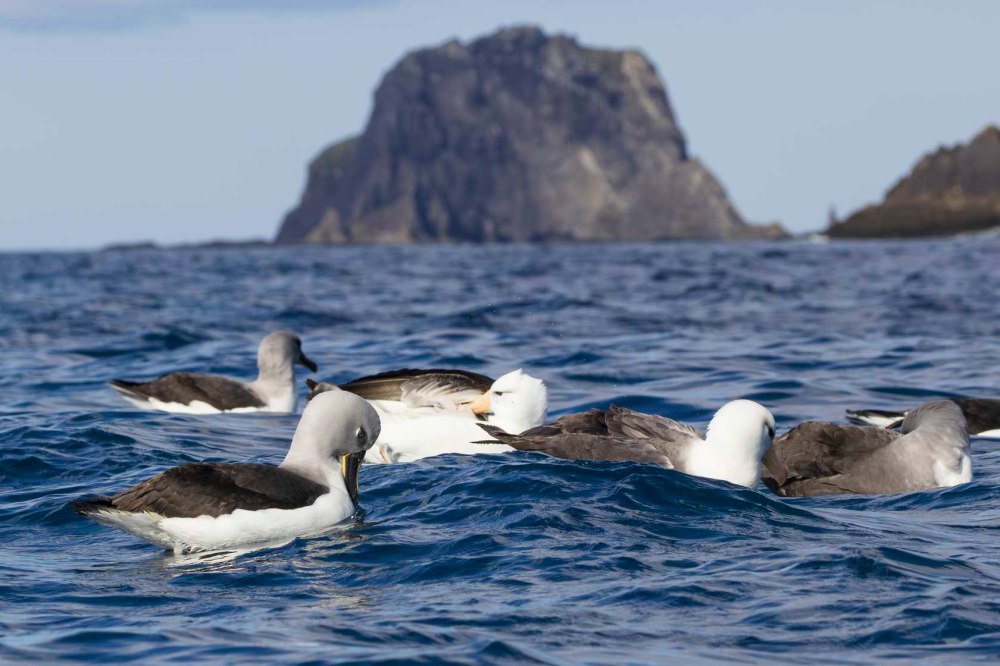
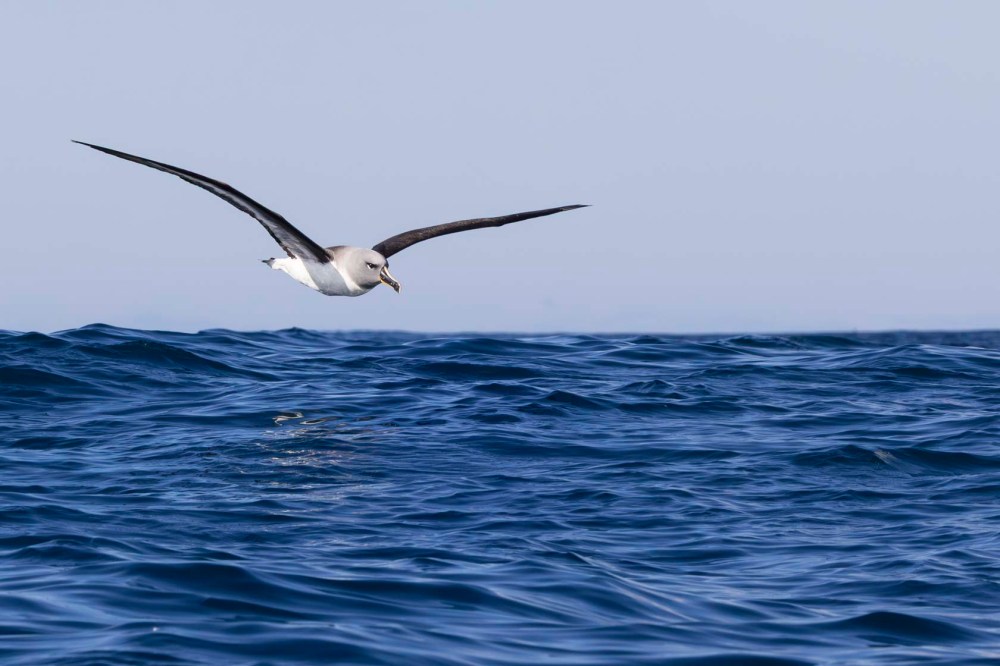
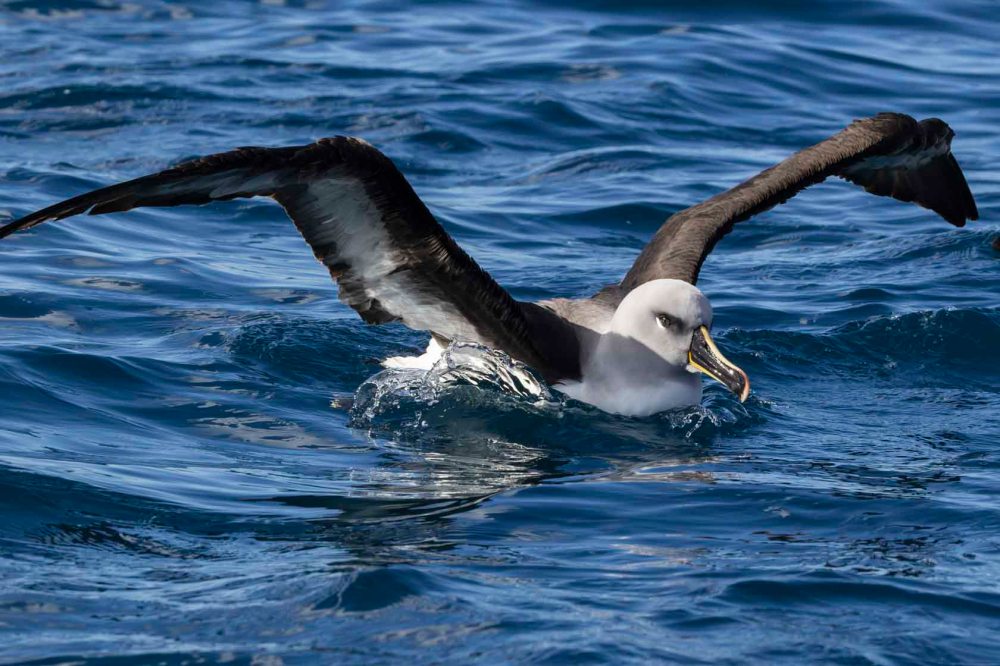
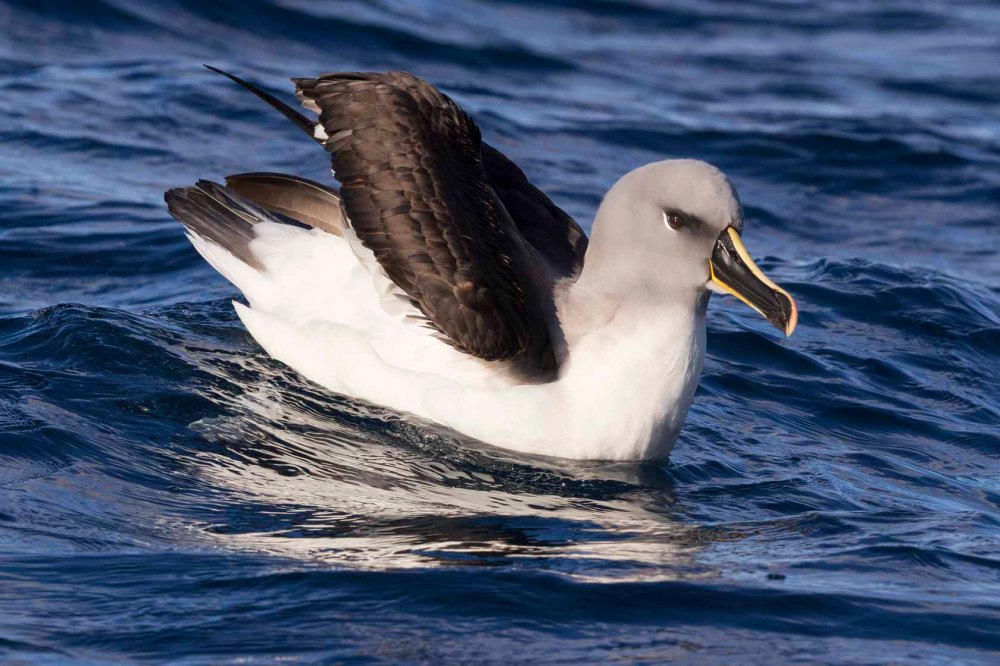
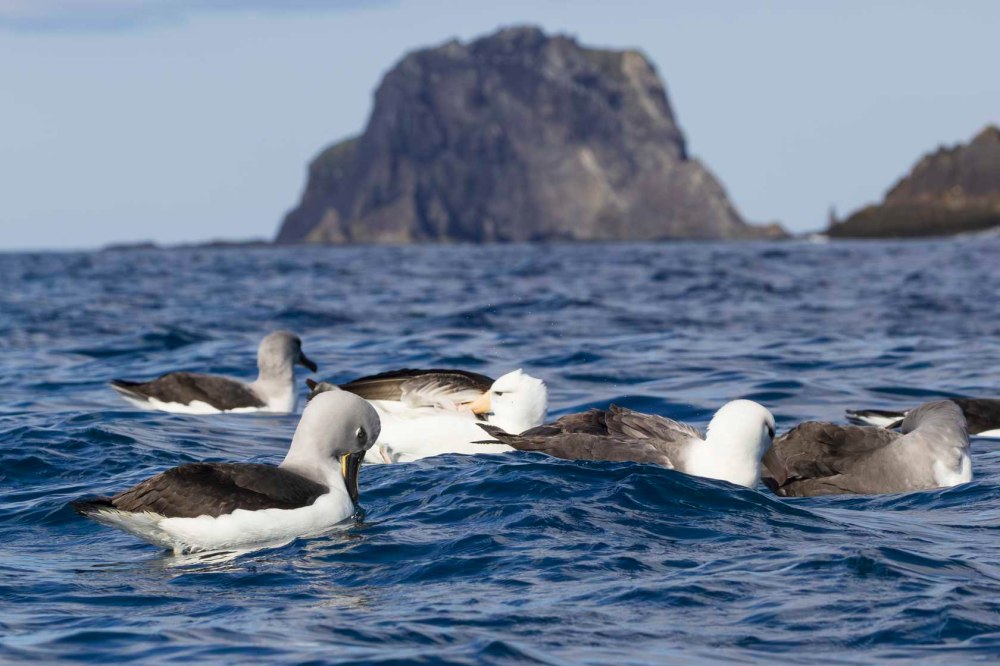
こちらはハイガシラアホウドリです。 This is the Gray-headed albatross.
マユグロアホウドリと同じように、彼らも目から鼻にかけて非常に美形です。 Like the Black-browed albatross, they too are exceptionally handsome from the eyes to the nose.
両種とも仲良く午後の気持ちの良い日を過ごしているようでした。 Both seemed to be getting along well and enjoying the pleasant afternoon.
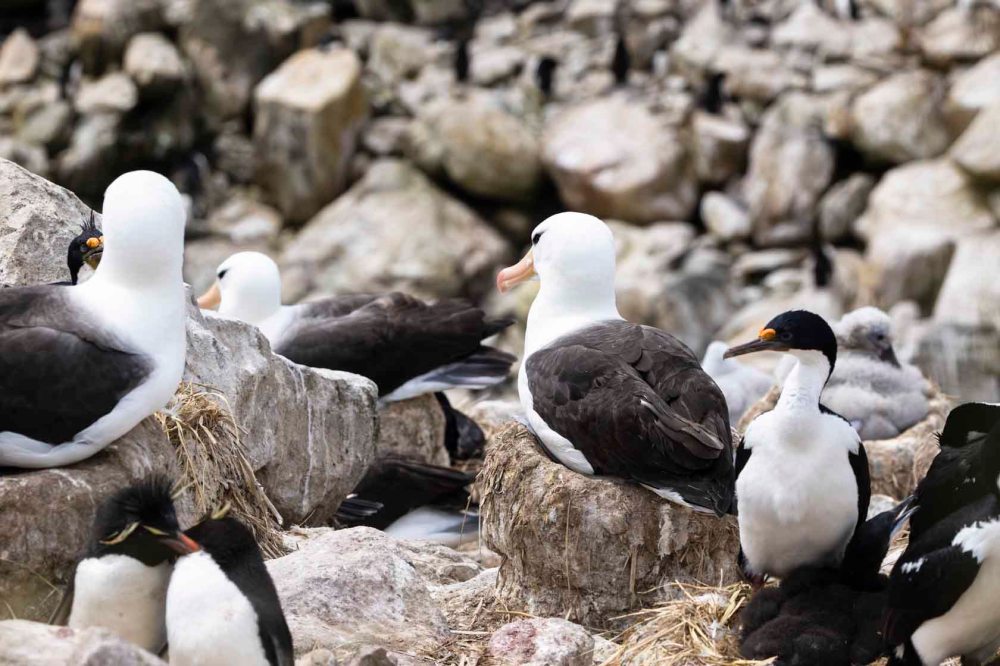
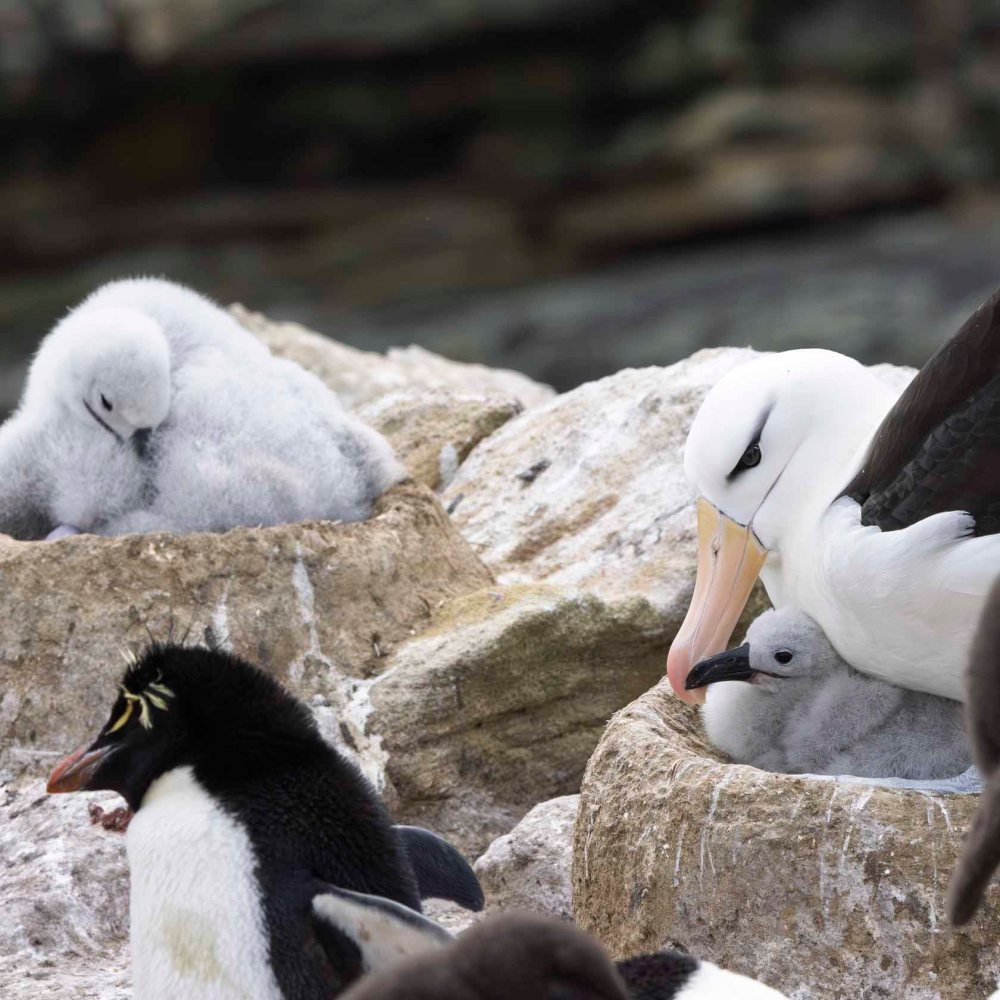
さて、変わってこちらはフォークランド諸島のニューアイランドです。ニシロックホッパーペンギンの時もご紹介した例のシェアハウスです。相変わらず混み合っています。マユグロアホウドリ、ニシロックホッパーペンギン、そしてナンキョクムナジロヒメウがそれぞれ子育てに忙しい。 Now, moving on to New Island in the Falkland Islands. This is the same shared house I mentioned when introducing the Western Rockhopper penguin. It remains as crowded as ever. The Black-browed Albatross, Western Rockhopper, and Antarctic shag are all busy raising their young.
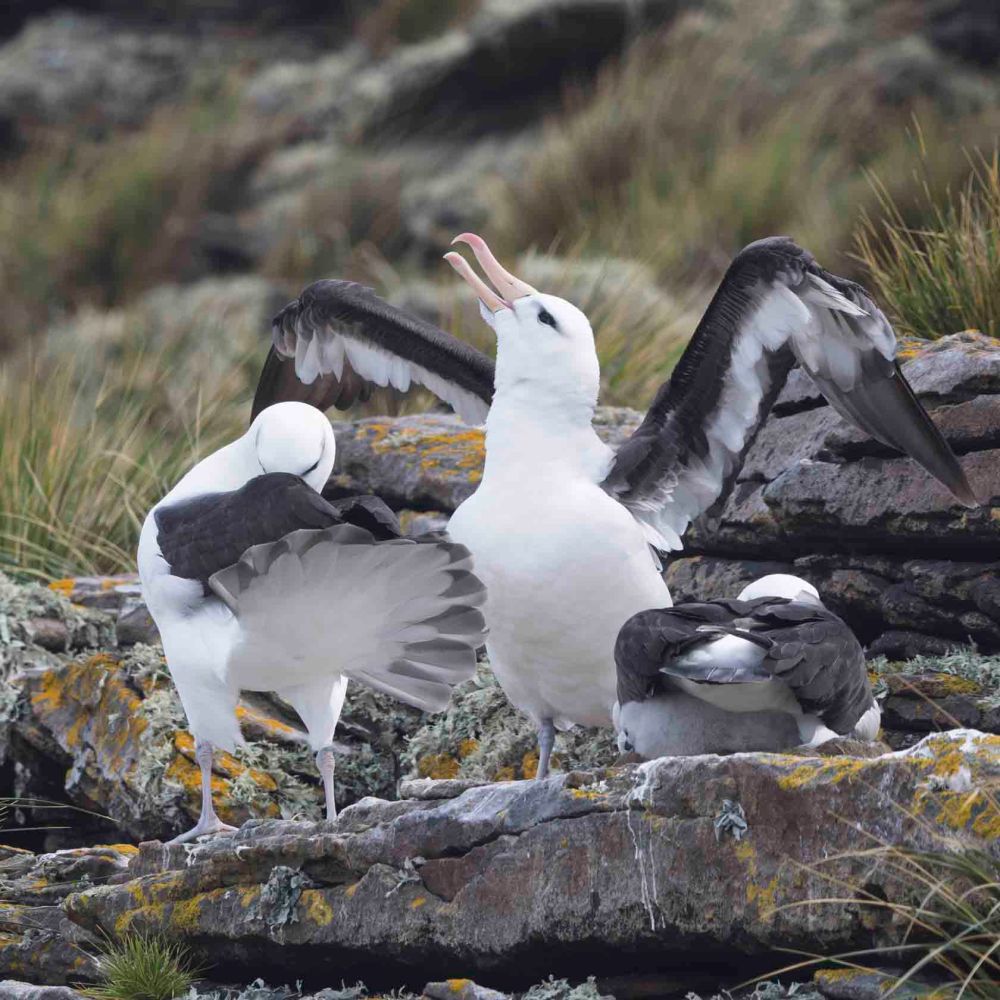
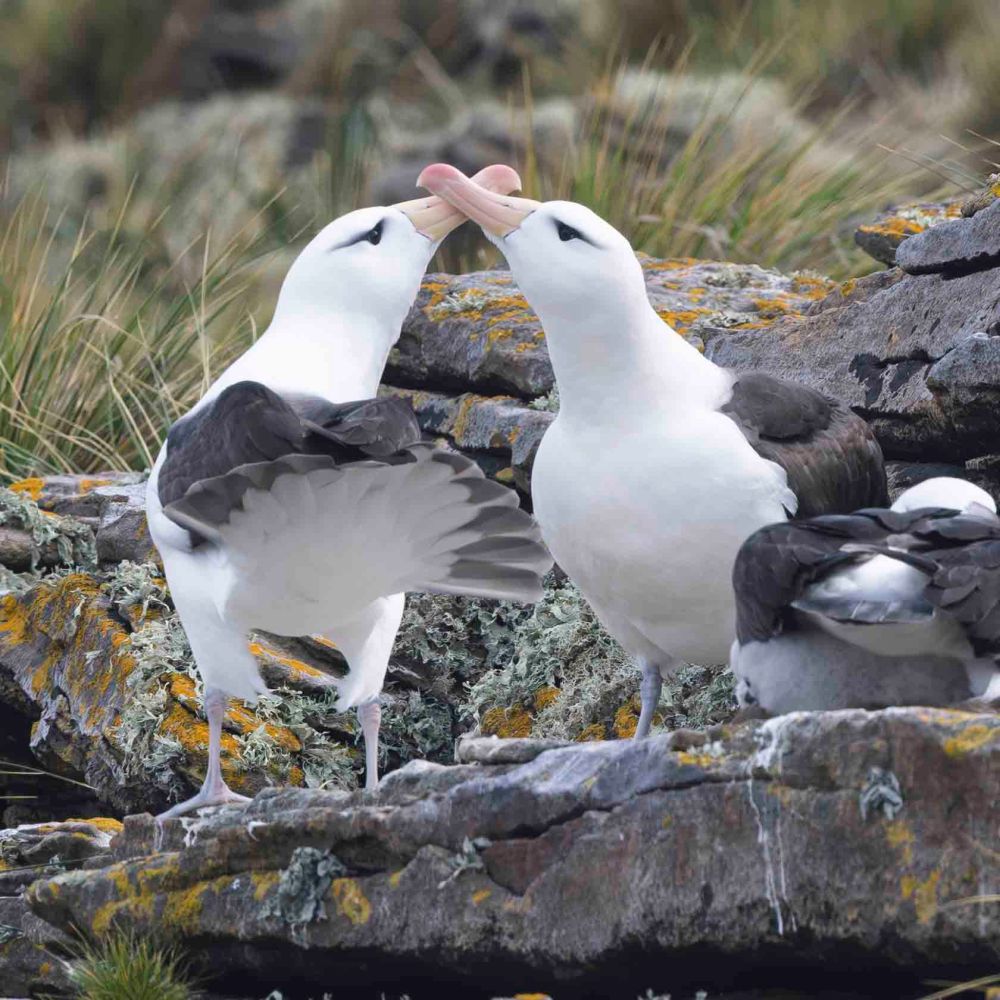
みんな命のバトンを渡していくために、疑うことなく今を精一杯生きているように見えました。こちらはマユグロアホウドリの求愛ダンス。 For the sake of passing on the baton of life, everyone seemed to be living in the present moment to the fullest, without a shred of doubt. Here is the courtship dance of the Black-browed albatross.
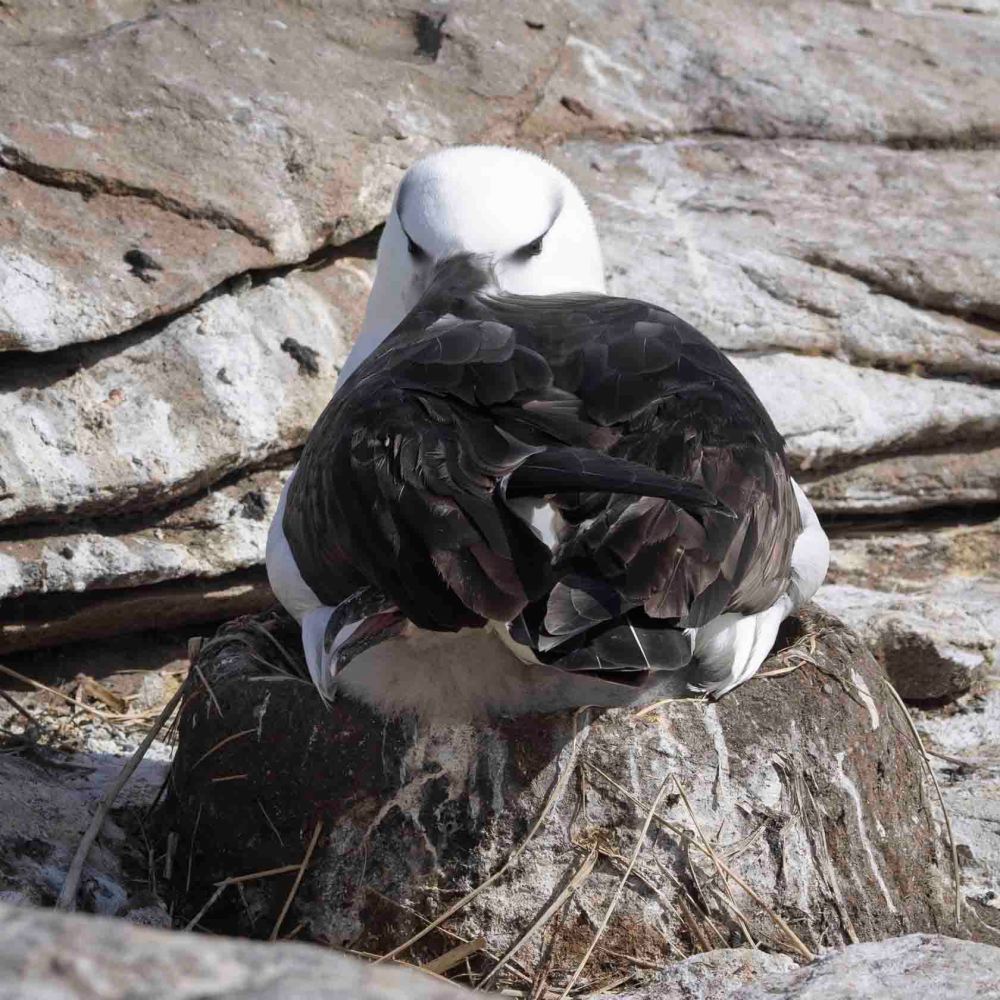
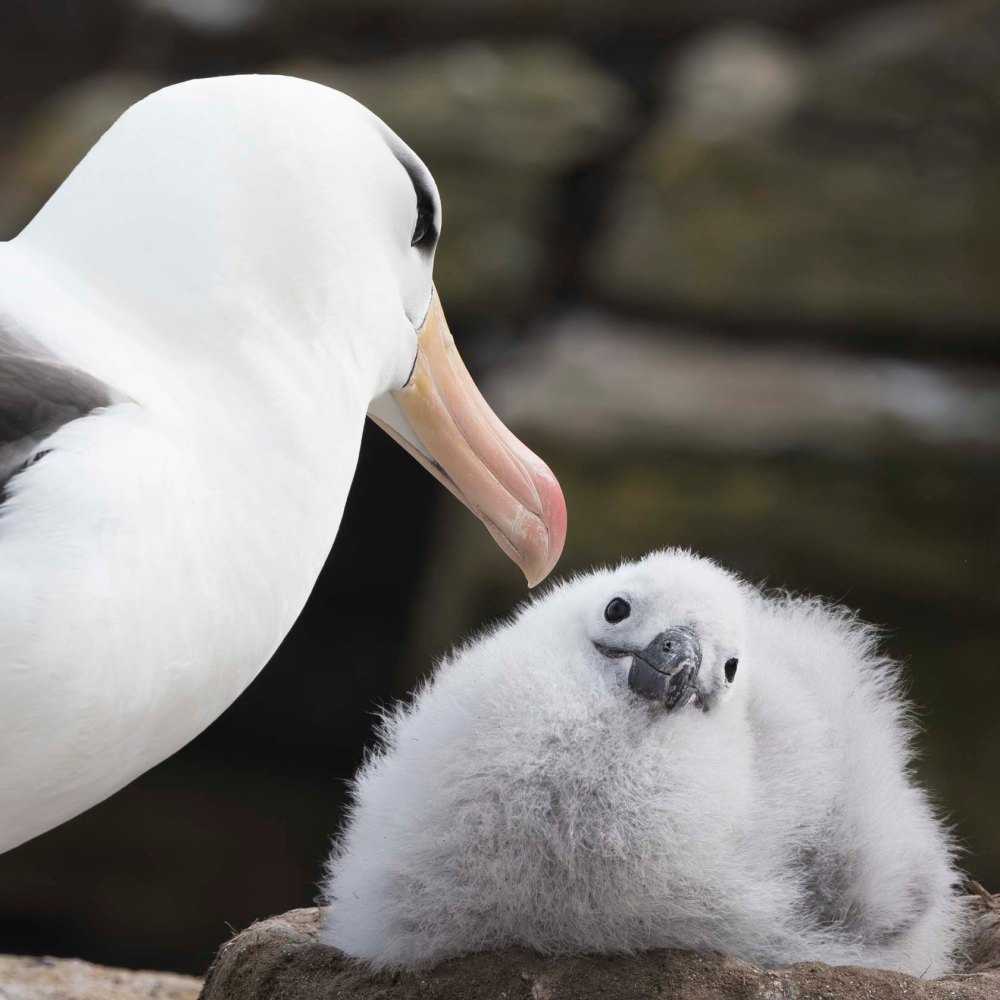
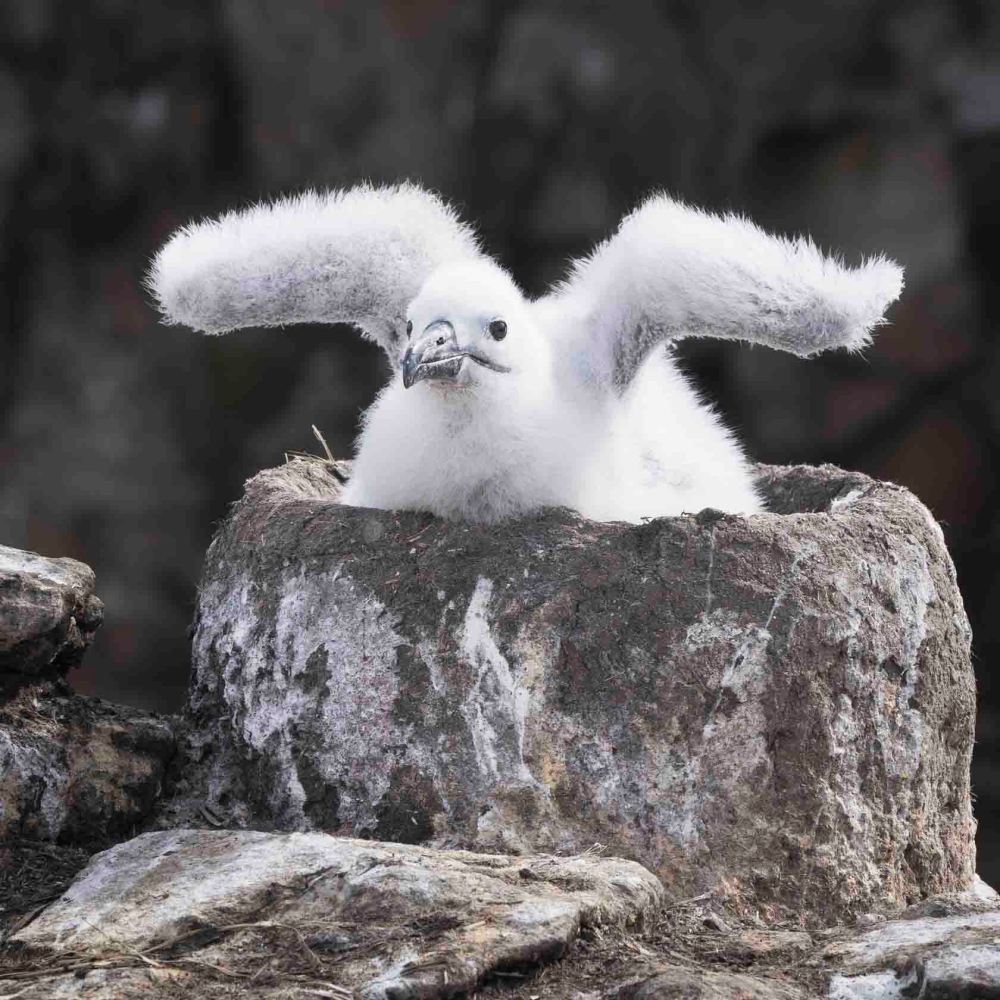
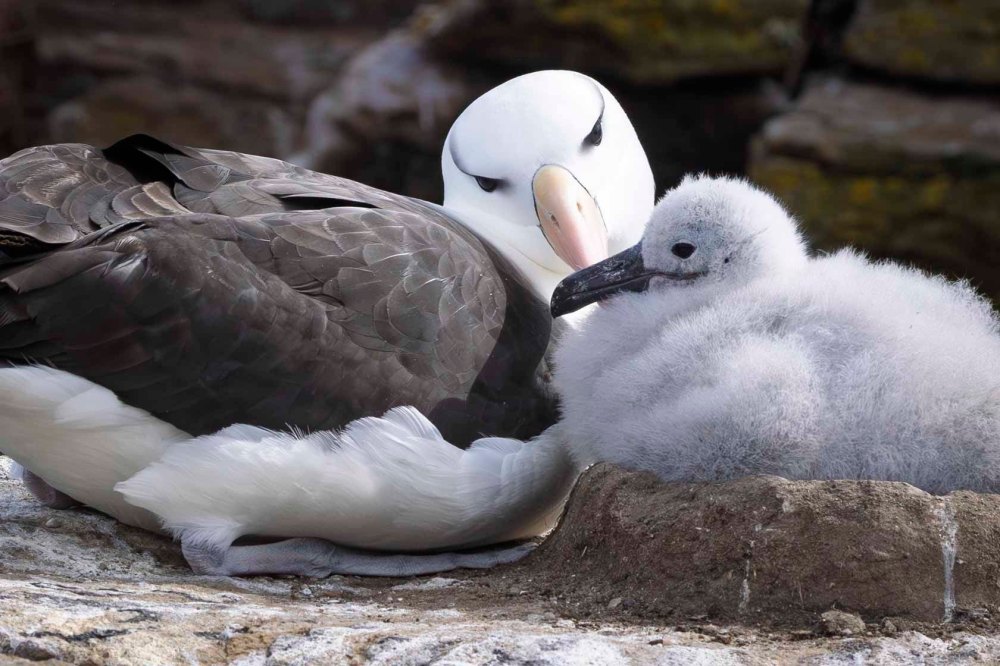
マユグロアホウドリの巣は丸い桶のようです。しっかりとできているので、崖っぷちでも卵やヒナが転げ落ちる心配はなさそうです。 The nests of the Black-browed albatross resemble round tubs. They are so well constructed that there seems little risk of eggs or chicks tumbling over the cliff edge.
卵が孵化するまでに2.5ヶ月、巣立ちまで3ヶ月以上かかると言われています。 It is said that it takes 2.5 months for the eggs to hatch and over 3 months for the young to fledge.
ここ南半球では、巣立ちの頃はすでに冬を迎えているのでしょうか。 Here in the southern hemisphere, is it already winter by the time the young birds leave the nest?
その頃は、こんな風に成長しているんですね。頑張れよ、ヒナ達! By then, you’ll have grown like this, won’t you? Keep at it, chicks!
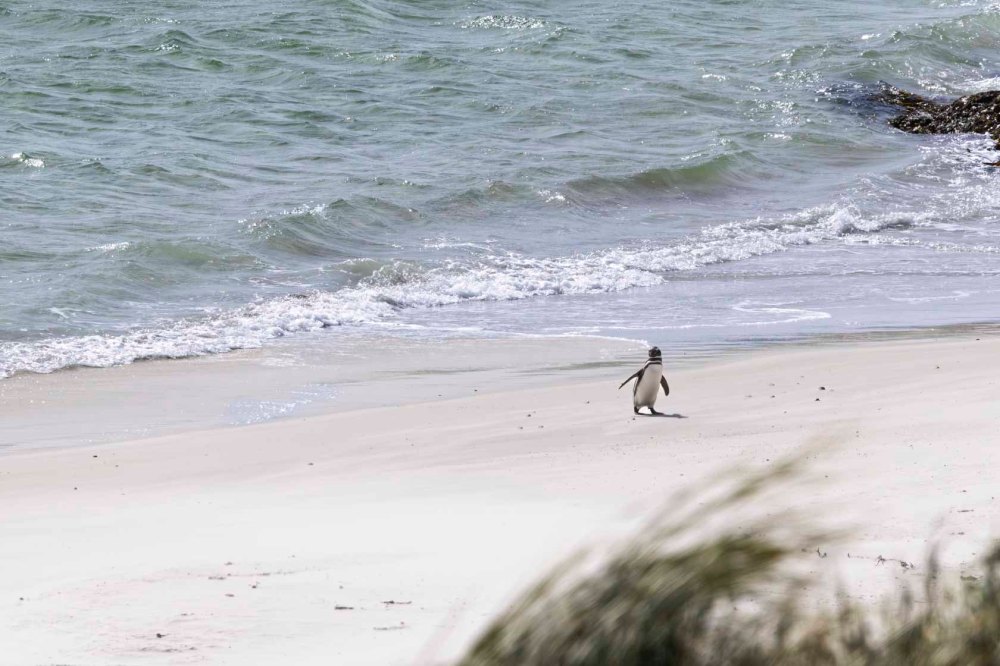
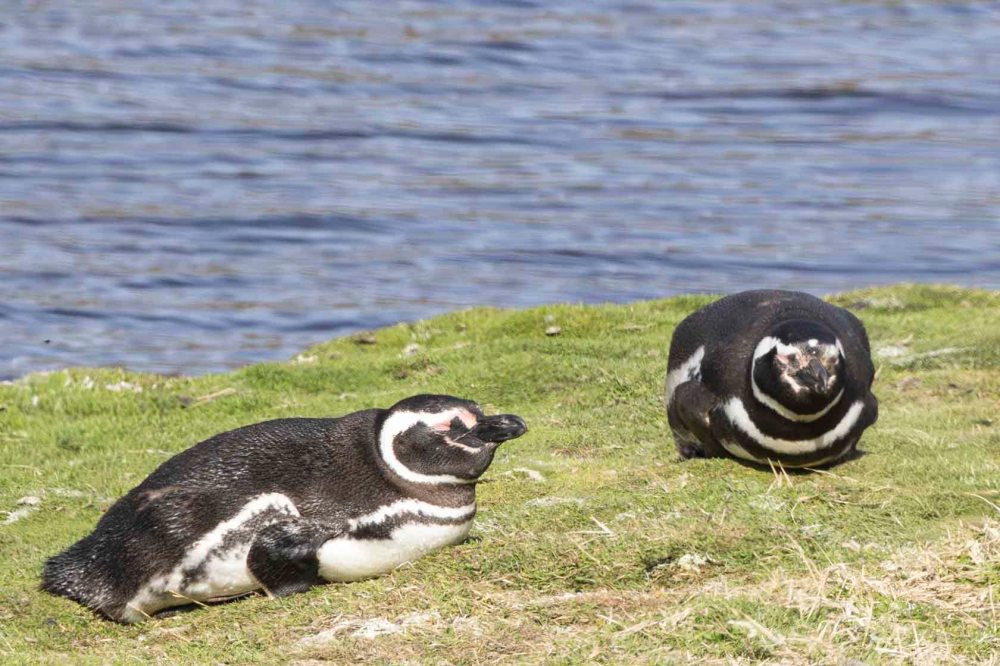
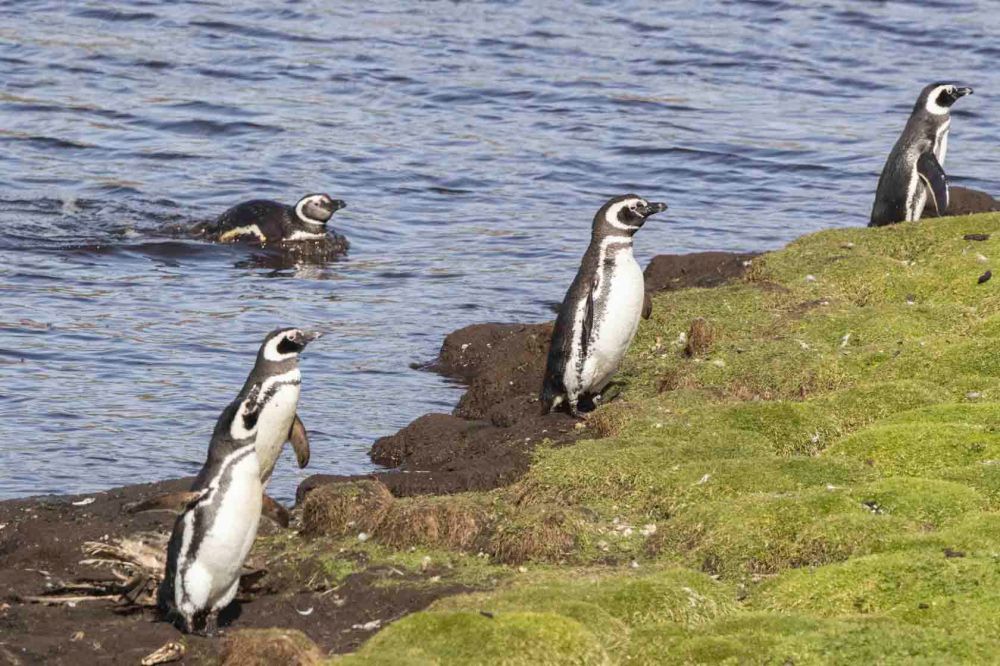
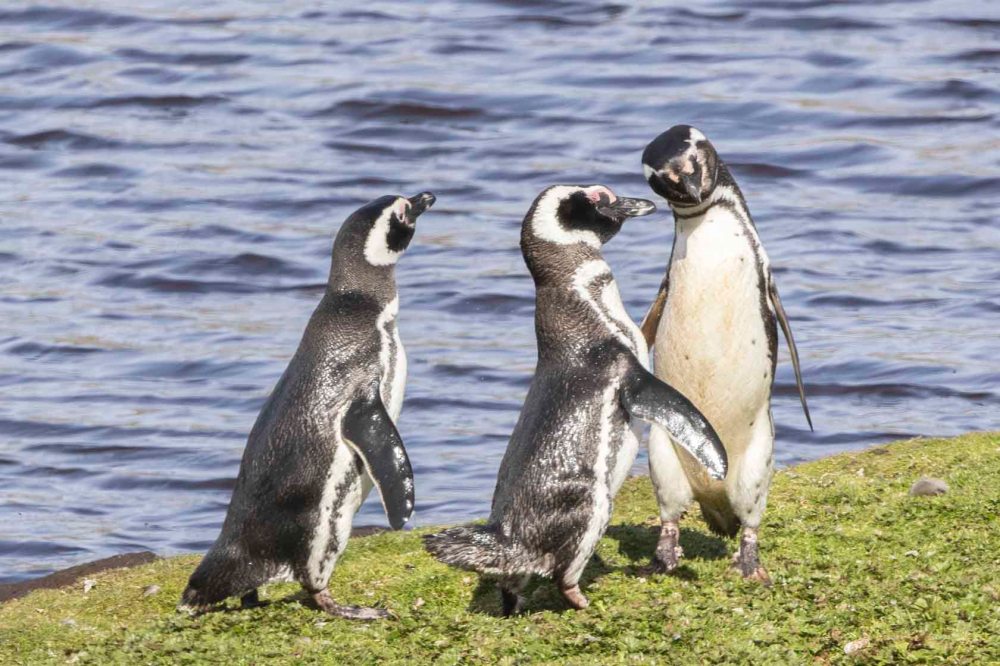
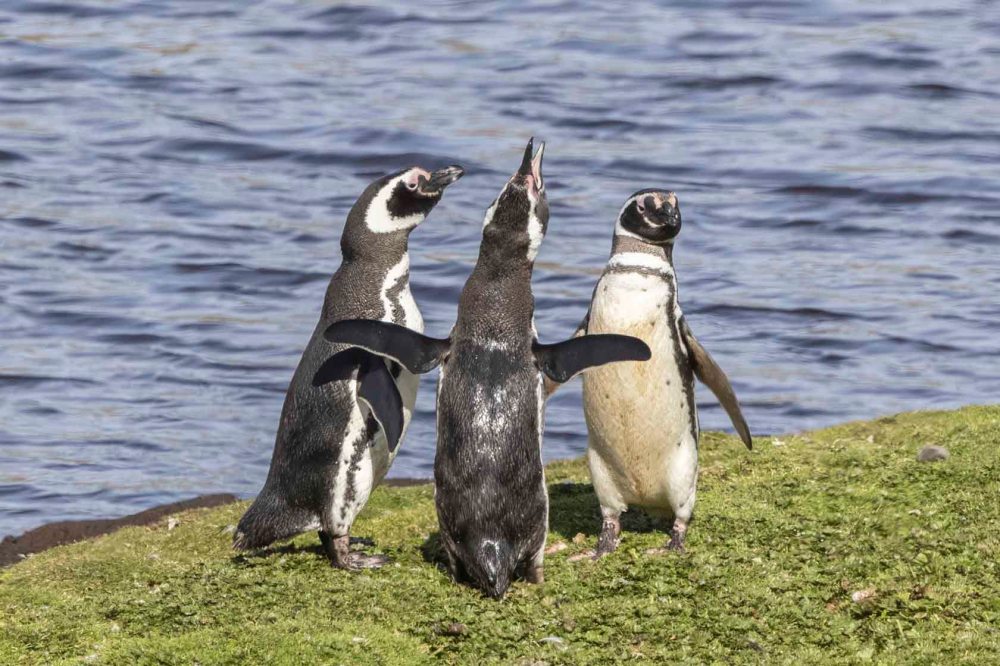
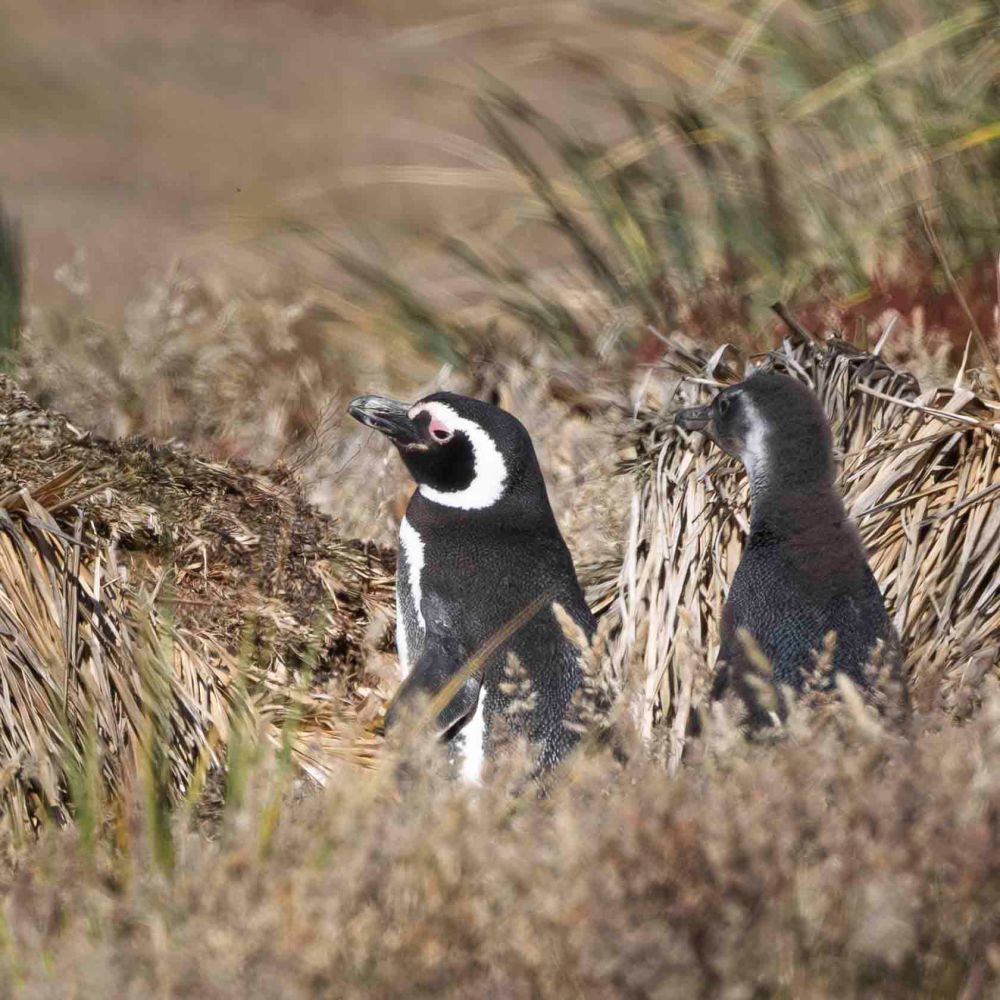
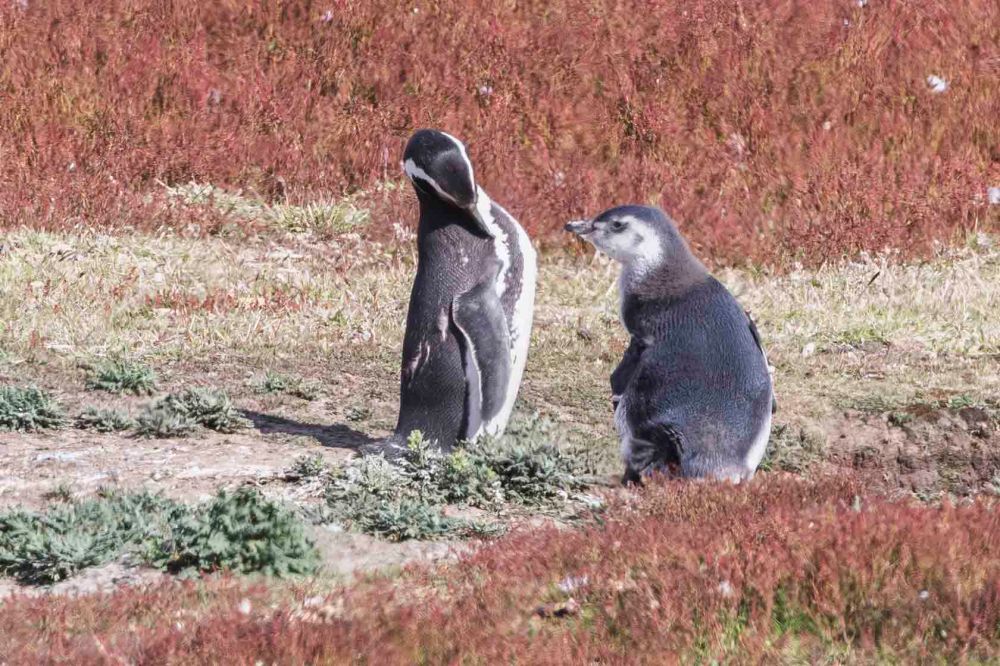
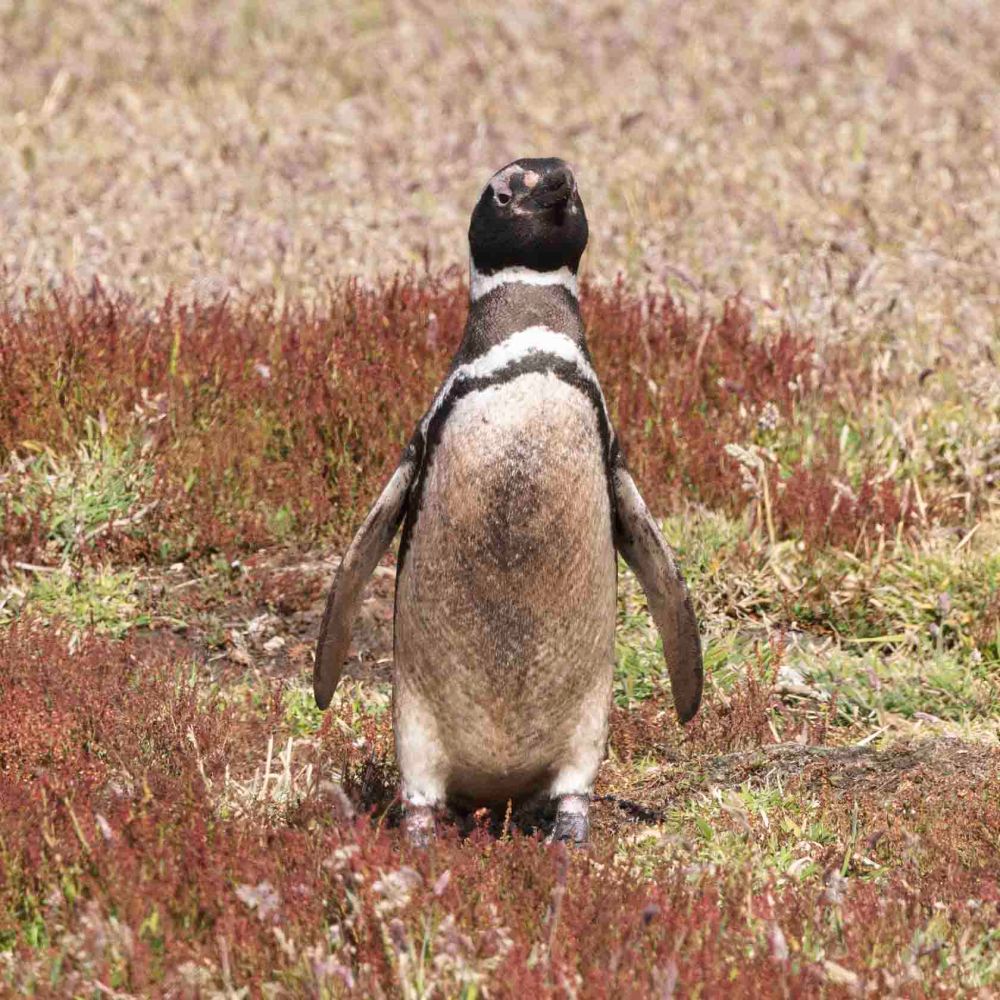
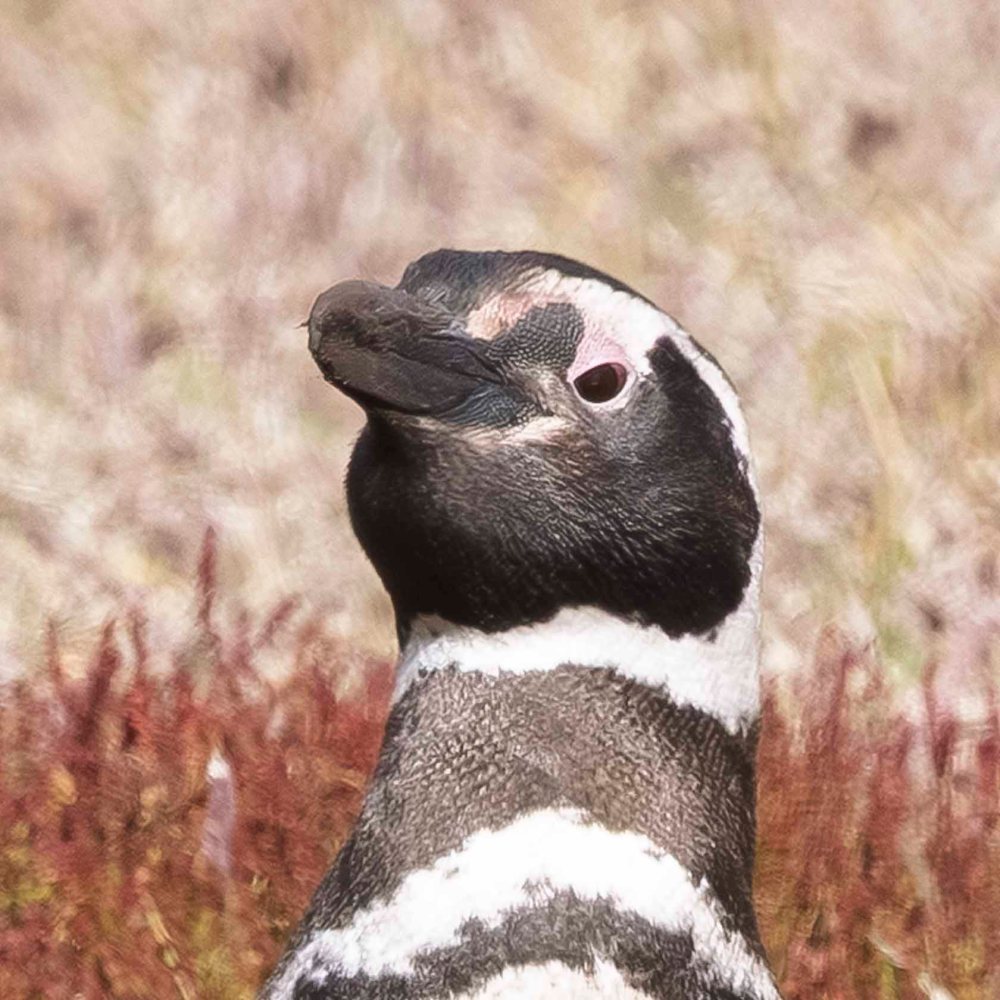
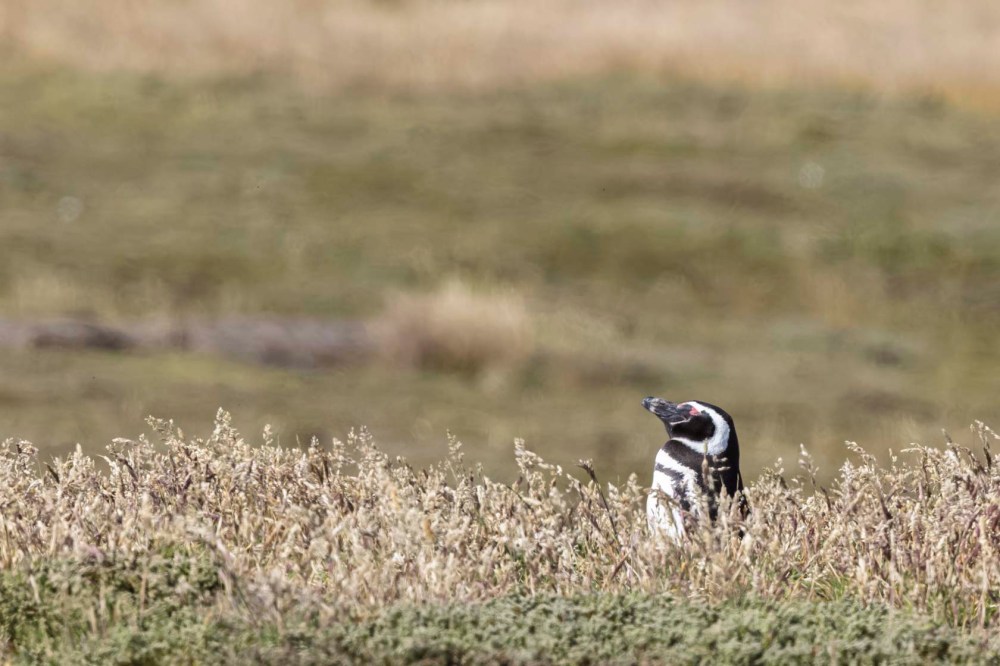
2026年1月の良き日にマゼランペンギンの結婚式がありました。遠い所からも参加者が次々に集まってきます。 On a fine day in January 2026, a Magellanic penguin wedding took place. Guests gathered one after another, some traveling from afar.
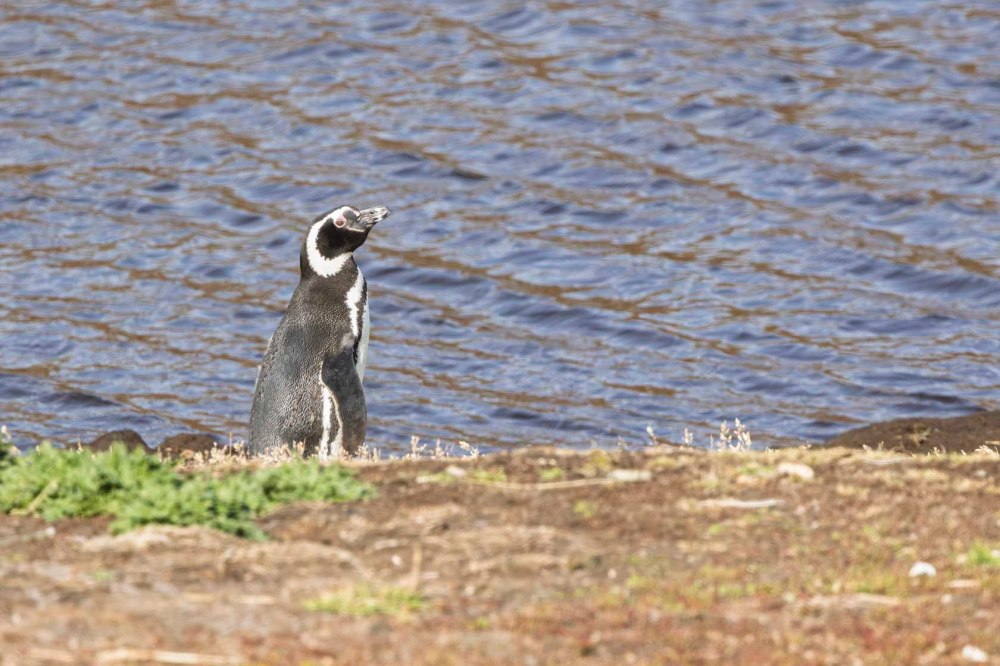
こちらの方々は待ち疲れてお昼寝モードに入ってしまいました。 These folks have grown weary of waiting and have drifted off for a nap.
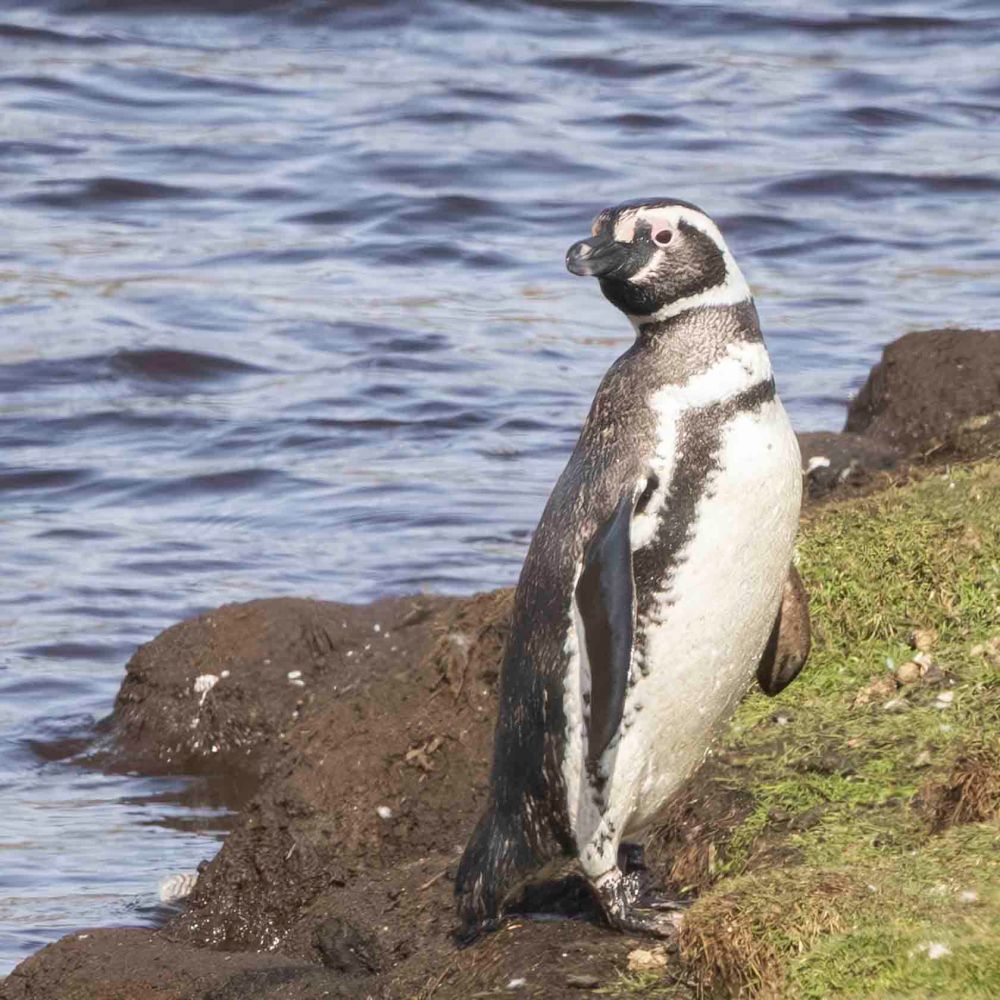
こちらは美しい花嫁さんです。彼女は準備万端です。 This is the beautiful bride. She is all set.
こちらの出席者はすでに定位置についています。 The attendees here are already seated in their designated places.
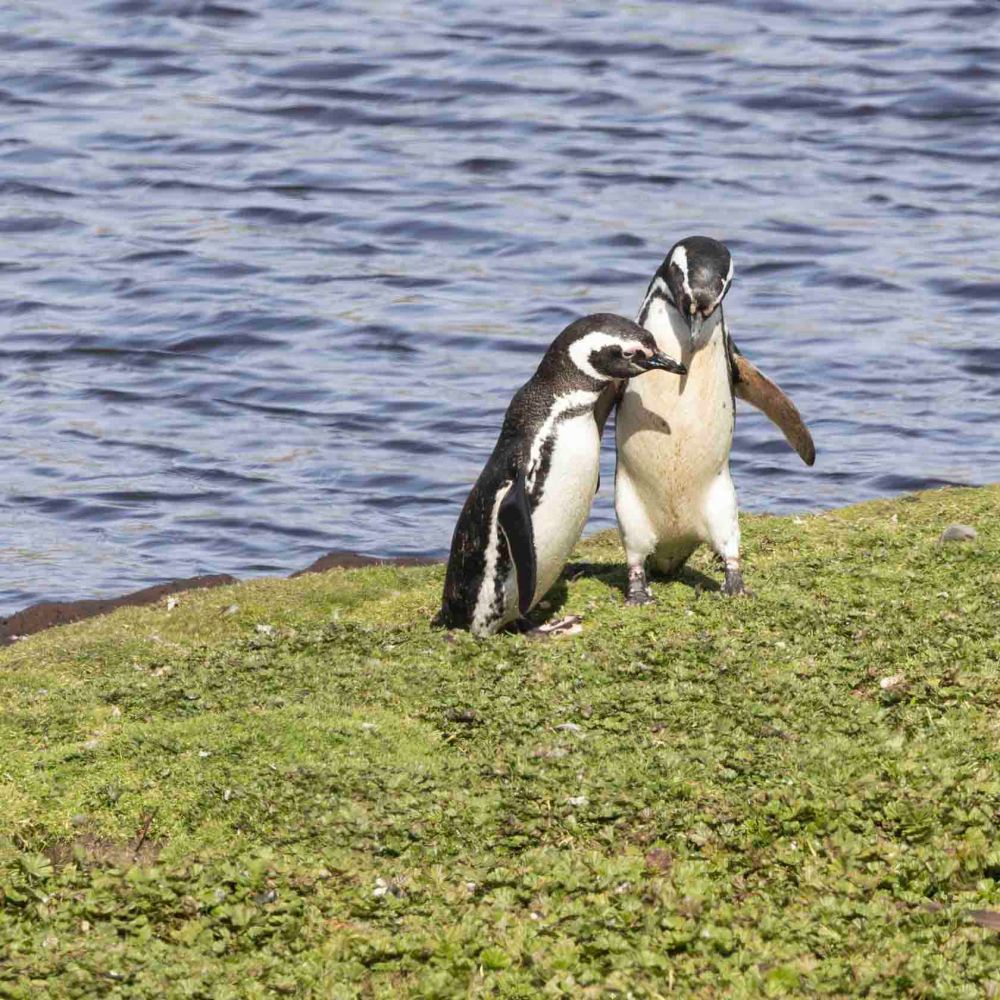
こちらは花婿と祭司役のペンギンです。ただ、困ったことに花婿のお腹がまだ綺麗になっていないことを祭司さんに注意されています。 Here are the groom and the priest. However, the priest is pointing out that the groom’s belly still needs cleaning.
確かに、もっと綺麗に洗ってもらいたかったですね。でも、もう手遅れです。花嫁が来てしまいました。 Indeed, I would have preferred it to have been cleaned more thoroughly. But it’s too late now. The bride has arrived.
何はともあれ、無事に結婚式が終了しました。おめでとう! In any case, the wedding ceremony has come to a successful conclusion. Congratulations!
こちらは「次は私の番ね。」と思っている参加者でした。 This was a participant who thought, “Next it’s my turn.”
おまけ: 結婚式の後、出席者達は帰っていきましたが、興味があったので追跡調査をしました。 Bonus: After the wedding, the guests departed, but I was curious, so I conducted a follow-up investigation.
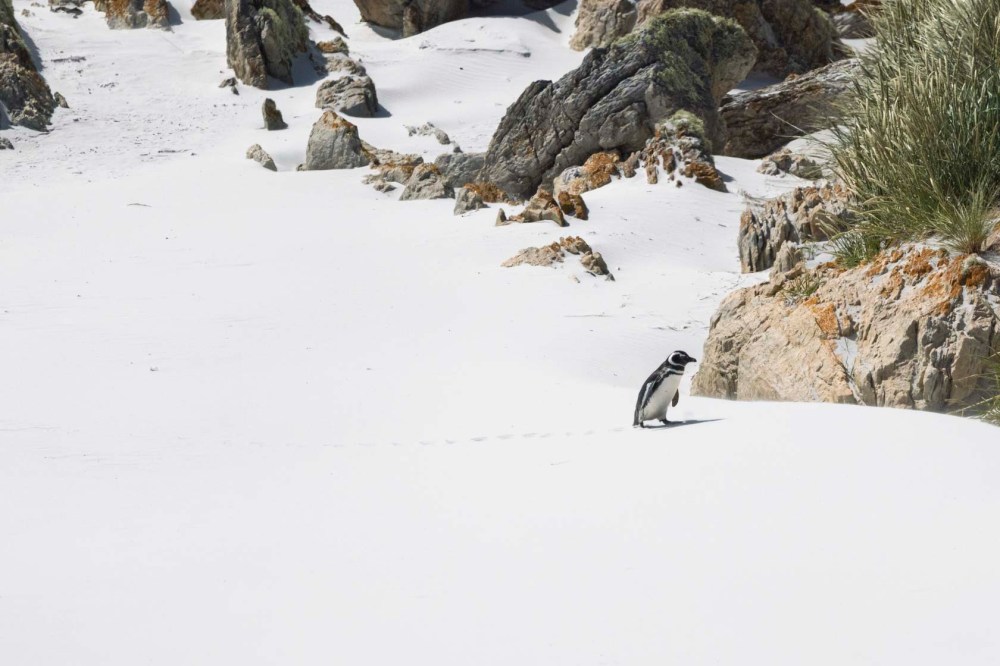
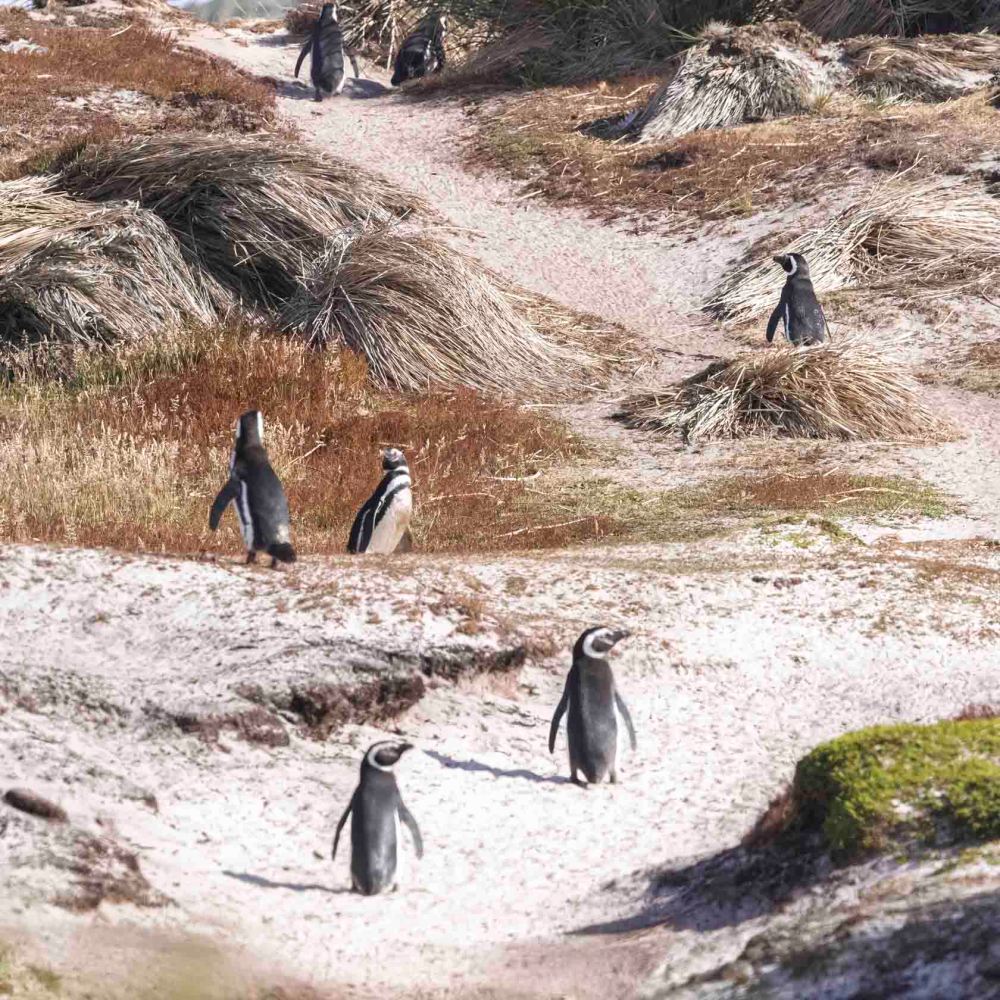
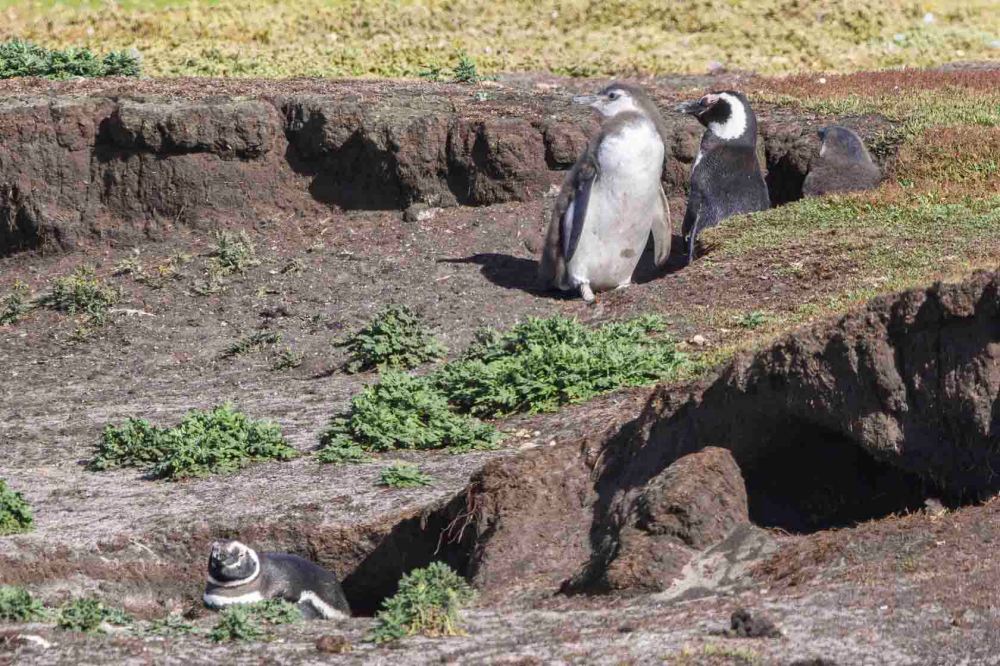
参加者の多くは海の近くには住んでいませんでした。しばらく歩いていくと、遠くにマゼランの子供を発見しました。 Most participants did not appear to live near the sea. After walking for a while, I spotted a child in the distance.
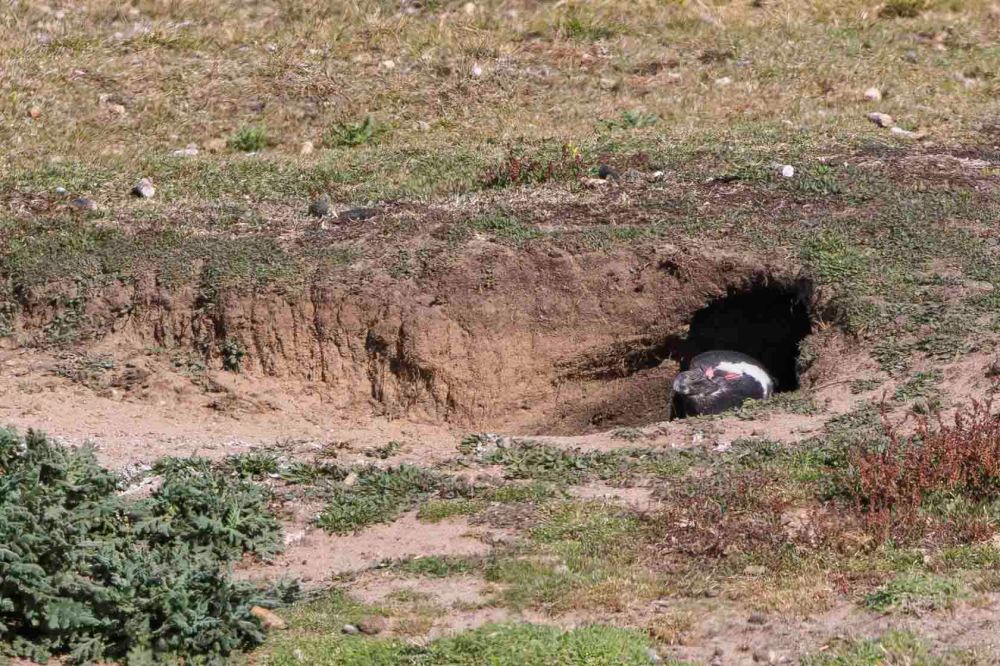
おやおや?ペンギンが地面に掘られた穴蔵の中でお昼寝しています。 Oh, dear! A penguin was taking a nap inside a burrow dug into the ground.
近くにいた土まみれの若者に聞いてみました。どうやらクチバシで穴を掘って家を作るとのことでした。 I asked a young penguin nearby, covered in dirt. Apparently, they dig holes with their beaks to make homes.
そういうことなんですね! So that’s how it is!
これで結婚式の花婿の汚れたお腹の説明がついた気がしました。もしかしたらお腹が土まみれのペンギン達は家作りをしっかりするペンギン達。だから私たち人間の常識とは逆で、好まれるペンギンなのかもしれません。 This seemed to explain the groom’s soiled belly at the wedding. Perhaps the penguins with dirt-covered bellies are the ones who build their nests properly. So, contrary to our human common sense, they might be the preferred kind of penguin.
以上、駆け足になってしまいましたが、これで7種のペンギンの紹介を終了します。出会いたいペンギン全てに出会えて本当にラッキーでした。これで私の旅の目標の一つに大きく ☑️ をつけられました。 That concludes my introduction to the seven species of penguin, albeit rather rushed. I was truly fortunate to encounter every penguin I hoped to see during my trip. This allows me to place a big ☑️ against one of my travel goals.
ヘルメットを被ったおっさん風のヒゲペンギン Chinstrap penguin resembling a middle-aged man wearing a helmet
お嬢様風のジェンツーペンギン A young lady-like Gentoo penguin
孤独を愛するアデリーペンギン The Adélie Penguin that loves solitude
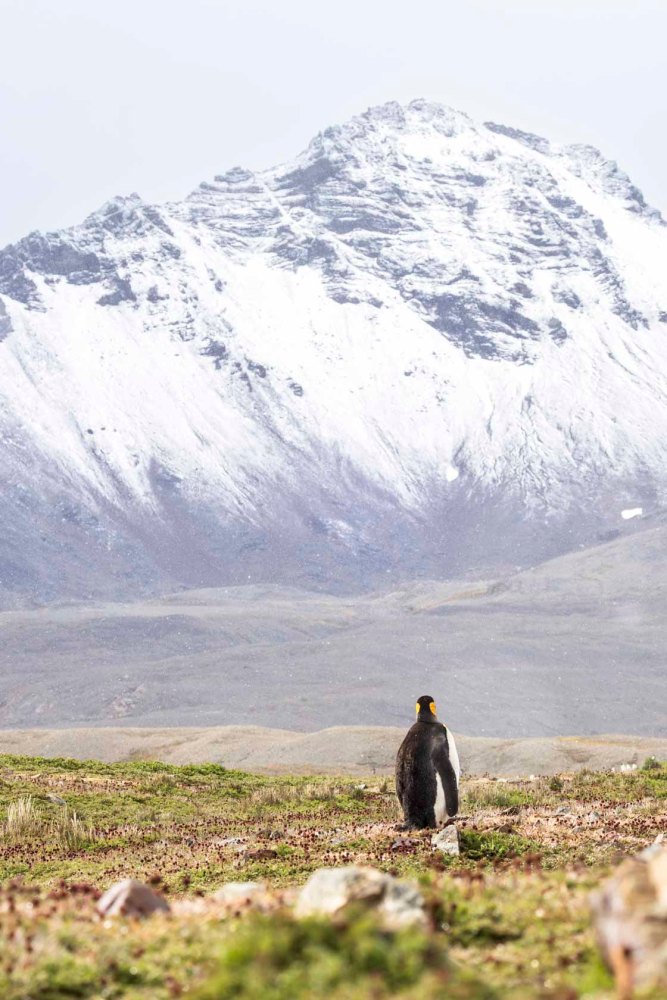
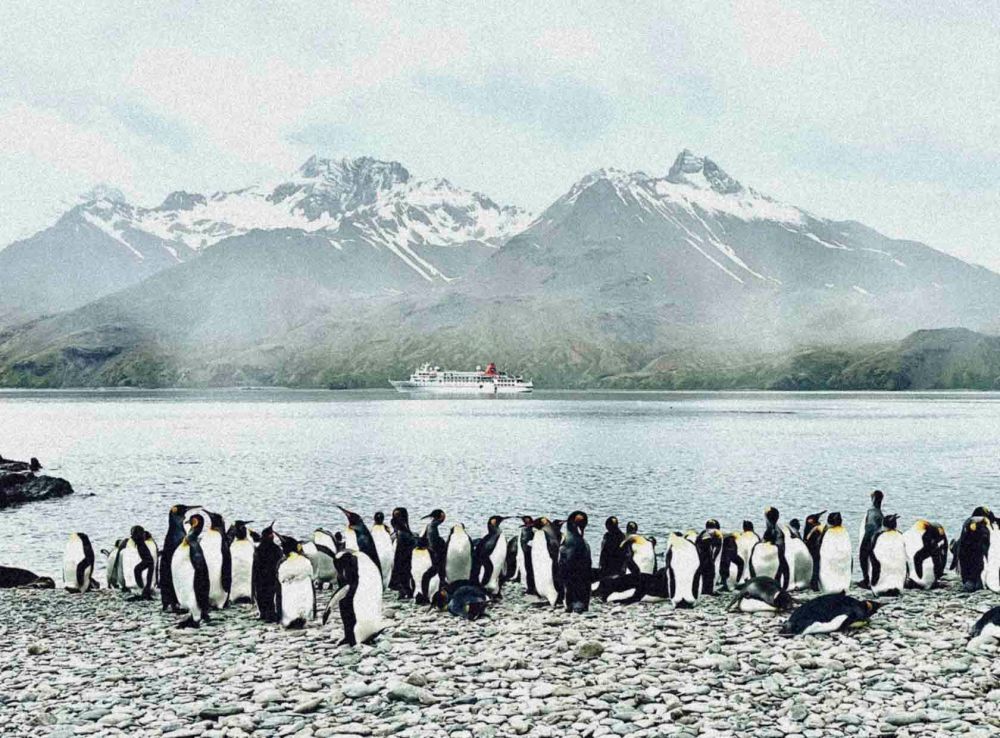
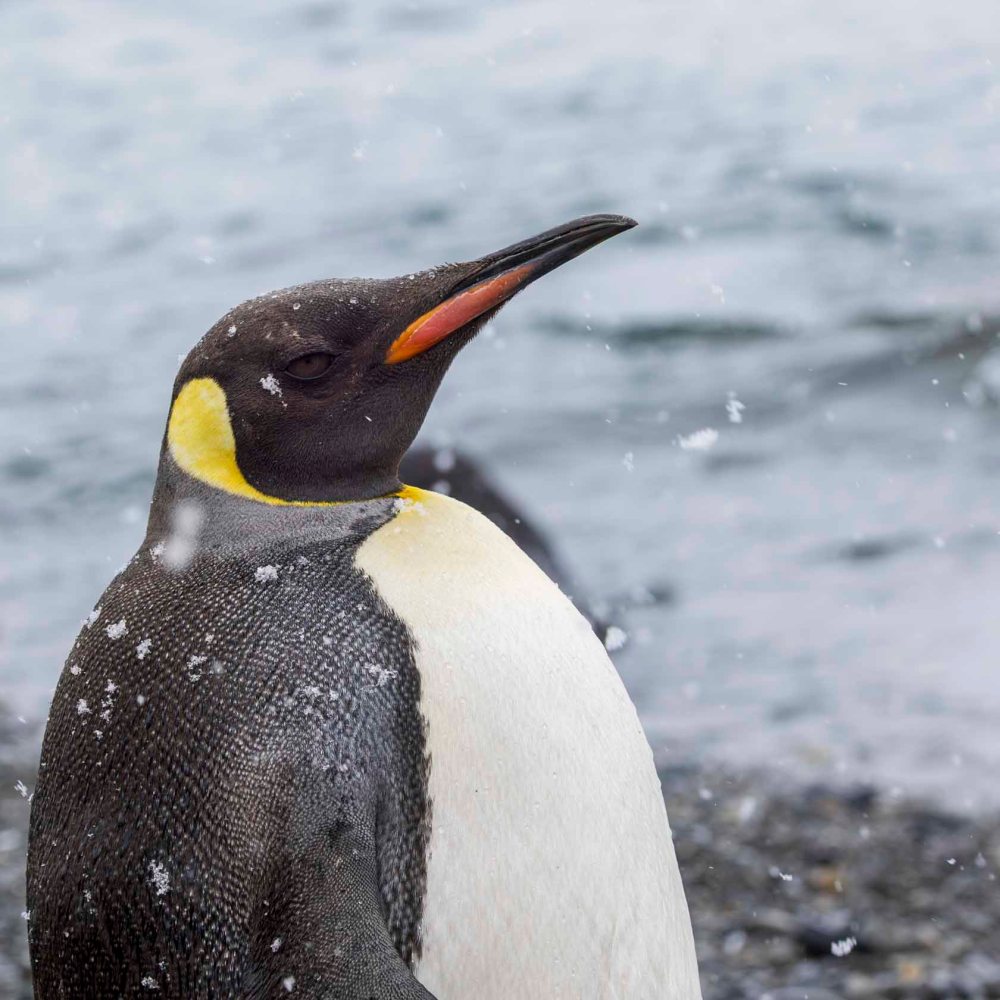
ファッショナブルなオオサマペンギン Fashionable King Penguin
冒険家のマカロニペンギン Macaroni Penguin the Adventurer
ヤクザ風なニシロックホッパーペンギン Gangster-style West Rockhopper Penguin
穴掘り上手なマゼランペンギン Magellanic penguins, skilled at digging holes
 aomi3 now