Tag Archives: bird classification

鳥の分類表、完了 Bird Taxonomy Table, Complete


今日で鳥の分類表のブログは最後となります。 Today will be the last blog on bird taxonomy tables.

 やったー! Yay!

無理やり最後の3つの科を詰め込みましたが、何はともあれ、これで最後です。 I forced myself to cram in the last three families into this blog, but at any rate, this is the last one.

下の表、緑色が間違いの修正後の鳥たちです。それぞれ正しい属におさまりました。 In the table below, the birds in green are those after the error was corrected. Each has been placed in the correct genus now.
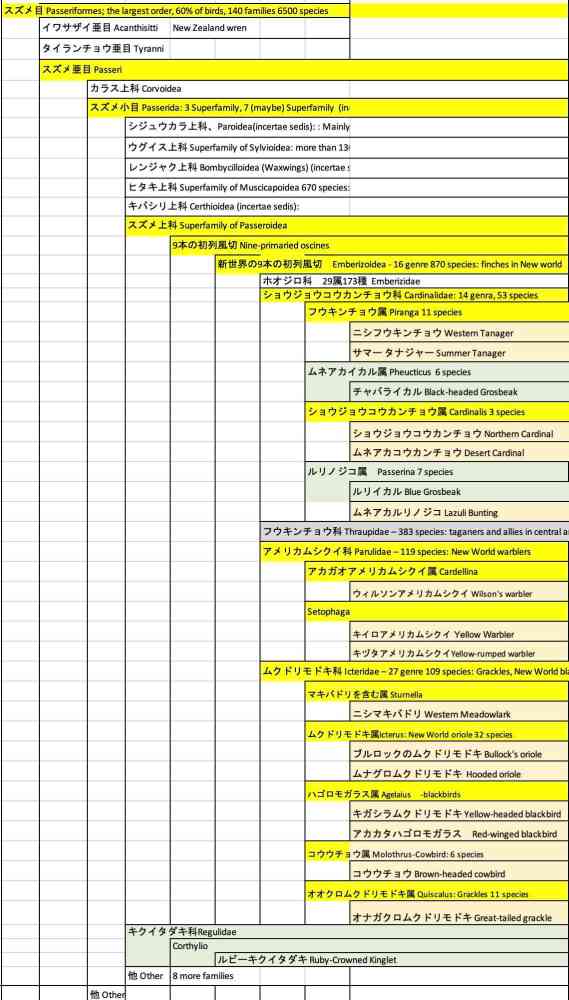
Screenshot

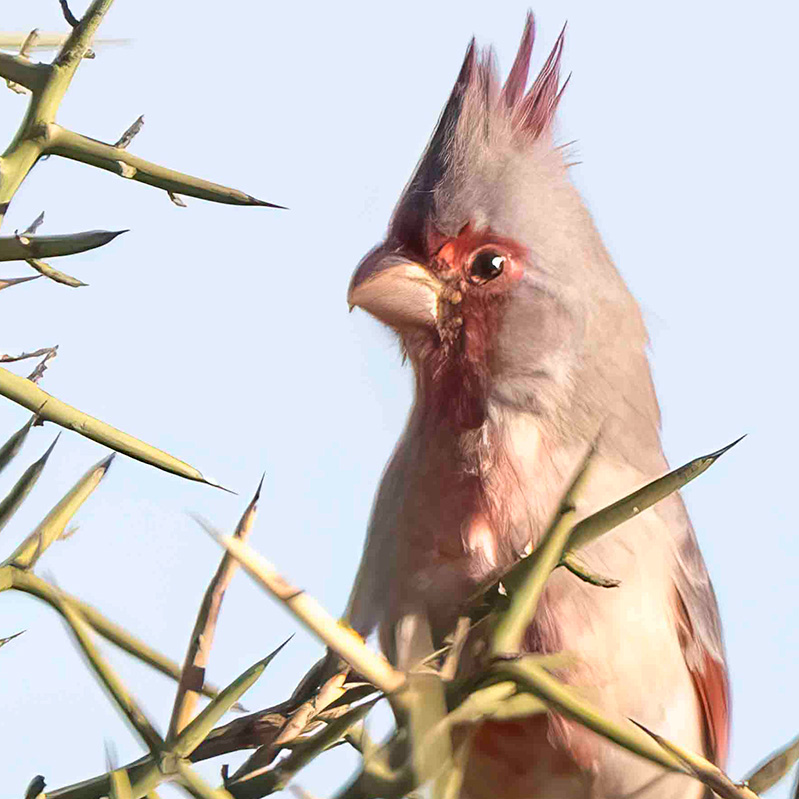
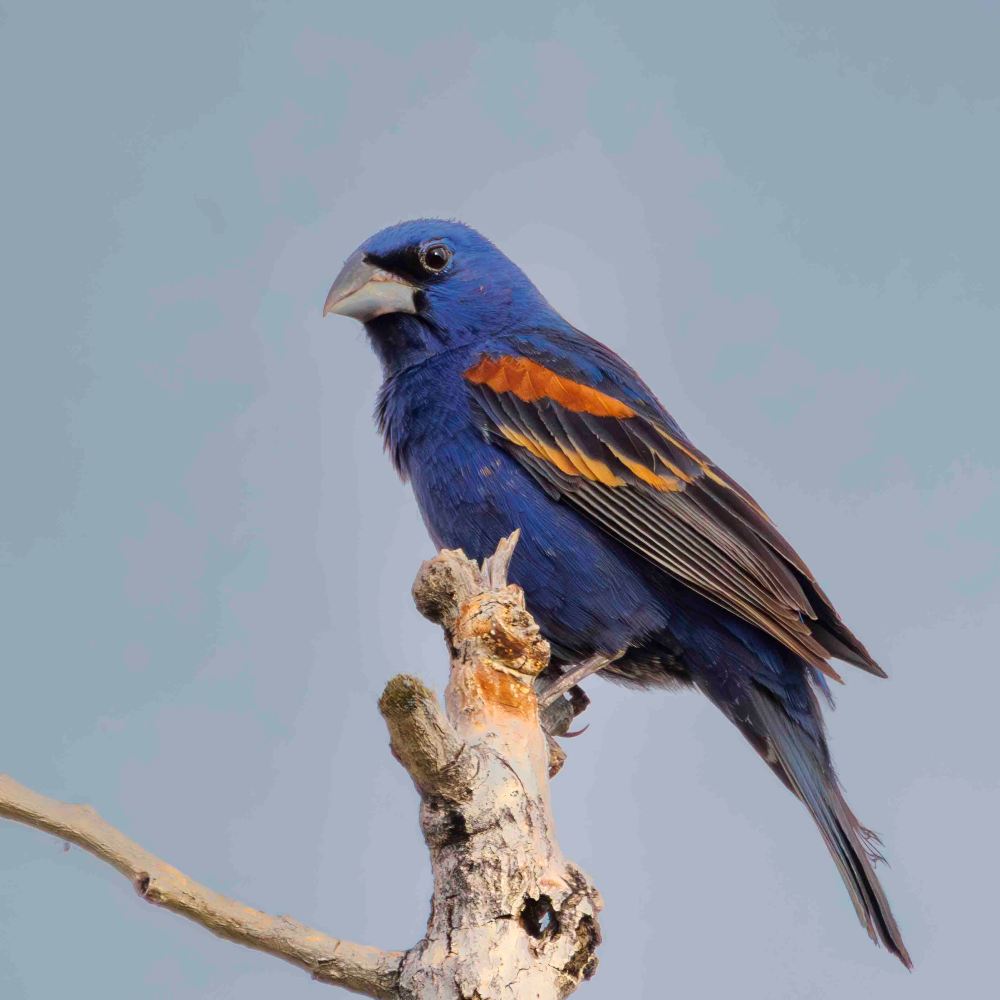
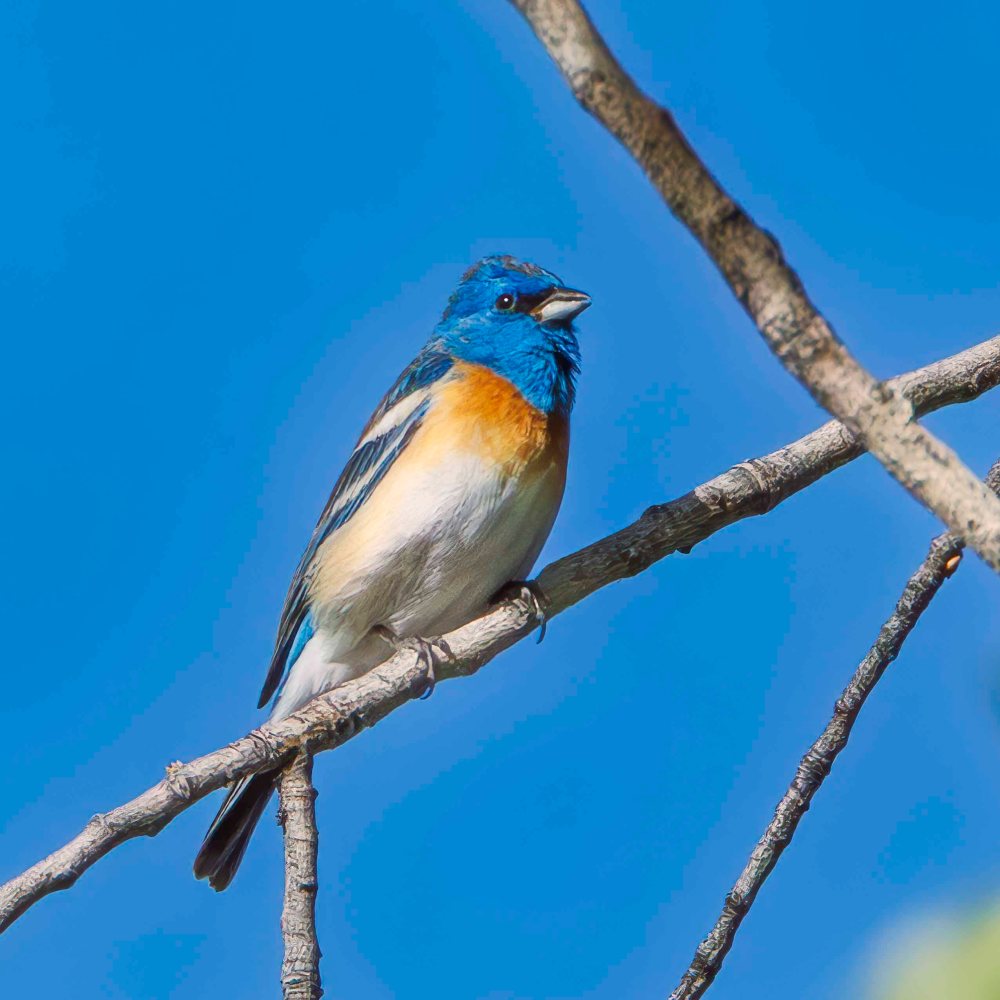
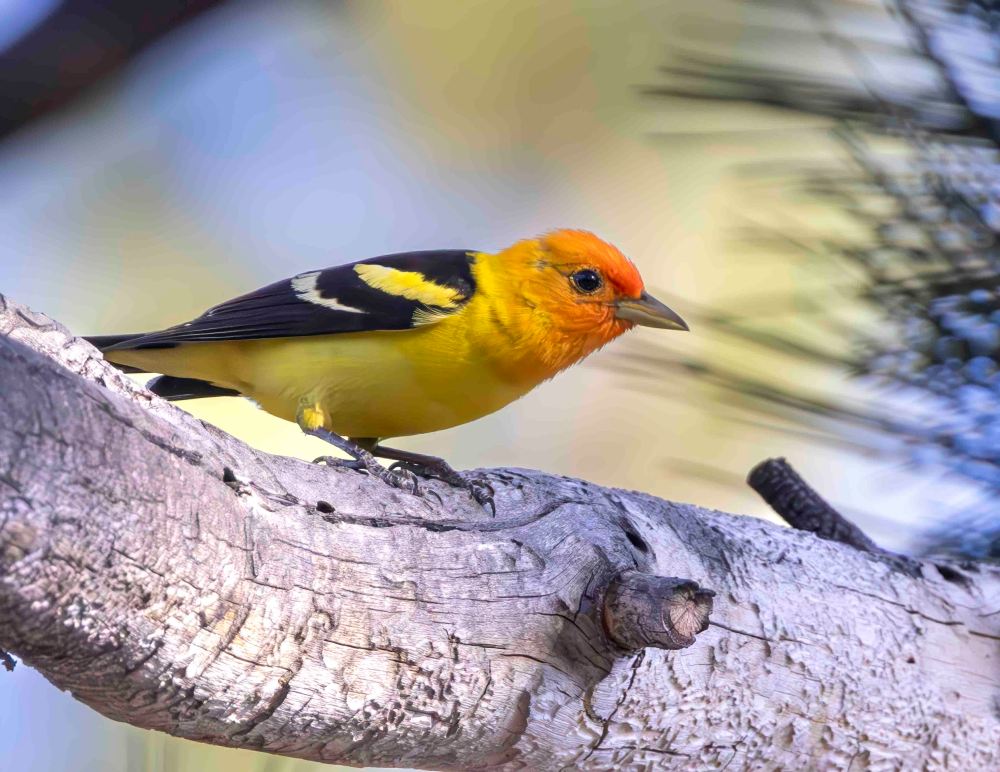
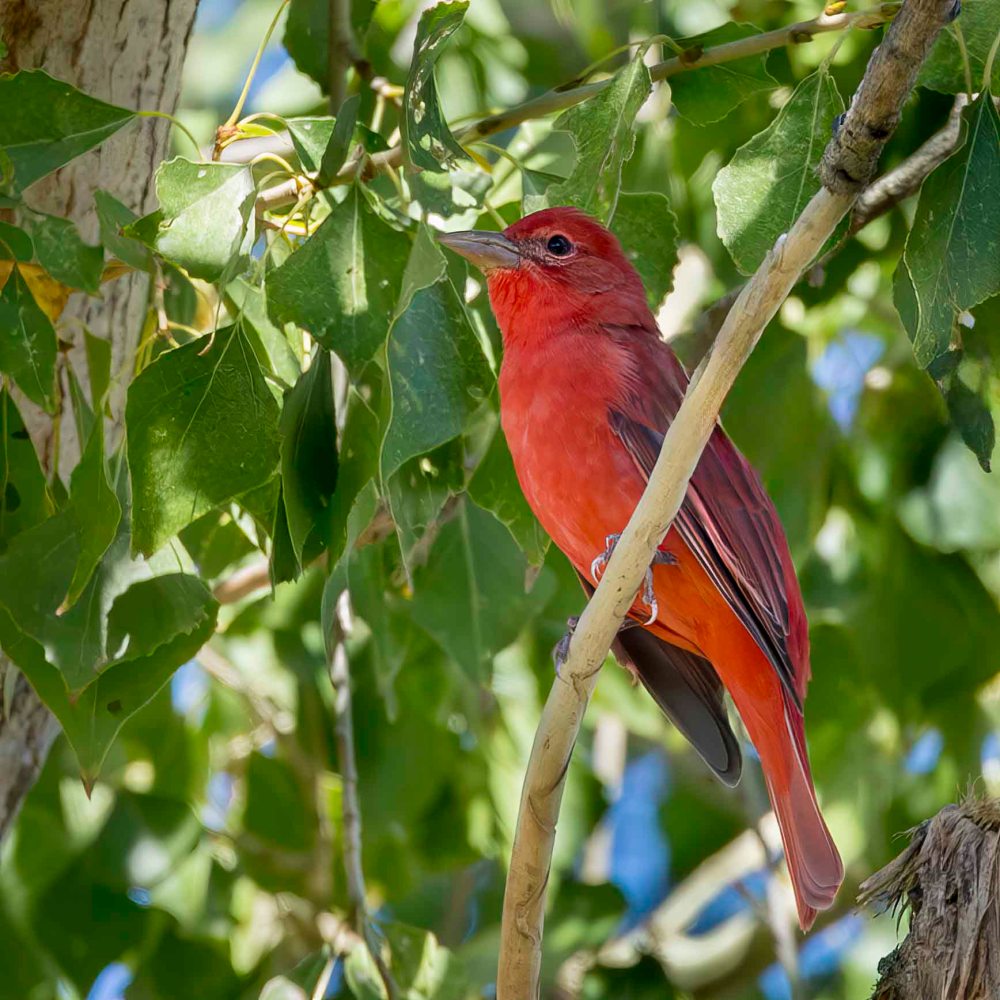
それでは、まず、ショウジョウコウカンチョウ科の鳥たちから。 Well then, let’s start with the birds of the Cardinalidae family.

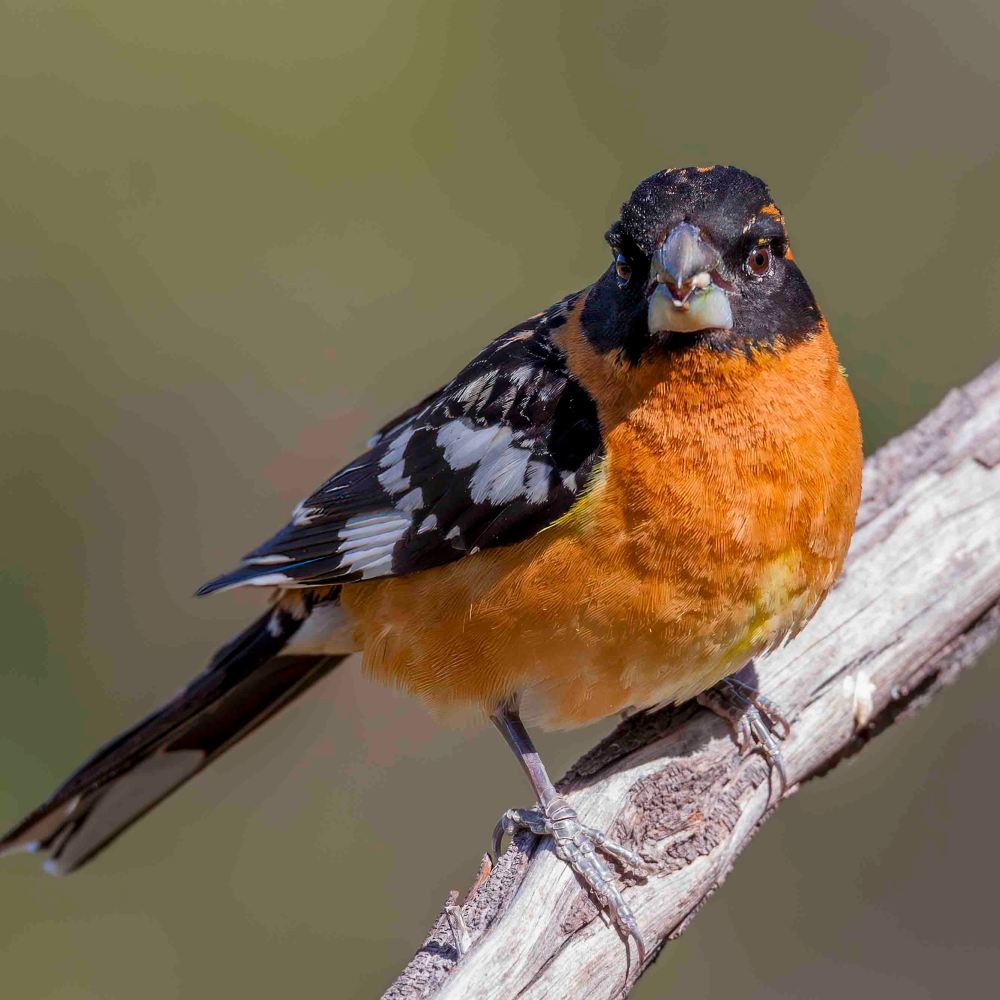
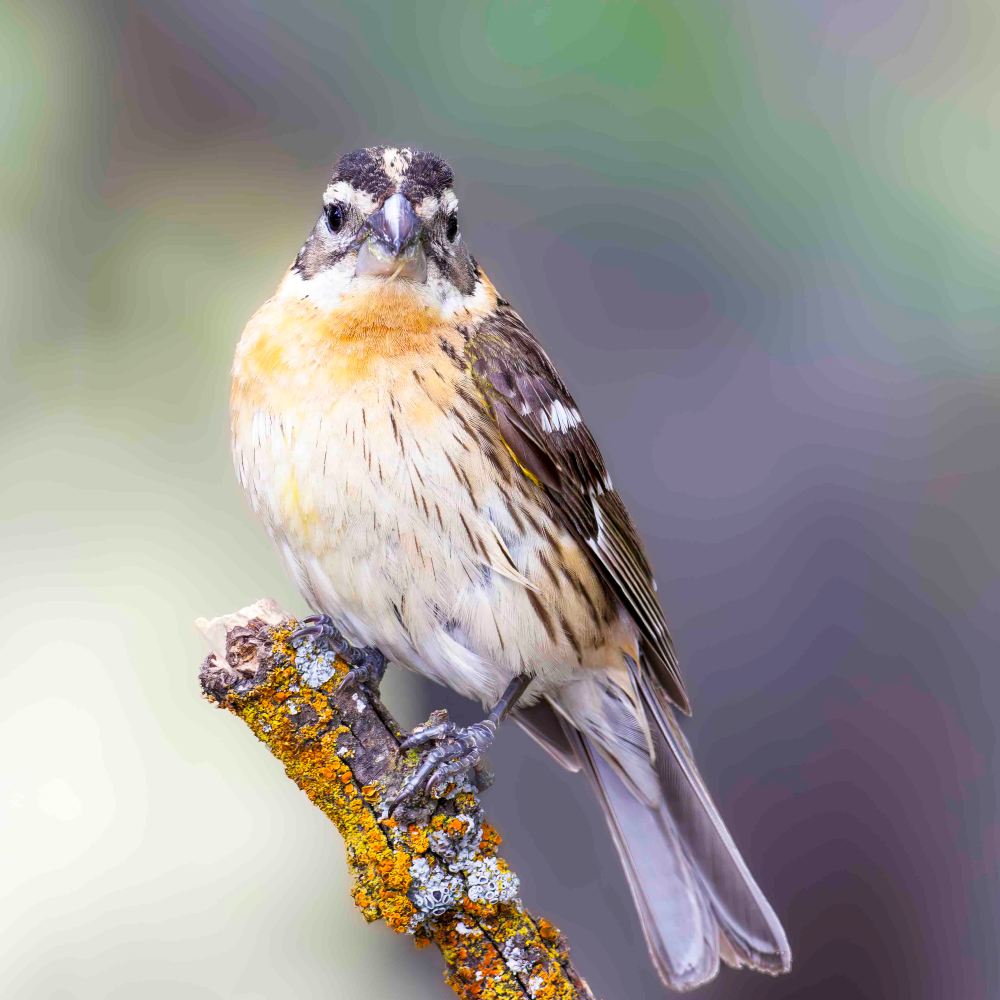
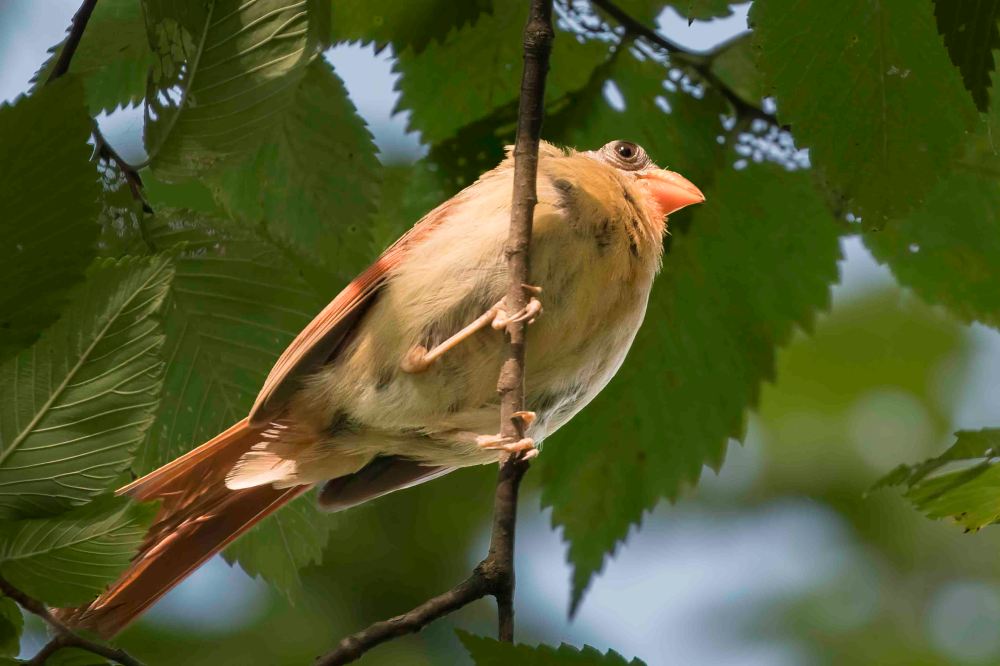
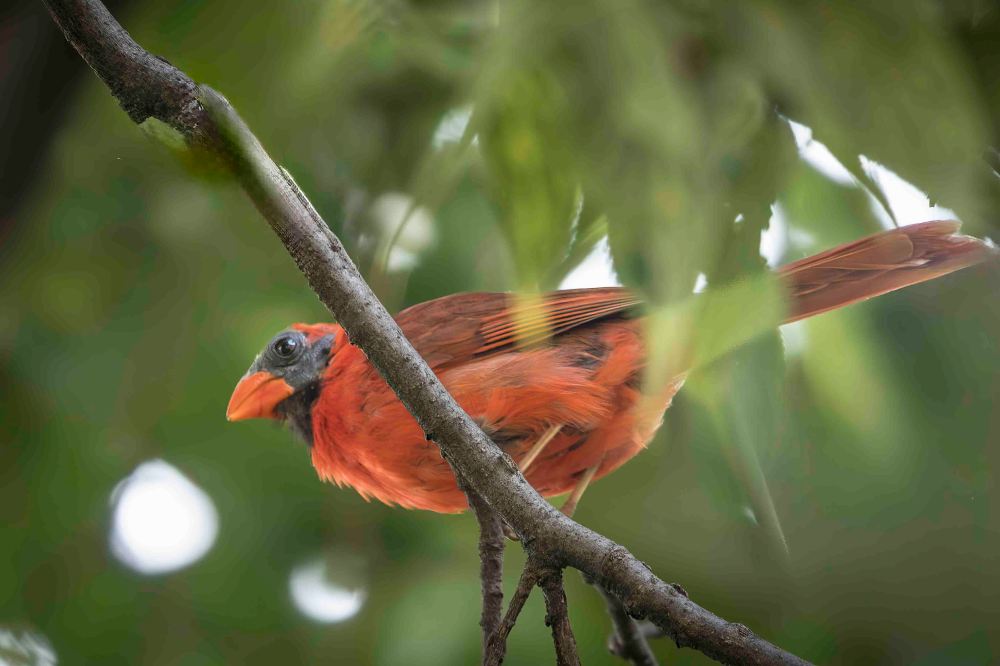
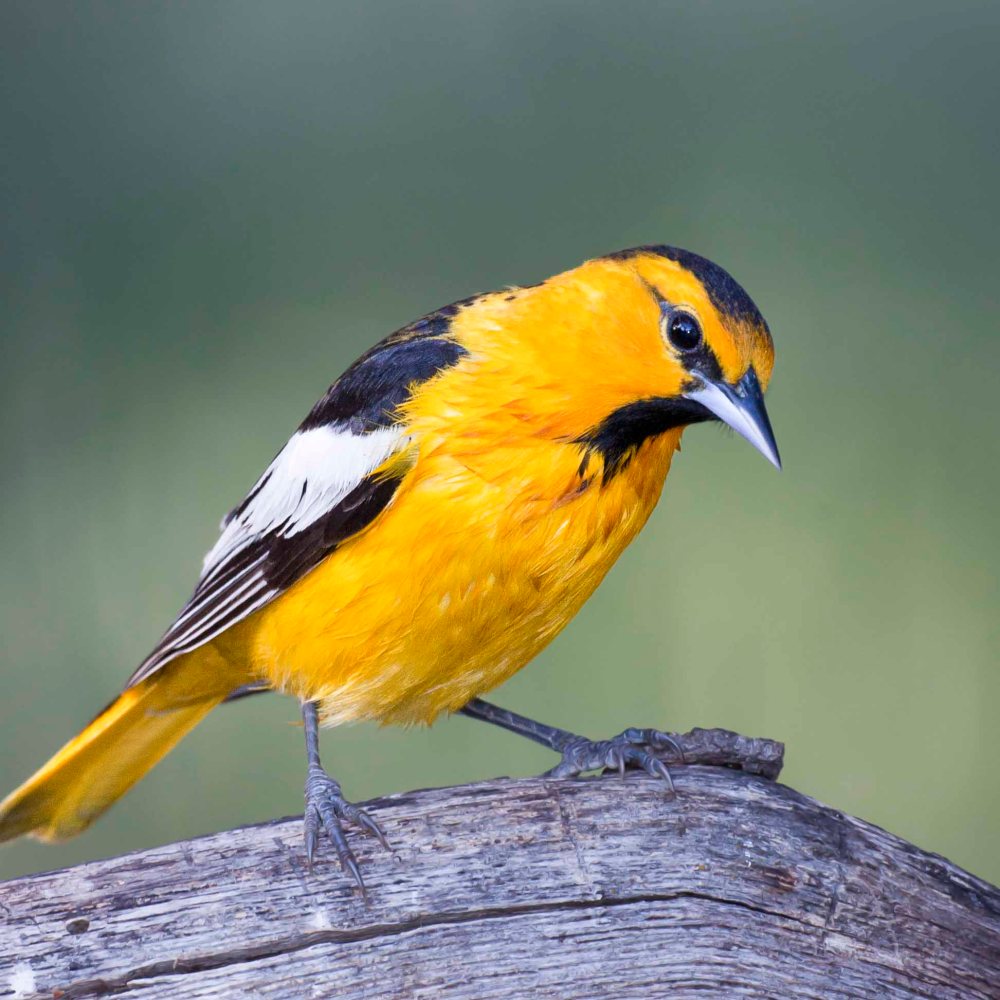
この科の鳥たちの特徴は、とにかく見た目が鮮やかなことです。ルリイカルを初めてみた時の驚きは忘れられません。そしてオスのみが美しい色に包まれているのに対し、メスは色をおさえてます。一見不公平に思えるこの違いは、人間以外の動物界では子孫繁栄を考えれば納得できます。メスは卵を守る為に目立ってはいけないけど、オスはメスを惹きつける為に目立たなければいけない。 The birds of this family are characterized by their simply brilliant appearance. I will never forget how surprised I was when I first saw a Blue Grosbeak. And while only the males are covered in beautiful colors, the females are subdued. This seemingly unfair difference makes sense when you consider procreation in the non-human animal kingdom. Females must not stand out to protect their eggs, but males must stand out to attract females.
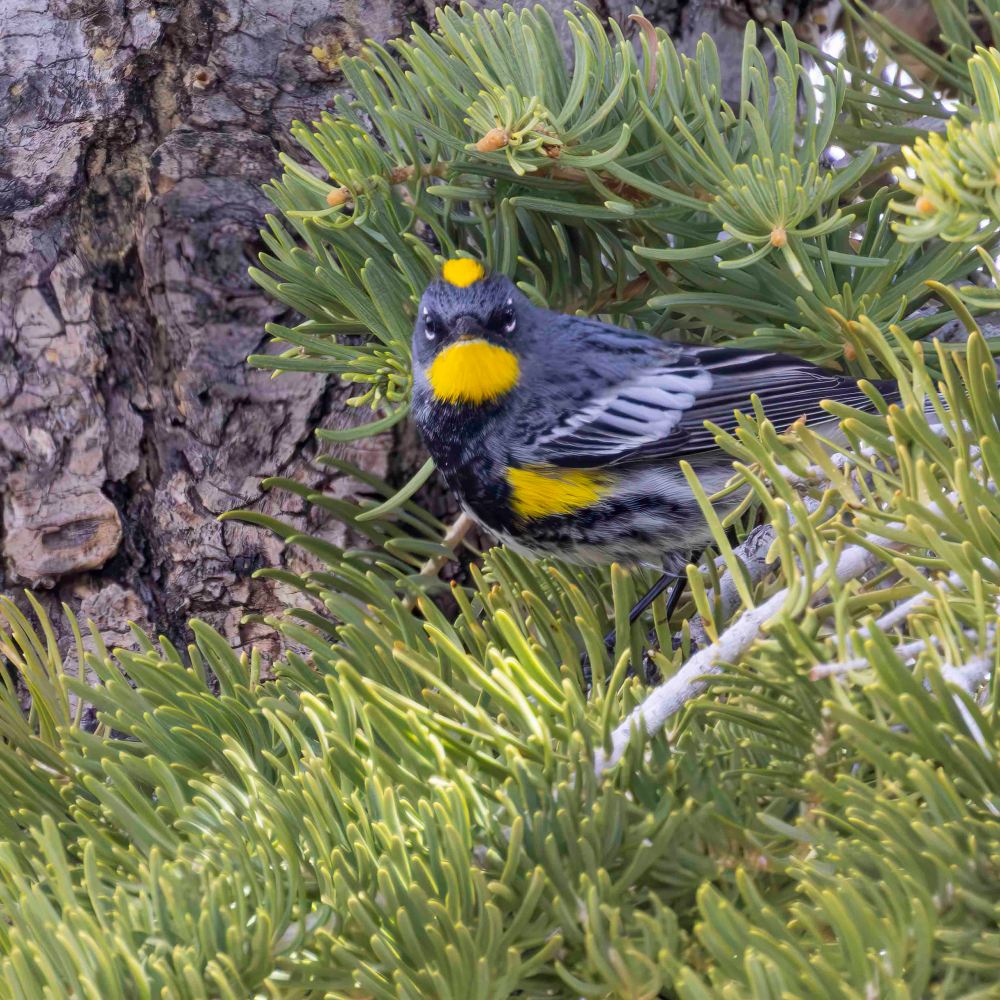
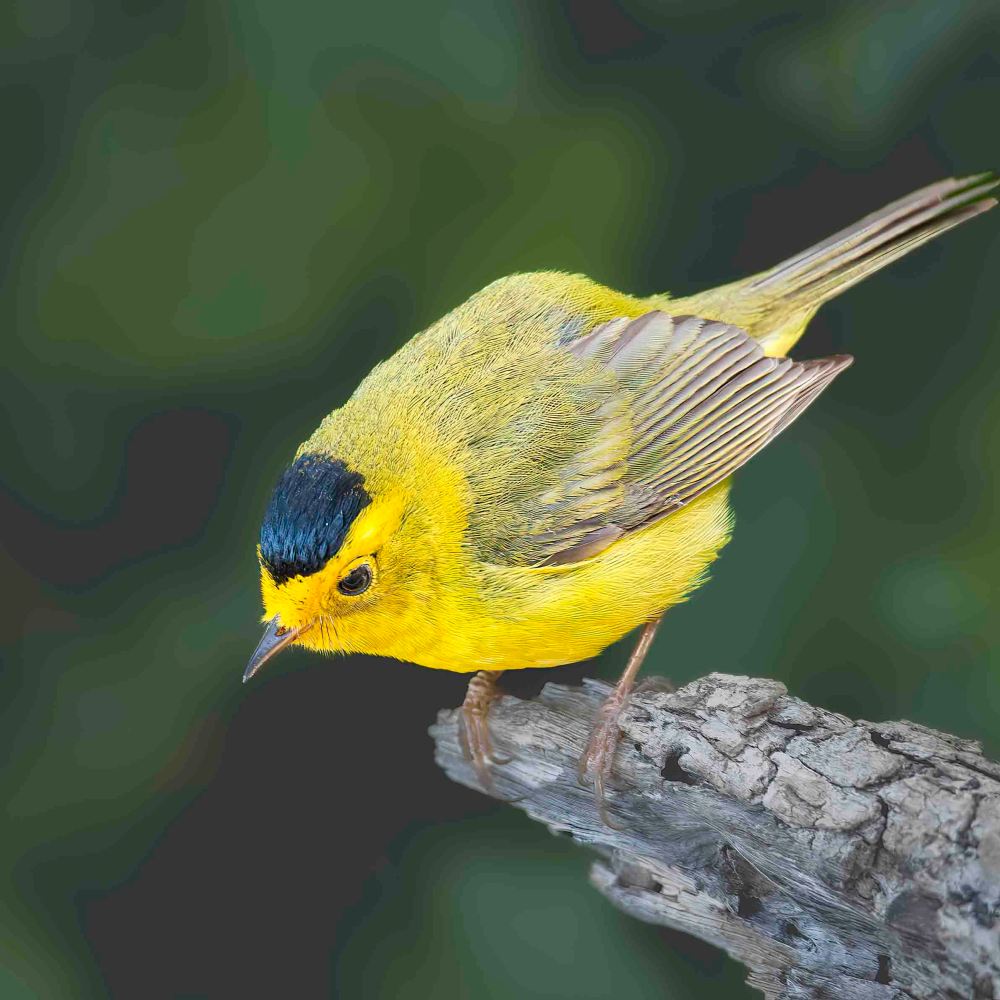
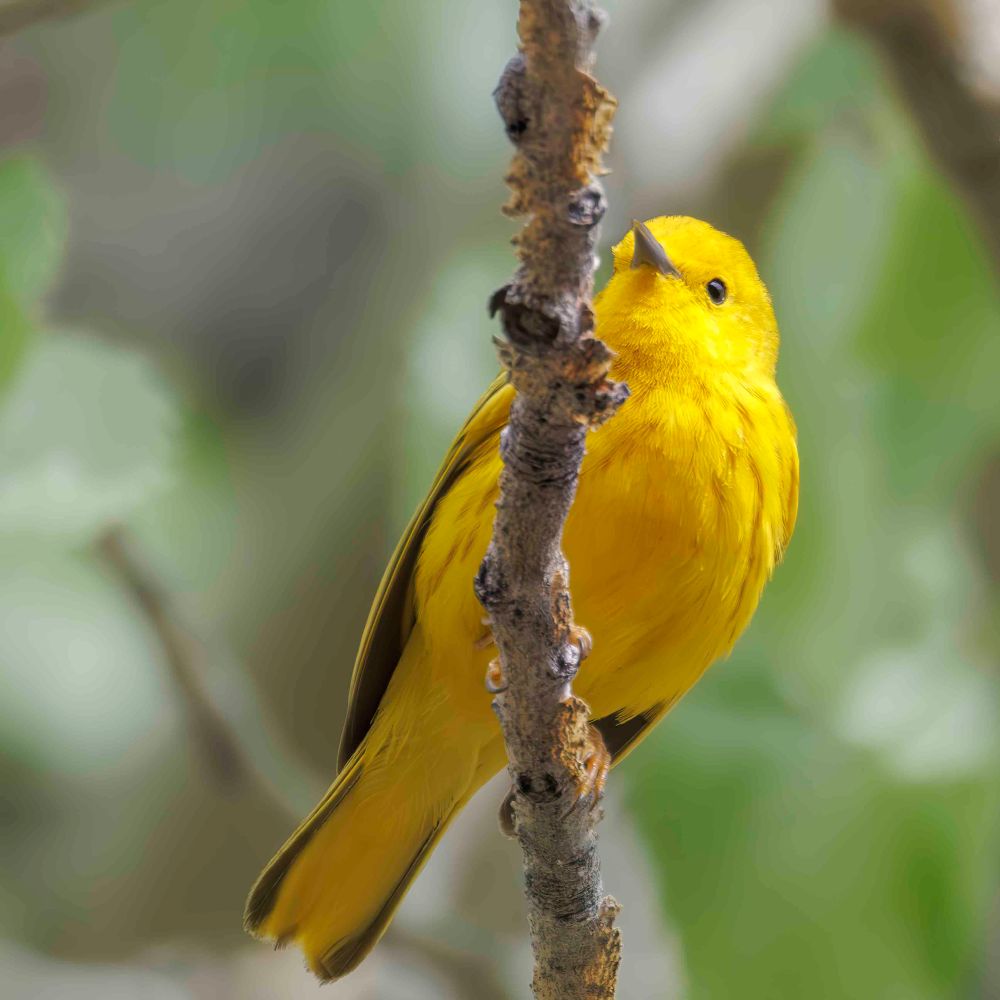
次はアメリカムシクイ科です。 Next up is the family of American warblers, Parulidae.

この科の鳥たちは、みんな小さくて可愛らしい。だからもっと撮りたいんですが、私には難度の高い鳥たちです。常に動き回っている彼らの習性に加えて、視力が悪い私には見つけることすら大変ですなんですね。 All birds in this family are small and cute. So I want to take more pictures of them, but they are very difficult birds for me. Their habit of always being on the move, plus my poor eyesight, makes it very difficult for me to even find them.

もう一点付け加えることがあるとすれば、アメリカムシクイ科は旧世界のムシクイ、ダルマエナガ科から1830年に分岐しました。ダルマエナガ科とアメリカムシクイ科との大きな違いの一つは、初列風切の羽の数です。旧世界の虫食いたちは10枚、方やアメリカ大陸の虫食いたちは9枚ということです。 If I may add one more point, the family American Warbler diverged from the Old World Warbler, Sylviidae, in 1830. One of the major differences between the insectivores in Old World and in America is the number of the primary feathers. The Old World warblers have 10 feathers, while the American warblers have 9 feathers.
そして、最後にムクドリモドキ科です。 And lastly, the Icteridae family, New World Blackbird.

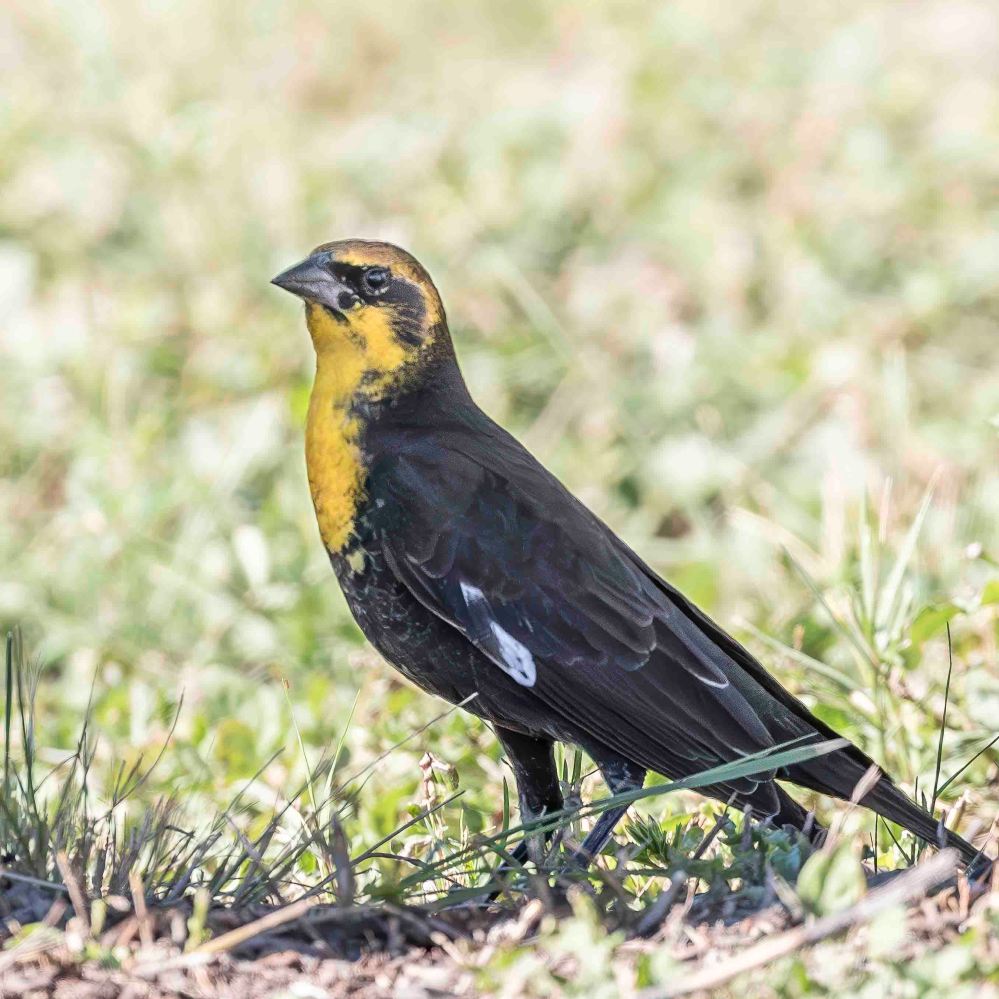
この科には、近隣でよく見かける鳥が多いのですが、ムクドリモドキ属以外の写真はありません。 Many of the birds in this family are common in the neighborhood, but there are no photos of any of them except for the some in the genus Icterus.
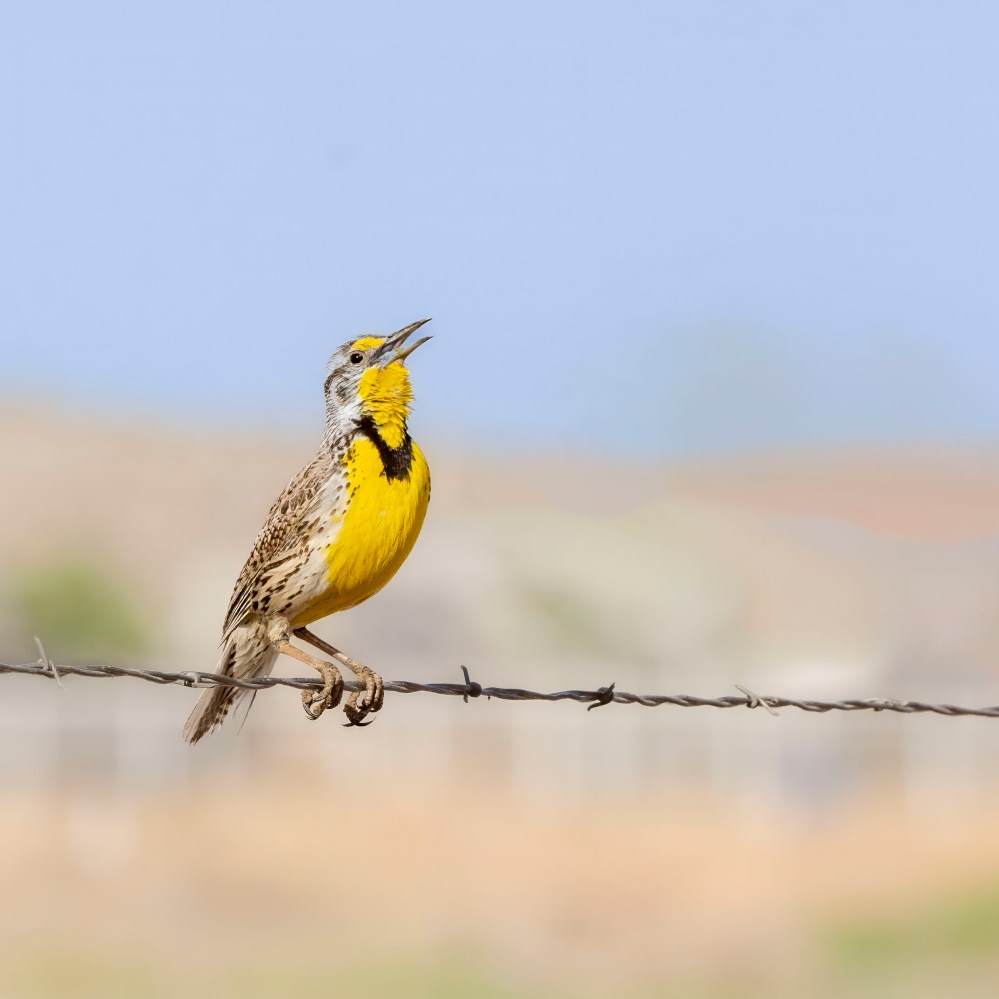
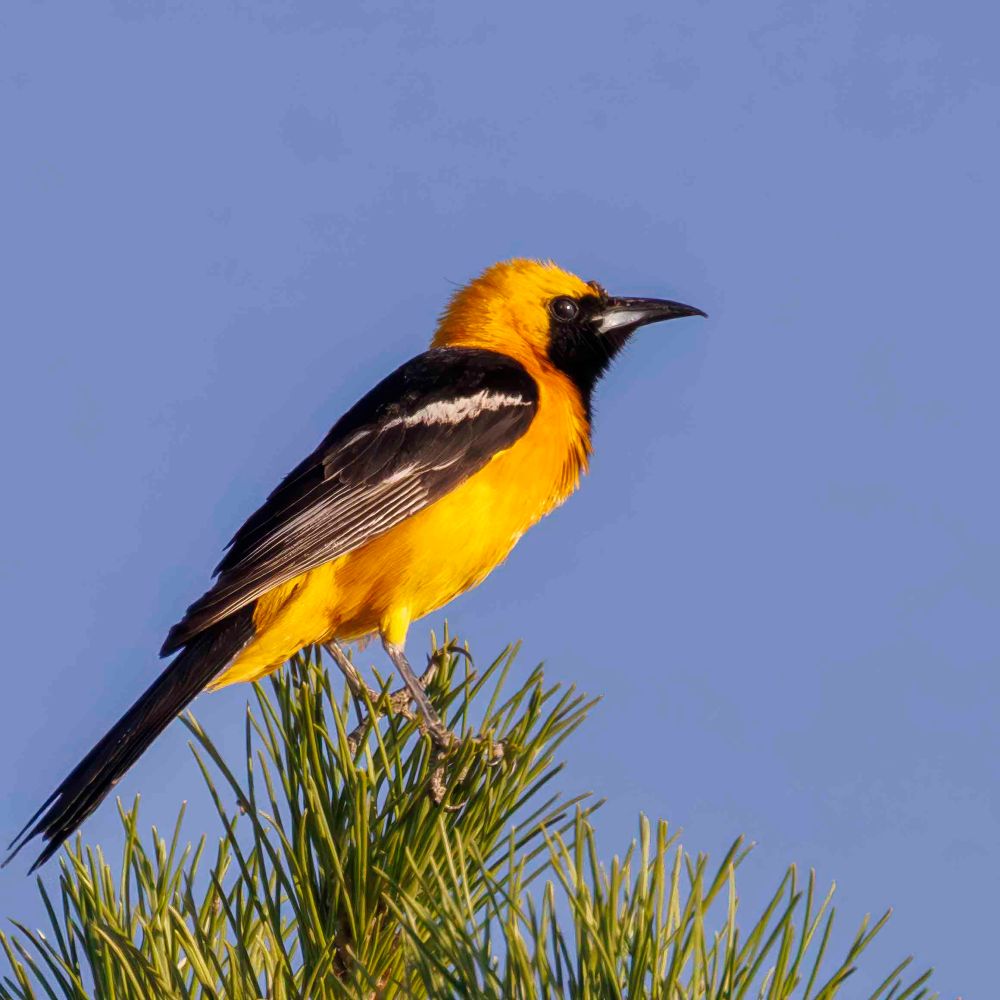
キガシラムクドリモドキの幼鳥 Yellow-headed blackbird Juvenile

とりわけ、オナガクロムクドリモドキはこの地に引っ越してきてから初めてみた鳥だったので携帯で撮ったことはありましたが、消してしまいました。なぜなら、彼らはとても攻撃的な鳥だからです。他の鳥の巣を襲い卵を盗んだり、幼鳥をさらっていきます。だから撮る気にならないんですね In particular, the Great-tailed grackle was the first bird I had seen since moving here, and I had taken pictures of them with my cell phone, but I had erased them because they are very aggressive birds. They attack other birds’ nests, steal their eggs, and snatch their young. So I don’t feel like taking pictures of them.

以上、最後の3つの科をサッと紹介しました。これで私の鳥の分類表の完成です。 These were my quick introductions to the last three families. This completes my bird taxonomy table.

そうそう、もう一つ大切な項目を鳥類の上に付け加えました。それは「鳥翼類」です。 Oh yes, I added one more important item above Aves. It is called “Avialae.”
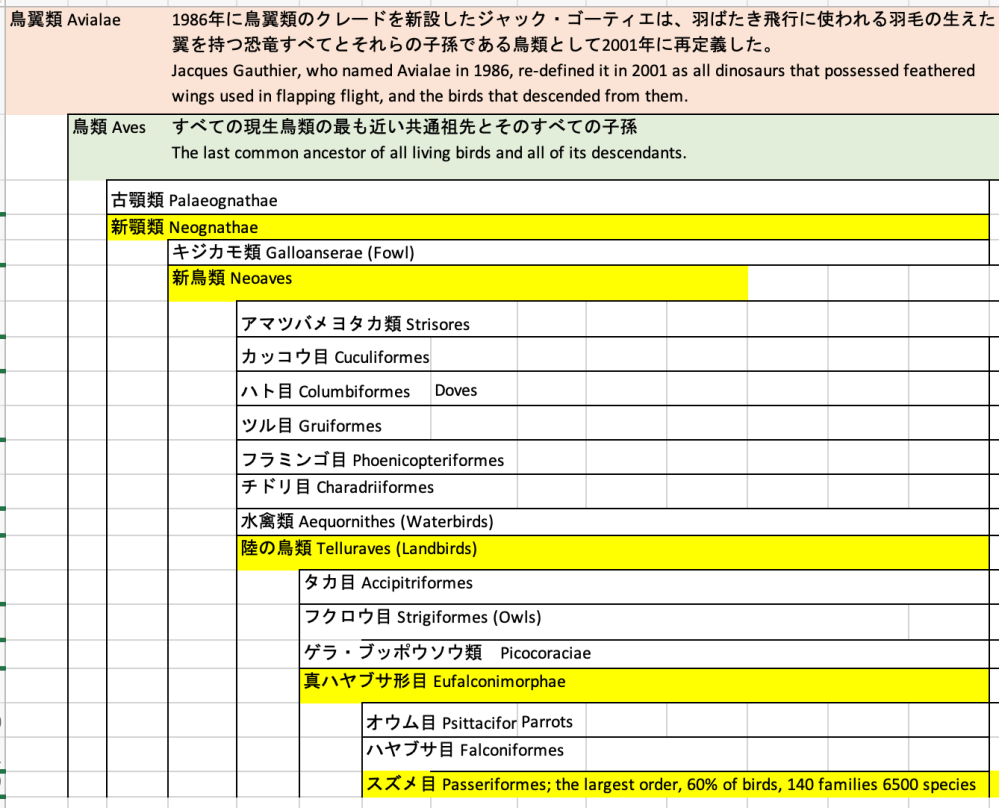
鳥翼類の定義が最高にカッコウいい! The definition of Avialae is the coolest!

羽ばたき飛行に使われる羽毛の生えた翼を持つ恐竜すべてと、それらの子孫である鳥類。

All dinosaurs that possessed feathered wings used in flapping flight, and the birds that descended from them.

8年ぶりの再会 Reunion After Eight Years


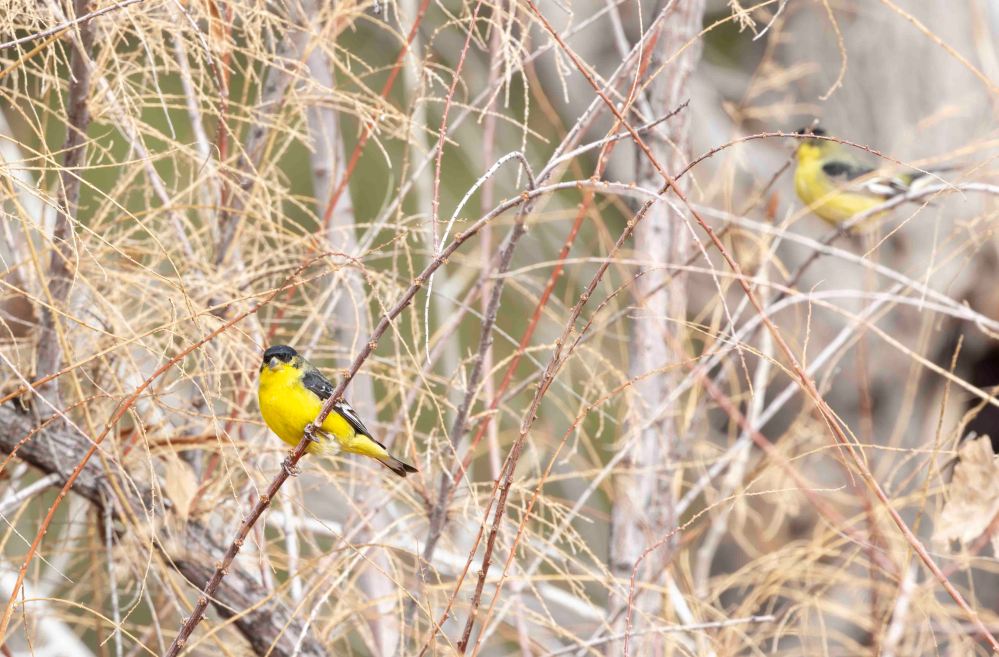
春の典型的な天気ですね。暖かくなったと思ったら寒くなり、強風でせっかくの早咲きの梨や梅の花も散ってしまいました。そんな中、小川沿いの藪の中に小さい鳥たちを発見しました。 It’s typical spring weather. Just when I thought it was warming up, it turned cold and the strong winds scattered the early pear and plum blossoms that had been in bloom. In the midst of all this, I found some small birds in the bushes along the creek.

「ここにいるから見て〜!」と、イエスズメのオスが声を振り絞って鳴いていました。はたしてメスのイエスズメは気づいてくれたでしょうか。 ”Look look, look at me, I’m here!” the male House Sparrow was calling out in a desperate cry. I wonder if the female House Sparrow noticed him.

ゴールドフィンチもいますね。 There were Gold finches as well.

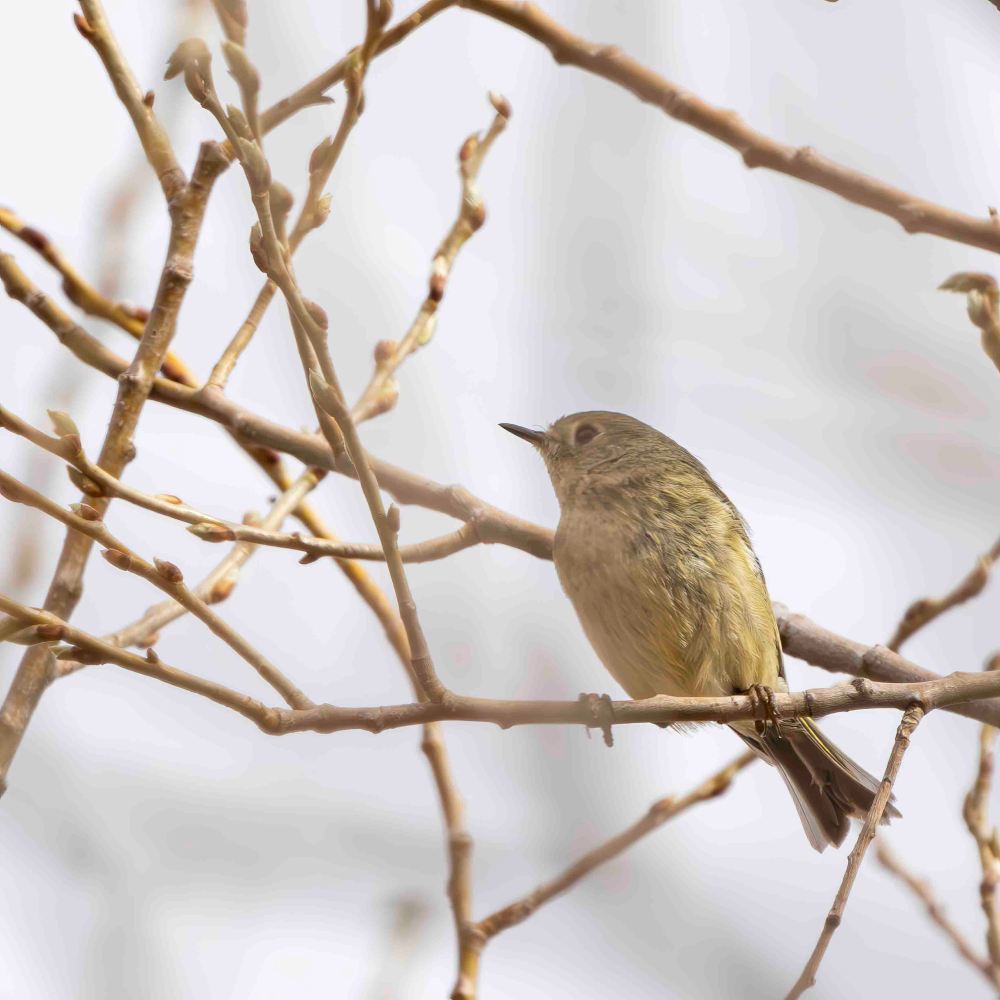
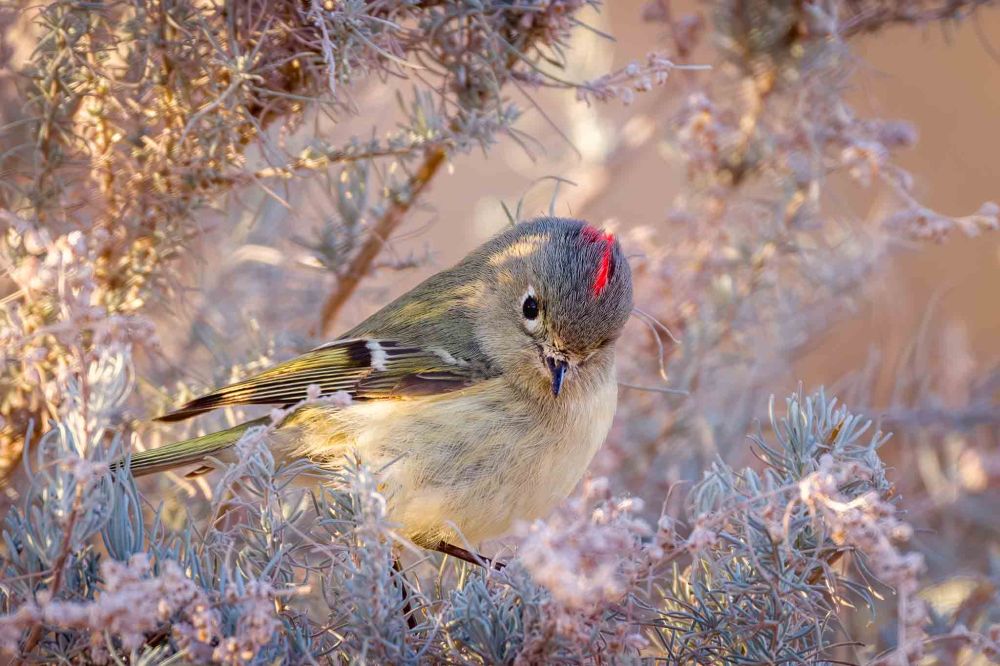
おやおや?見かけない鳥です。 Hmm? It’s a bird I hadn’t seen before.

家に帰って調べたら、ルビーキクイタダキでした。頭の上の赤い冠は見えませんが、パタパタと羽を盛んに動かしていたので、まさにルビーキクイタダキの習性と合致しました。 As soon as I got home, I checked it out and found that it was a Ruby-Crowned Kinglet. The red crown on his head was not visible, but he was flapping his wings actively, which was exactly in line with the habits of the Ruby-crowned kinglet.

この発見に思わず興奮して過去の私の鳥の写真を見直してみたら、やはりありました。8年前、テキサス州のビッグベンド国立公園で一度出会っていました! Unexpectedly excited by this discovery, I reviewed my past bird photos and there it was: eight years ago, I had encountered it once in Big Bend National Park in Texas!

嬉しくなってバンちゃんに話したら、「家の隣の空き地でよく見かけたよ。」との返事でした。 I was so happy that I told Banchan about it and he replied, “I used to see them time to time in the vacant lot next to our house.”

「そんな〜!」もっと早く教えてよ〜! そして、彼のショットを見せてくれました。以下、彼の写真です。 Oh, no! You should have told me sooner~! Then he showed me his shots. Below is one of his photos.

ところで、この鳥は私の分類表にはまだ入っていません。なぜなら、かつては旧世界の鳥の中に分類されていたので、私の興味の対象外だったからです。でも今はスズメ小目の直下のキクイタダキ科の中に独立した属 Corthylio がつくられ、この鳥のみが収められています。 By the way, this bird is not yet in my classification list. Because it used to be classified among the Old World birds, and therefore was outside my interest. Now, however, a separate genus Corthylio has been created within the family Regulidae, directly under the Order Passeriformes, and only this bird is included.

分類表をアップデートします。実は、他にも間違えている部分を発見してしまい、厄介な変更なので、ずーっと先延ばしにしていました。今月中に完成させたいです。完成まで、本当にあと一歩なんですよねー。 I will update the classification table including this bird. Actually, I have been putting it off for a long time because I found some other mistakes as well and it is a tricky change. I hope to have it completed by the end of this month. I am really one step away from completion!

鳥の分類復活 -スズメ目 Back to Aves – Passeriformes


私の鳥の分類作業は、7月23日のブログ、ハヤブサを最後に休業状態に入っていました。 My bird classification work had been on hiatus since my last blog, falcons, on July 23.

でも、また復活します。👏 パチパチ👏 But my bird classification posts will be back. 👏 Clapping👏.

今日からはスズメ目の鳥を分類しますが、実はこれが鳥類の中の最後の目なんですね。 I will start classifying birds of the order Passeriformes from today, and this is actually the last of the orders in Aves.

Screenshot

上の分類表を見ると、スズメ目が99行目から始まって、173行で終わっています。勿論、今後詳しく分類していくと、行数はもっと増えていきます。ここで指摘したいことは、スズメ目は鳥類の中でも約半分の数を占めている巨大な1目だということです。言い換えれば、鳥の分類もようやく半分できたということです。 Looking at the classification table above, Passeriformes starts at row 99 and ends at row 173. Of course, the number of rows will increase as I classify them in more detail in the future. What I want to point out here is that the order Passeriformes is a huge single order, accounting for about half of all classifications in the Aves world. In other words, I am finally halfway through classifying birds.

スズメ目は外見状、スズメに似ていることから付けられた名前です。 Passeriformes is named for the outward appearance and resemblance to a sparrow.

スズメ目の特徴はいくつかありますが、代表格は以下の2点です。 There are several characteristics of Passeriformes, but two representative examples are:

  1. 鳴管(めいかん)の発達により、大きく囀ることができる。 Development of the vocal tract, Syrinx, allows for a loud chirp.
  2. 三前趾足(さんぜんしそく)で木の枝を掴むのに適している。 Anisodactyl, the three front toe feet are suitable for gripping tree branches.
ウタスズメ Song Sparrow

一つ目の鳴管の発達について補足します。 Supplementary information on the development of the first, Syrinx.

私たち、人間には声帯があり、そこを通して声が出てきます。それに対し、鳥類は声帯の代わりに鳴管という器官があります。そして、スズメ目の鳥たちはこの鳴管が特に発達しているので、美しい囀りをする鳥たちが多いと言われています。 We humans have vocal cords through which our voices come out. Birds, on the other hand, have an organ called the Syrinx instead of vocal cords. Birds of the order Passeriformes have a particularly well-developed Syrinx, which is why many of them sing beautifully.

二つ目の三前趾足(さんぜんしそく)について補足します。 Supplementary information on the second, Anisodactyl.

人間の足には5本の足指があり、すべて前方を向いています。それに対し、鳥類は5番目の足指が退化して、4本から2本の足指しかありません。足指の分類の中で、スズメ目は三前趾足(さんぜんしそく)のグループに入ります。一番目の指が後ろに向いていて、残りの3本は前を向いているグループです。 The human foot has five toes, all pointing forward. In contrast, birds have only four to two toes, with the fifth toe degenerating. Within the classification of toes, Passeriformes birds are in the group of Anisodactyl. This is a group in which the first toe points backward and the remaining three point forward.

足指の方向を調べていくと面白いことがたくさん出ていきますが、今日はここまでにしておきます。A lot of interesting things will emerge as we examine the direction of the toes, but that’s all for today.

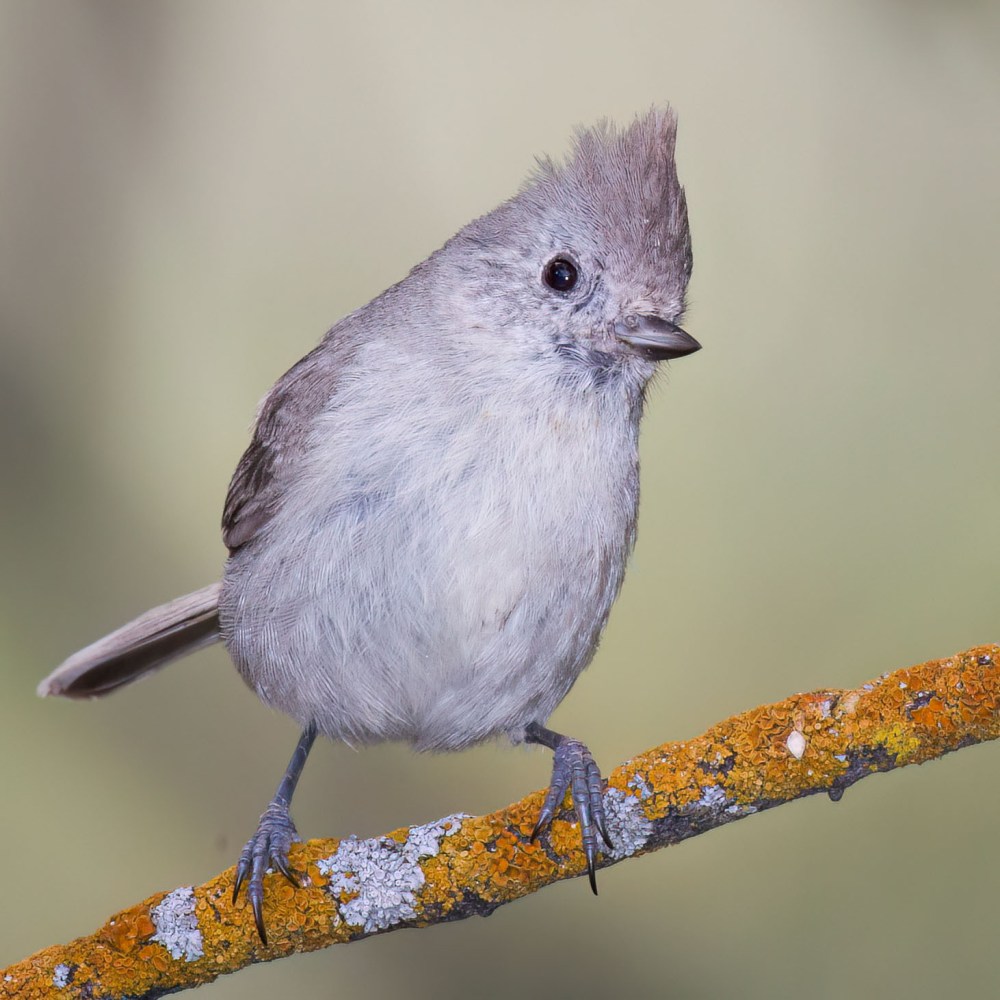
エボシガラ Titmouse

次回から少しずつ6000種類以上のスズメ目の鳥の分類をしていきます。 I will gradually classify the more than 6,000 species of birds of the order Passeriformes starting from the next post.