Tag Archives: Kelp Gull

ハーフムーン島 Half Moon Island


1月3日、私たちを乗せた船は北東に舵を切り、サウスシェットランド諸島の一つ、ハーフムーン島の近くに碇を下ろしました。 On January 3rd, the ship carrying us set a course northeast and dropped anchor near Half Moon Island, one of the South Shetland Islands.
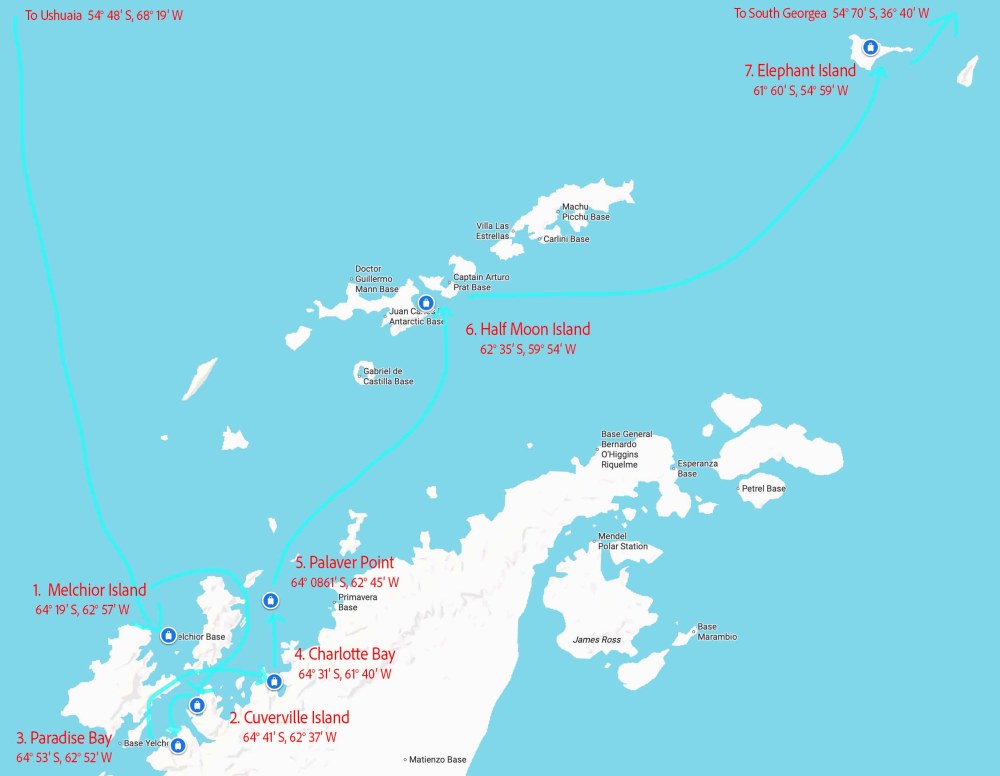
ゴムボートを降りると、空気が違うことに気がつきました。たった2度北上しただけなのに、暖かい。今まではジャケットを2枚も着ていたのに、ここでは1枚脱ぎ捨てました。 Stepping off the zodiac, I noticed the air felt different. Though we’d only travelled two degrees north, it was warmer. Whereas before I’d been wearing two jackets, here I shed one.
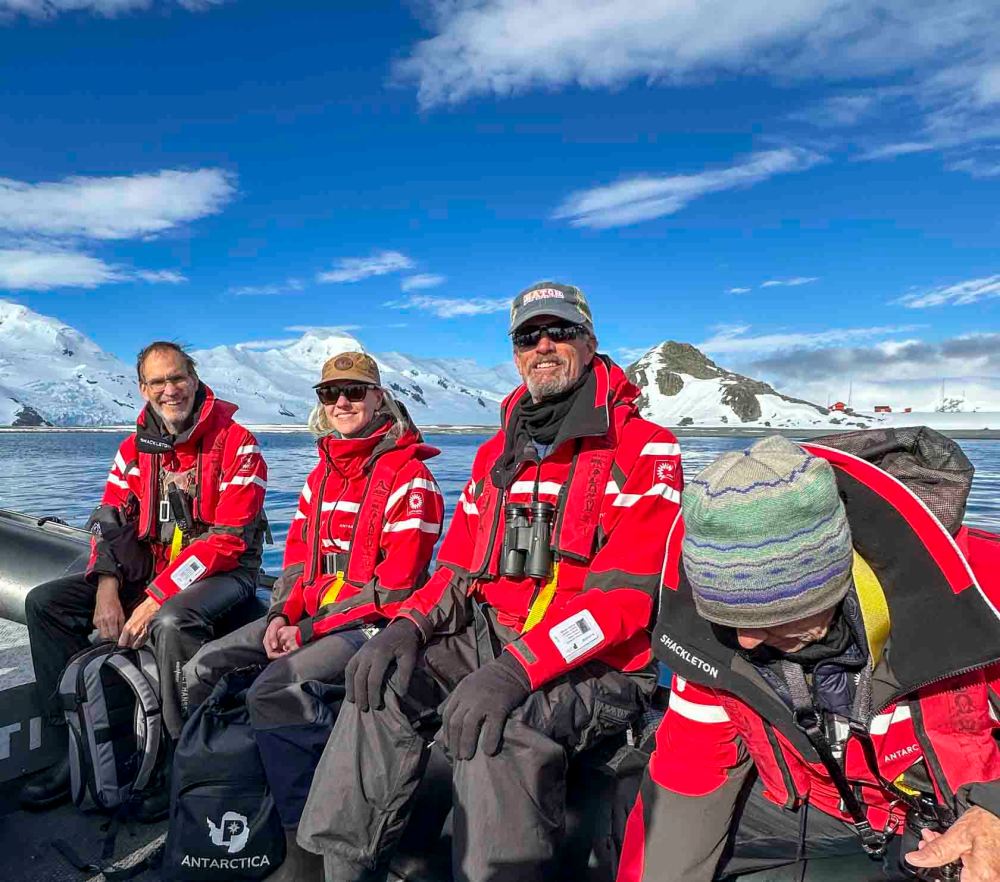
ゴムボートで島に向かうところ。バックグラウンドがハーフムーン島。右端にカマラ基地が見える。 Heading towards the island in a zodiac. The background is Half Moon Island. Camara Base can be seen on the far right.

雪も積もっていましたが、露出している岩石に苔や地衣類が付着して綺麗な模様を作り出していました。 Snow had accumulated, yet moss and lichen clung to the exposed rock, creating beautiful patterns.
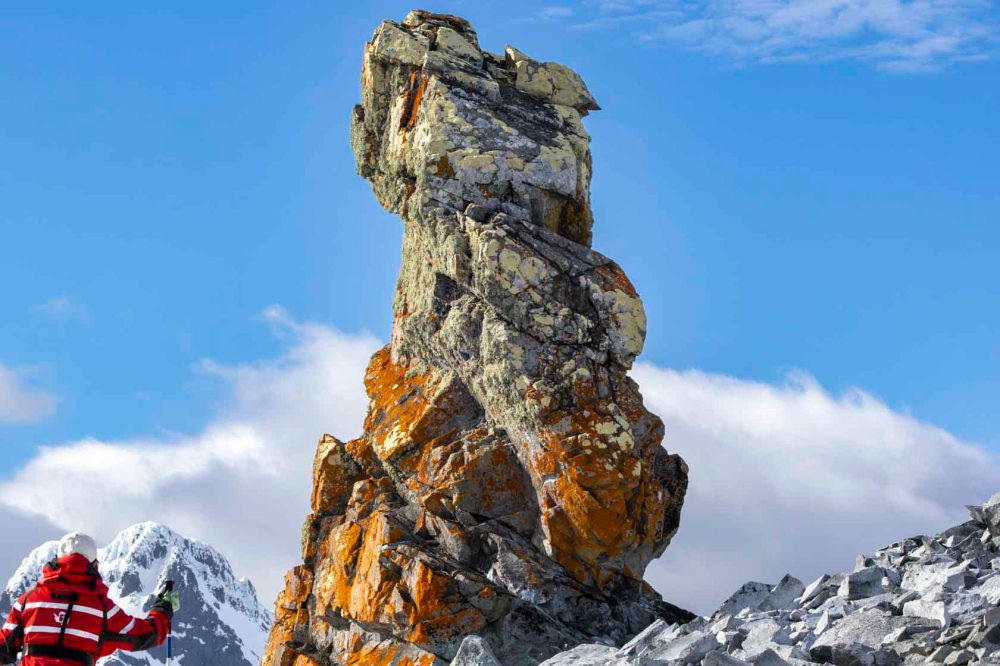
ゴンドワナ大陸は約1.8億年前から分裂が始まり、2,300万年前にはほぼ現在の姿になったと言われています。アフリカ、南アメリカ、インド、オーストラリア、アラビア半島、マダガスカル島、そして南極大陸へと分裂していったそうです。 It is said that the break-up of the Gondwana supercontinent began around 180 million years ago, and by 23 million years ago it had largely assumed its present form. It is thought to have fragmented into Africa, South America, India, Australia, the Arabian Peninsula, Madagascar, and Antarctica.
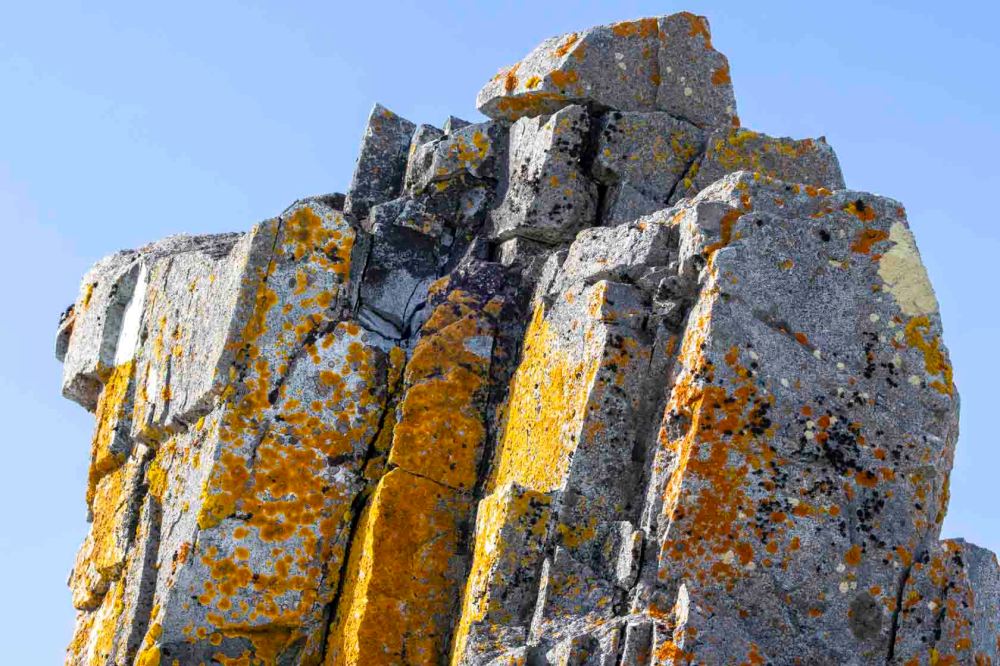
とすると、この岩もゴンドワナ大陸の頃からある石かもしれないと考えたって否定はできないですよね。顕微鏡で解析すれば別ですけど。 Given that, one cannot rule out the possibility that this rock too may date back to the time of the Gondwana continent, right? Though that could only be confirmed by microscopic analysis.
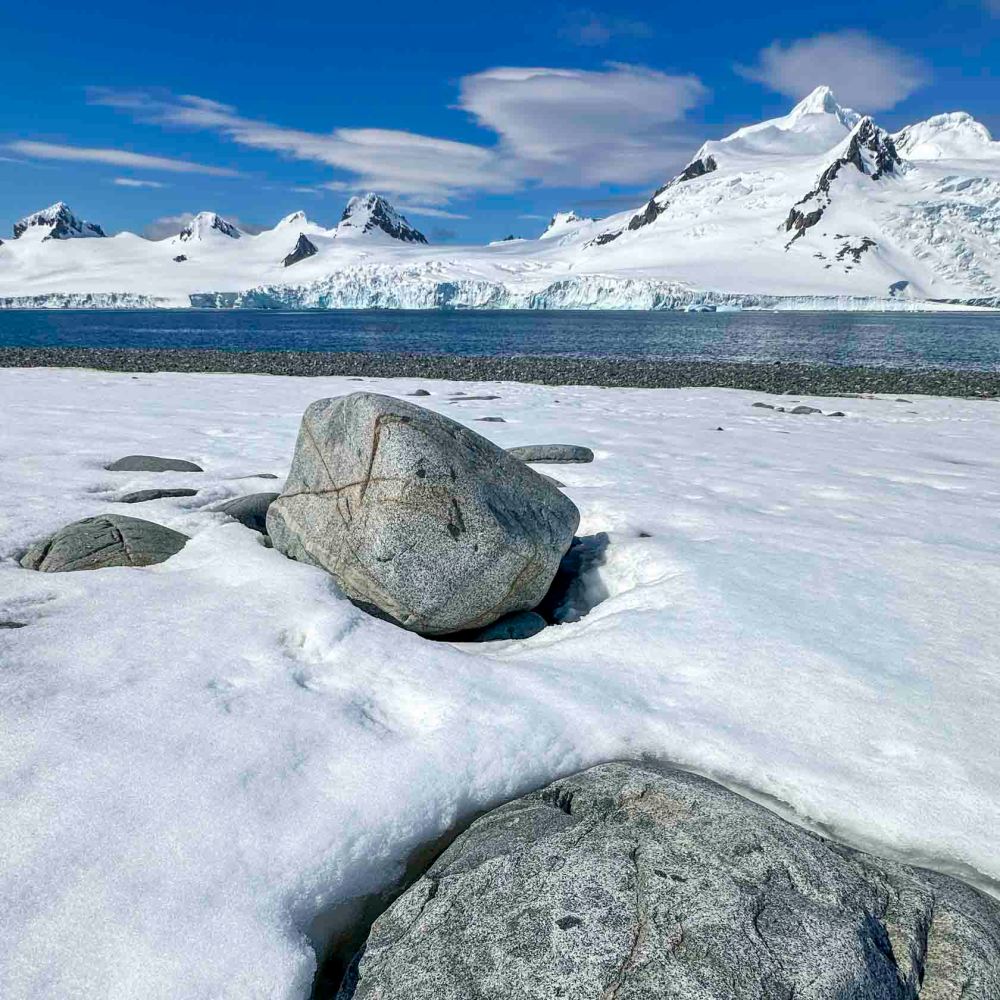
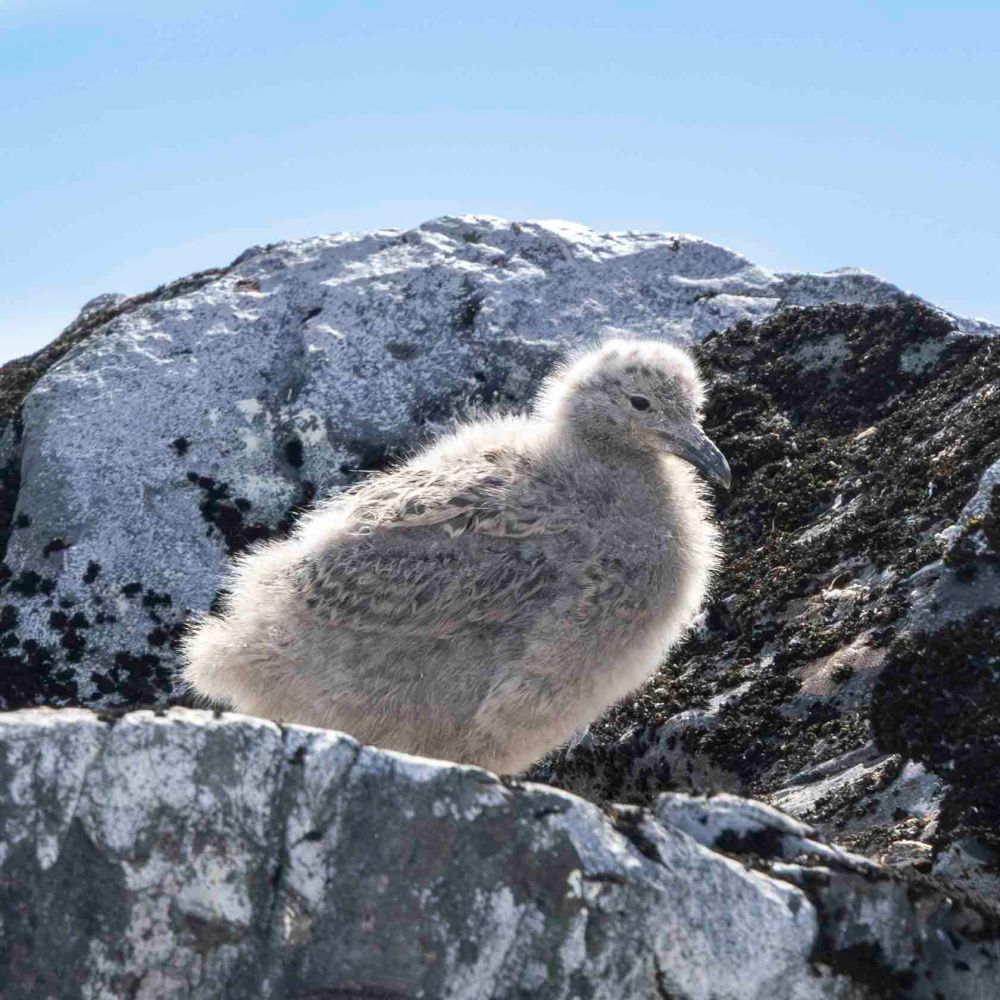
そんなことを考えなが歩いていると、奇妙なものを発見しました。岩棚の上に、大きな毛玉? As I walked along pondering such things, I came across something peculiar. On the rock shelf, a large fuzzball?
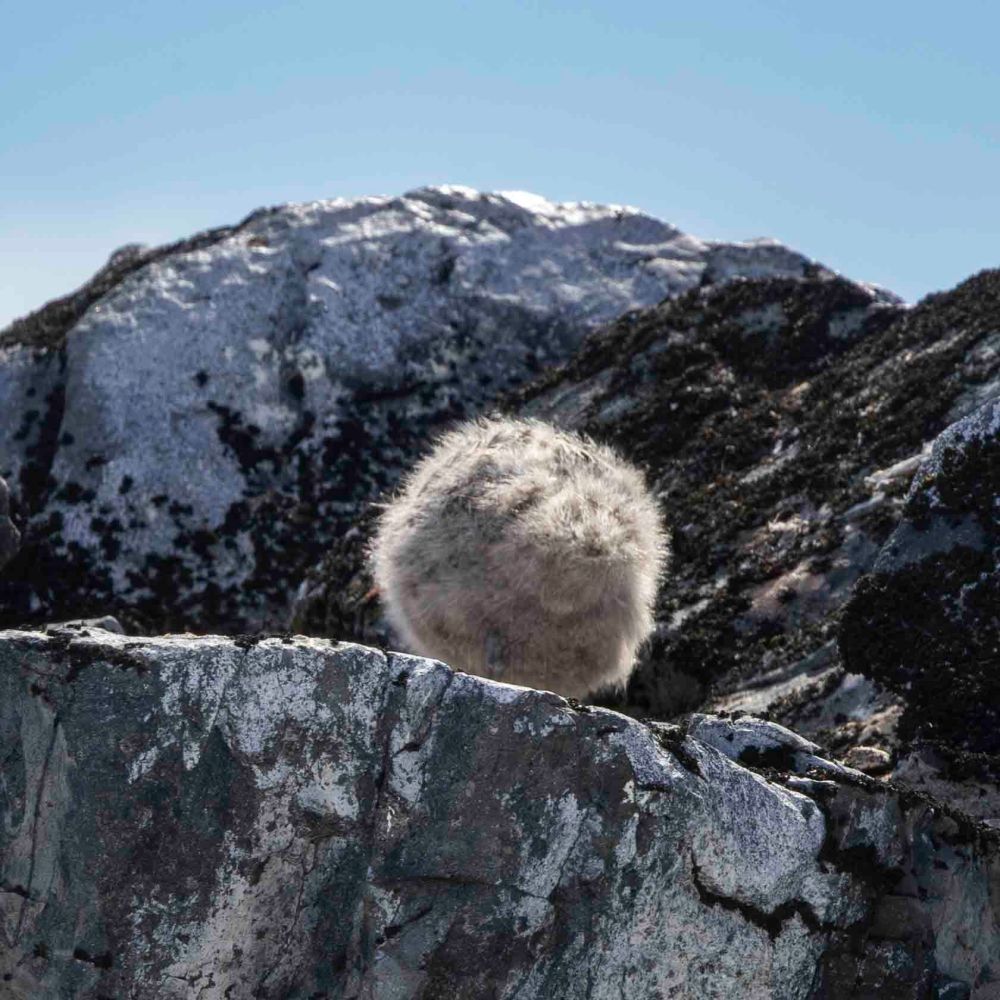
ああ、なんだ、ミナミオオセグロカモメのヒナでした。 Ah, what’s this? It was a Kelp Gull chick.
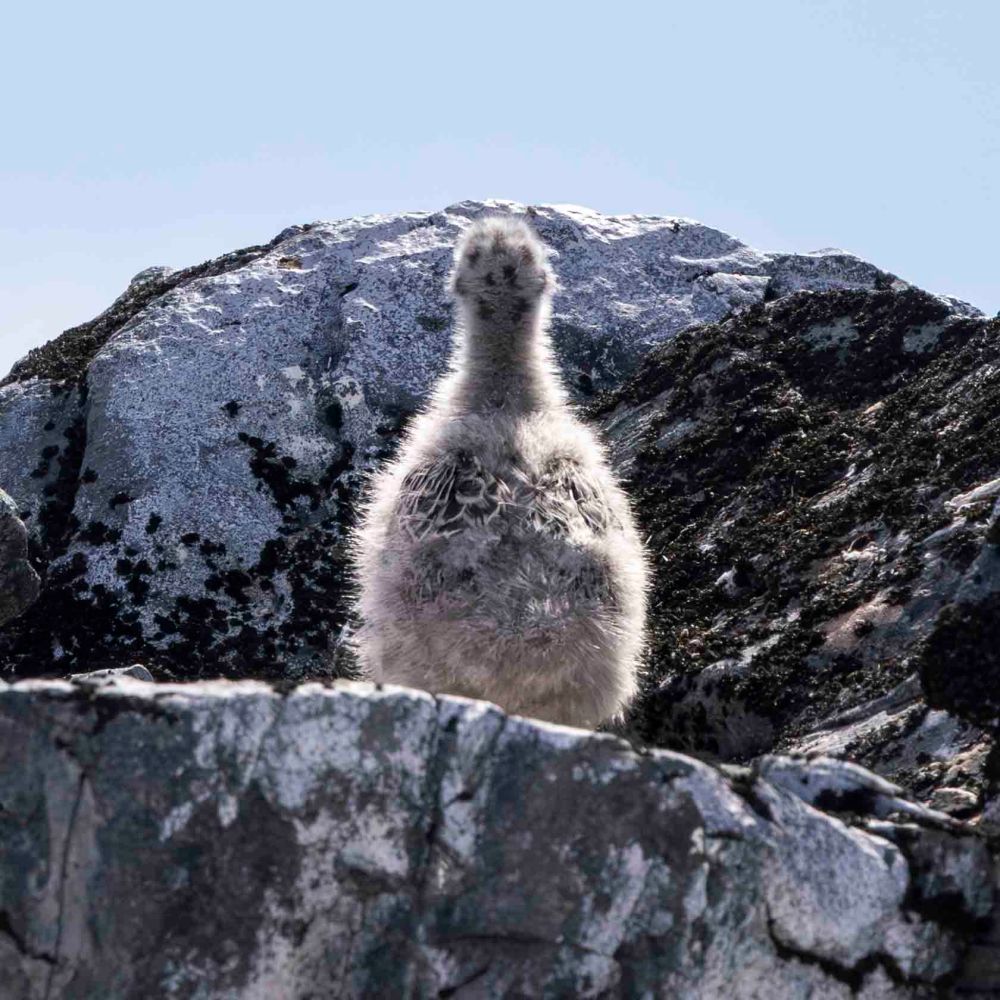
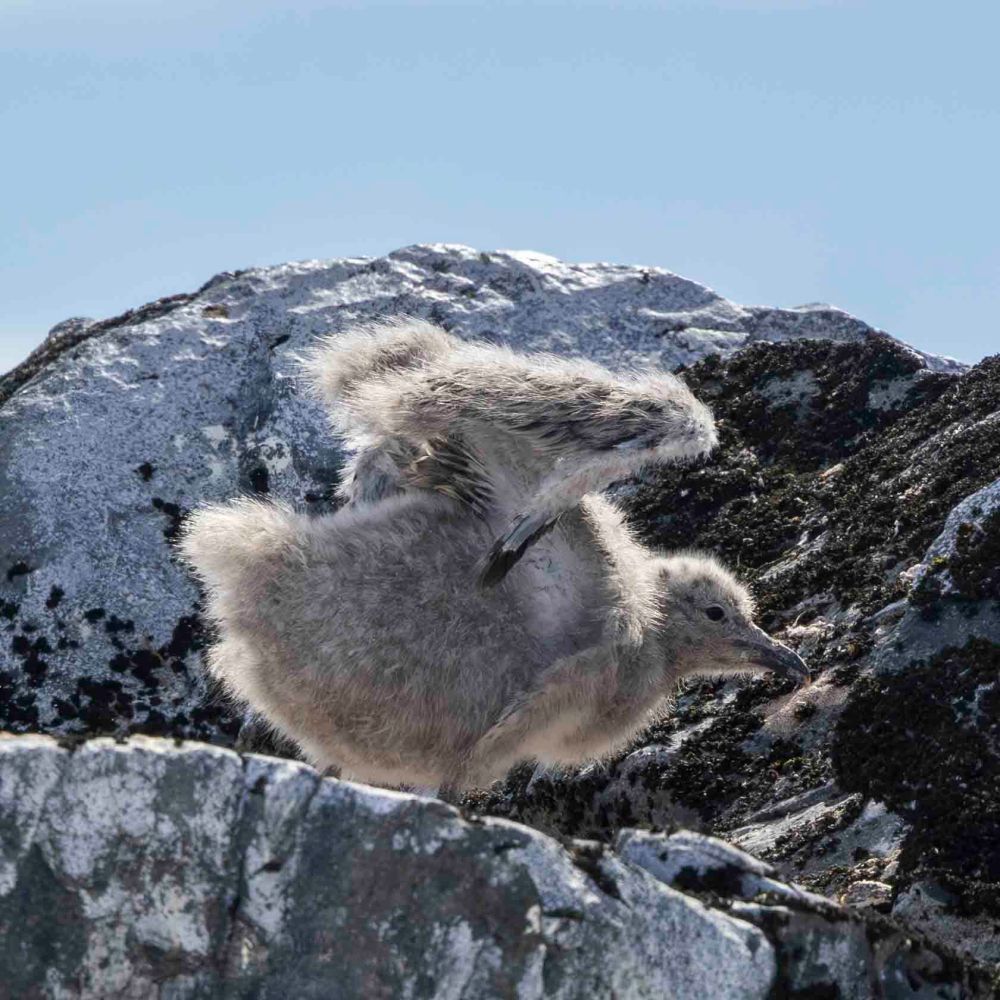
ミナミオオセグロカモメの成長した姿。 The adult form of the Kelp Gull.
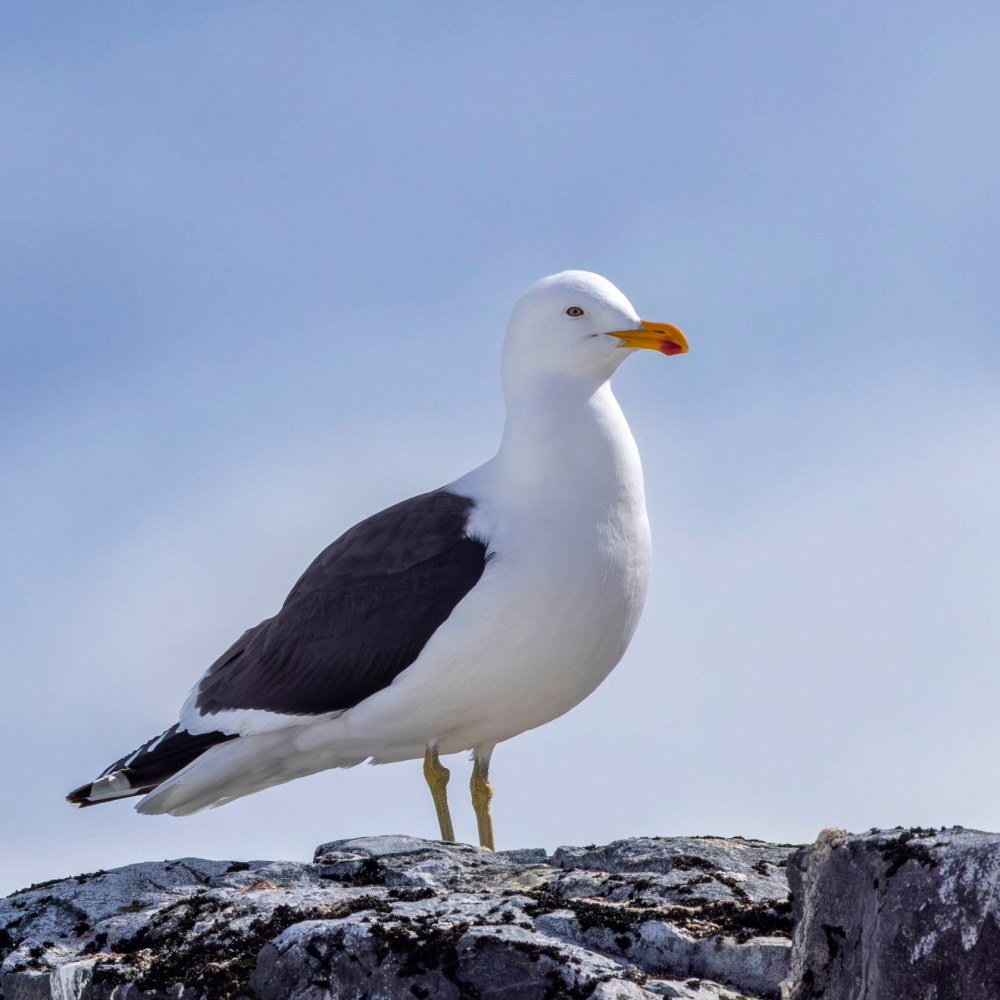
ここでは彼らの巣がいくつか見つかりました。やはり緯度が2度北上すると暖かくなるからヒナも育てられるんですね。 Several of their nests were found here. Indeed, moving two degrees north brings warmer temperatures, allowing them to raise their young.
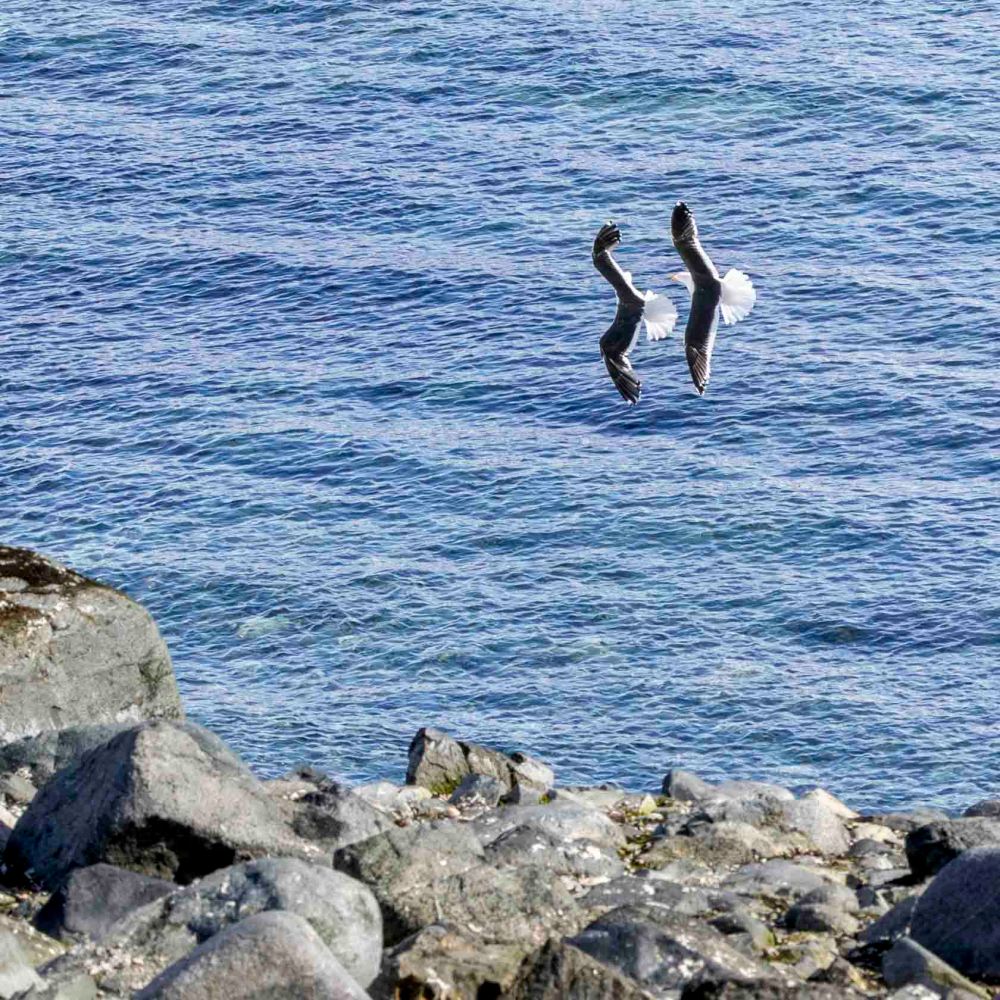
ミナミオオセグロカモメ のカップル A pair of Kelp Gull

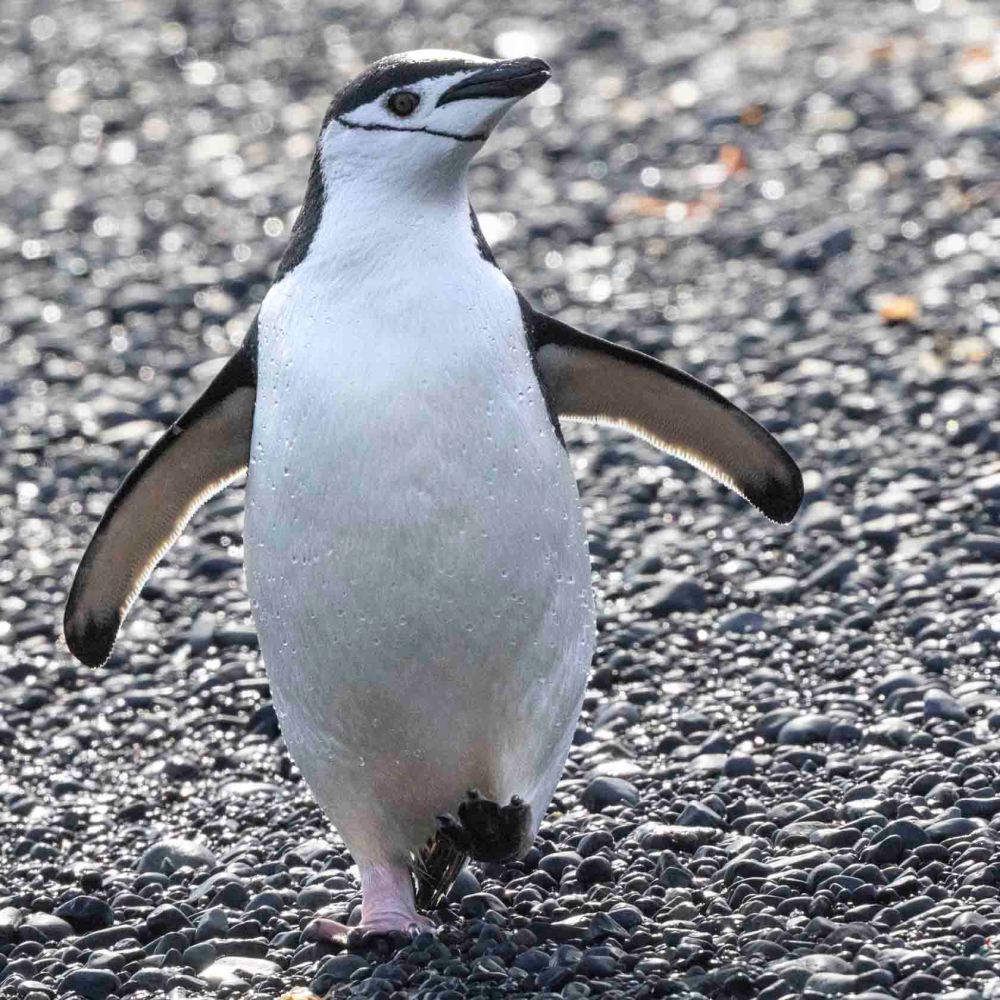
ところで、ペンギンの外見について書きます。今回、たくさんのペンギンを見ることができてわかったことですが、全てのペンギンが真っ白なお腹をしているわけではありません。お腹が汚れたペンギンがたくさんいます。 Now then, I shall write about the penguin’s appearance. Having seen many penguins by this time, I realized that not all penguins have pure white bellies. There are many penguins with dirty bellies.
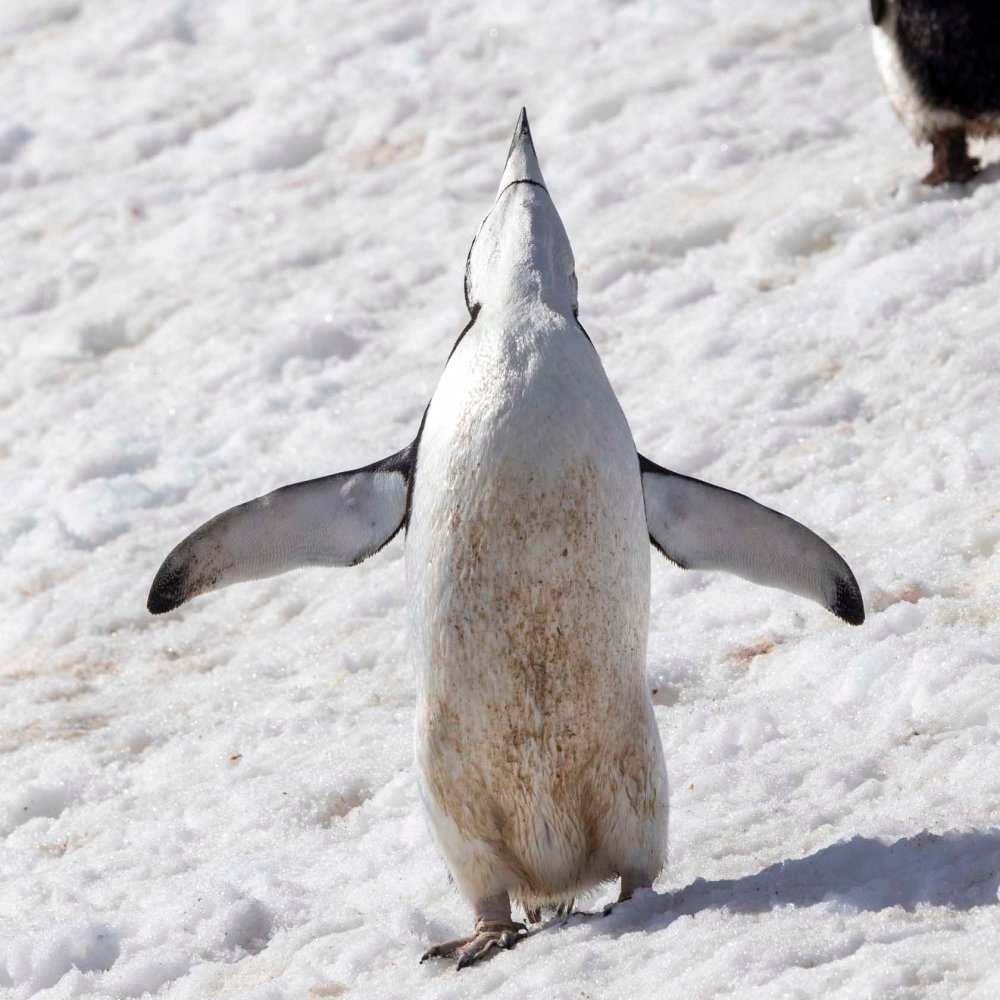
でも、彼らは海のお風呂に入ってくると、すぐにきれいになるから大丈夫です。ペンギンも私たちと同じようにお風呂に入ることは大切ですね。 But it’s all right, because they become clean as soon as they take a dip in the sea. It’s important for penguins to bathe just as it is for us, isn’t it?
こちらの3人組を見てください。真ん中のペンギンは悲惨なほど泥だらけです。 Look at this trio. The penguin in the middle is wretchedly muddy.
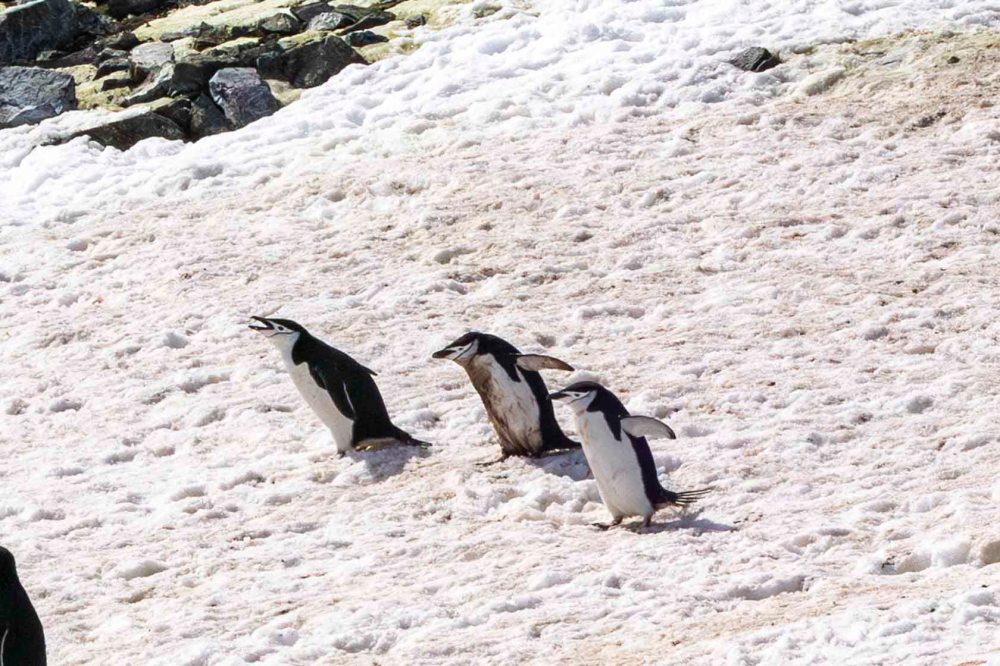
この3人組をしばらく観察した結果、おそらく家族だと結論づけました。なぜなら、彼らは海岸まで一緒に来て、両脇のペンギンは真ん中のペンギンが海に入るのを見守っているようだったからです。真ん中のペンギンはなかなか海に入れなくて躊躇していたんですね。まだ一度も入ったことがなかったのかもしれません。だから子供だと思ったわけです。そんな子供ペンギンを見かねてか、両親ペンギンが助けてくれることになりました。子供ペンギンが諦めないよう後ろから後押ししてくれたんです。その結果、無事入水できたというお話です。 After observing this trio for a while, I concluded they were probably a family. This is because they had come to the shore together, and the two penguins on either side seemed to be watching over the one in the middle as it hesitated to enter the sea. The middle penguin was struggling to get in, showing signs of hesitation. It might never have entered the sea before, which is why I thought it was a chick. Perhaps unable to bear seeing the young penguin struggle, the parent penguins decided to help. They nudged it from behind to encourage it not to give up. And so, the story goes, it managed to enter the water safely.

ラッキーにも、そんな風景をビデオに収めることができました。どうぞ、ご覧ください。 Fortunately, I was able to capture such a scene on video. Please take a look.

ペンギンだって、一番最初の海は怖いんだ! Even penguins find the very first sea voyage frightening!

その後、子供ペンギンはさんざん泳いだ後、帰ってきました。泥だらけの体は海水で洗ったので真っ白になりました。嬉しそうですね。 Afterwards, the baby penguin returned, having swum about to its heart’s content. Its muddy body had been washed clean with seawater, leaving it pure white. It looked rather pleased with itself.
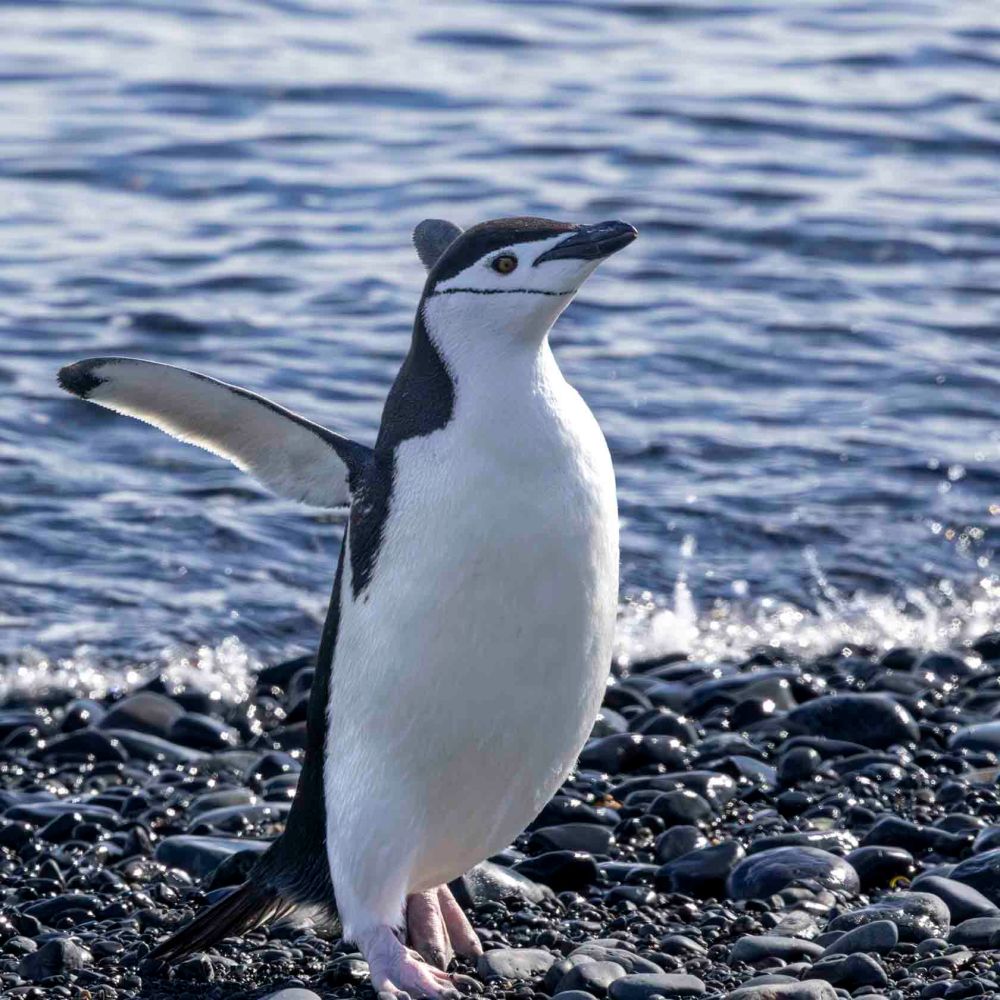
穏やかなハーフムーン島での朝でした。 It was a peaceful morning on Half Moon Island.
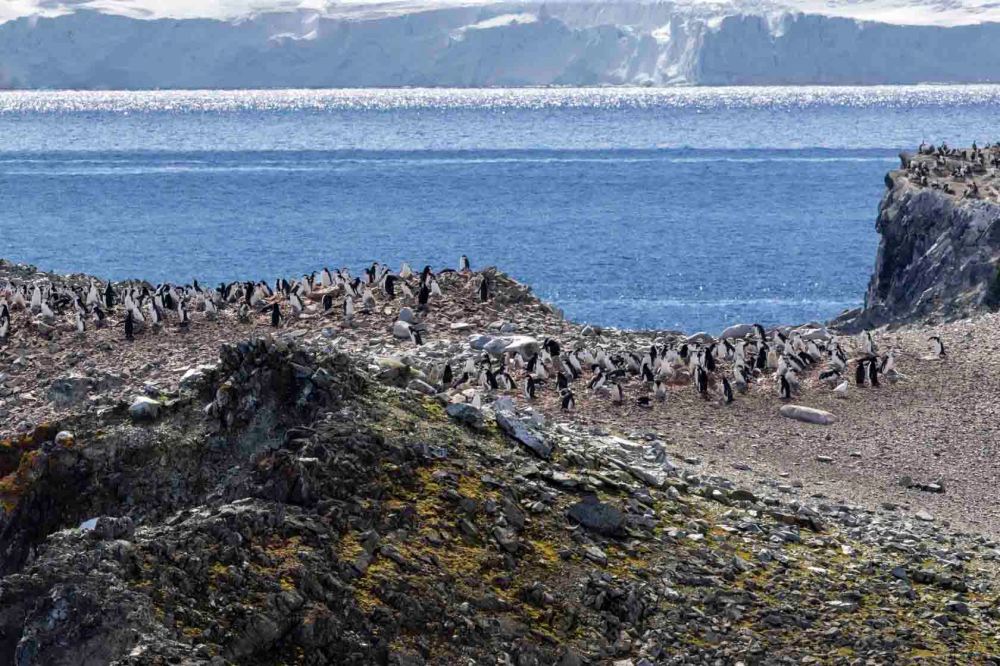
ヒゲペンギンのコロニー A colony of chinstrap penguins

アンデスを走る Running Through The Andes


高校生の頃からアンデス山脈を歩いてみたいという漠然とした夢がありました。 Ever since high school, I’ve had a thought of someday hiking the Andes Mountains.

その頃は具体的な場所や特性の知識もなく、調べてみようという気すらありませんでした。それが25年ほど前、ガラパゴス諸島を訪れることになり、エクアドルのキトから行ける場所を調べ始めて知識量がぐっと増えました。結局その時は10歳の息子のと二人だけだったので、ツアーガイドにコトパクシの中腹まで連れて行ってもらっただけでした。もちろん、車でです。だから、アンデス山脈には行っていますが、歩いてはいません。 Back then, I had no knowledge of specific locations or characteristics, and I didn’t even feel like looking into it. That changed about 25 years ago when I ended up visiting the Galápagos Islands. I started researching places accessible from Quito, Ecuador, and my knowledge grew significantly. Ultimately, since it was just me and my 10-year-old son at the time, we only had a tour guide take us halfway up Cotopaxi. By car, of course. So, while I’ve been to the Andes Mountains, I haven’t walked there.

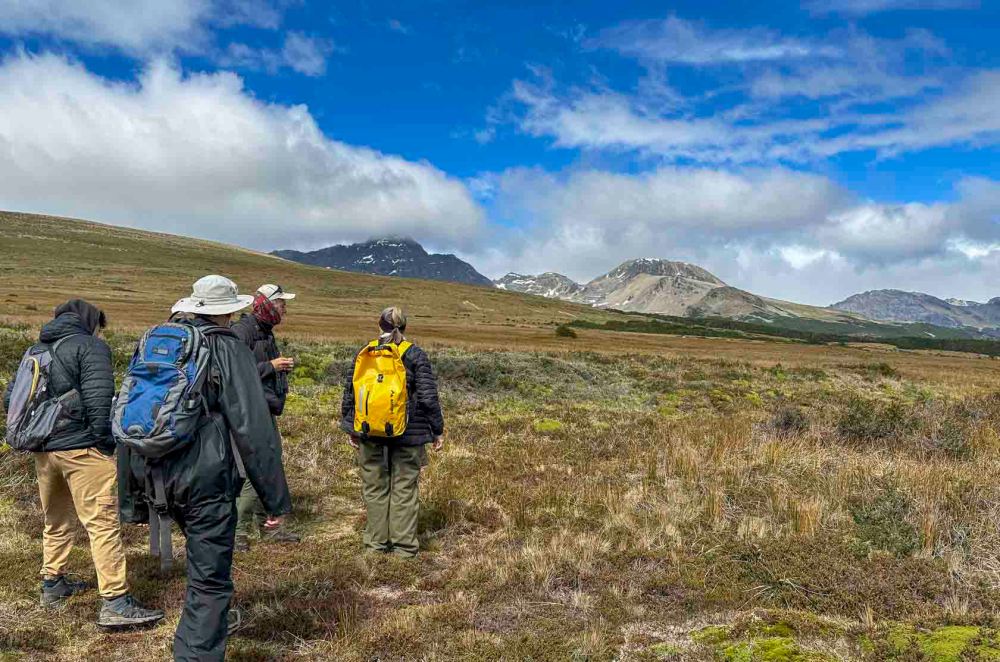
鳥の専門家と私たち、そしてもう一人の鳥の愛好家の5人。 Five of us: the bird experts, us, and another bird enthusiast.

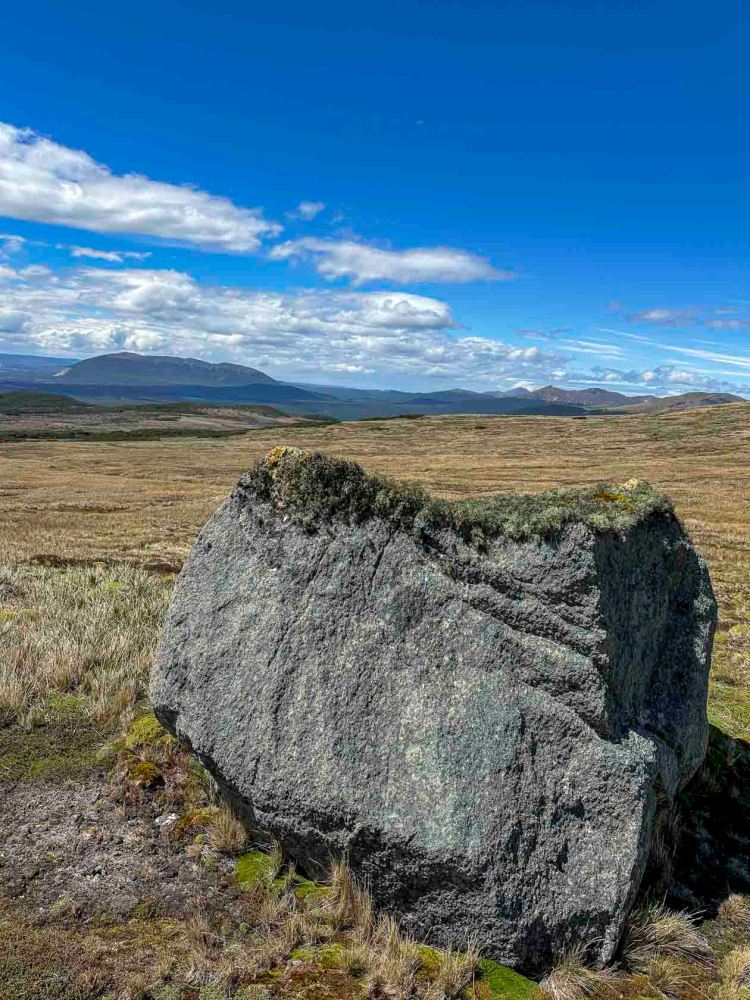
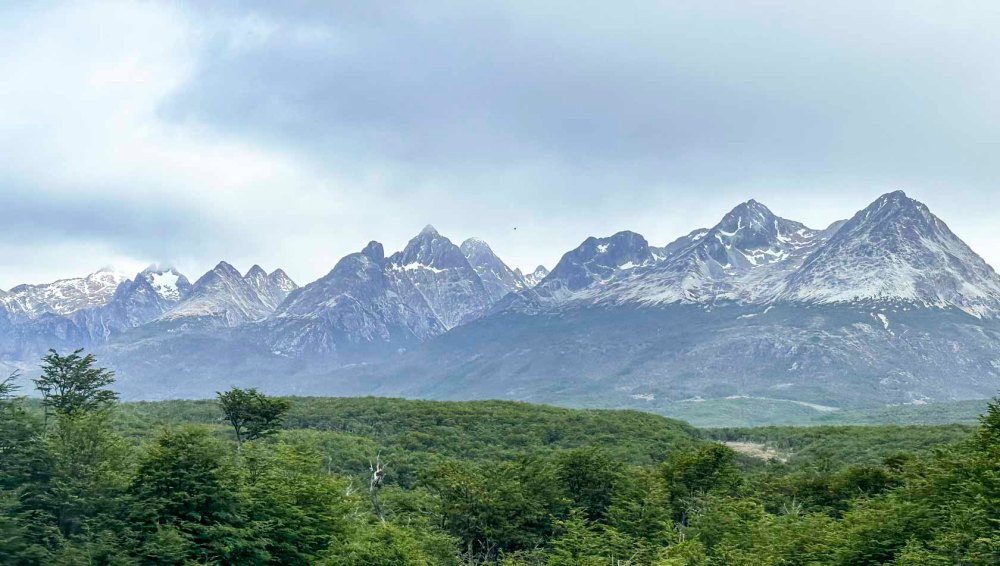
アンデス山脈は世界最長の山脈で、南アメリカの西側をすべて指しているとも言えます。これは大昔、白亜紀の頃からナスカプレートが南アメリカ大陸プレートの下に潜り込み、その結果、西側が隆起して現在の形になっとと言われています。 The Andes are the world’s longest mountain range, stretching across the entire western side of South America. It is said that long ago, during the Cretaceous period, the Nazca Plate subducted beneath the South American Plate. As a result, the western side was uplifted, forming the range as we know it today.

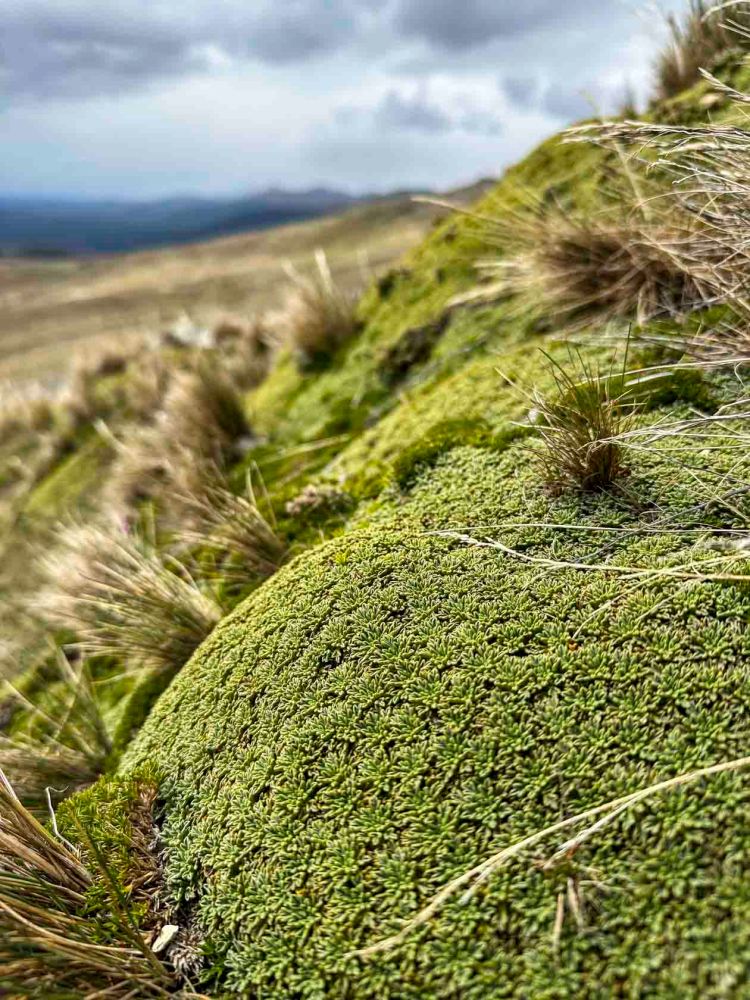
今回はウシュアイアから日帰りで、南アンデスの南端に行くことができました。目的はもちろん、鳥探しです。合計13種の鳥の写真を撮ることができました。 This time, I managed to make a day trip from Ushuaia to the southernmost tip of the Southern Andes. My goal, of course, was birdwatching. I was able to photograph a total of 13 bird species.

鳥探しは、大抵の場合、こんな感じで始まります。誰かが双眼鏡で鳥を見つけると、一斉に、静かに、でも、早歩き、もしくは、走って近くまで行きます。時々、這いつくばって崖を登ります。その間、鳥はスイスイと飛んでいってしまう。それでもめげず、強風の中を飛ばされないように走り続けるんです。 Birdwatching usually starts like this. When someone spots a bird through binoculars, everyone quietly but quickly walks or runs closer. Sometimes we crawl up cliffs. Meanwhile, the bird glides smoothly away. Undeterred, we keep running, trying not to get blown away by the strong wind.

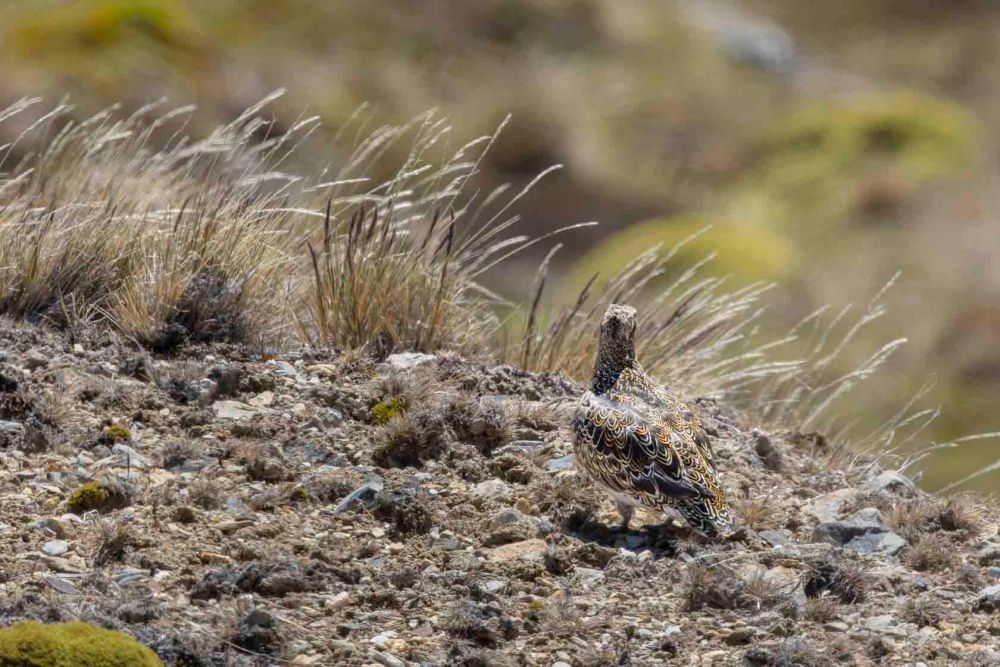
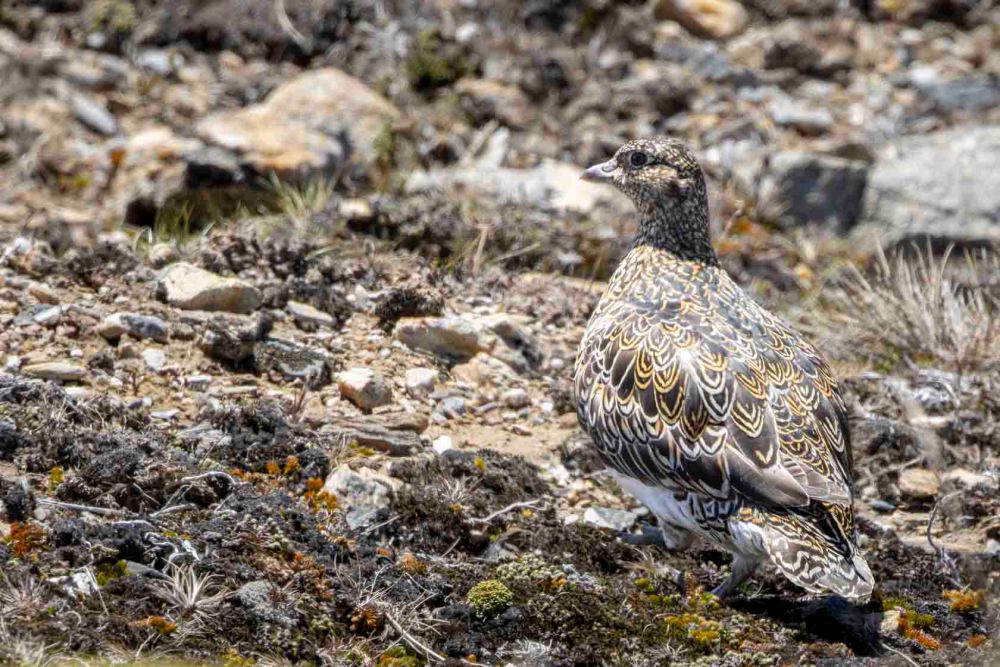
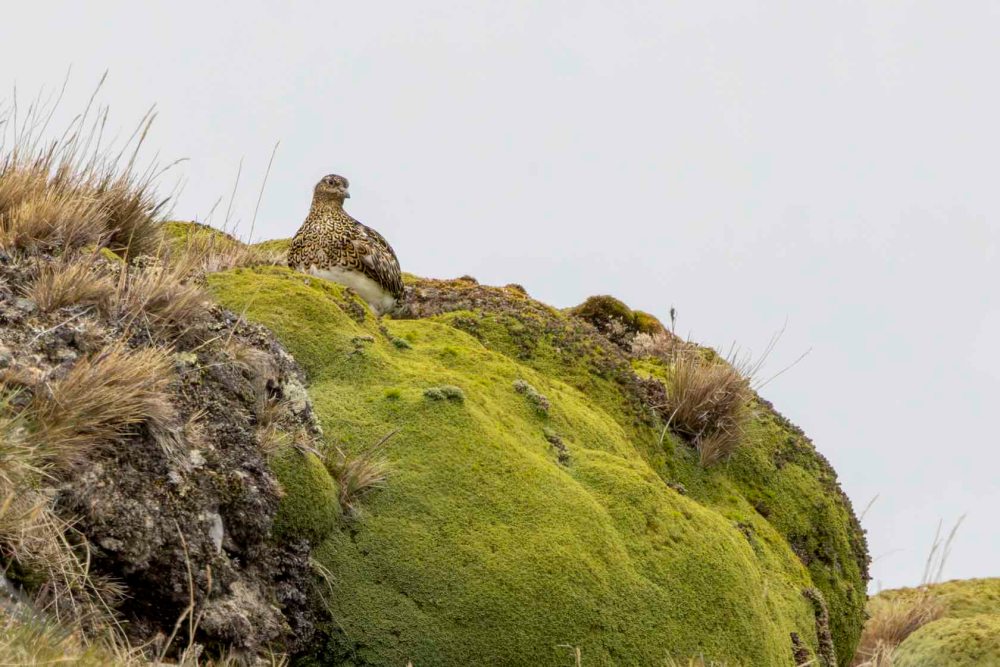
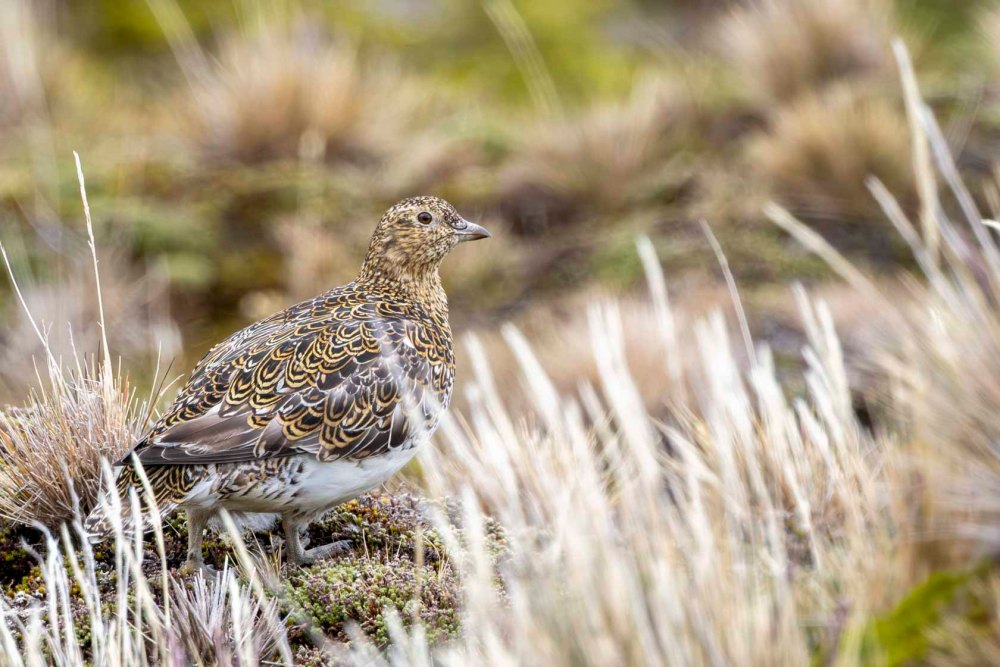
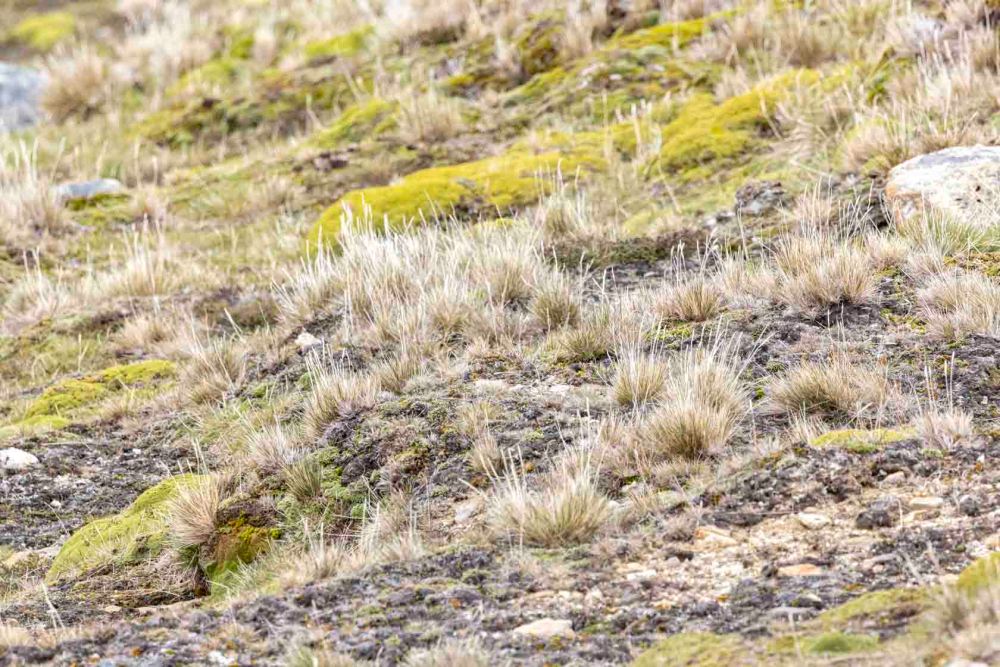
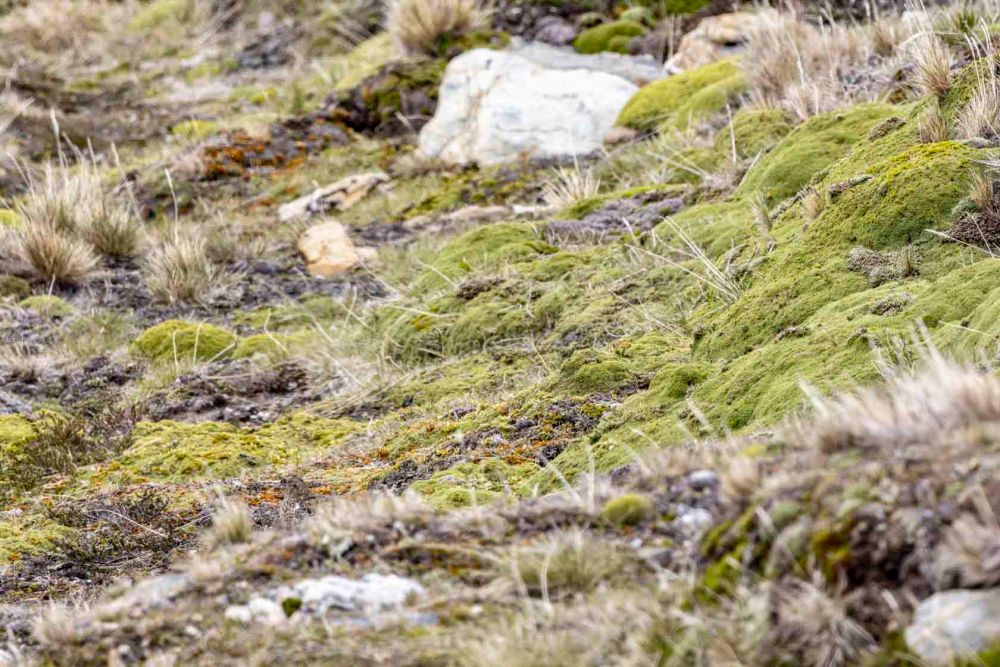
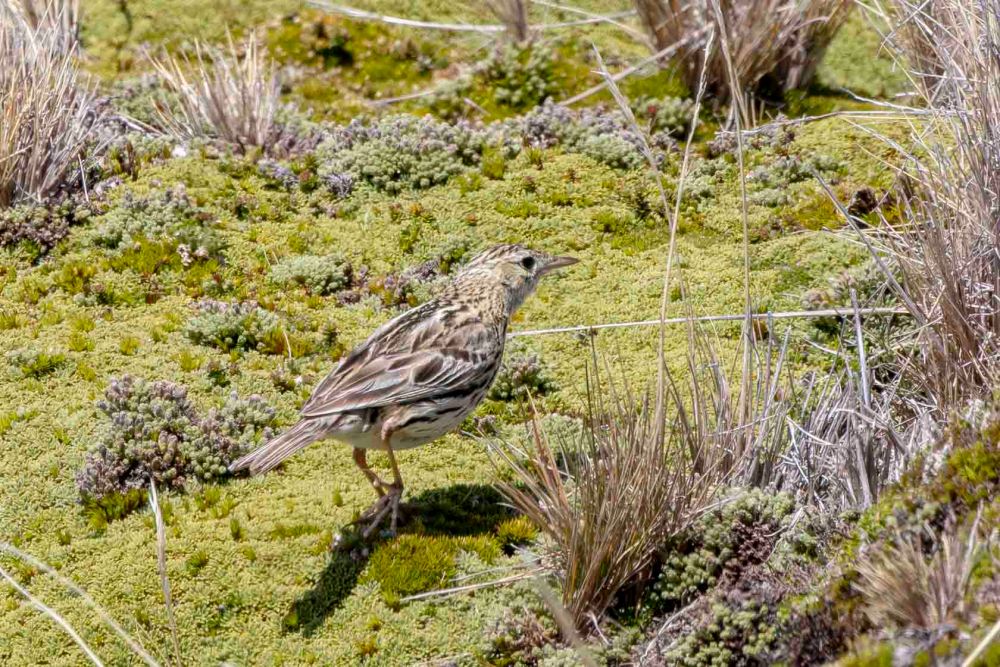
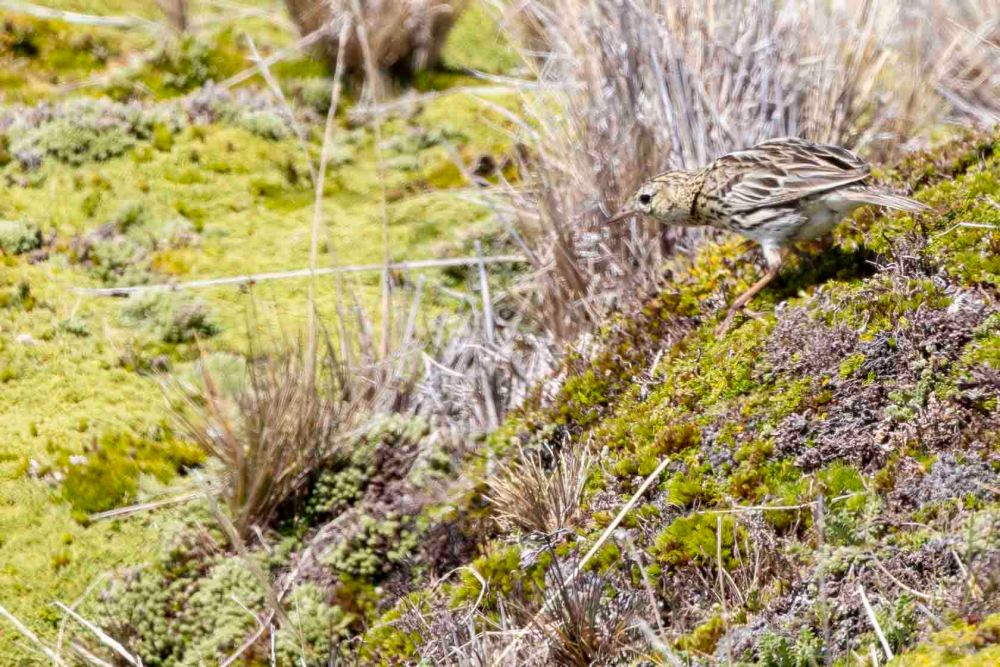
この日の私のハイライトはシロハラオオヒバリチドリでした。何といっても、一番苦労したからです。 My highlight of the day was White-bellied Seedsnipe. After all, it was the one that took the most effort.

苦労した理由はたくさんありますが、私の場合は、みんながあそこにいると言っても、どこにいるかわからない。たとえば、下の写真、シロハラオオヒバリチドリがどこにいるか見つけられますか?見つけられたら拍手喝采を差し上げます。 There are many reasons why it was difficult, but in my case, even if everyone says it’s there, I can’t figure out where it is. For example, in the photo below, can you find where the White-bellied Seedsnipe is? If you can find it, I’ll give you a round of applause.

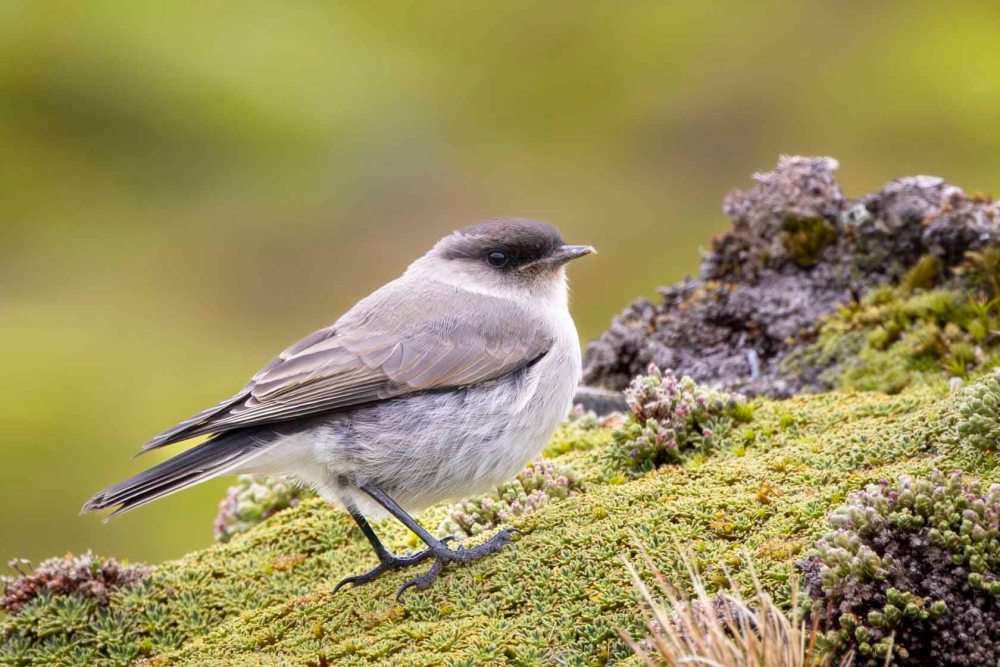
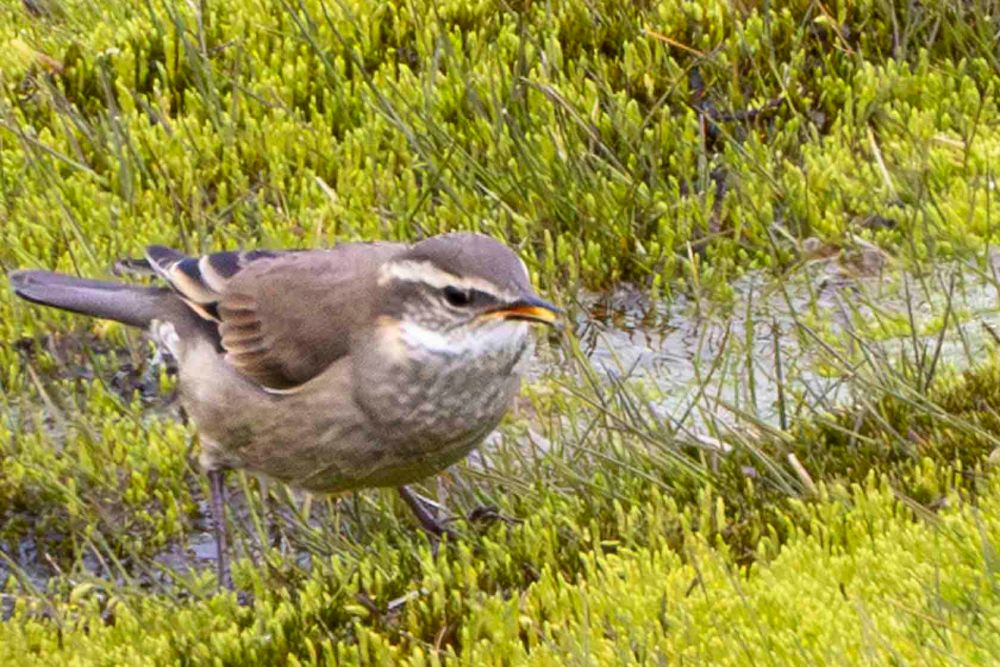
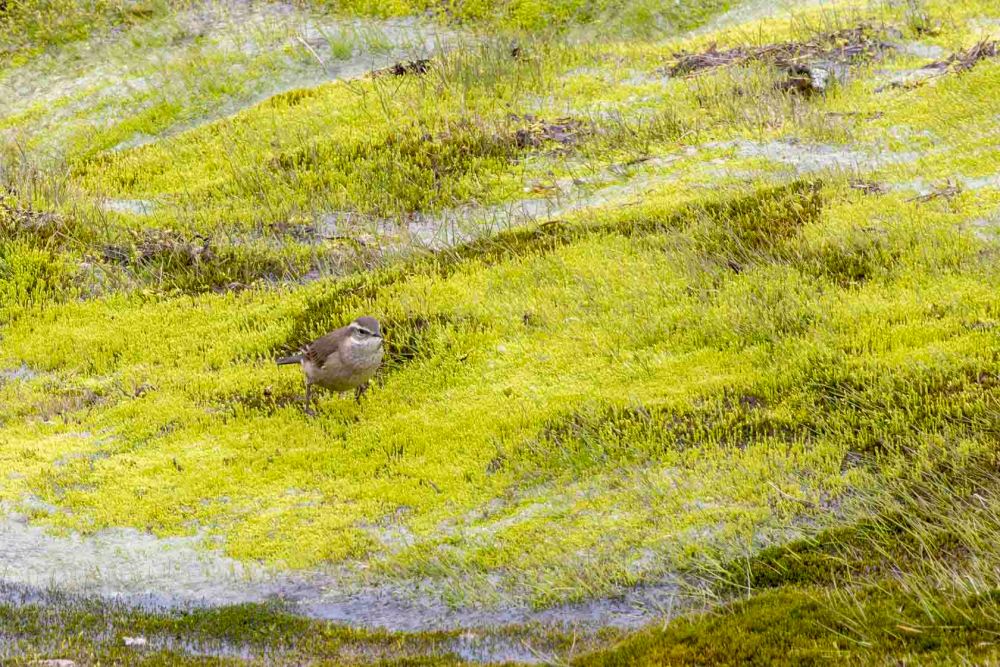
次に嬉しいゲットはかわいいカオグロイワタイランチョウです。 Next up is a delightful catch: Dark-faced Ground Tyrant.

こんなに小さな鳥ですがタイランチョウなので虫を食べます。今回、そのシーンを目撃したので、11枚の写真をビデオにしました。どうぞご覧ください。他の鳥と同じように、捕まえた獲物は一度口から離して様子を見ます。その後、猛烈な勢いで獲物を地面に叩きつけ、飲み込みます。 Though it’s such a small bird, it’s a tyrant flycatcher, so it eats insects. This time, I witnessed that scene and made a video of 11 photos. Please watch it. Like other birds, it first releases its captured prey from its beak to observe it. Then, it violently slams the prey onto the ground and swallows it.

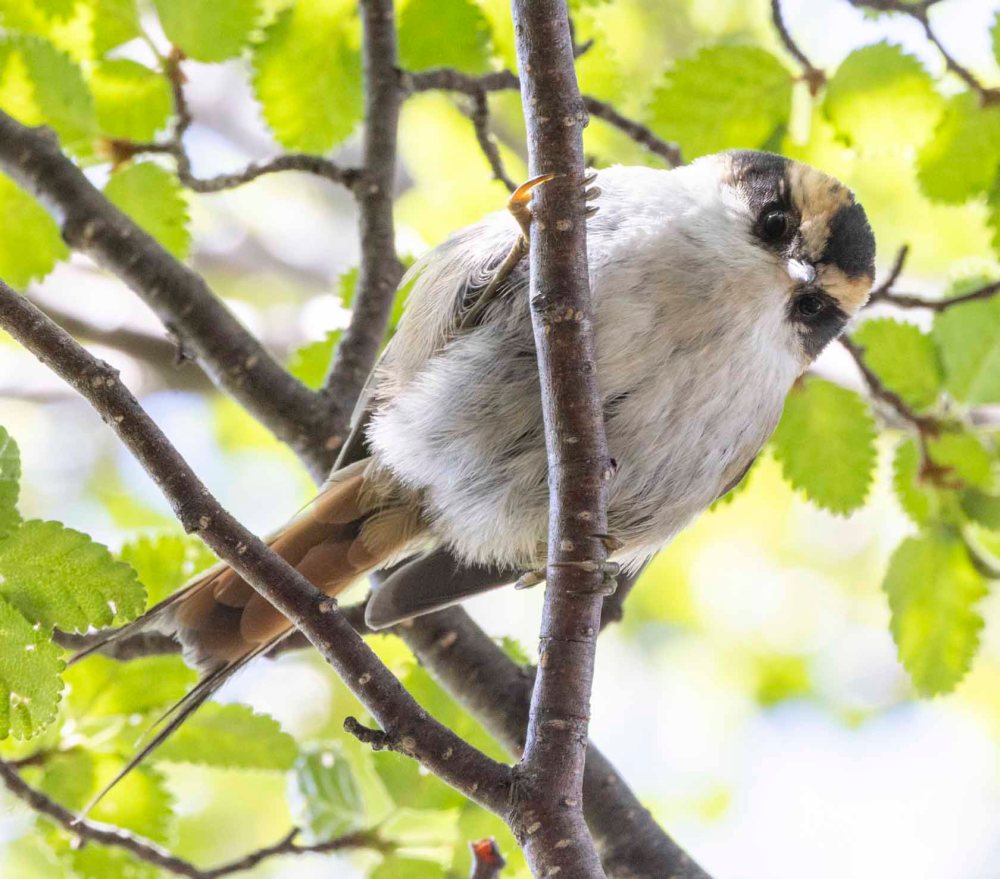
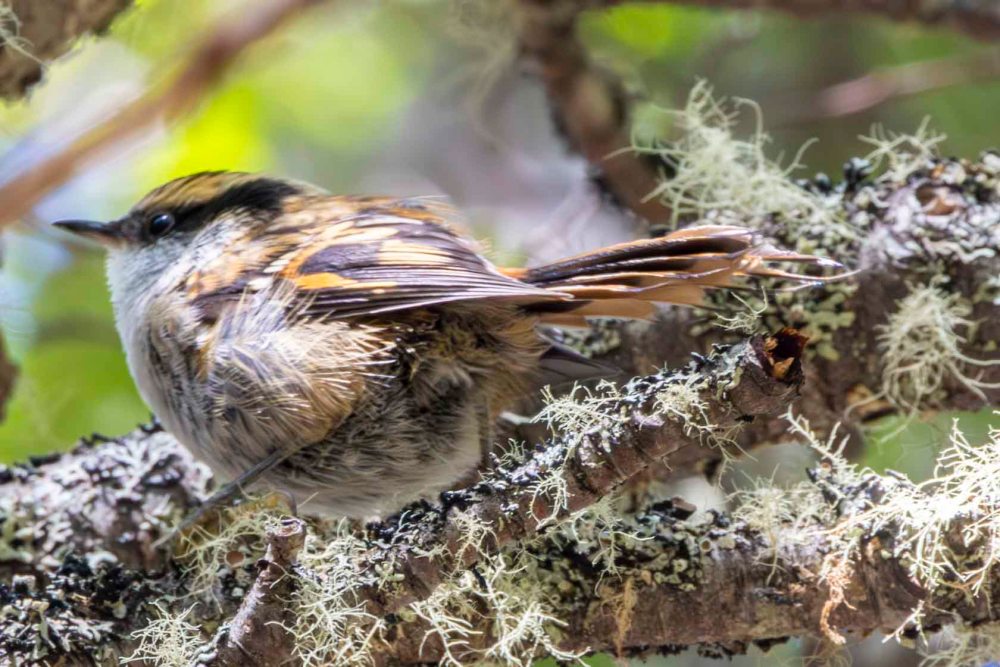
こちらは、ハリオカマドドリです。尻尾が針やトゲのように尖っている所からつけられた名前です。ホテルの近くでよく見ていたのに、すばしっこすぎて写真に収めらなかった鳥です。でも、この日、撮れました。やったね! This is the Thorn-tailed Rayadito. Its name comes from its tail, which is sharp like needles or thorns. I often saw this bird near the hotel, but it was too quick to capture in photos. But today I captured it. Yay!

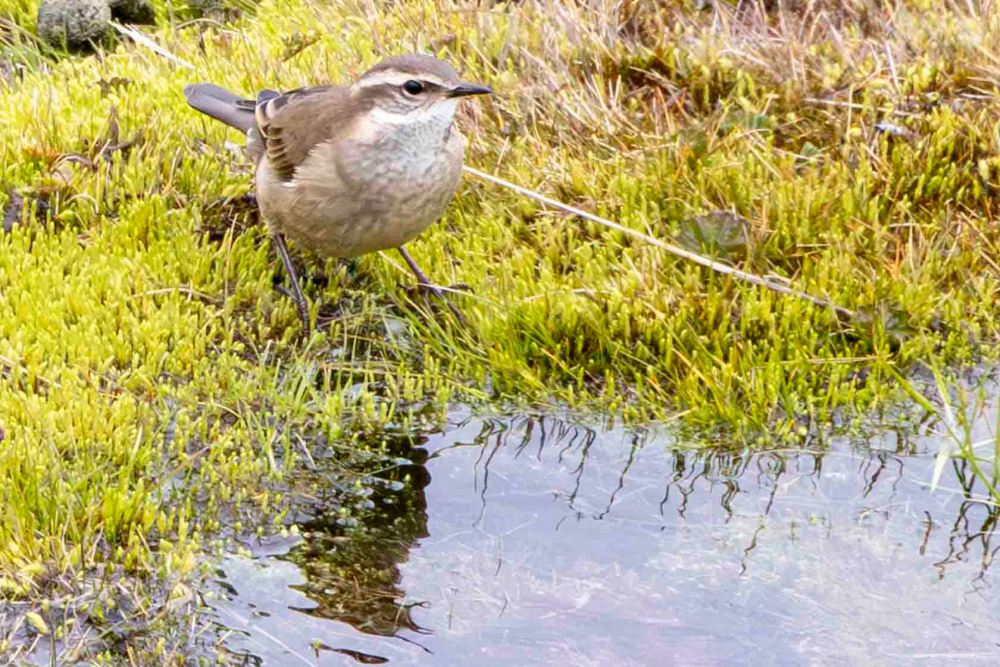
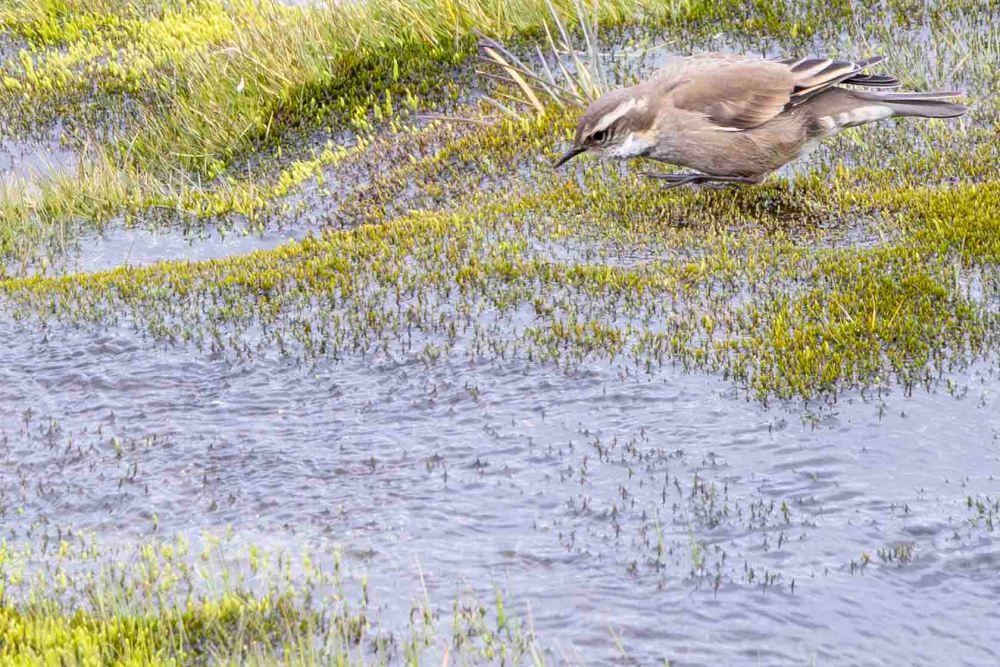
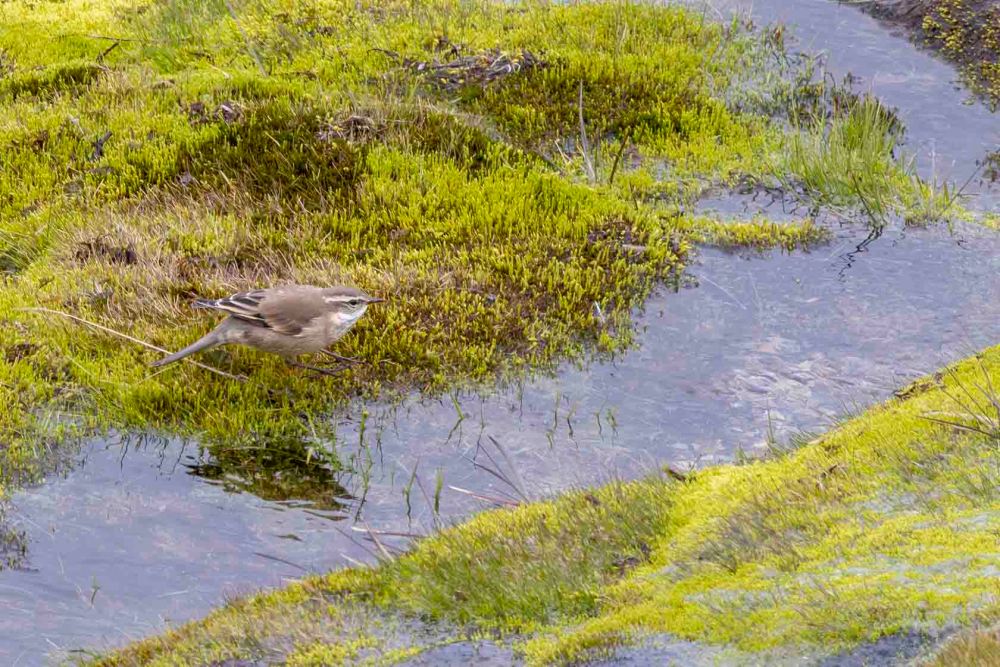
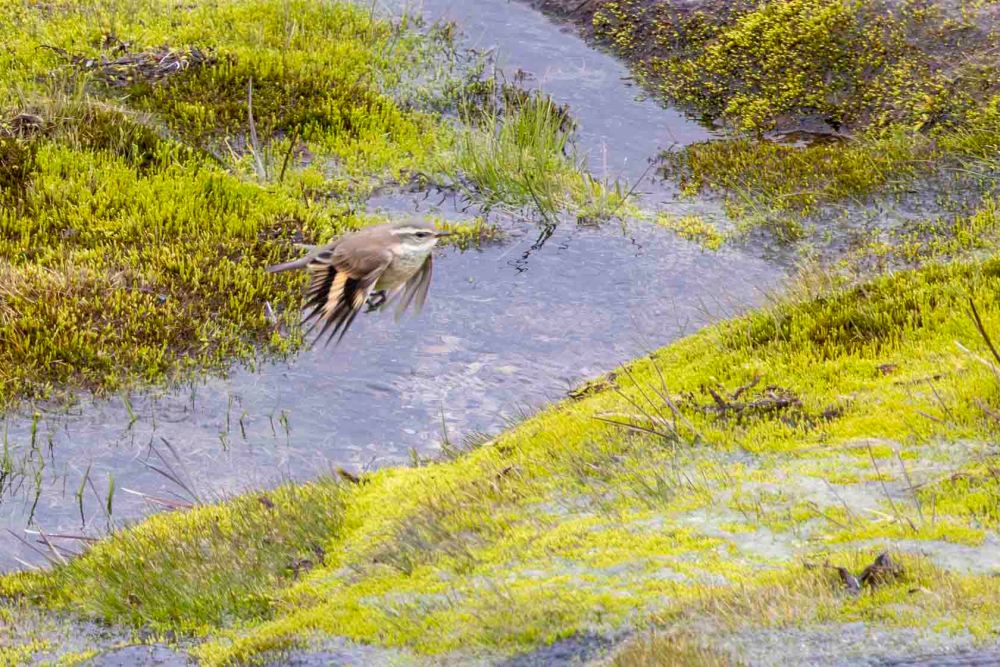
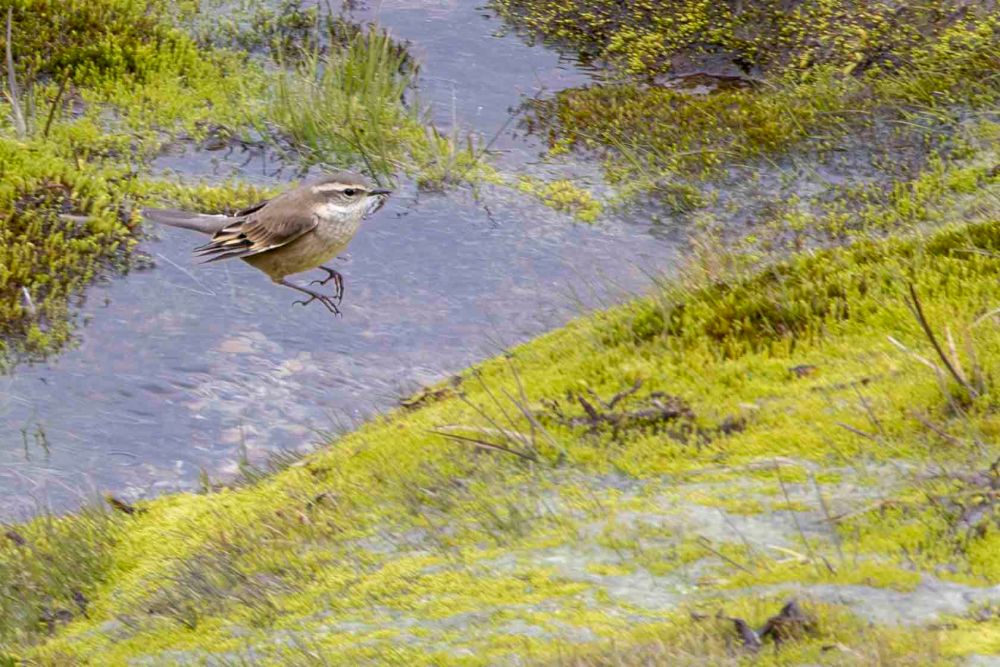
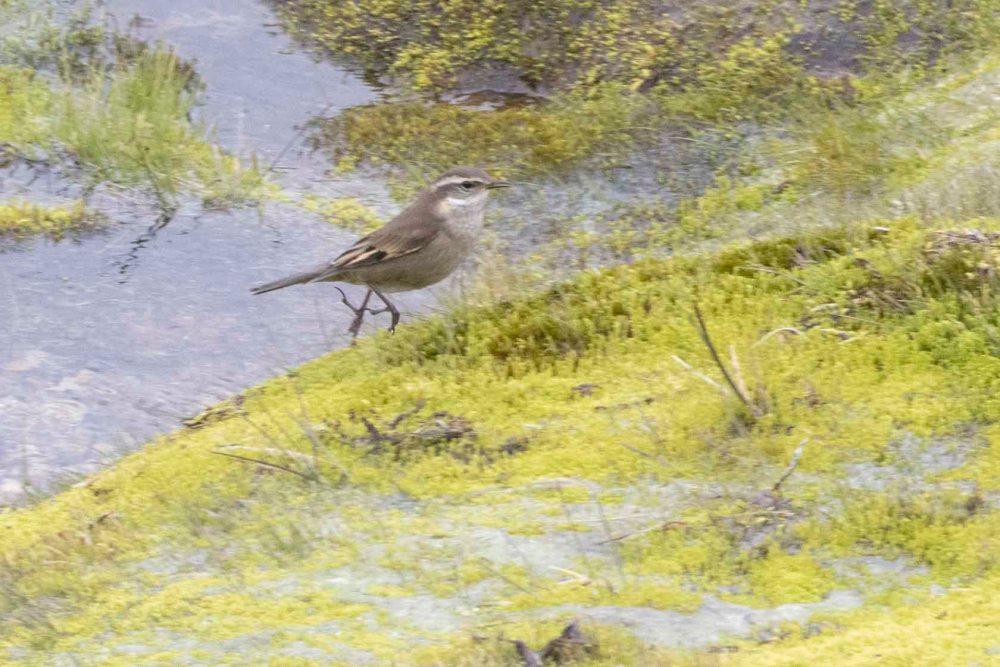
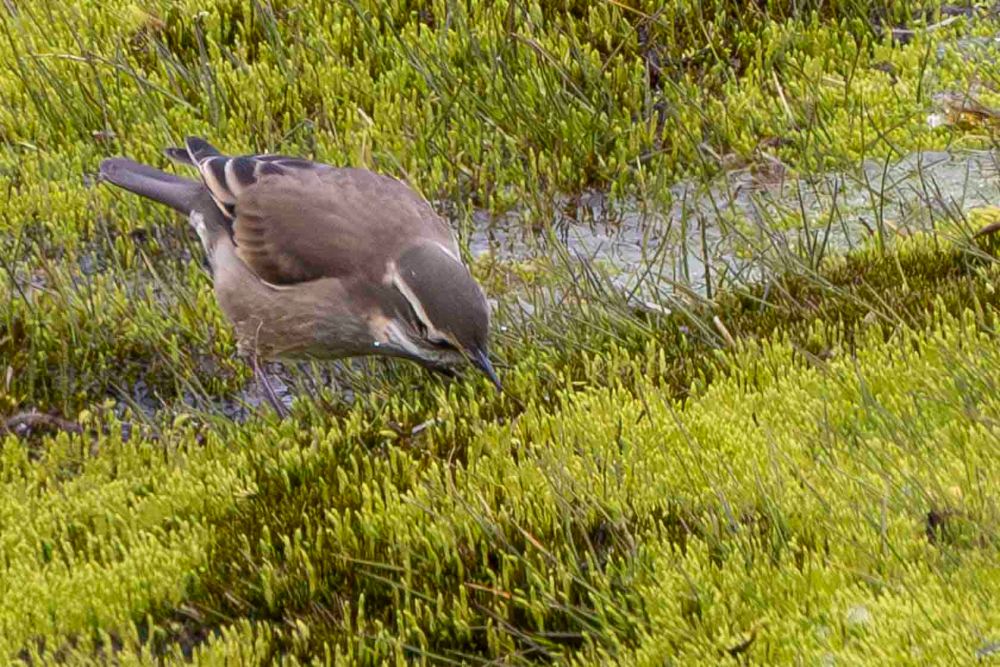
次はこちら、オビバネカワカマドドリ。ハリオカマドドリと同様に、カマドドリ科に属しています。英語でも日本語でもこの名の由来はカマドのような巣を作ることから名付けられました。 Next up is the Buff-winged Cinclodes. Like Thorn-tailed Rayadito, it belongs to the Furnariidae family. Both the English and Japanese names derive from the fact that it builds a nest resembling a stove.

オビバネカワカマドドリは川の周辺で見られる事から付けられた名前だと想像します。 I imagine the name Buff-winged Cinclodes was given because it is often seen near rivers.

川の周辺の水生無脊椎動物、ミミズなどを食するので川の近くで見かけるというのは自然な事ですね。この日も鋭い視力で獲物を見つけるとパッと飛んでゲットしました。パクリと食べたら休む暇もなく次の獲物に突進して行きました。 It’s only natural to spot them near rivers since they feed on aquatic invertebrates like earthworms found in river environments. That day too, spotting prey with its sharp eyesight, it darted out and snatched it up. After gobbling it down, they charged straight for the next target without pausing to rest.

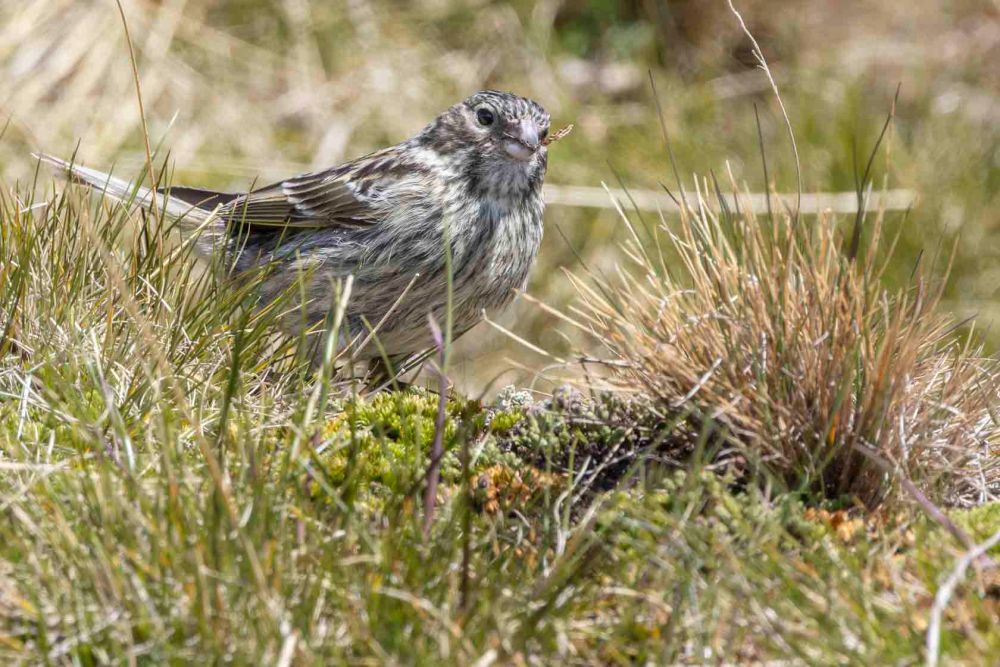
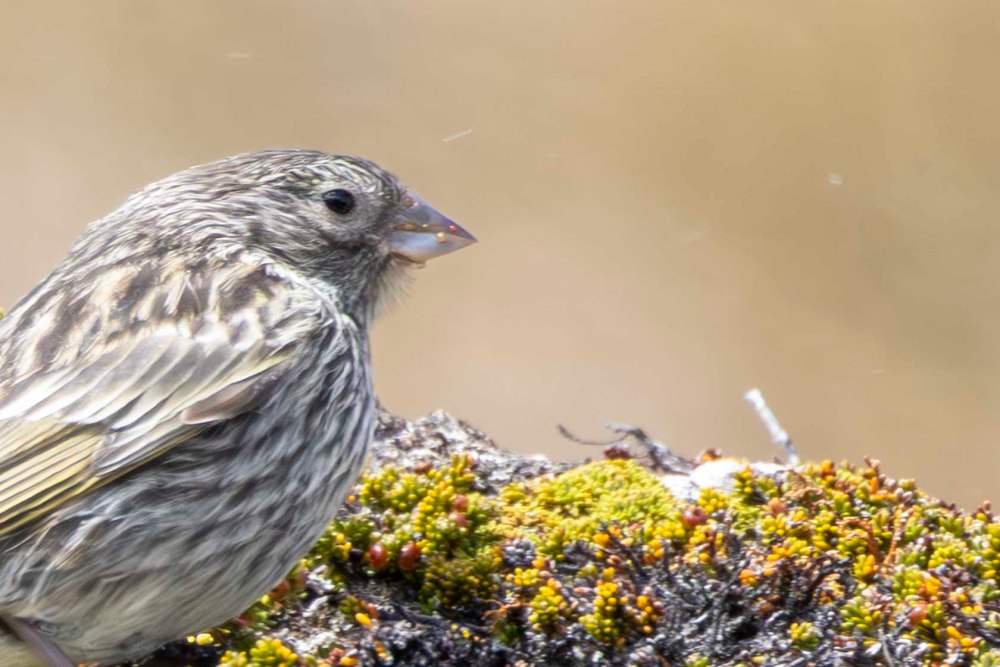
こちらはノドグロシシドのメスです。種をたくさん嘴の周りにつけて、お食事の後のようです。 This is a female White-bridled Finch. She has seeds stuck all around her beak, looking like she just finished her meal.

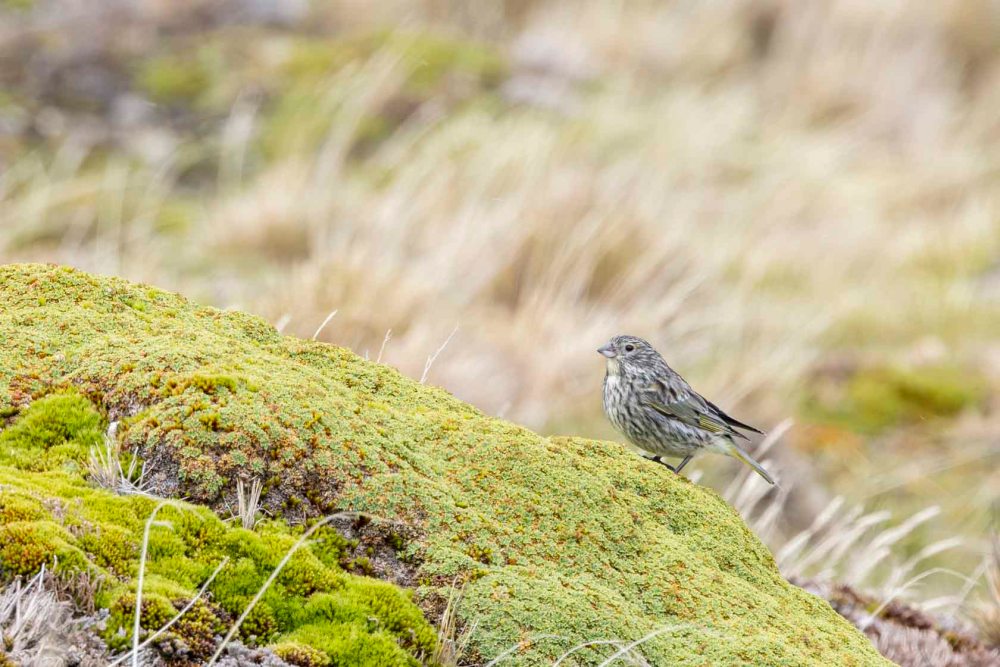
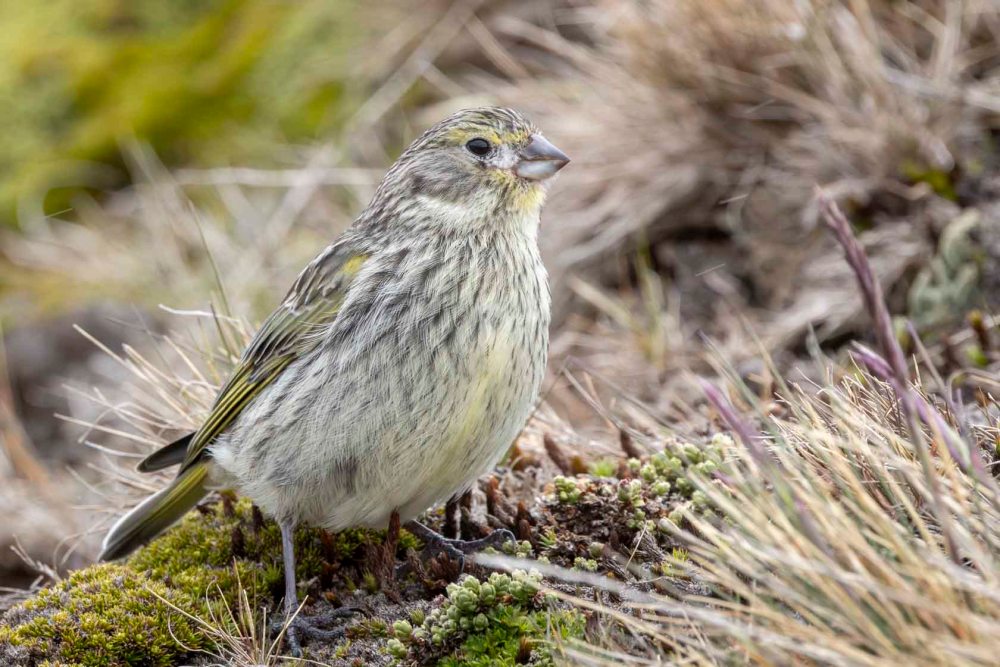
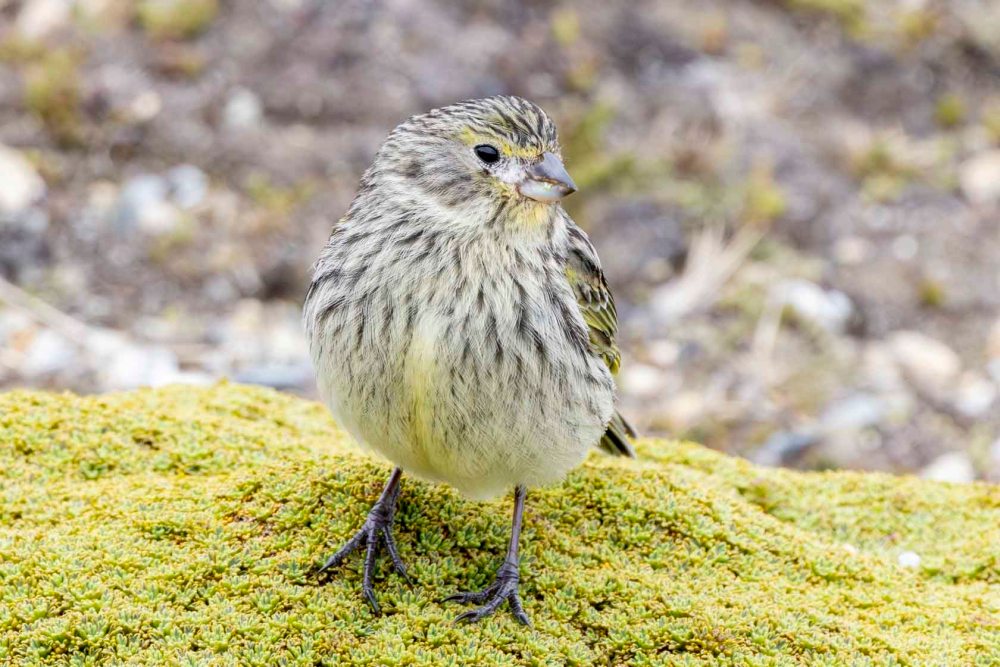
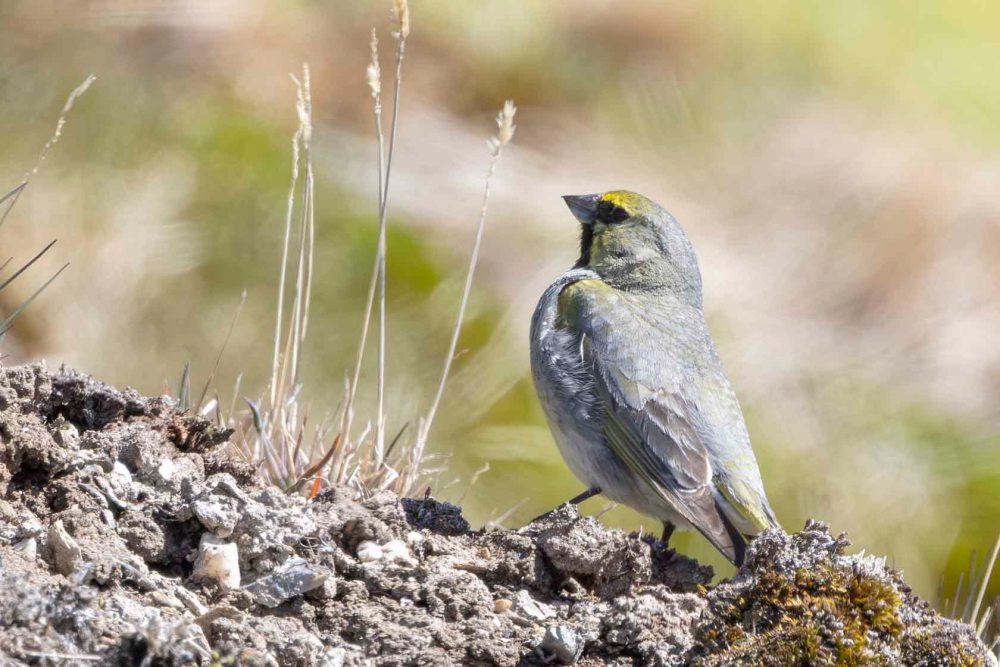
こちらはミドリノドグロシシドのメスとオスです。メスはどの鳥も似ていて見分けるのが難しいです。 These are a female and male Yellow-bridled Finch. Females of all birds look similar and are difficult to distinguish.

セジマタヒバリです。 This is a Correndera Pipit.

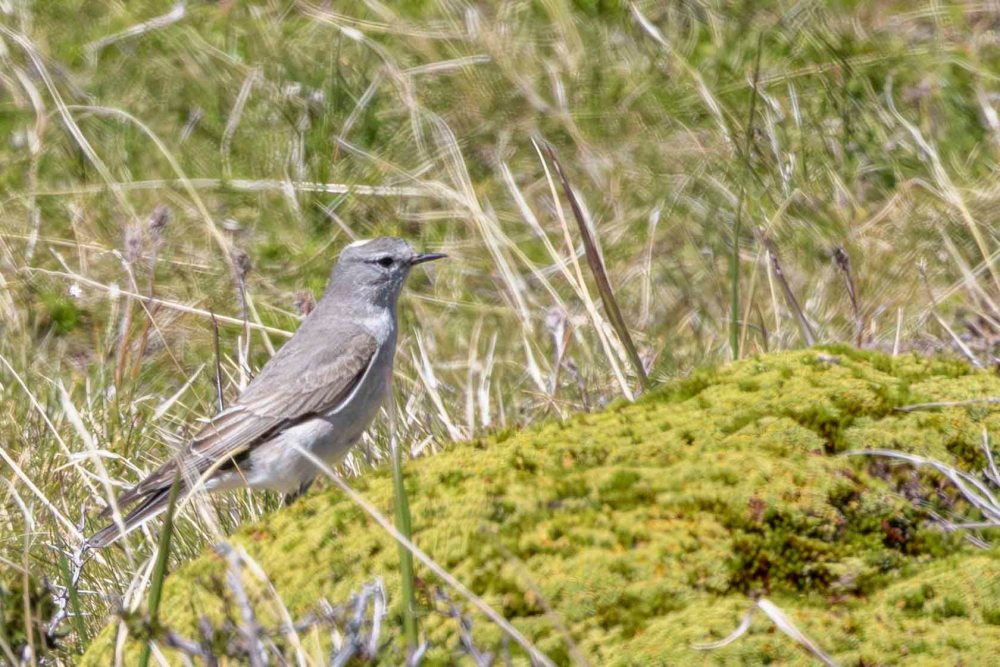
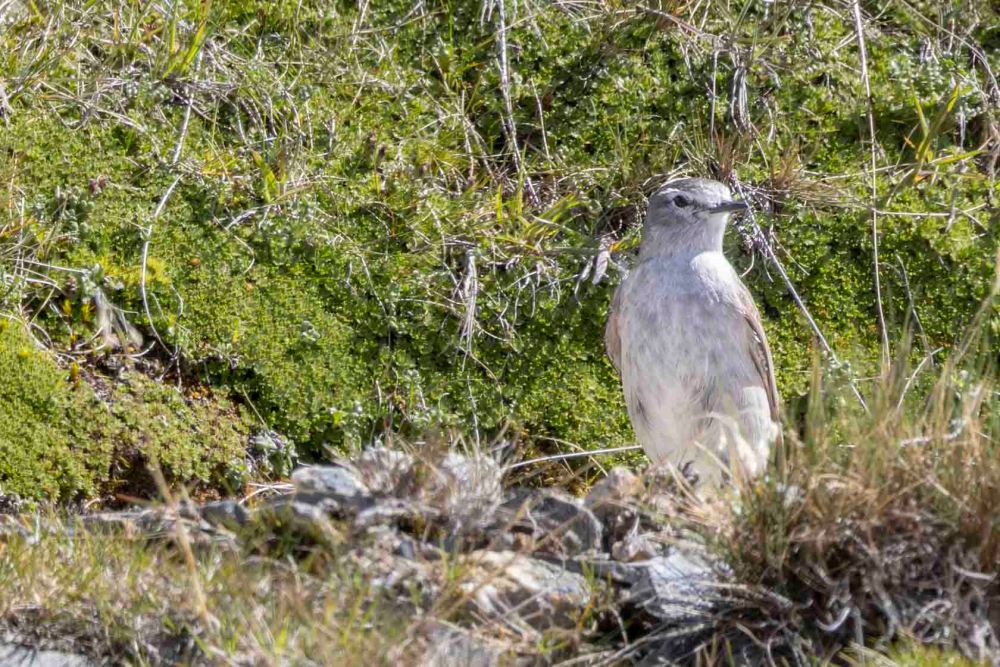
シロビタイイワタイランチョウです。頭の上に白いマークが付いています。 This is a Ochre-naped Ground Tyrant. It has a white mark on its head.

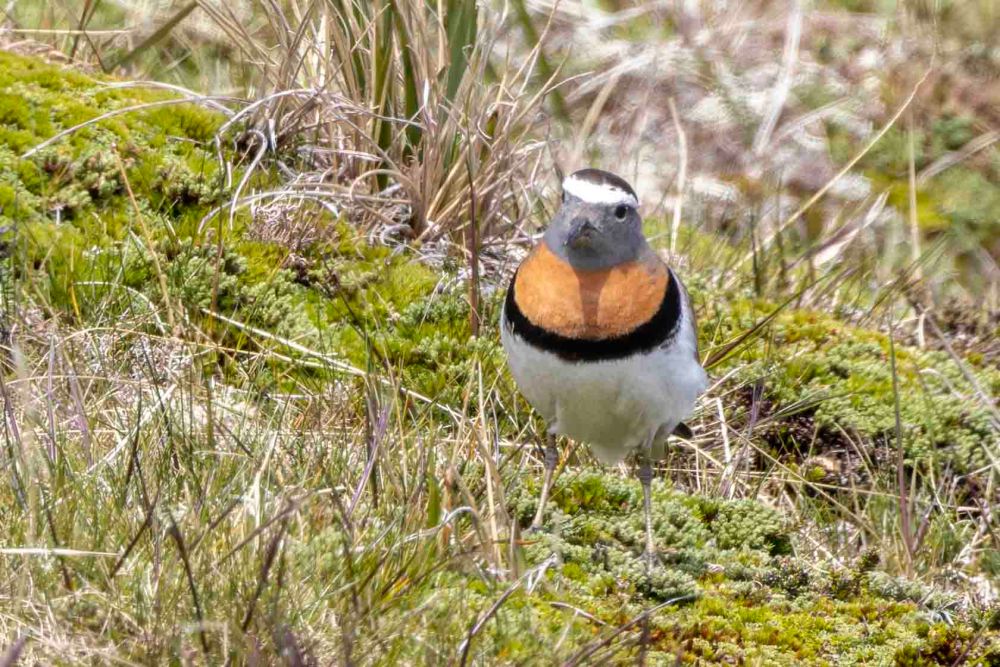
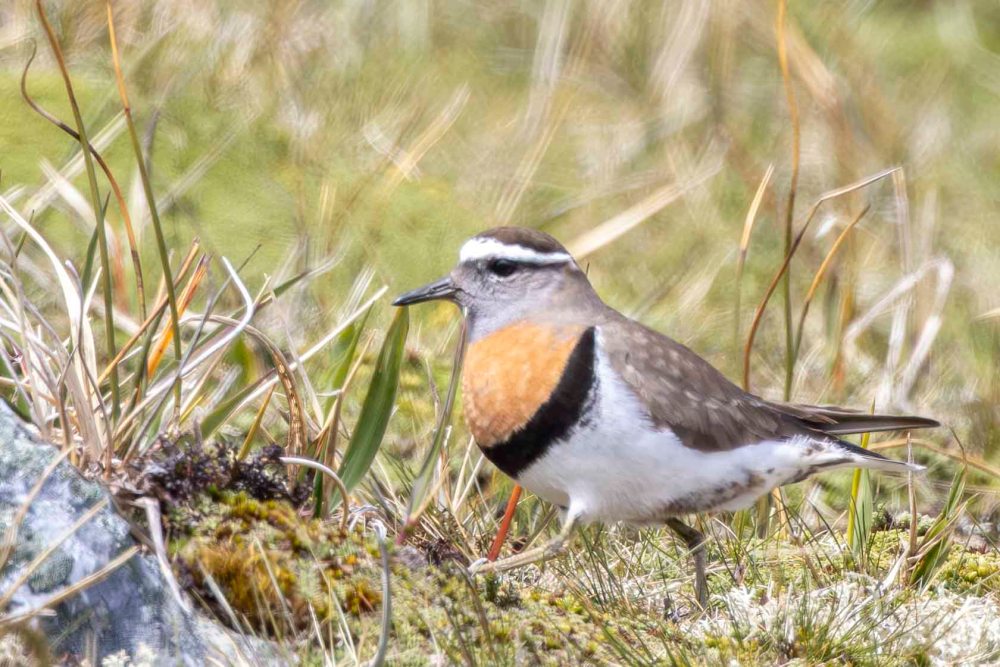
ムネアカチドリです。白いハチマキのお兄さんという雰囲気がします。 This is a Rufous-chested Dotterel. It has the vibe of a guy with a white headband.
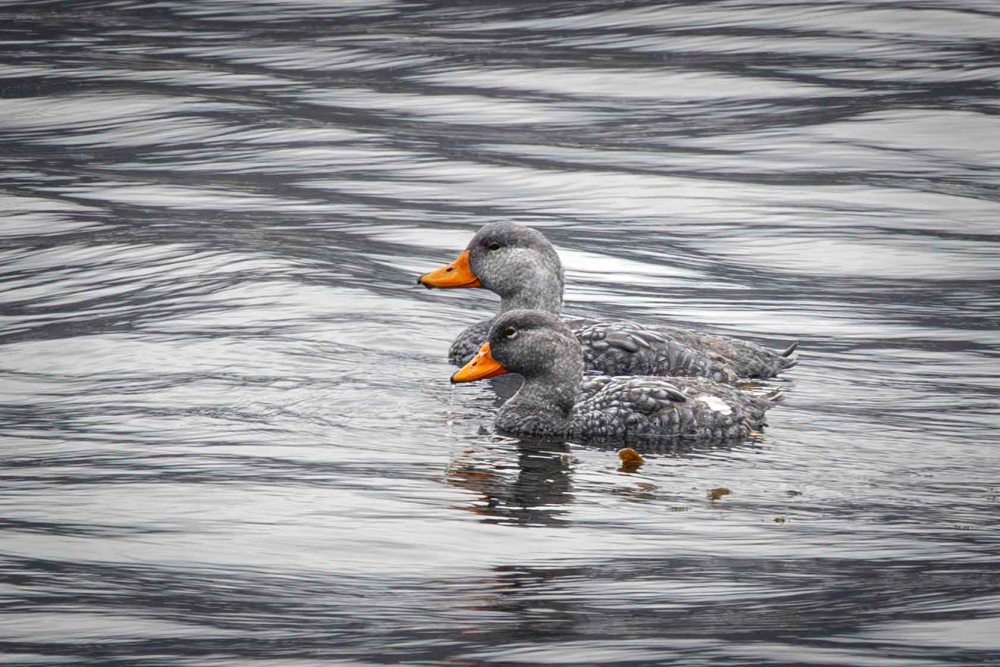
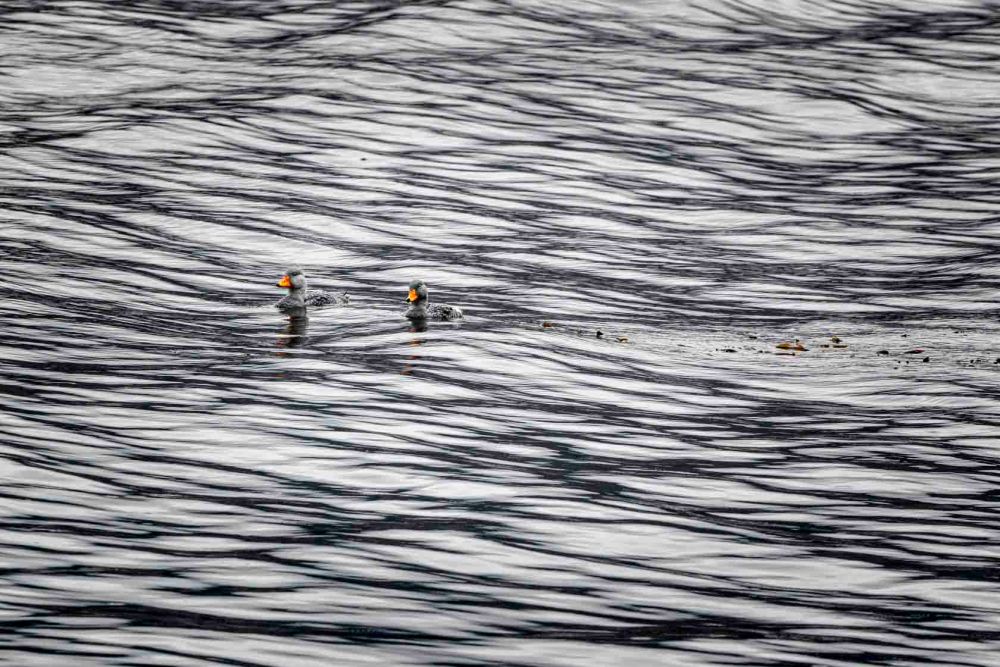
飛ばない鳥、オオフナガモ。 The flightless bird, Flightless Steamer Duck.
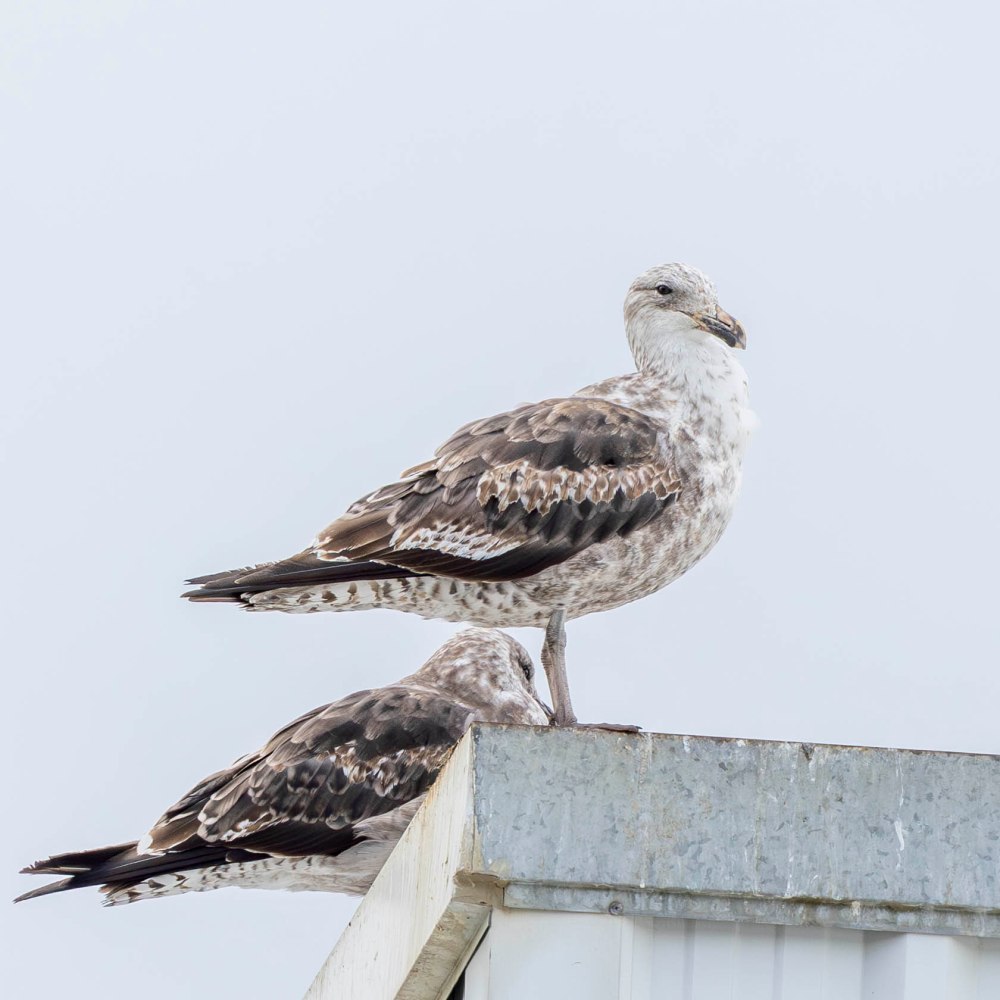
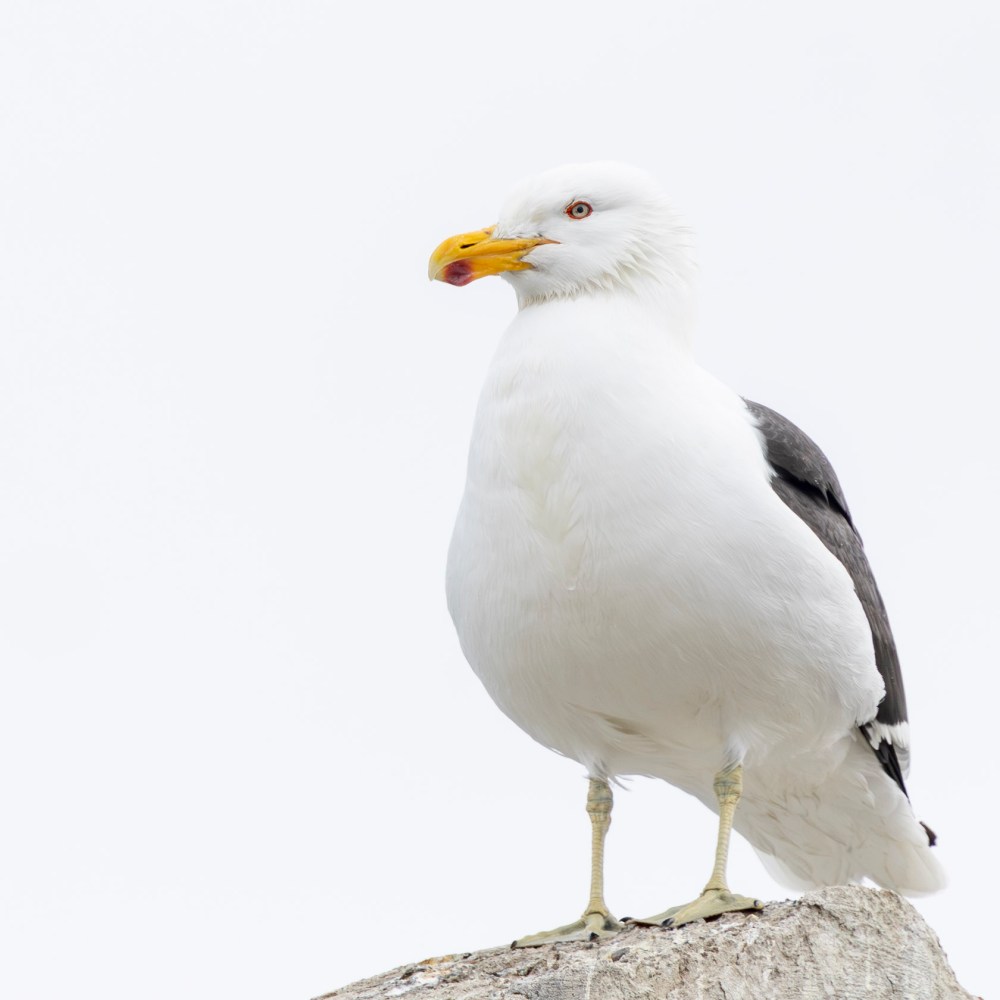
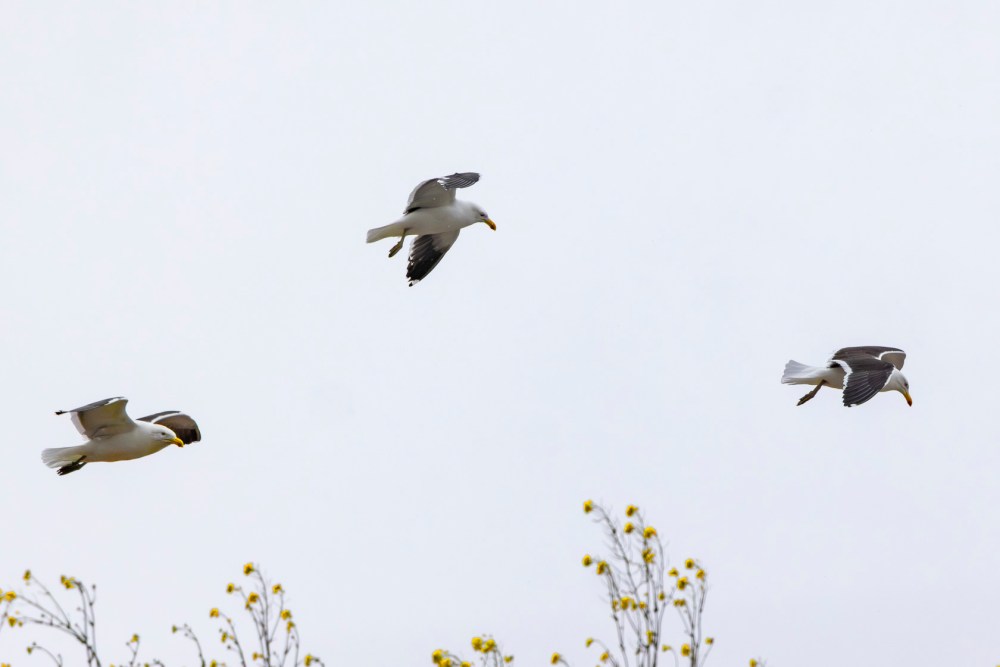
ミナミオオセグロカモメです。右側が未成年。名前の通り、翼の上は黒いです。 These are Kelp Gulls. The two on the right are juveniles. As its name suggests, the upper wings are black.

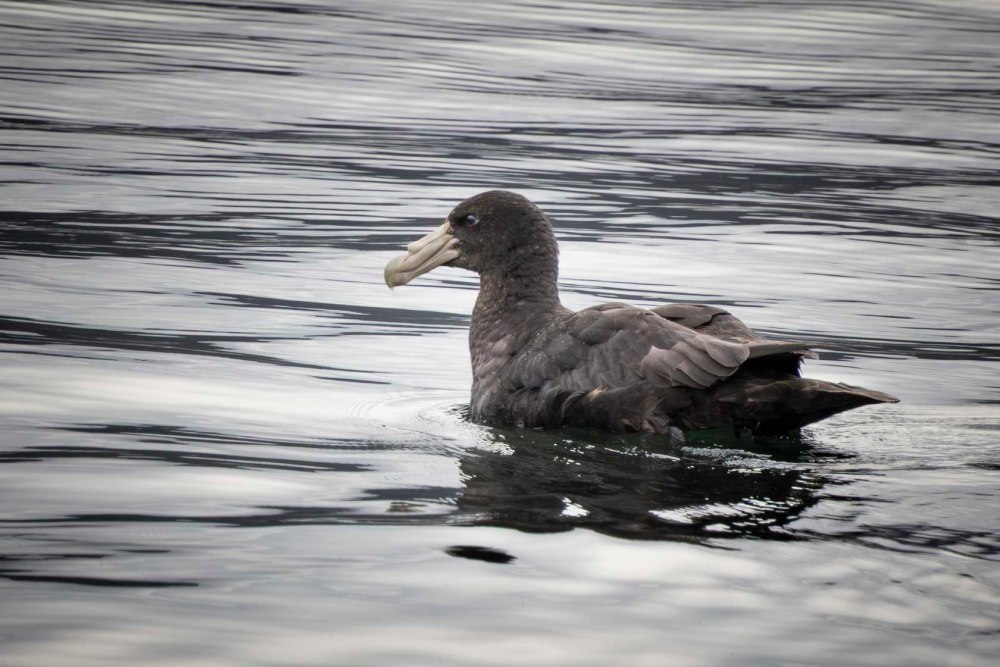
最後に、オオフルマカモメです。 Lastly, the Southern Giant Petrel.

これでこの日の鳥の紹介は終了です。 That’t it! This concludes today’s bird introductions.

でも、後もう一つ、どうしても紹介したいものがあります。それはラマ科のグアナコです。アンデス山脈を駆け巡るグアナコ、気持ちよさそうです。そして、私もアンデスの草原を鳥尾追いかけてクタクタになってしまいましたが、夢が叶って心は暖かくなりました。毎度のことですが、以下、質の悪いビデオで失礼致します。 But there’s one more thing I absolutely must introduce: the Guanaco, a member of the llama family. The Guanaco galloping across the Andes looks like it’s having the time of its life. And while I ended up completely exhausted chasing birds across the Andean grasslands, my dream came true and my heart felt warm. As always, apologies for the poor video quality, but please watch it.