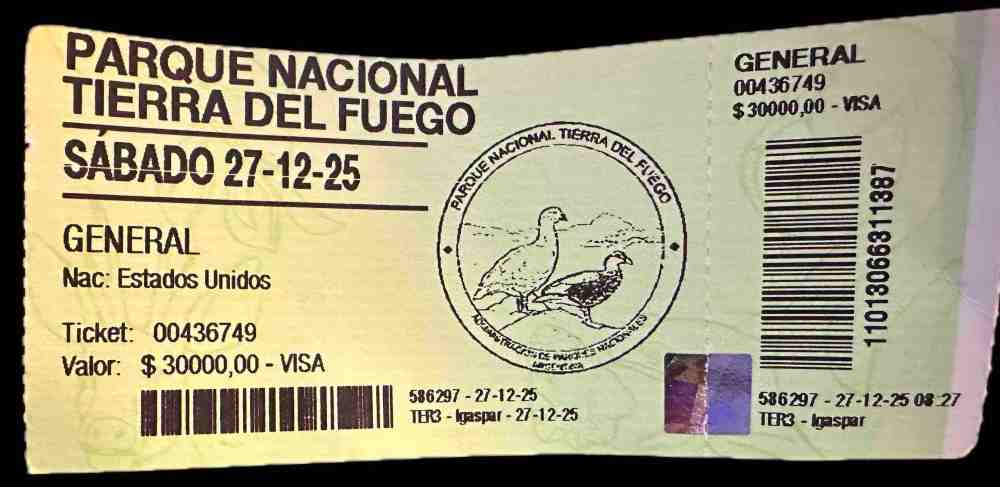
アルゼンチン最南端の街、ウシュアイアはティエラ デル フエゴ島にあります。この島の東側がアルゼンチンで西側がチリと区分されています。そして、アルゼンチン側の島全域がティエラ デル フエゴ州となっています。同名の国立公園はウシュアイアから13号線を西へ向かえば行けます。私たちはバードウォッチングをしていたので、車で移動しましたが、おそらく多くの観光客はかつて囚人たちを乗せて走っていた列車で公園内に入ると思います。 Ushuaia, Argentina’s southernmost city, is located on Tierra del Fuego Island. The eastern part of this island belongs to Argentina, while the western part belongs to Chile. The entire Argentine side of the island constitutes the province of Tierra del Fuego. The national park of the same name can be reached by heading west on Route 13 from Ushuaia. We traveled by car since we were birding, but most tourists likely enter the park via the train that once transported prisoners.
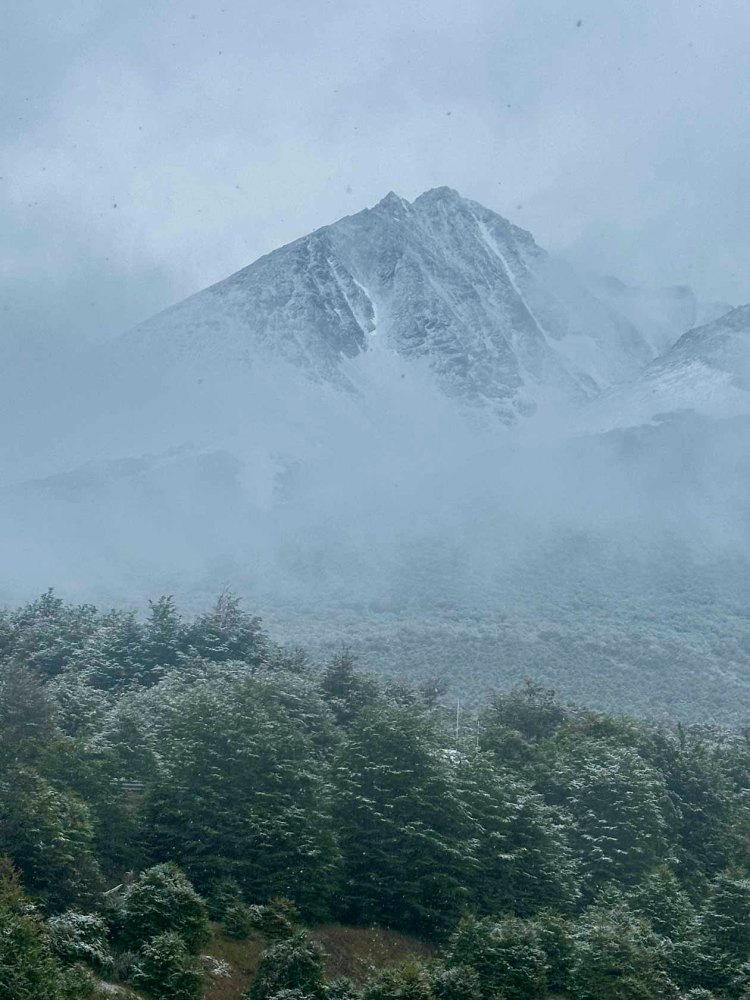
私たちがこの公園を訪れた日は、朝から雪でした。それでも日中は、雨、曇り、晴れと変化の多い日でした。これがウシュアイアの典型的な天気なのかもしれません。 The day we visited this park, it had been snowing since morning. Even so, the weather changed frequently throughout the day—rain, clouds, and sunshine. This is probably typical weather for Ushuaia.
この日も鳥の専門家兼ガイドのエステヴァンと彼の助手ライアネル、そして、鳥をこよなく愛するリサと私たち5人で鳥探しです。昨日と違い、道があるので歩きやすい。それでも時折道から逸れて林の中を走ったりして、スリル満点でした。 On this day too, we went birding with Estevan, our bird expert and guide, his assistant Lionel, Lisa who adores birds, and us. Unlike yesterday, there was a hiking path, making it easier to walk. Even so, we occasionally veered off the trail and ran through the woods, making it thrilling.
この日のハイライトは何といってもマゼランキツツキです。ぱちぱちぱち! 目標一つ、チェック!!! The highlight of the day was definitely the Magellanic Woodpecker. Clap clap clap! One goal, check!!!
残念ながらオスは見つけられませんでした。でも、これで十分です。 Unfortunately, we couldn’t find the male. But this is enough.
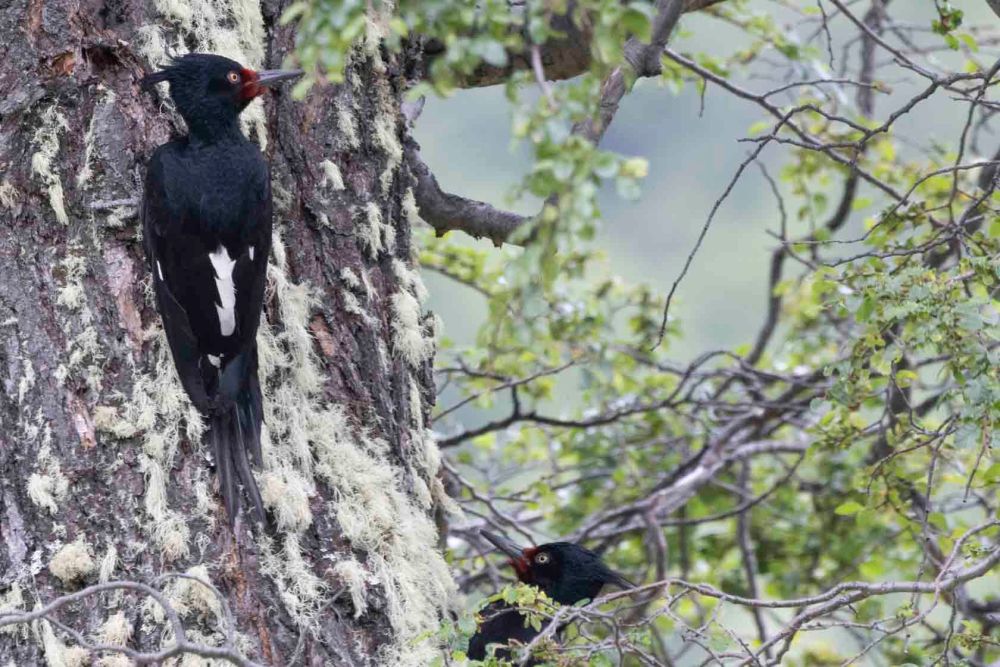
実は、公園中を歩き回っても見つけられなかったので、諦めてビジターセンターでマゼランキツツキのTシャツを買っていたんです。その後、公園入り口付近をうろうろしていたら、いた! Actually, we couldn’t find it even after walking all over the park, so we had just about given up, and all of us bought a Magellanic Woodpecker T-shirt at the visitor center as a consolation prize. Then, while wandering around near the park entrance, there it was!
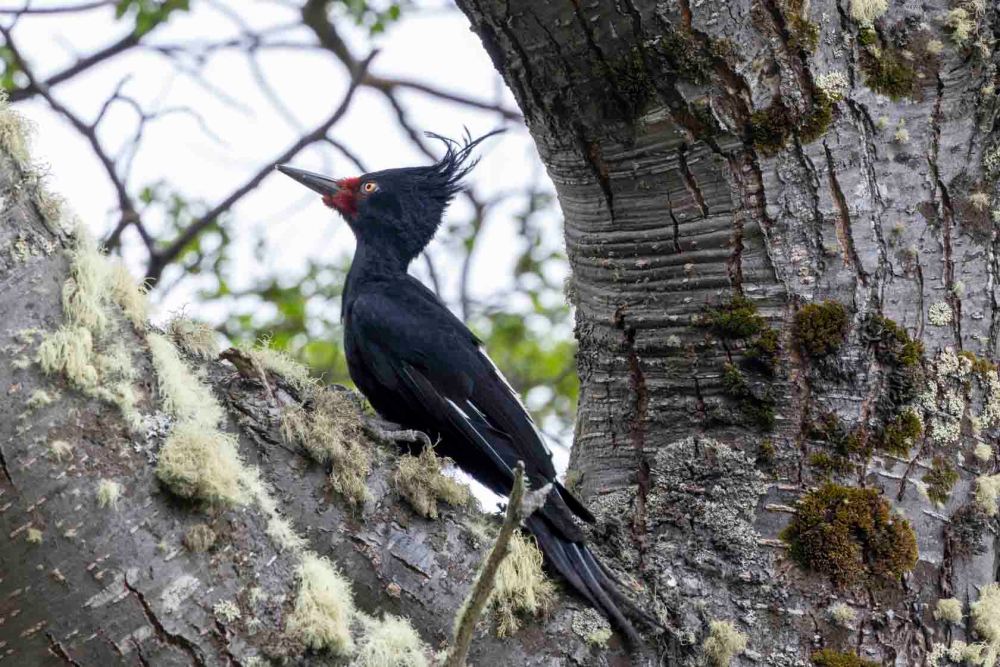
ライアネルが遠くから聞こえてくる鳴き声を聞きつけ、その声を頼りに林の中を歩き回りました。 Lionel heard the cry coming from afar and walked through the woods, guided by the sound.
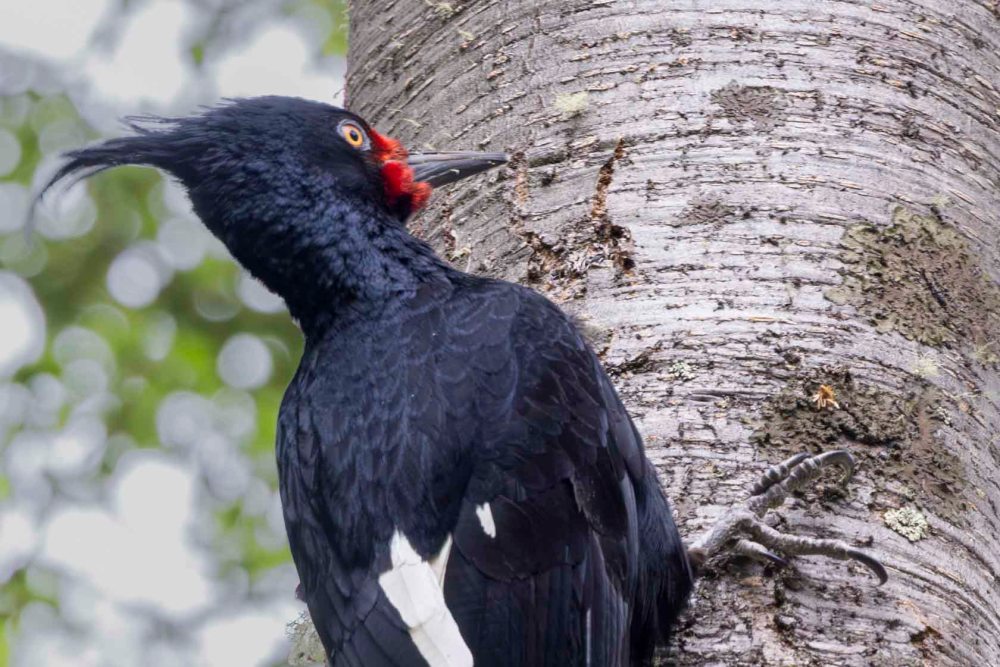

この時に撮った写真の数は400枚以上、ビデオも撮りました。ほとんどのショットはボケてますが、数枚はなんとか使えるものが撮れました。 I took over 400 photos at that time and also shot some video. Most of the shots are blurry, but I managed to get a few usable ones.
ところで、キツツキの足の指は4本です。そして、足指の形を対趾足と言います。オウムやロードランナーなどと同じで、2本の指が前を向き、2本の指が後ろを向いていることを指します。上の写真では見えにくいので、こちらをご覧ください。4本目の指は見えませんが、2本づつ、使われています。 By the way, woodpeckers have four toes on each foot. The shape of these toes is called zygodactylous feet. Like parrots and roadrunners, this means two toes point forward and two point backward. It’s hard to see in the photo above, so take a look here. The fourth toe isn’t visible, but they use two toes at a time.
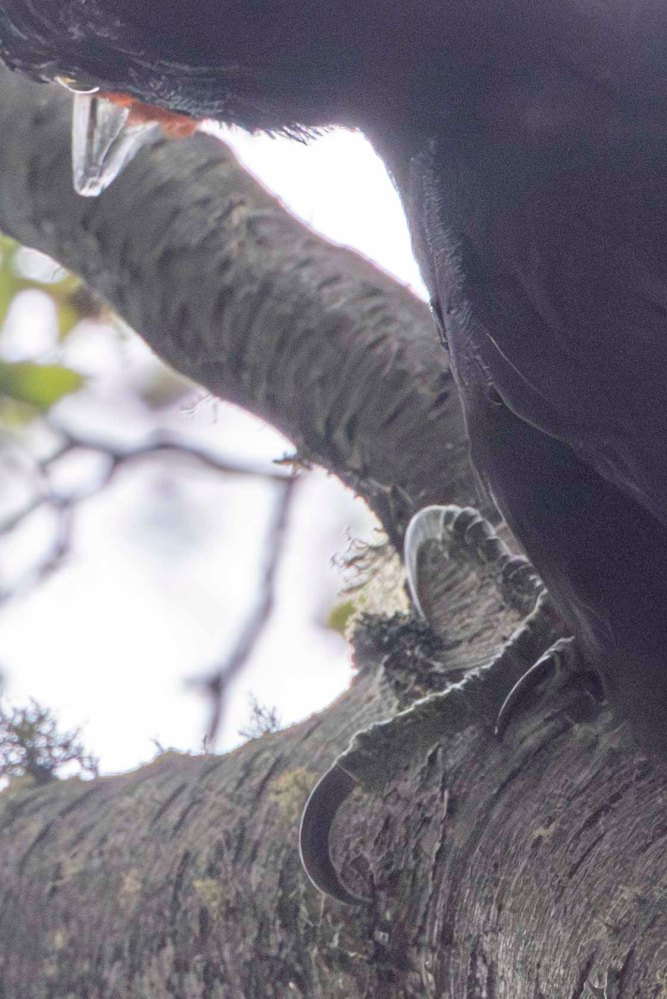
こちらも両側に2本づつ足指が見えています。残りの指は上向きに使われているはずです。 Here too, two toes are visible on each side. The remaining toes should be pointing upward.
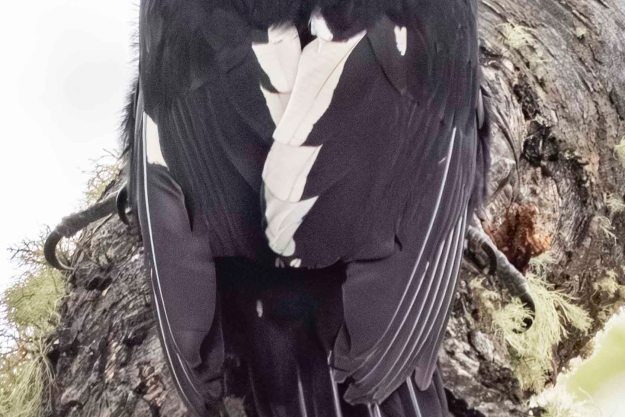
それから、もう一つ、面白い写真をご紹介します。首が180度回っていて、すごく不思議かつ滑稽です。。もちろん、ほとんどの鳥はできるんですが、この顔が背中を向いている姿、おもしろい。 Then, here’s another interesting photo. Its neck is twisted 180 degrees—it’s incredibly strange and comical. Of course, most birds can do this, but seeing its face turned toward its back is just funny.

最後に、再びビデオです。編集してません。手ブレ修正しただけですがこらんください。 Finally, here’s the video. It hasn’t been edited. I only stabilized the shaky footage, but please take a look.
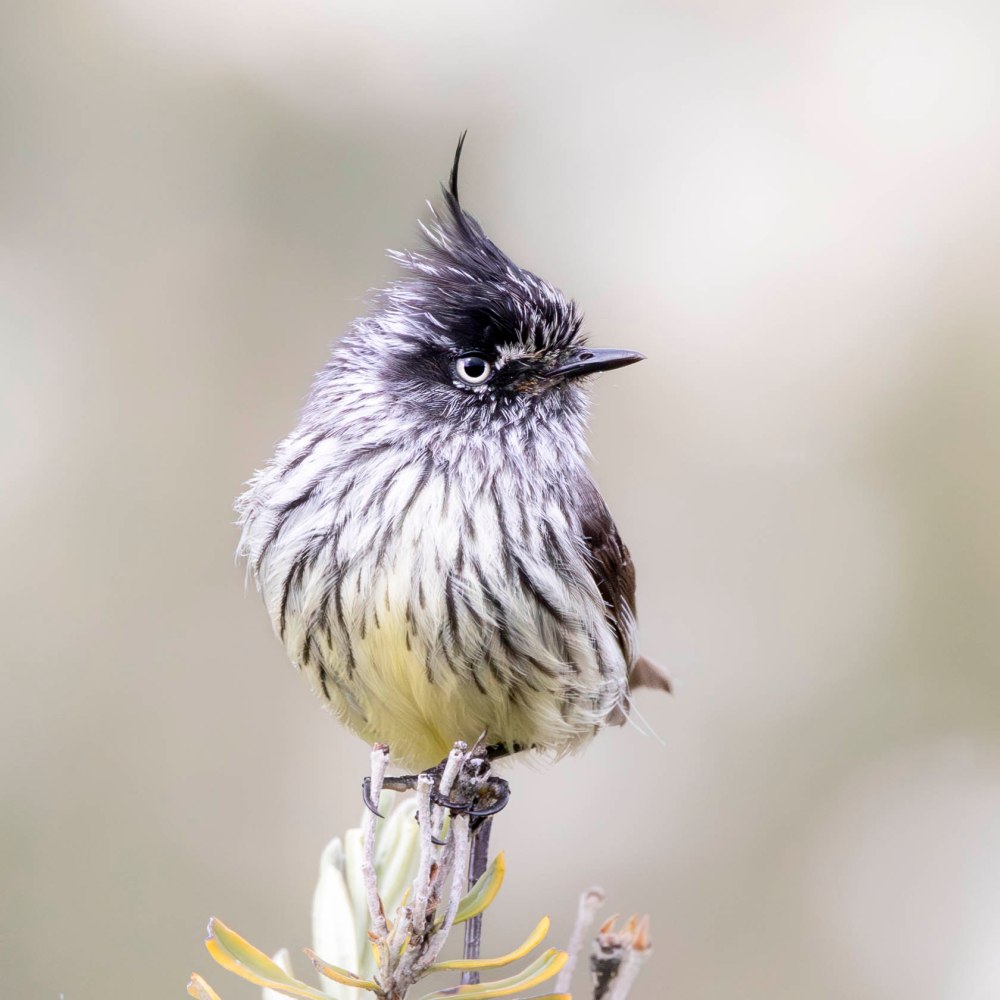
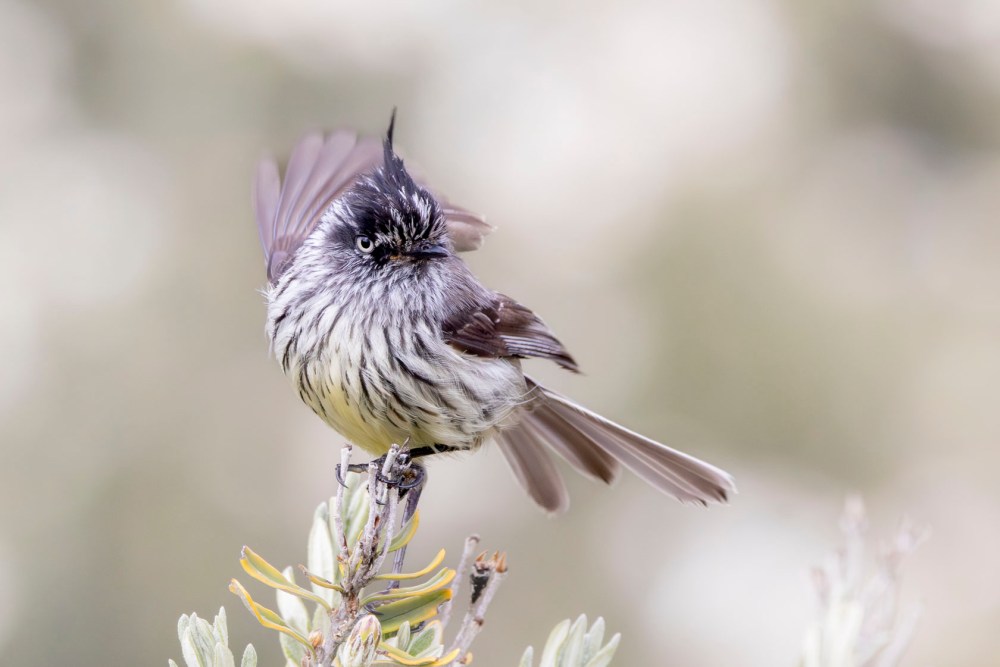
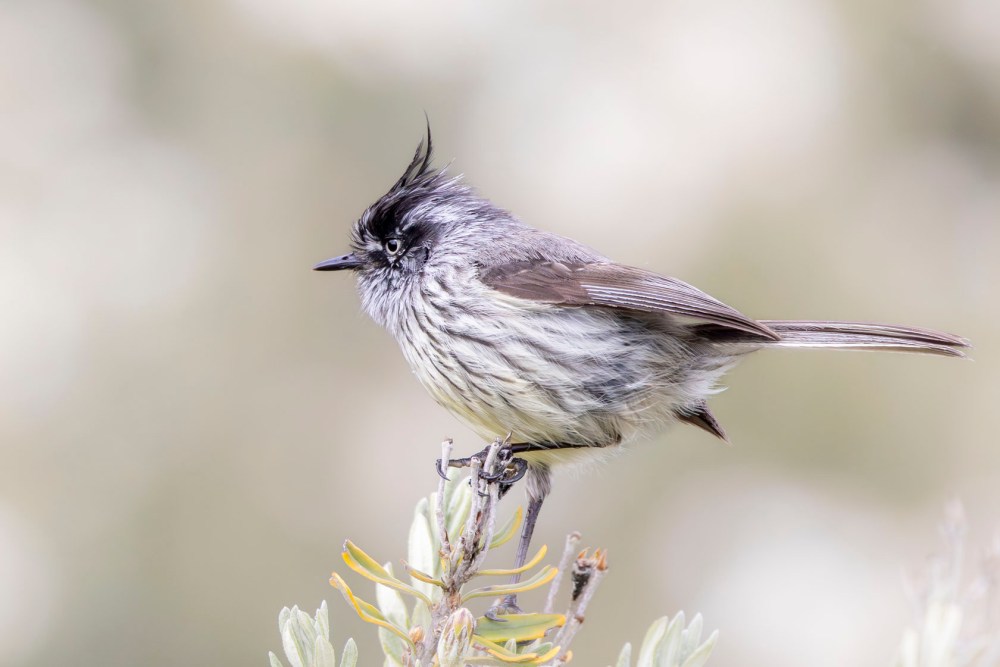
さて、次に紹介する鳥はエボシカラタイランチョウです。めちゃくちゃ可愛くて、しかも素敵に撮れました。大好きな鳥になりました。 Next up is the Tufted Tit-Tyrant. It’s incredibly cute, and I managed to capture it beautifully. It became one of my favorite birds.
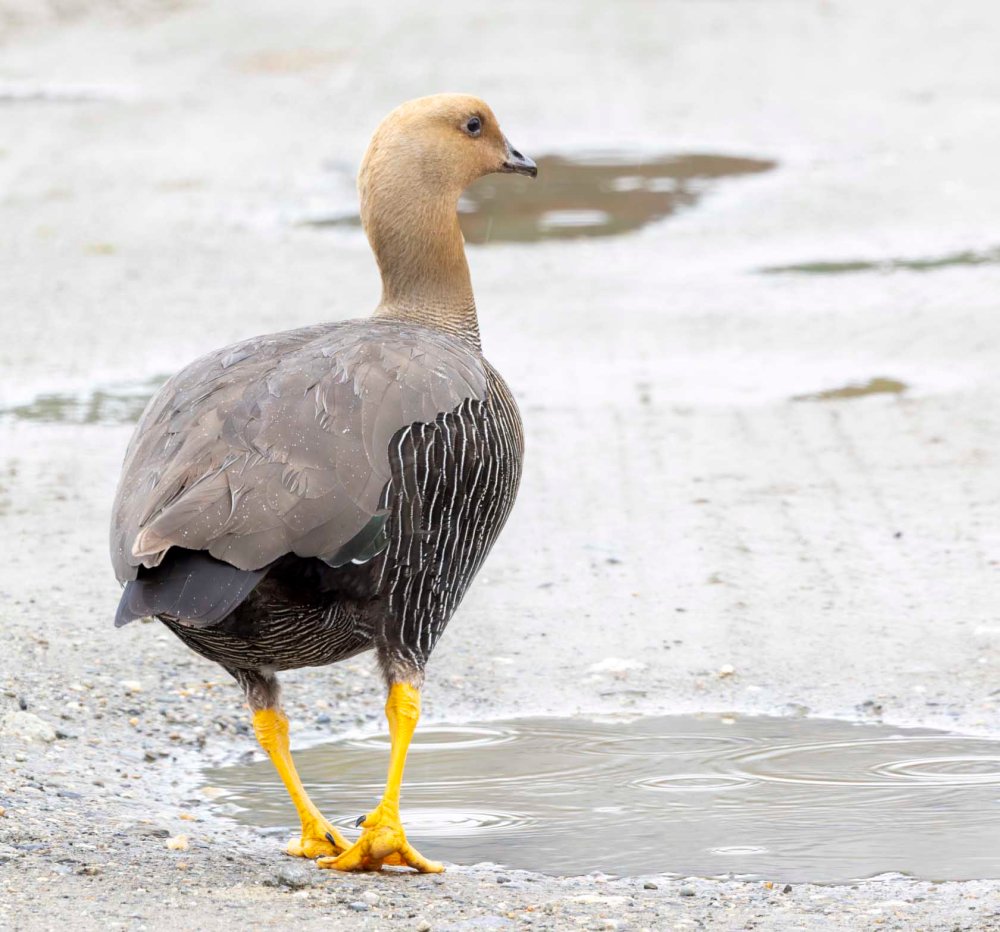
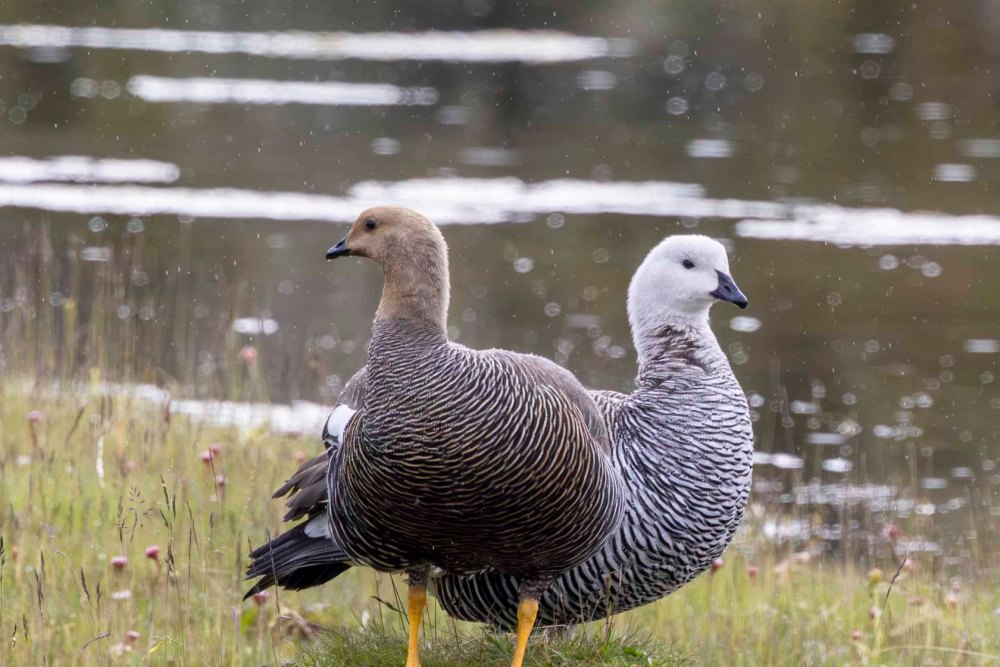
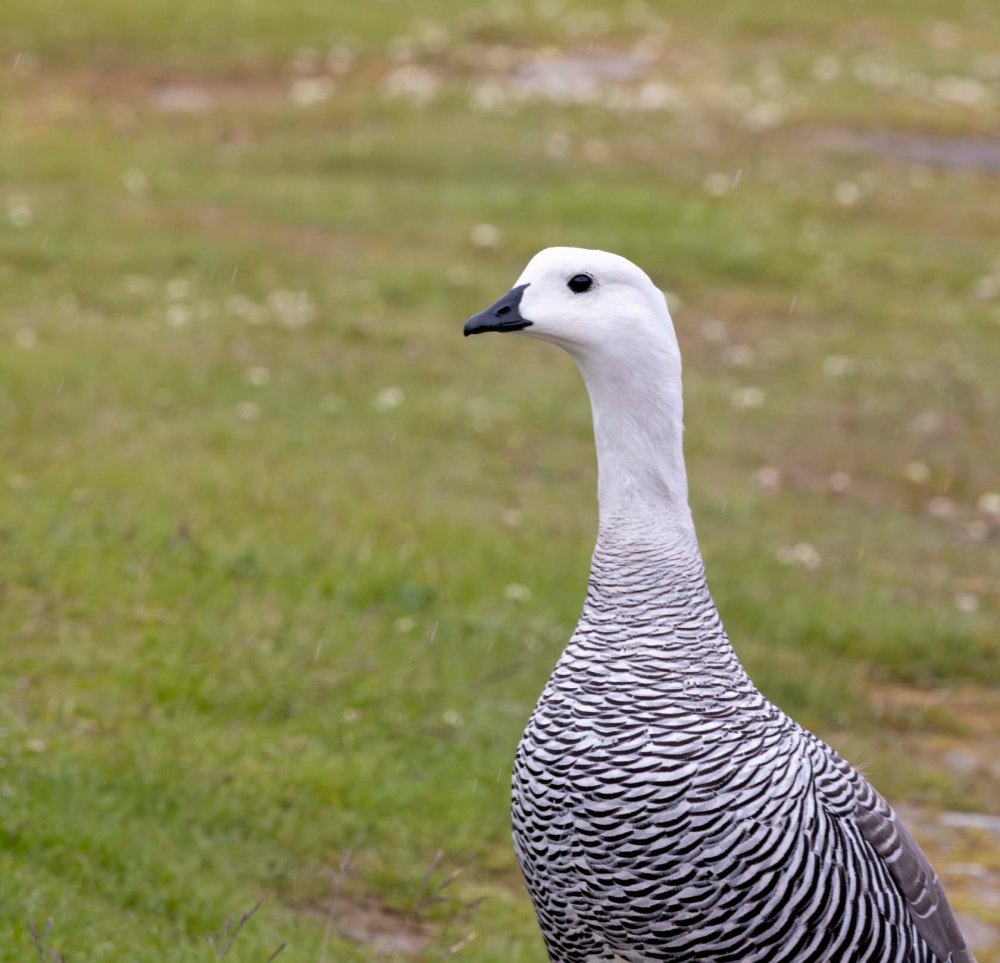
3番目は公園内の至る所で見かけたマゼランガンです。 Third is the Upland Goose which I spotted all over the park.

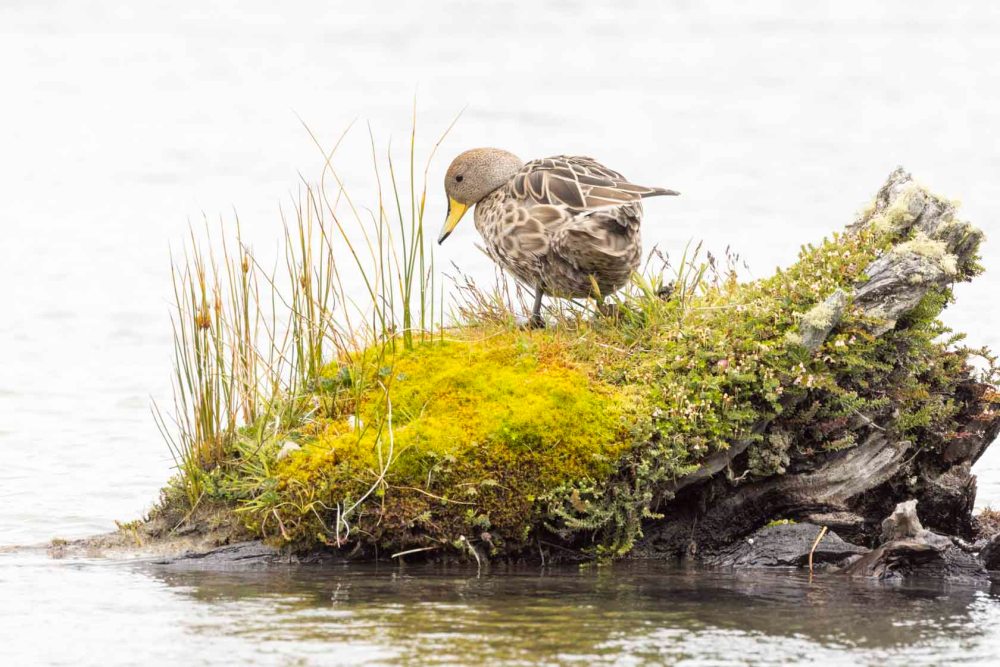
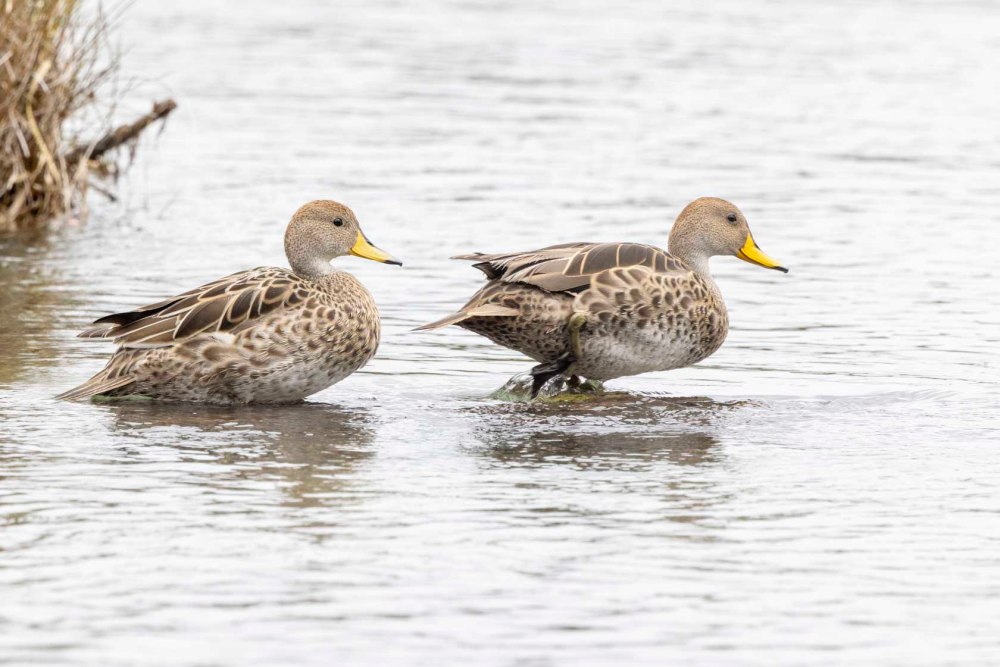
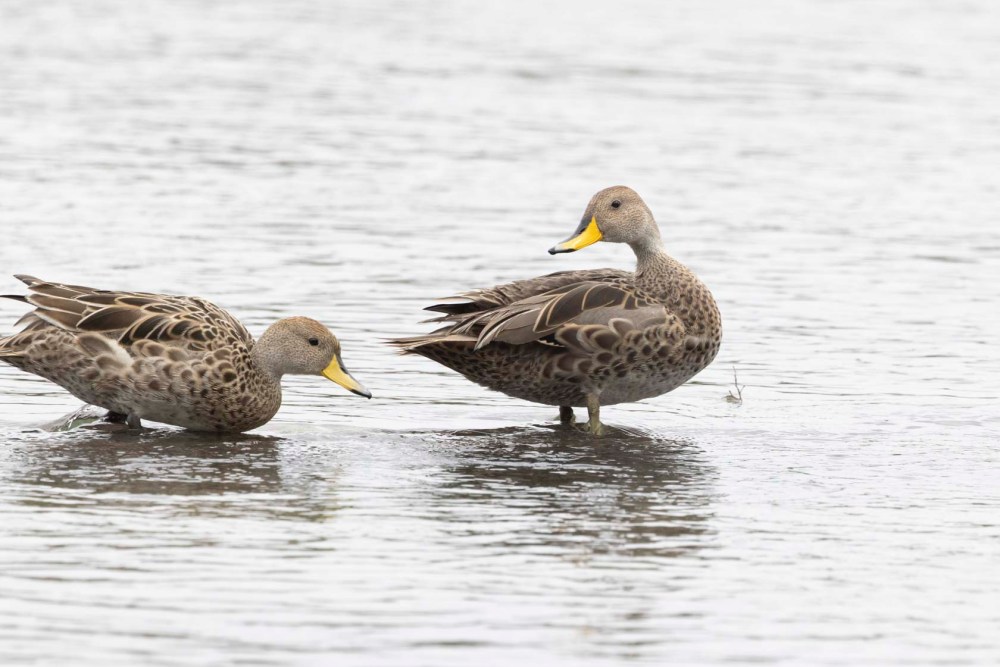
4番目は、キバシコガモです。 The fourth is the Yellow-billed Teal.
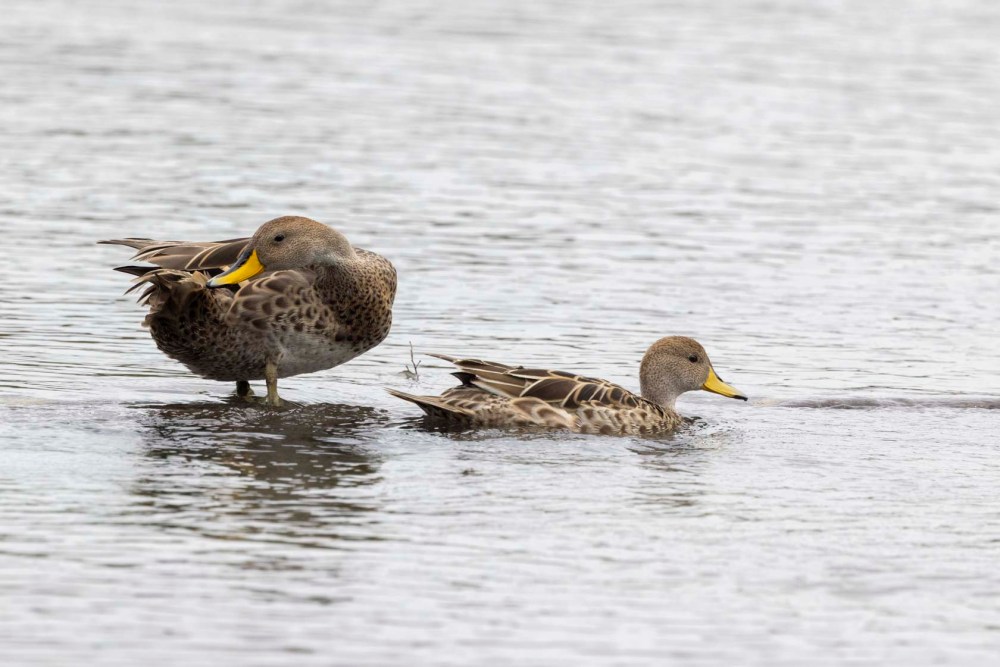
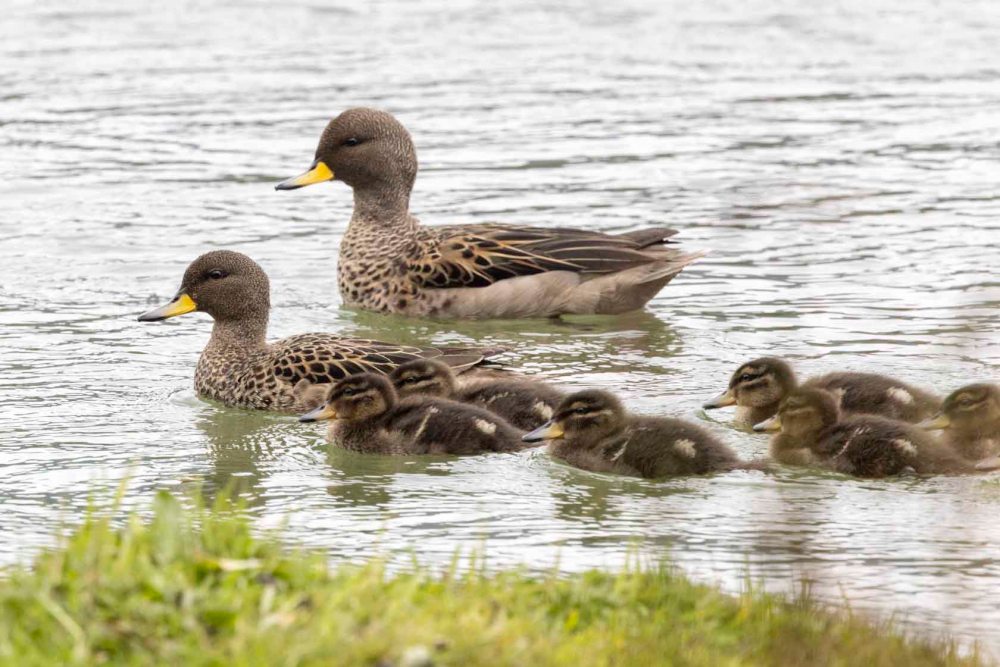
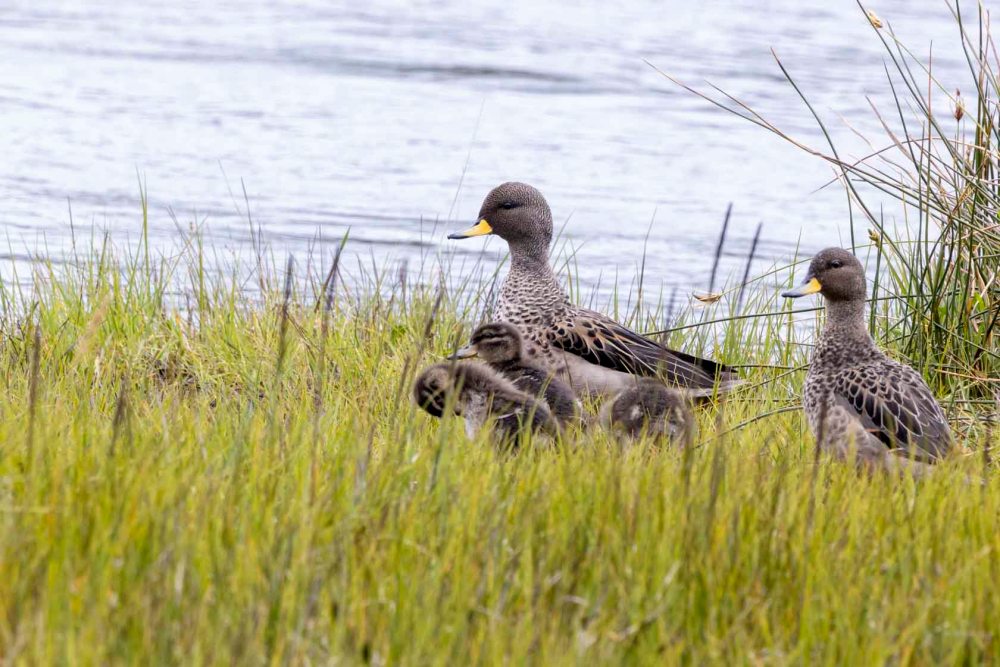
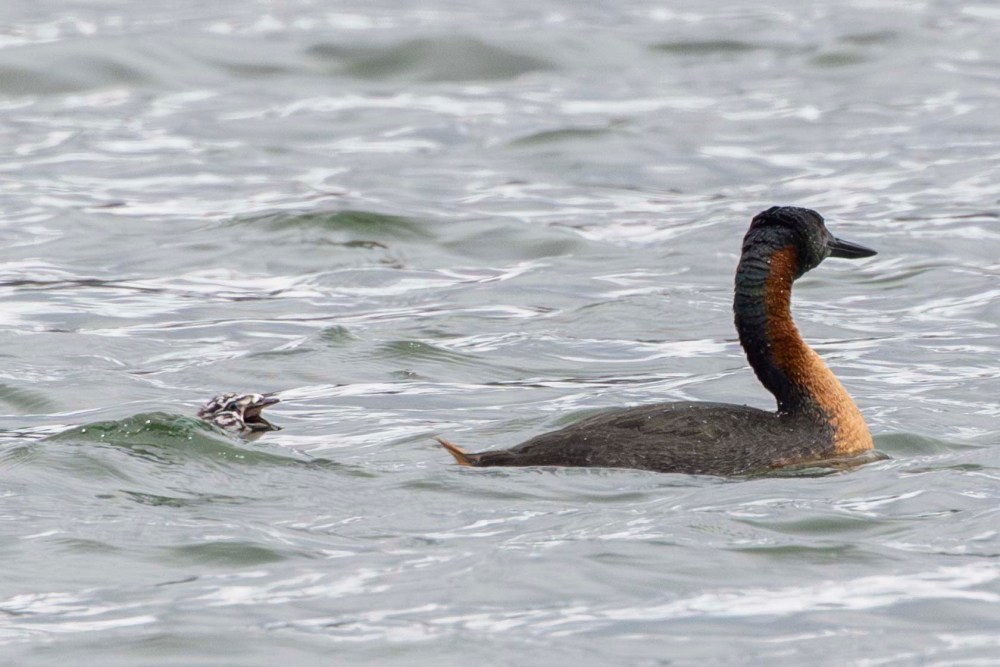
そして、5番目。次の鳥、オオカイツブリのヒナが可愛すぎるんです。この模様、驚いてしまいました。 And fifth bird is the Great Grebe. The chicks are just too adorable. This pattern really surprised me.
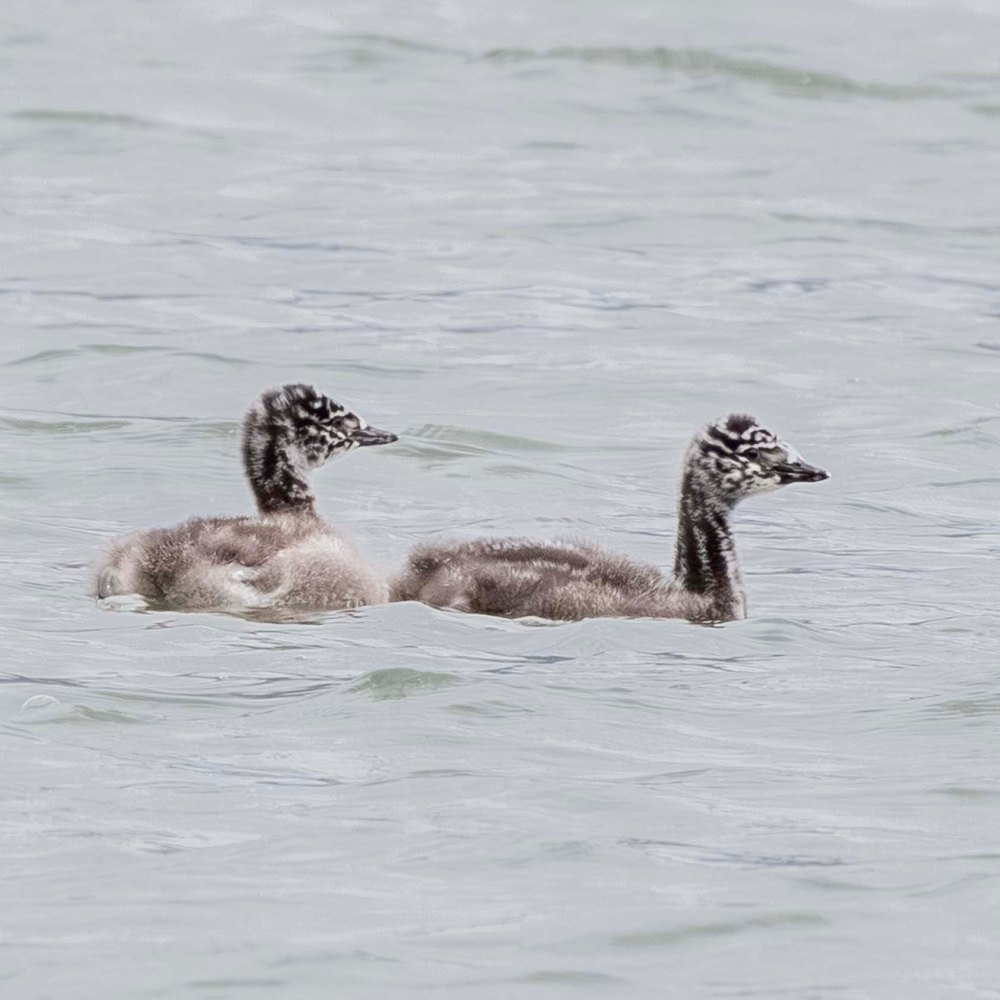
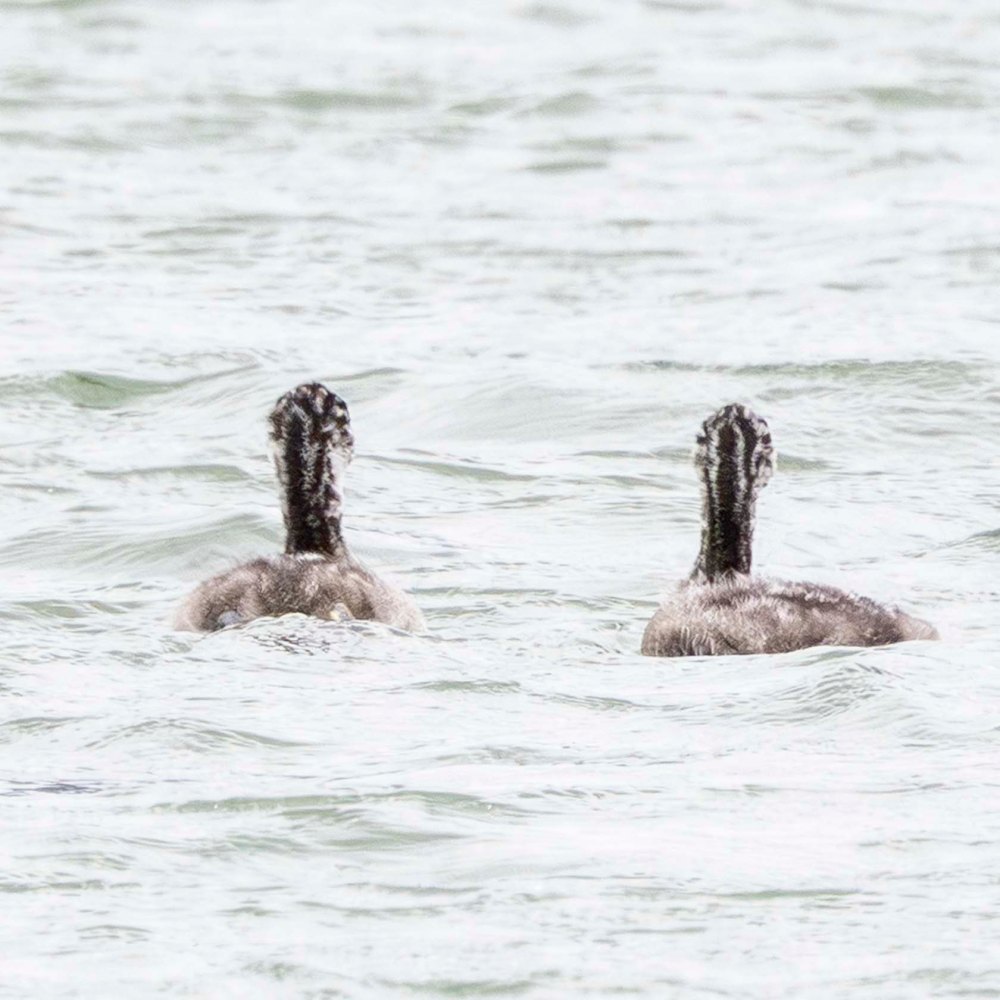
そして、お母さん。And their Mom.

「キッズ〜!美味しい魚が釣れたよ。早くおいで〜!」 “Kids! I caught a delicious fish. Come quick!”
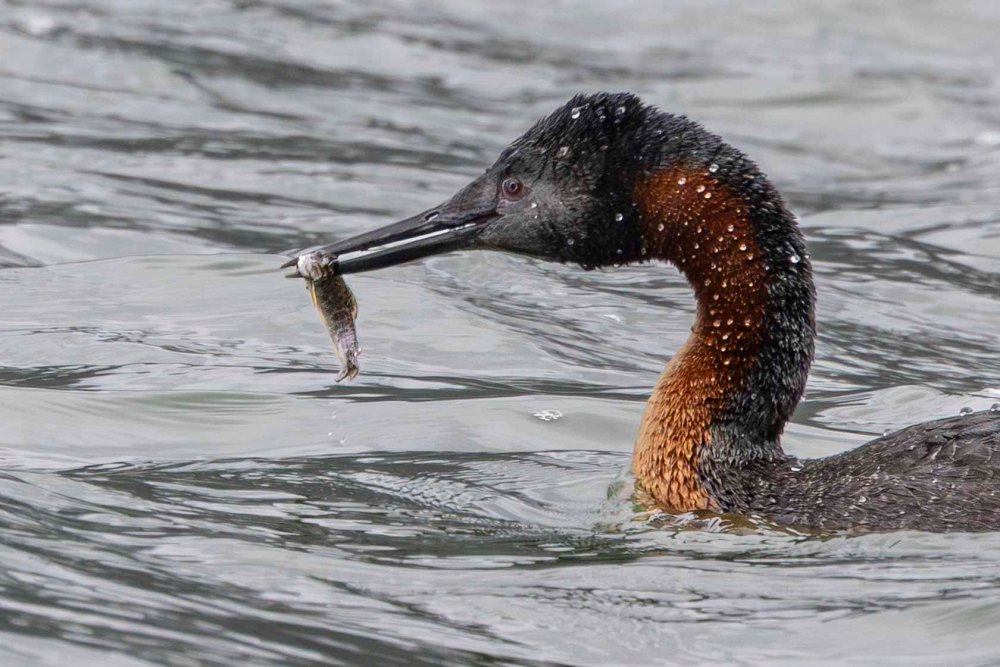
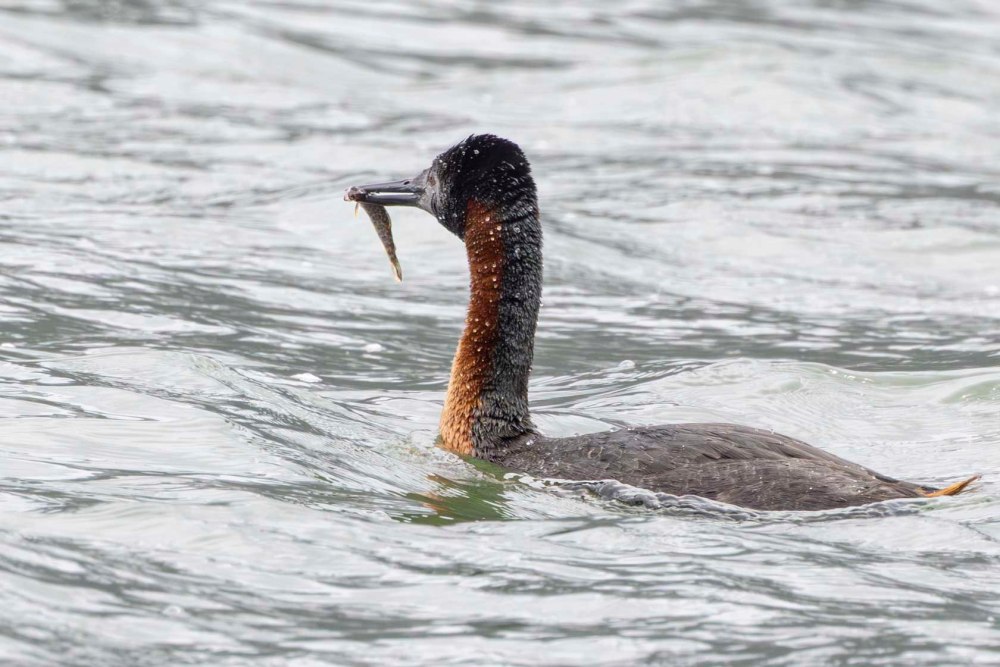
「もう食べちゃったよう。もっと〜!」 ”I already ate it. More~!”
6番目はパタゴニアカワカマドドリです。 The sixth is the Dark-bellied Cinclodes.
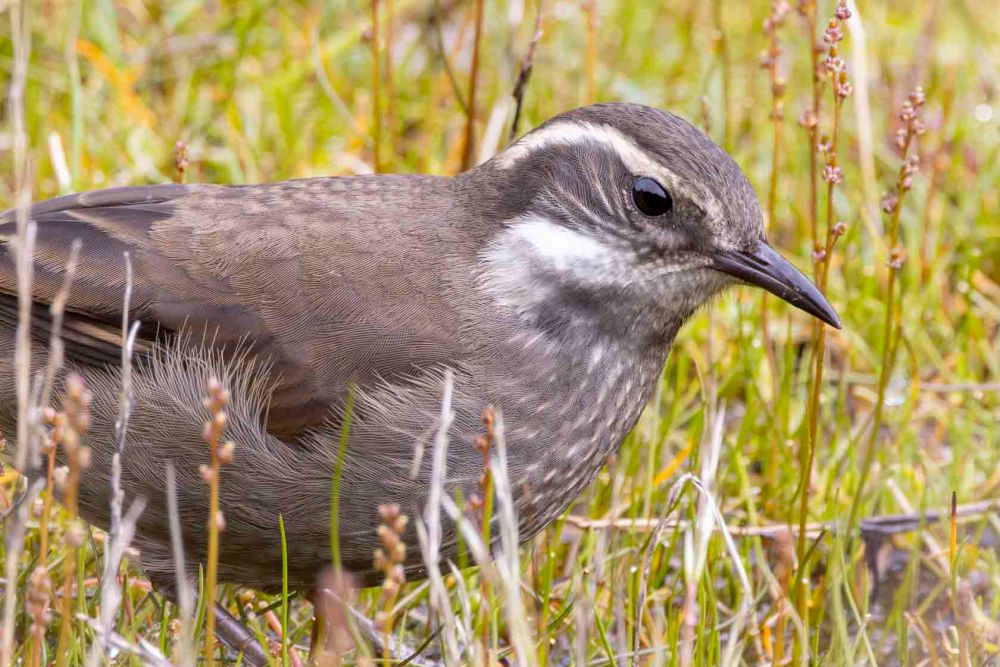
オビバネカワカマドドリに良く似ていますが、この種の方がお腹が暗いです。 It closely resembles the Buff-winged Cinclodes, but this species has a darker belly.
この鳥も虫を捕っていたのでビデオにまとめました。ご覧ください。 This bird was also catching insects, so I compiled it into a video. Please take a look.
あー疲れた。ここでちょっと休憩です。 Ah, I’m exhausted. Time for a little break here.
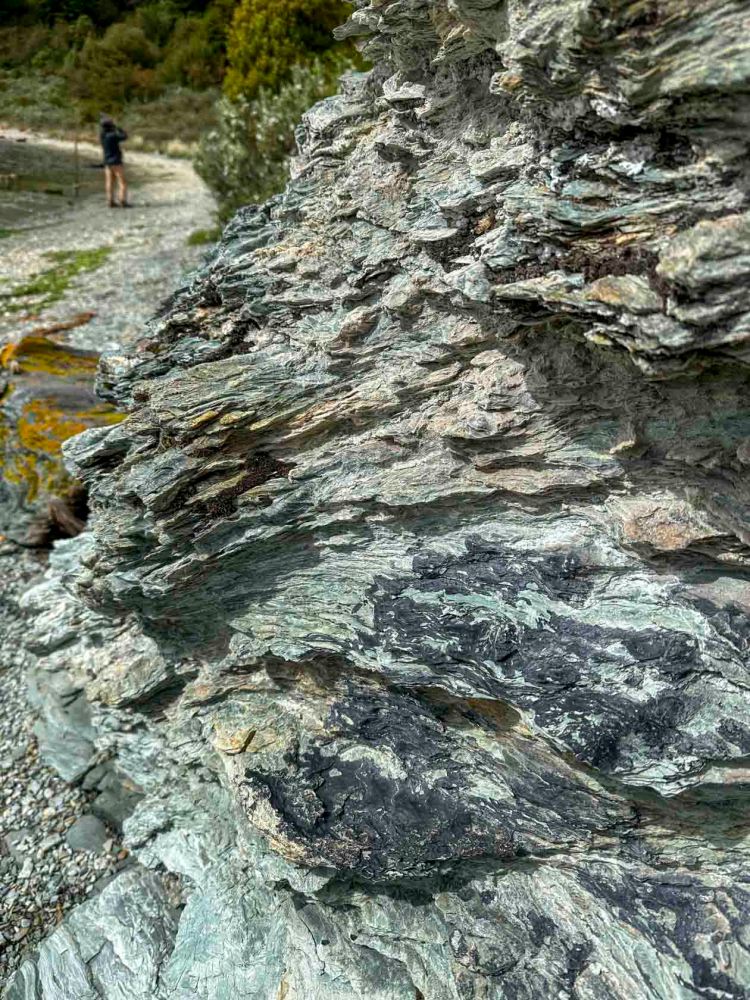
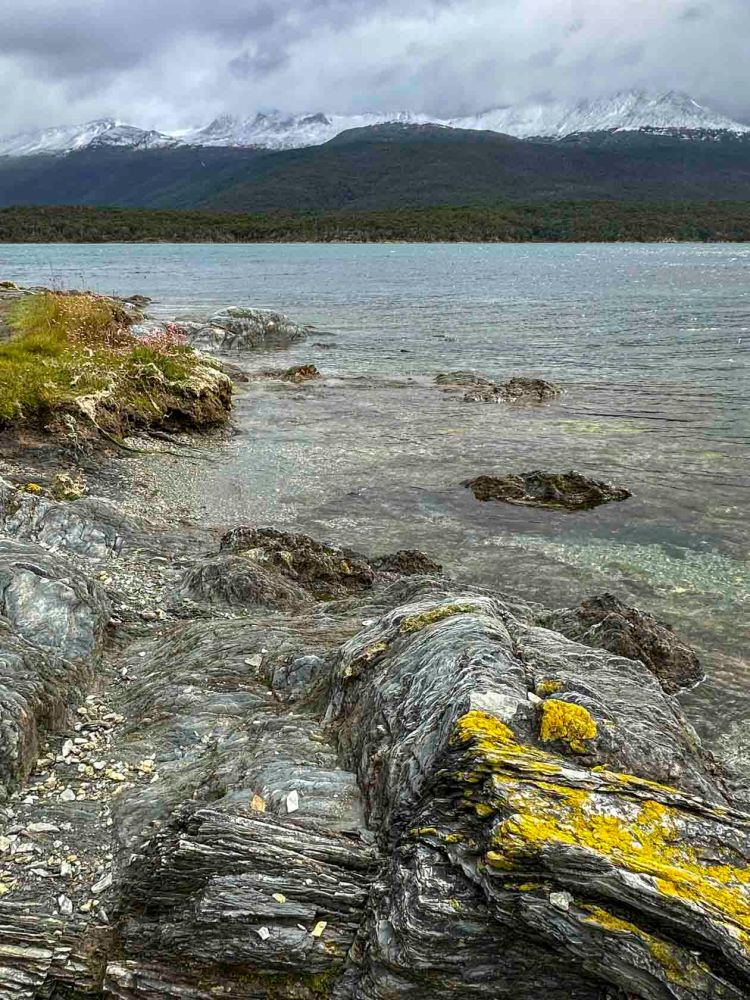
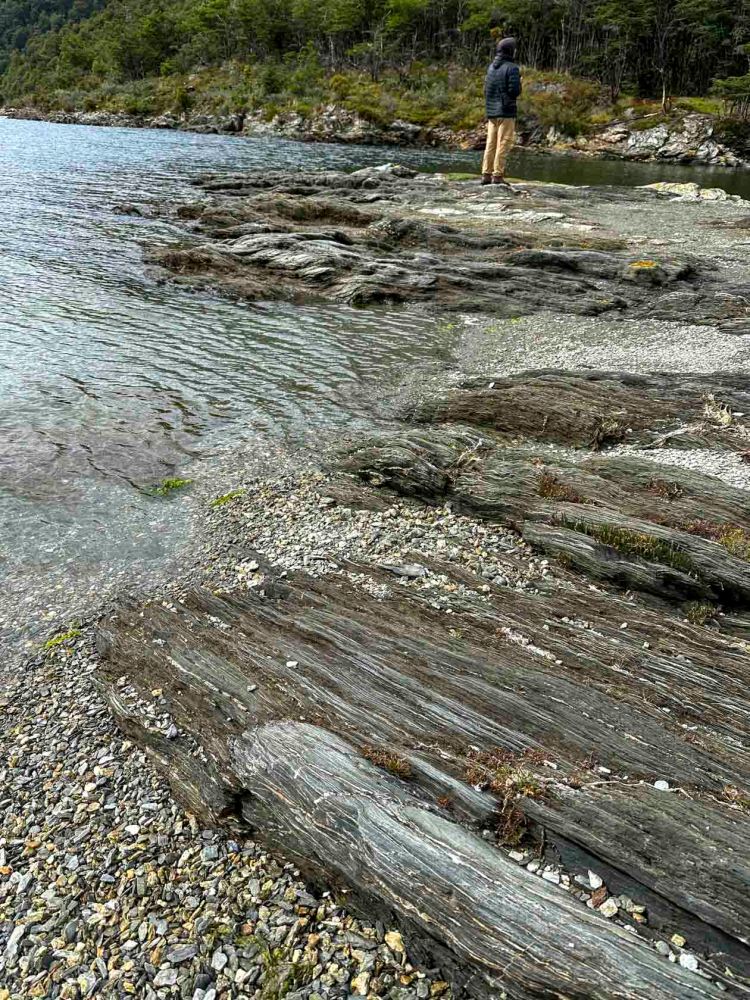
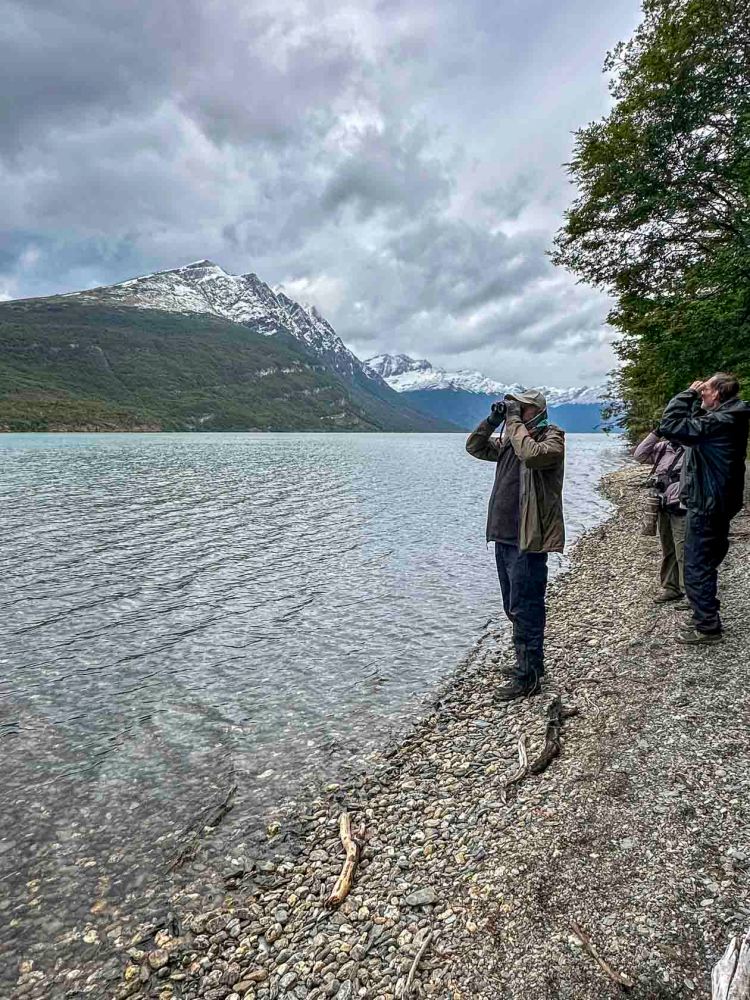
コンドルを探してロカ湖の周りを歩いていた時です。湖岸の岩がなんとも魅力的でした。当然、小さい石を持ち帰りたいと思いましたが、禁止されています。エステバンによると、ウシュアイア空港には観光客が出国の際にチェックされて差し出す石が山のように溜まっているとのことでした。 While walking around Lake Roca searching for Andean Condors, the rocks along the shore were utterly captivating. Naturally, I wanted to take a small stone home, but it’s prohibited. According to Esteban, Ushuaia Airport has a mountain of rocks that tourists submit for inspection when leaving the country.
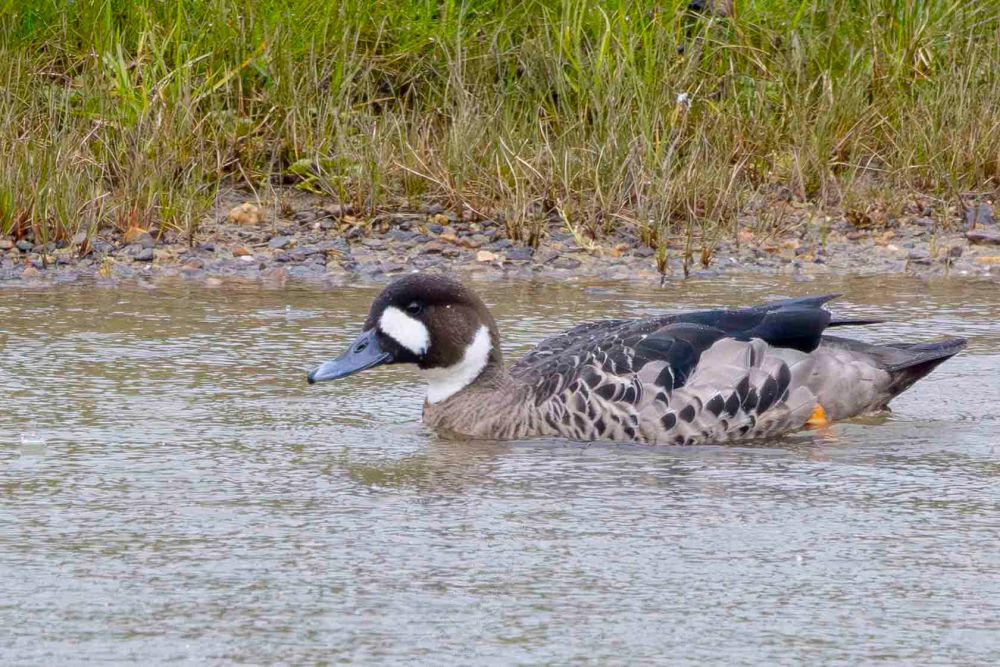
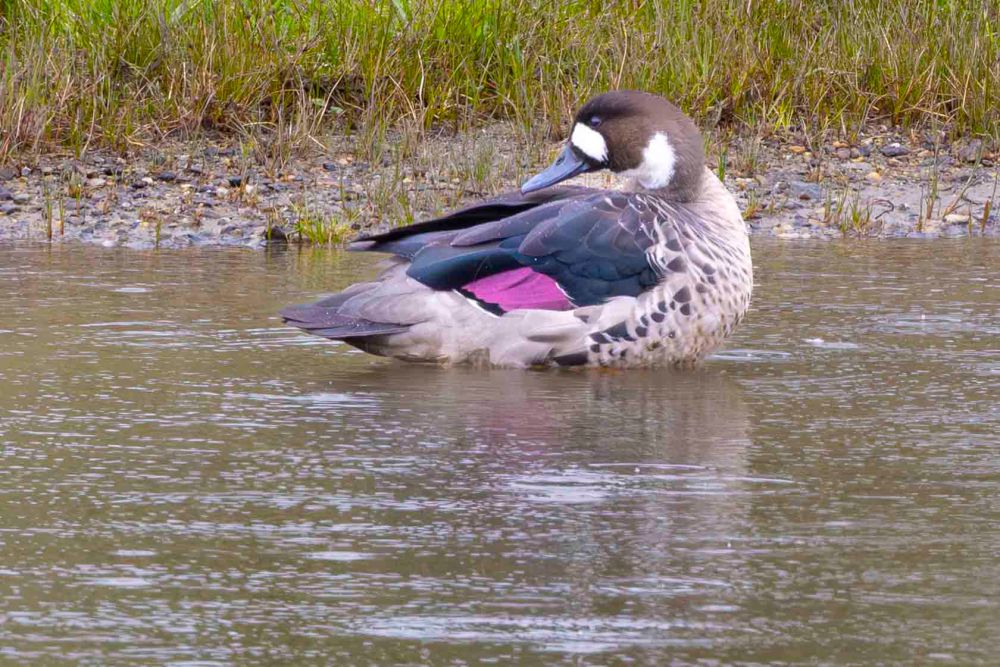
さて、7番目はノドジロガモです。この鳥は顔の白いマーカが老眼鏡に似ていることから、英語で “Spectacled Duck” とも呼ばれています。 Now, the seventh is the Bronze-winged Duck. This bird is also called “Spectacled Duck” in English because the white markings on its face resemble reading glasses.
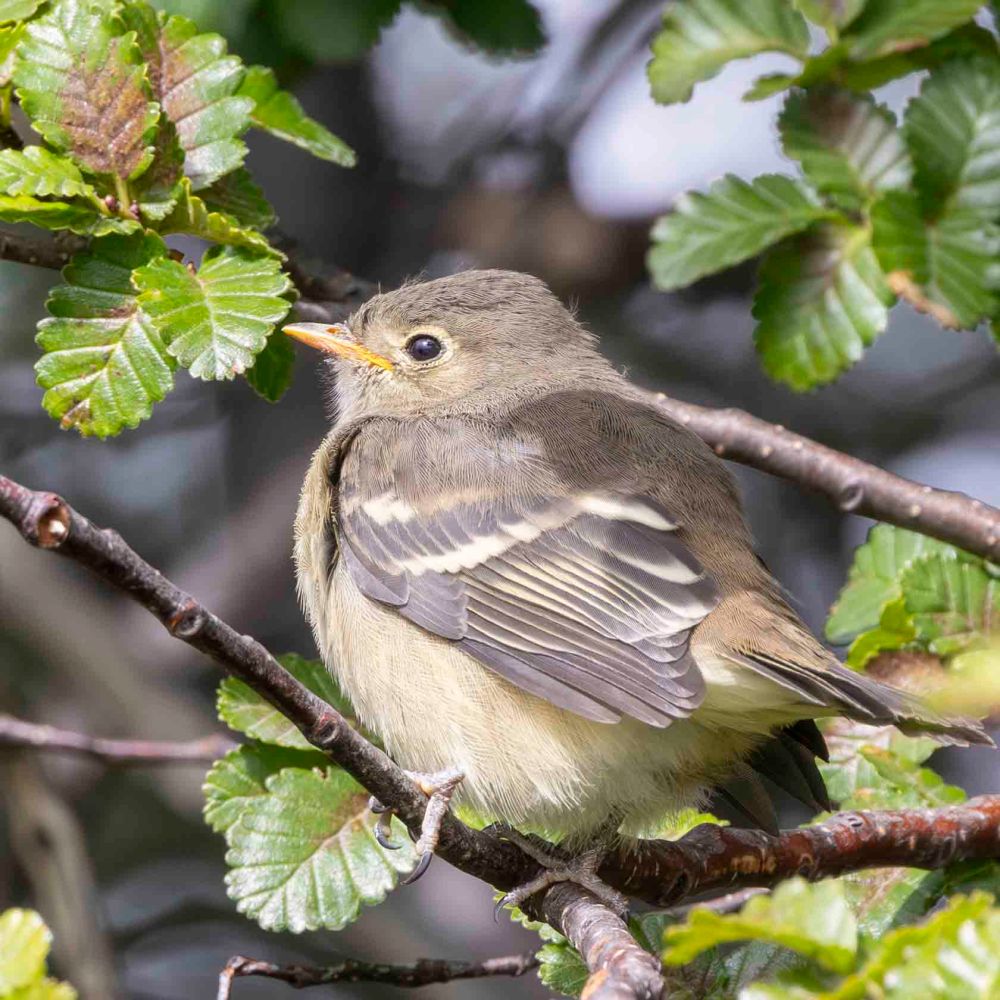
8番目はシラギクタイランチョウの幼鳥です。まだ赤ちゃんの毛がところどころについています。 The eighth is a juvenile White-crested Elaenia. It still has patches of baby down feathers.
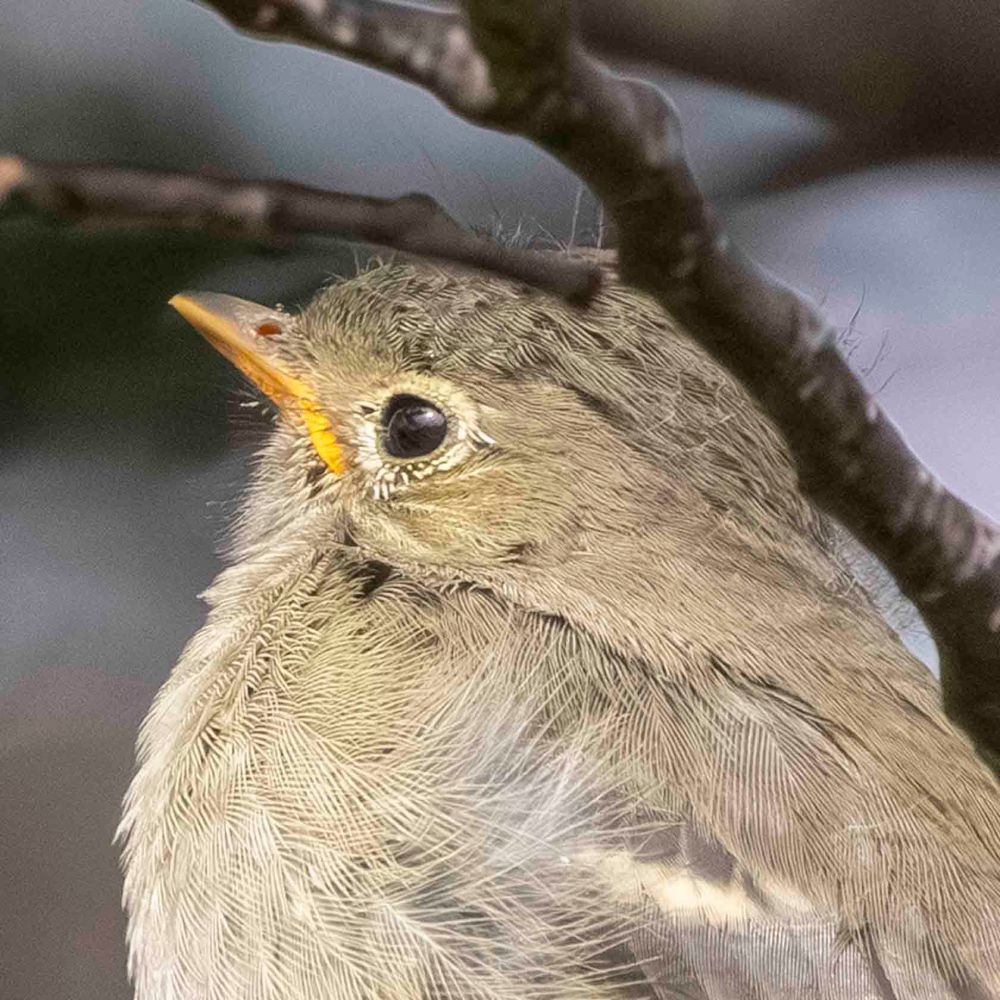
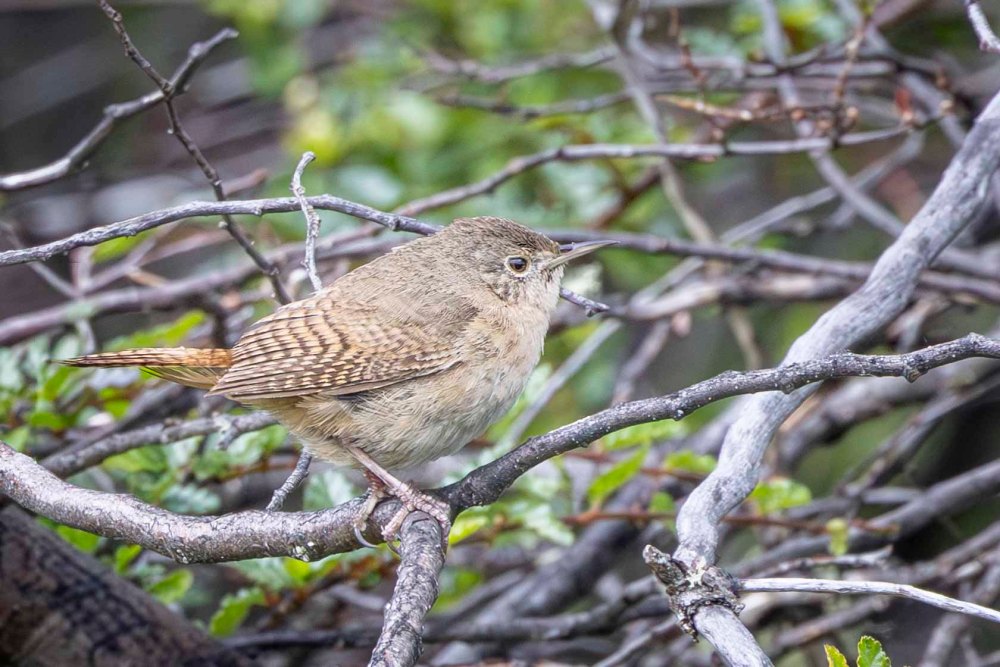
9番目はミナミミソサザイです。家の近くのミソサザイに似てるなー。 The ninth is the Southern House Wren. It looks like wrens near my house.
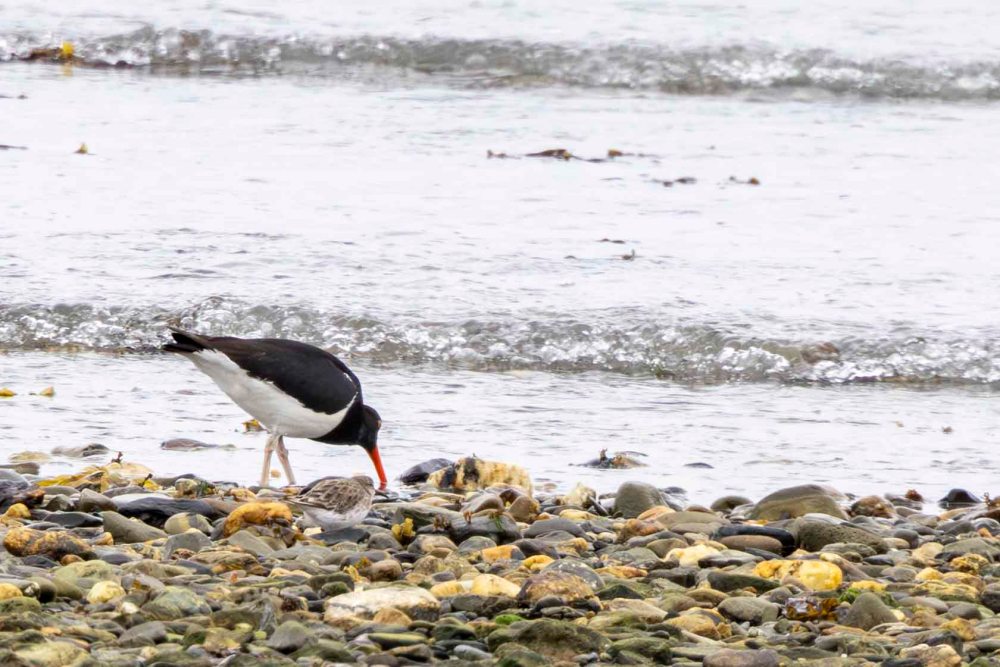
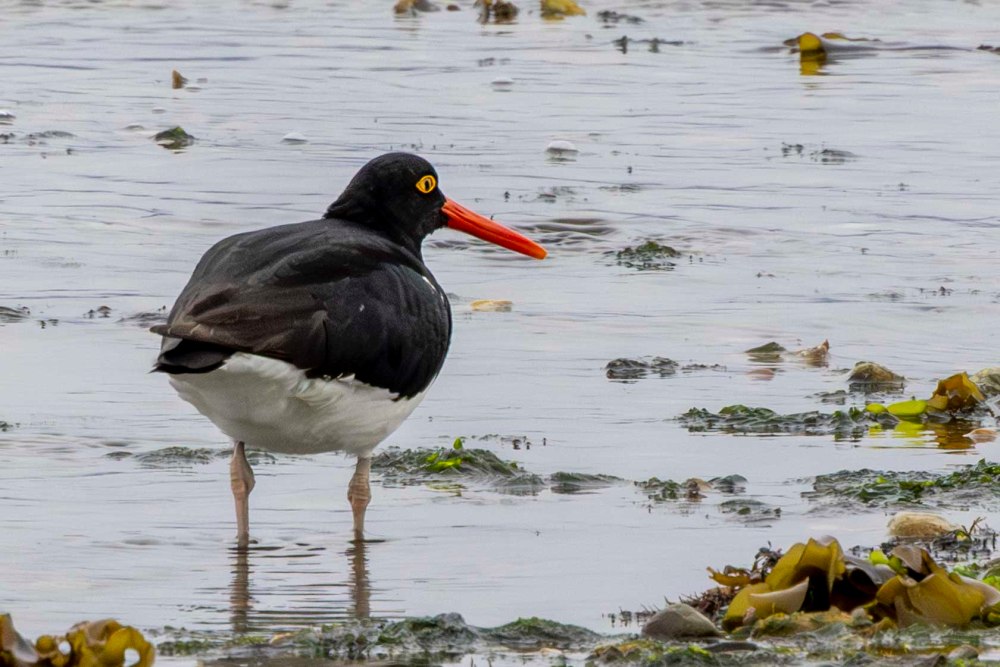
10番目、マゼランミヤコドリ。この地方では、「マゼラン」が名前についた鳥が多いです。歴史に残る偉業を成したマゼランの影響は野生動物にも及んでるんですね。(笑) The 10th is the Magellanic Oystercatcher. In this region, many birds have “Magellan” in their names. The influence of Magellan, who achieved an historic feat, even extends to wildlife. (lol)
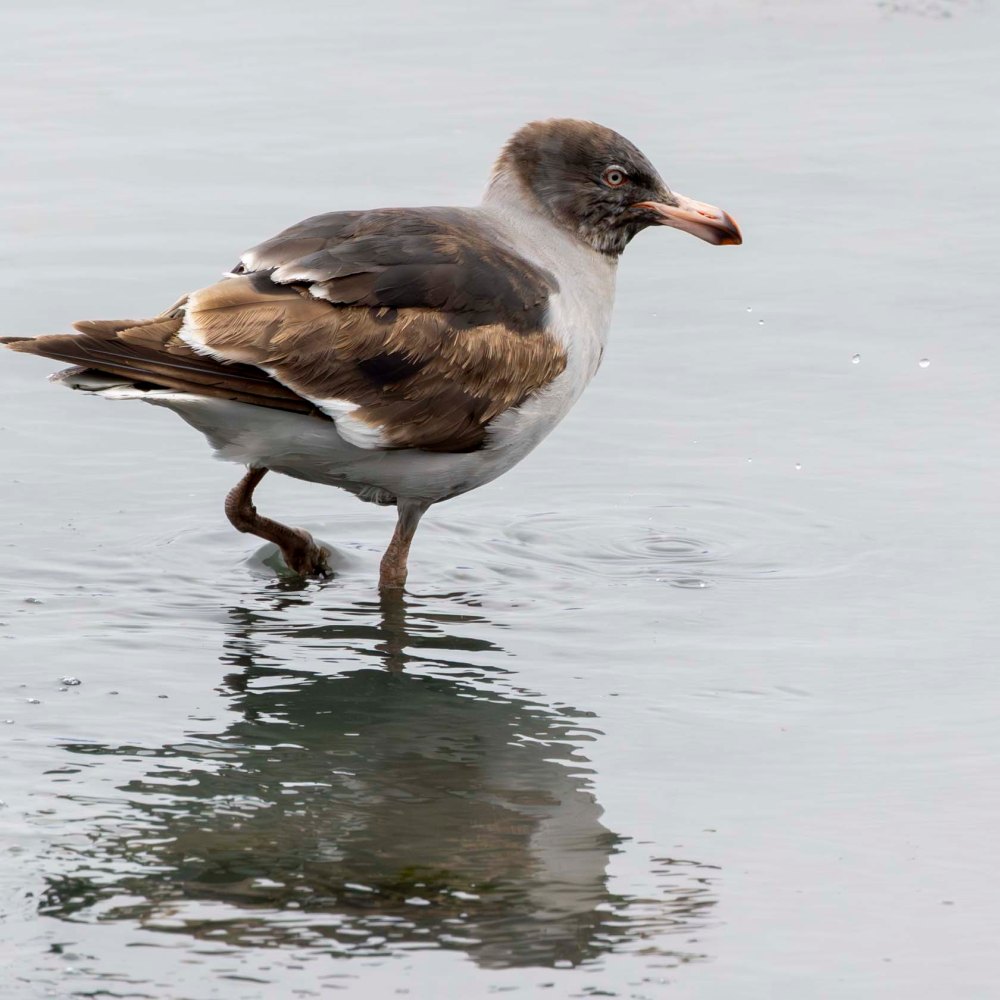
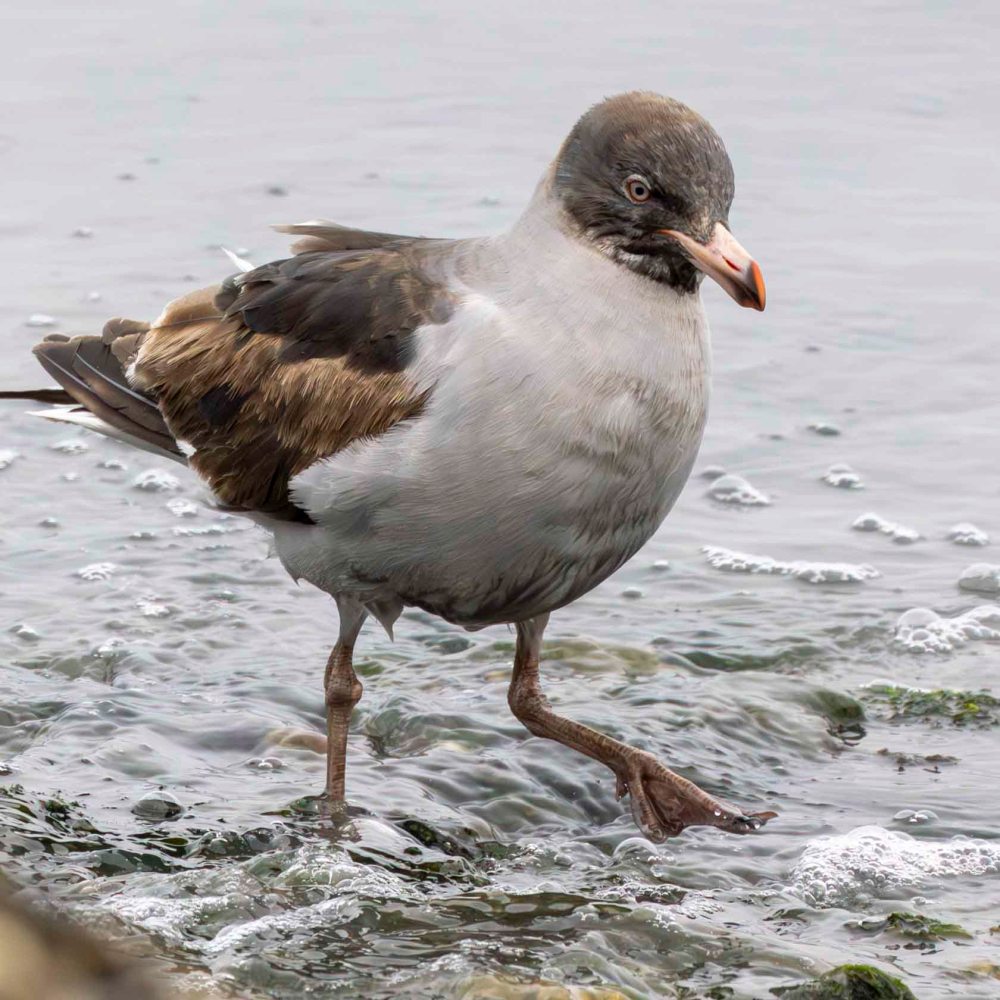
11番目、マゼランカモメの1年目の青年。 Number 11, a first-year juvenile, Dolphin Gull.
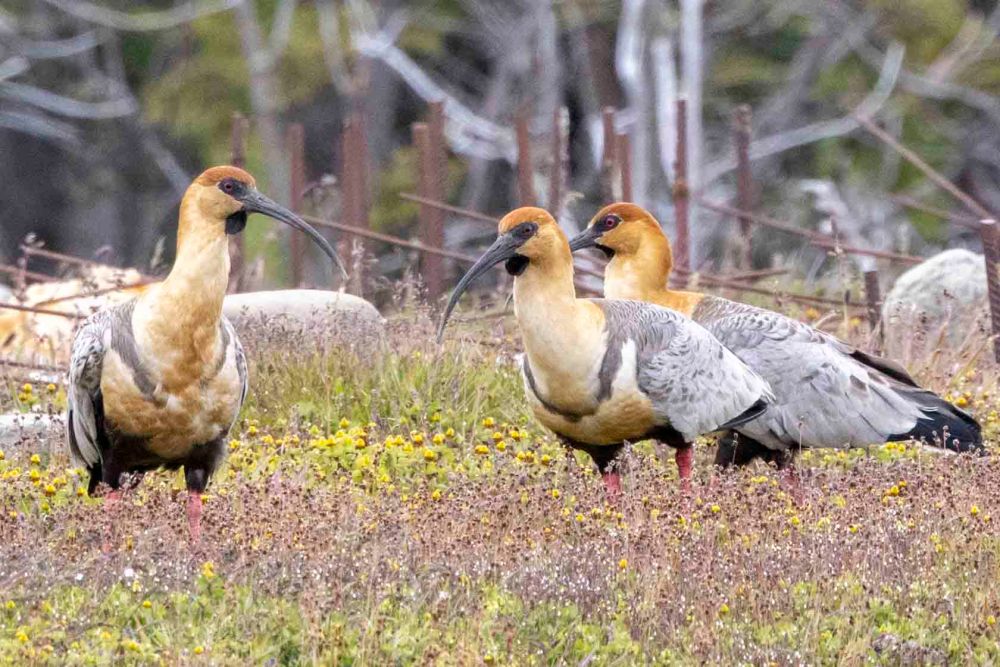
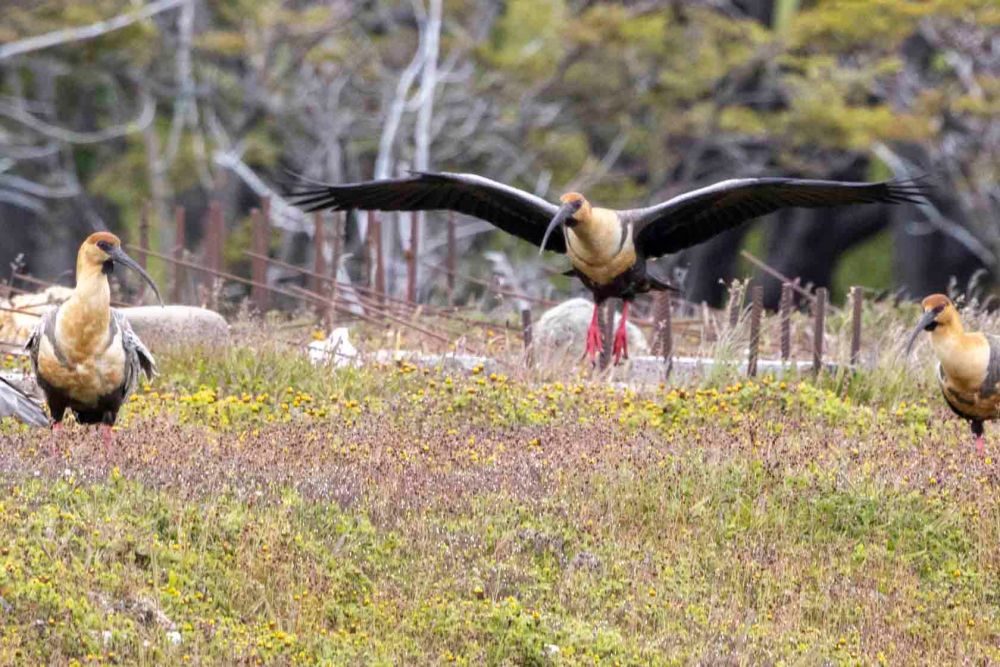
12番目、カオグロトキ。 Number 12, Black-faced Ibis.

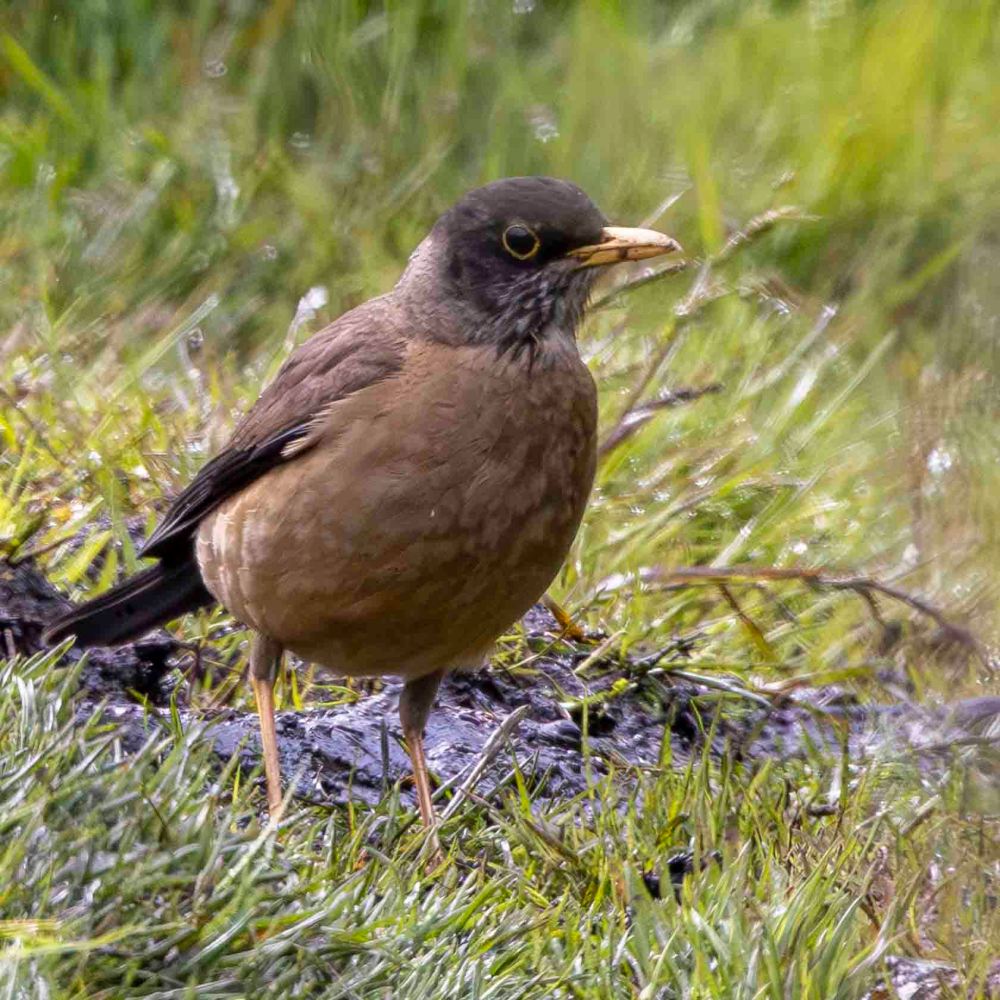
そして最後にツグミ。英語では “Austral Thrush” という名前でその中に亜種が3つあります。ただ、区分が良く分からず、ネットサーチでは大混乱をきたします。だから、一応ここではフォークランドツグミとします。左がフォークランドツグミで、中央がマゼランツグミかもしれません。右は幼鳥です。 And finally, the Austral Thrush. It’s said that it has three subspecies. However, the distinctions are unclear, and searching online leads to great confusion. My guess is that the left image below is the Falkland Thrush, the center one might be the Magellanic Thrush. The right one is a juvenile.
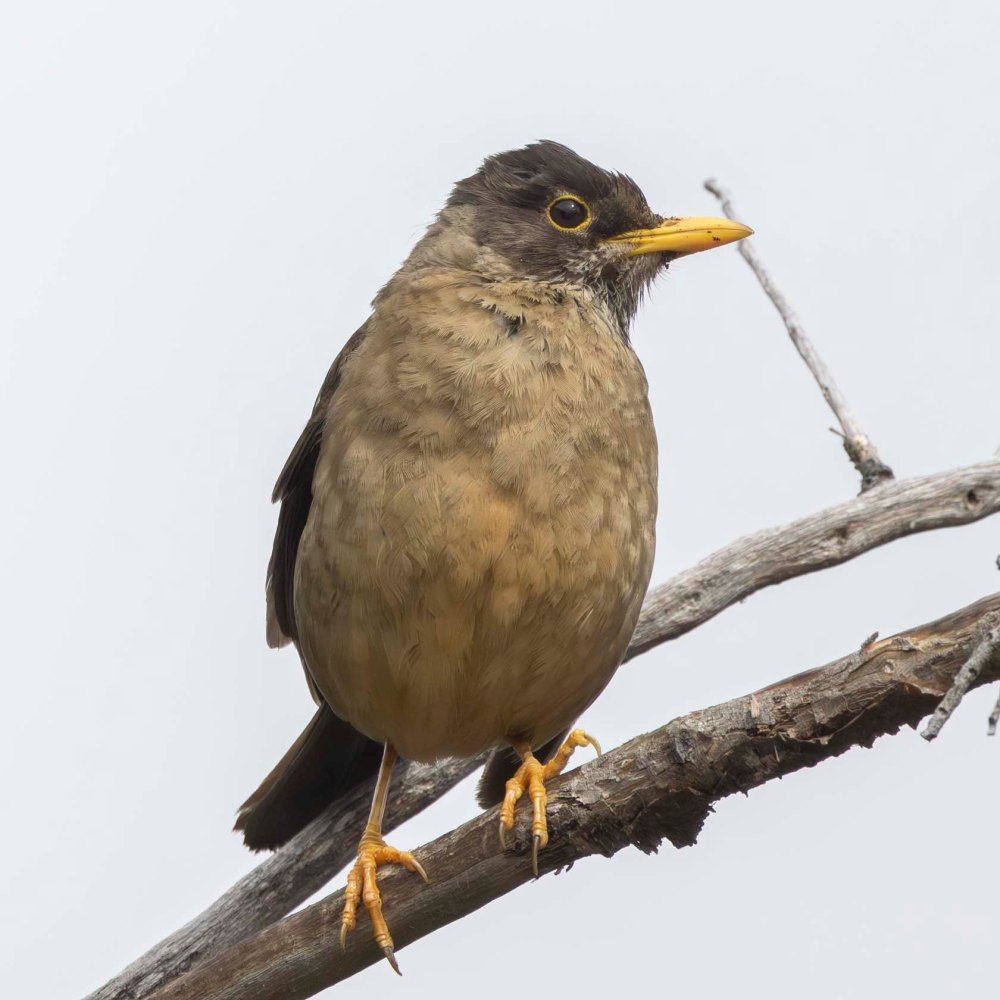

この幼鳥を見てハッとしました。もしかして名前のわからない鳥はこの種かもしれない。 1月21日のブログ、「君の名は」の鳥はフォークランドツグミ?!断然そうだと思います。 Seeing this young bird made me gasp. Could this be the species of the unnamed bird? The bird from the January 21st blog post, “Your Name?”—could it be an Austral Thrush?! I’m absolutely convinced it is now.
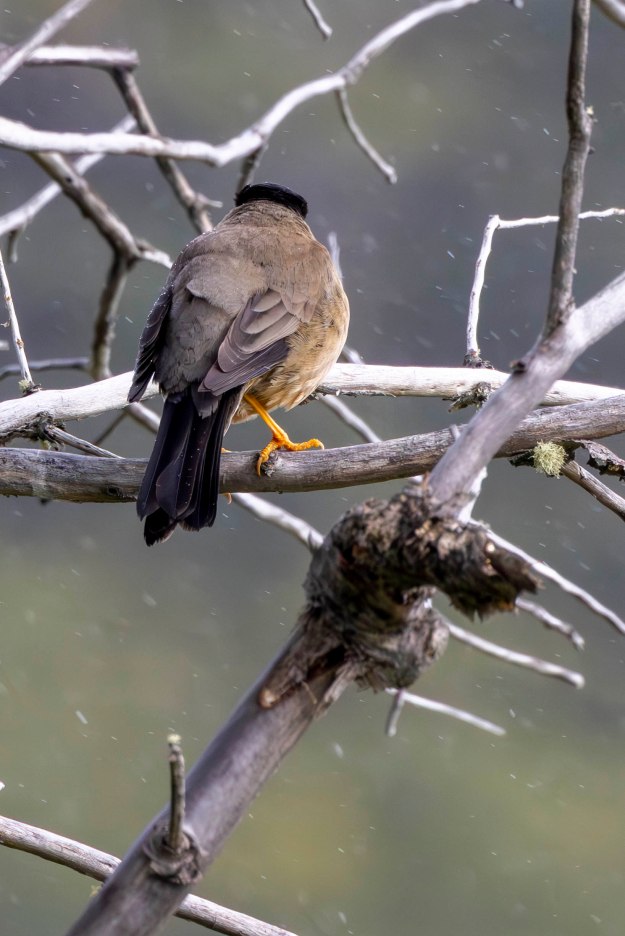
今日のブログ作成までに目を通した写真の数は3,000枚ほどです。それでようやくわかりました。君の名は、フォークランドツグミだった! I looked through about 3,000 photos before writing today’s blog. And finally I figured it out. Your name was the Austral Thrush!
これでウシュアイアでのバードウォッチング紀行が終了しました。これから私の鳥データベースをアップデートさせます。そして、次回から舞台を陸から海に移し、船に乗って更に南へ向かいます。お楽しみください。 This concludes my birdwatching journey in Ushuaia. I’ll now update my bird database. Next time, I will shift my focus from land to sea, boarding a ship to head further south. Stay tuned.
 aomi3 now