南極の海は静かでした。 It was calm in the Antarctic seas.
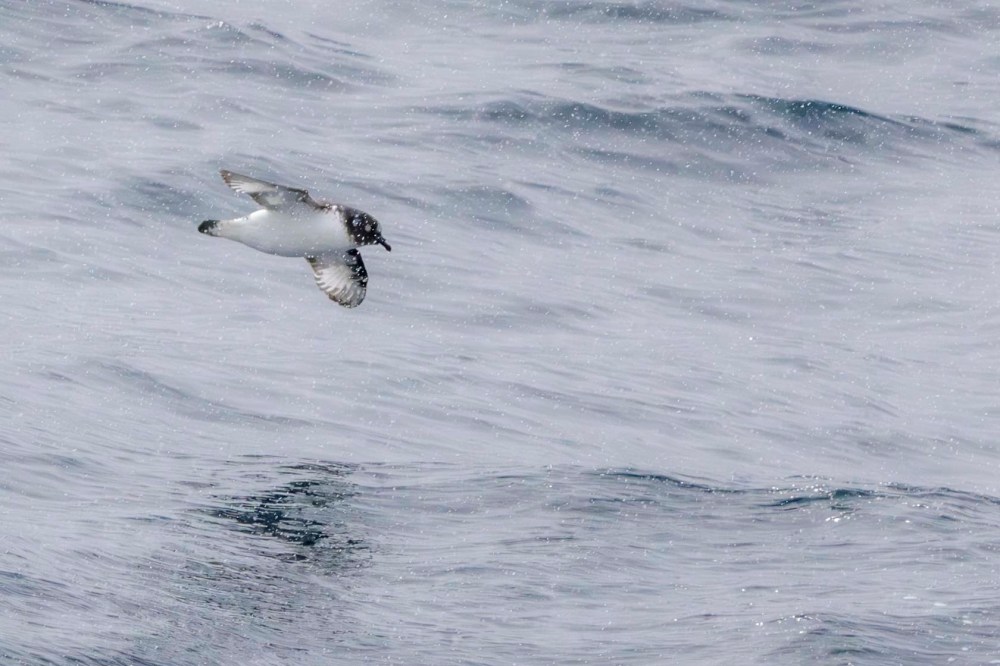
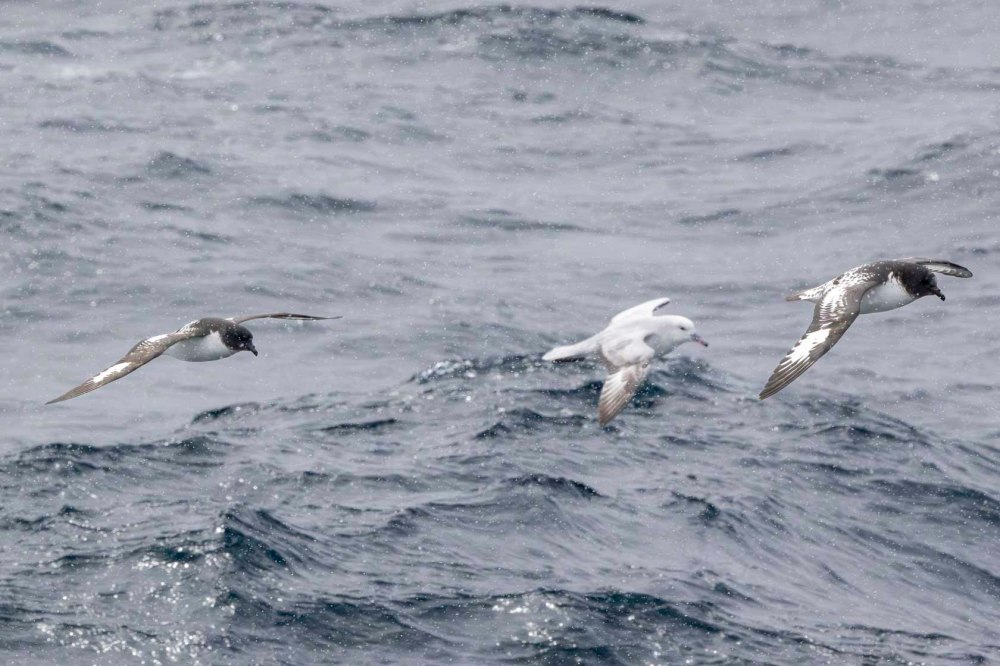
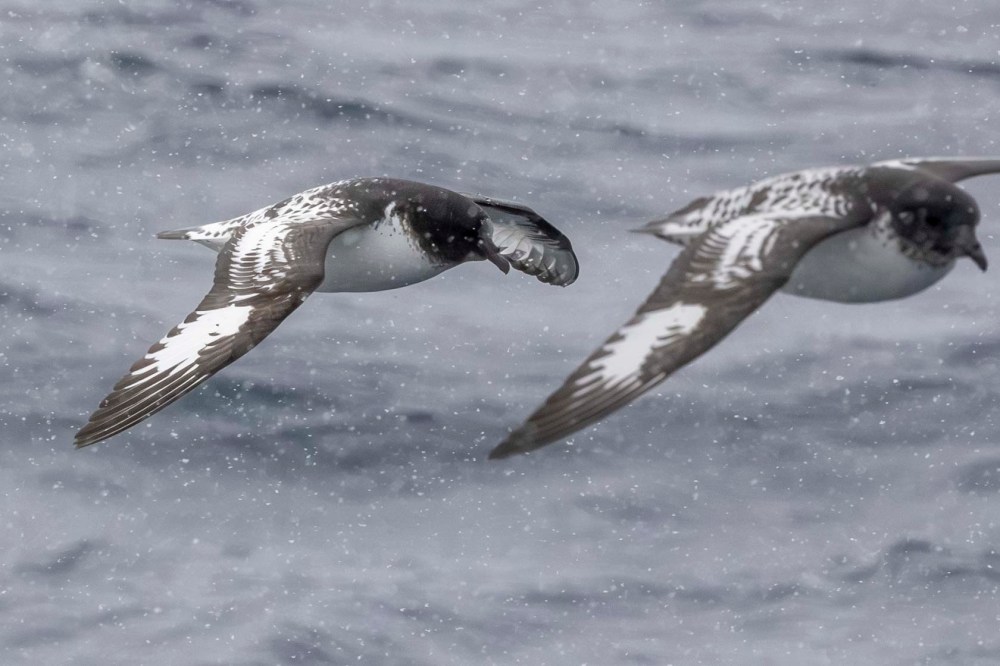
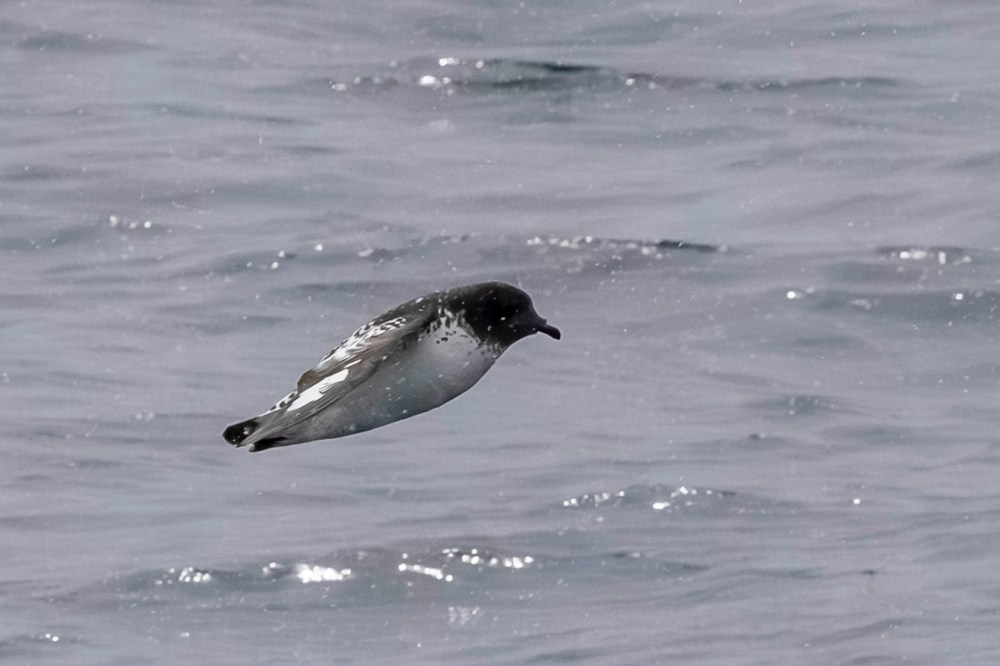
マダラフルマカモメがザトウクジラの後をつけていく光景はよく見かけました。 We often saw the sight of Cape petrels following humpback whales.
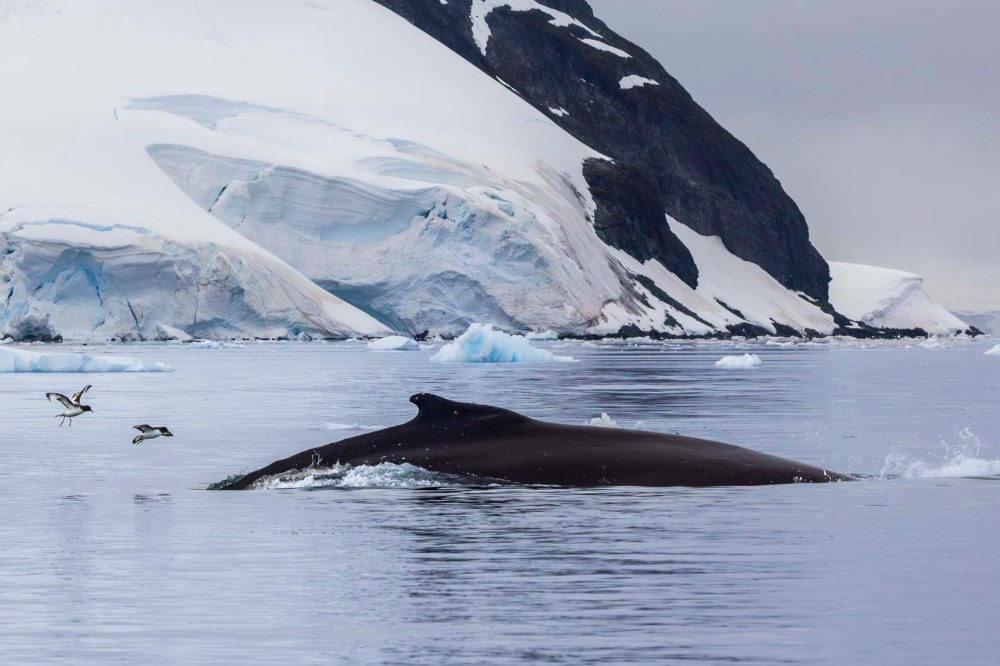
なぜなら食べ物が同じだからです。オキアミが大量に住んでいる南極の海を目指して鯨が帰って来ます。マダラフルマカモメもオキアミを食べるので、ザトウクジラの後をつけていればおこぼれにありつけるんですね。 Because they share the same food source. Whales return to the Antarctic seas where krill thrive in vast numbers. Since the Cape petrels also feeds on krill, following the humpback whales allows them to pick up the scraps.
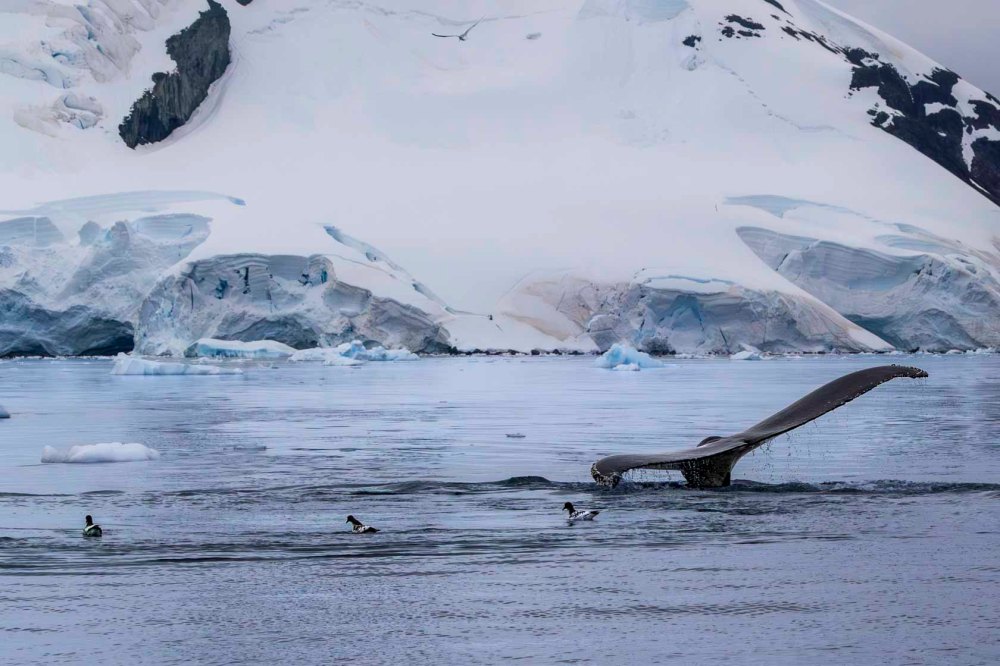
ザトウクジラは時々体を動かしていましたが、それでもとても静かです。なぜなら眠っているからです。ジェンツーペンギンもオキアミを貰いにクジラの周りに集まっていました。 The humpback whale occasionally moved its body, yet remained very still. Why? Because it was asleep. Gentoo penguins also gathered around the whale to receive krill.
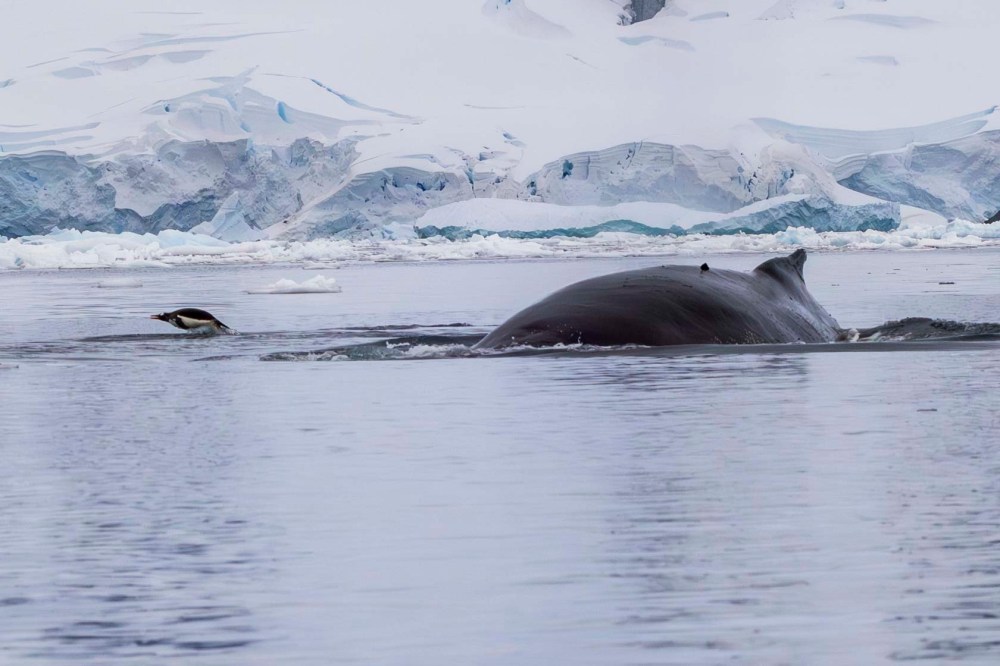
静かに、静かに、体を浮かせているだけでした。 Quietly, quietly, it merely floated its body.
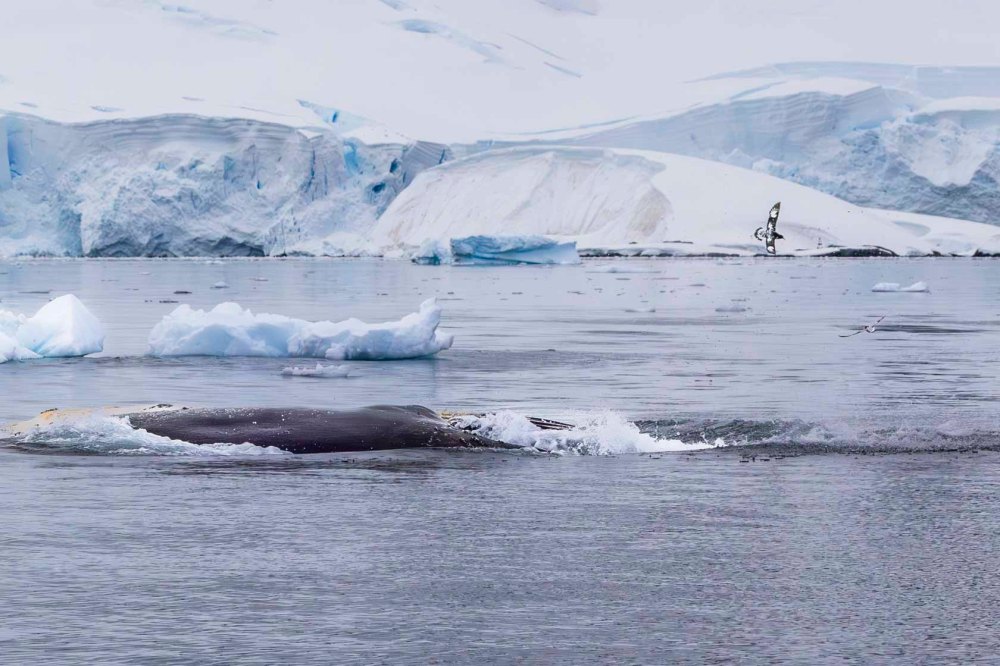
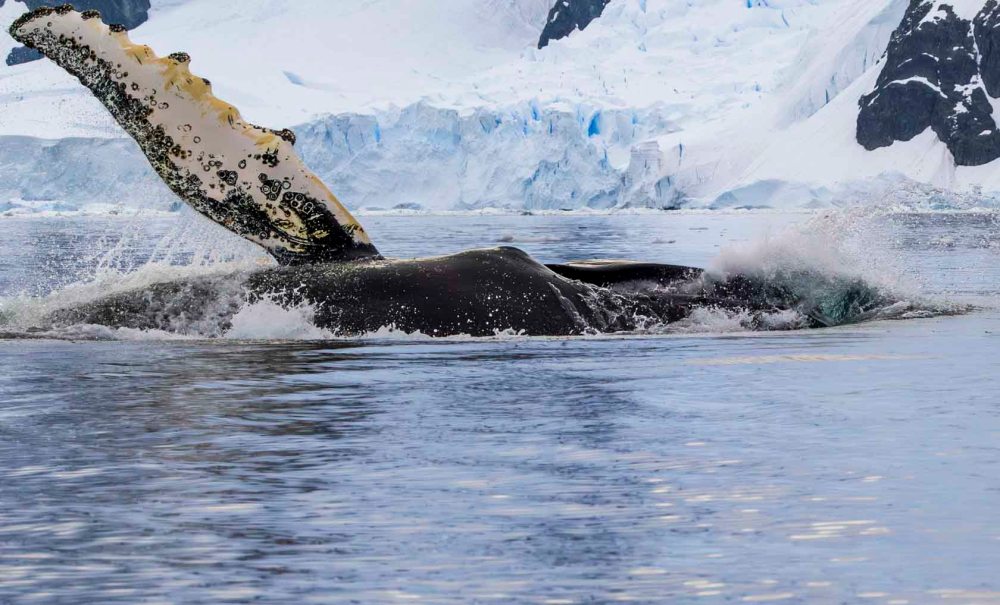
時々、シンクロナイズスイミングをしているかのようにクルクルと胴体を回転させていました。 Occasionally, he would spin his torso round and round as if performing synchronized swimming.
そして、突然頭をぐっと持ち上げて、ストレッチをしているようでした。口の中のクジラヒゲが少し見えますね。 Then, suddenly, it lifted its head sharply, as if stretching. You can see a bit of the baleen in its mouth.
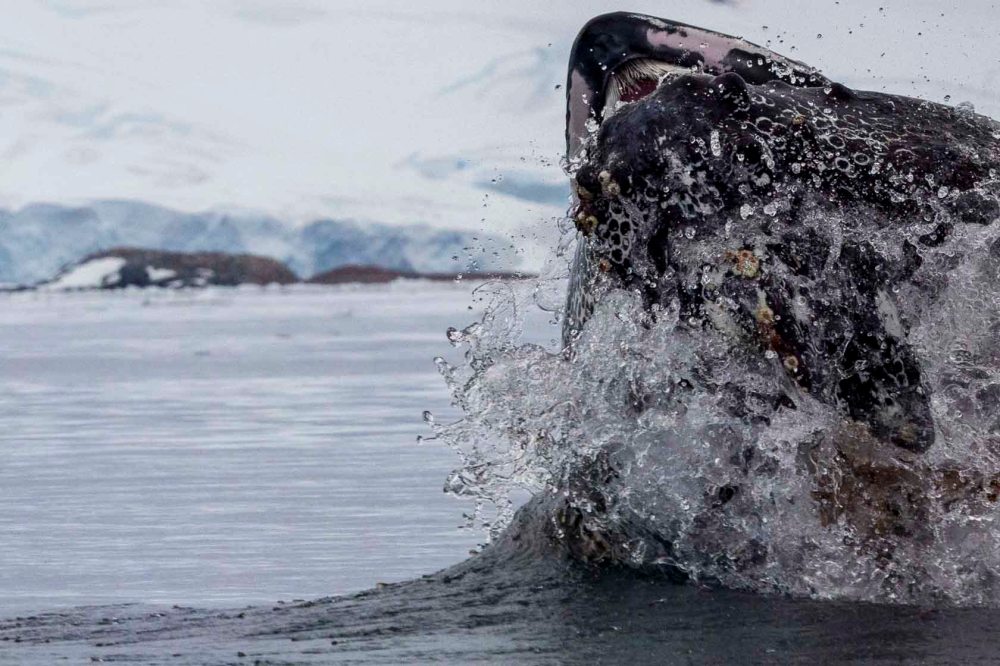
クジラのお腹を見たのは初めてだったので、必死にカメラのシャッターを押しました。 It was the first time I’d ever seen a whale’s belly, so I pressed the camera shutter frantically.
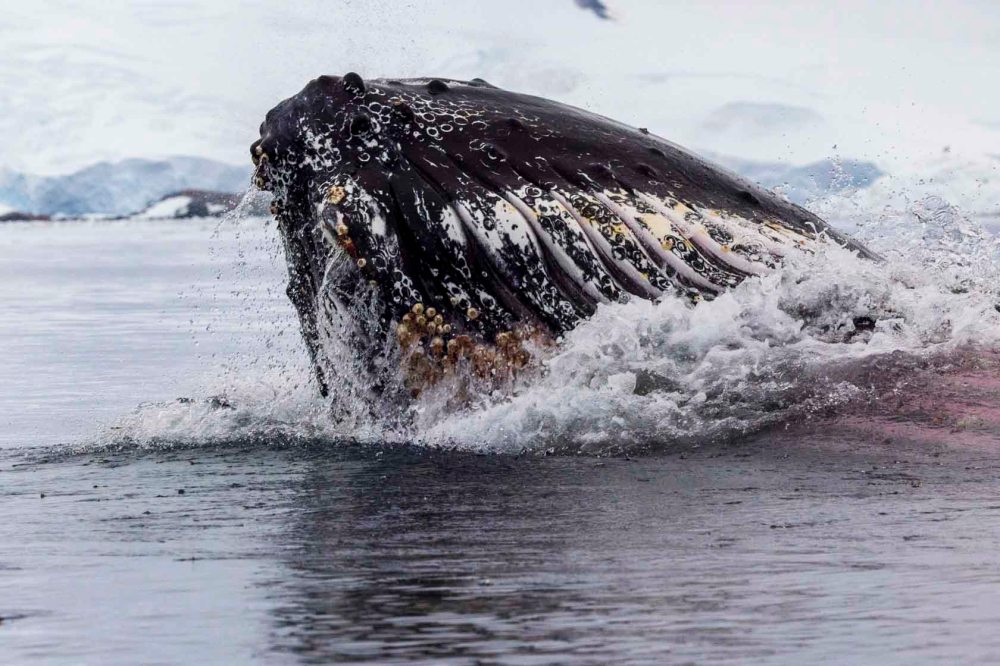
こちらは背中側からのショットです。上顎にクジラヒゲがびっしりと生えているのが見えます。 This is a shot from the rear. You can see the upper jaw densely covered in baleen plates.
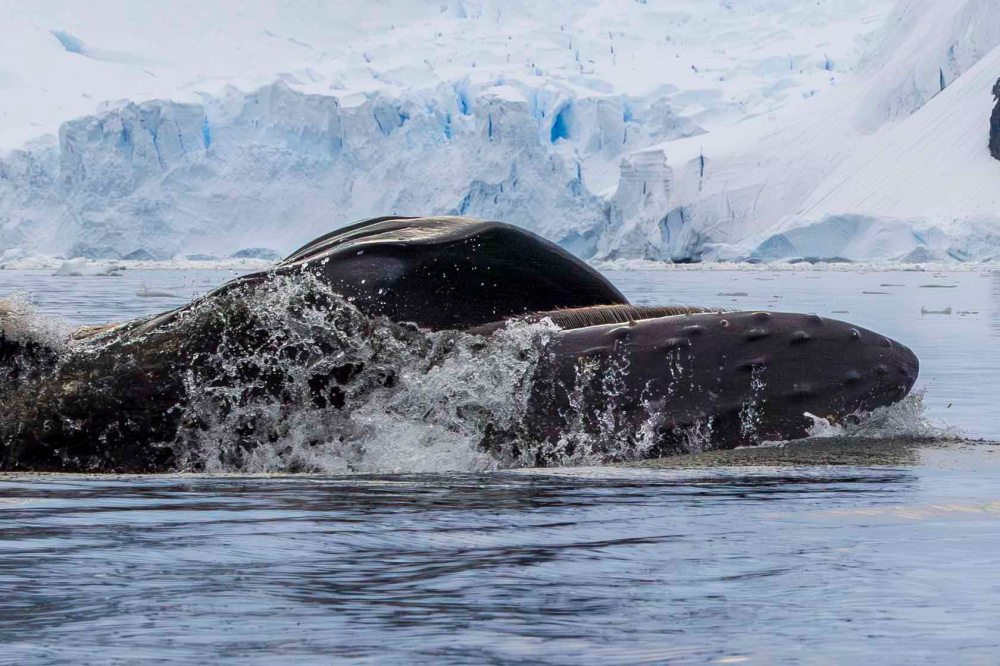
クジラが海水をすくった後の姿です。海水が横から流れ出ているのがわかります。いったい何千匹のオキアミが口の中に残ったのでしょうか? This is the whale after it has scooped up seawater. You can see the seawater flowing out from the sides. Just how many thousands of krill might have remained in its mouth?
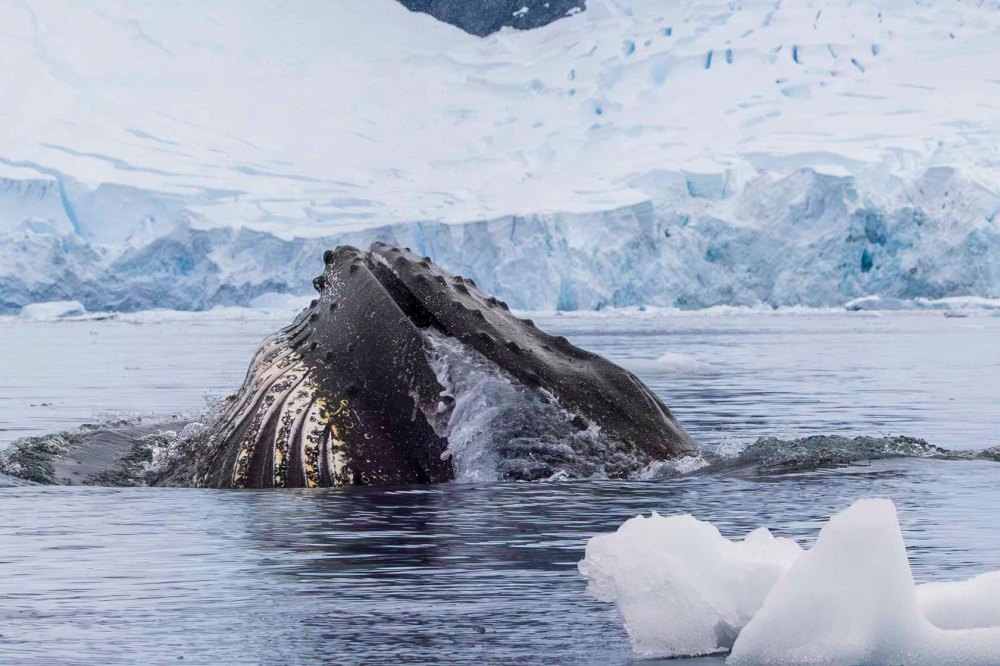
こうして、ゆっくりと時が流れていきました。オキアミをたくさん食べて眠くなったのかもしれません。クジラはあまり動かなくなり、静寂が再び戻って来ました。 And so, time passed slowly. Perhaps having eaten plenty of krill, the whale grew drowsy. It moved less and less, and silence returned once more.
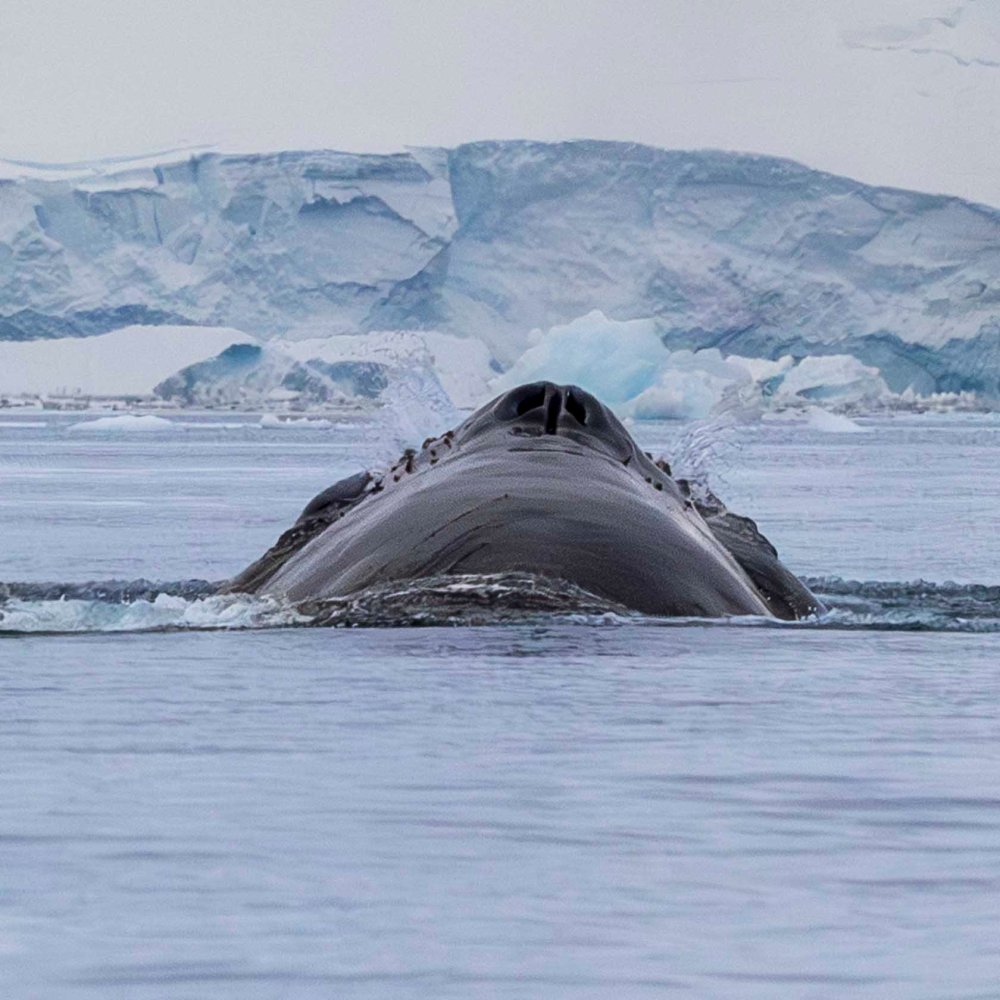
下の写真、大きな2つの穴はザトウクジラの噴気孔です。 In the photograph below, the two large holes are the humpback whale’s blowholes.
さて、所かわってこちらはサウスジョージア島のエルセフルベイです。ラッキーなことに、ミナミセミクジラに出会いました。顔の前からのショットです。ミナミセミクジラの体についているベージュ色の突起は角質化された皮膚です。これらは小さな甲殻類の住処となります。 Now, moving on to Elsehul Bay in the South Georgia Island. We were fortunate enough to encounter a Southern Right whale. This is a shot taken from directly in front of its face. The beige objects on the whale’s body are rough patches of skin known as callosities. They provide habitat for small crustaceans.
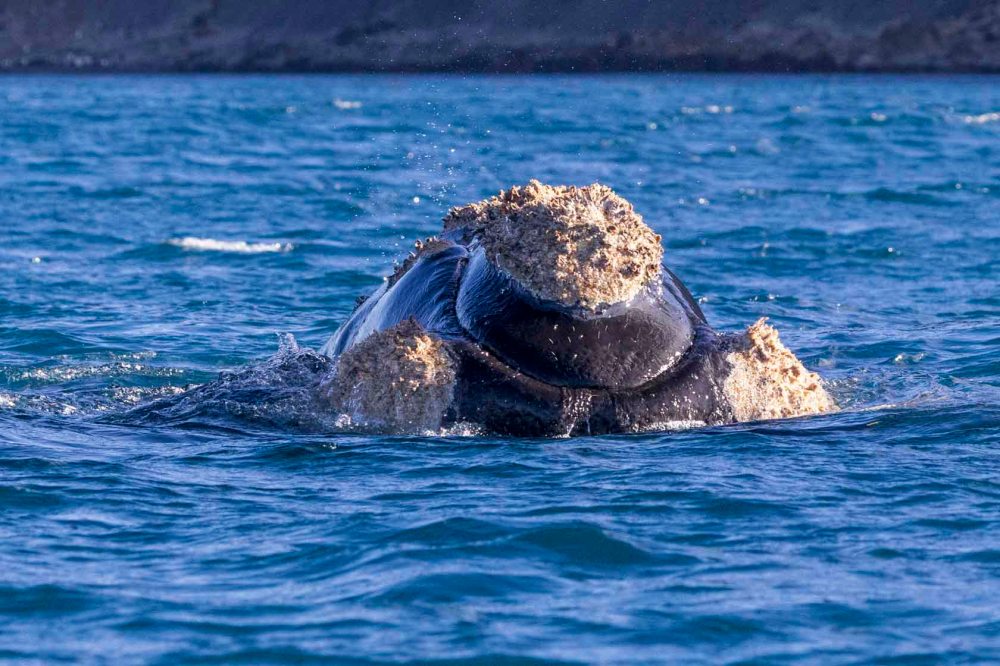
口の周りにはヒゲが生えているのでしょうか。 Is there a beard growing around his mouth?
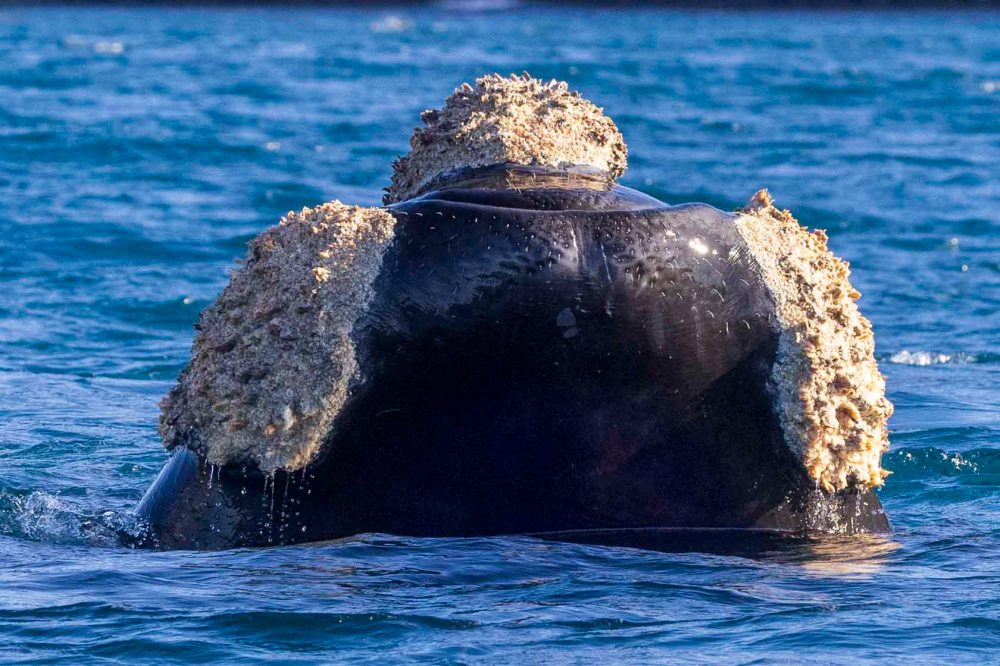
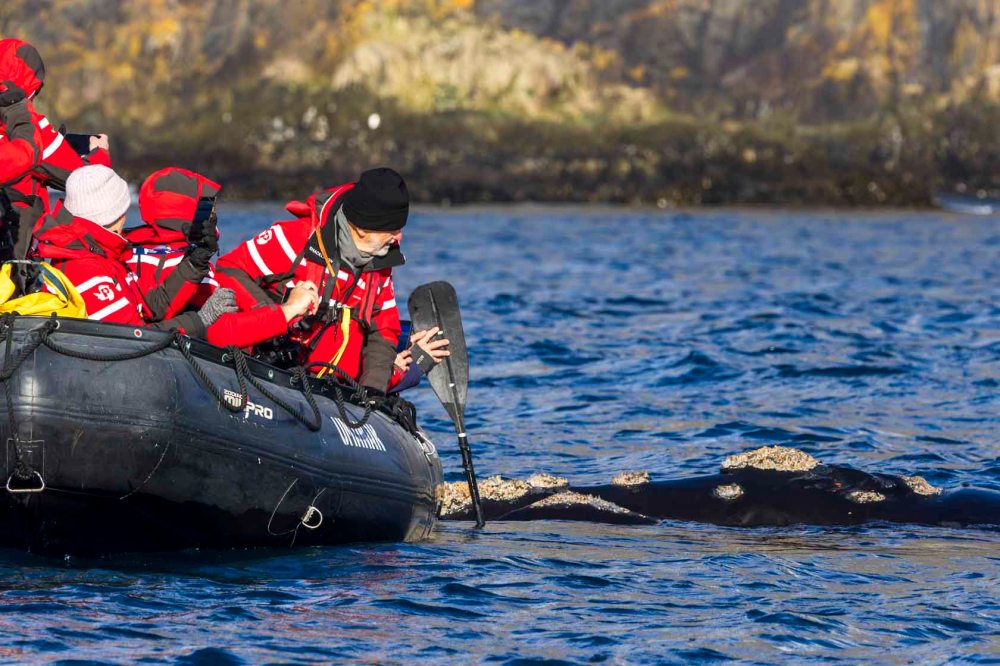
人懐こくて優しいクジラだとされています。私も含めて、写真家達は夢中になって写真を撮っていました。 They are considered to be friendly and gentle whales. Photographers, myself included, were completely absorbed in taking pictures.
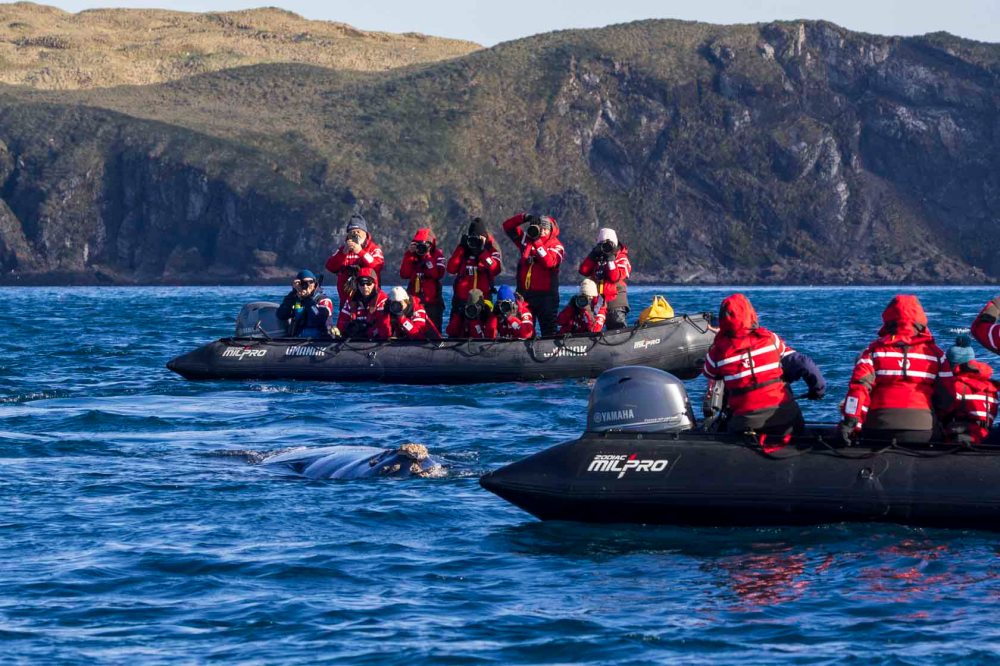
私たちのゴムボートには近づいてくれませんでしたが、逃げていこうとはしませんでした。 It did not approach our zodiac, but it did not attempt to flee either.
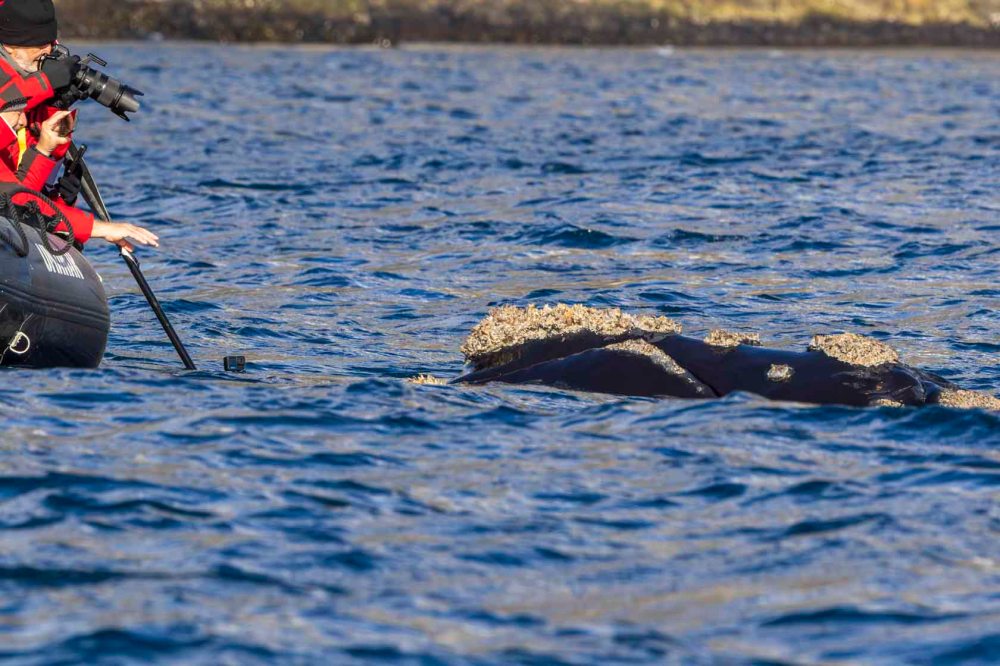
どれほどの時間が過ぎたのでしょうか。私たちはもちろんのこと、ミナミセミクジラもきっと楽しいひと時を過ごしたに違いありません。 How much time had passed? We certainly had a splendid time, and the Southern Right whale must surely have enjoyed itself too.
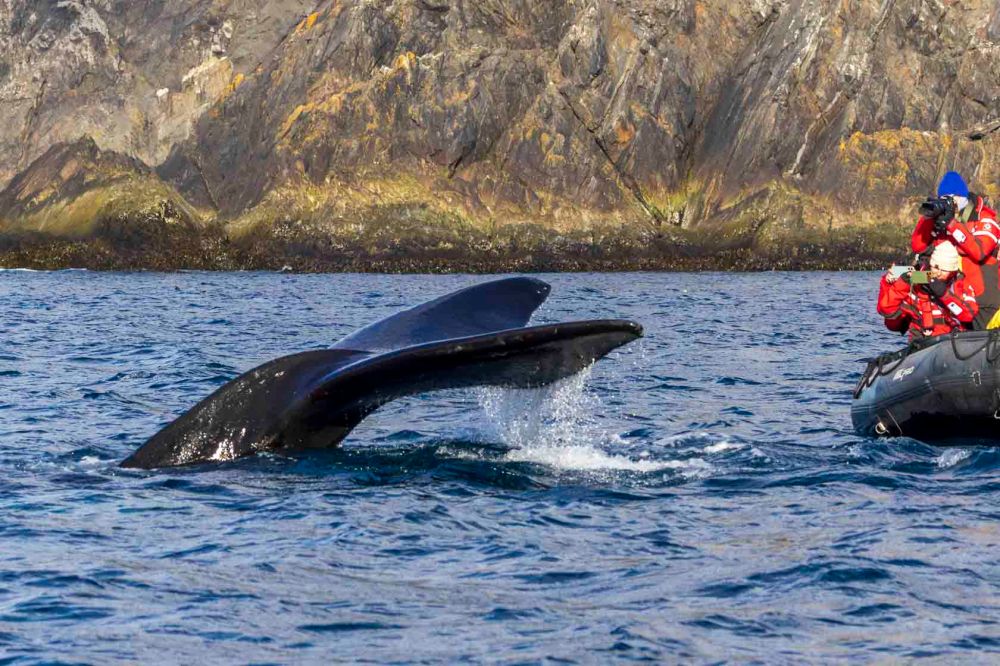
ミナミセミクジラは尾鰭を上げてお別れの挨拶をして去っていきました。 It raised its tail fin in farewell and swam away.
 aomi3 now