高校生の頃からアンデス山脈を歩いてみたいという漠然とした夢がありました。 Ever since high school, I’ve had a thought of someday hiking the Andes Mountains.
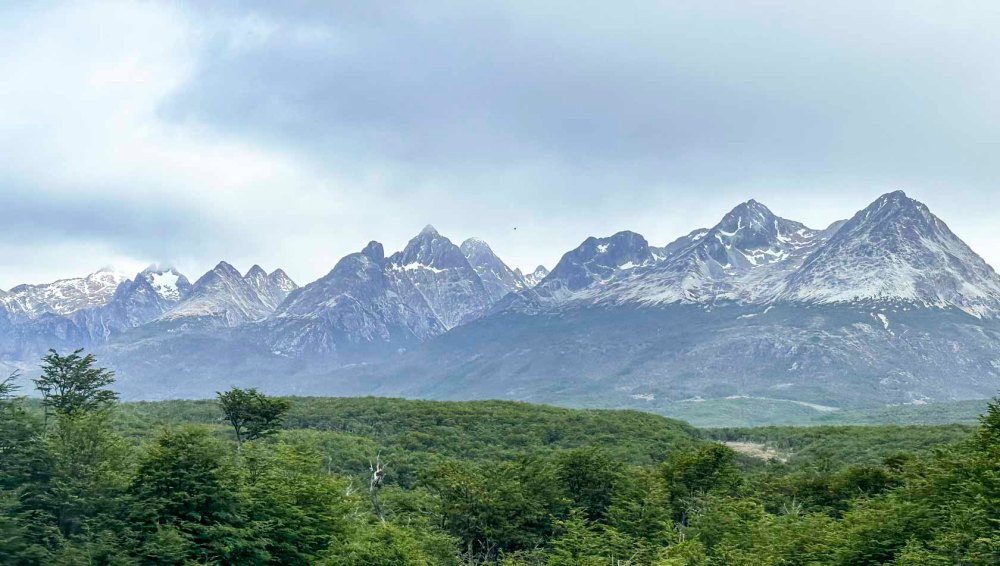
その頃は具体的な場所や特性の知識もなく、調べてみようという気すらありませんでした。それが25年ほど前、ガラパゴス諸島を訪れることになり、エクアドルのキトから行ける場所を調べ始めて知識量がぐっと増えました。結局その時は10歳の息子のと二人だけだったので、ツアーガイドにコトパクシの中腹まで連れて行ってもらっただけでした。もちろん、車でです。だから、アンデス山脈には行っていますが、歩いてはいません。 Back then, I had no knowledge of specific locations or characteristics, and I didn’t even feel like looking into it. That changed about 25 years ago when I ended up visiting the Galápagos Islands. I started researching places accessible from Quito, Ecuador, and my knowledge grew significantly. Ultimately, since it was just me and my 10-year-old son at the time, we only had a tour guide take us halfway up Cotopaxi. By car, of course. So, while I’ve been to the Andes Mountains, I haven’t walked there.
アンデス山脈は世界最長の山脈で、南アメリカの西側をすべて指しているとも言えます。これは大昔、白亜紀の頃からナスカプレートが南アメリカ大陸プレートの下に潜り込み、その結果、西側が隆起して現在の形になっとと言われています。 The Andes are the world’s longest mountain range, stretching across the entire western side of South America. It is said that long ago, during the Cretaceous period, the Nazca Plate subducted beneath the South American Plate. As a result, the western side was uplifted, forming the range as we know it today.
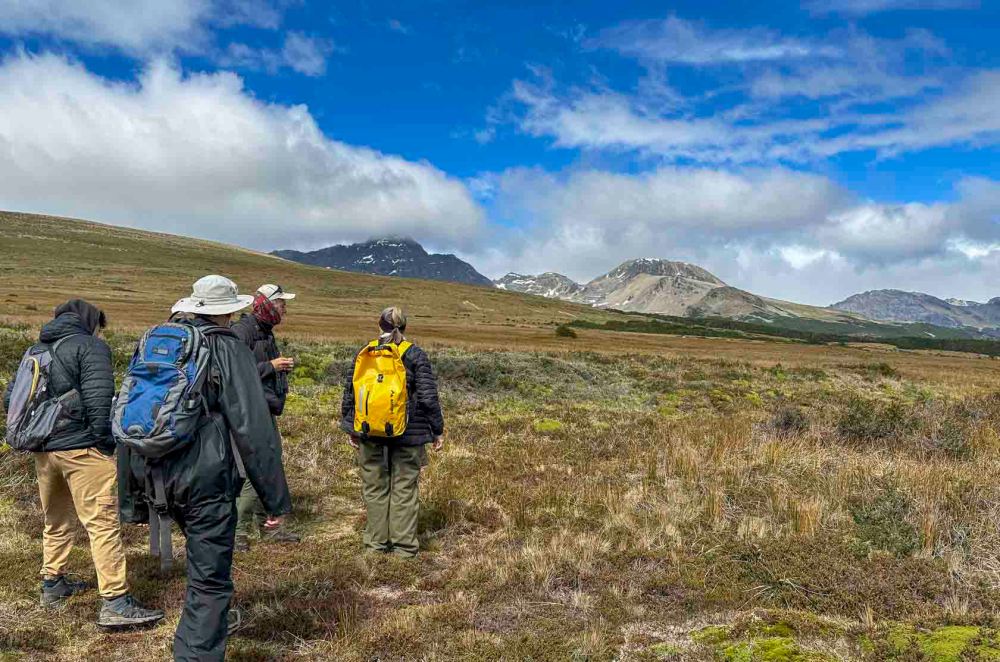
今回はウシュアイアから日帰りで、南アンデスの南端に行くことができました。目的はもちろん、鳥探しです。合計13種の鳥の写真を撮ることができました。 This time, I managed to make a day trip from Ushuaia to the southernmost tip of the Southern Andes. My goal, of course, was birdwatching. I was able to photograph a total of 13 bird species.
鳥探しは、大抵の場合、こんな感じで始まります。誰かが双眼鏡で鳥を見つけると、一斉に、静かに、でも、早歩き、もしくは、走って近くまで行きます。時々、這いつくばって崖を登ります。その間、鳥はスイスイと飛んでいってしまう。それでもめげず、強風の中を飛ばされないように走り続けるんです。 Birdwatching usually starts like this. When someone spots a bird through binoculars, everyone quietly but quickly walks or runs closer. Sometimes we crawl up cliffs. Meanwhile, the bird glides smoothly away. Undeterred, we keep running, trying not to get blown away by the strong wind.
この日の私のハイライトはシロハラオオヒバリチドリでした。何といっても、一番苦労したからです。 My highlight of the day was White-bellied Seedsnipe. After all, it was the one that took the most effort.
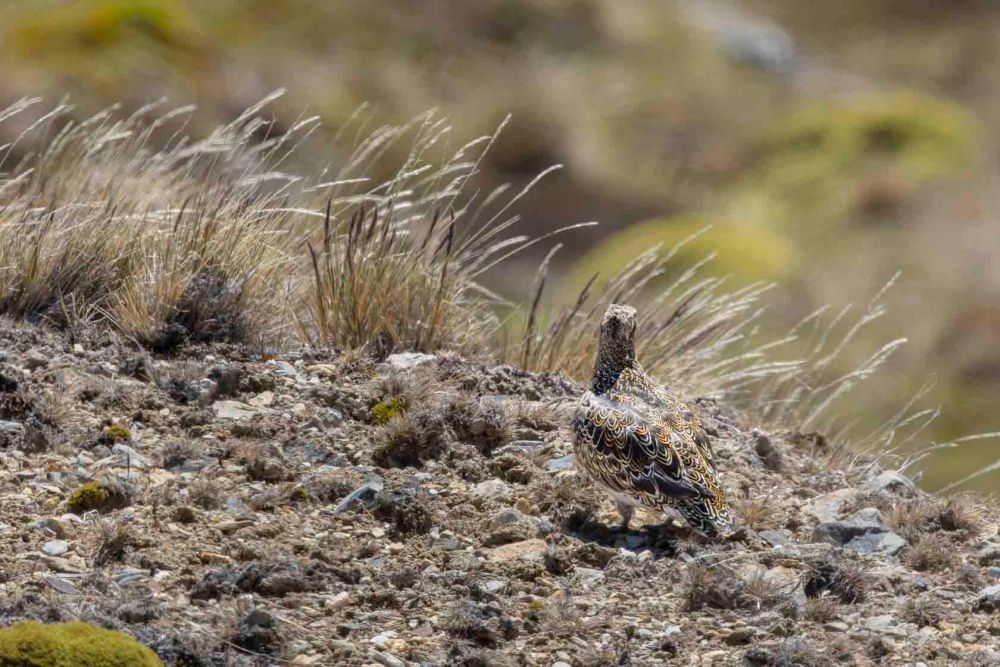
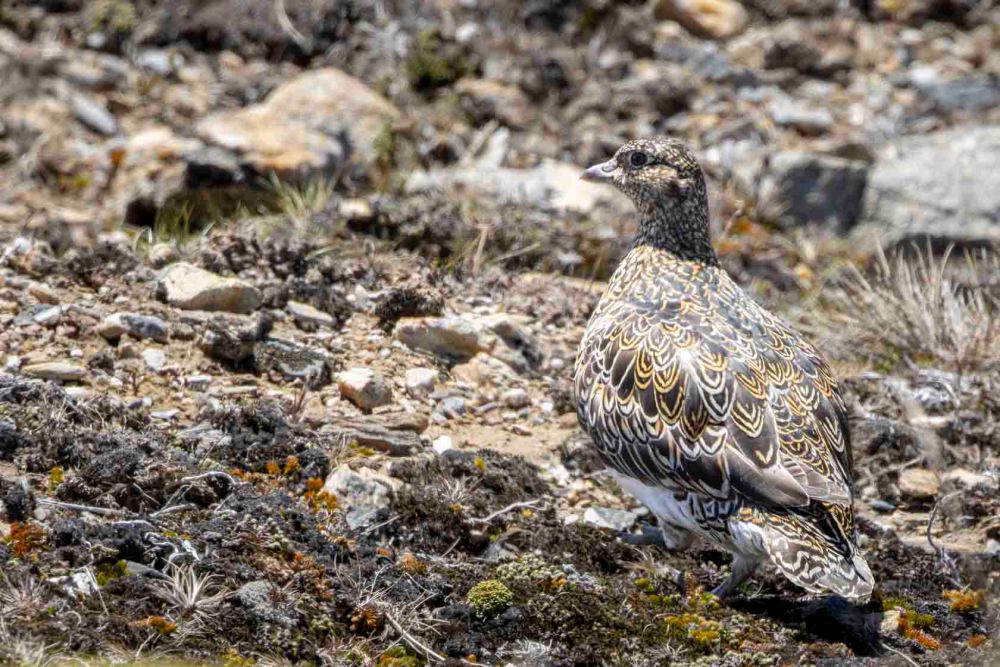
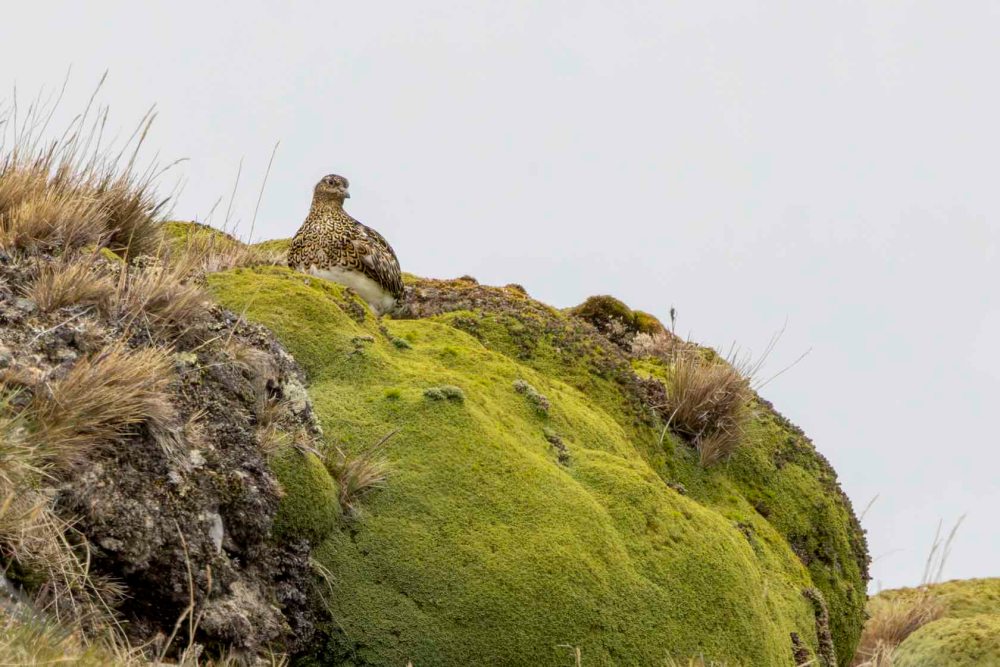
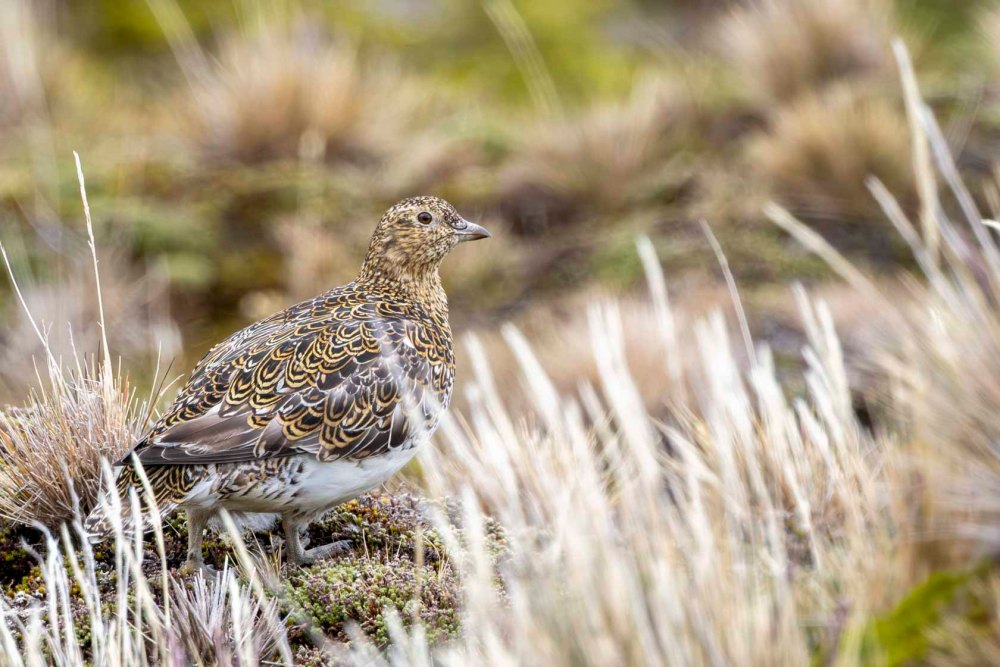
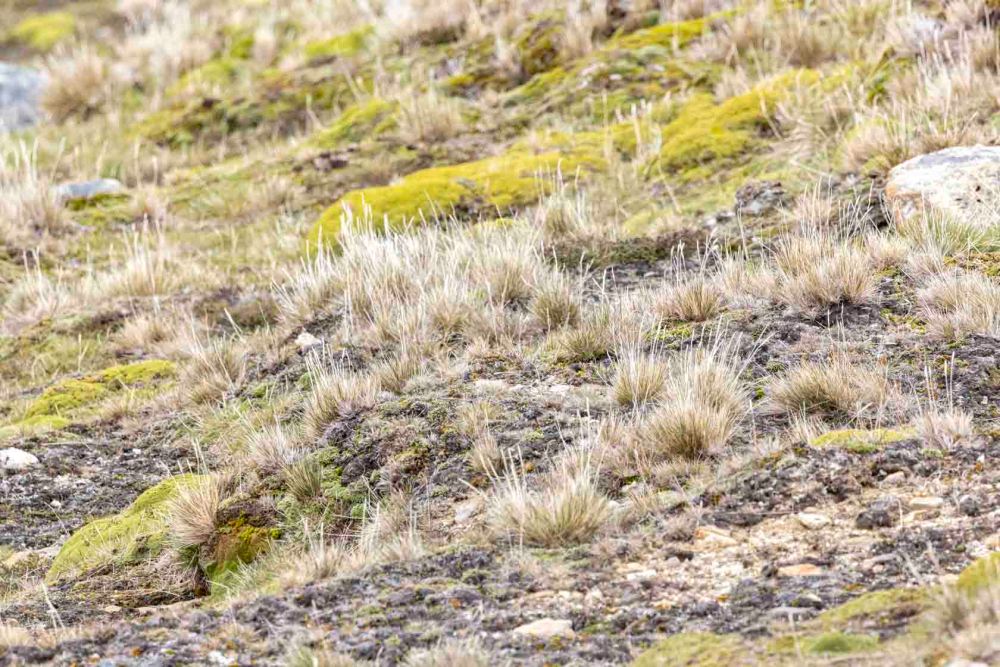
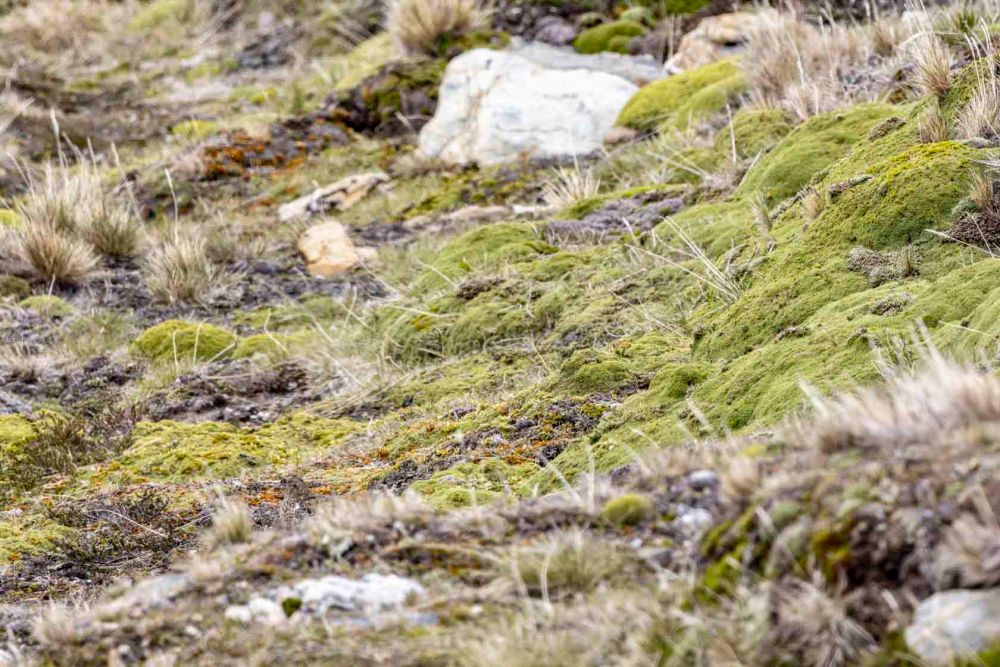
苦労した理由はたくさんありますが、私の場合は、みんながあそこにいると言っても、どこにいるかわからない。たとえば、下の写真、シロハラオオヒバリチドリがどこにいるか見つけられますか?見つけられたら拍手喝采を差し上げます。 There are many reasons why it was difficult, but in my case, even if everyone says it’s there, I can’t figure out where it is. For example, in the photo below, can you find where the White-bellied Seedsnipe is? If you can find it, I’ll give you a round of applause.
次に嬉しいゲットはかわいいカオグロイワタイランチョウです。 Next up is a delightful catch: Dark-faced Ground Tyrant.
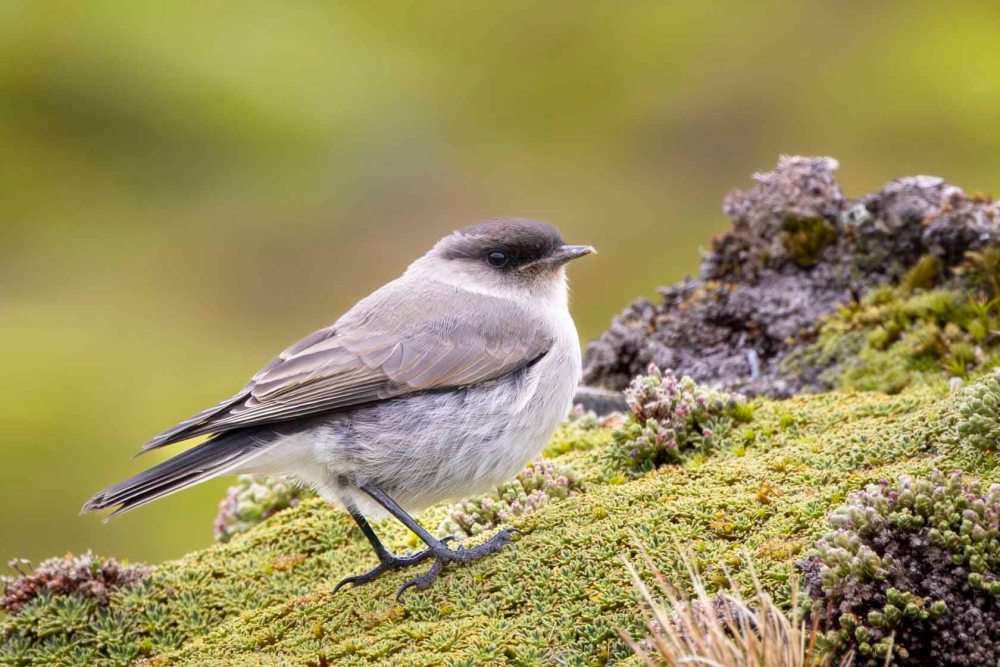
こんなに小さな鳥ですがタイランチョウなので虫を食べます。今回、そのシーンを目撃したので、11枚の写真をビデオにしました。どうぞご覧ください。他の鳥と同じように、捕まえた獲物は一度口から離して様子を見ます。その後、猛烈な勢いで獲物を地面に叩きつけ、飲み込みます。 Though it’s such a small bird, it’s a tyrant flycatcher, so it eats insects. This time, I witnessed that scene and made a video of 11 photos. Please watch it. Like other birds, it first releases its captured prey from its beak to observe it. Then, it violently slams the prey onto the ground and swallows it.
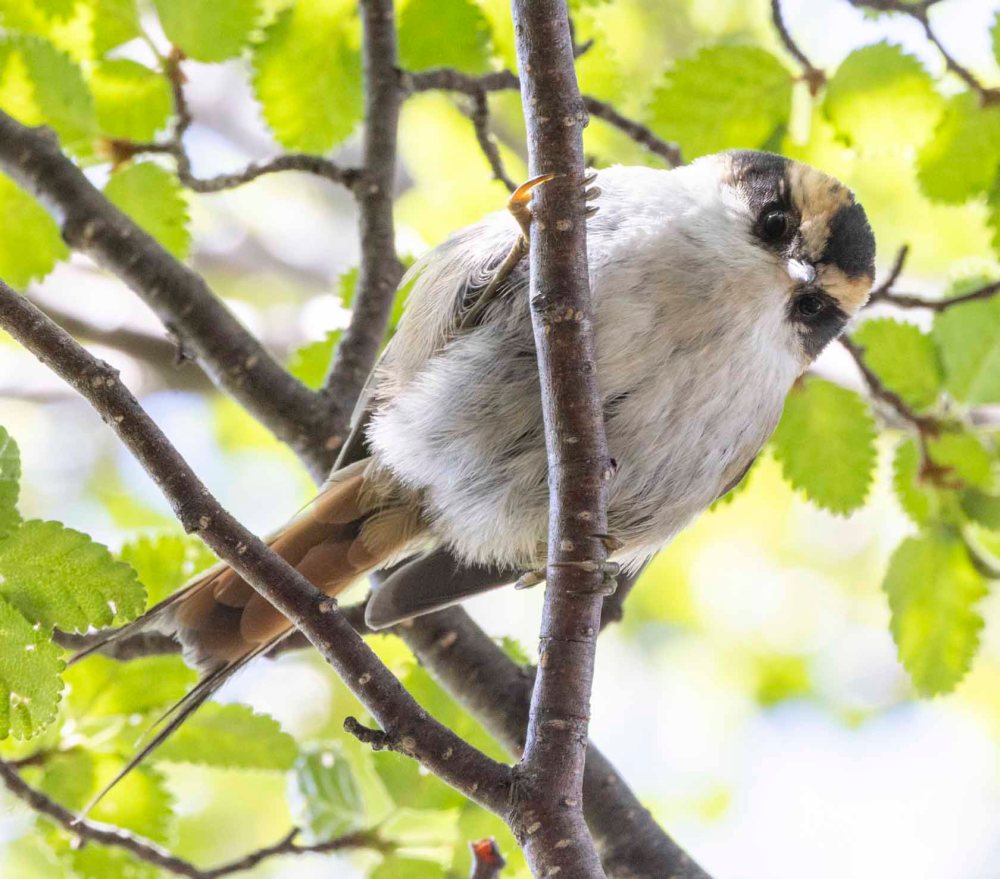
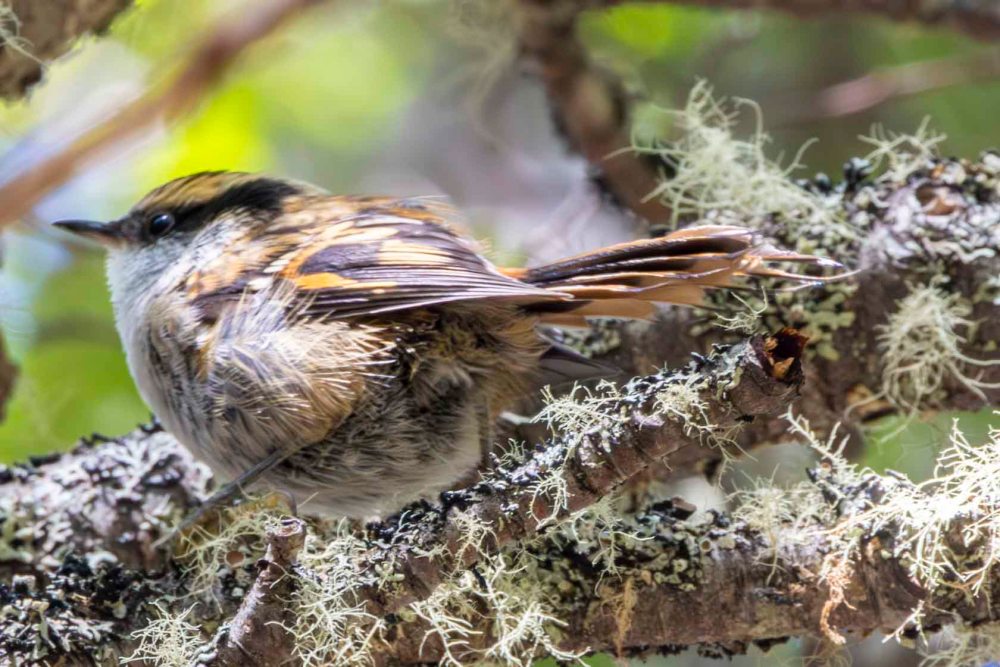
こちらは、ハリオカマドドリです。尻尾が針やトゲのように尖っている所からつけられた名前です。ホテルの近くでよく見ていたのに、すばしっこすぎて写真に収めらなかった鳥です。でも、この日、撮れました。やったね! This is the Thorn-tailed Rayadito. Its name comes from its tail, which is sharp like needles or thorns. I often saw this bird near the hotel, but it was too quick to capture in photos. But today I captured it. Yay!
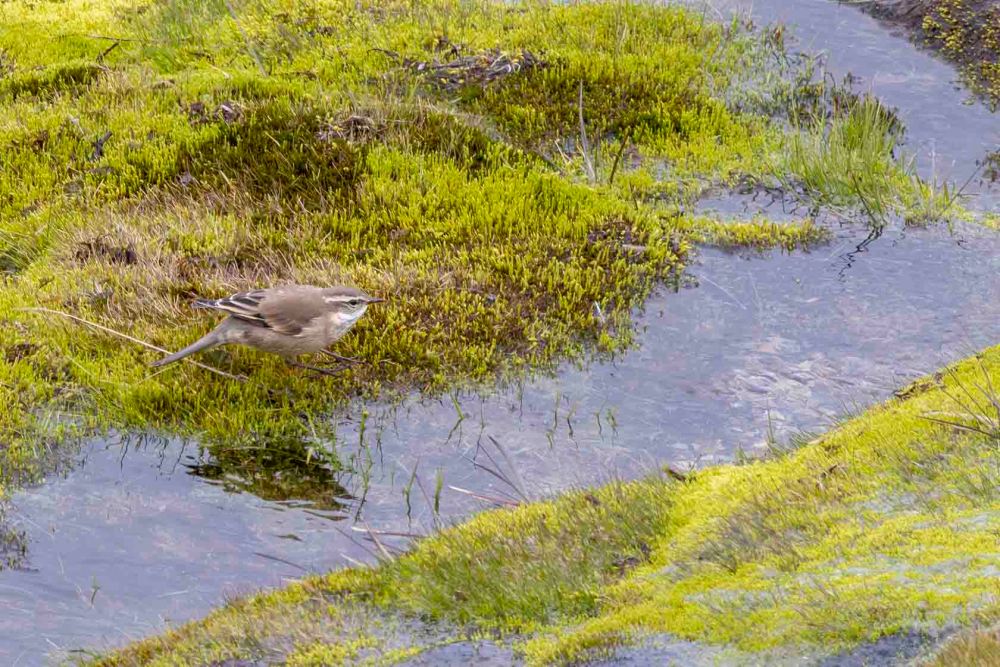
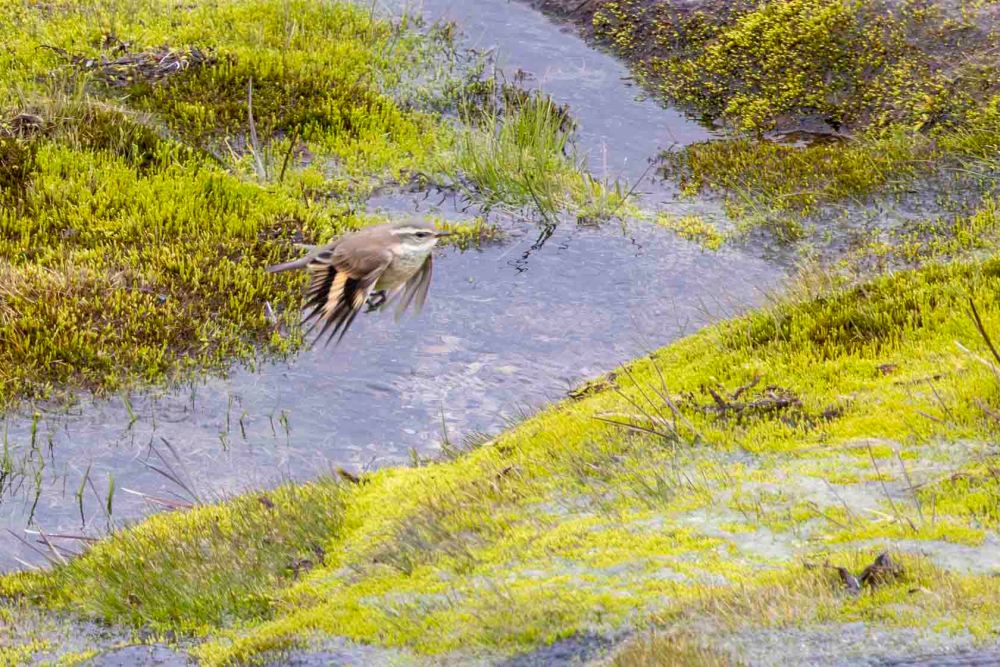
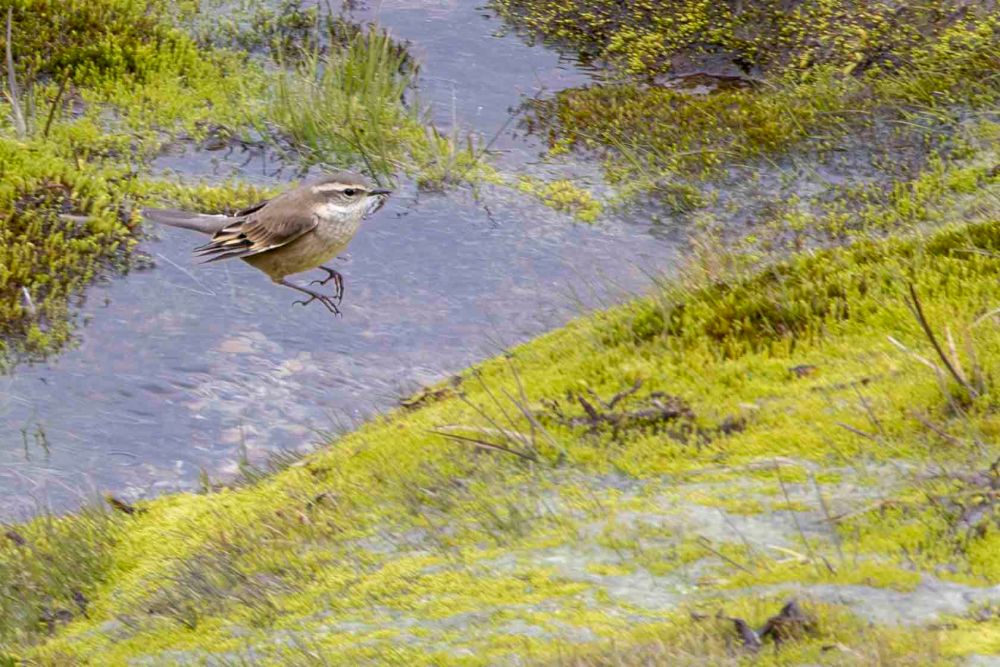
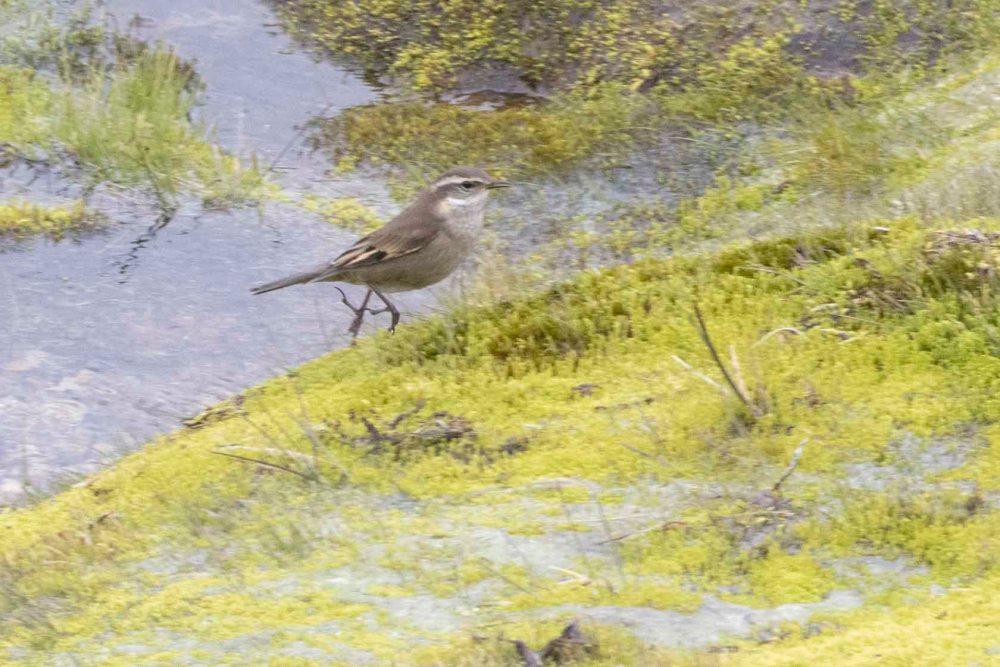
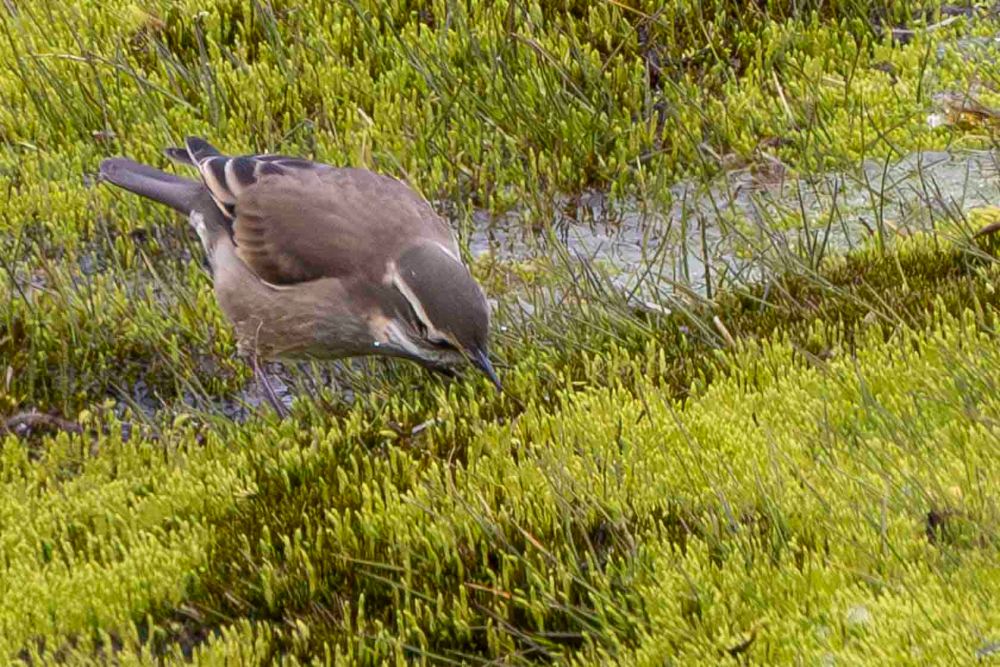
次はこちら、オビバネカワカマドドリ。ハリオカマドドリと同様に、カマドドリ科に属しています。英語でも日本語でもこの名の由来はカマドのような巣を作ることから名付けられました。 Next up is the Buff-winged Cinclodes. Like Thorn-tailed Rayadito, it belongs to the Furnariidae family. Both the English and Japanese names derive from the fact that it builds a nest resembling a stove.
オビバネカワカマドドリは川の周辺で見られる事から付けられた名前だと想像します。 I imagine the name Buff-winged Cinclodes was given because it is often seen near rivers.
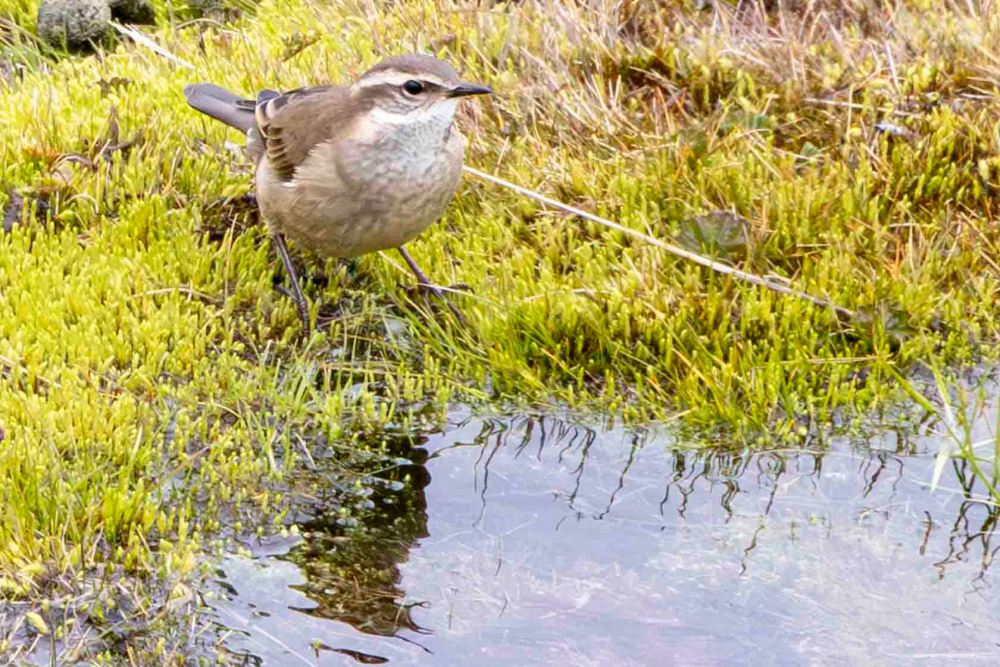
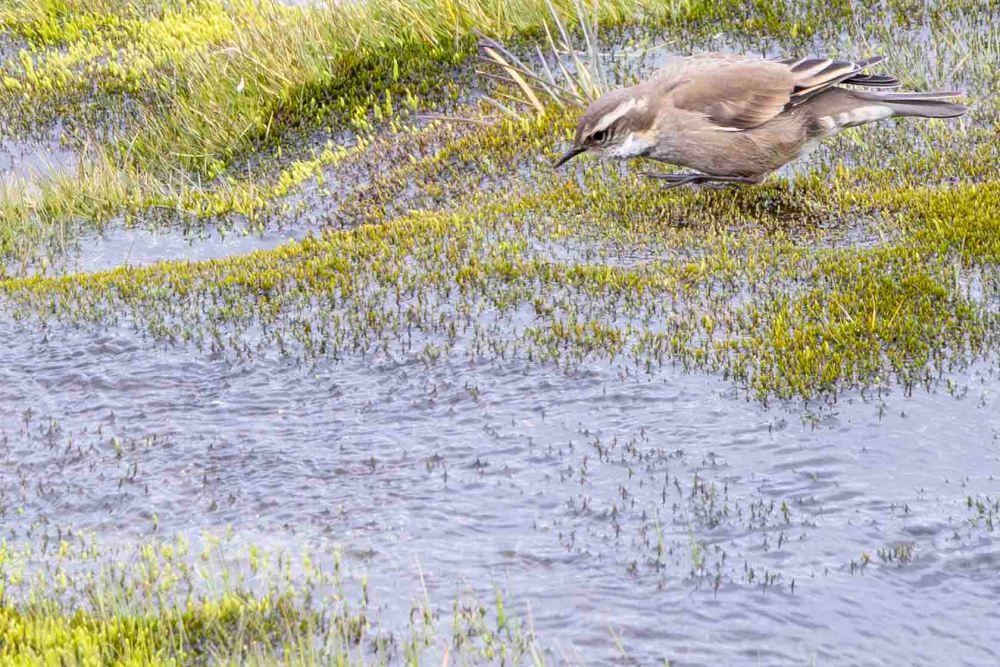
川の周辺の水生無脊椎動物、ミミズなどを食するので川の近くで見かけるというのは自然な事ですね。この日も鋭い視力で獲物を見つけるとパッと飛んでゲットしました。パクリと食べたら休む暇もなく次の獲物に突進して行きました。 It’s only natural to spot them near rivers since they feed on aquatic invertebrates like earthworms found in river environments. That day too, spotting prey with its sharp eyesight, it darted out and snatched it up. After gobbling it down, they charged straight for the next target without pausing to rest.
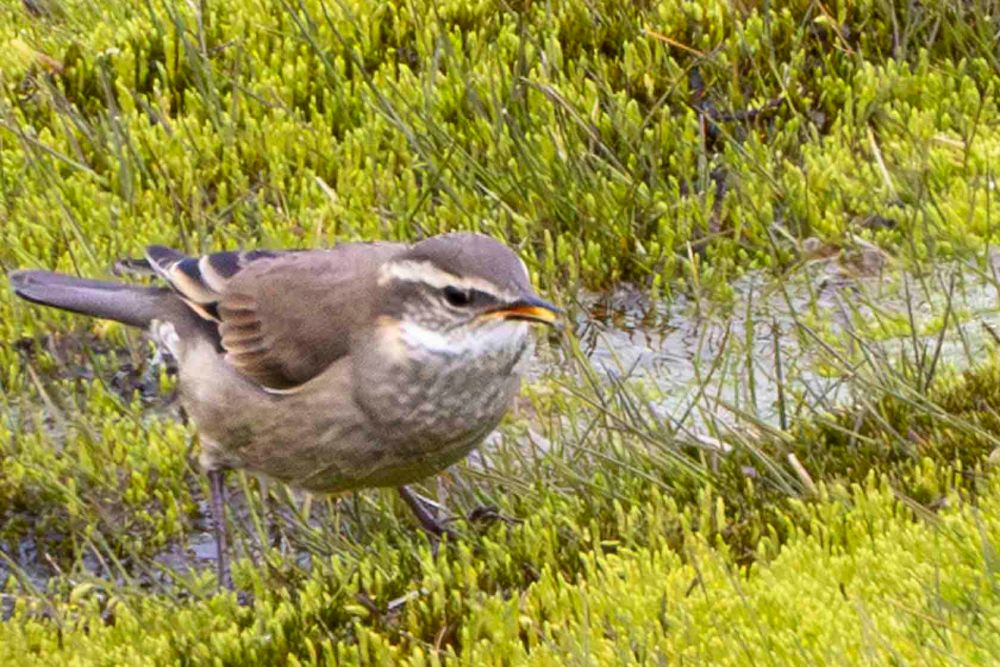
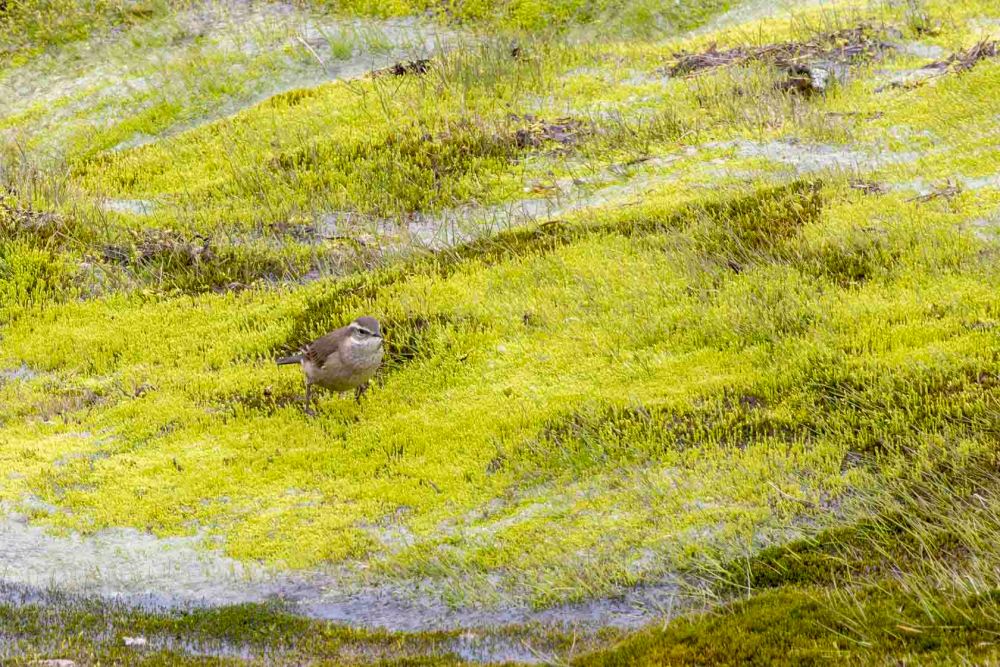
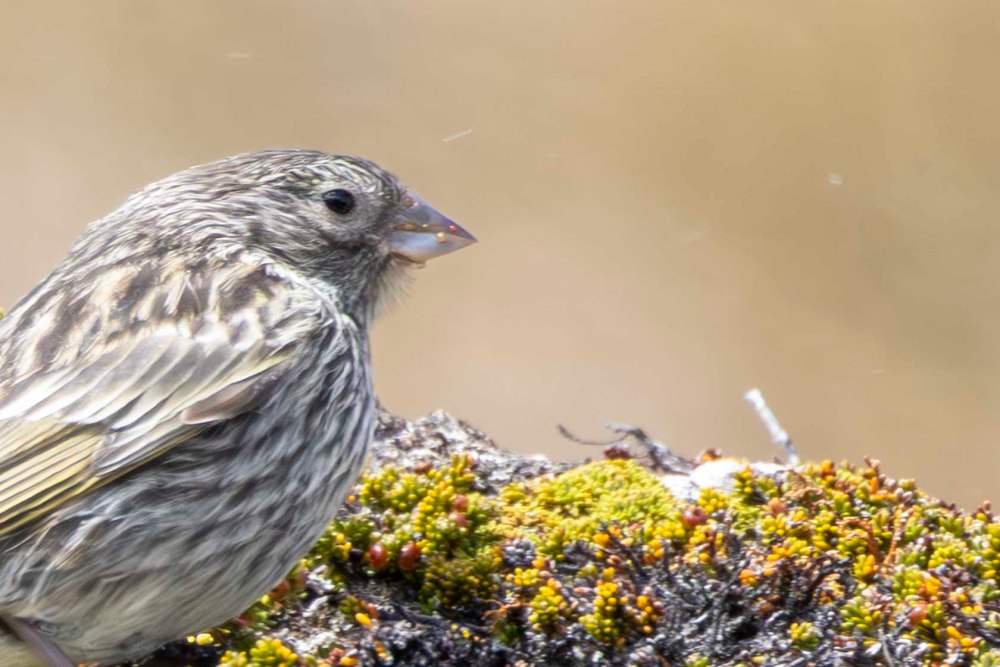
こちらはノドグロシシドのメスです。種をたくさん嘴の周りにつけて、お食事の後のようです。 This is a female White-bridled Finch. She has seeds stuck all around her beak, looking like she just finished her meal.
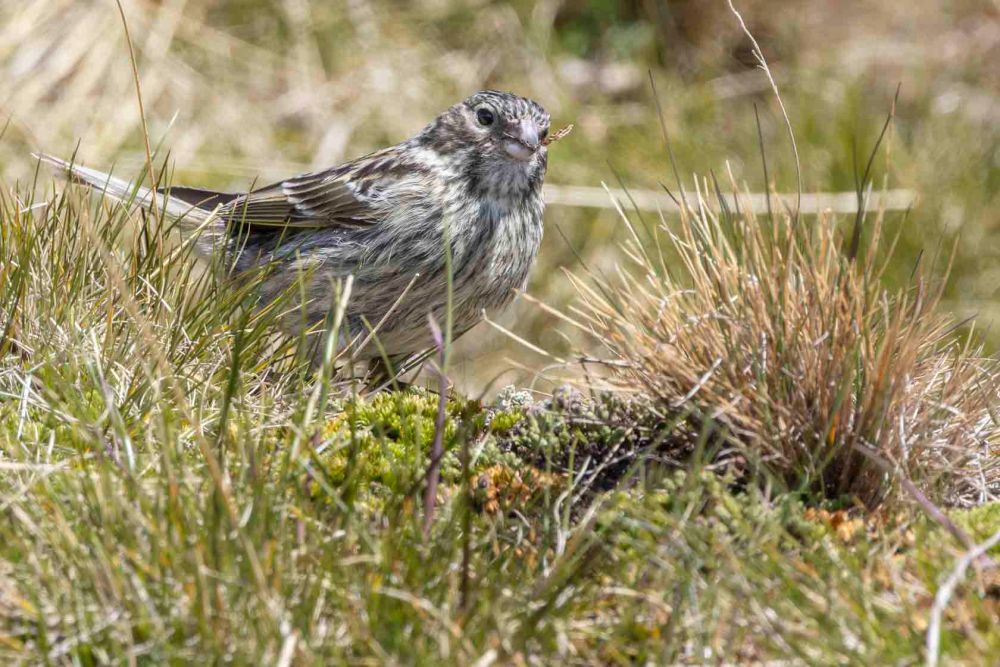
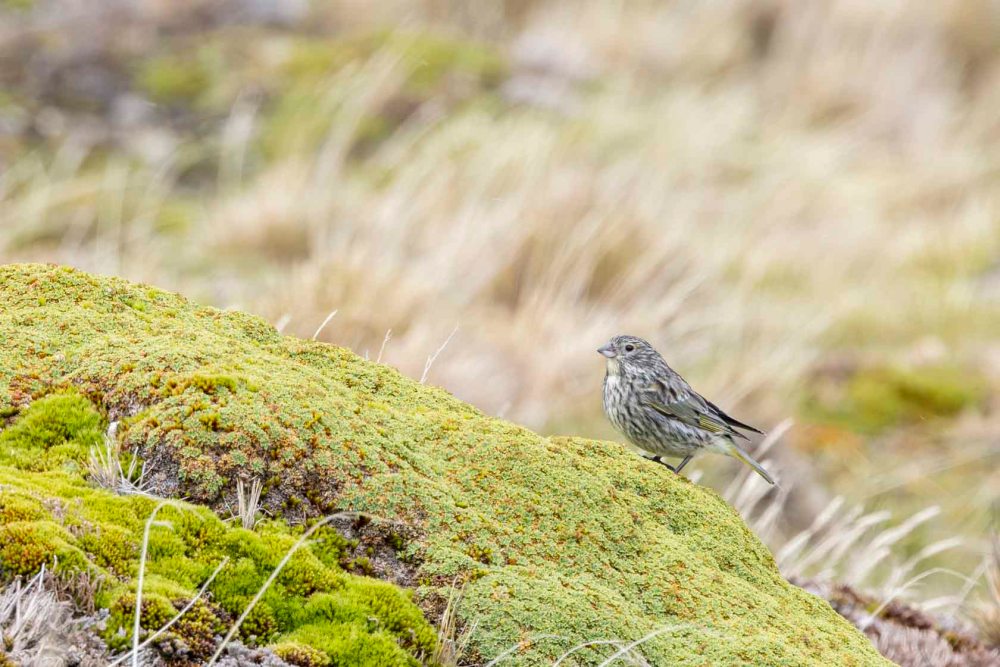
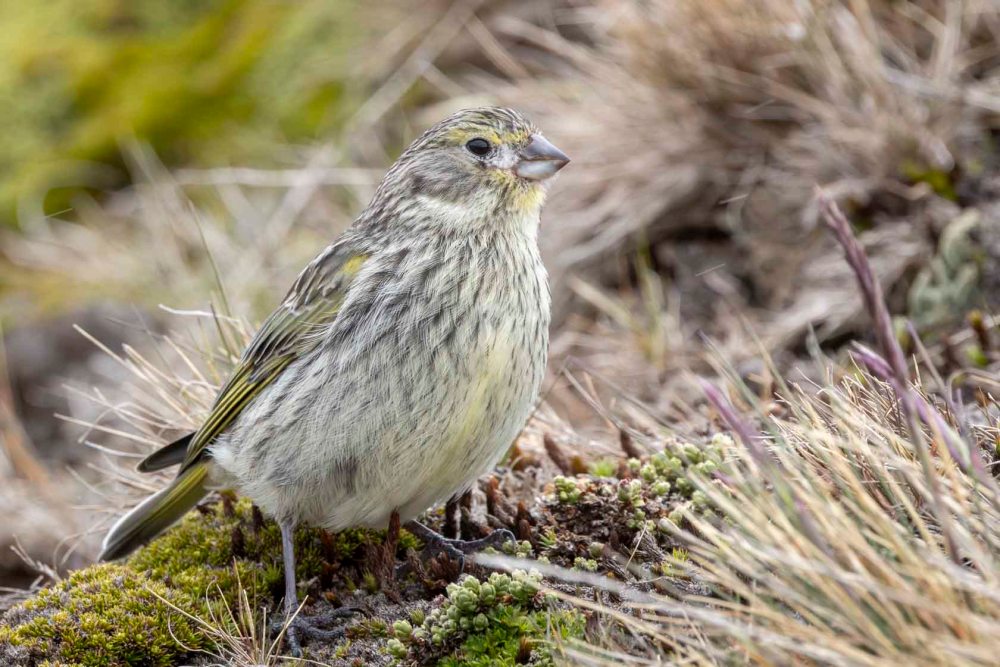
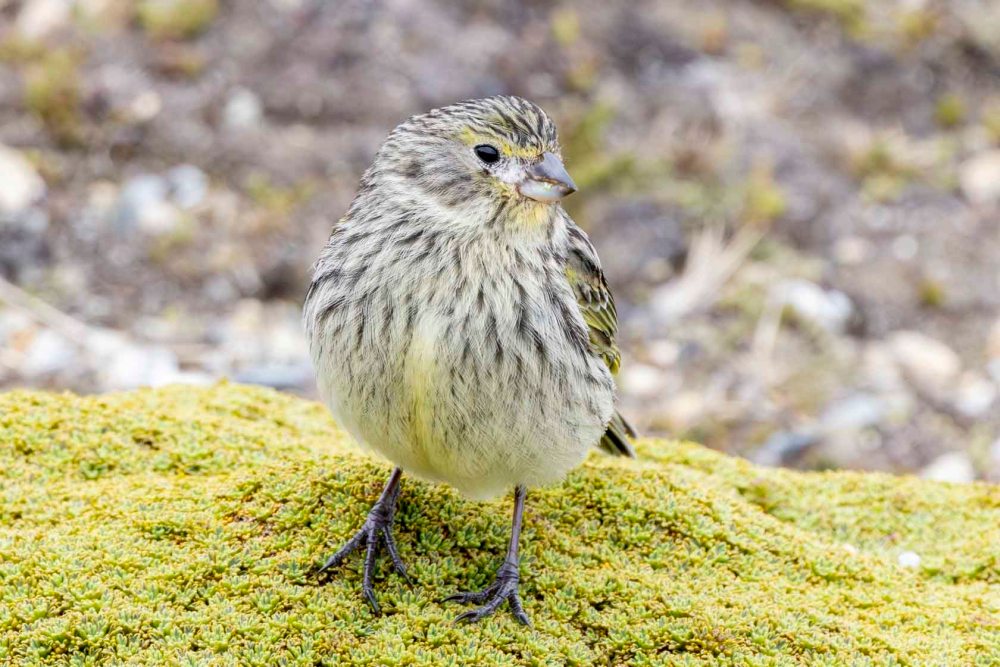
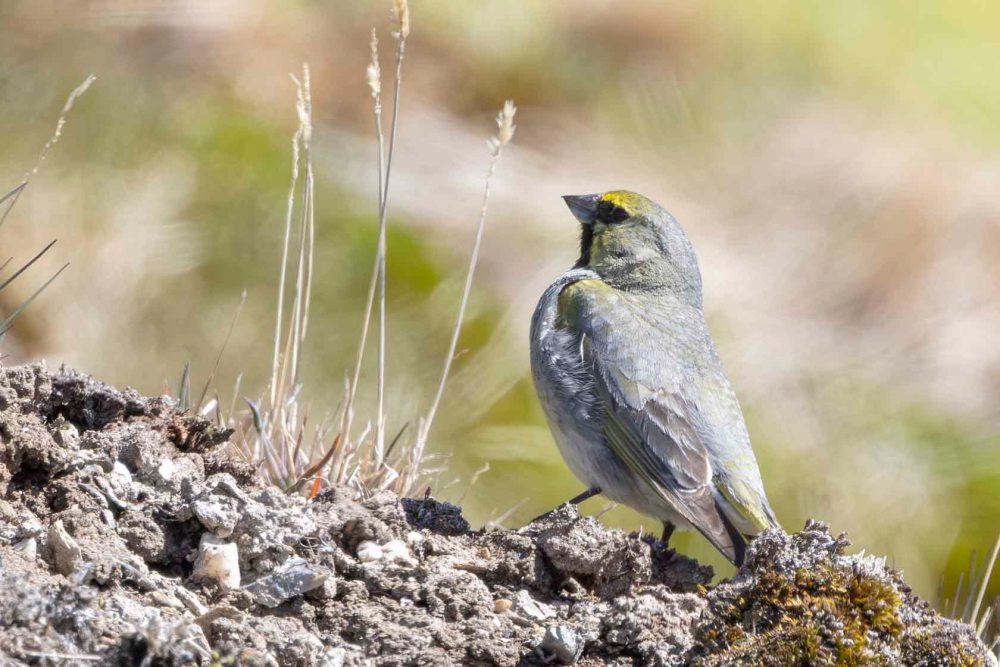
こちらはミドリノドグロシシドのメスとオスです。メスはどの鳥も似ていて見分けるのが難しいです。 These are a female and male Yellow-bridled Finch. Females of all birds look similar and are difficult to distinguish.
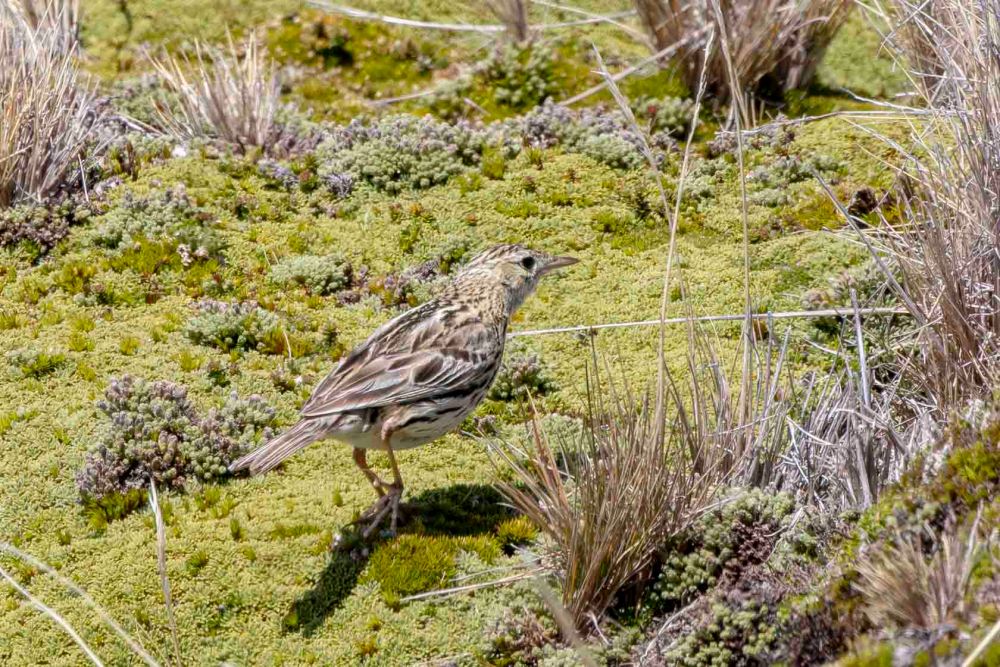
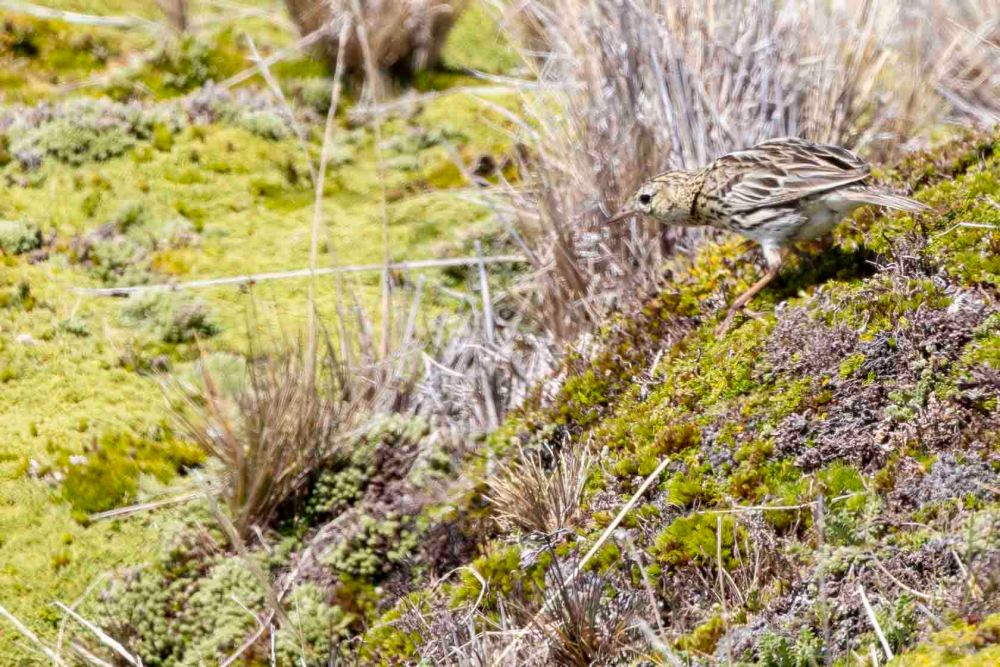
セジマタヒバリです。 This is a Correndera Pipit.
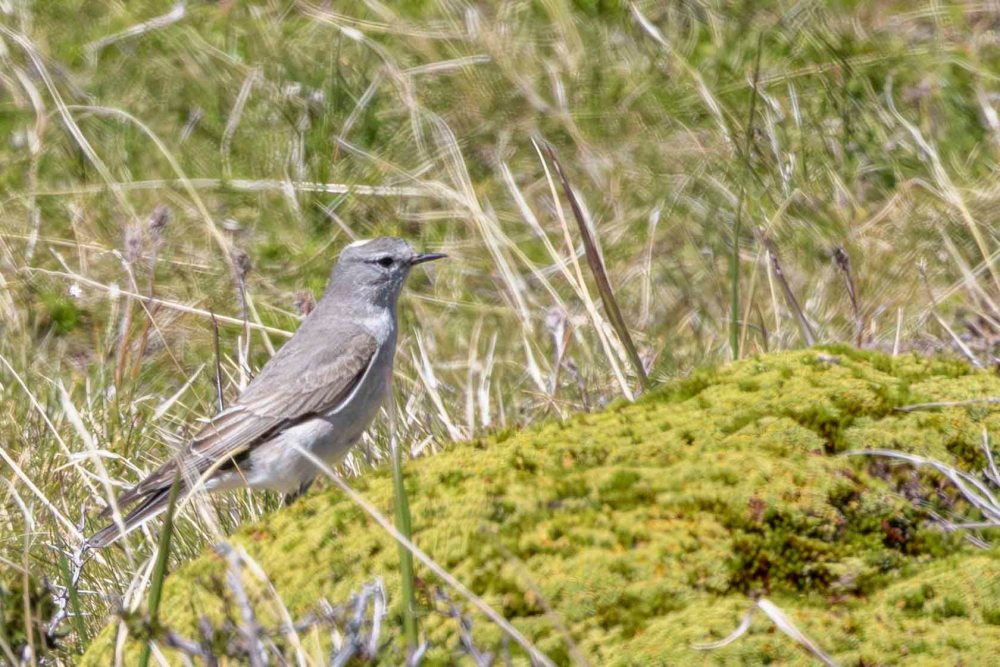
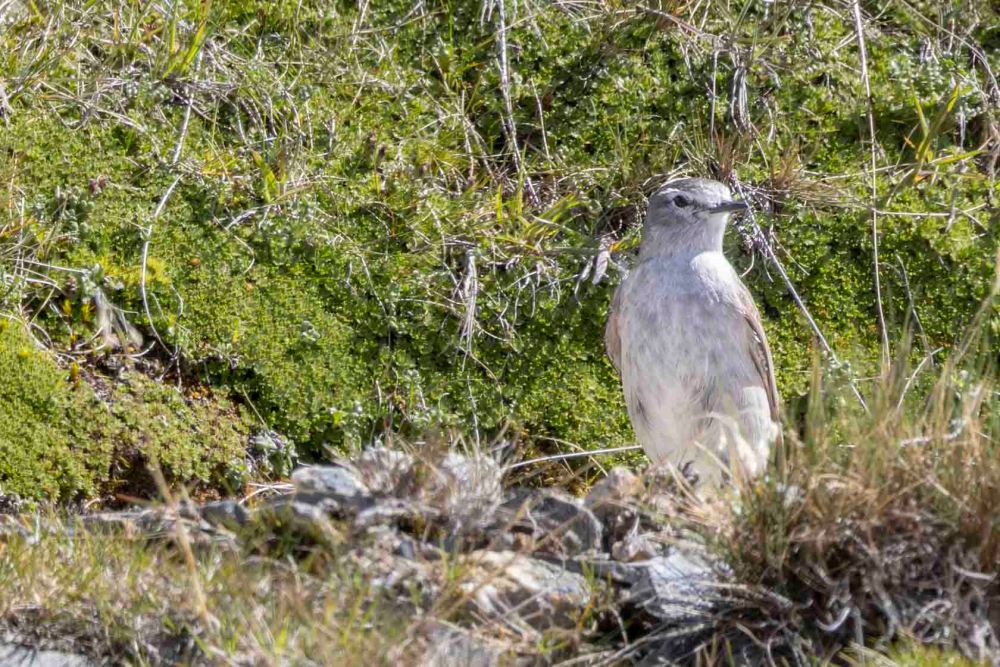
シロビタイイワタイランチョウです。頭の上に白いマークが付いています。 This is a Ochre-naped Ground Tyrant. It has a white mark on its head.
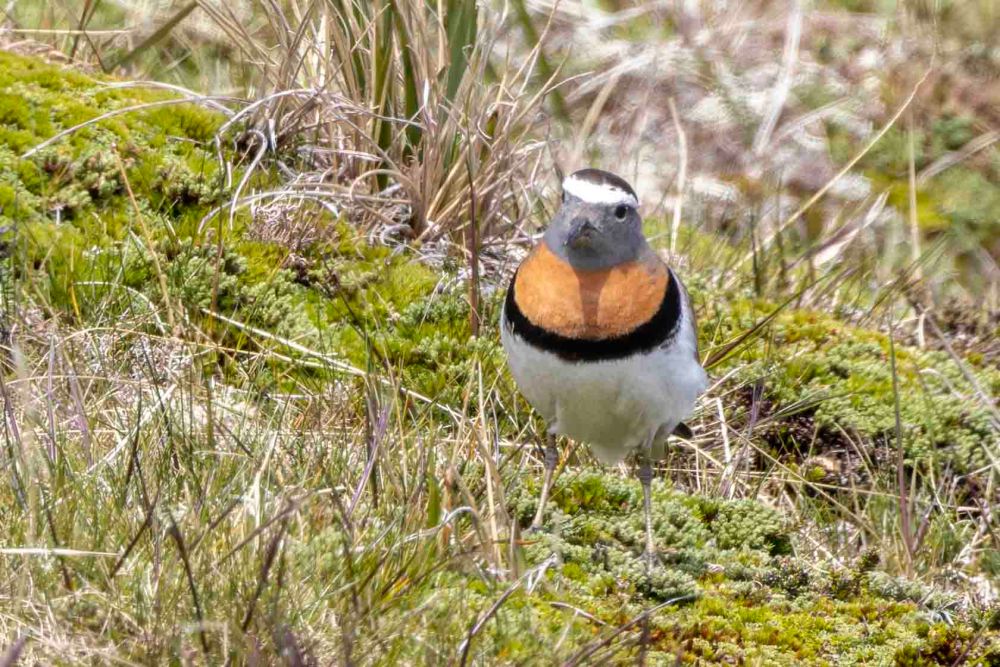
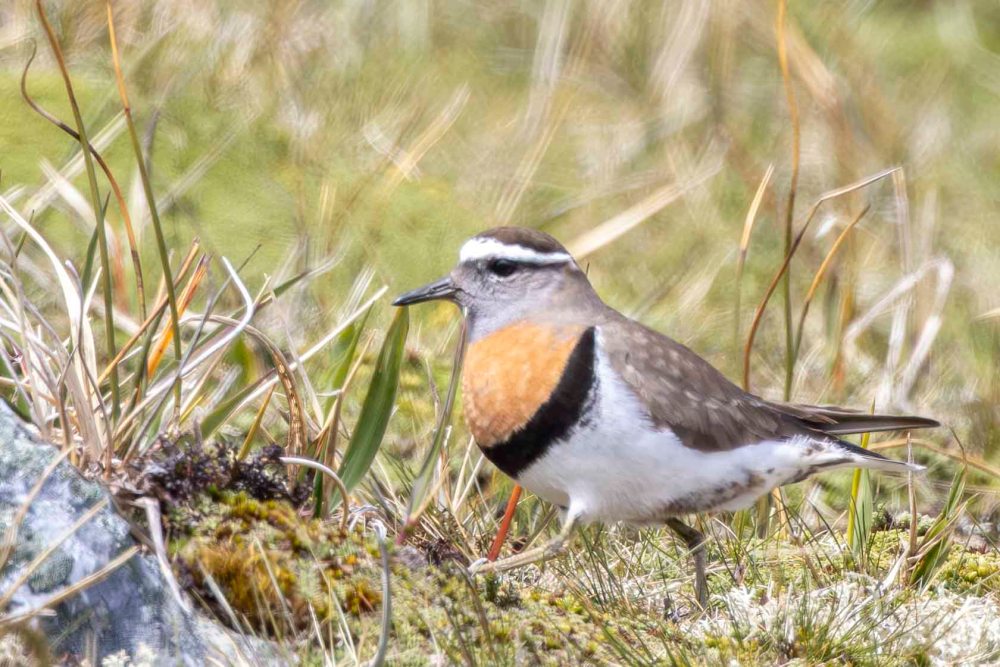
ムネアカチドリです。白いハチマキのお兄さんという雰囲気がします。 This is a Rufous-chested Dotterel. It has the vibe of a guy with a white headband.
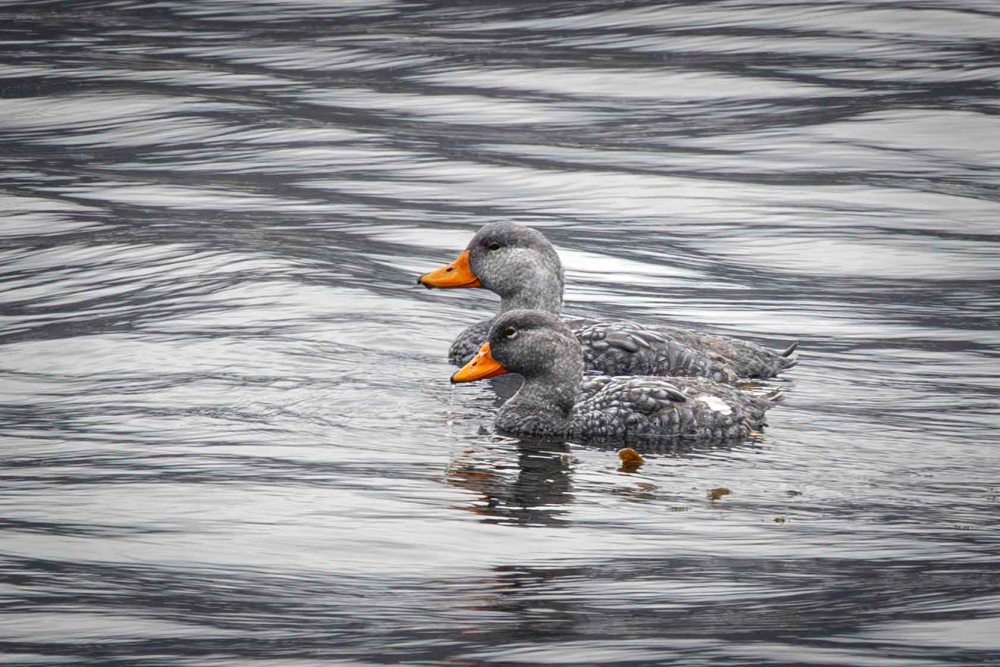
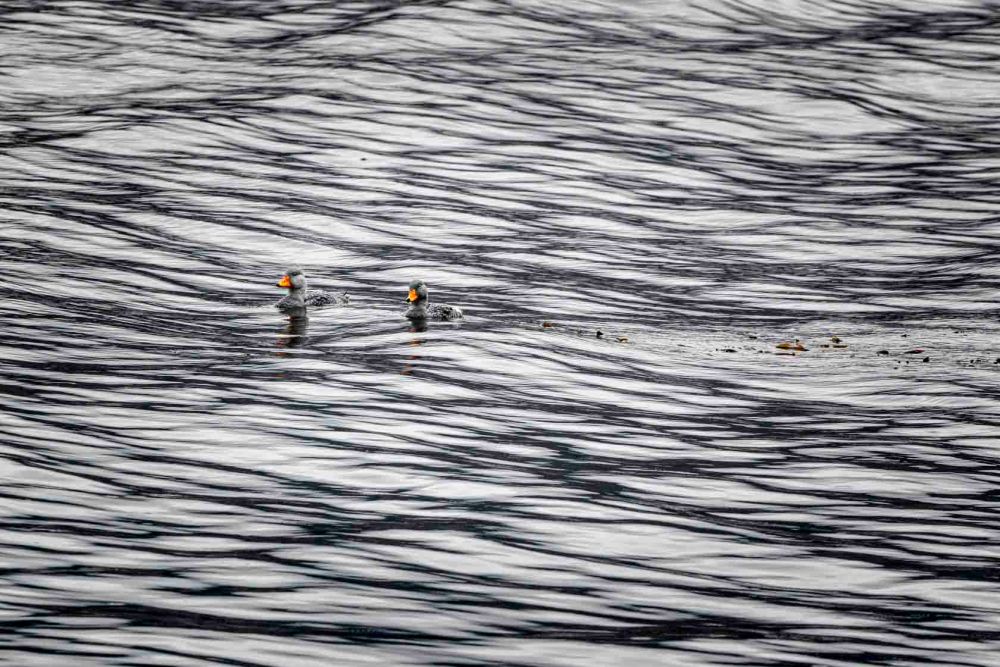
飛ばない鳥、オオフナガモ。 The flightless bird, Flightless Steamer Duck.
ミナミオオセグロカモメです。右側が未成年。名前の通り、翼の上は黒いです。 These are Kelp Gulls. The two on the right are juveniles. As its name suggests, the upper wings are black.
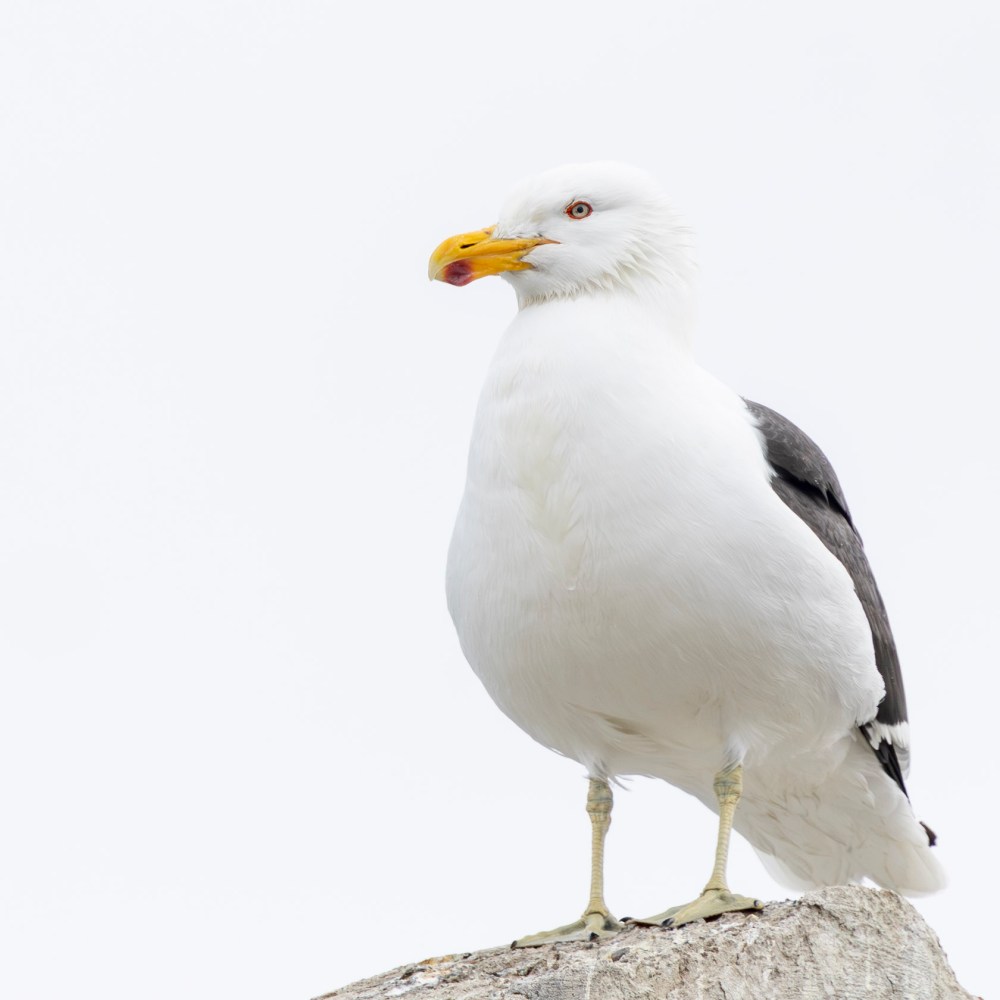
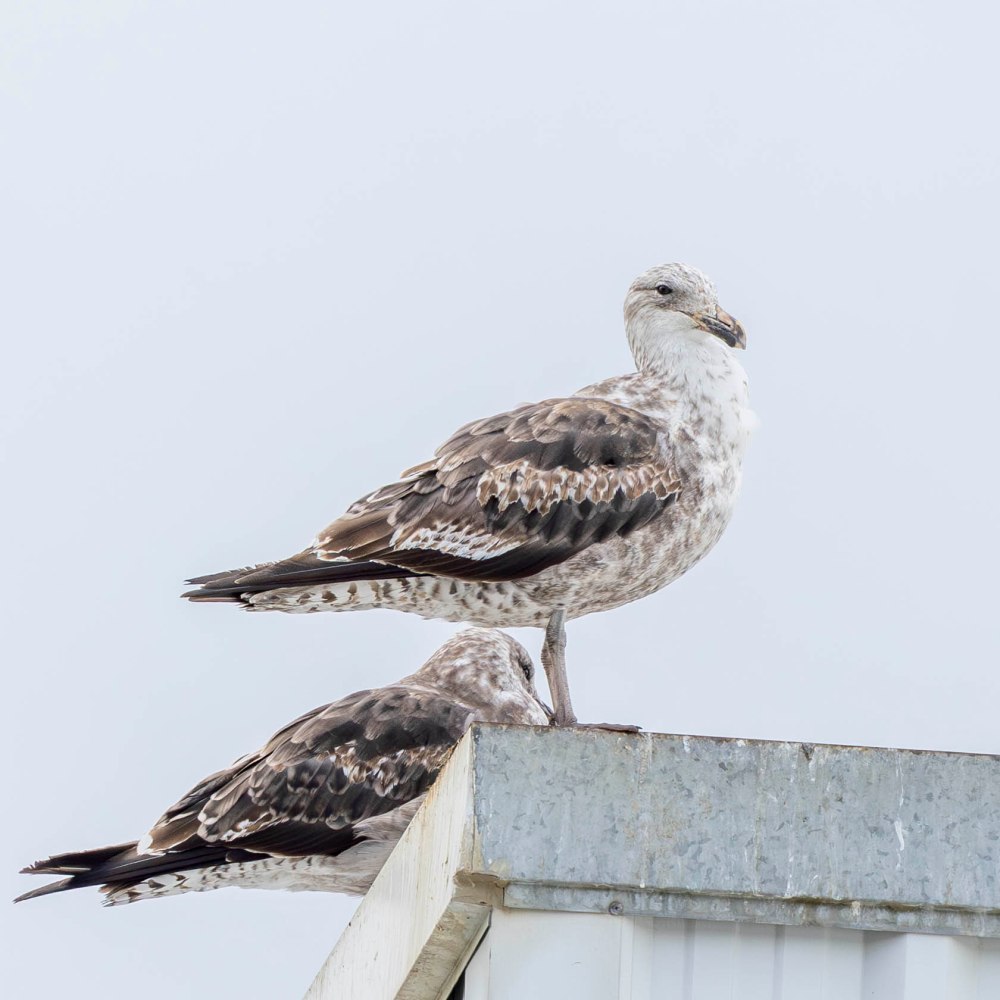
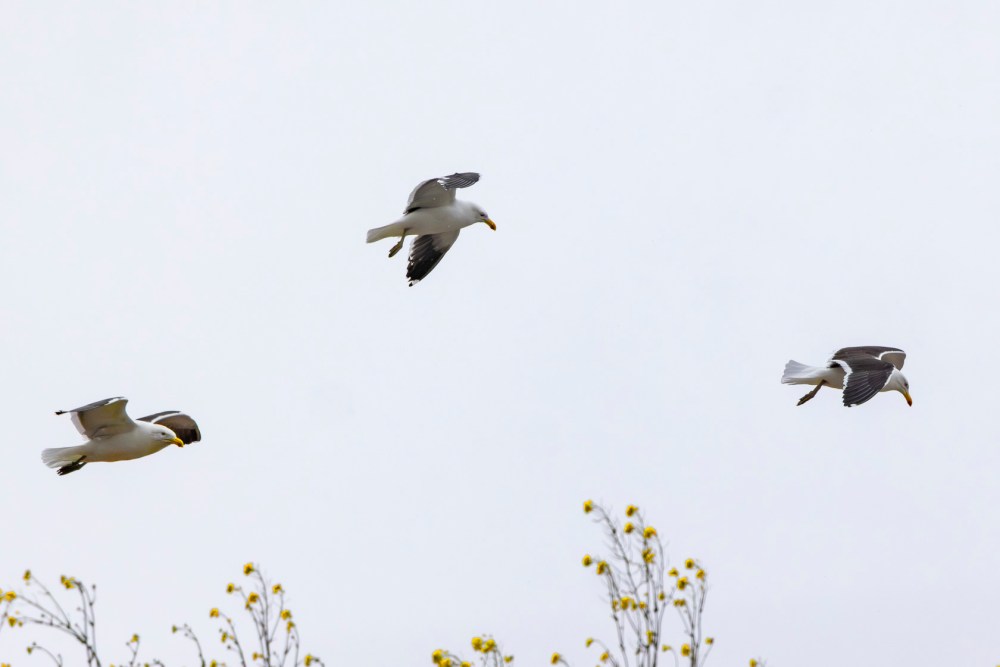
最後に、オオフルマカモメです。 Lastly, the Southern Giant Petrel.
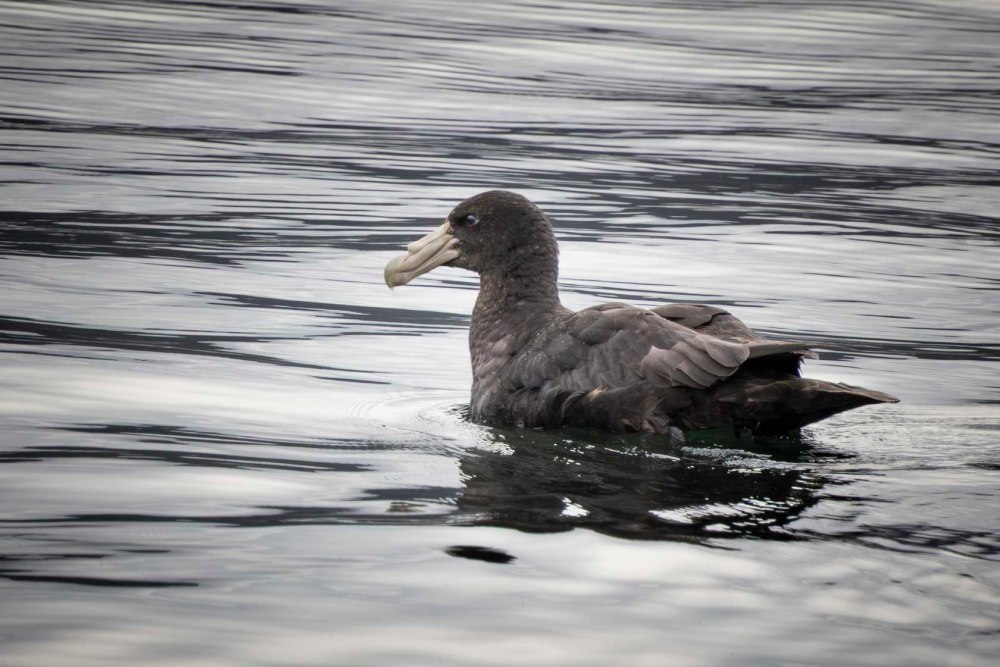
これでこの日の鳥の紹介は終了です。 That’t it! This concludes today’s bird introductions.
でも、後もう一つ、どうしても紹介したいものがあります。それはラマ科のグアナコです。アンデス山脈を駆け巡るグアナコ、気持ちよさそうです。そして、私もアンデスの草原を鳥尾追いかけてクタクタになってしまいましたが、夢が叶って心は暖かくなりました。毎度のことですが、以下、質の悪いビデオで失礼致します。 But there’s one more thing I absolutely must introduce: the Guanaco, a member of the llama family. The Guanaco galloping across the Andes looks like it’s having the time of its life. And while I ended up completely exhausted chasing birds across the Andean grasslands, my dream came true and my heart felt warm. As always, apologies for the poor video quality, but please watch it.
 aomi3 now